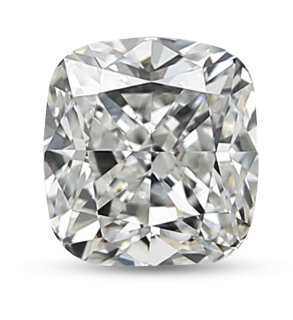
A Luminous Register from Lemon to Deep Gold
Yellow spans a wider tonal range than its brightness first suggests. From pale, crisp lemon through canary to a deep honeyed gold, the color shifts in character across species and saturation, and the collector’s judgment turns on how clean and lively that yellow reads rather than simply how dark.
Sapphire anchors the color with unmatched durability. Its yellow arises from trivalent iron (Fe³⁺) within the corundum lattice, with higher iron content deepening saturation toward a rich golden tone, and fine unheated material of strong, even color occupies a distinct collector tier. Tourmaline reaches yellow by a different route, its warm lemon-to-gold hues attributed to traces of manganese and color centers within the crystal. Across both species, the most prized stones hold a pure yellow uncomplicated by the brown or greenish casts that dull lesser material, a purity that becomes the defining measure of quality in this part of the spectrum.
Because yellow is a color where enhancement is common, natural origin carries particular weight. Heat and irradiation can induce or deepen yellow in material that would otherwise grade paler, so the distinction between natural and treated color becomes a central question for any serious acquisition, and one that laboratory analysis resolves.
The Grygorian Gallery Selection in Yellow Tones
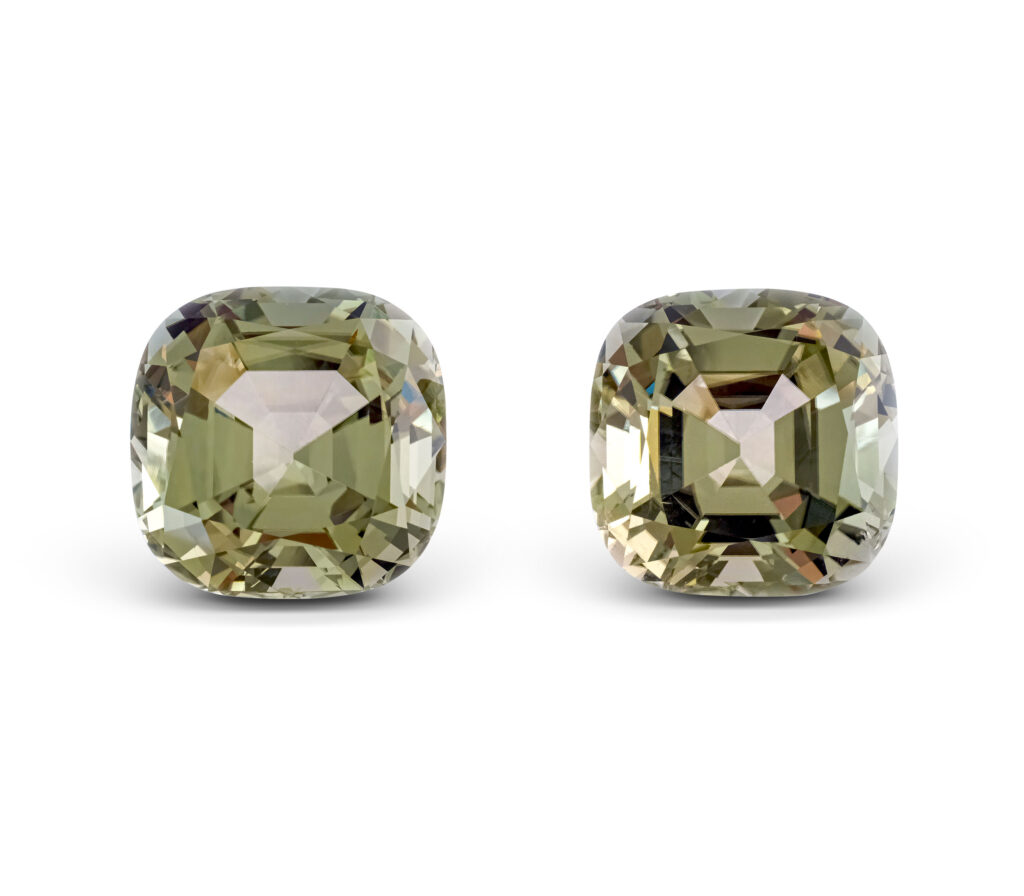
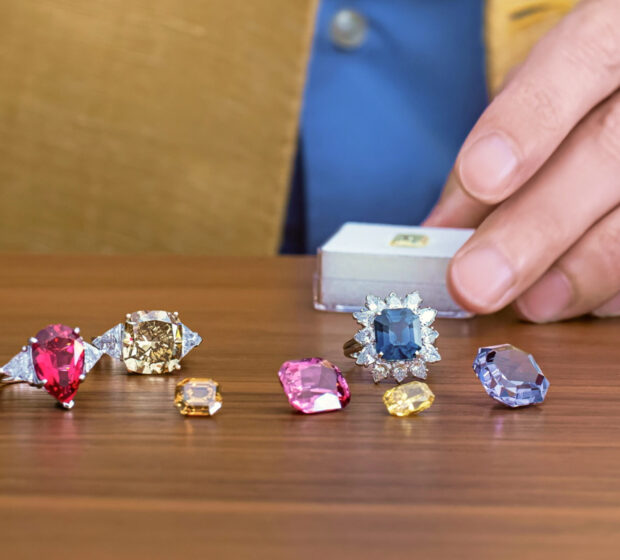
Once the color reads clean and its origin is understood, other qualities complete the picture. Rare colored stones that periodically enter the selection in this hue are chosen for saturation distributed evenly through the crystal, transparency that withstands close examination, and precision cutting that maximizes the brilliance a bright color is uniquely suited to display.
The gemological expertise developed by Eduard Grygorian, IGI Colored Stones Grader, informs the selection standards applied to yellow gemstones, from species identification to natural-color origin and the treated-versus-untreated distinction that bears so heavily on value. Where the certificate accompanies the stone, documentation from GIA or specialist gemological laboratories confirms natural origin, species, and treatment status; stones undergo gemological examination in which spectroscopic analysis and inclusion study establish identity and geographic provenance where relevant.
Acquiring Yellow Stones at Collector Level
For the collector, yellow offers a brightness and immediacy that few colors rival, with fine unheated sapphire in strong, even color representing a genuinely scarce proposition once size is held to a high standard.
Acquired unset, loose yellow gemstones remain fully gradable and independently verifiable, support future bespoke commissions, and retain the estate quality condition that underpins long-term resale value within a category where finite supply of clean, naturally colored material sustains lasting demand for rare natural gemstones. Discerning collectors are invited to explore the selection of rare loose colored stones in yellow tones with Grygorian Gallery, at the Palais de la Scala in Monaco.