The Broadest Range in the Spectrum
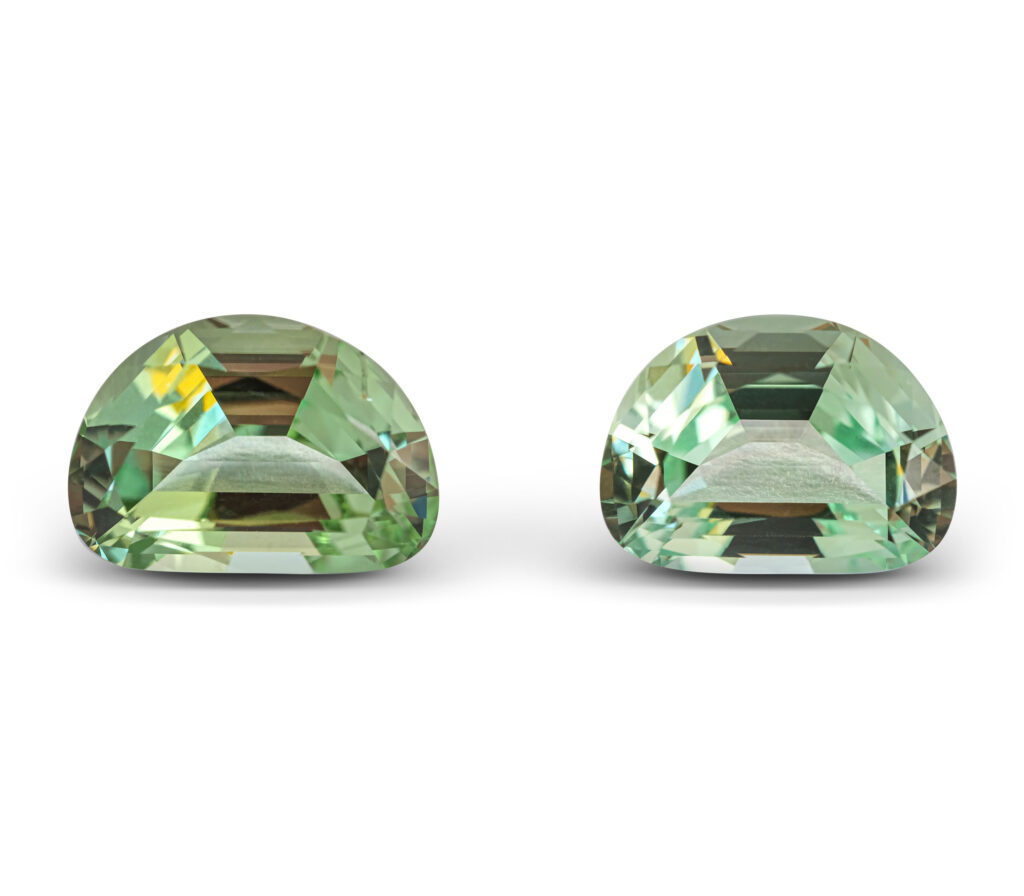
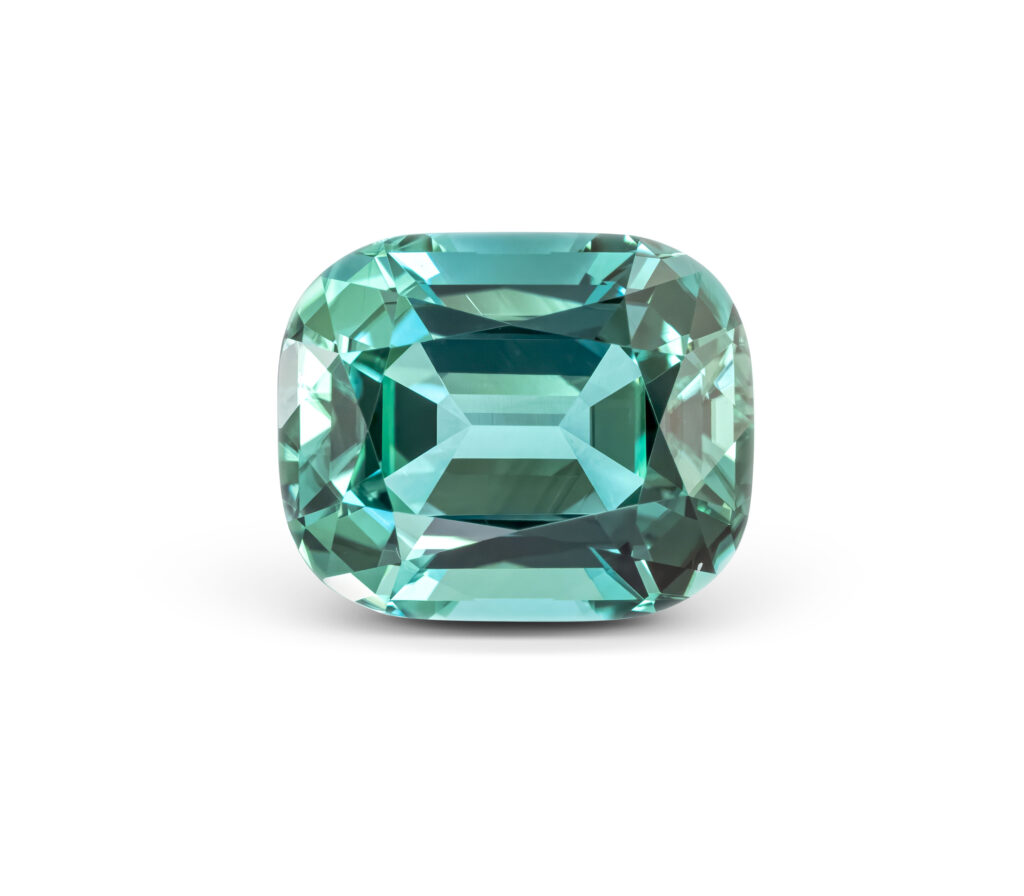
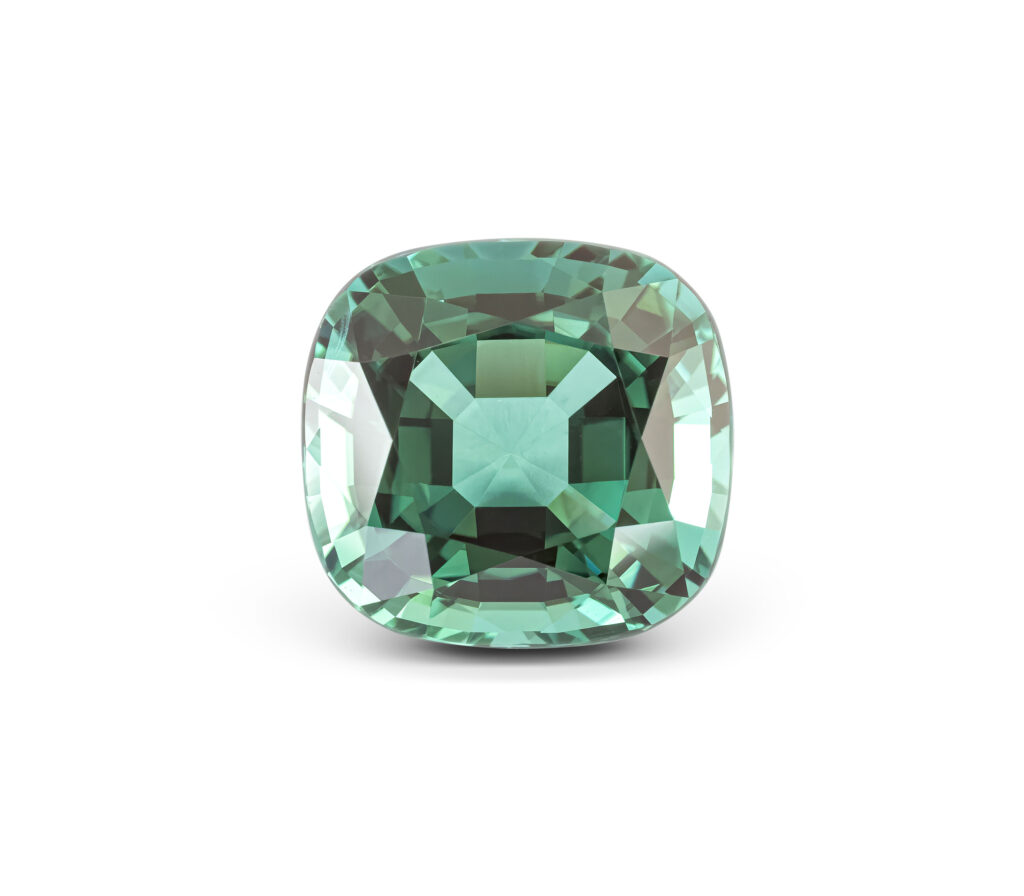
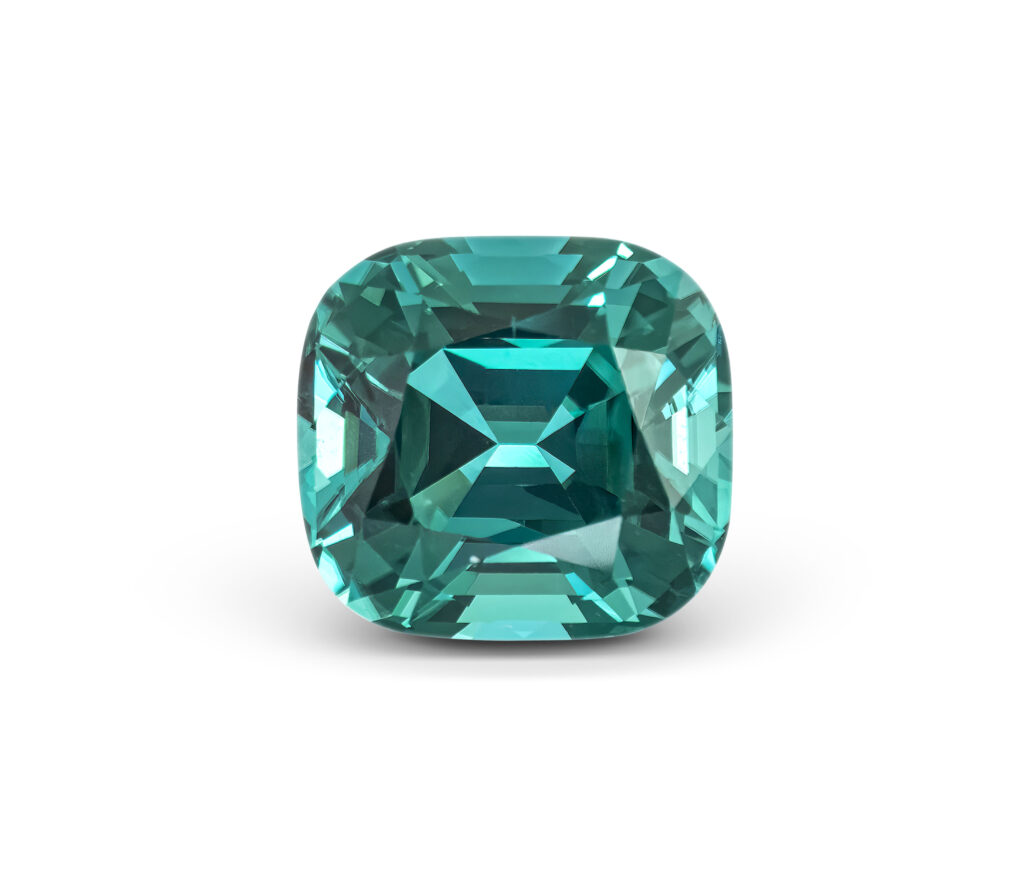
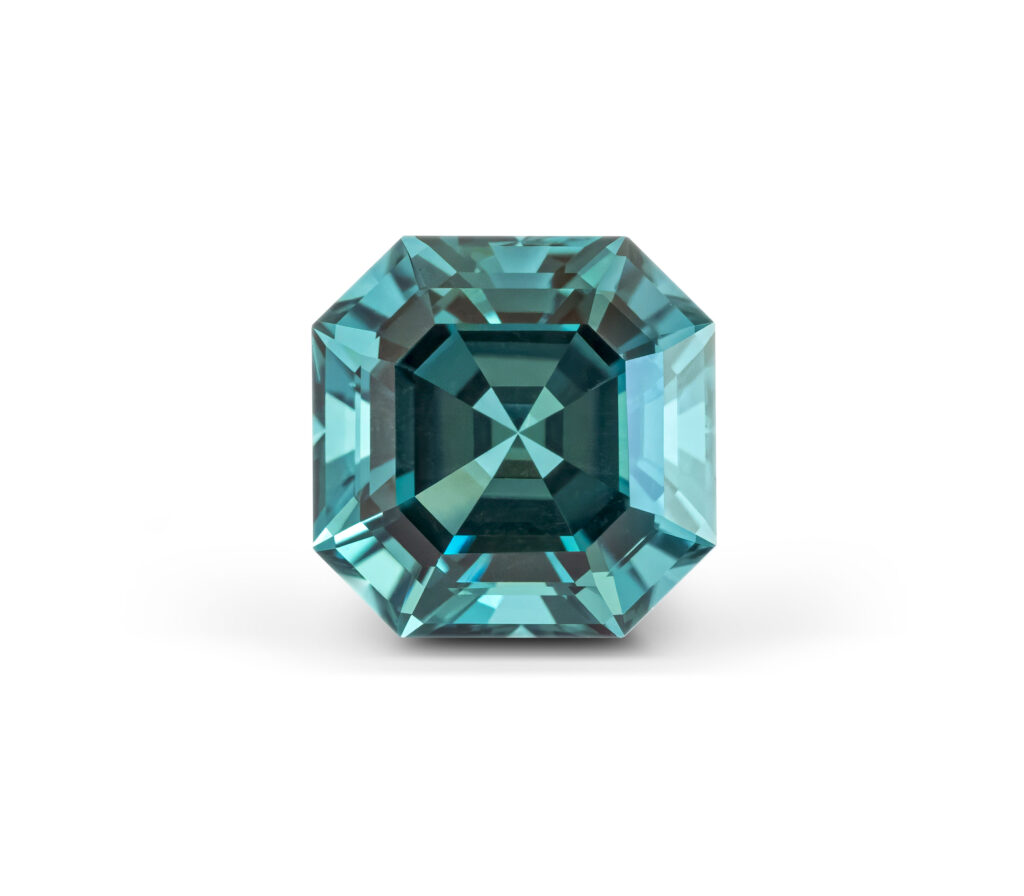
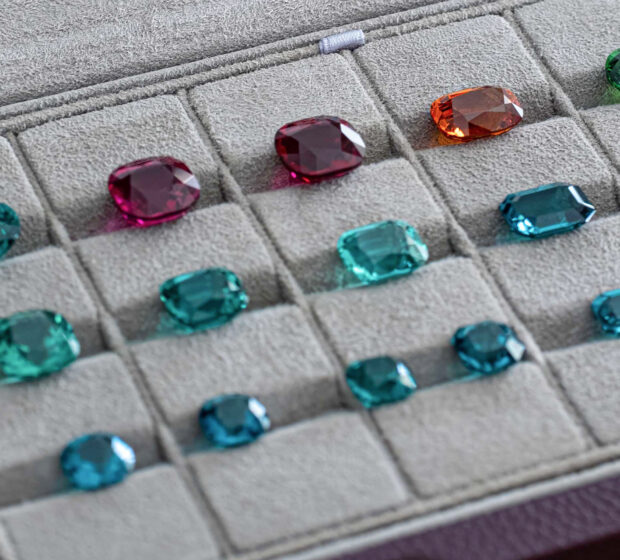
Green covers more ground than almost any other color a collector might pursue, and the reason lies in chemistry. Several distinct trace elements produce green across unrelated species, so the hue ranges from the intense grass-green of fine garnet to cool mint, teal, and forest tones, each register the signature of a different cause.
Chromium-Green Against Iron-Green
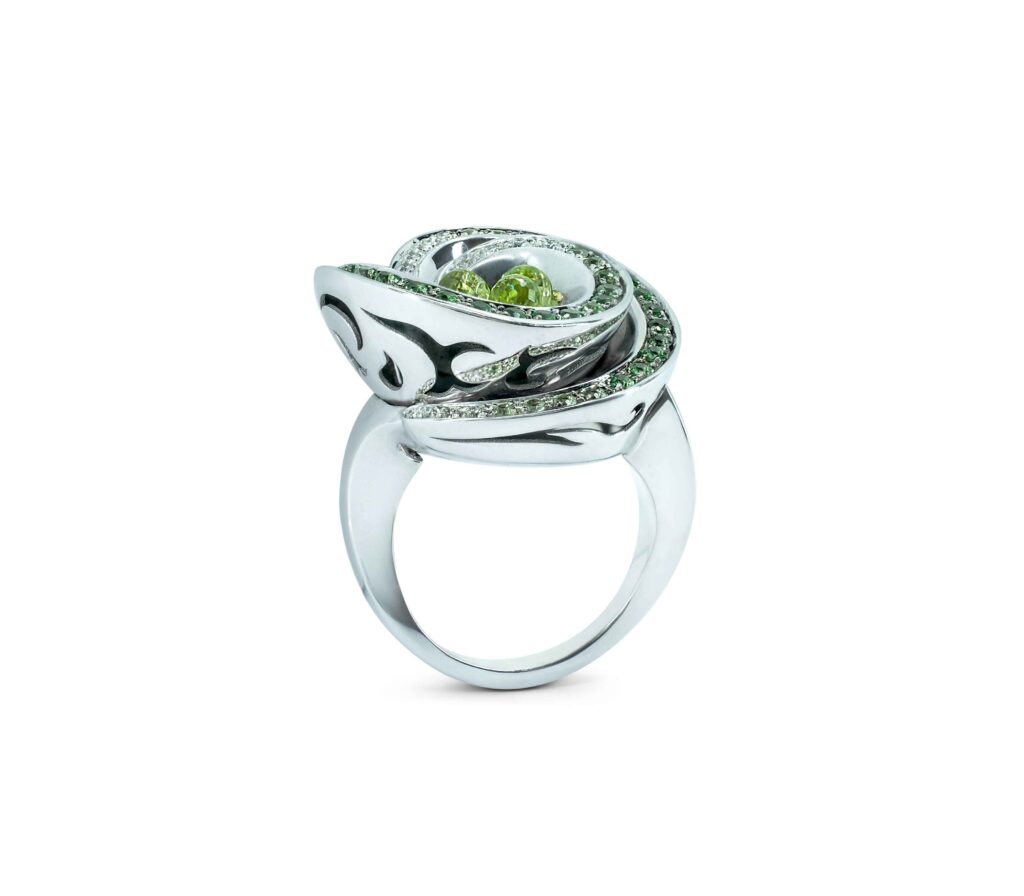
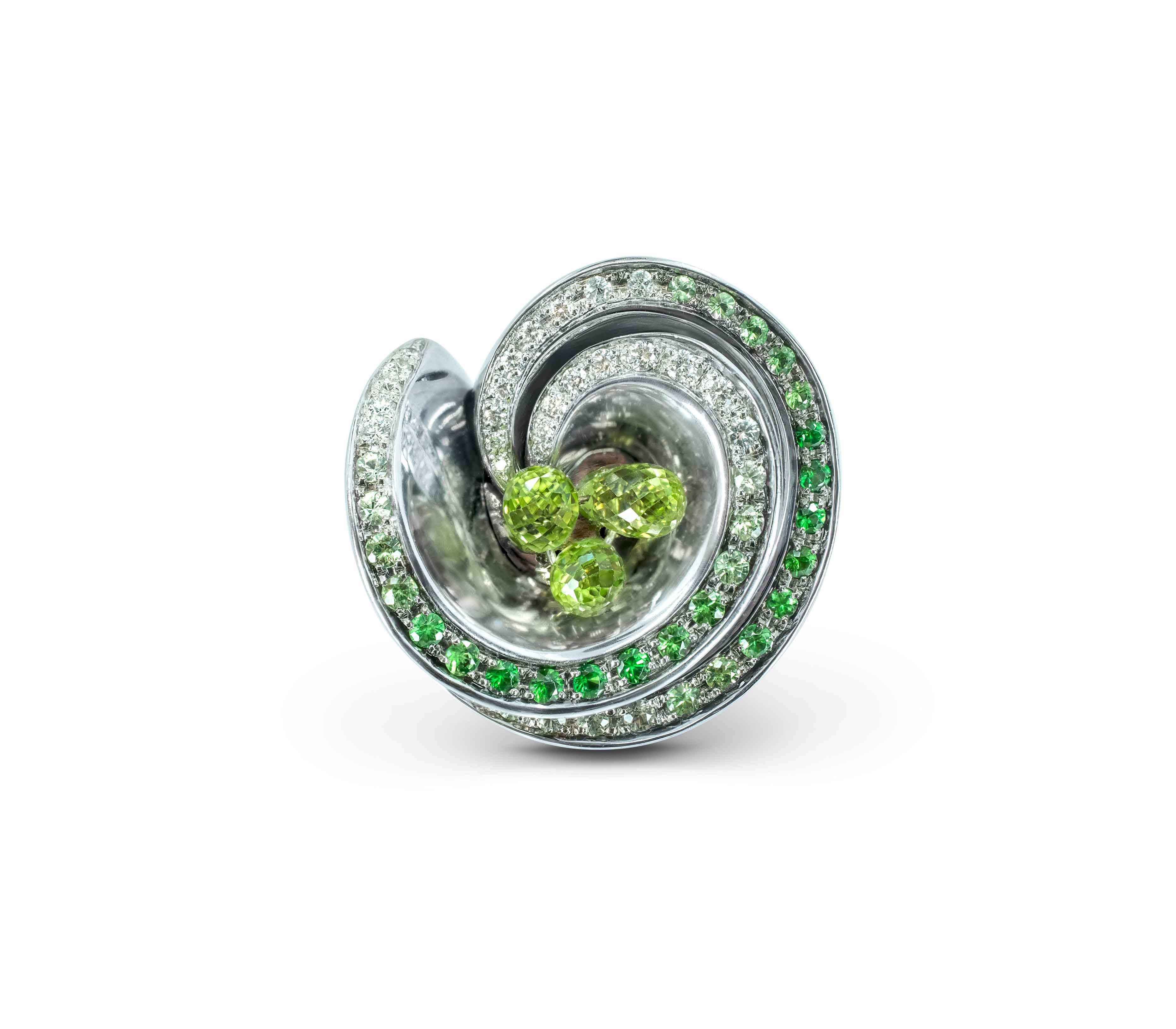
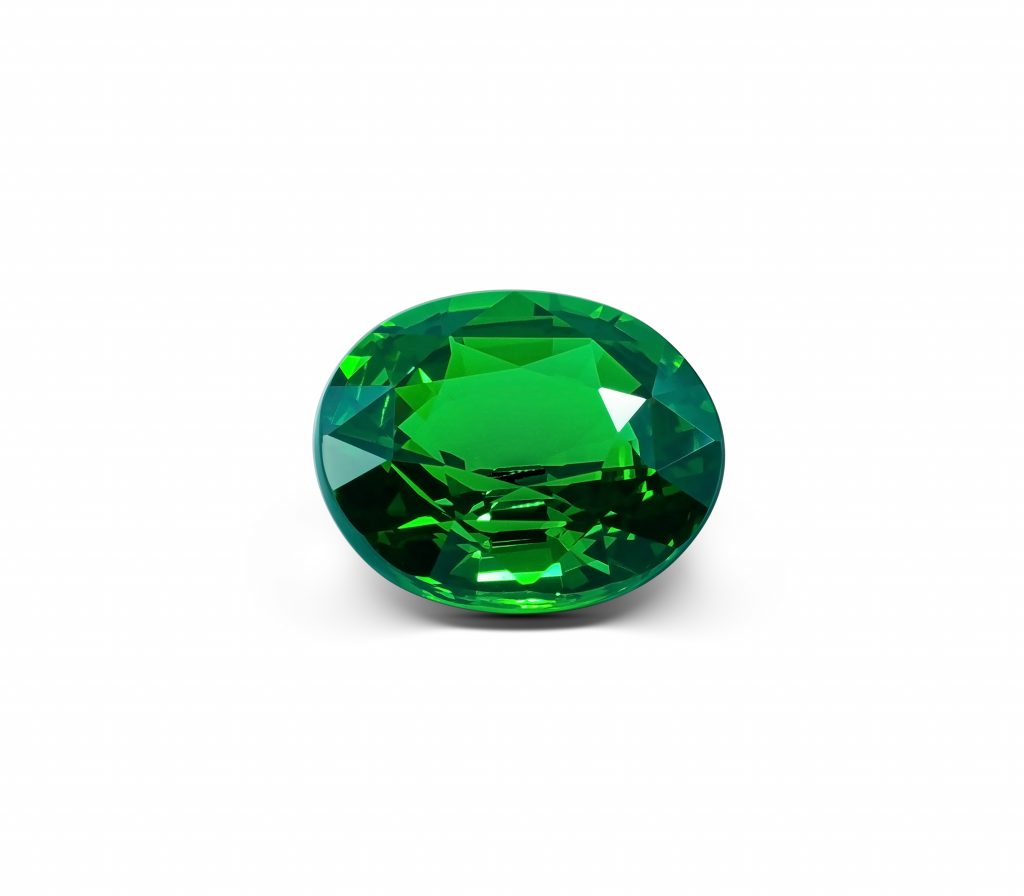
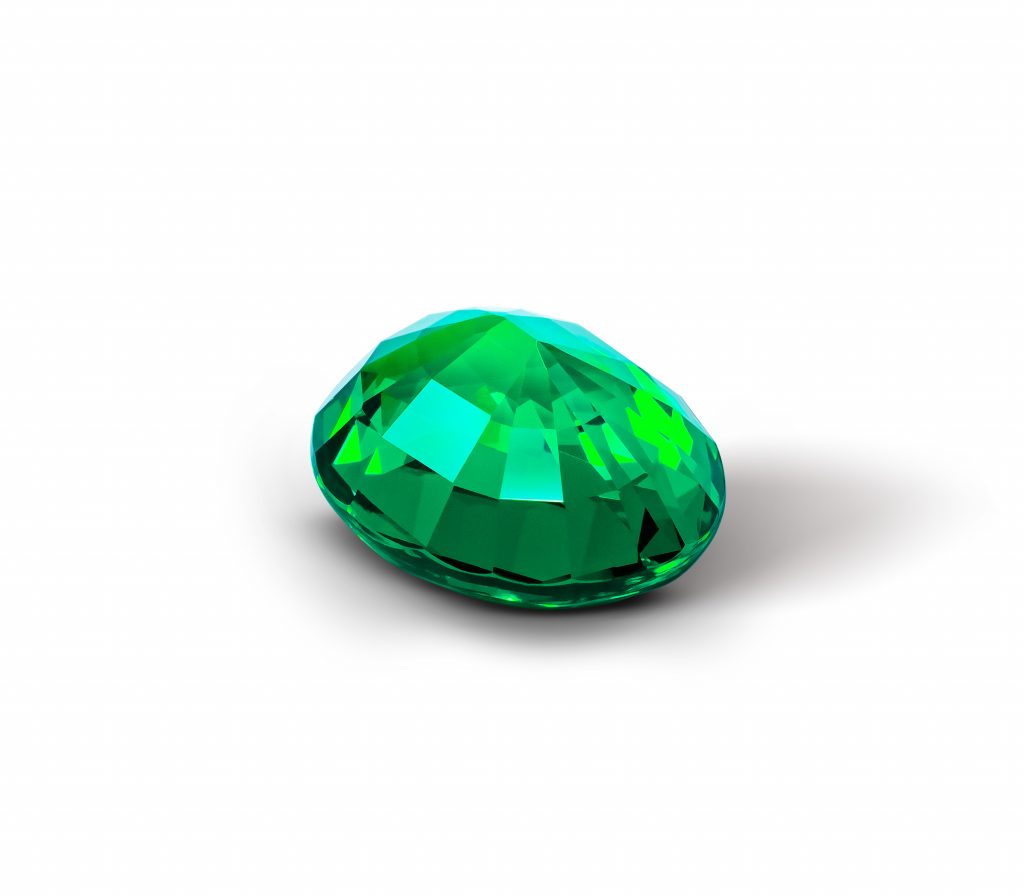
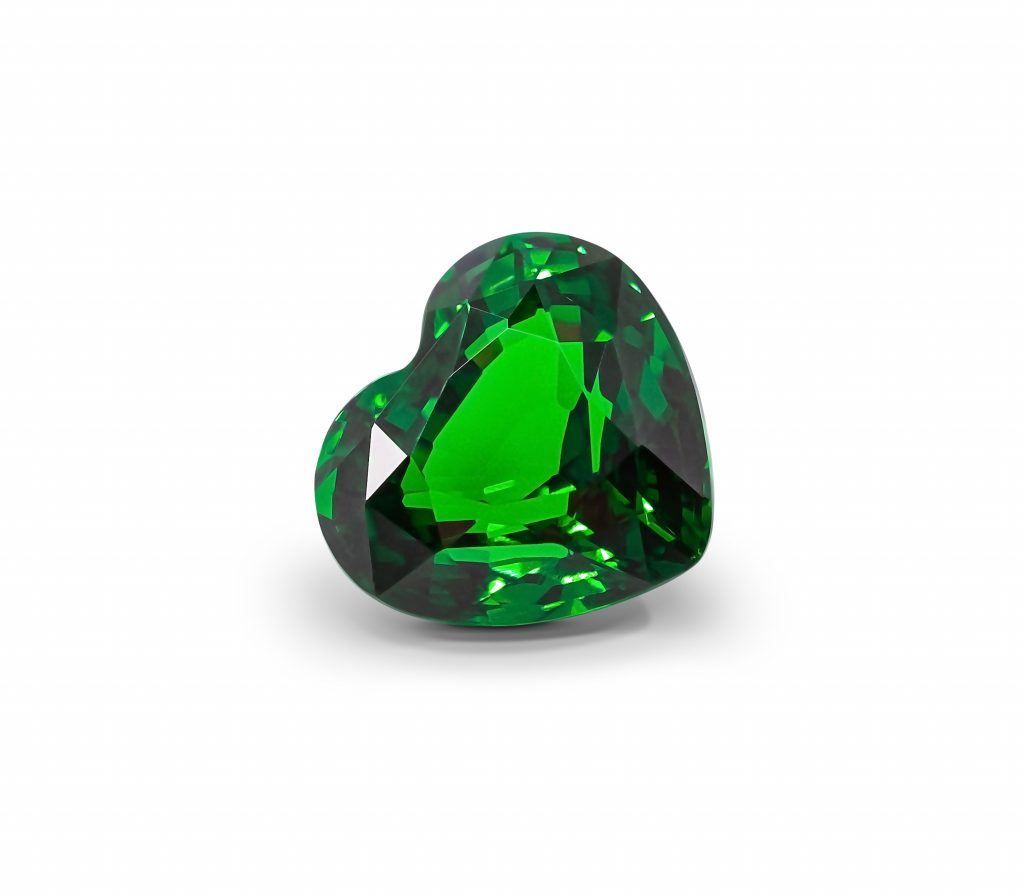
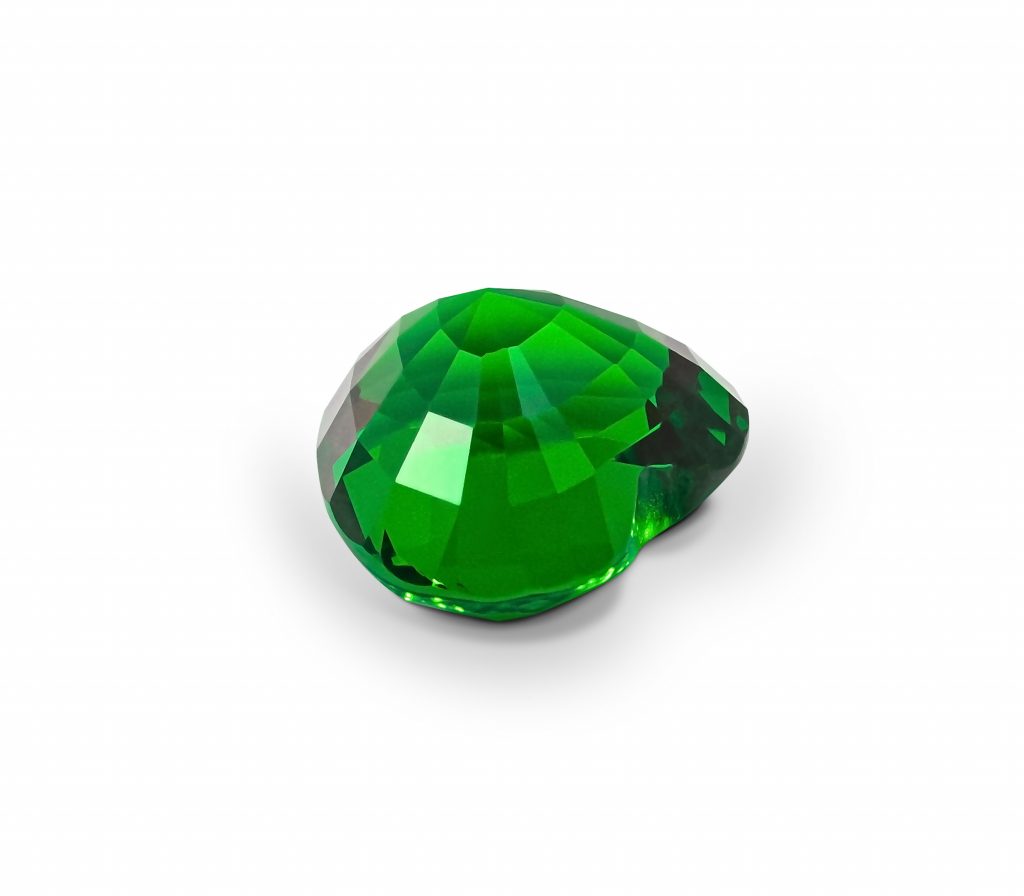
The most valued greens arise from chromium and vanadium, the same elements responsible for fine emerald’s color. Tsavorite garnet draws its brilliant grass-green from vanadium and chromium within the grossular matrix, achieving that intensity without emerald’s characteristic inclusions and fractures, while chrome tourmaline reaches comparable vividness from the same elements. These are the stones that read as pure, saturated green with a lively fire under daylight.
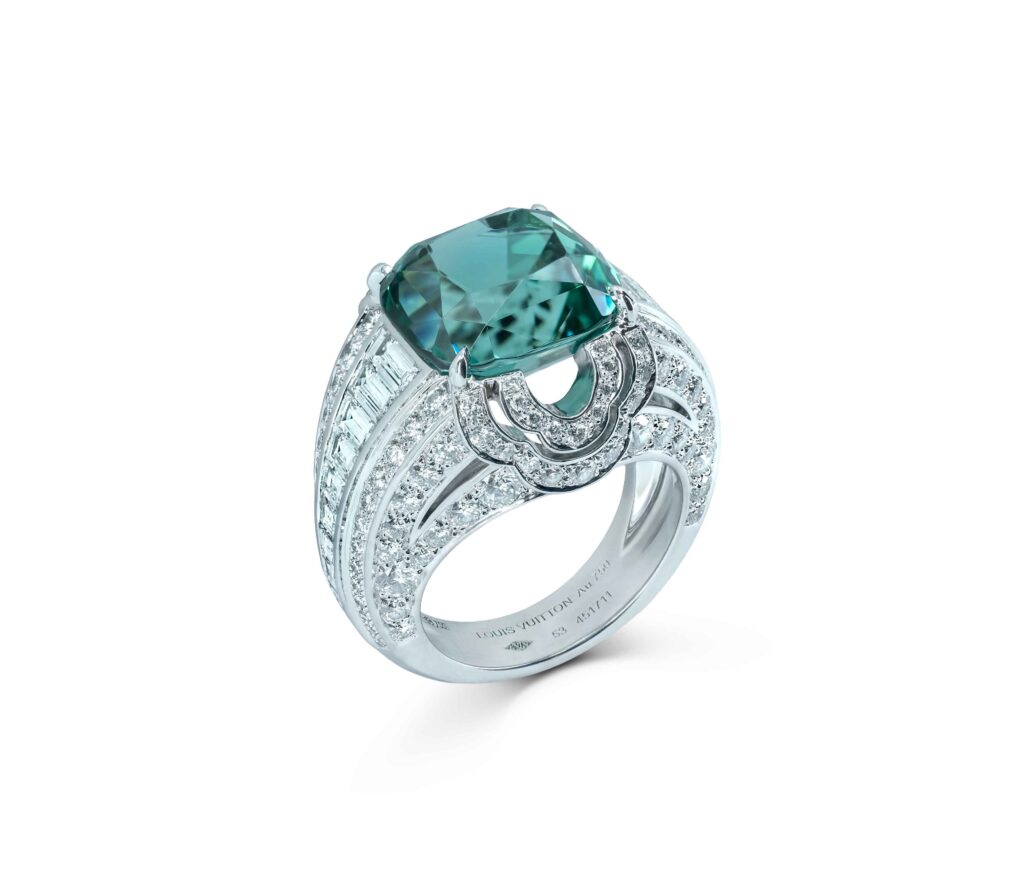
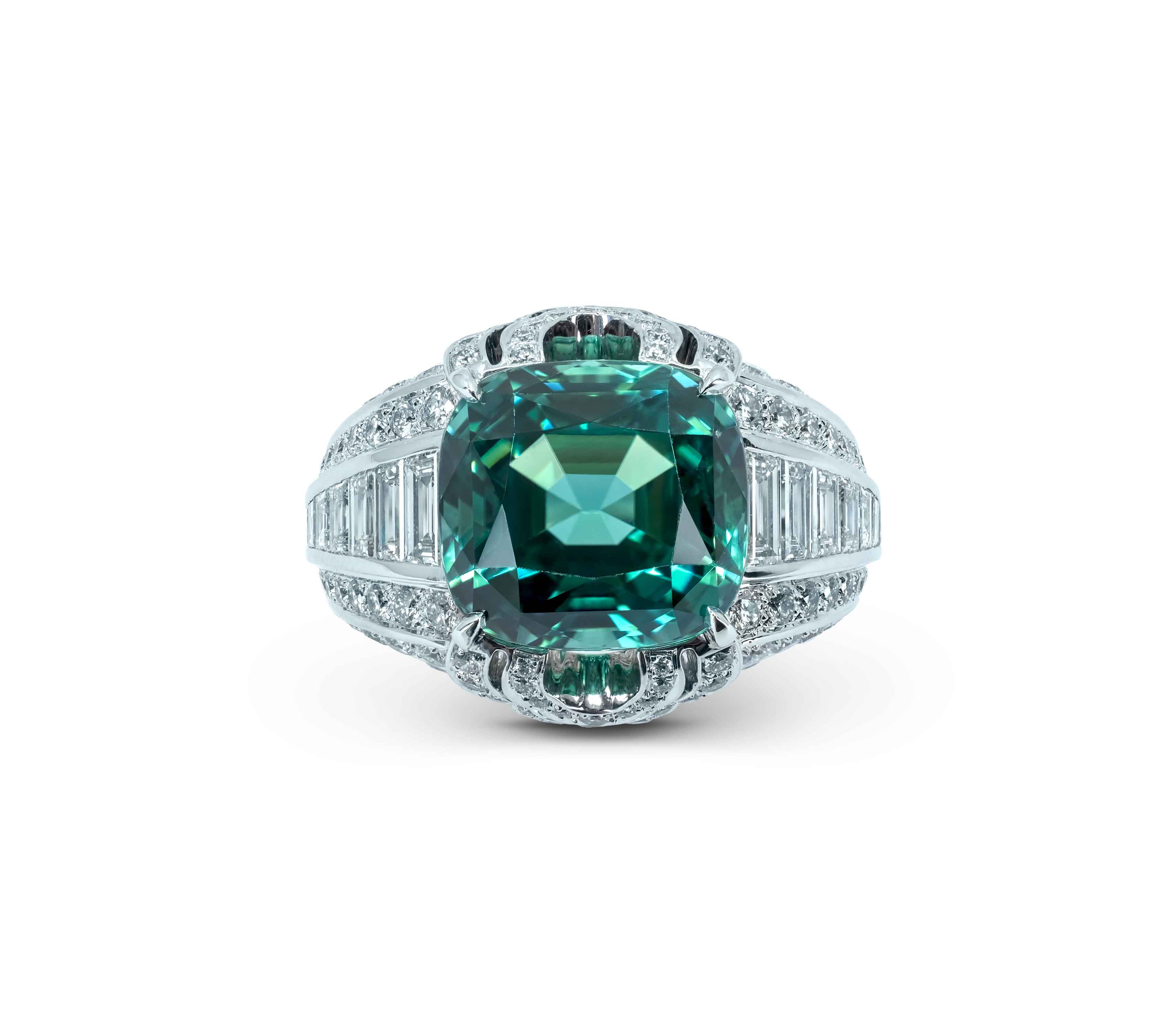
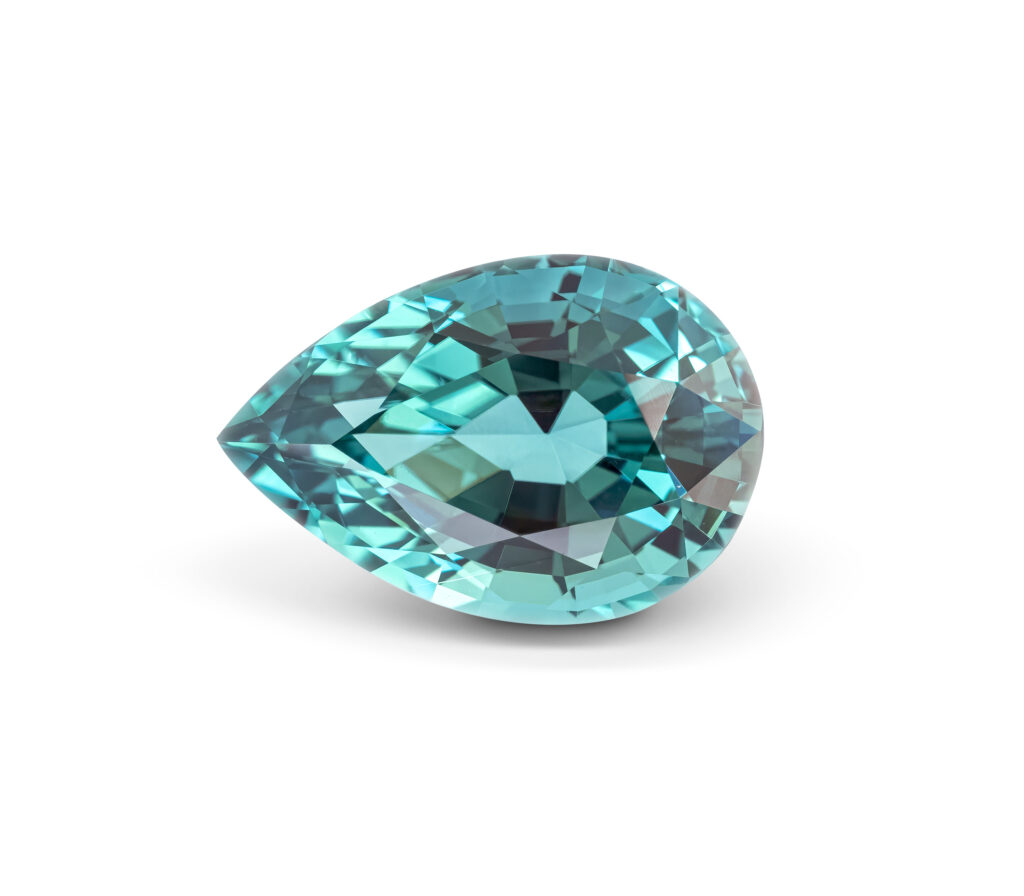
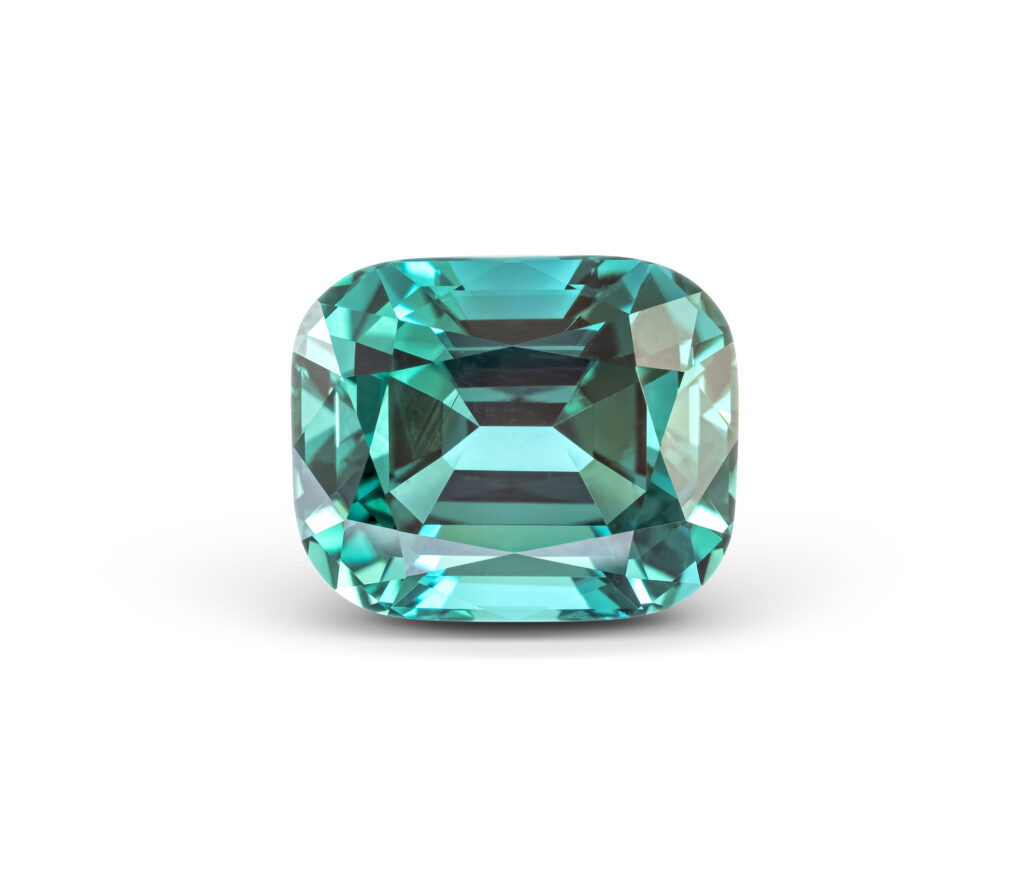
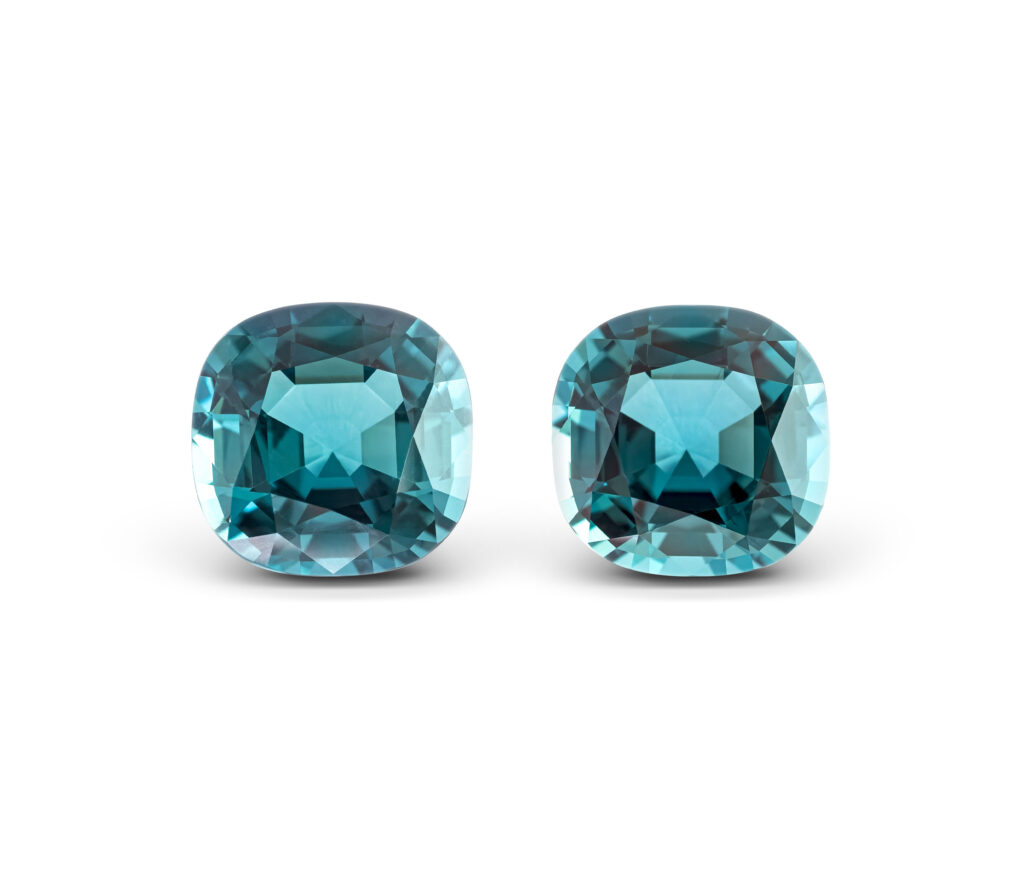
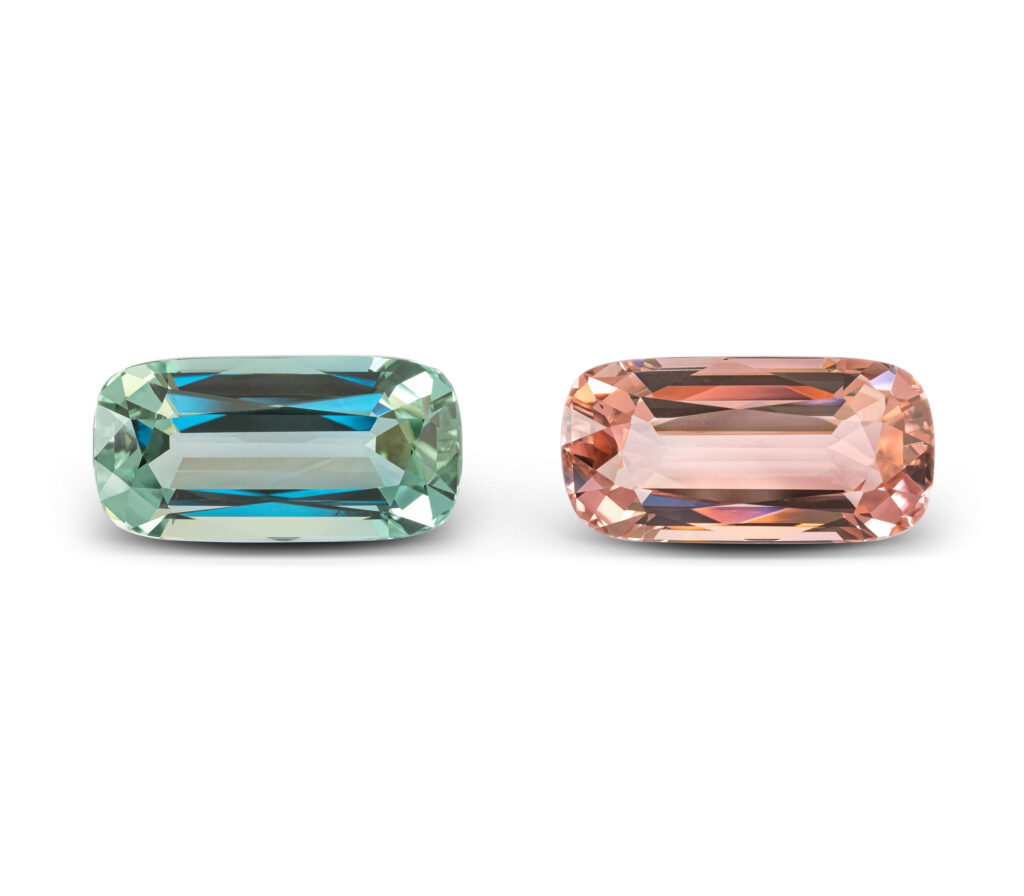
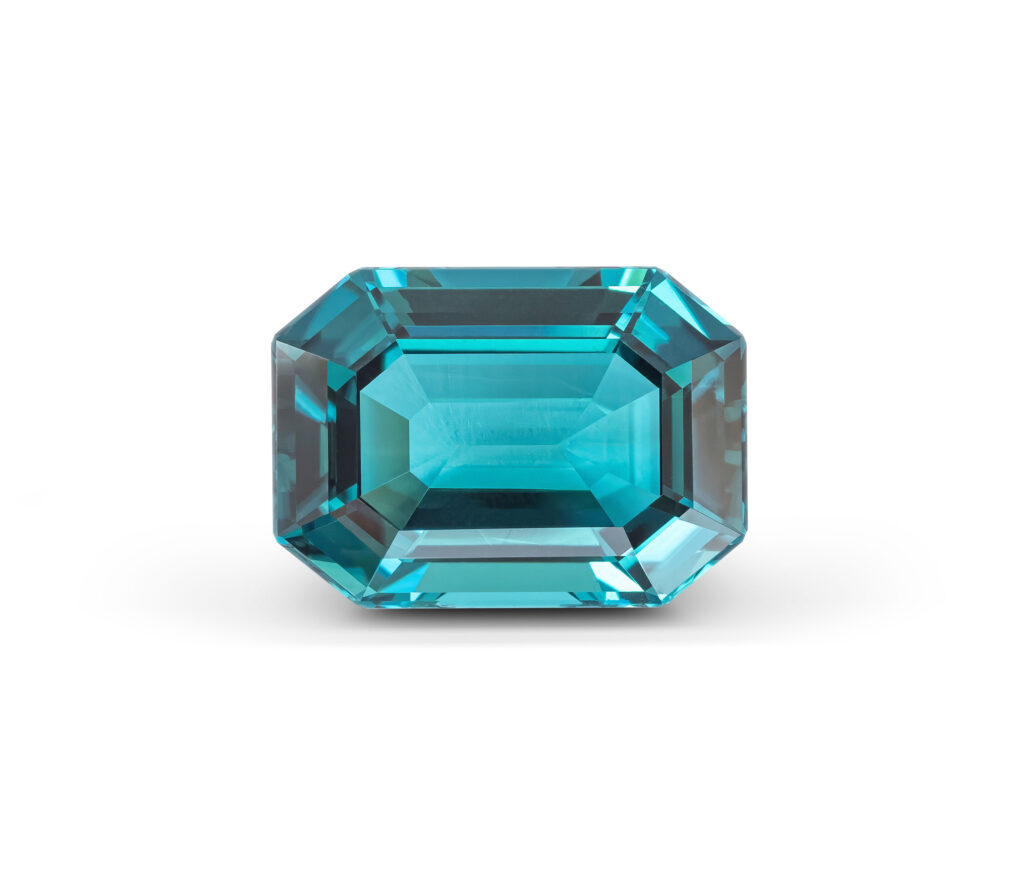
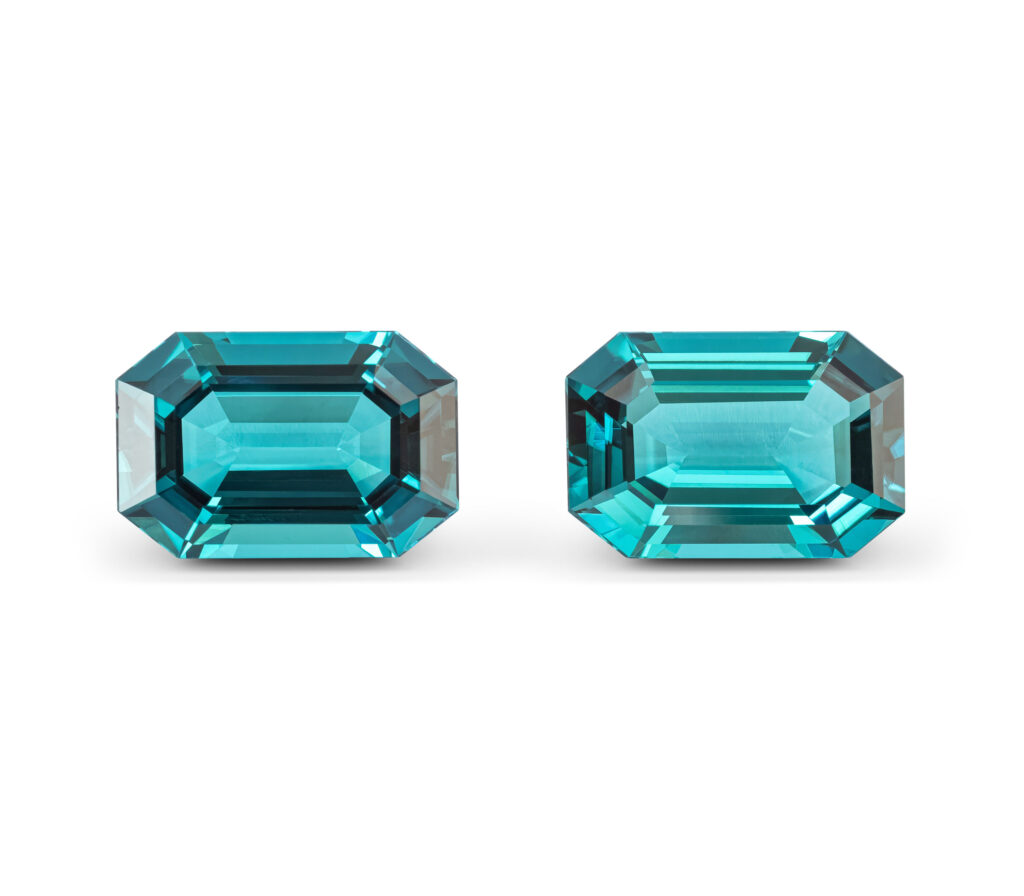
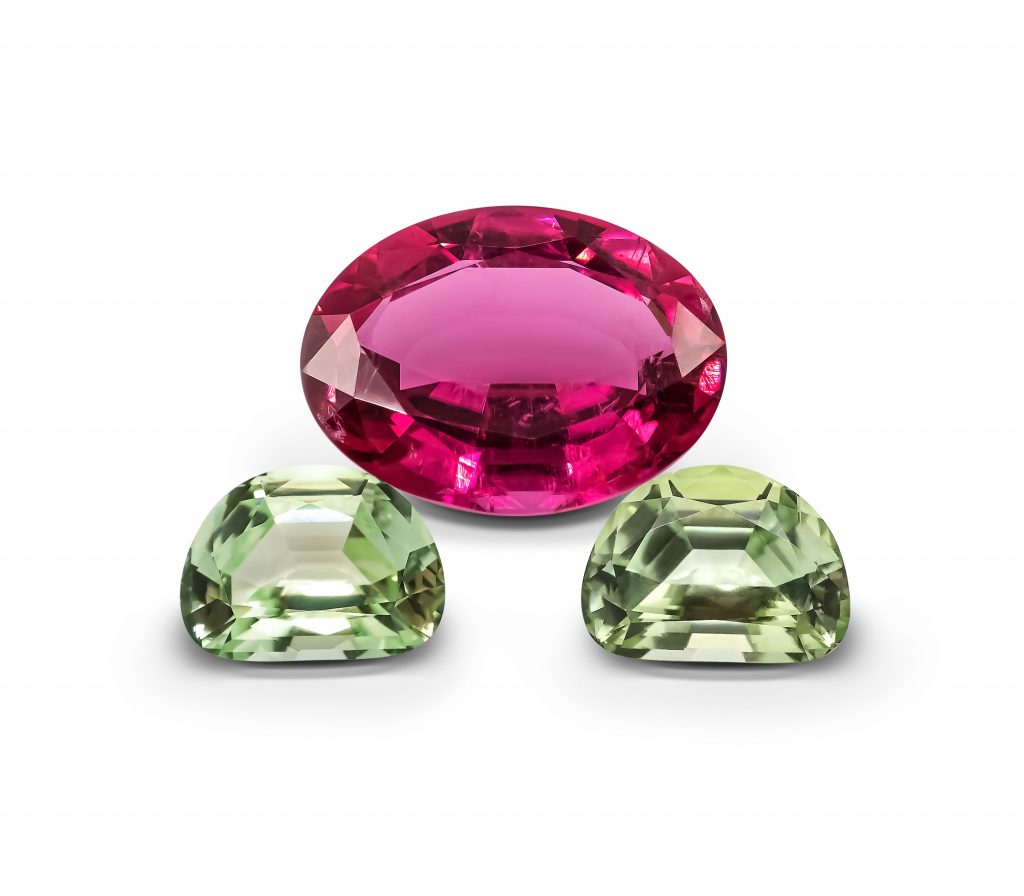
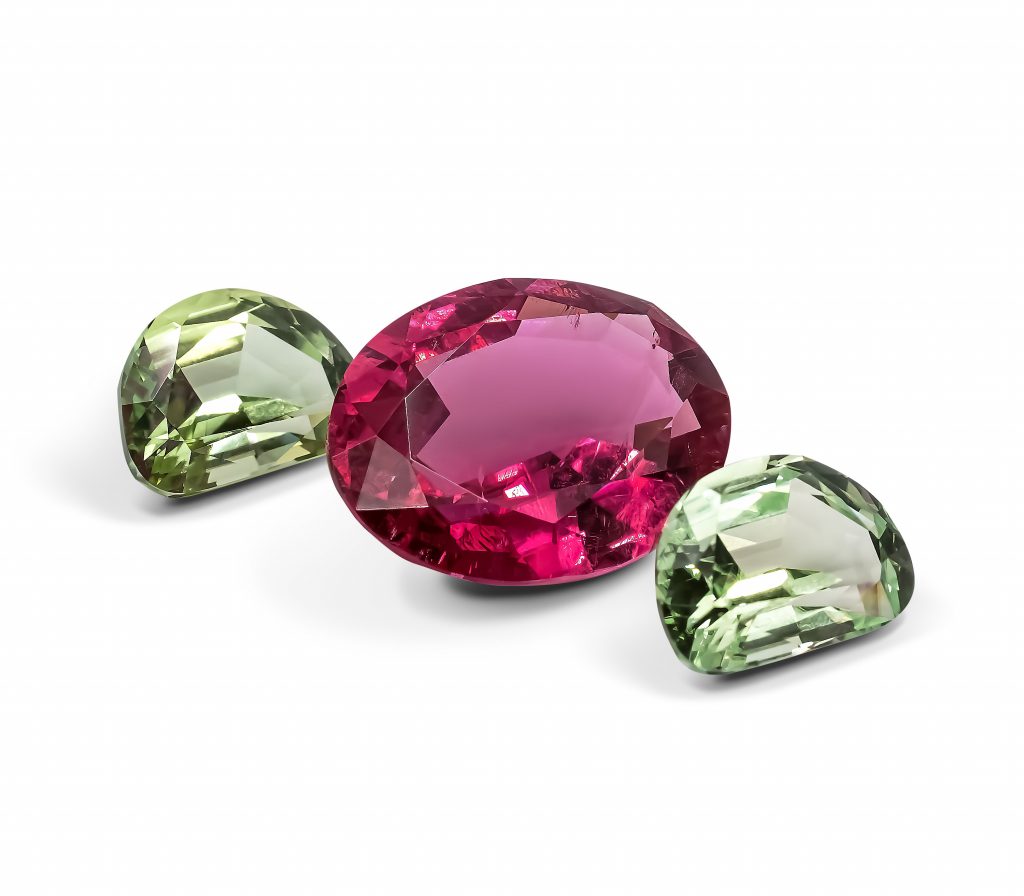
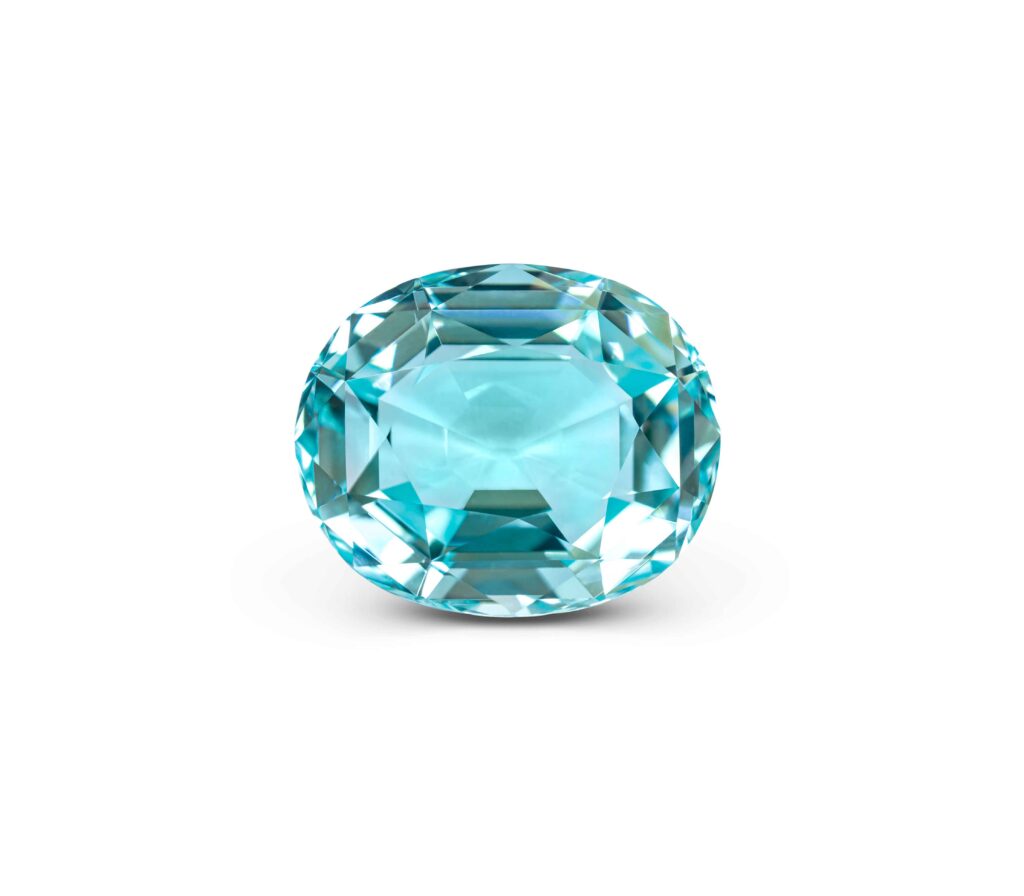
Iron produces a different family of greens entirely. Green sapphire owes its color largely to iron, yielding tones from olive to deep forest with the unmatched durability of corundum, and much green tourmaline follows the same path toward cooler, more restrained hues. Copper introduces yet another register: copper-bearing tourmaline of the Paraíba type shifts toward luminous mint and teal, while Namibian lagoon material occupies a distinctive band between green and blue.
Because these greens descend from different elements, tone and secondary hue become the collector’s map. A chromium green reads warm and vivid; an iron green cooler and deeper; a copper green almost electric, and each behaves differently under daylight and incandescent light.
The Grygorian Gallery Selection in Green Tones
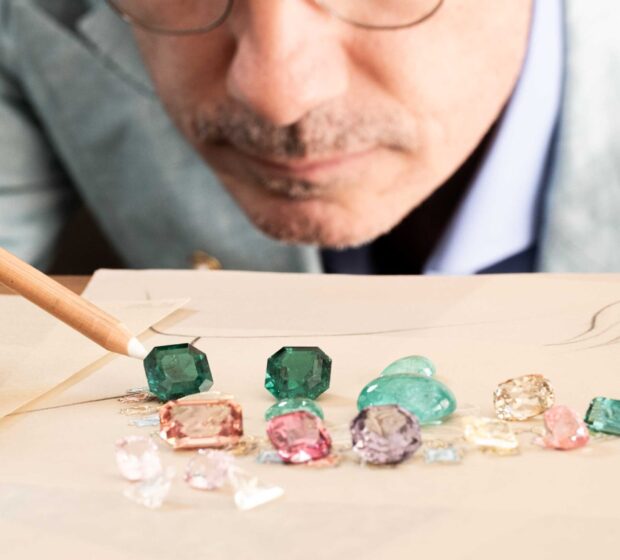
Rare colored stones that periodically enter the selection in this hue are chosen for saturation distributed evenly through the crystal, transparency that withstands magnification, and precision cutting that maximizes brilliance, with cut choices tuned to the specific green at hand. The gemological expertise developed by Eduard Grygorian, IGI Colored Stones Grader, informs the selection standards applied to green gemstones, from species identification to the treated-versus-untreated distinction, and to distinguishing the many green materials that resemble one another to the unaided eye.
Where the certificate accompanies the stone, documentation from GIA or specialist gemological laboratories confirms natural origin, species, and treatment status; stones undergo gemological examination in which spectroscopic analysis and inclusion study separate tsavorite from other green garnets, chrome tourmaline from iron-colored material, and establish geographic provenance where relevant.
Acquired in loose form, green gemstones remain fully gradable and independently verifiable, support future bespoke commissions, and retain the estate quality condition that underpins long-term resale value within a category where finite supply sustains lasting demand for rare natural gemstones. Grygorian Gallery offers private consultations on the gemological characteristics, identification, and rarity factors that define collector-grade stones in green tones, from its gallery at the Palais de la Scala in Monaco.