The Outermost Register
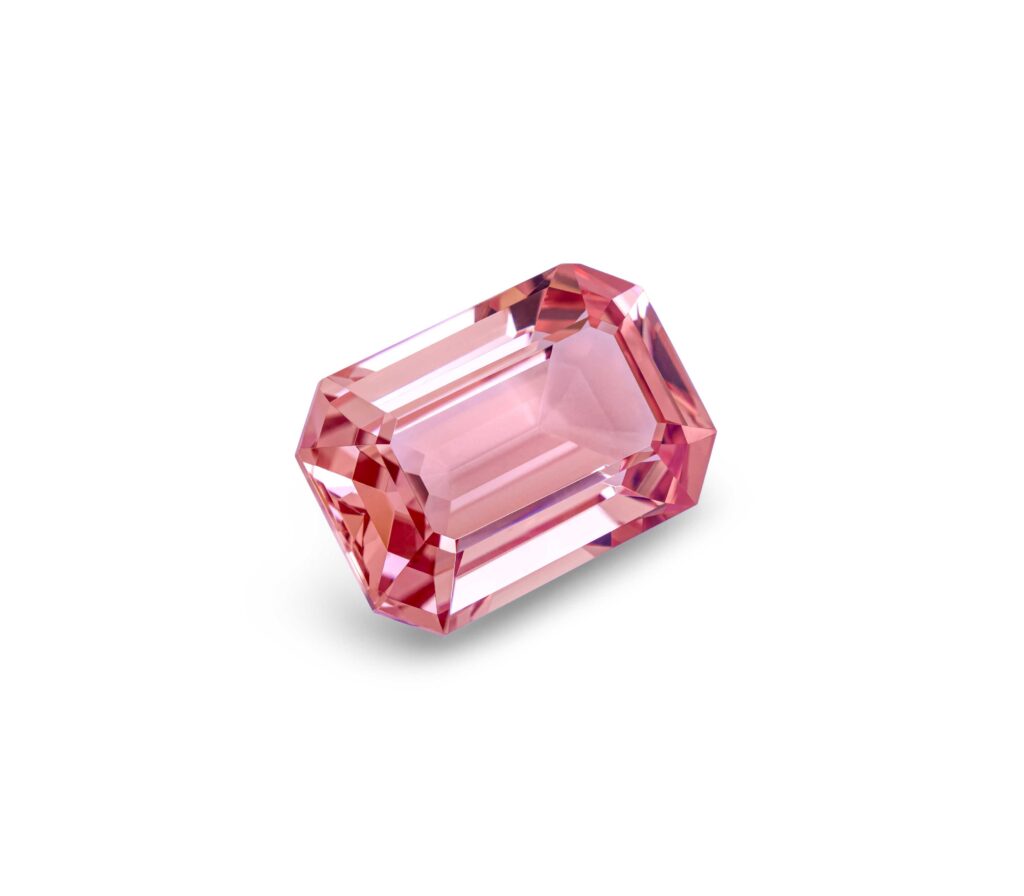
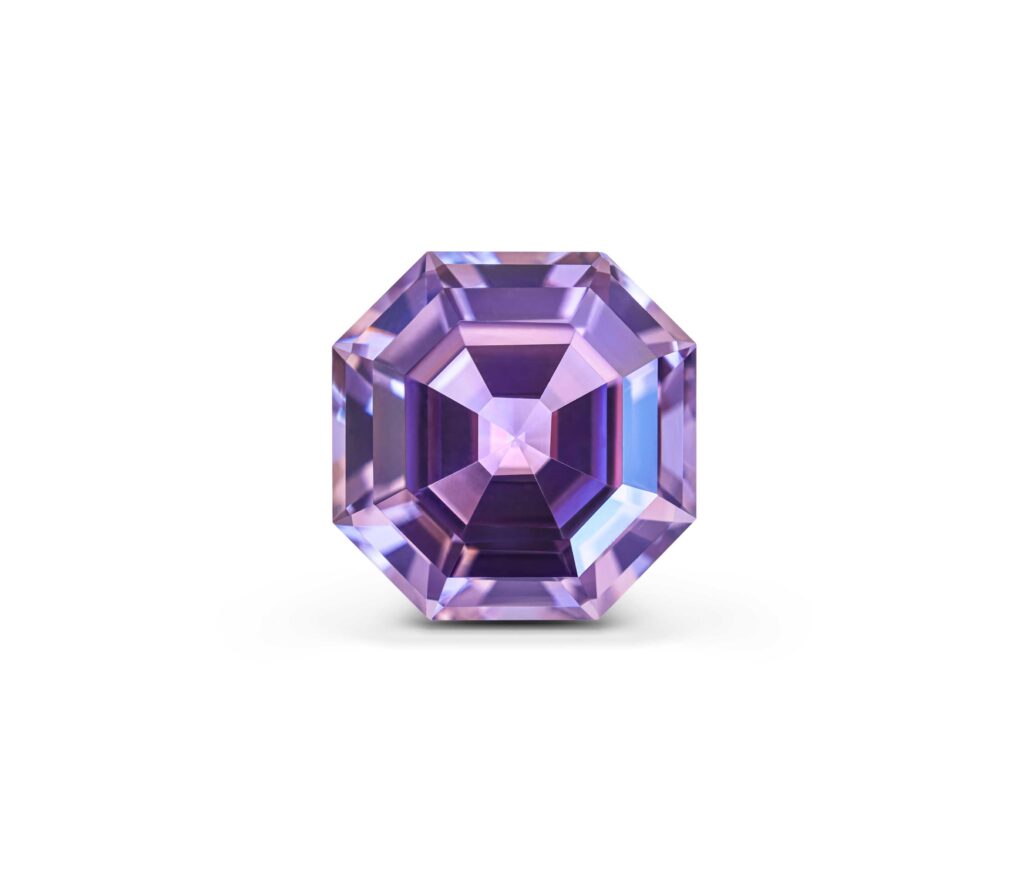
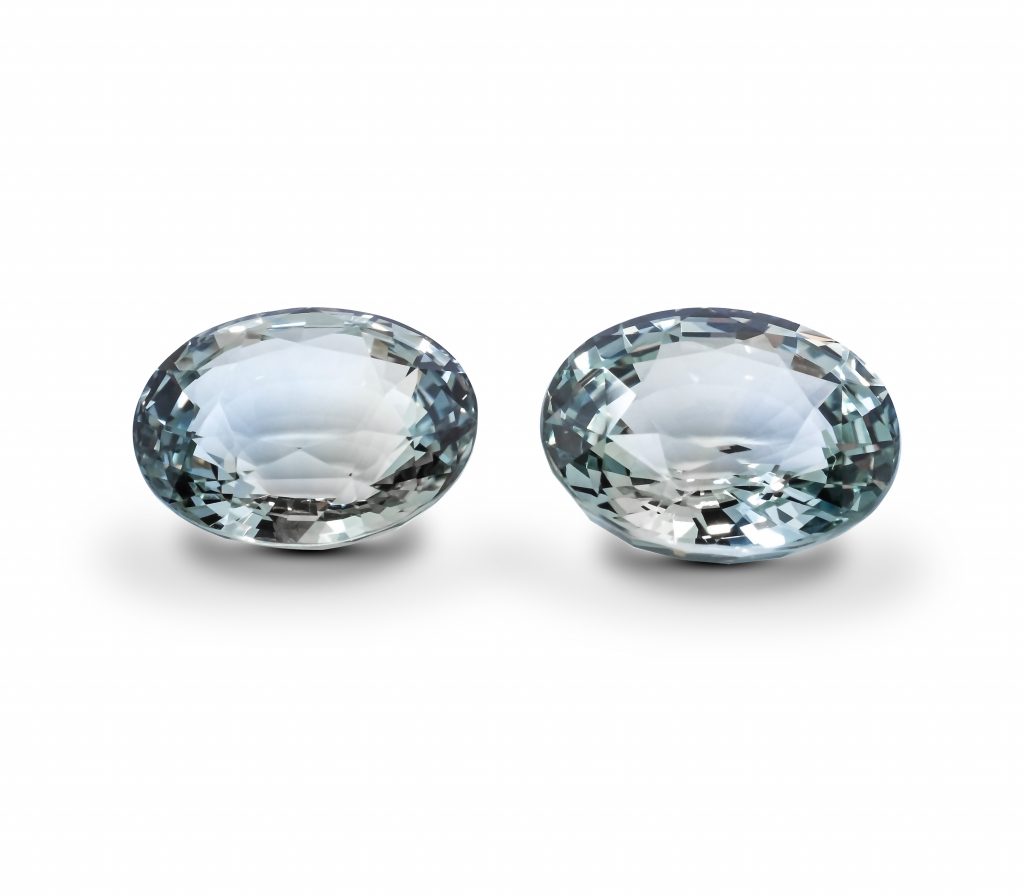
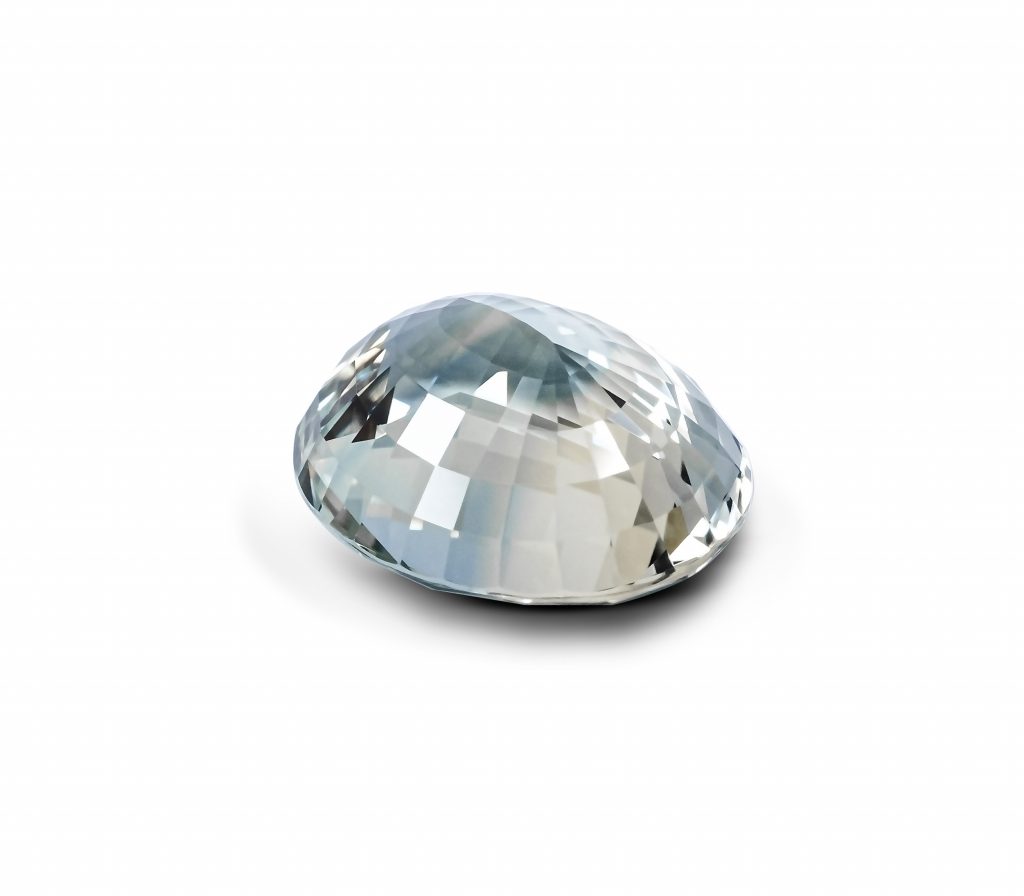
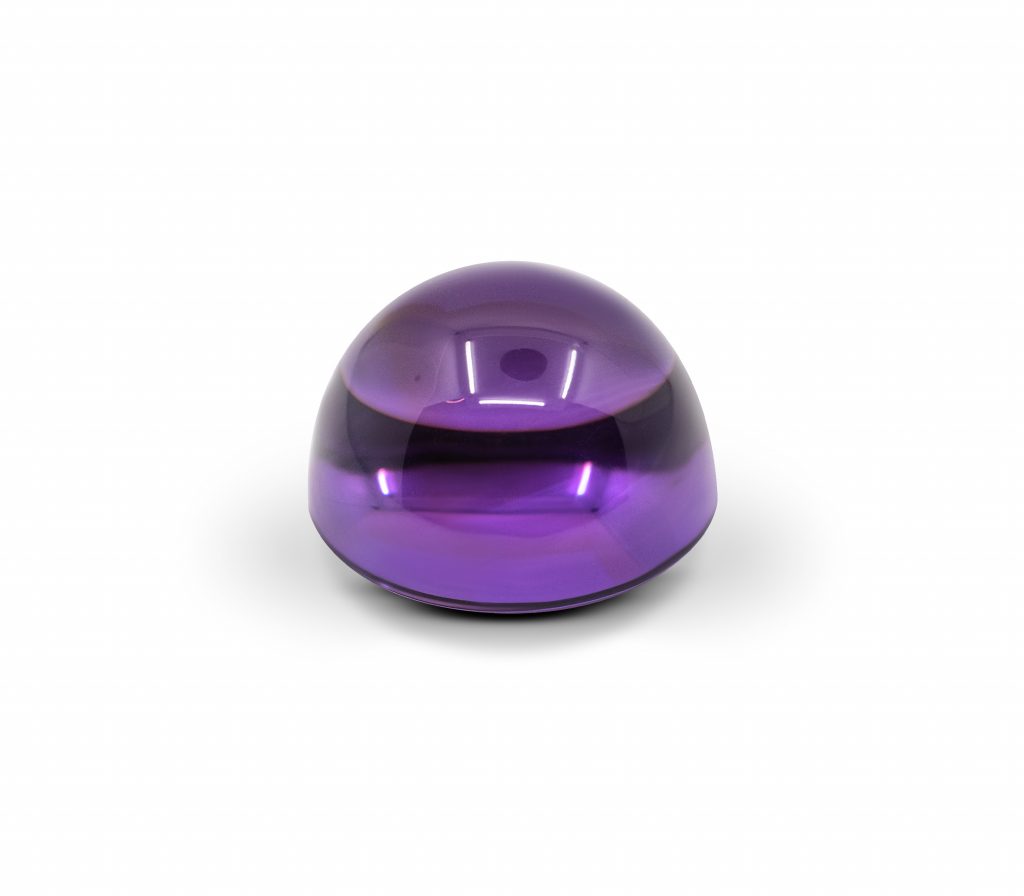
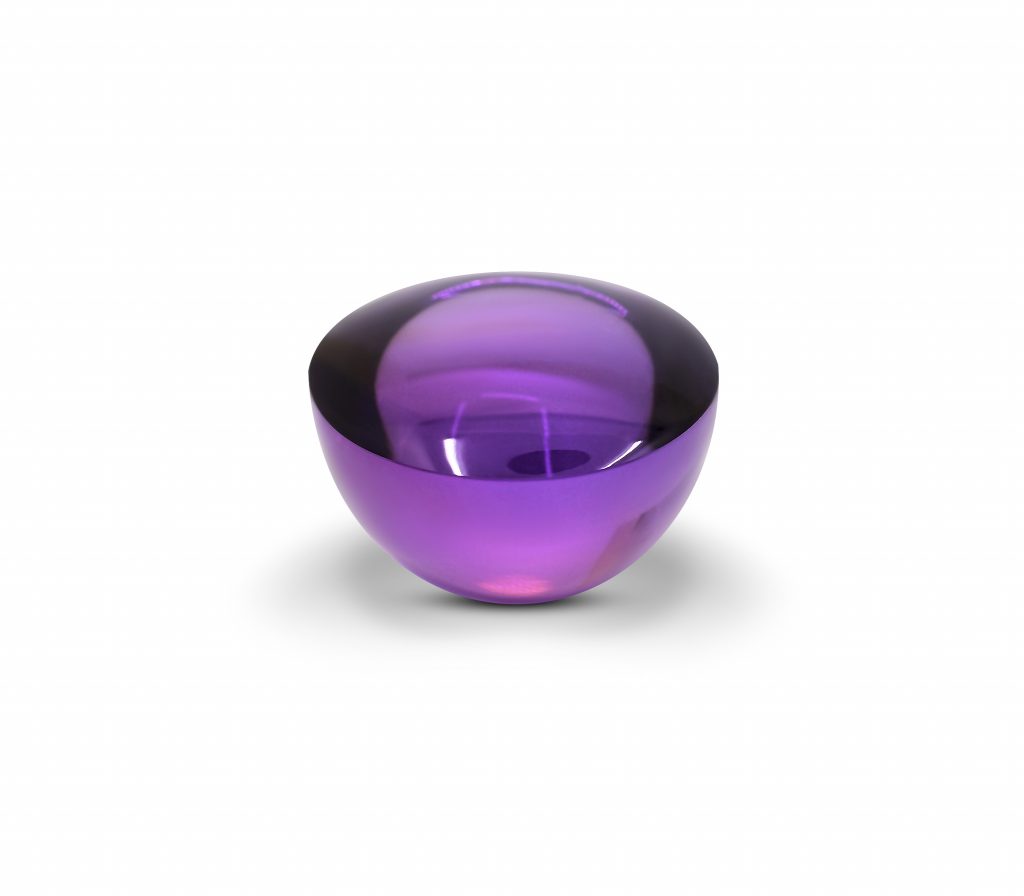
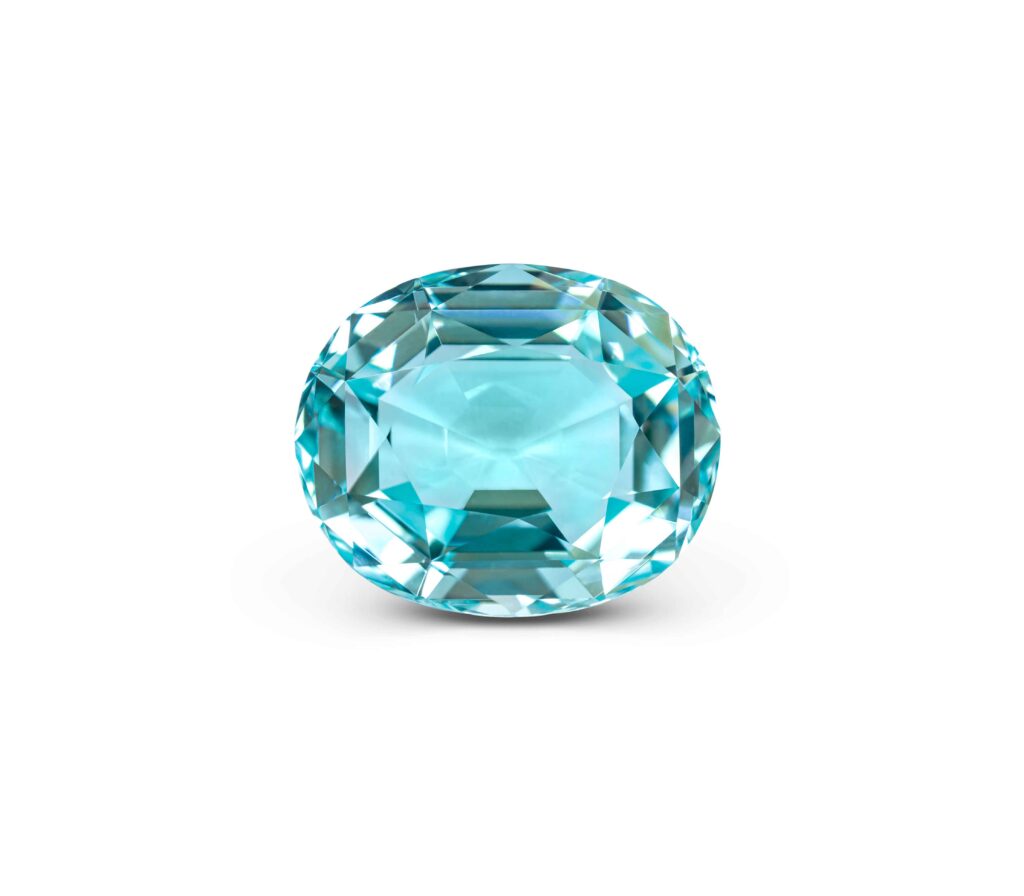
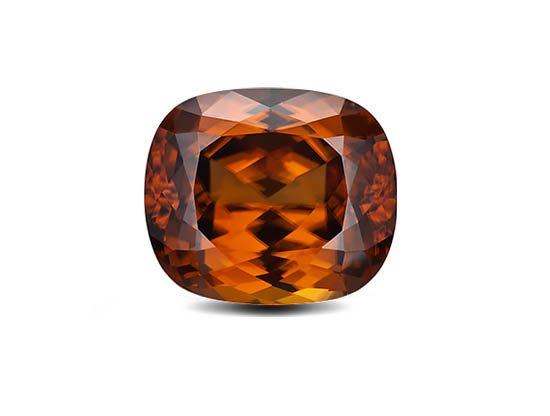
Twenty carats represents the rarest tier in colored stones, far beyond the point near five carats where gemological authorities first note availability falling and per-carat prices climbing. By this weight, that progression has reached its limit: the price-per-carat curve (the cost of each carat rising faster than weight itself) attains its steepest expression, and a fine twenty-carat gemstone is worth incomparably more than twenty times a one-carat equivalent. Rarity at this register does not accumulate; it multiplies.
The geological reasoning is straightforward yet absolute. Large clean crystals form infrequently at any size, and crystals capable of producing a finished twenty-carat stone with even saturation and transparency are extraordinary in the truest sense. Most fine rough never approaches such dimensions, and the rare crystal that does is fashioned to preserve every possible carat, since weight retained at this level carries worth out of all proportion to its measure.
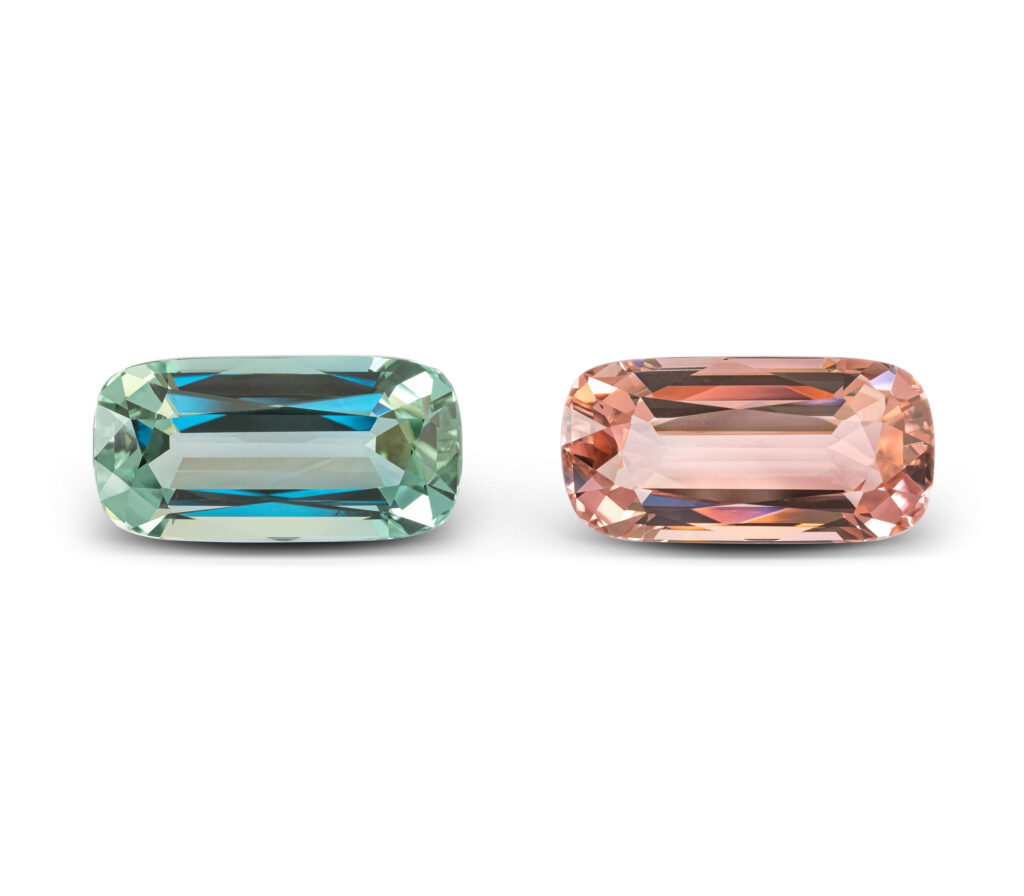
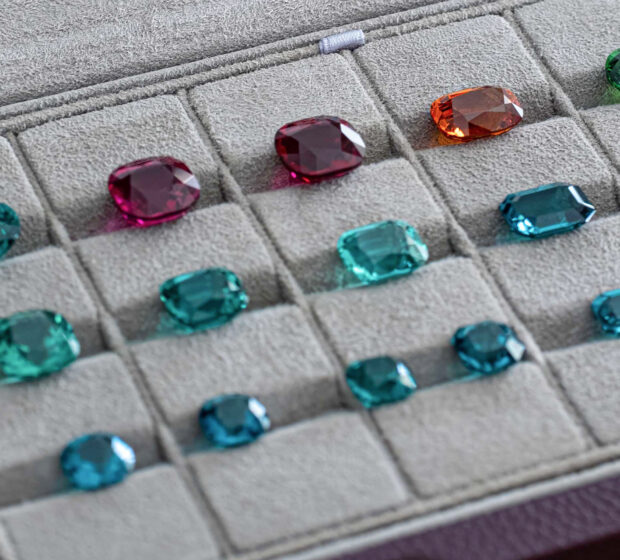
Behavior across varieties grows absolute here. Among sapphire, tourmaline, spinel, and garnet, several materials effectively never occur clean at twenty carats in fine quality, so a stone of this size in such a species is not merely scarce but exceptional, a specimen that may have no close peer in any given period.
Provenance at the Highest Register
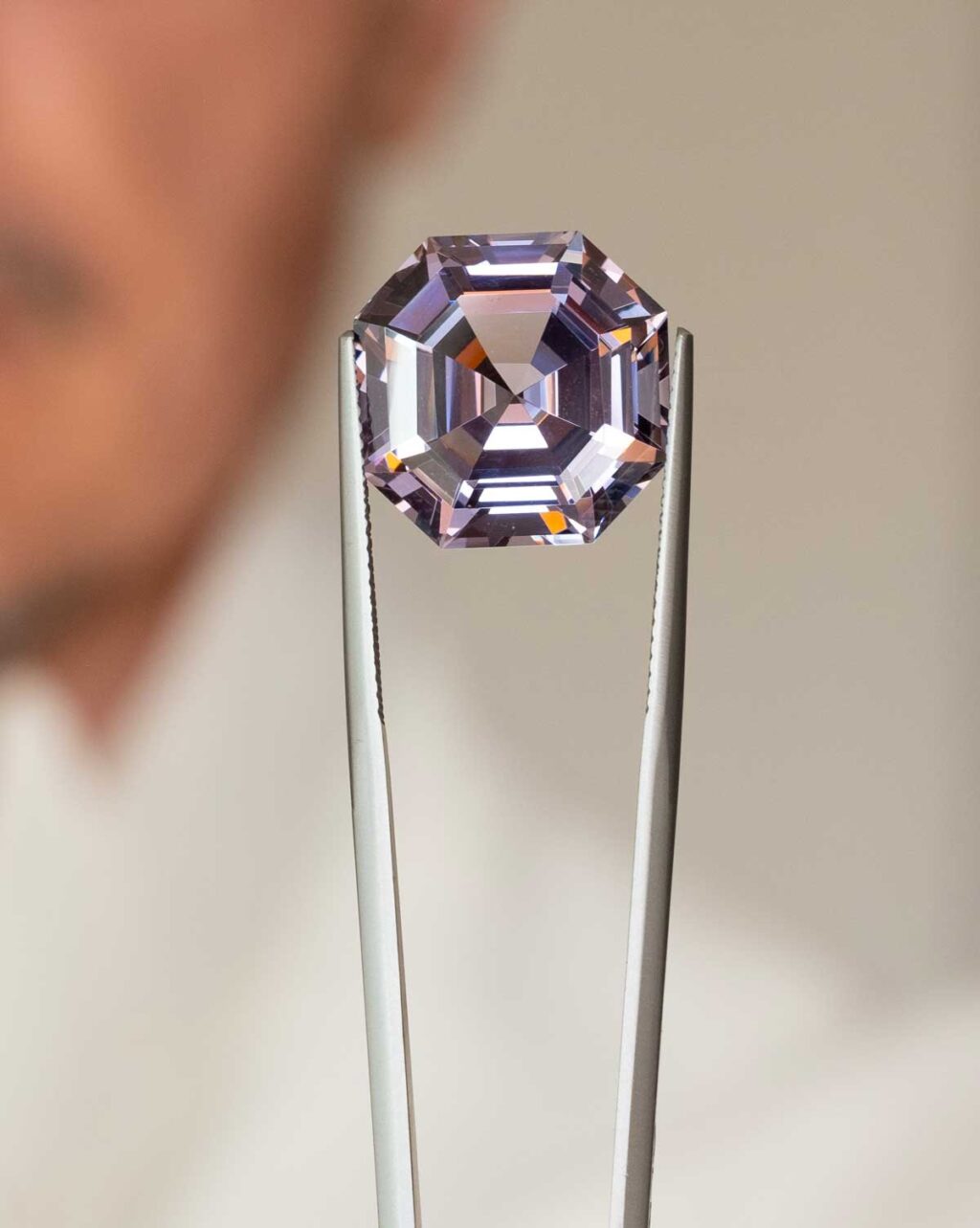
A colored stone of twenty carats carries a dimension beyond gemology. At this weight, provenance acquires historical character: a stone of such rarity tends to possess a documented history, a record of where it was found and how it has passed between collections, and that continuity becomes part of its standing. Major auction houses present specimens of this caliber as centerpiece lots precisely because weight, origin, and ownership history together establish a significance that smaller stones cannot approach.
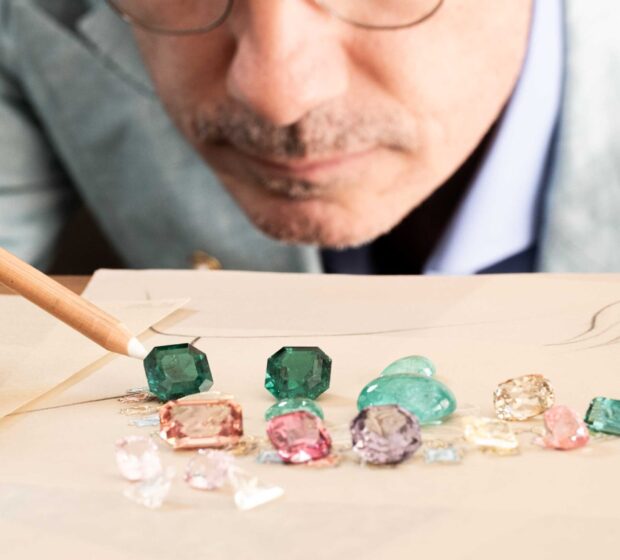
The gemological expertise developed by Eduard Grygorian, IGI Colored Stones Grader, informs the selection standards applied to gemstones of this size, where verified origin and the treated-versus-untreated distinction determine standing at the highest level. Where the certificate accompanies the stone, documentation from GIA or specialist gemological laboratories confirms natural origin and treatment status, and stones undergo gemological examination in which spectroscopic analysis and inclusion signatures establish geographic provenance.
Acquiring a Singular Specimen
At twenty carats, a colored stone is a singular acquisition in the fullest sense, the kind of museum-quality specimen around which a serious collection is built rather than expanded. A stone of this caliber is acquired first for its beauty and exceptional rarity, qualities no manufacturing process can replicate.
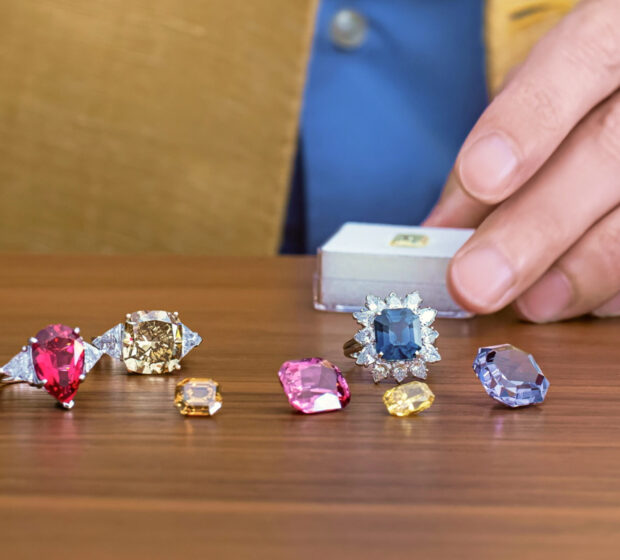
Acquired unset, large loose gemstones of this weight preserve complete provenance documentation, remain fully gradable and independently verifiable, and retain the estate quality condition that underpins long-term resale value within a category where finite supply sustains lasting demand for rare natural gemstones. The unmounted form also leaves the stone open to bespoke commission, allowing a singular specimen to anchor a setting conceived around it.
Discerning collectors are invited to explore the selection of collector-grade colored stones at this weight with Grygorian Gallery, at the Palais de la Scala in Monaco.