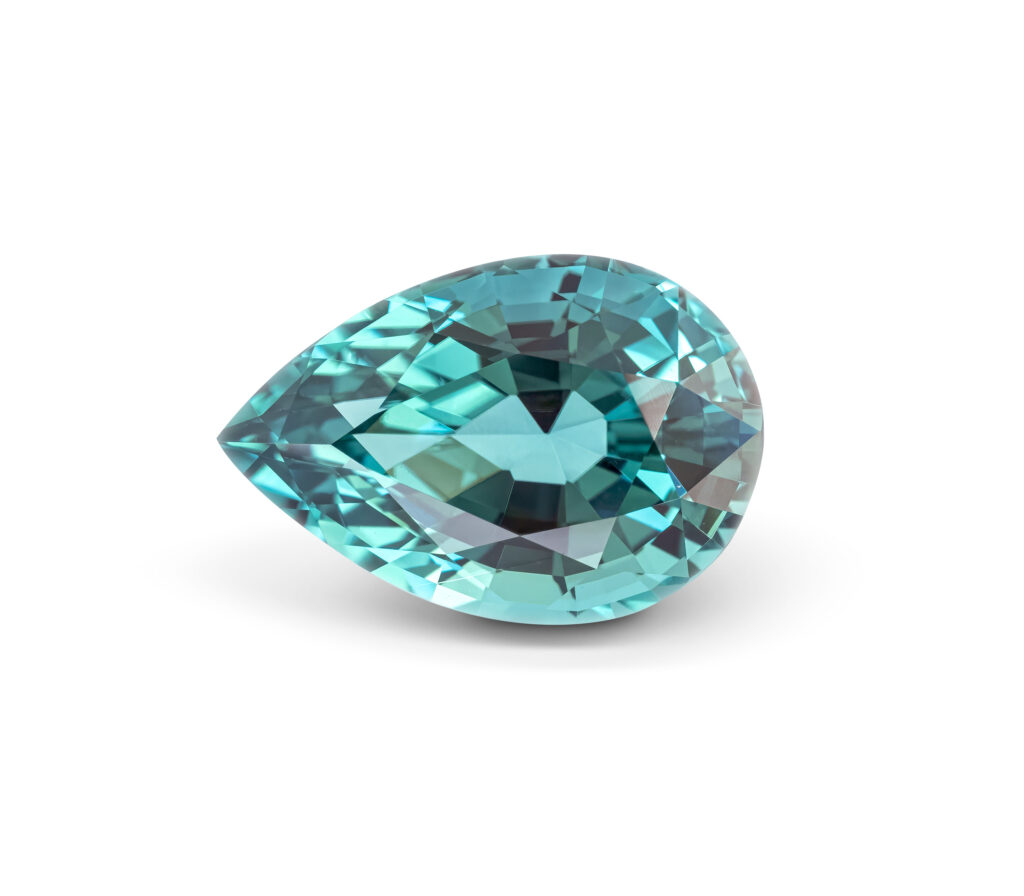
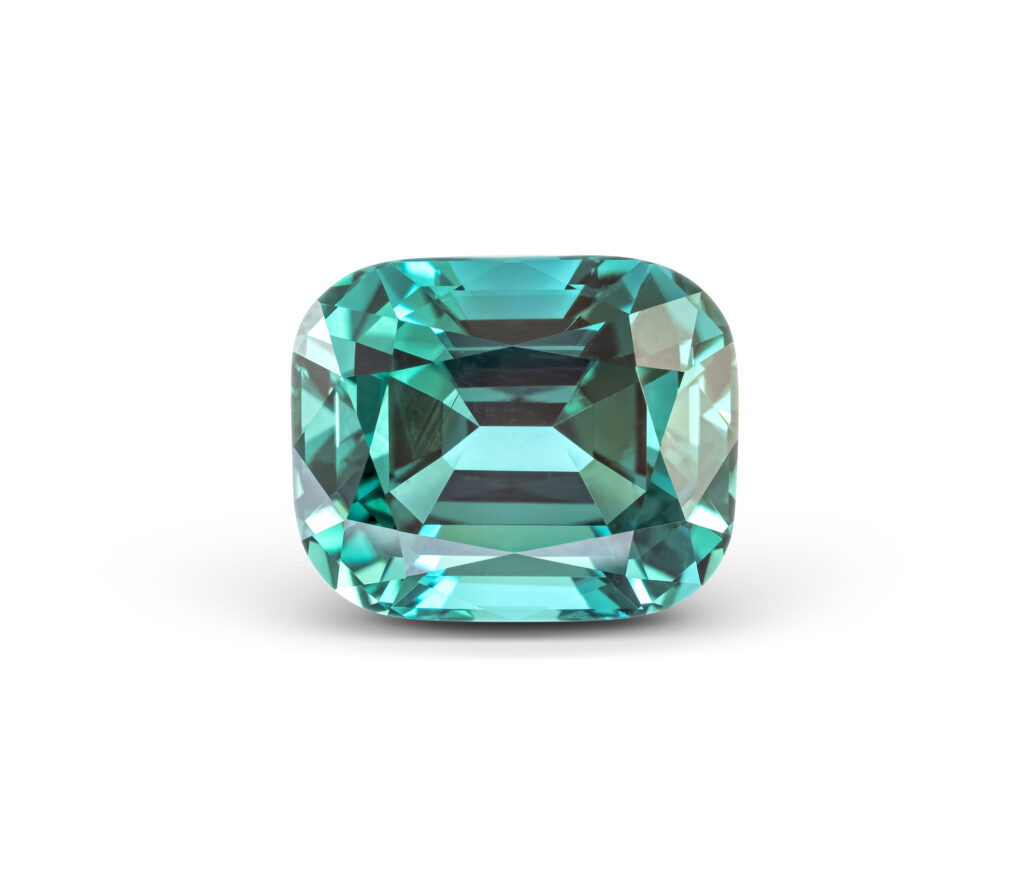
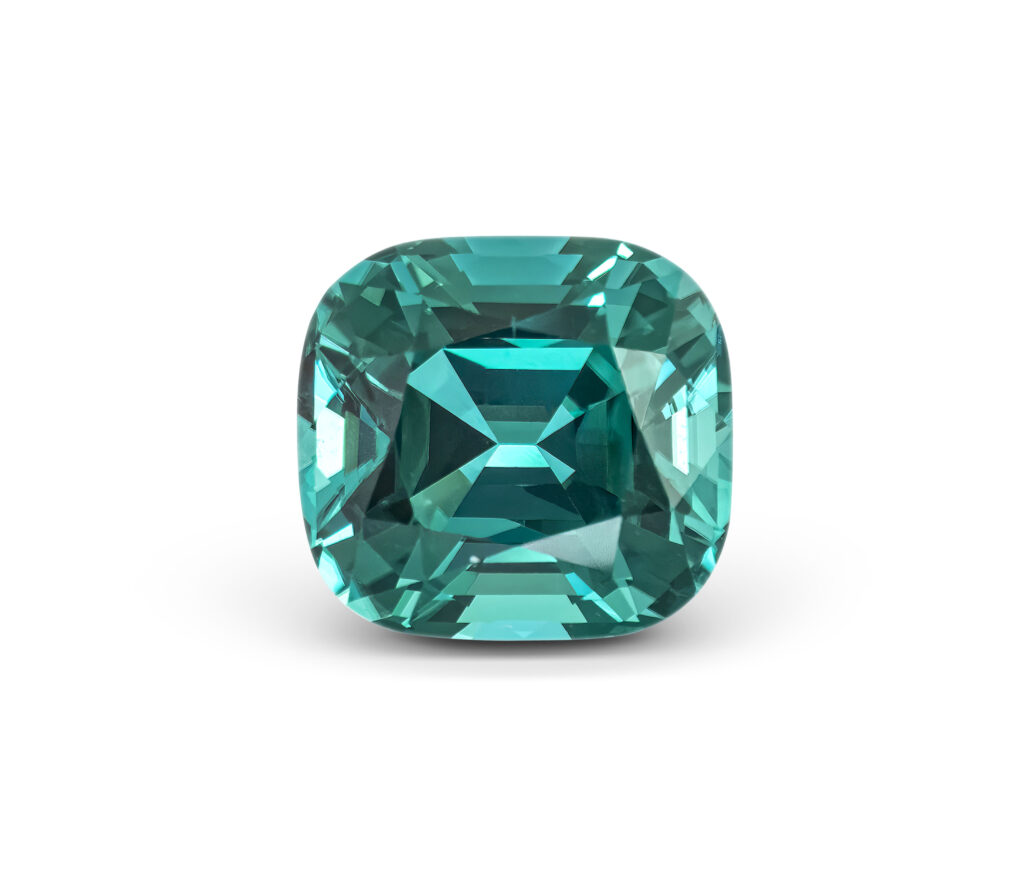
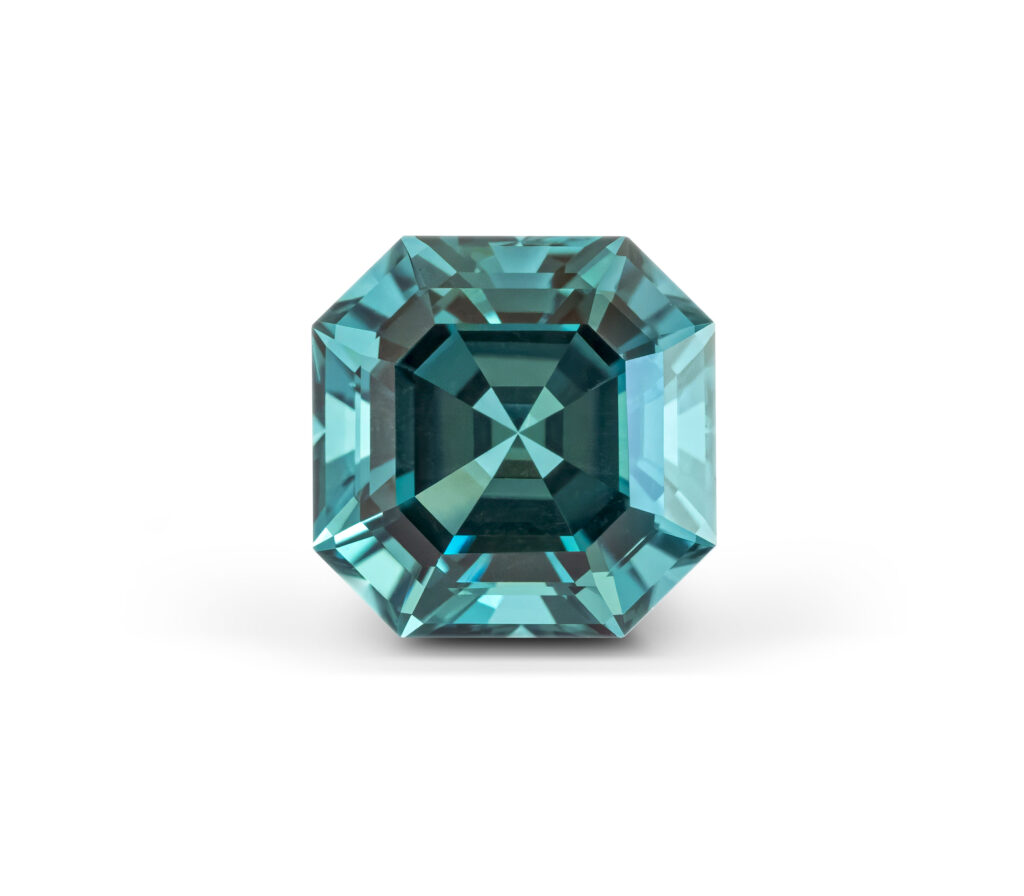
The Spectrum of Rare Loose Tourmaline
Tourmaline’s collector appeal rests on variety-specific rarity rather than the category as a whole. The most sought-after specimens share a common characteristic: colour caused by trace elements that occur only under precise geological conditions, making replication impossible and geographic origin verifiable through laboratory analysis.
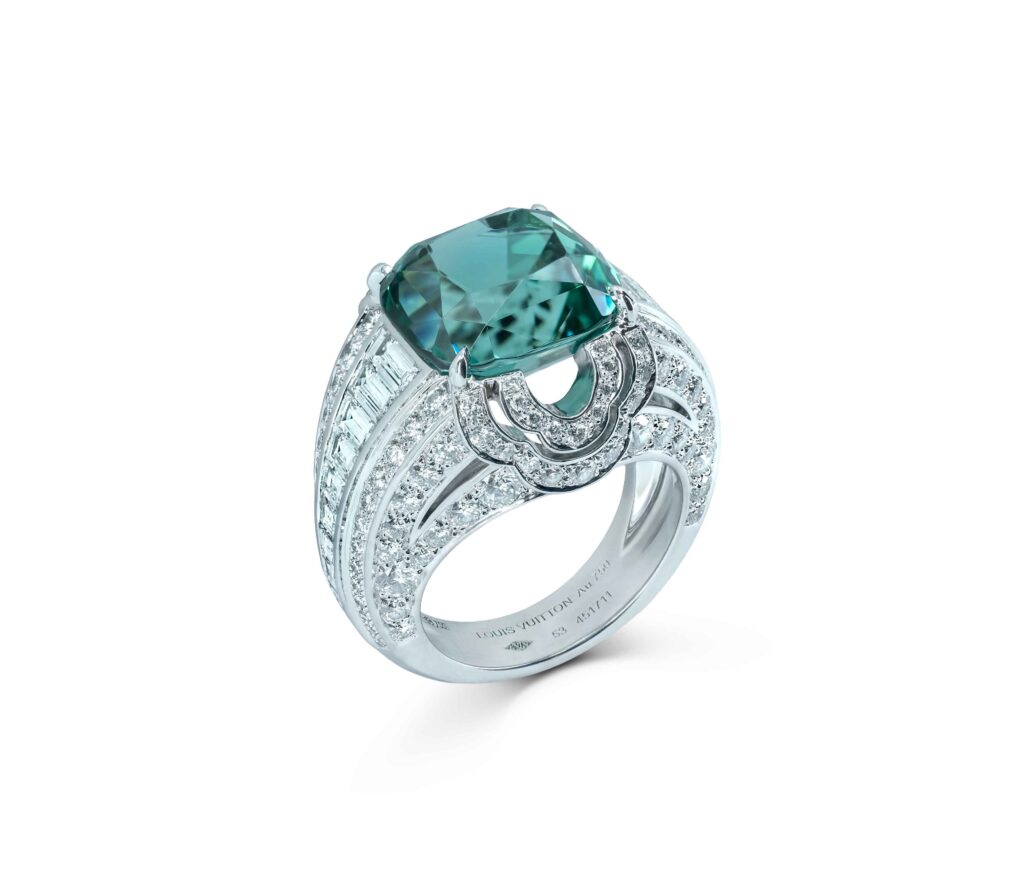
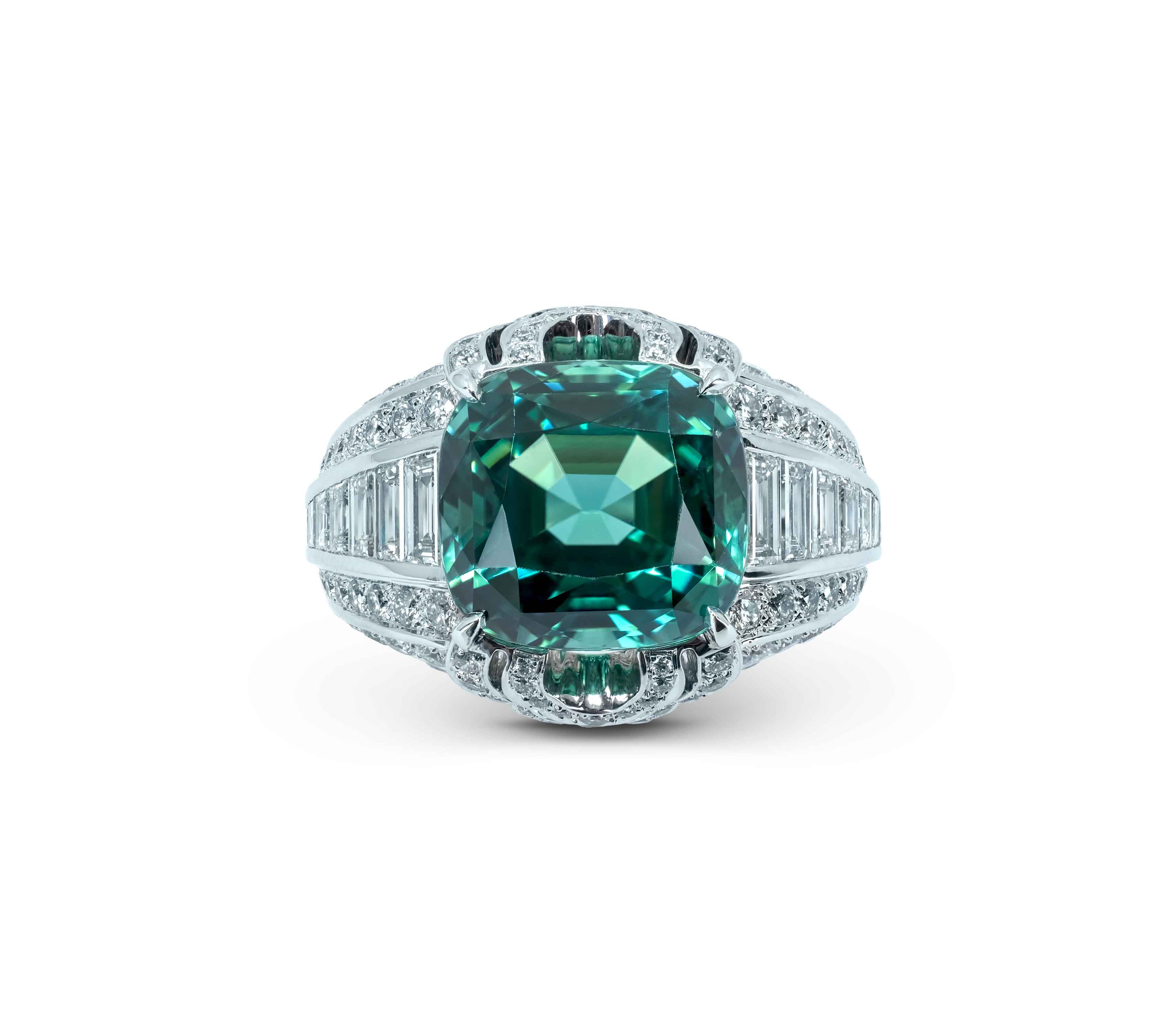
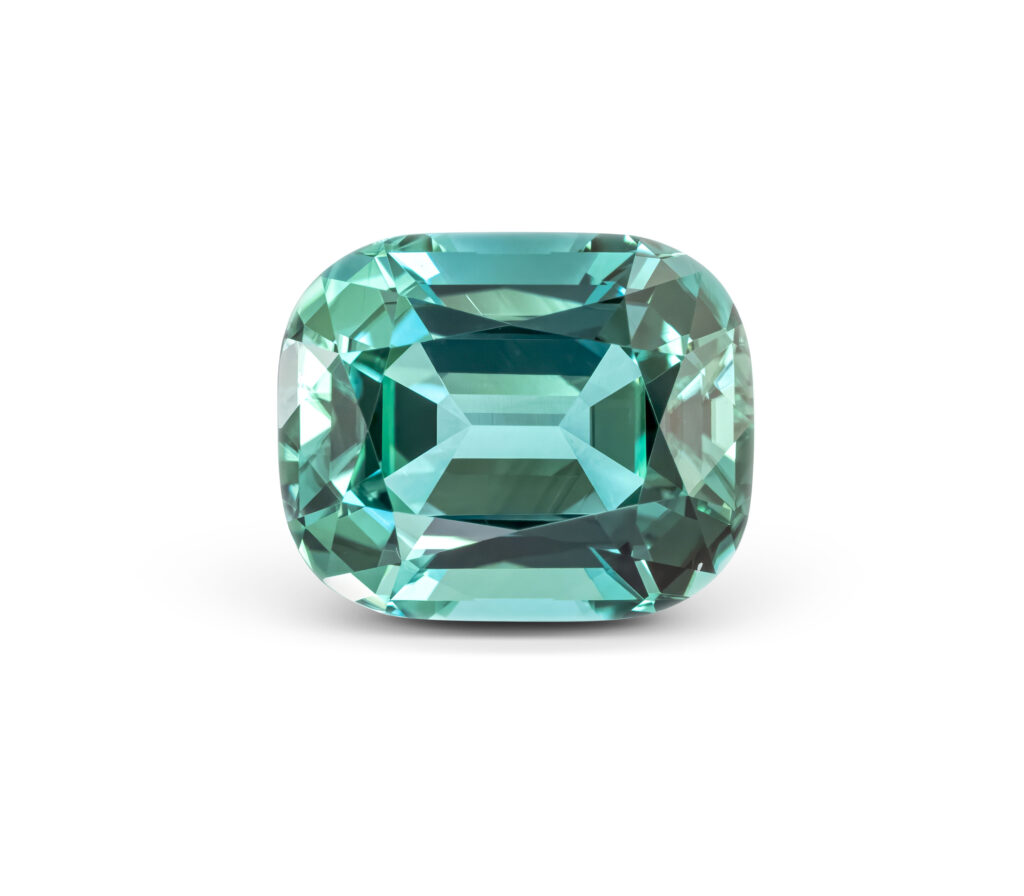
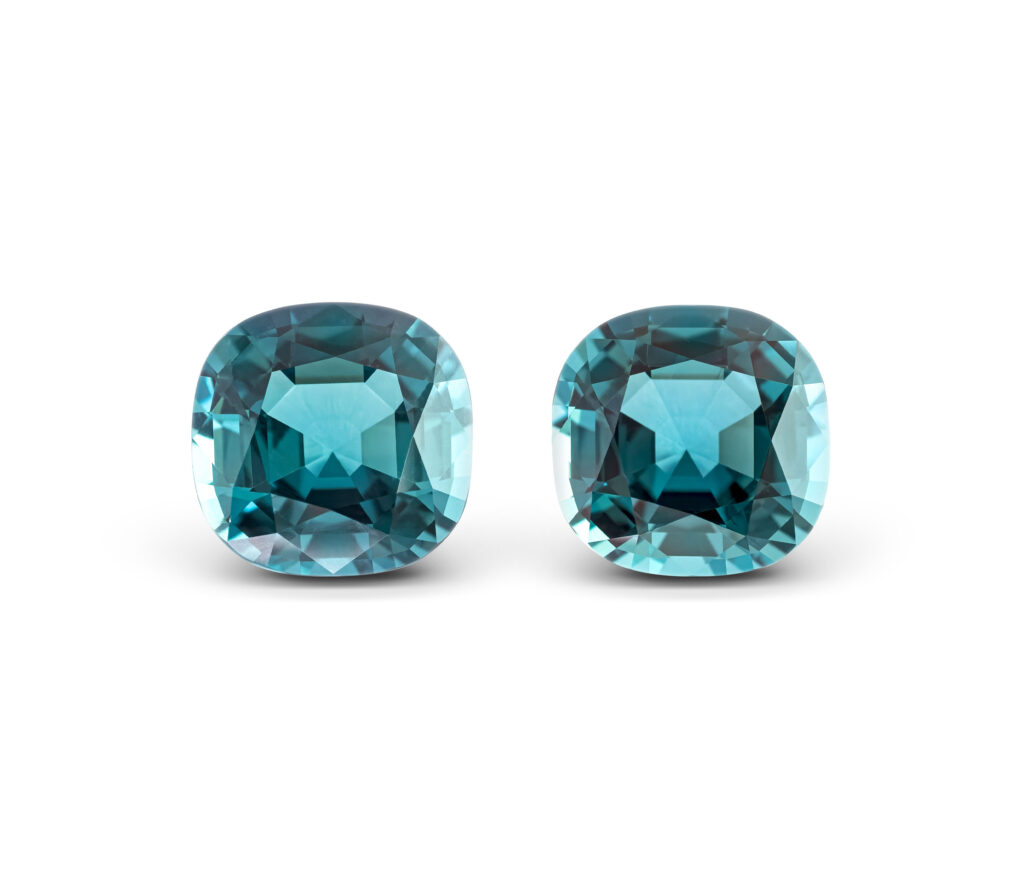
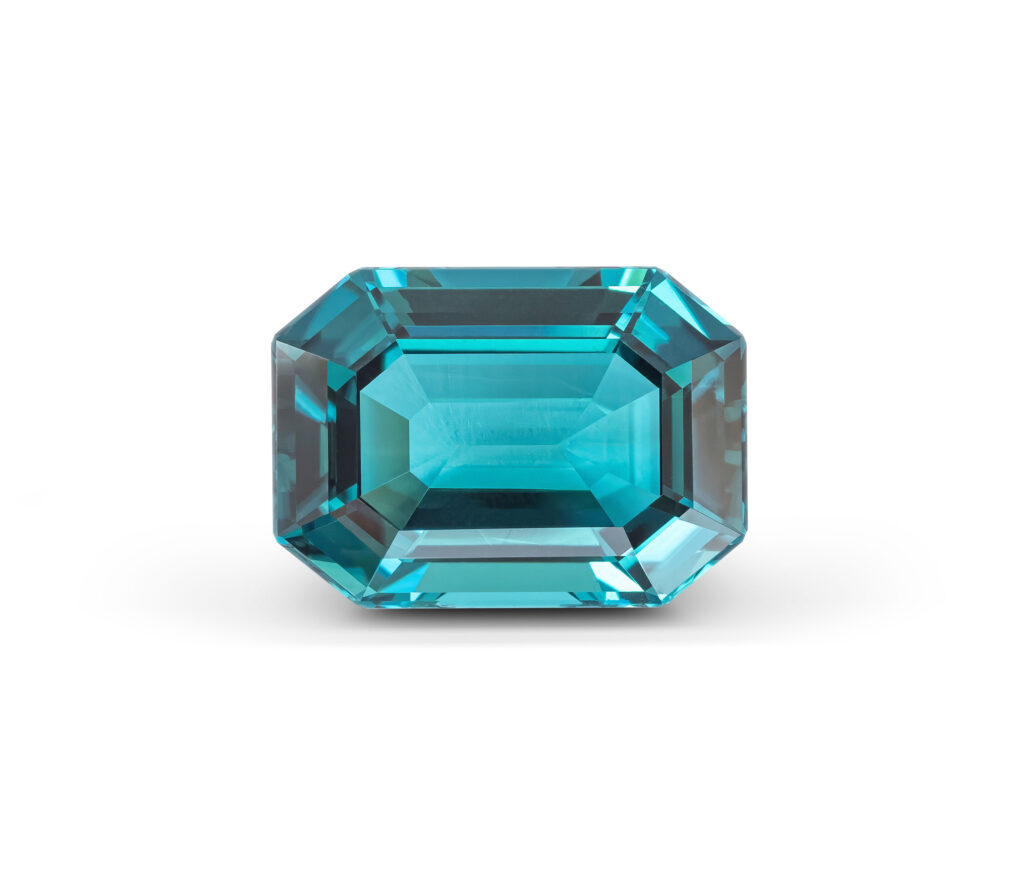
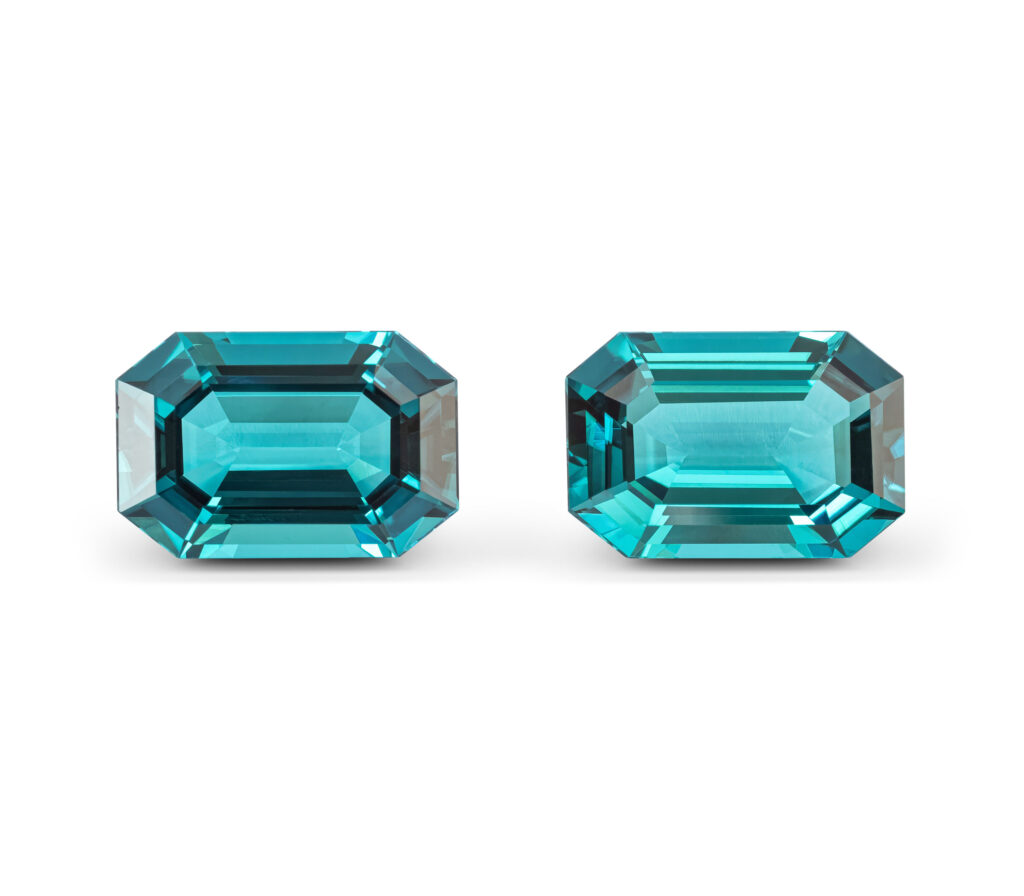
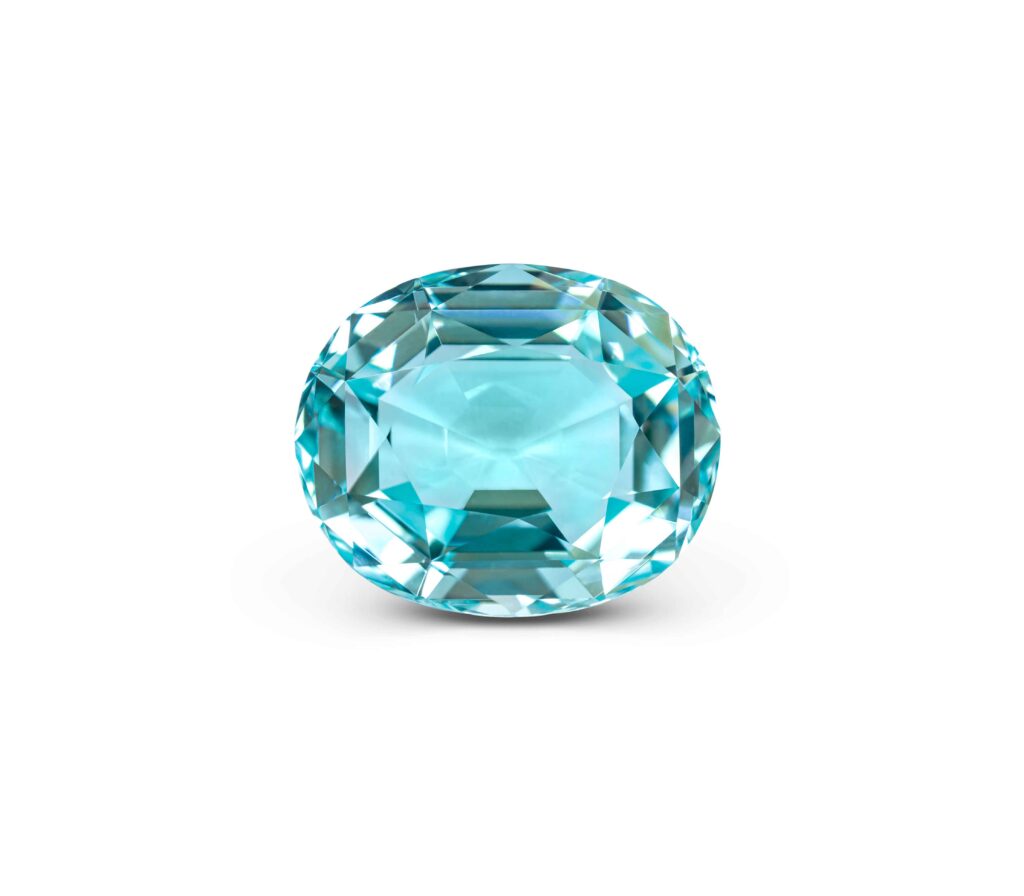
Paraíba tourmaline stands at the apex of this hierarchy. Discovered in Brazil’s Paraíba state during the late 1980s, these stones display neon blue-green saturation from copper and manganese traces — a colour phenomenon unique in the gemstone world. Authentic Brazilian material commands the highest premiums, with fine specimens exceeding 5 carats rarely appearing on the open market. Alternative deposits produce copper-bearing tourmaline of comparable visual intensity, expanding availability while maintaining collector-grade status. For serious acquisition of premium rare natural loose Paraíba tourmaline, laboratory certification explicitly confirming copper-bearing status is non-negotiable.
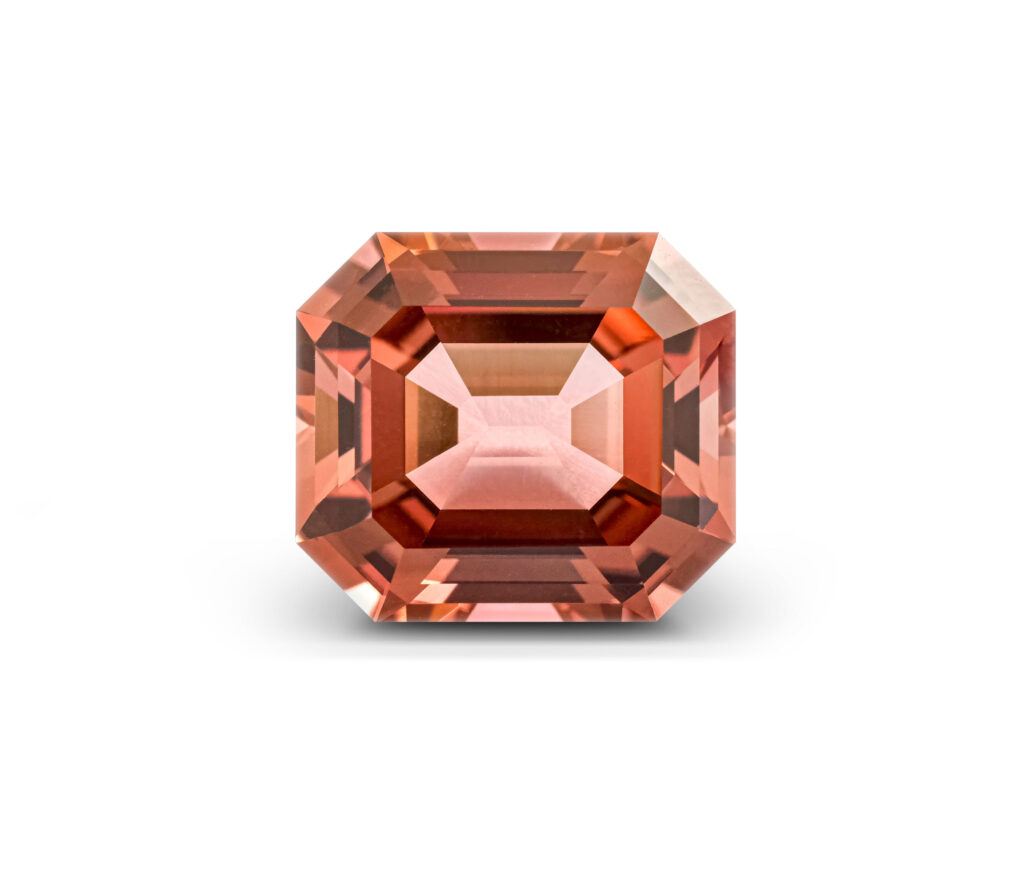
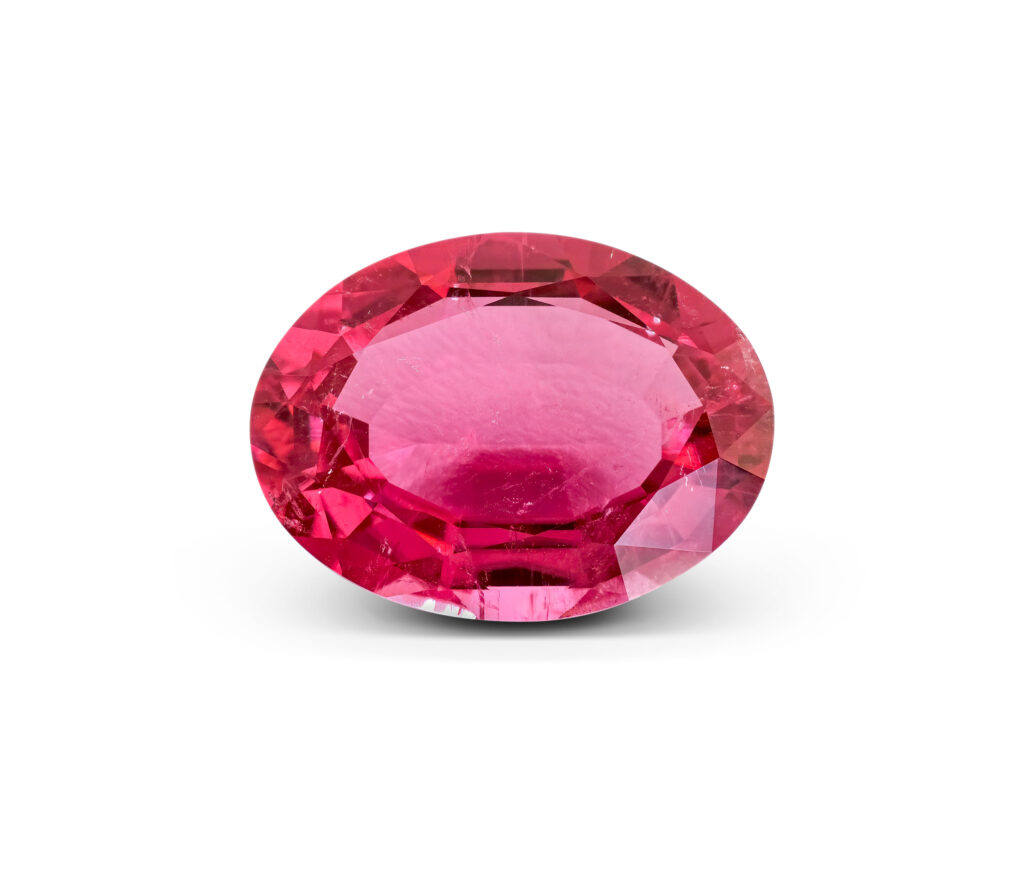
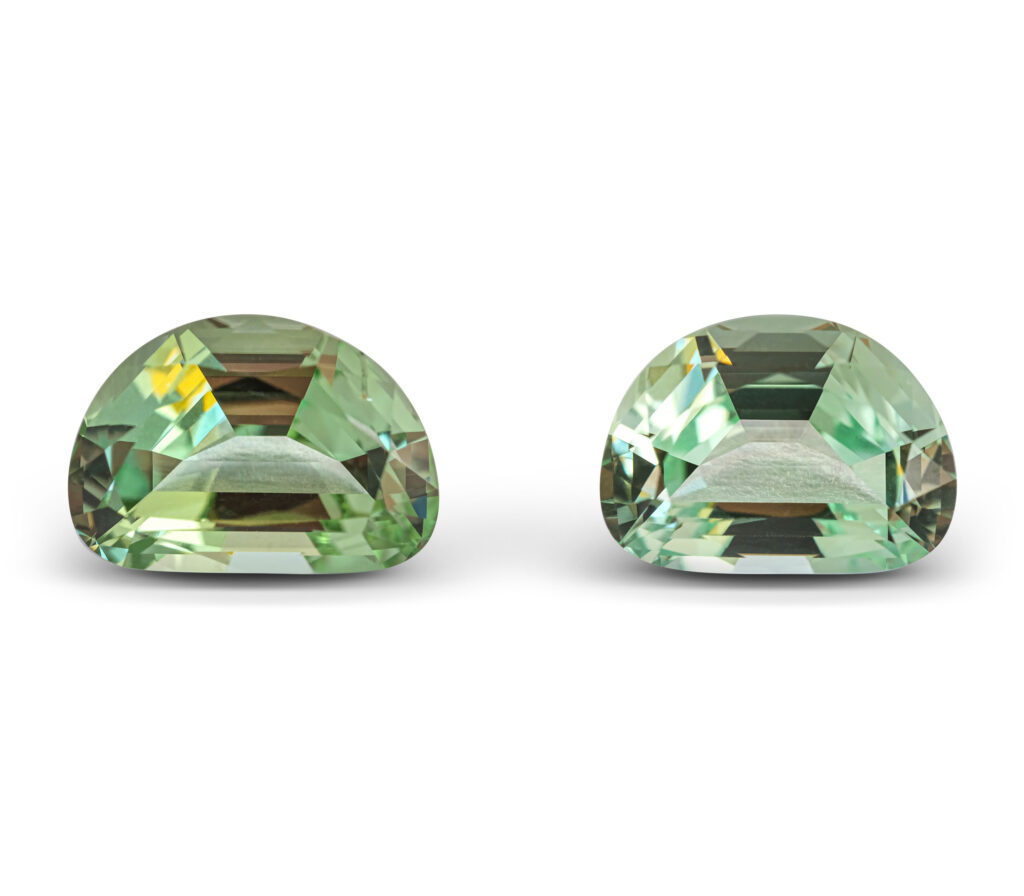
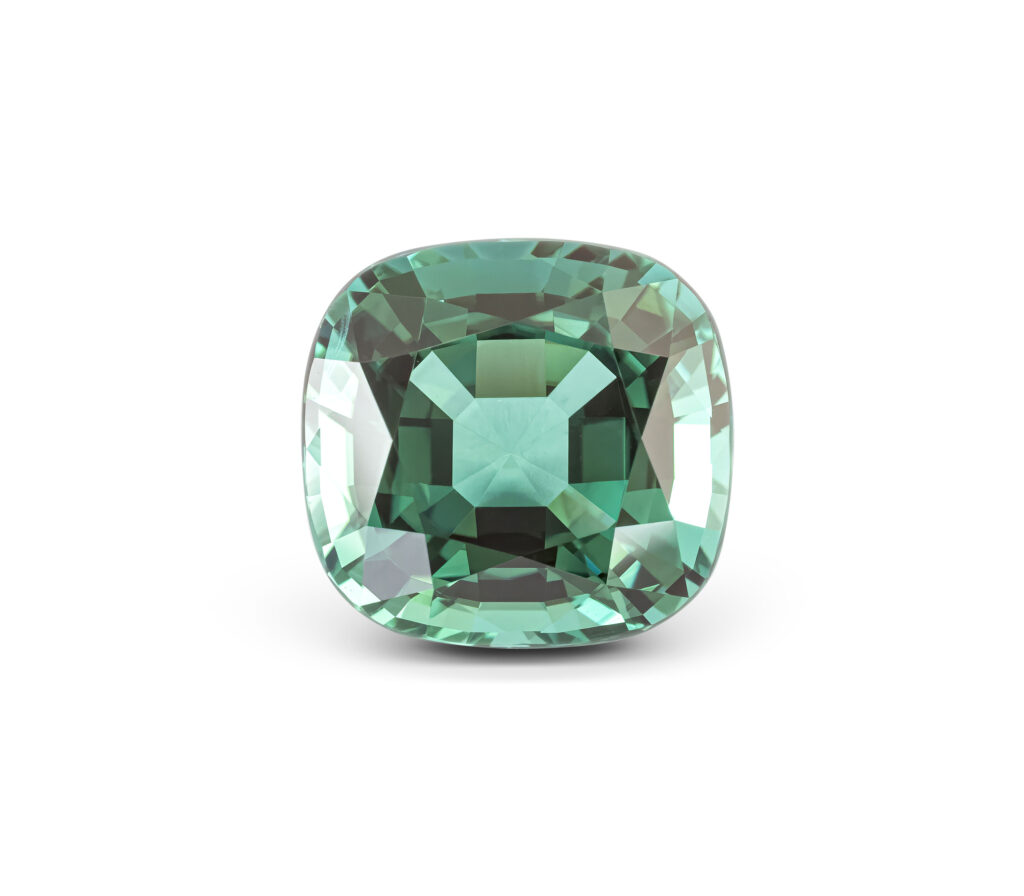
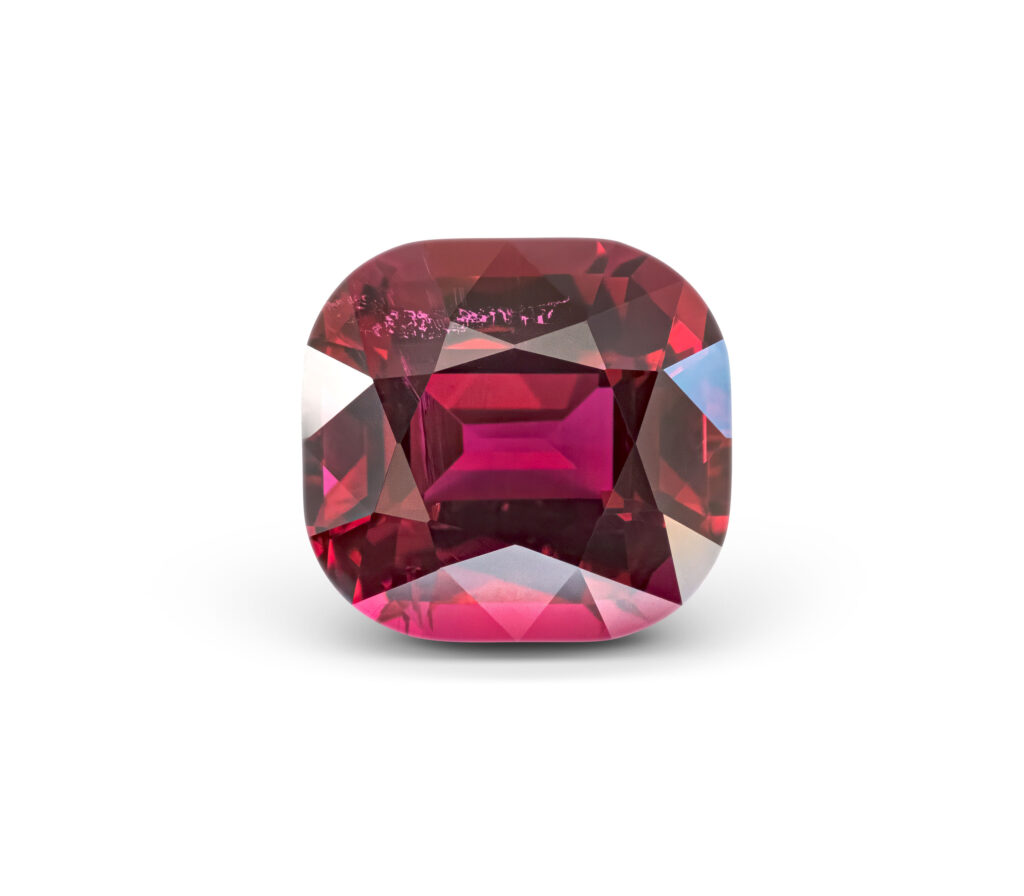
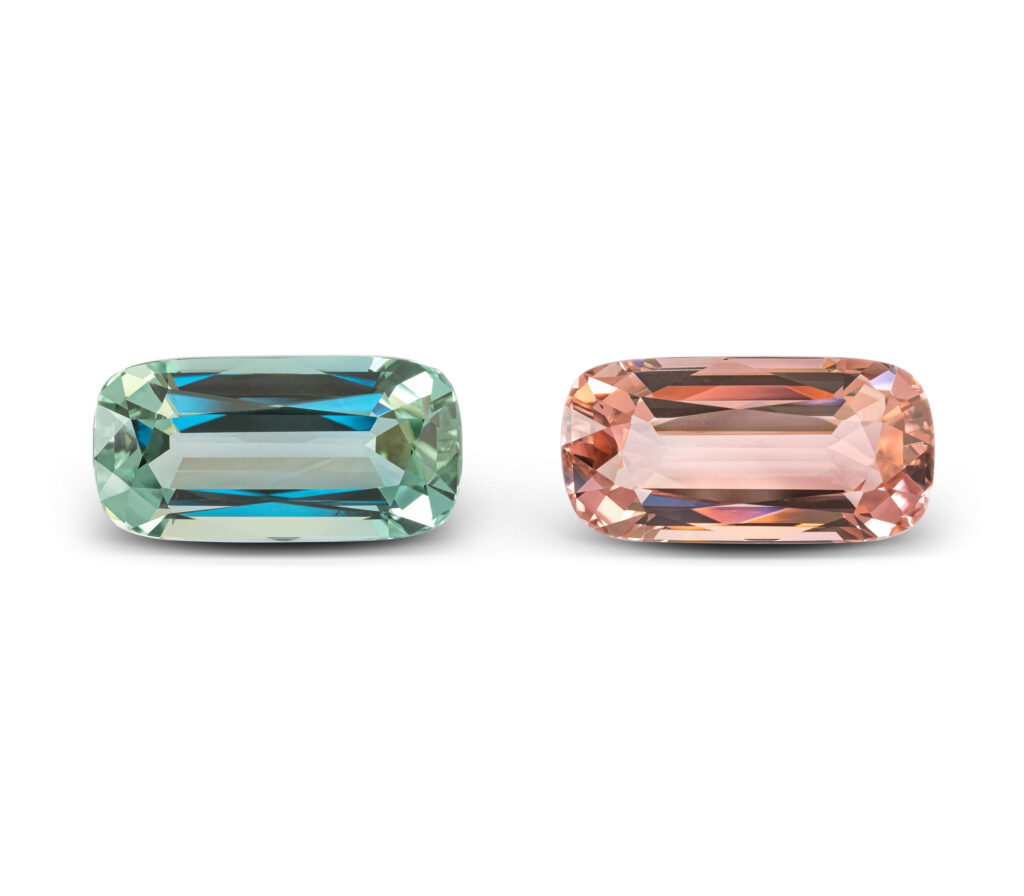
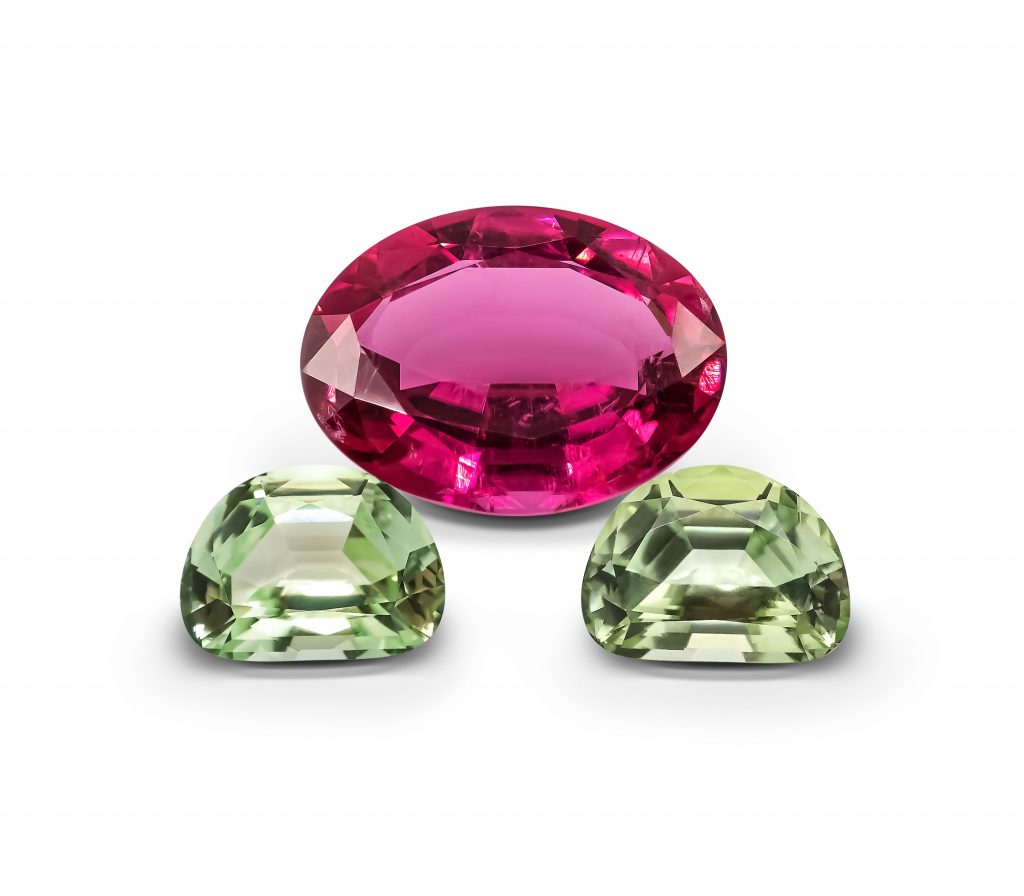
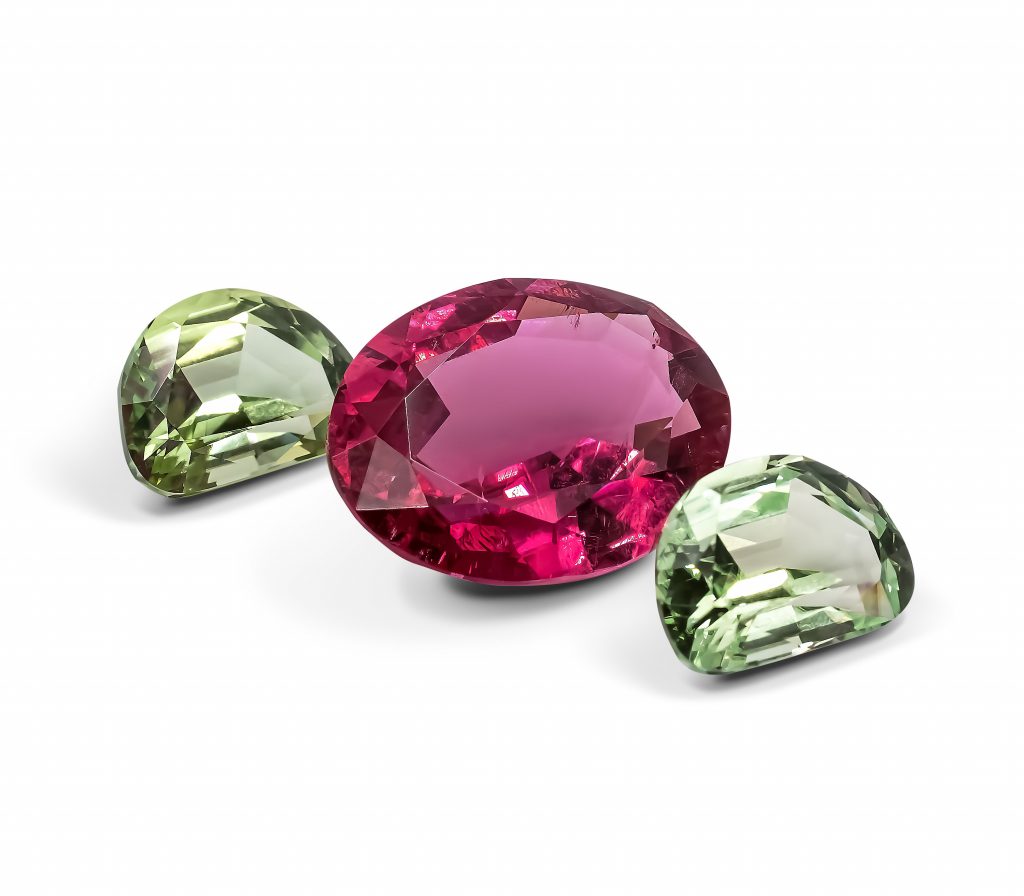
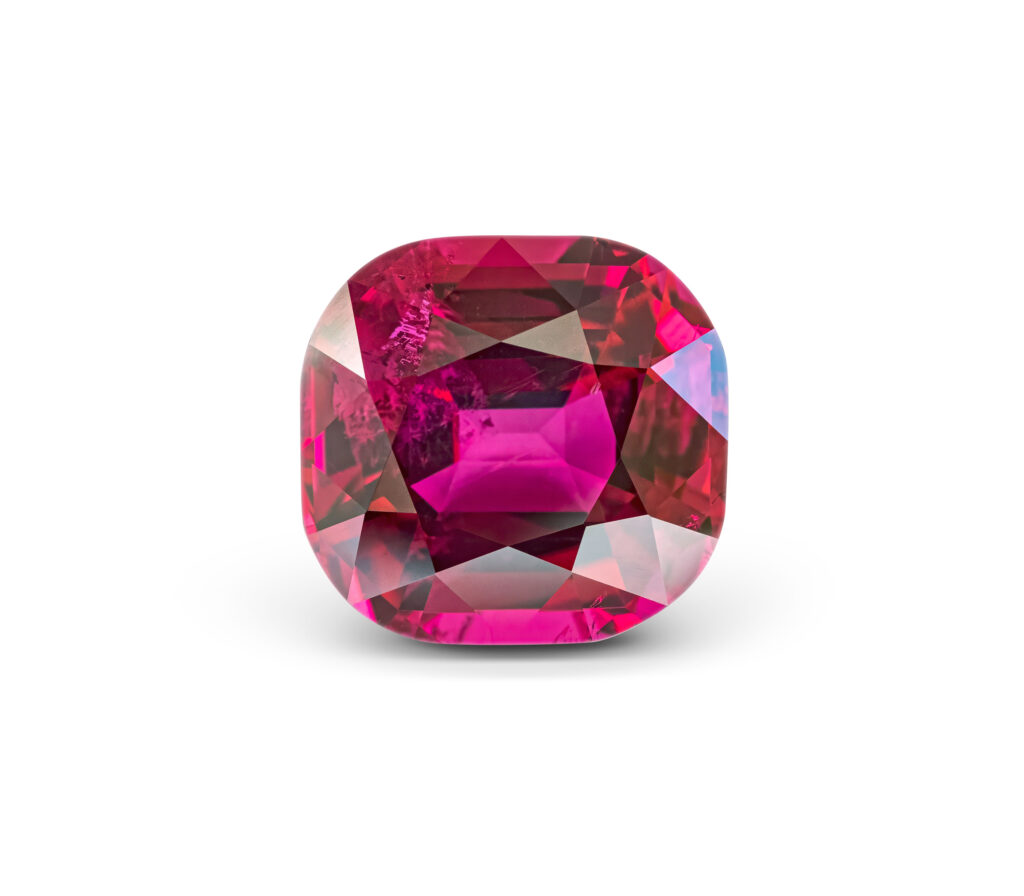
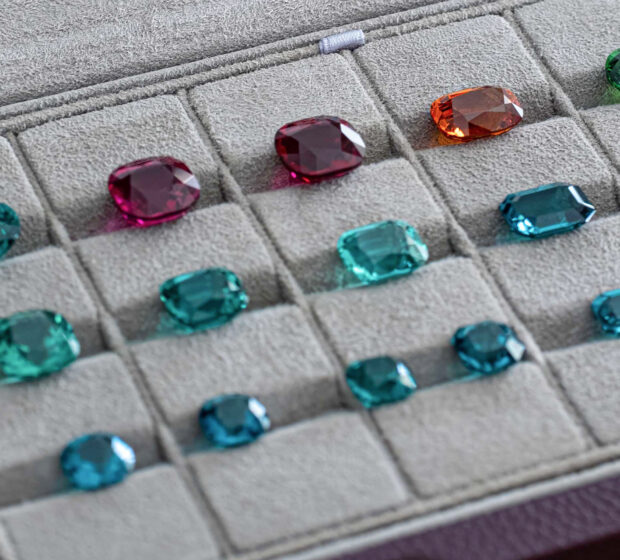
Namibian lagoon tourmaline represents a geographically specific variety with distinctive teal-to-mint saturation valued for its clarity and precision cutting potential. Rubellite — the red-to-pink variety — achieves highest standing when displaying pure colour without brown modifiers, with the finest examples showing saturation reminiscent of fine ruby at more accessible price points. Indigo tourmaline, scarcer still in eye-clean material, offers deep blue-violet tones that occupy a distinct chromatic niche within the family.
Authentication Standards for Rare Tourmaline
Paraíba authentication requires advanced spectroscopic analysis confirming copper content, distinguishing genuine specimens from visually similar non-copper blue-green tourmalines. This distinction is fundamental to valuation: copper-bearing material from verified origins commands multiples of the price of comparable non-Paraíba material. Each certified rare loose tourmaline in the collection is accompanied by GIA or specialist laboratory documentation specifying origin, treatment status, and colour cause determination.
Matched pairs receive additional provenance documentation establishing colour consistency essential for high-end jewelry commissions. Acquiring tourmaline in loose form preserves maximum flexibility — stones remain gradable, settable to specification, and unmodified in condition. Among high value colored stones at the collector level, treatment-free status is particularly significant for tourmaline: fine material typically requires no enhancement, with natural colour defining the exclusivity and long-term resale value that museum-quality rare loose specimens consistently command.
Market Context and Collection Building
Brazilian Paraíba deposits represent genuinely finite geological resources. Production from the original Paraíba state mines was brief and largely exhausted within years of discovery, creating a fixed supply that underpins sustained collector interest. Estate quality tourmaline from significant early production periods carries historical significance beyond the gemological. This is timeless investment quality material in the most literal sense: rare natural specimens whose price appreciation reflects finite geological supply rather than market cycles.
Exceptional specimens have achieved significant prices at major auction houses, reflecting growing institutional recognition and the heritage value attached to material from geologically finite sources. Whether acquiring a premium statement piece, building a matched suite, or exploring the broader chromatic range of rare loose tourmaline, consultation on variety-specific characteristics and provenance documentation is available.