Origin, Colour, and the Hierarchy of Rare Loose Sapphire
Geographic provenance defines sapphire’s collector hierarchy more decisively than almost any other gemstone. Kashmir sapphire, extracted briefly from Himalayan deposits during the late 19th and early 20th centuries, displays a characteristic velvety blue caused by fine rutile silk inclusions that scatter light in a way no other source replicates. Supply has been negligible for over a century, making authenticated rare loose specimens museum-quality material by any measure. Prices at Christie’s and Sotheby’s regularly exceed $100,000 per carat for fine examples, with exceptional stones commanding multiples of this figure.
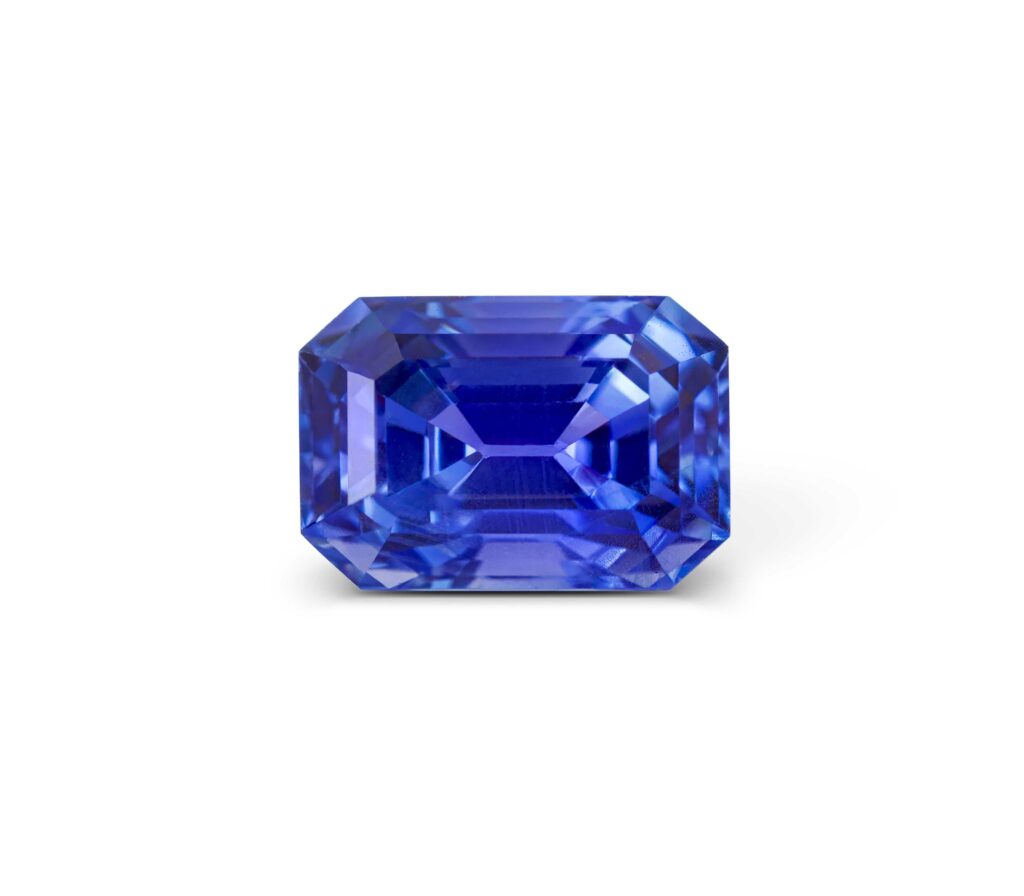
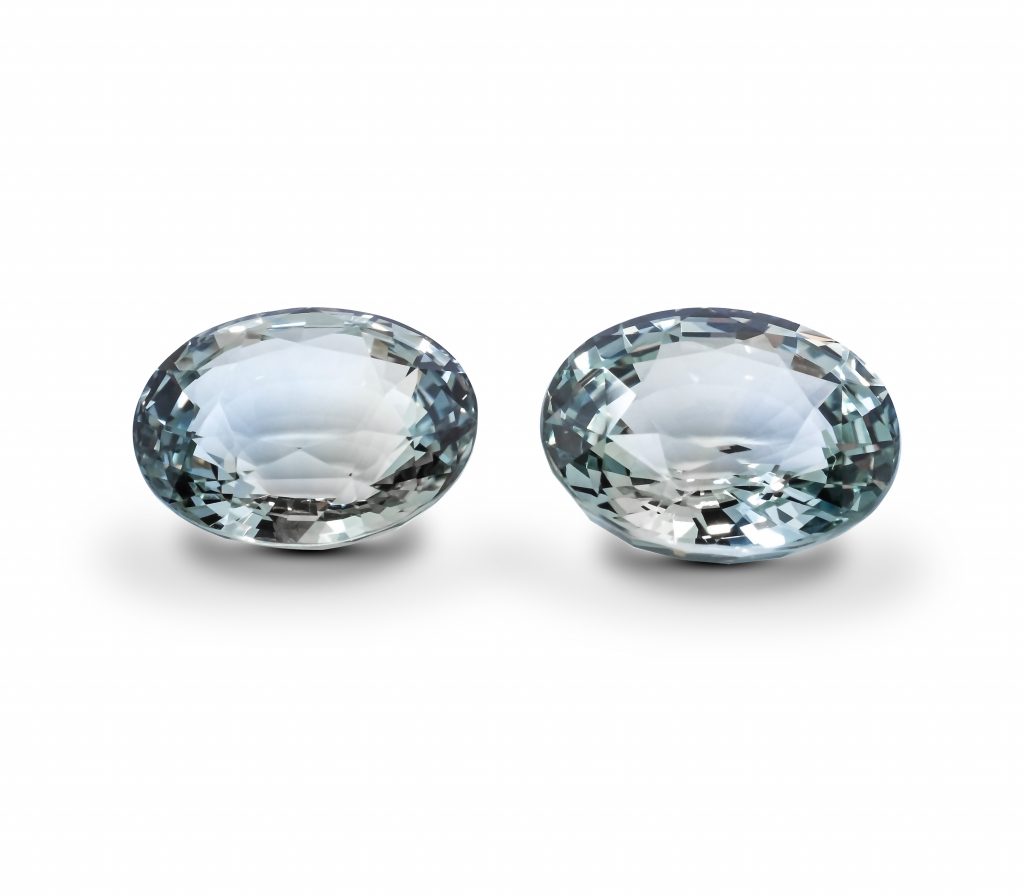
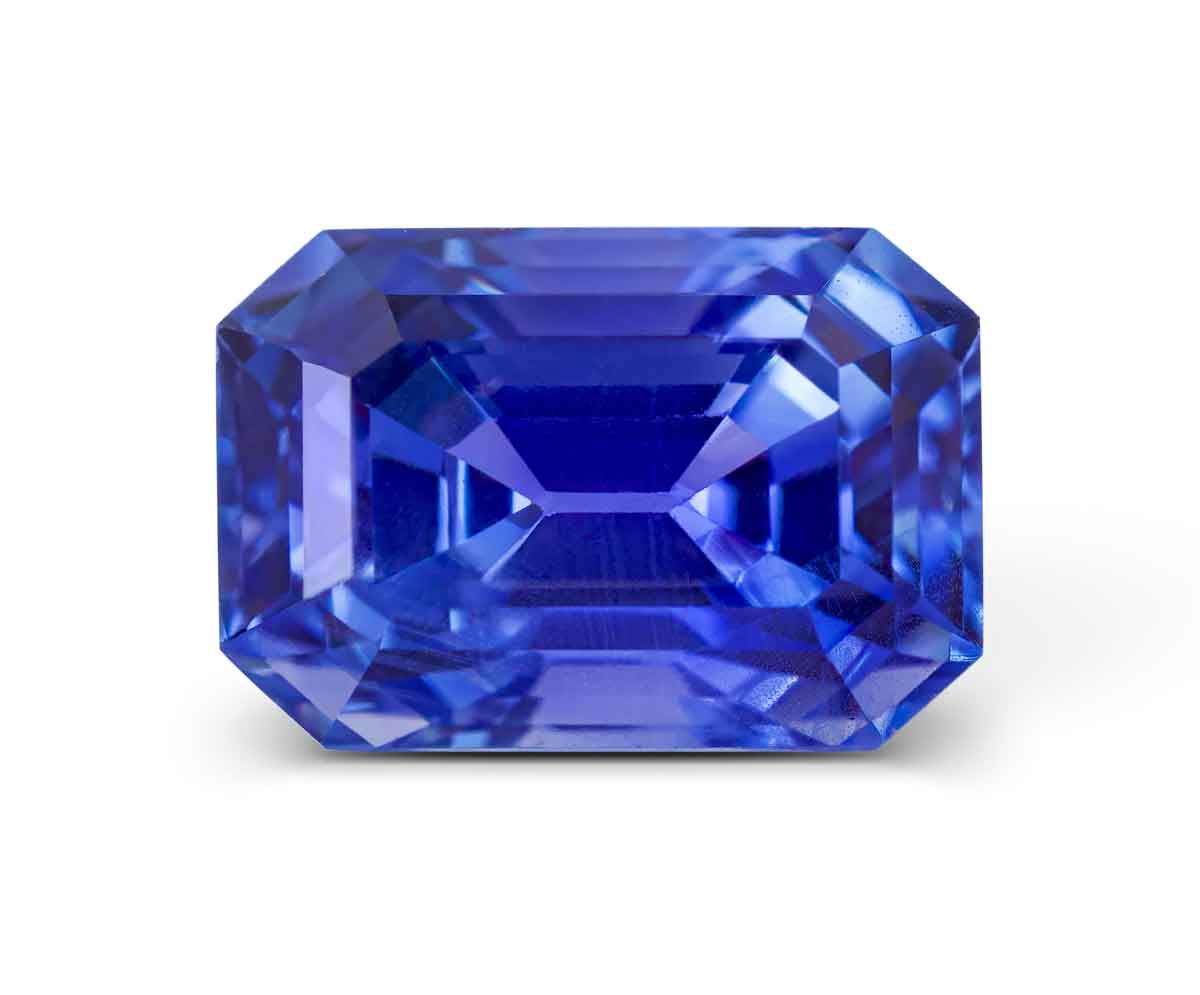
Ceylon (Sri Lankan) sapphire offers the broadest range within the category. Cornflower blue material with strong saturation and eye-clean clarity represents the benchmark for this origin, while rare padparadscha — displaying delicate salmon-orange from a combination of iron and chromium traces — ranks among the most sought-after varieties in all of colored gemstones. Large loose Ceylon sapphire exceeding 5 carats with vivid, unheated colour occupies a distinct market tier. The 5-carat threshold is particularly meaningful here: stones of this size with natural colour and verified origin appear infrequently, and matched pairs of equivalent quality represent significant gemological achievements.
Burmese sapphire demonstrates intense saturation approaching Kashmir at more achievable price points, with characteristic growth patterns identifiable under laboratory magnification. Each origin carries specific inclusion signatures that establish estate quality provenance and the exclusivity that distinguishes exceptional collector material from stones of uncertain origin.
Authentication and the Significance of Unheated Status
Heat treatment is routine in sapphire — the vast majority of commercial material undergoes high-temperature enhancement to improve colour and clarity. For serious collectors of rare natural sapphire, unheated status is a fundamental criterion. Unheated specimens from prestigious origins command premiums of 30 to 50 percent or more over heated equivalents of comparable appearance, a differential that GIA and Gübelin laboratory reports document explicitly.
Authentication proceeds through inclusion pattern analysis, chemical signature examination, and spectroscopic testing establishing both geographic origin and treatment history. Matched pairs for jewelry commissions require additional analysis confirming colour consistency and proportional compatibility. Acquiring rare loose sapphire rather than mounted pieces preserves full access to this documentation and maintains the unmodified condition essential for accurate independent grading and long-term resale value. For timeless collector gemstones of this calibre, this gemological rigour defines investment quality status in the assessment of auction specialists and private buyers, underpinning consistent price appreciation for exceptional natural material.
Acquiring Exceptional Sapphire: What the Collection Offers
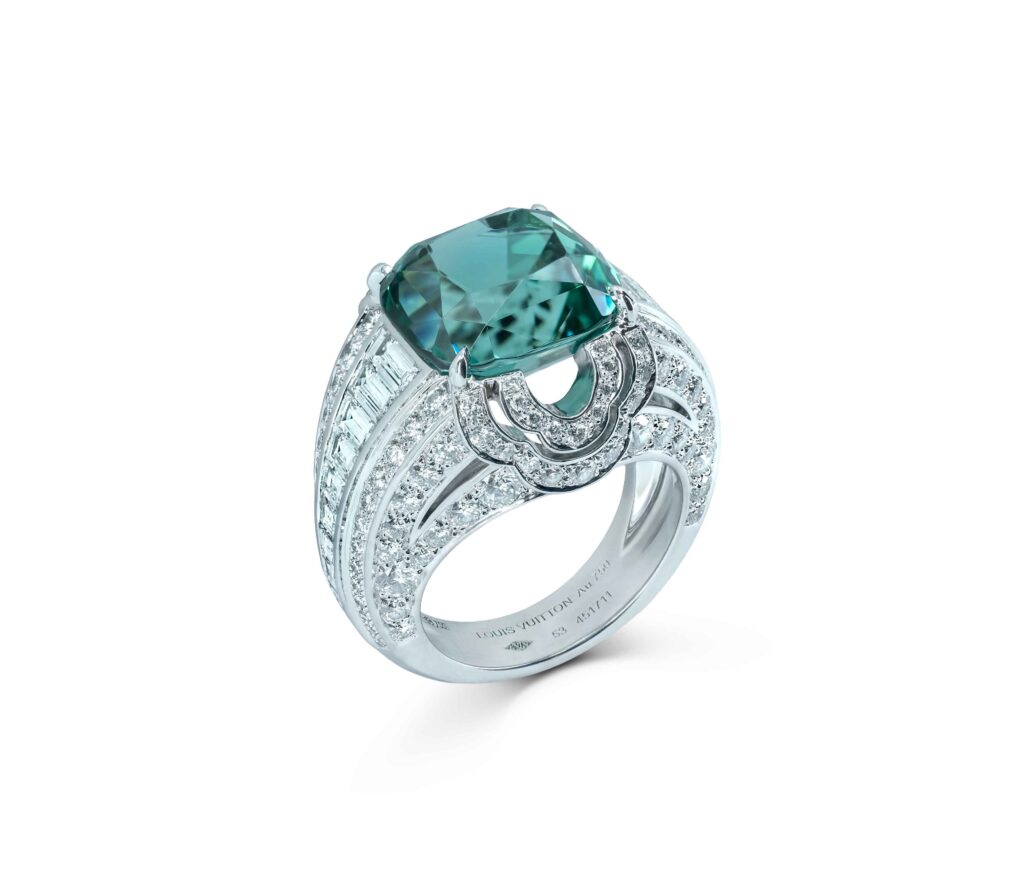
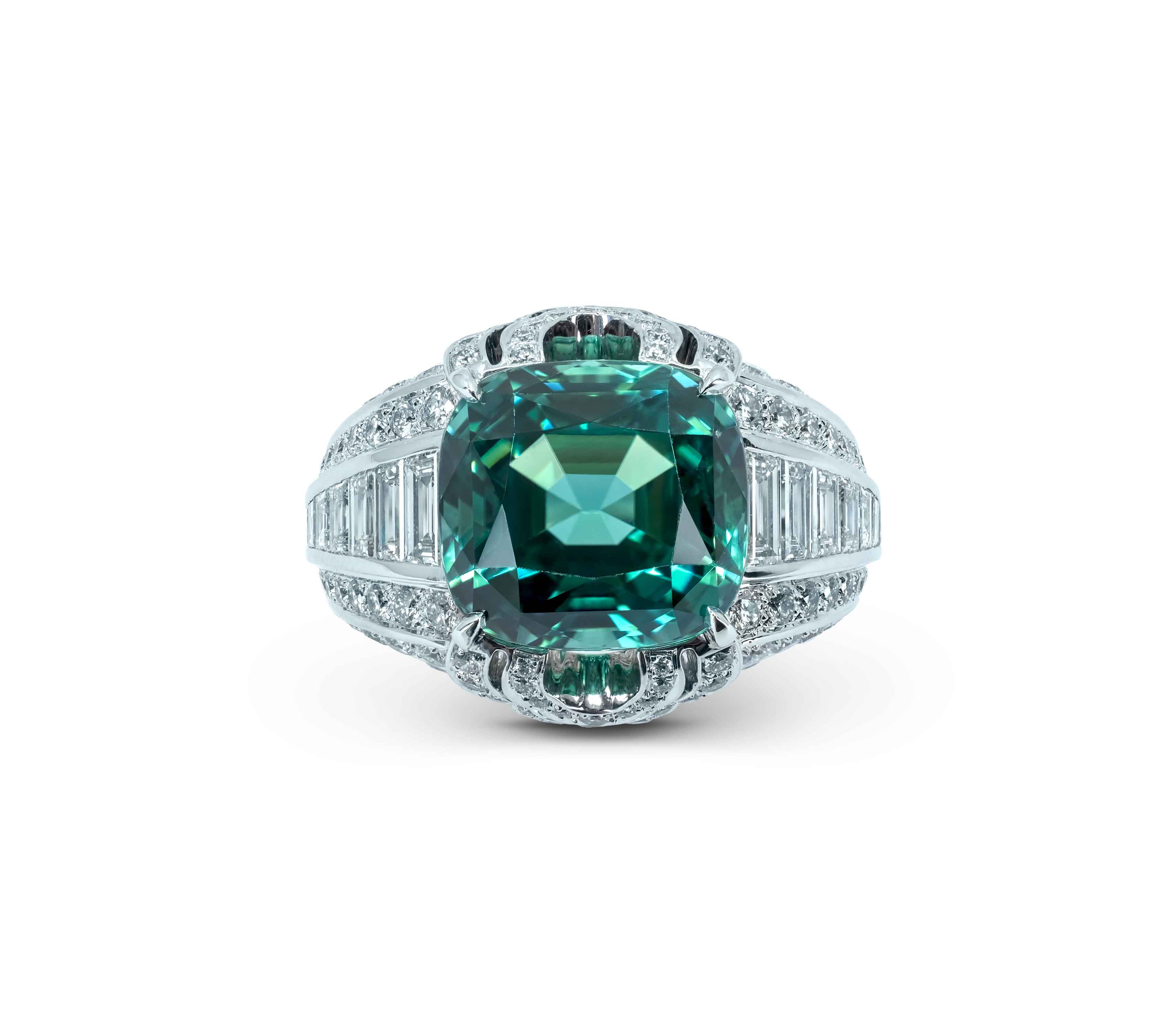
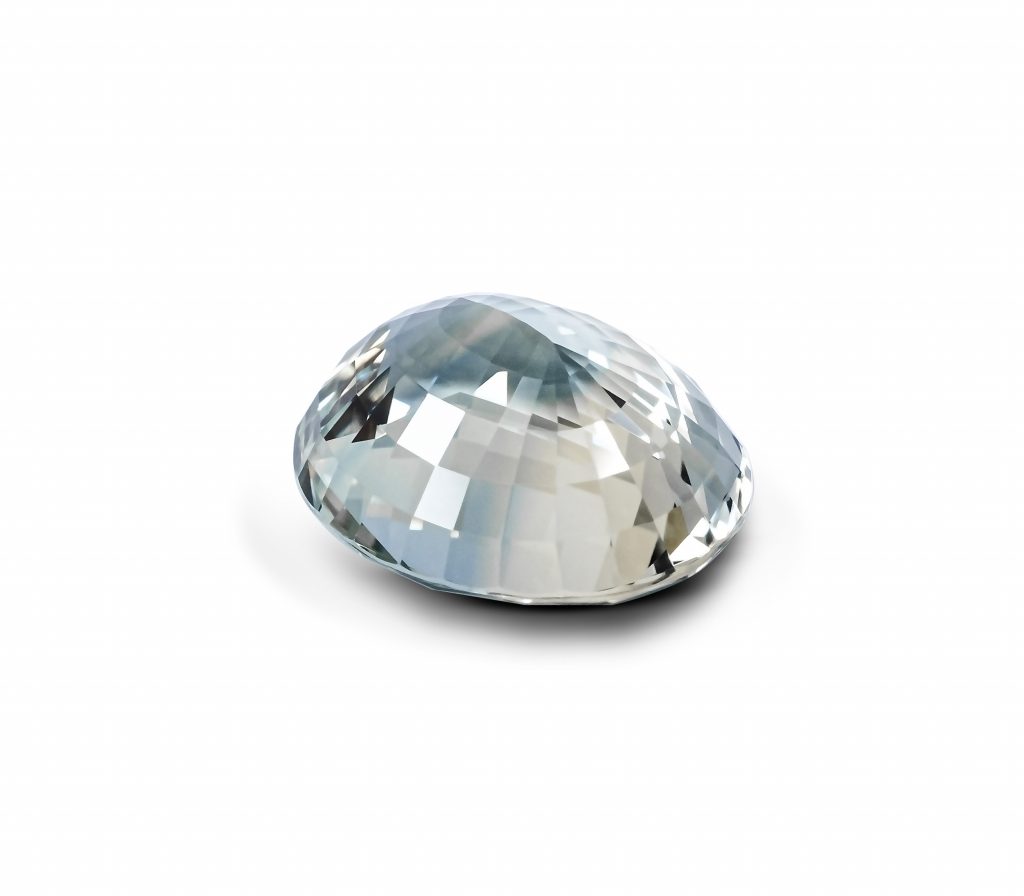
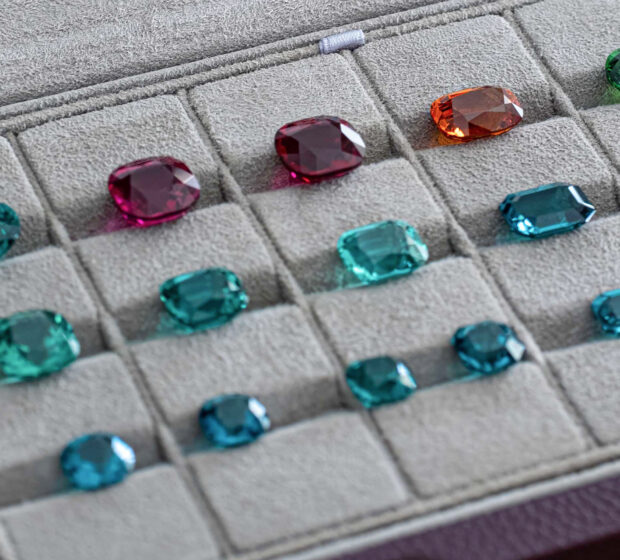
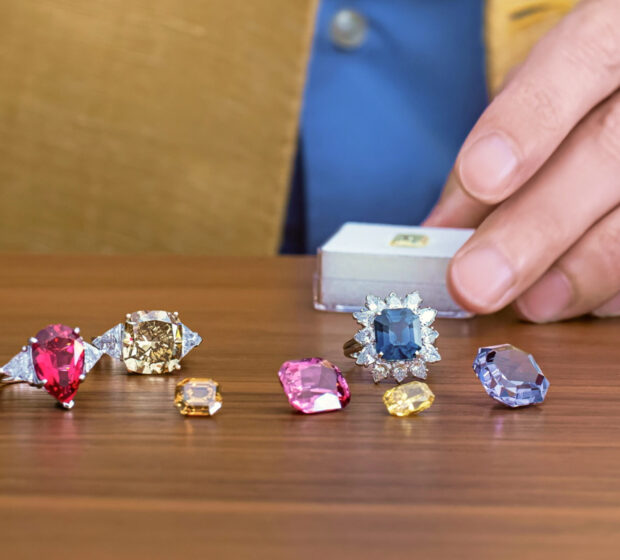
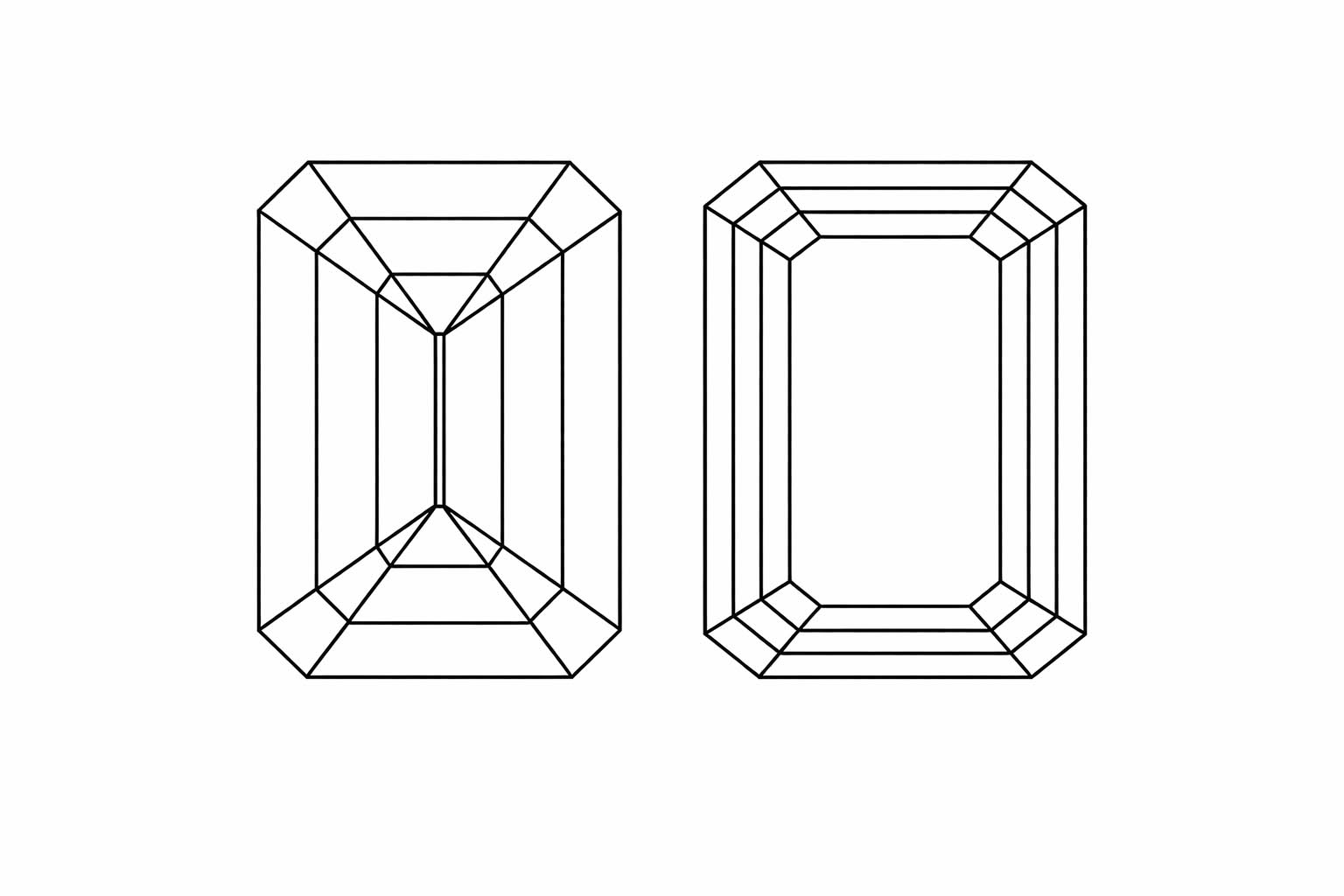
The selection focuses on sapphire where origin, colour purity, and size converge at collector level. Ceylon material in step-cuts and ovals, matched pairs for significant commissions, and scarce colour varieties including light blue and teal specimens each represent distinct gemological propositions within the broader sapphire category. Consultation covers origin-specific characteristics, laboratory certification requirements, and the gemological distinctions that differentiate premium high value rare natural loose sapphire from visually similar commercial material.