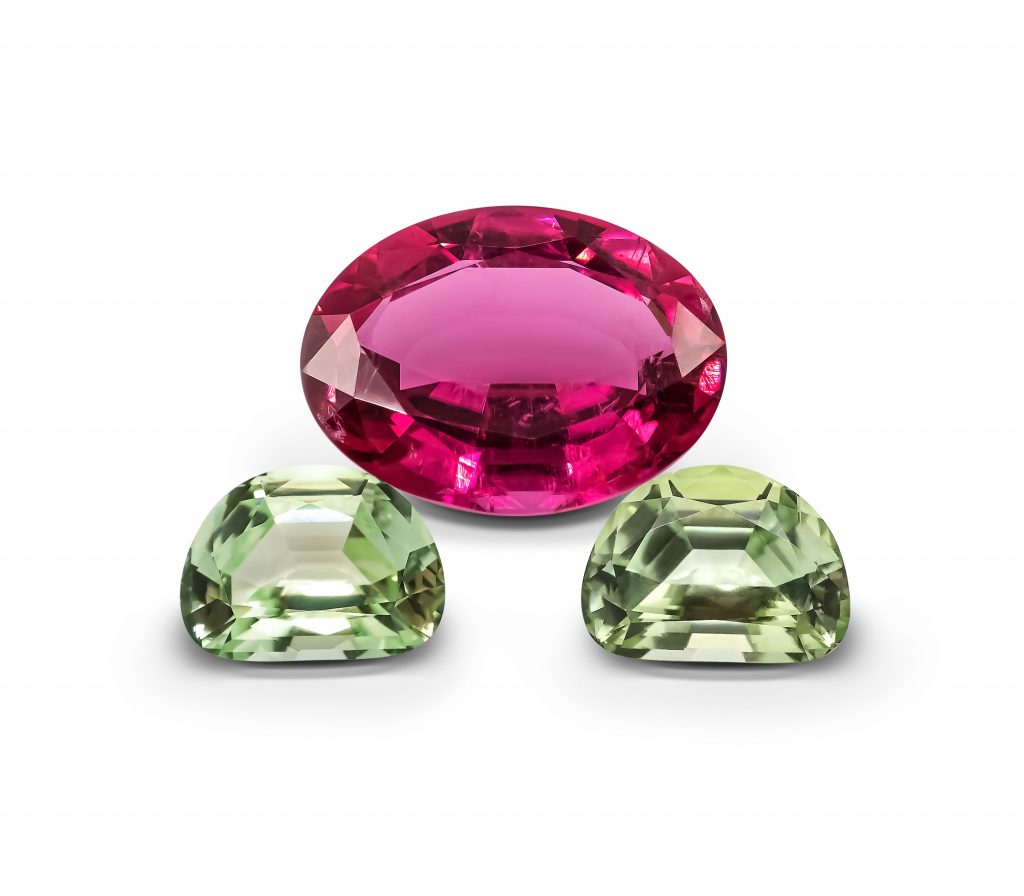
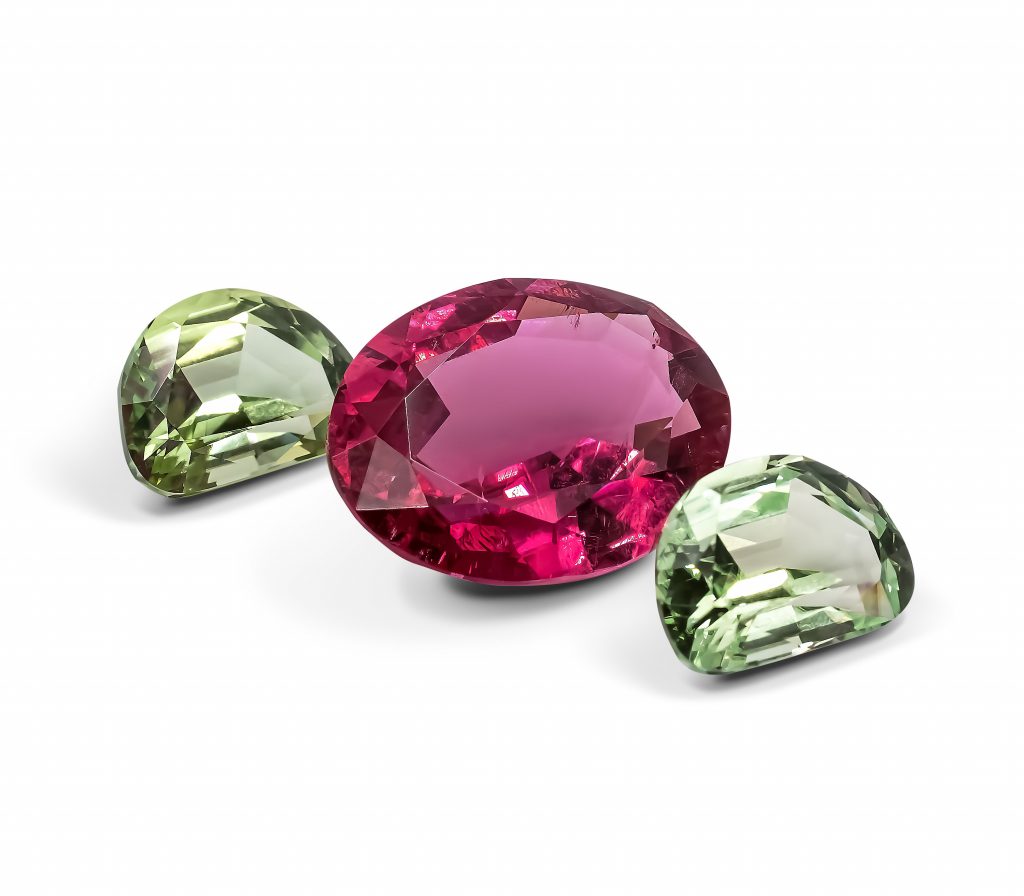
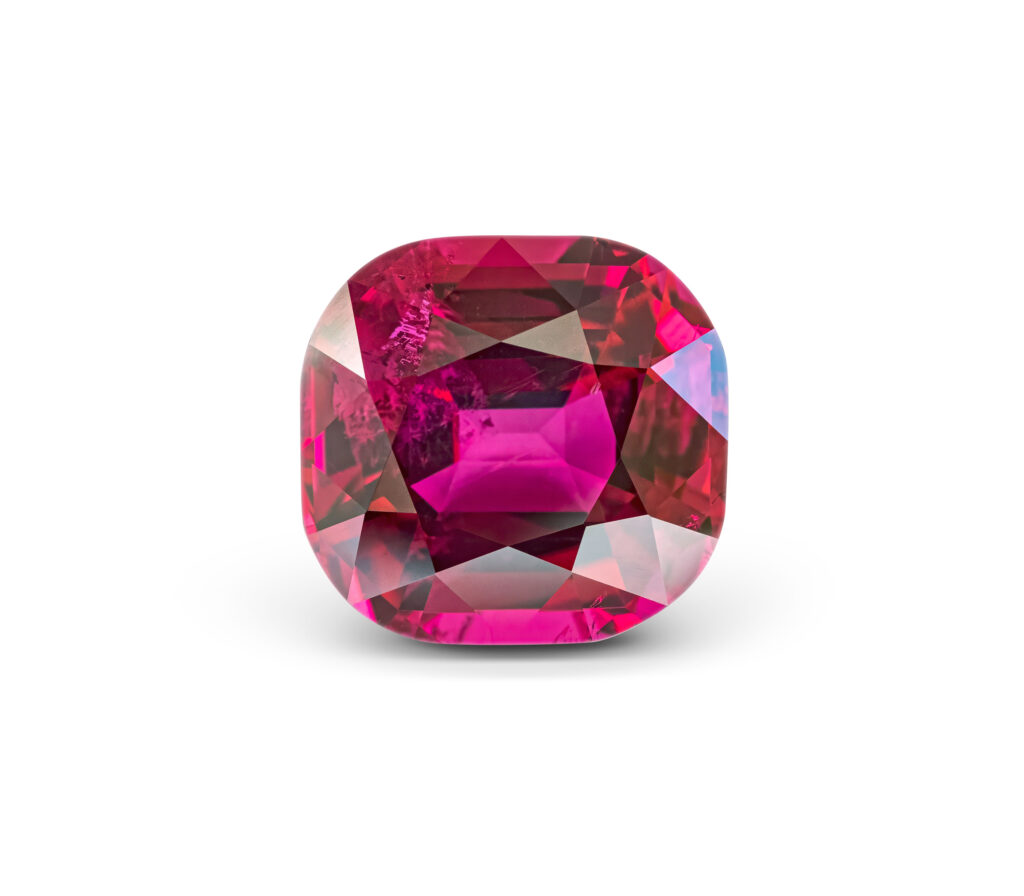
A Delicate Register from Blush to Hot Pink
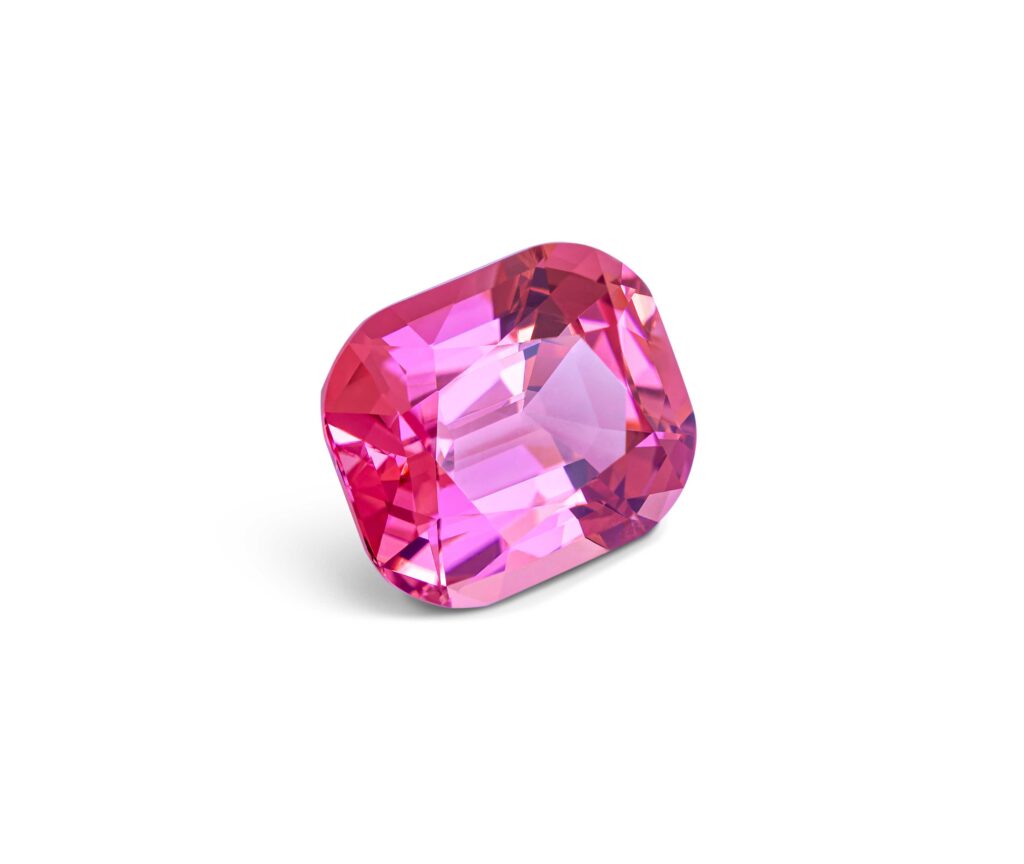
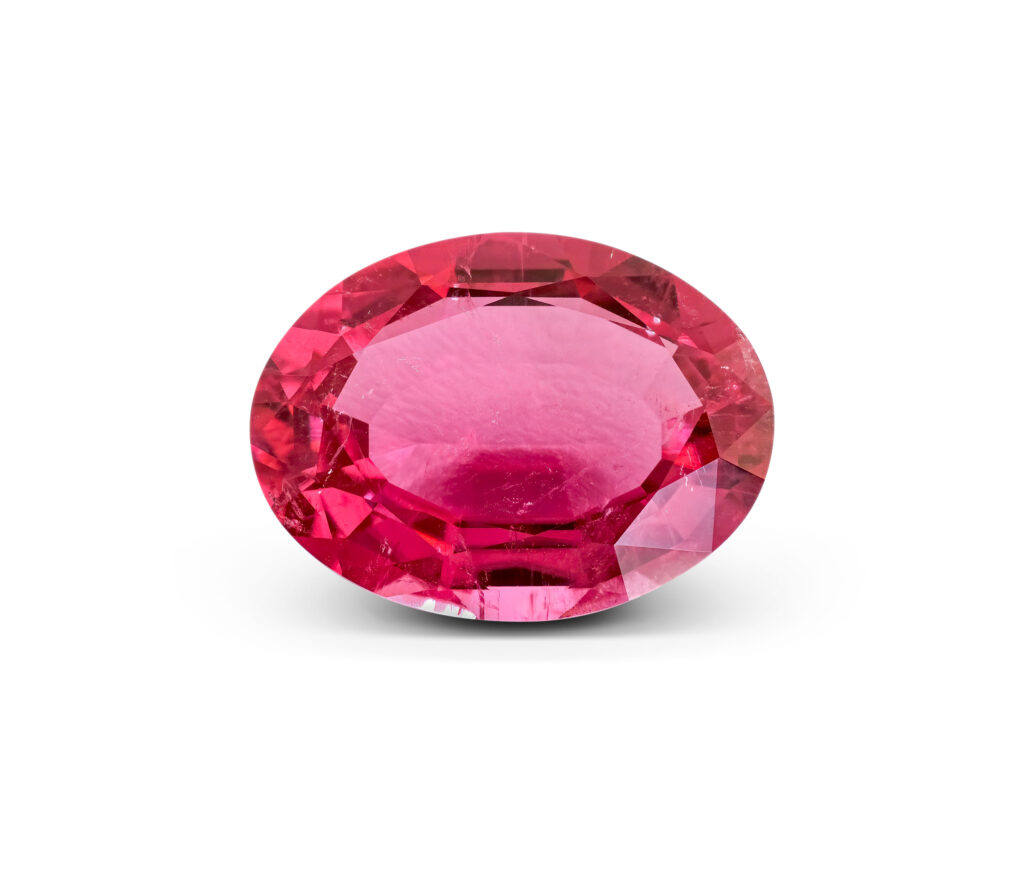
Pink is a color of the same chromophores that produce red, present in gentler measure. In corundum and spinel, it is chromium at lower concentration that yields pink rather than the deep red of ruby or fine red spinel, while in tourmaline manganese produces the range from pale rose to vivid pink. Understanding this shared chemistry explains why pink and red are neighbors on a single continuum rather than separate phenomena, and why the finest pinks read as clean and pure rather than muddied.
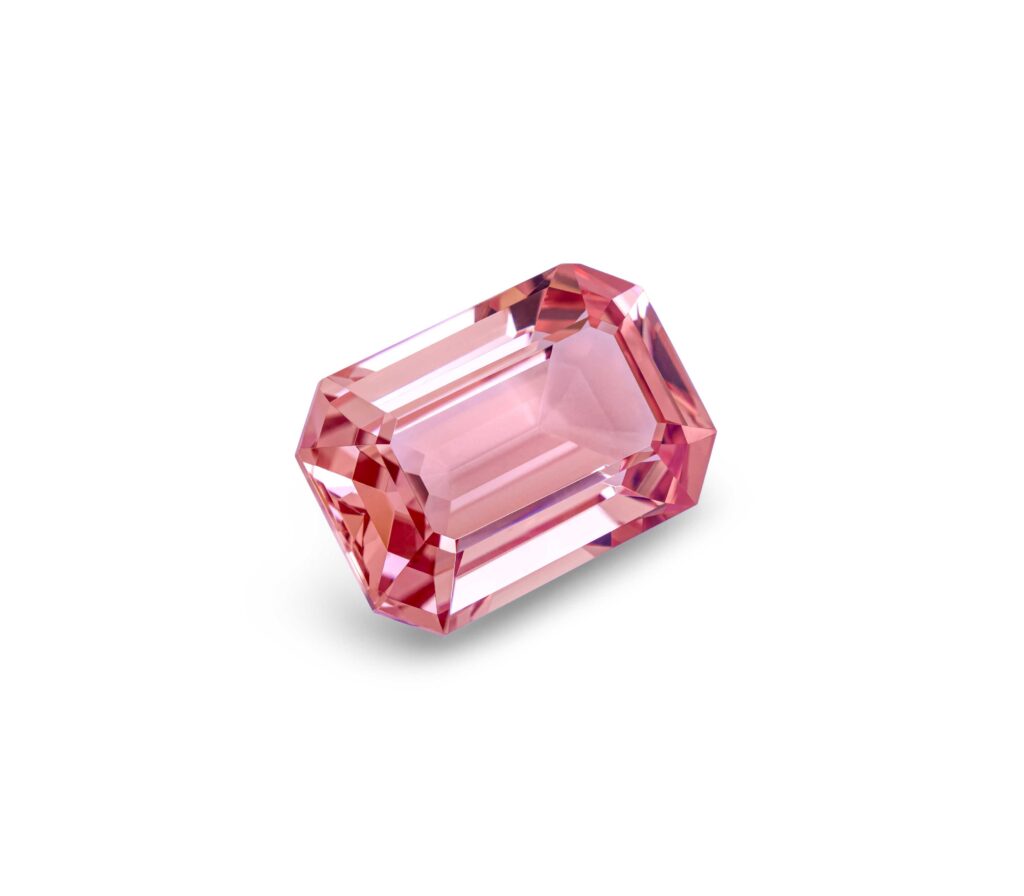
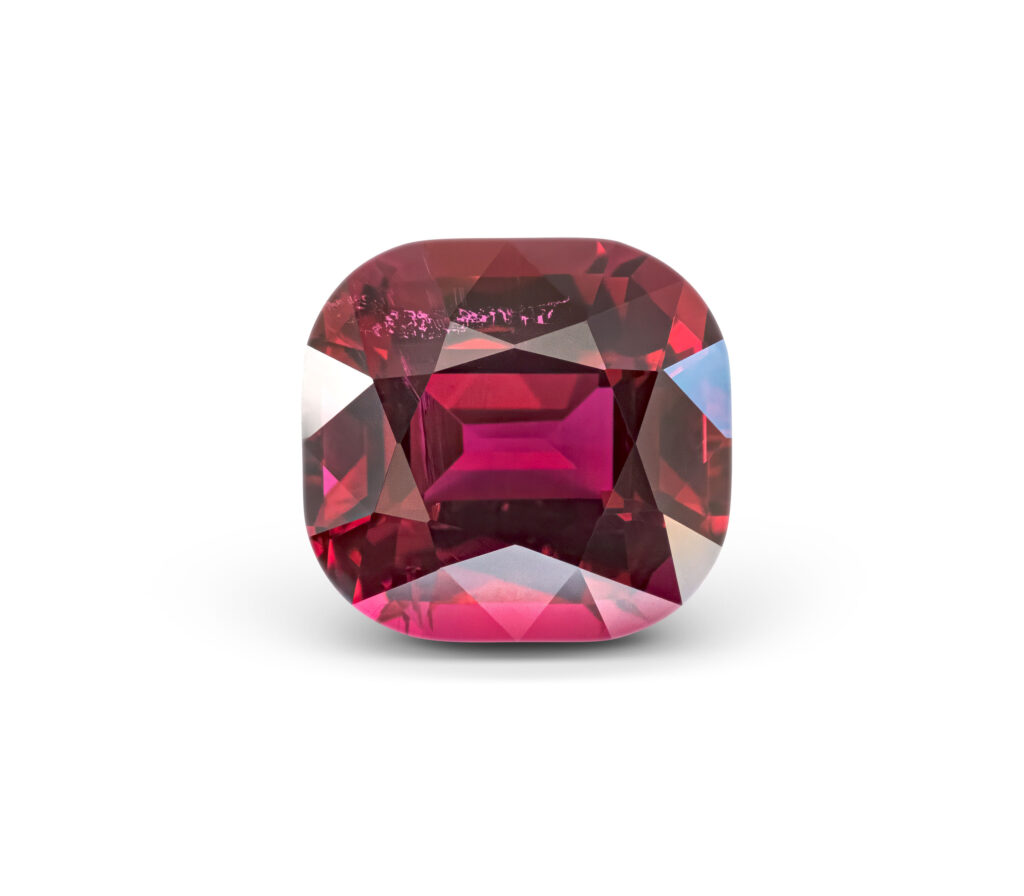
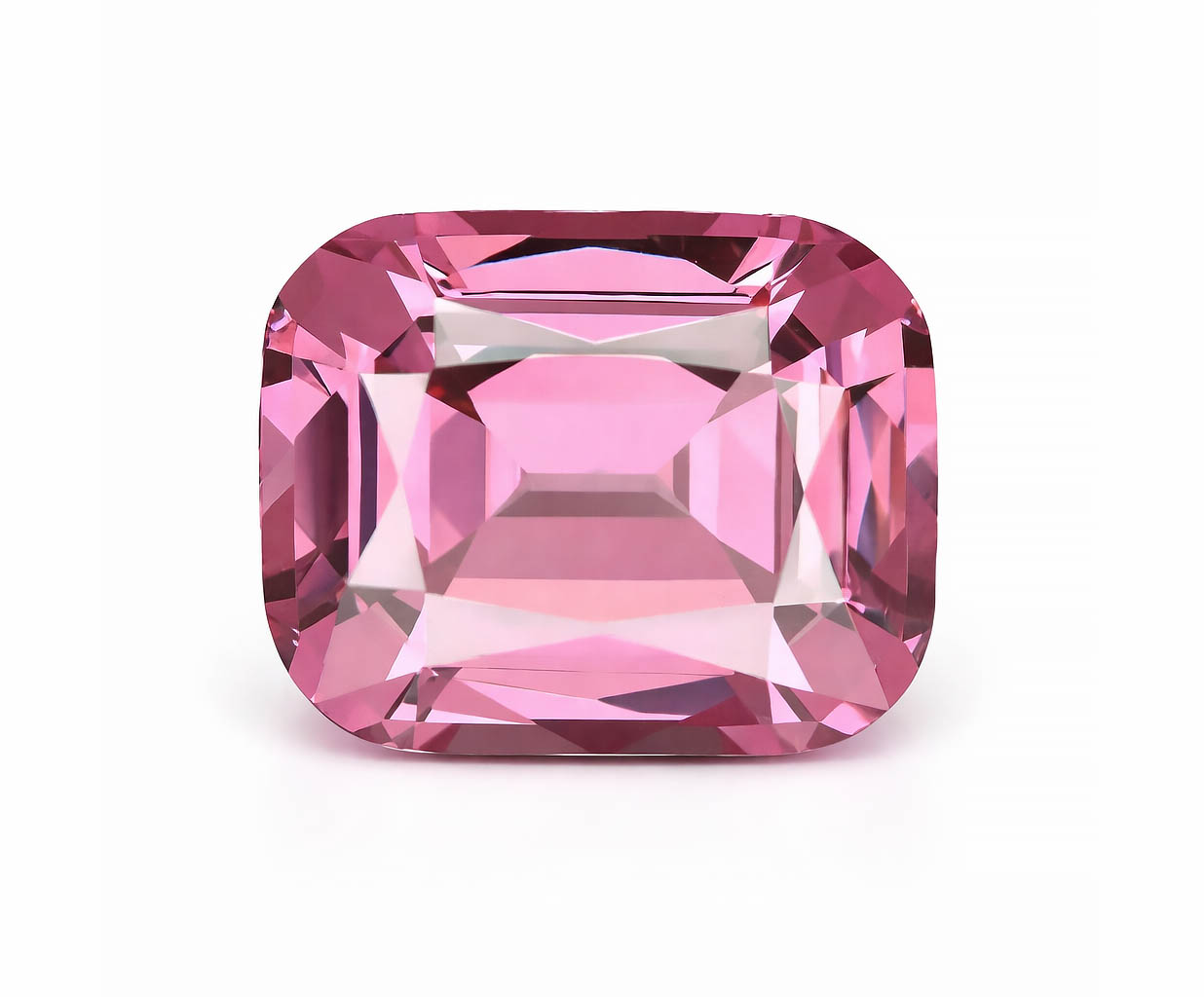
Pink sapphire holds a distinct standing within this range. Chromium traces give it a color spanning soft blush to intense pink, and the boundary with ruby is drawn precisely at the point where saturation deepens sufficiently to cross into red, making fine pink corundum a category valued in its own right rather than a lesser ruby. Pink spinel reaches its hue through the same element and carries the added advantage of remaining almost never treated, its natural color the standard rather than the exception. Rubellite, the pink-to-red tourmaline colored by manganese, achieves its highest standing when the pink is vivid and pure, free of the brown modifiers that dull lesser material.
Across all three species, purity of hue is the collector’s principal measure. A clean pink, whether pastel or saturated, commands recognition that a stone clouded by grey or brown cannot, and this cleanliness holds across the full tonal range rather than favoring one end of it.
The Grygorian Gallery Selection in Pink Tones
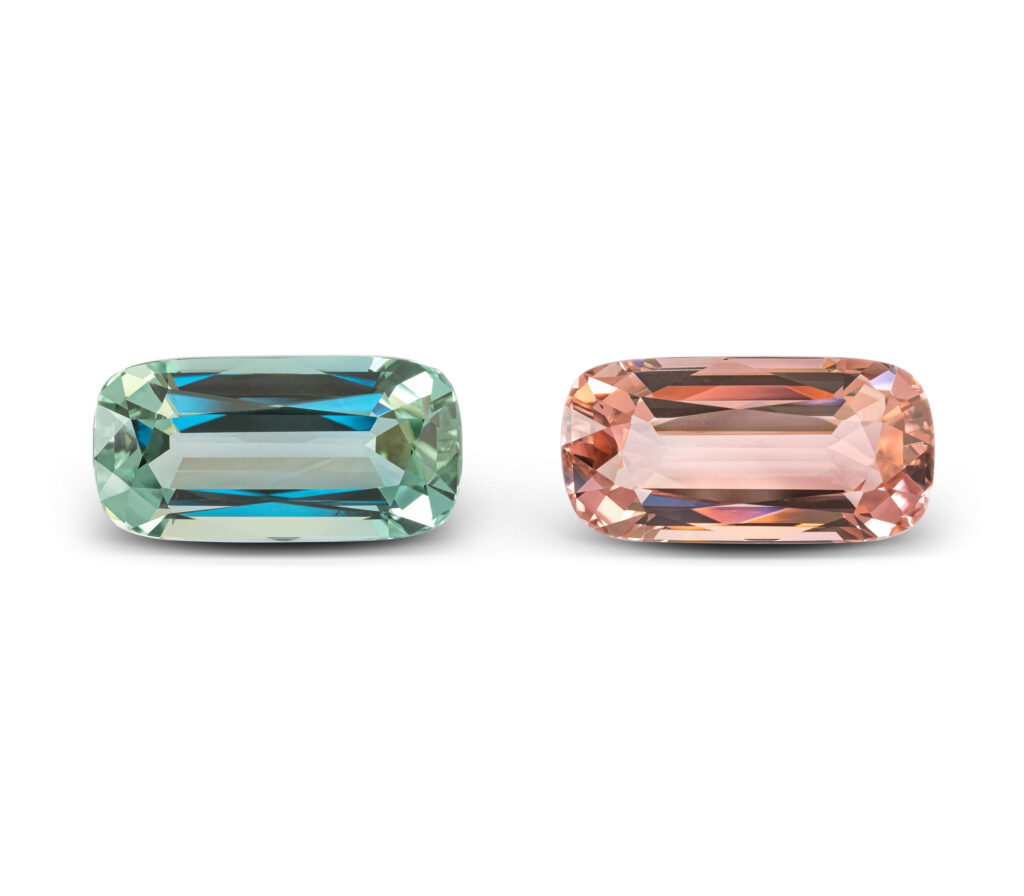
Once the pink reads clean, other qualities complete the assessment. Rare colored stones that periodically enter the selection in this color are chosen for saturation distributed evenly through the crystal, transparency that withstands close examination, and precision cutting that carries the color through the full volume of the stone.
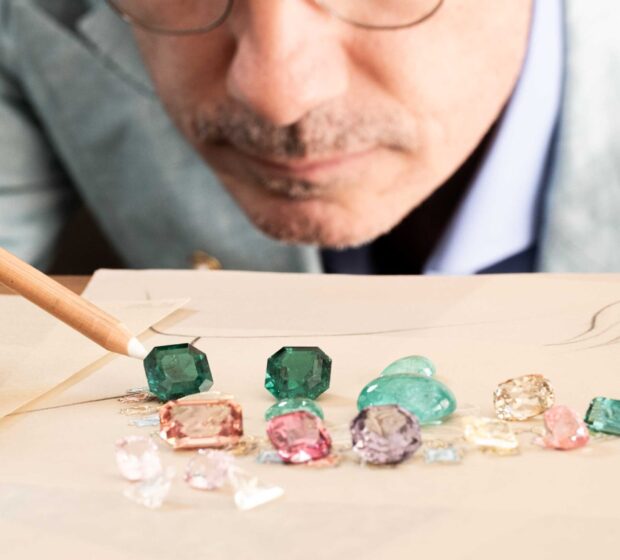
The gemological expertise developed by Eduard Grygorian, IGI Colored Stones Grader, informs the selection standards applied to pink gemstones, from species identification to the treated-versus-untreated distinction, particularly relevant in corundum, and the assessment of modifiers that bear so heavily on value. Where the certificate accompanies the stone, documentation from GIA or specialist gemological laboratories confirms natural origin, species, and treatment status; stones undergo gemological examination in which spectroscopic analysis and inclusion study establish identity and geographic provenance where relevant.
Acquiring Pink Stones at Collector Level
For the collector, pink offers a rare versatility, at home in a delicate pastel or a vivid statement, with fine pink sapphire and untreated pink spinel each representing a genuinely scarce proposition once size and purity of hue are held to a high standard.
Acquired unset, loose pink gemstones remain fully gradable and independently verifiable, support future bespoke commissions, and retain the estate quality condition that underpins long-term resale value within a category where finite supply of clean, well-saturated material sustains lasting demand for rare natural gemstones. Discerning collectors are invited to explore the selection of rare loose colored stones in pink tones with Grygorian Gallery, at the Palais de la Scala in Monaco.