The Most Saturated Register in the Spectrum
Red sits at the summit of chromatic intensity, the tone toward which the warm end of the spectrum builds. What sets it apart from the pinks and oranges nearby is not a different chemistry but a threshold: the color must reach a depth of saturation that lesser material never attains, and that requirement is what makes fine red so genuinely scarce.
Where Red Reaches Its Depth
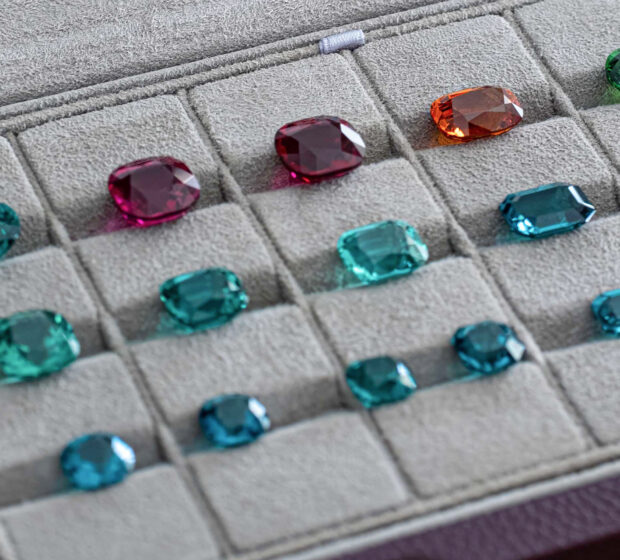
Chromium is the great colorant of red in the mineral world. In fine spinel, traces of chromium (Cr³⁺) produce a vivid red that historically caused the finest specimens to be mistaken for ruby, the celebrated “balas ruby” of royal collections that GIA and gemological history record as spinel misidentified for centuries. The higher the chromium content, the deeper and more vivid the red, and the Mogok Valley material stands at the summit of the category, prized for a saturation that rivals the finest corundum while remaining consistently free of treatment.
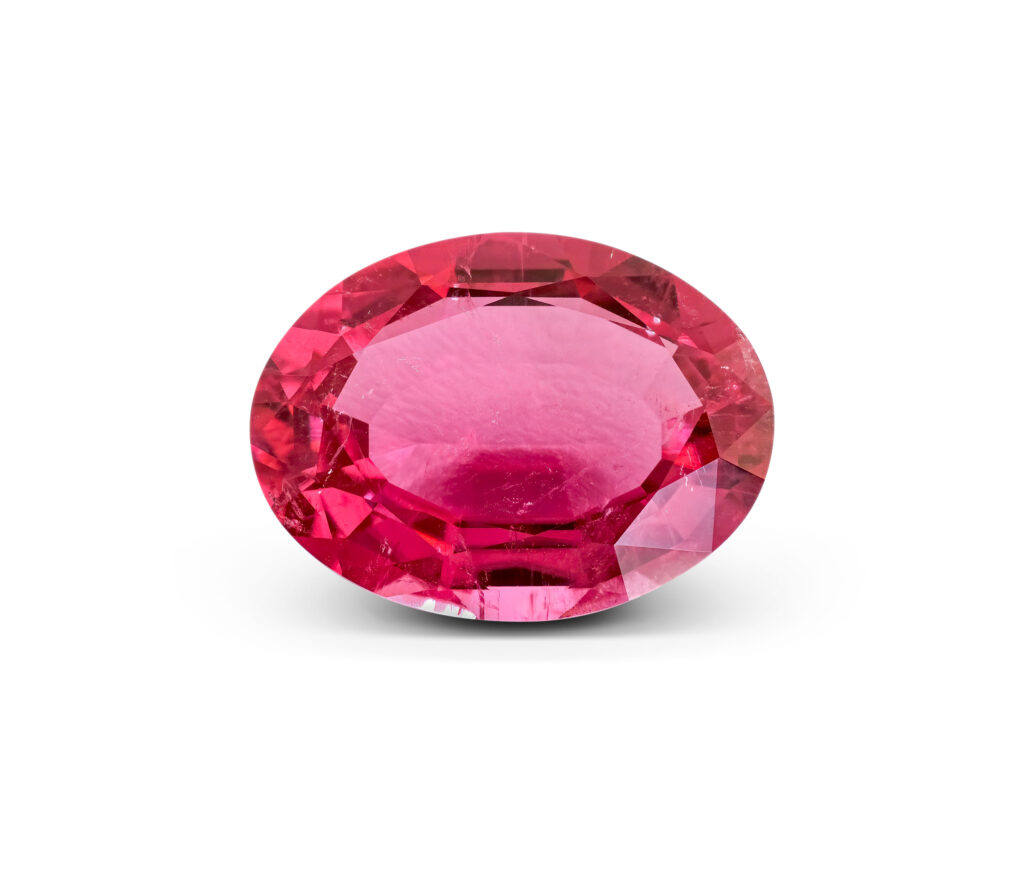
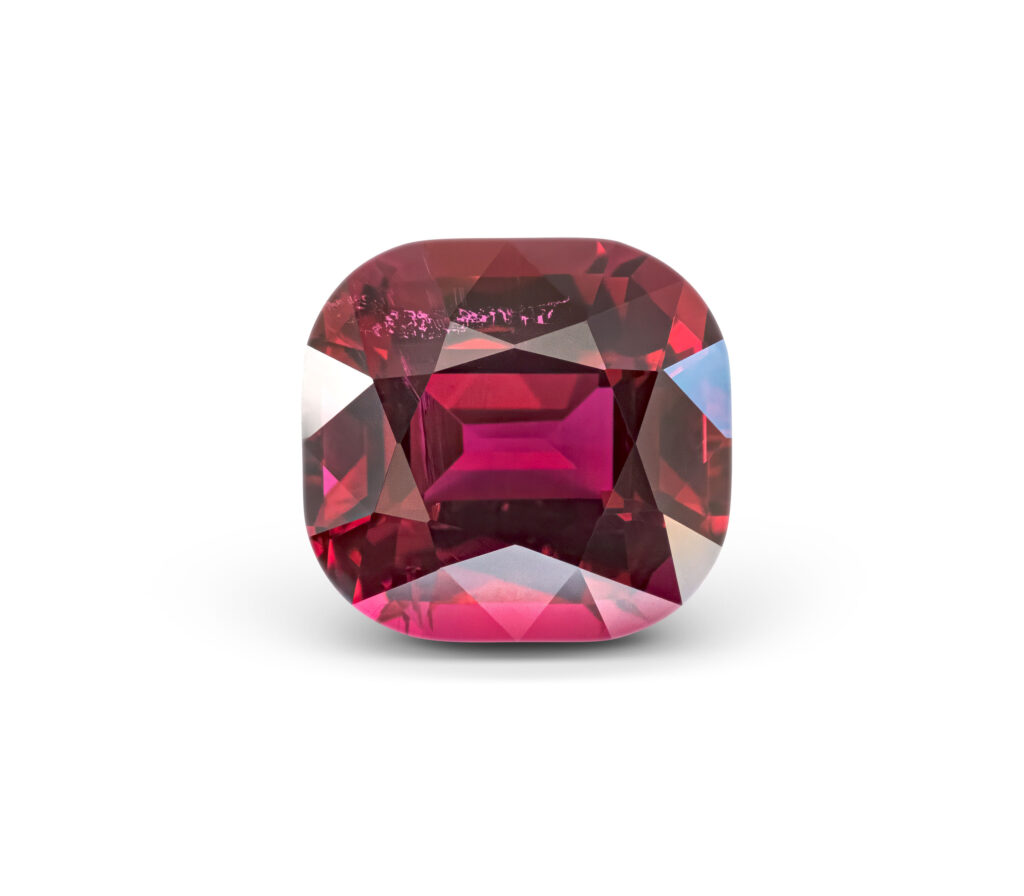
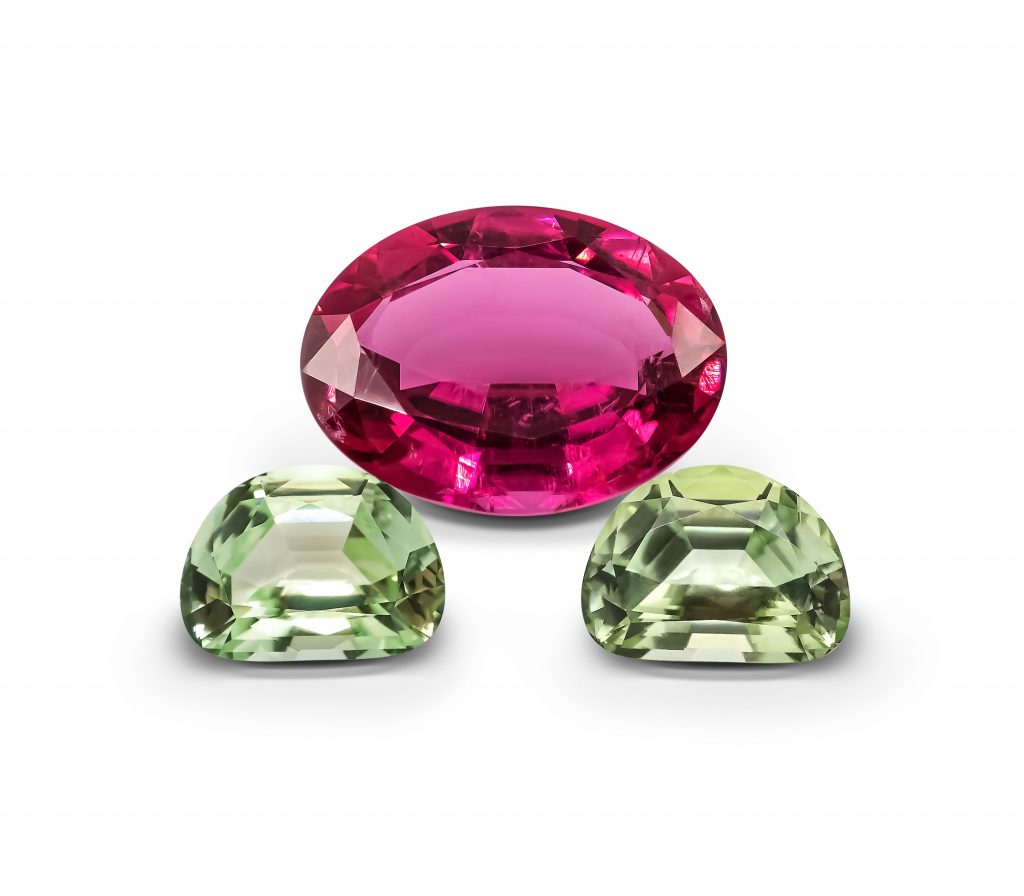
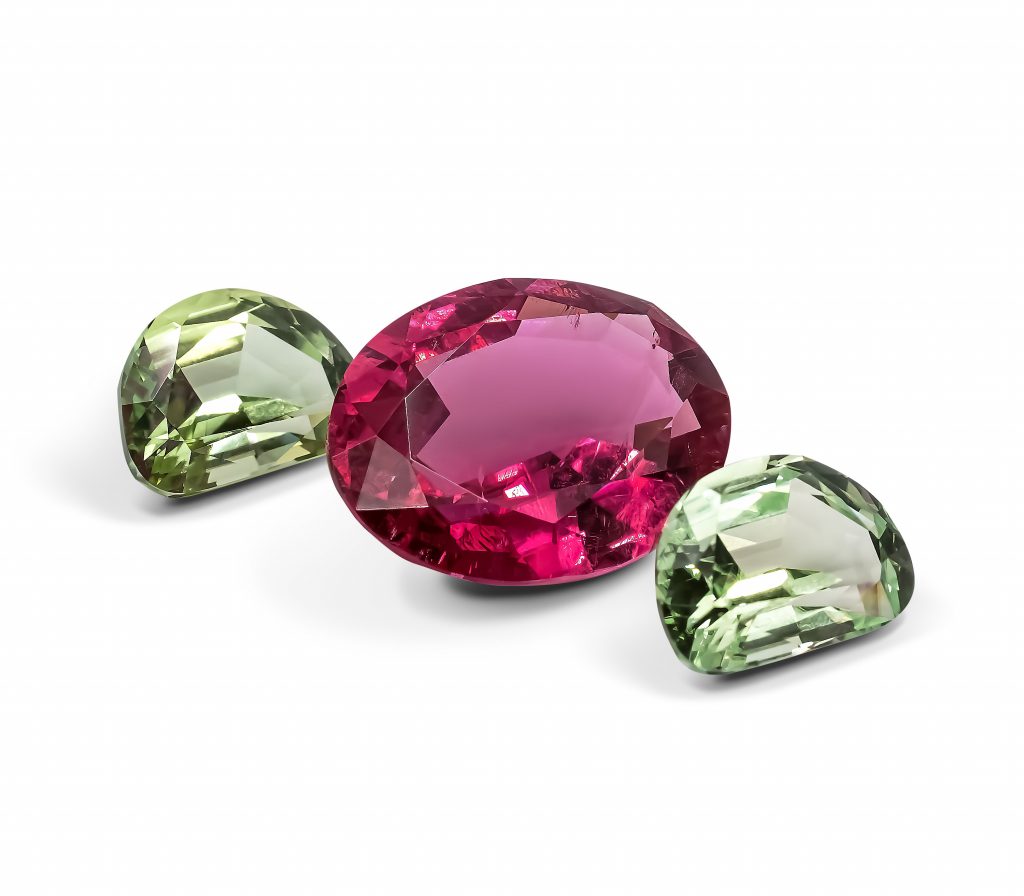
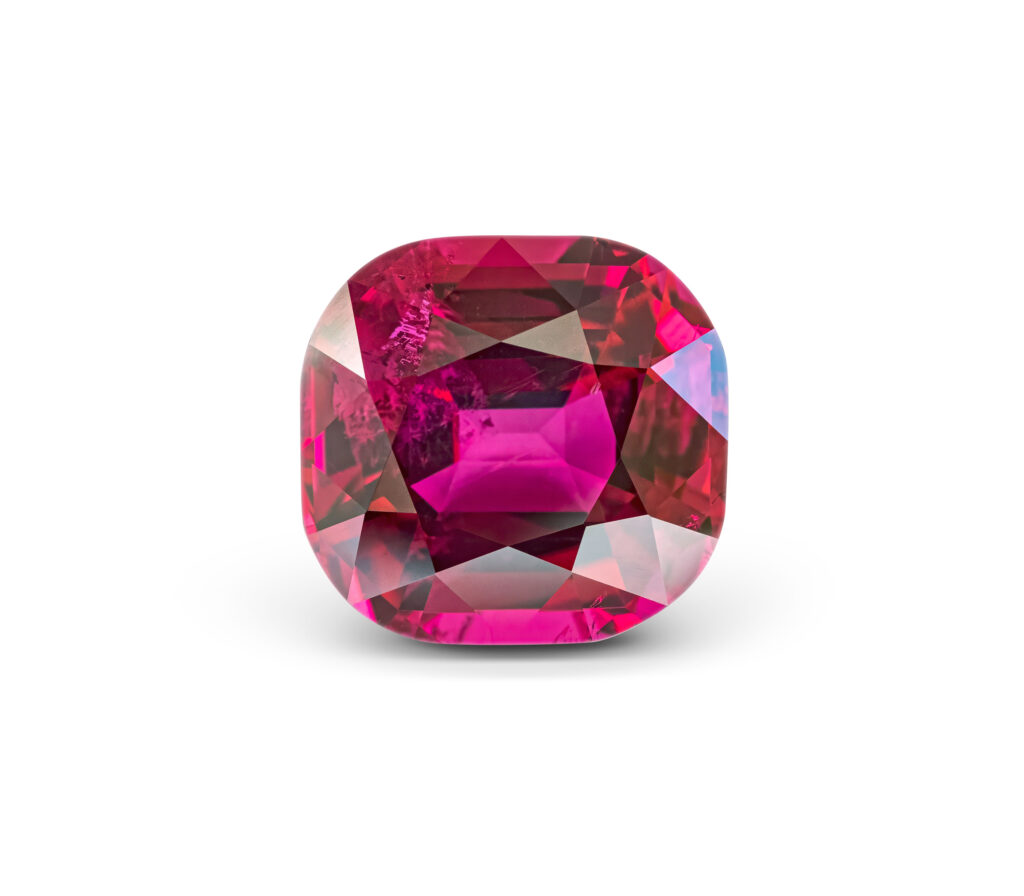
Rubellite reaches red by a different element. The pink-to-red tourmaline owes its color to trivalent manganese (Mn³⁺), and earns its name only when the hue is genuinely red rather than merely deep pink, the finest examples showing a saturation reminiscent of fine ruby. Because rubellite is strongly dichroic, displaying different shades depending on the viewing angle, cutting orientation becomes consequential in presenting the truest, most saturated red the crystal can offer.
Across both species, the collector’s judgment turns on depth and purity together. A red uncomplicated by brown or orange modifiers, holding its saturation evenly through the crystal, occupies a standing that partial or modified color cannot approach, and material meeting that standard narrows sharply as size increases.
The Grygorian Gallery Selection in Red Tones
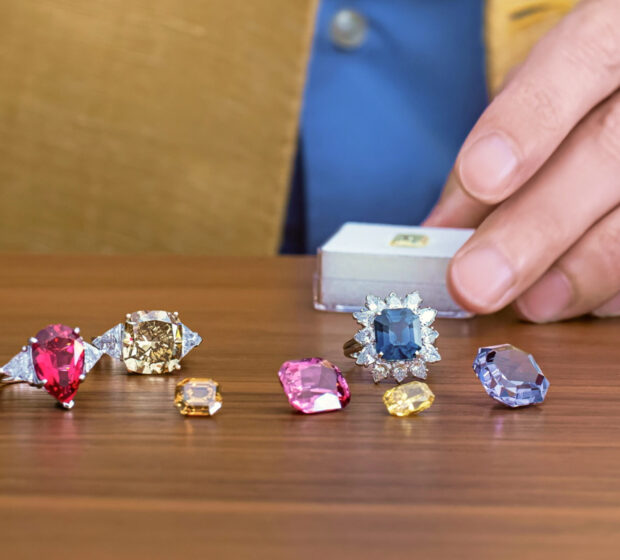
Rare colored stones that periodically enter the selection in this color are chosen for saturation held richly and evenly through the crystal, transparency that withstands close examination, and precision cutting that maximizes both fire and the truest expression of the red. The gemological expertise developed by Eduard Grygorian, IGI Colored Stones Grader, informs the selection standards applied to red gemstones, from species identification, essential given the historic confusion between red spinel and ruby, to the treated-versus-untreated distinction and the assessment of modifiers that bear so heavily on value.
Where the certificate accompanies the stone, documentation from GIA or specialist gemological laboratories confirms natural origin, species, and treatment status; stones undergo gemological examination in which spectroscopic analysis and inclusion study establish identity and geographic provenance where relevant.
Acquired in loose form, red gemstones remain fully gradable and independently verifiable, support future bespoke commissions, and retain the estate quality condition that underpins long-term resale value within a category where finite supply of deeply saturated material sustains lasting demand for rare natural gemstones. Grygorian Gallery offers private consultations on the gemological characteristics, identification, and rarity factors that define collector-grade stones in red tones, from its gallery at the Palais de la Scala in Monaco.