Where Size First Becomes a Rarity Factor
Most colored stones traded worldwide fall well below this weight, which is precisely what gives the three-carat level its significance. Below it, fine material is comparatively available; at three carats and upward, the supply of clean, well-saturated crystals narrows, and per-carat pricing begins its characteristic upward curve. A stone of this weight costs considerably more than three times a one-carat equivalent of the same quality, because large fine rough is disproportionately scarce in nature and because cutting yield (the finished weight retained from rough) falls as cutters preserve color and clarity over size.
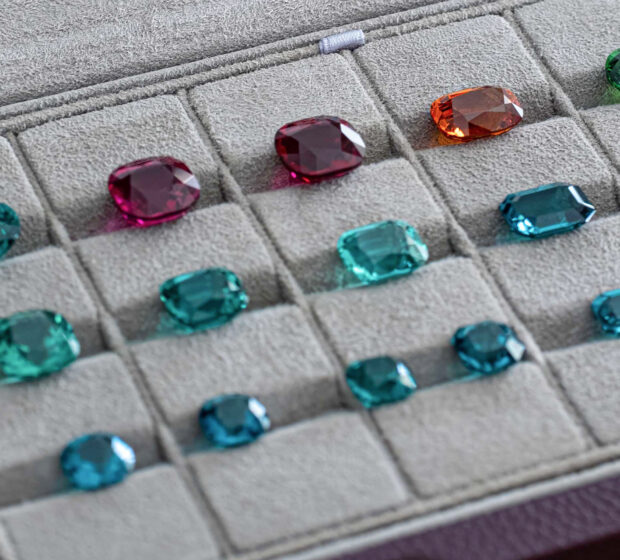
This weight tier also benefits from breadth. Across sapphire, tourmaline, spinel, and garnet, three carats remains a size at which many varieties still occur eye-clean (free of inclusions visible to the unaided eye) and richly colored, giving collectors a wider chromatic range than higher tiers permit. Yet behavior varies by species: some materials form readily at this size while others already grow scarce, so a three-carat stone of one variety may sit at the start of its rarity curve while another approaches its limit. Round and near-round weights at this level carry an additional psychological premium, reflecting the long-standing market preference for stones that reach a recognized threshold rather than falling just short of it.
The Grygorian Gallery Selection at This Weight
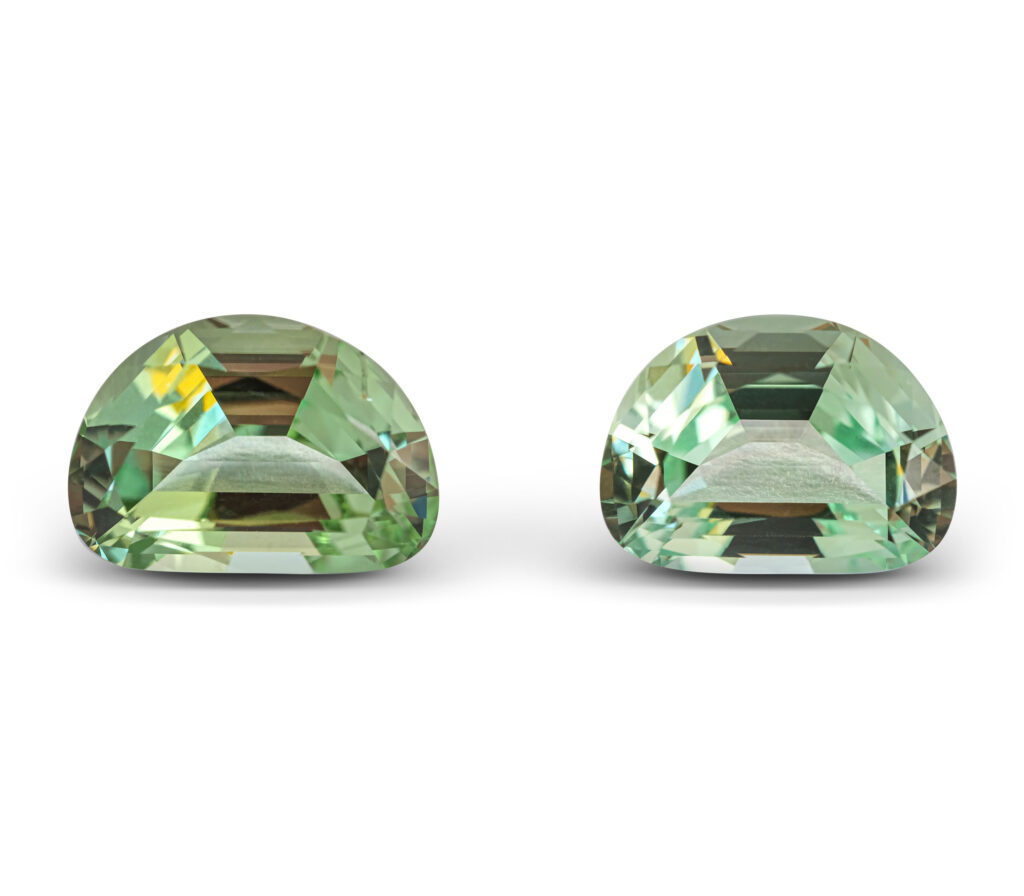
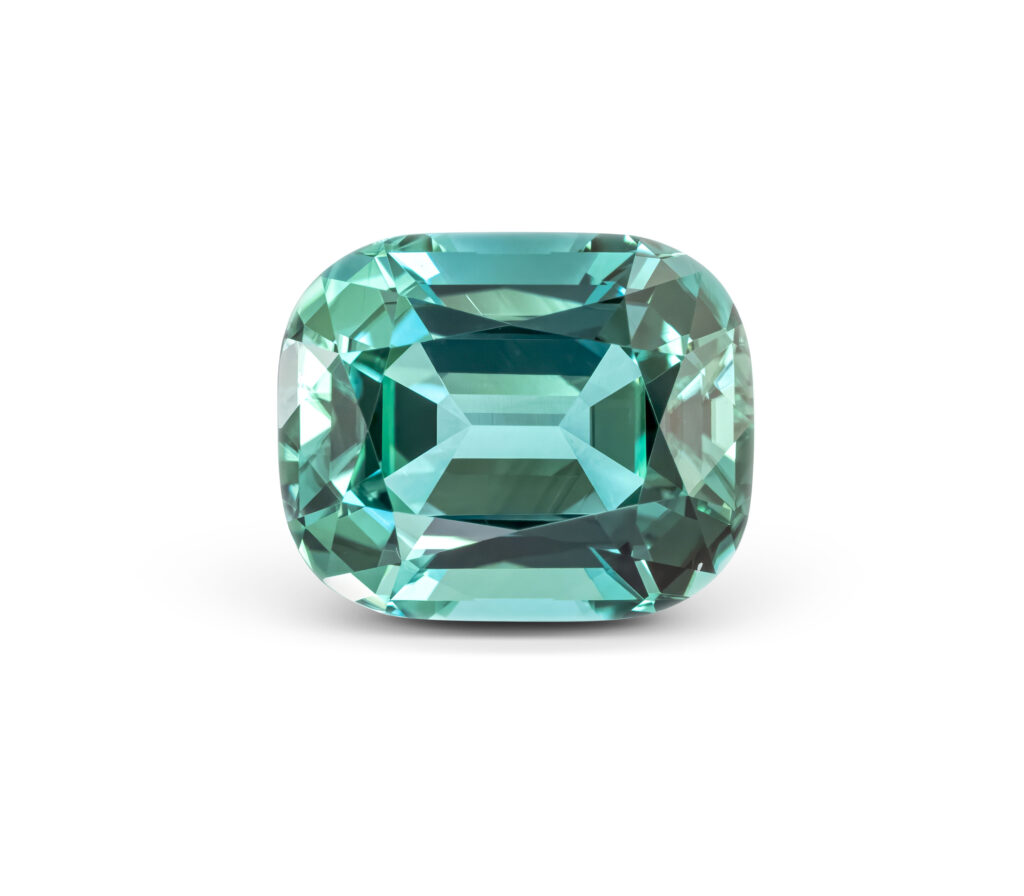
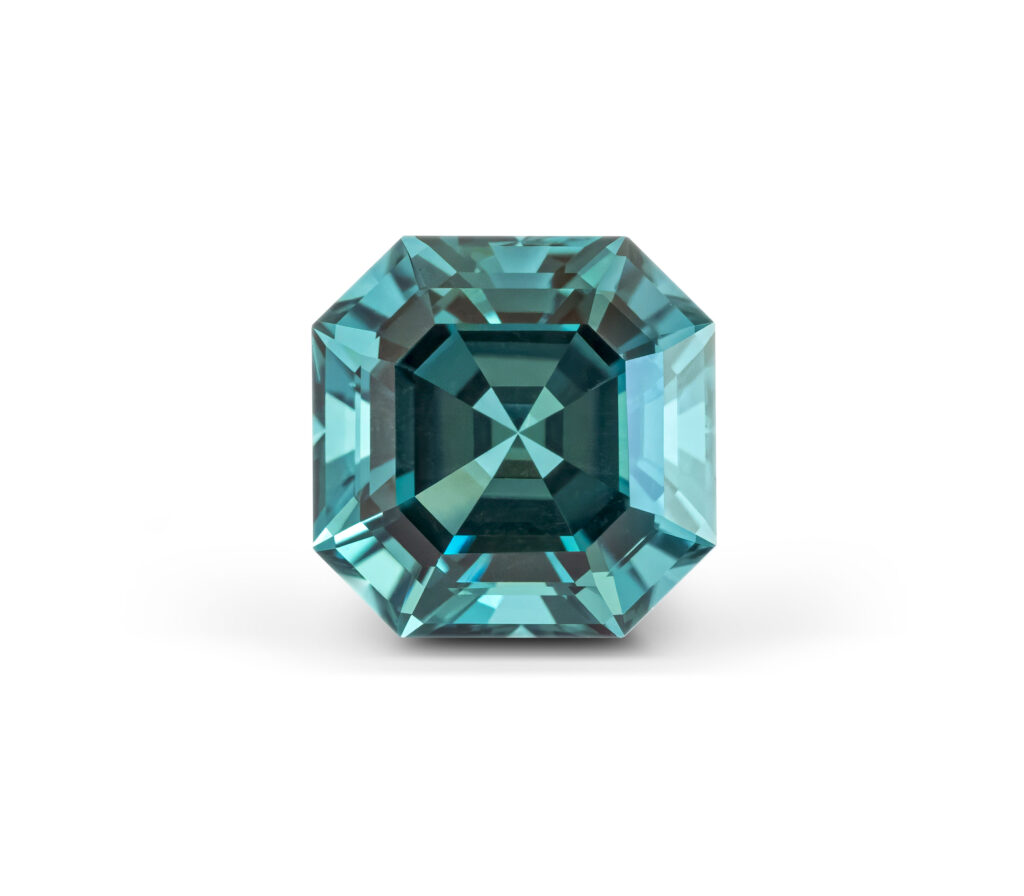
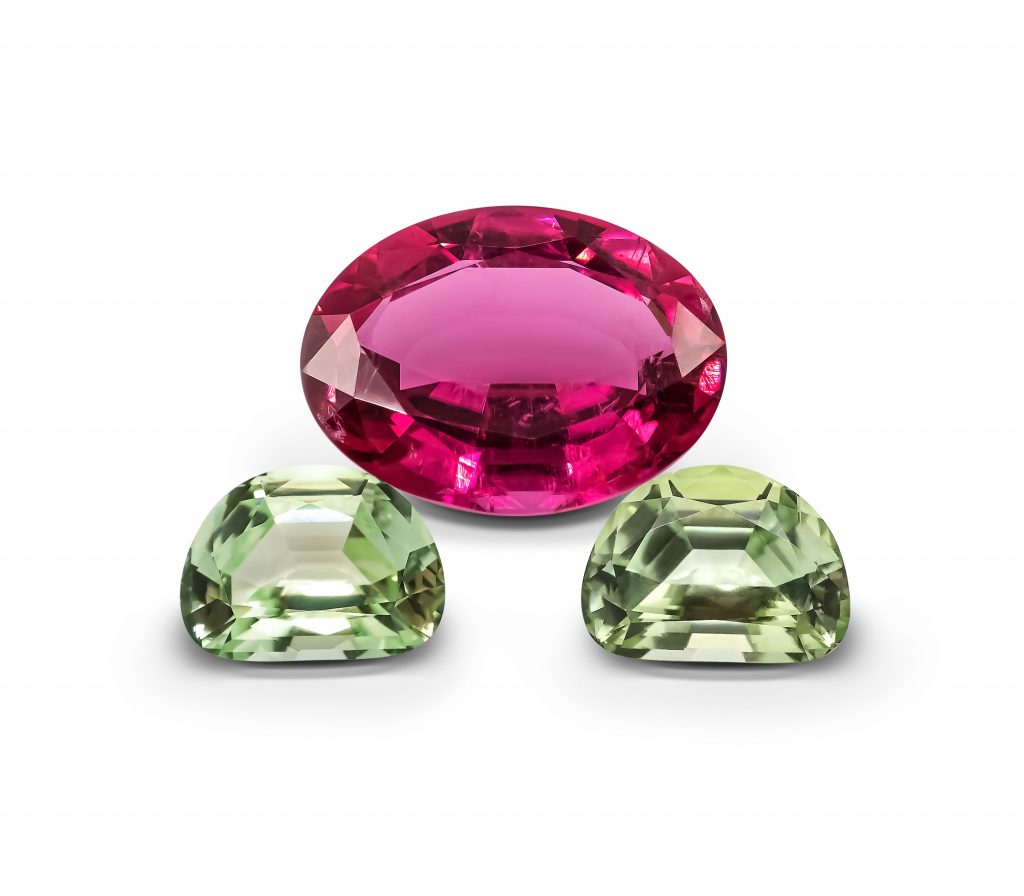
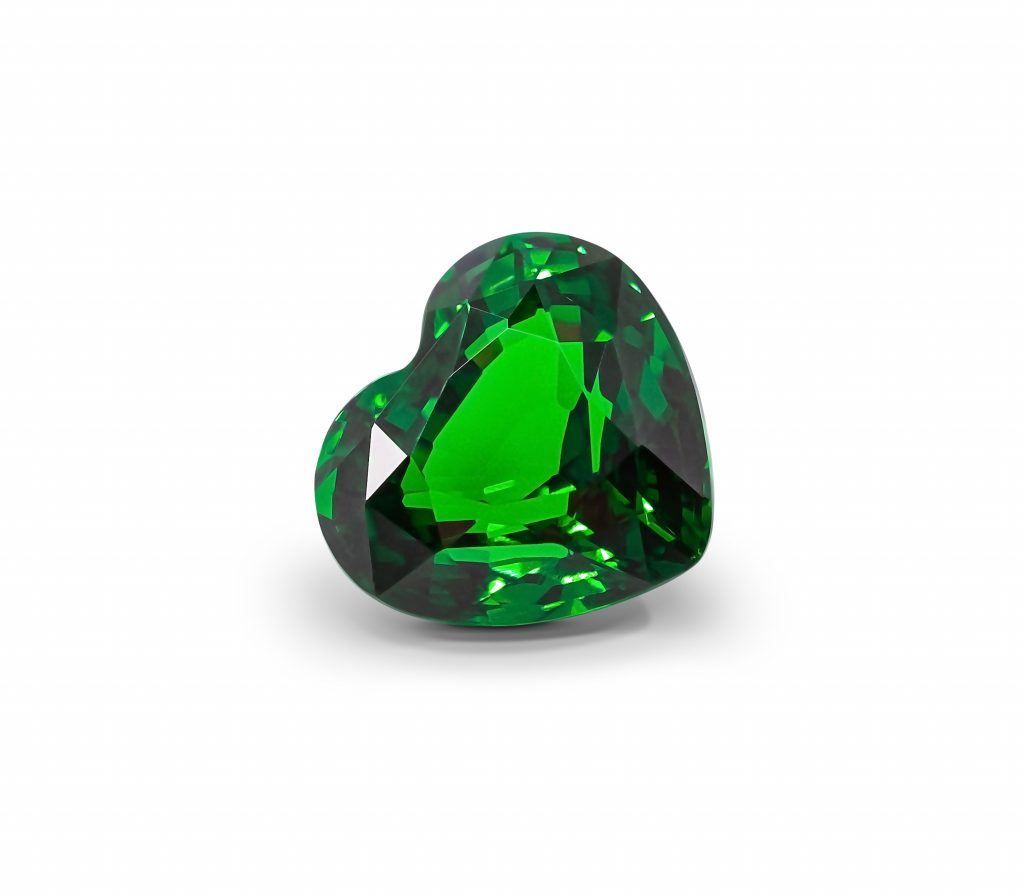
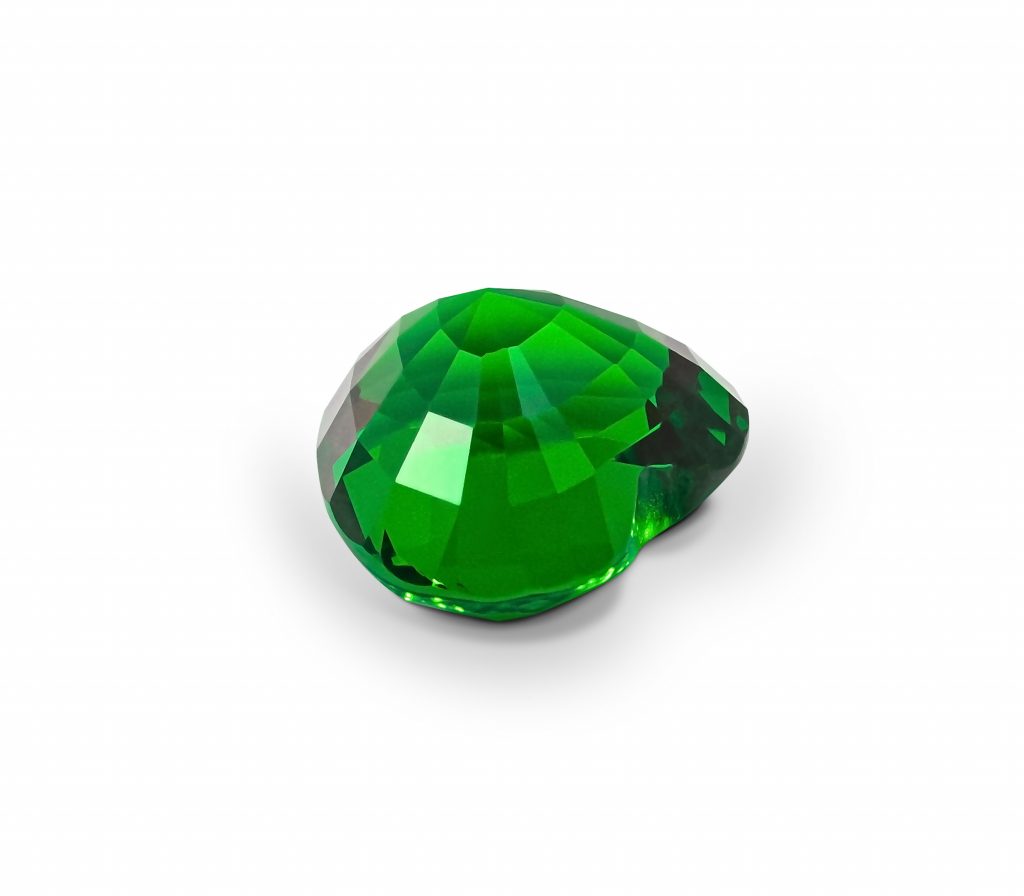
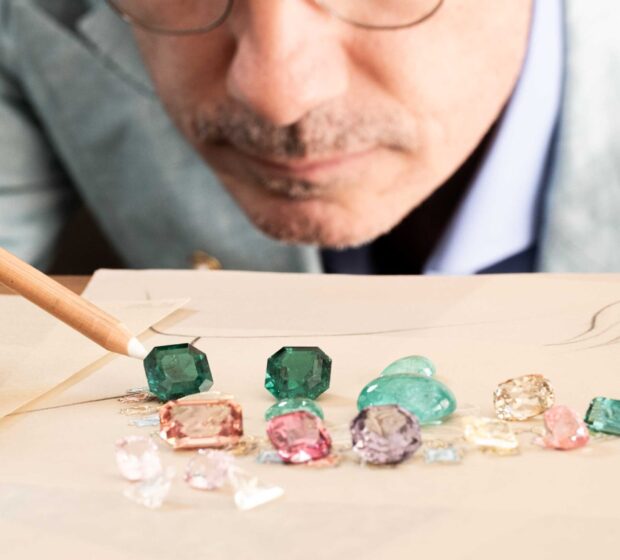
Stones that periodically enter the selection at three carats are chosen for the qualities that matter most once size becomes meaningful: even saturation, transparency, and precision cutting that maximizes optical performance. The gemological expertise developed by Eduard Grygorian, IGI Colored Stones Grader, informs the selection standards applied to rare colored stones at this level, from origin assessment to the distinction between treated and untreated material.
Certification gains practical weight here. Where the certificate accompanies the stone, laboratory documentation from GIA or specialist gemological laboratories confirms natural origin, species, and treatment status: the baseline for any serious acquisition of collector-grade colored stones. Stones undergo gemological examination, with spectroscopic analysis and inclusion study establishing geographic provenance where relevant.
Acquired in loose form, gemstones of this size remain fully gradable and independently verifiable, qualities that mounted stones cannot offer to the same degree.
A Considered Entry Point at Three Carats
For collectors entering the category, three carats offers a considered starting point: large enough that rarity and the per-carat curve become genuine factors, accessible enough that the chromatic spectrum stays open across many varieties. Unset stones support future bespoke commissions and preserve the estate quality condition that underpins long-term resale value, a market reality grounded in the finite supply that sustains lasting demand for rare natural gemstones.
Whether the aim is a first significant acquisition or an addition to an established collection, Grygorian Gallery offers private consultations on the gemological characteristics, provenance, and rarity factors that define colored stones at this weight, from its gallery at the Palais de la Scala in Monaco.