A Color Born Between Red and Blue
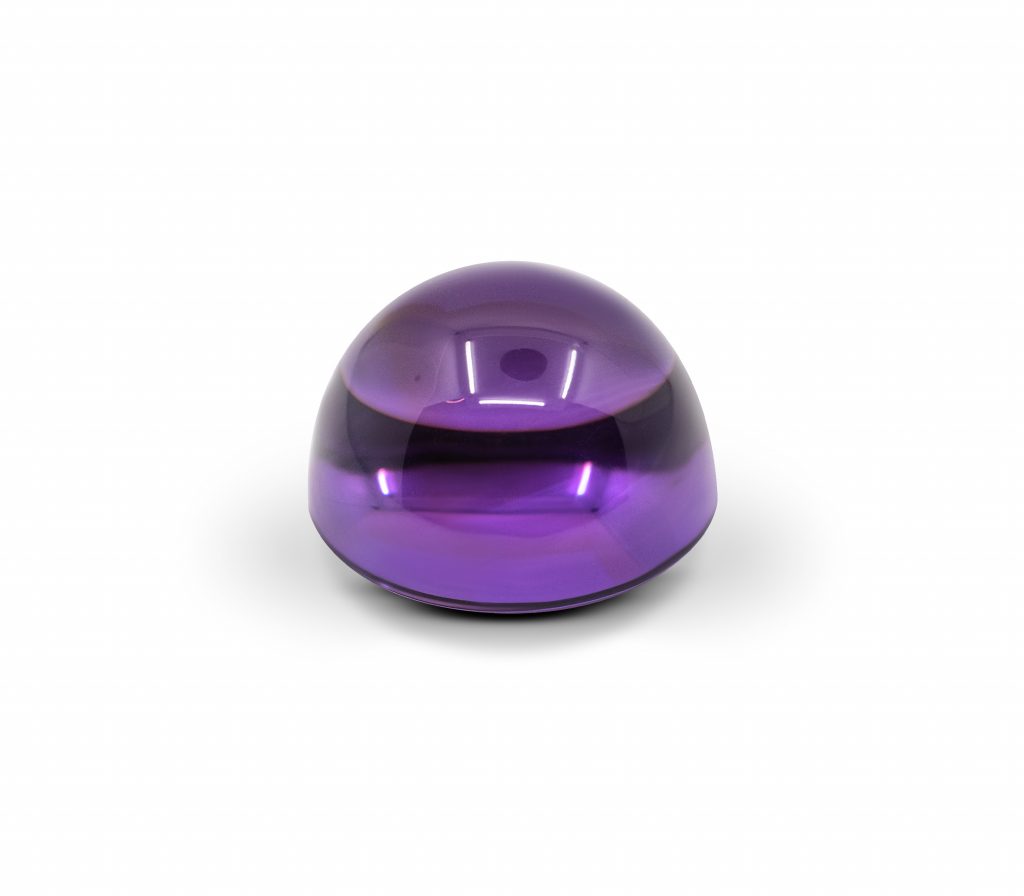
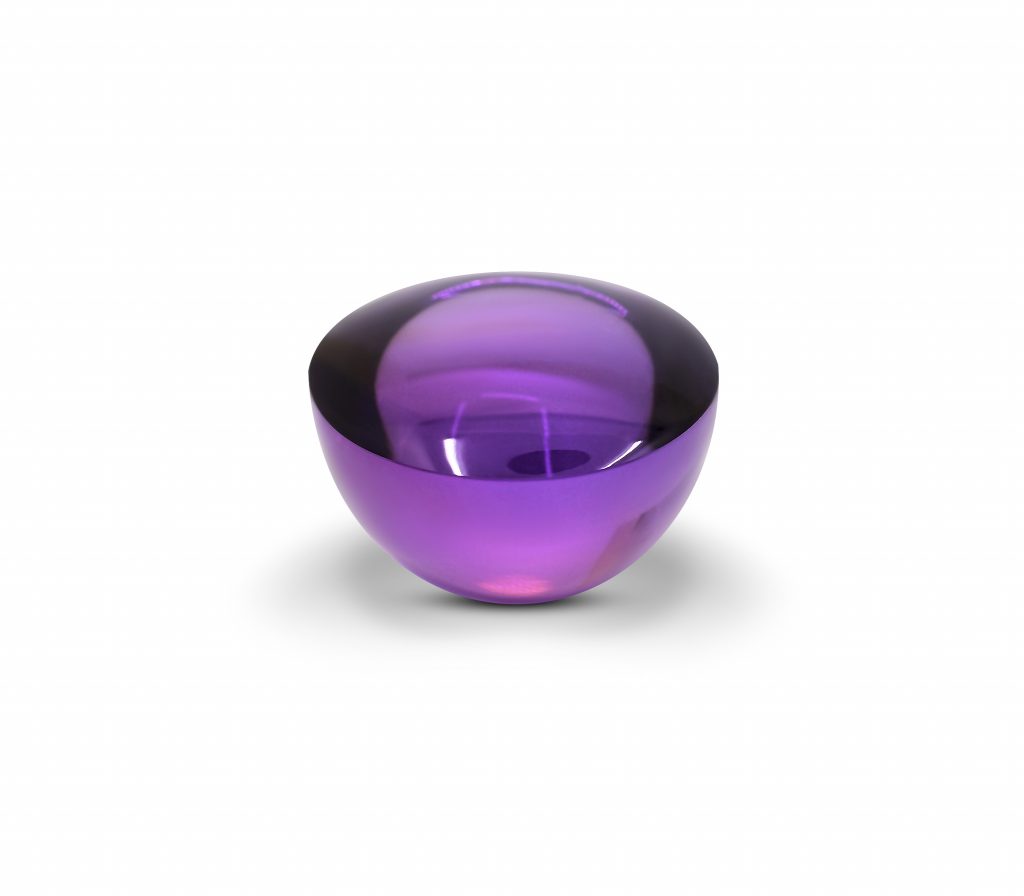
Purple occupies a position no primary color does, formed at the meeting point of red and blue, and its collector appeal rests on how richly and evenly that balance is held across the crystal. That in-between character is also what makes the color so various: a stone may lean toward reddish grape or bluish violet, or hold a clean, balanced purple that belongs to neither. Which way a given specimen tilts, and how deeply it saturates, is where the collector’s eye begins.
How Purple Arises Across the Species
Amethyst offers the most distinctive origin story in the color. Its violet develops when trace iron within the quartz combines with natural irradiation over geological time, a process that leaves a specific spectroscopic signature and explains why deep, evenly saturated material of true Siberian grade, violet with flashes of red and blue, represents only a small fraction of amethyst production. This same photosensitivity means fine specimens are stored away from prolonged direct light to preserve their intensity.
Corundum and spinel reach purple by other means. Purple and violet sapphire owe their color to a combination of chromium, iron, and titanium within the corundum lattice, yielding tones from soft lilac to deep royal violet with the exceptional durability of the species, while fine purple spinel achieves its hue through trace elements that lend the neutral-to-violet range increasingly sought by contemporary collectors. Each species carries purple differently, so tone and secondary hue, whether a stone leans reddish, bluish, or holds a clean violet, become central to how a specimen is judged.
Because purple sits between two primaries, evenness of color is unusually important. Zoning that would pass unnoticed in a single-hue stone becomes conspicuous here, and the finest material distributes its violet uniformly through the crystal rather than concentrating it in patches.
The Grygorian Gallery Selection in Purple Tones
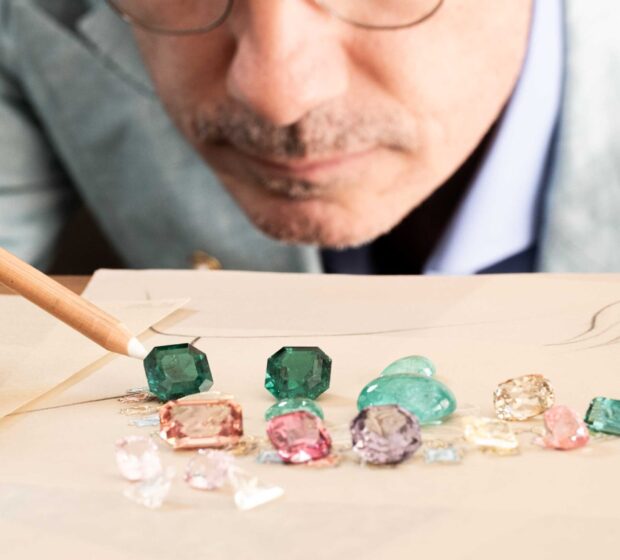
Rare colored stones that periodically enter the selection in this hue are chosen for saturation held evenly through the crystal, transparency that withstands close examination, and precision cutting that carries the violet through the full volume of the stone, with cabochon cutting occasionally revealing a depth of color that faceting can obscure. The gemological expertise developed by Eduard Grygorian, IGI Colored Stones Grader, informs the selection standards applied to purple gemstones, from species identification to natural-color origin, a determination of particular relevance in amethyst, where irradiation signatures distinguish natural material from treated.
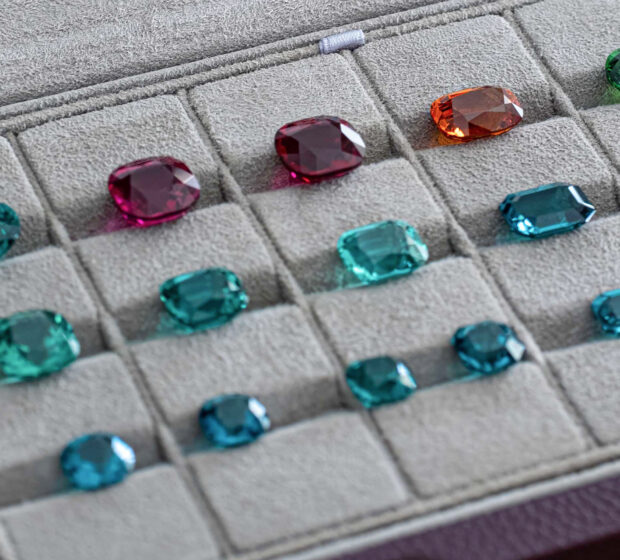
Where the certificate accompanies the stone, documentation from GIA or specialist gemological laboratories confirms natural origin, species, and treatment status; stones undergo gemological examination in which spectroscopic analysis and inclusion study establish identity and, for corundum, geographic provenance where relevant.
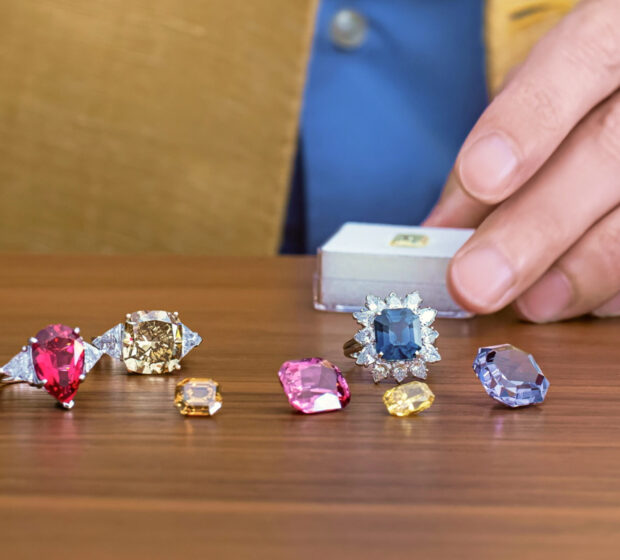
Acquired in loose form, purple gemstones remain fully gradable and independently verifiable, support future bespoke commissions, and retain the estate quality condition that underpins long-term resale value within a category where finite supply of deeply saturated material sustains lasting demand for rare natural gemstones. Grygorian Gallery offers private consultations on the gemological characteristics, natural-color origin, and rarity factors that define collector-grade stones in purple tones, from its gallery at the Palais de la Scala in Monaco.