The Transitional Weight Tier
Four carats sits at a revealing point on the rarity spectrum. A three-carat stone marks where size first matters; by four carats, the constraints of geology and cutting have tightened appreciably. Large clean crystals are uncommon in nature, and producing a finished stone of this weight requires substantially larger rough than the difference in carats alone suggests, because faceting, recutting, and the removal of flawed material all consume weight. The result is a price-per-carat curve (the cost of each carat rising faster than weight itself) that accelerates through this tier, so a four-carat gemstone commands considerably more per carat than a smaller stone of identical color and clarity.
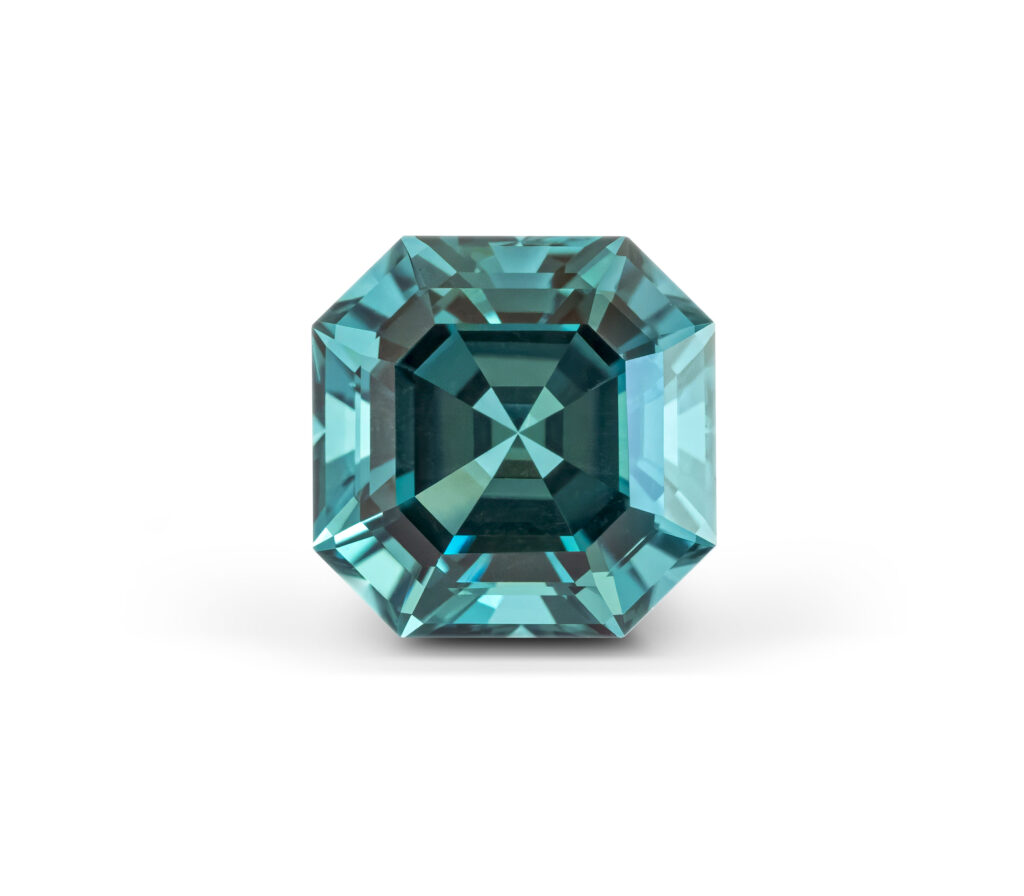
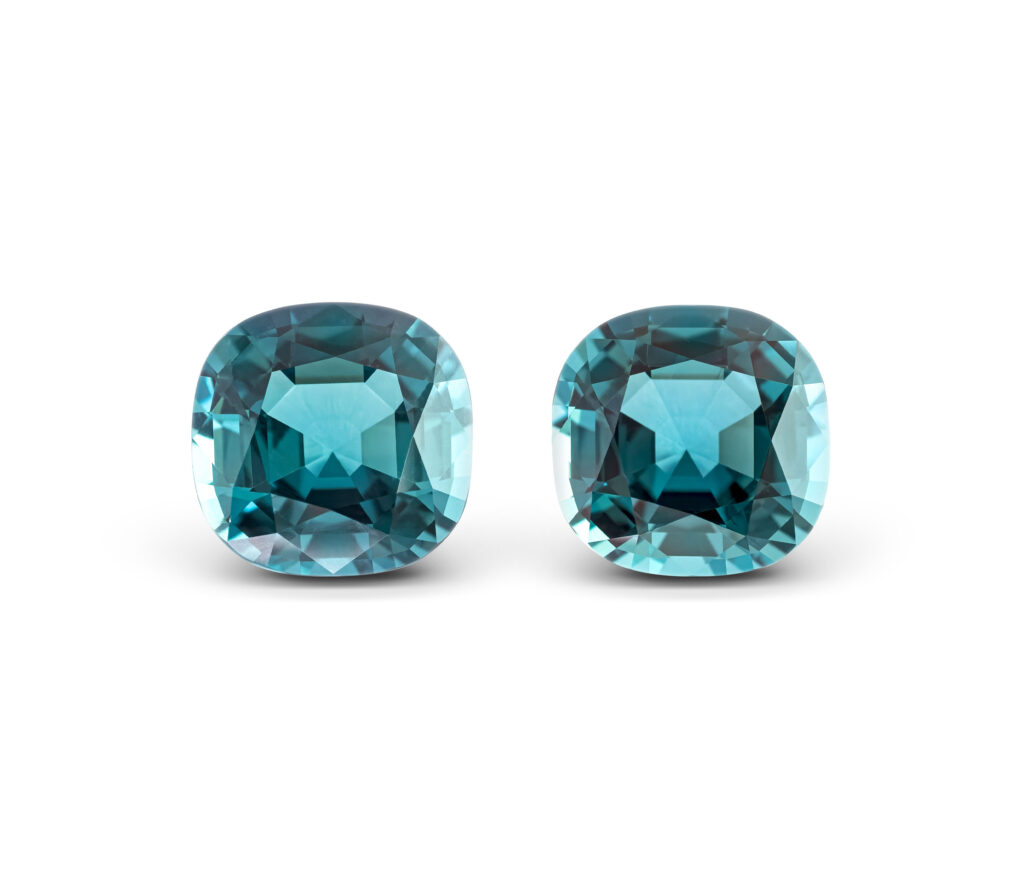
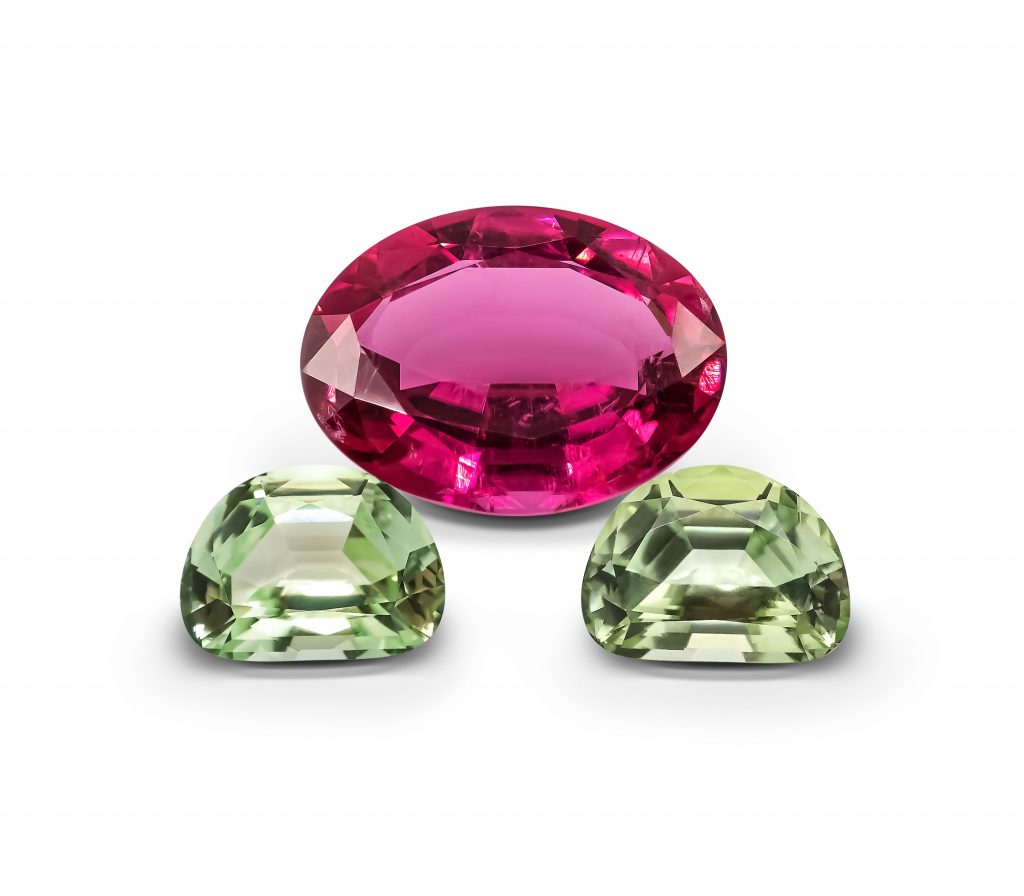
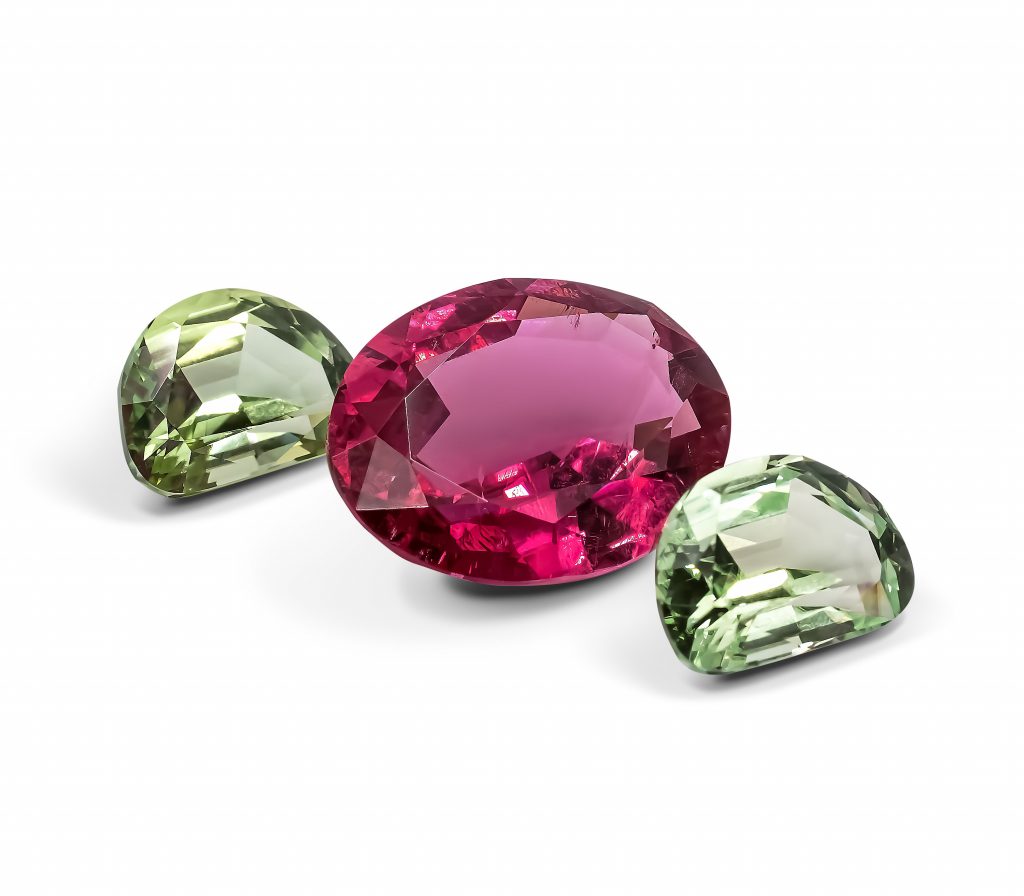
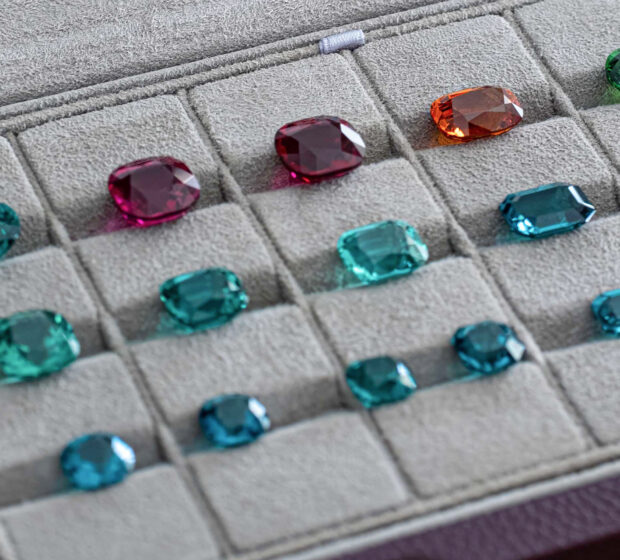
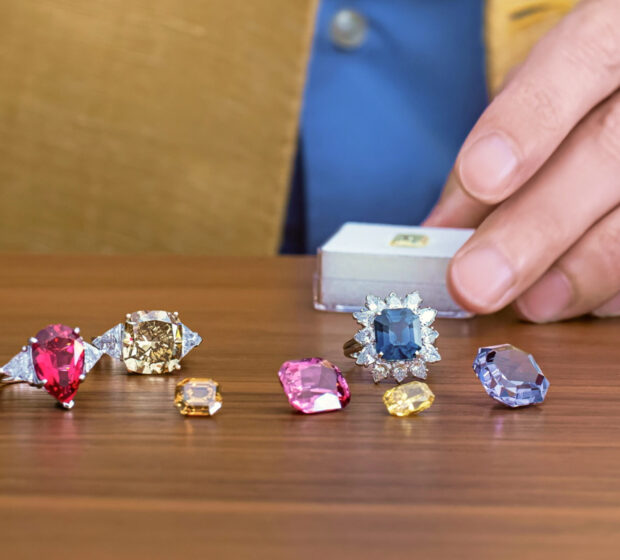
Across sapphire, tourmaline, spinel, and garnet, this weight behaves differently from one variety to another. Certain materials still form readily at four carats with even saturation and eye-clean transparency (free of inclusions visible to the unaided eye), while others already grow scarce, their fine crystals rarely surviving to this size without compromise. That divergence is part of what makes the four-carat tier interesting to collectors: the same weight represents an accessible size in one species and a genuine rarity in another.
Selection Standards at Four Carats
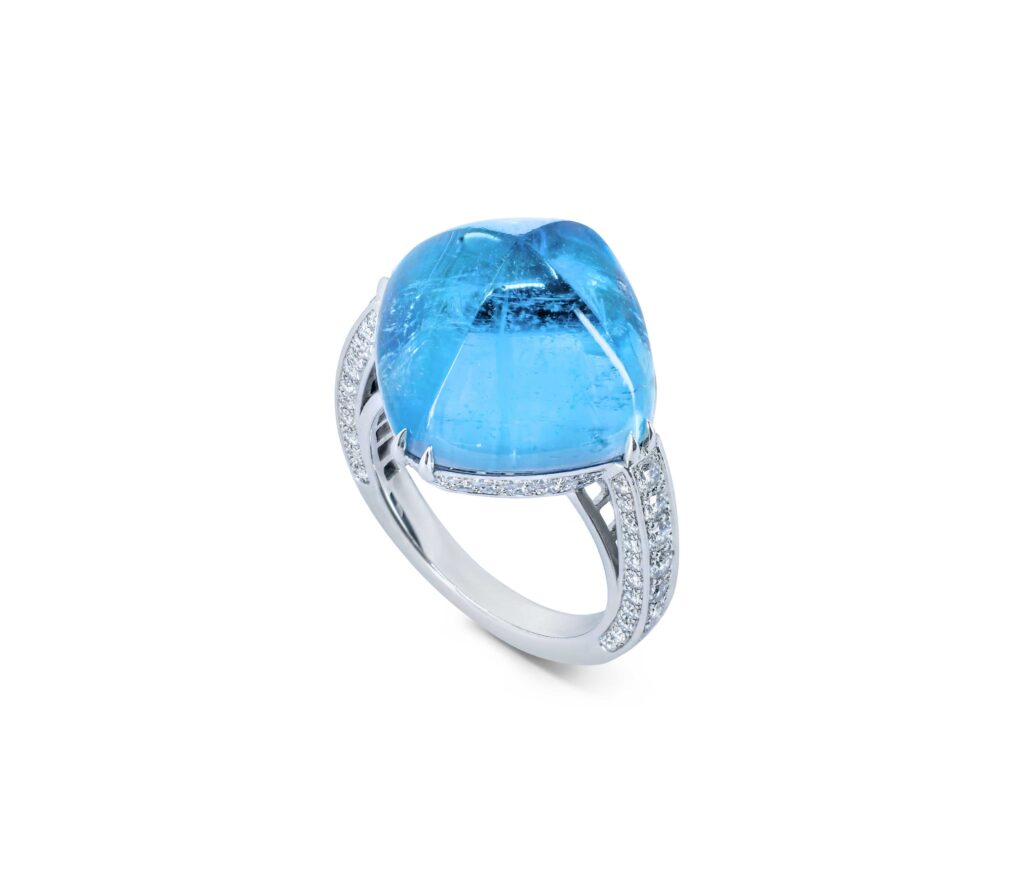
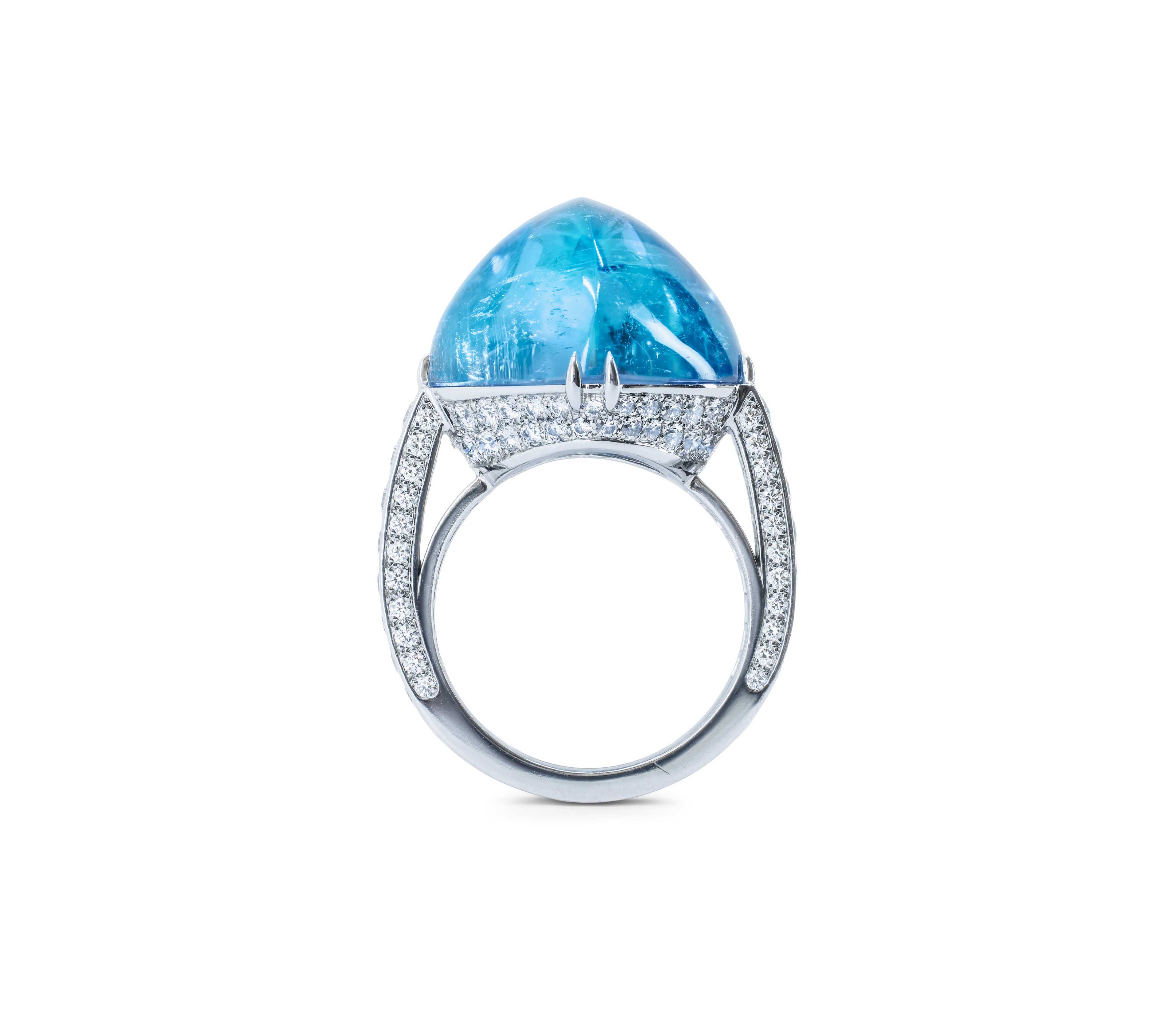
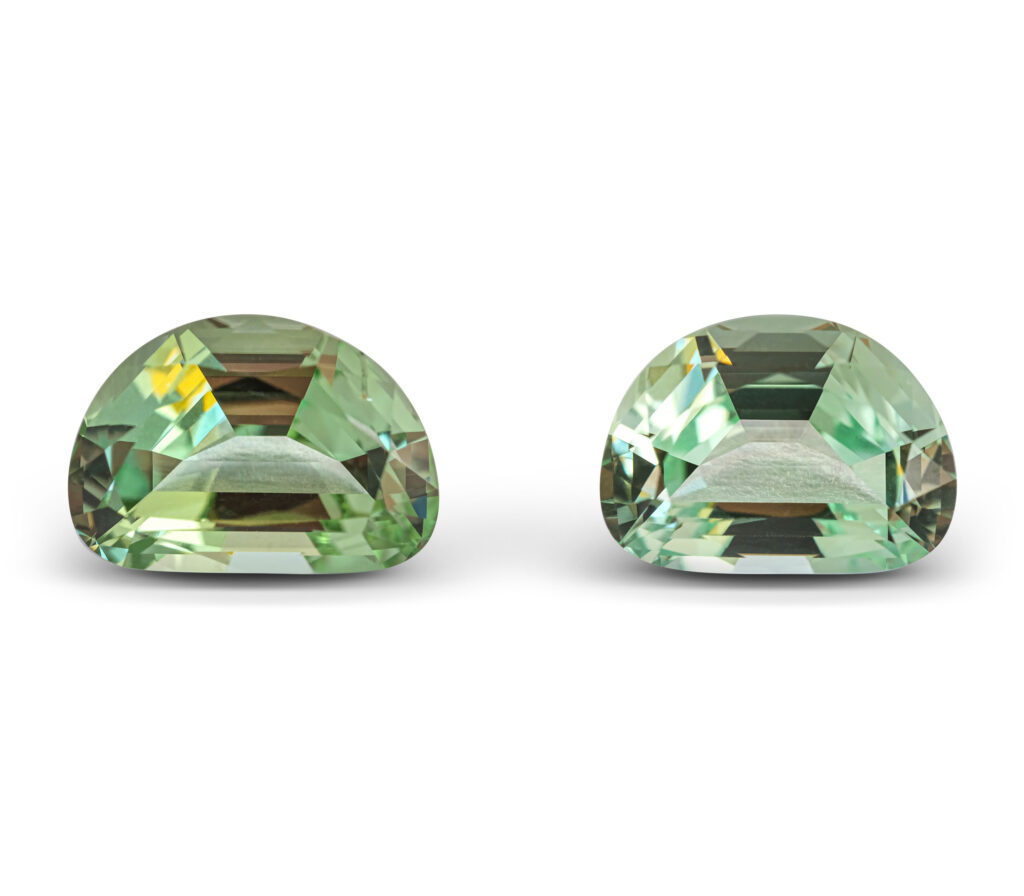
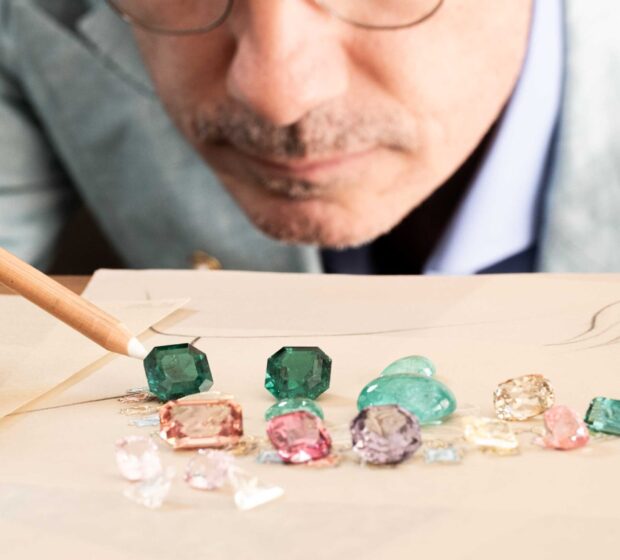
Rare colored stones that periodically enter the selection at this weight are chosen for the attributes that distinguish fine material once size becomes meaningful: saturation distributed evenly through the crystal, transparency that withstands close examination, and precision cutting that maximizes brilliance in ovals, cushions, and step cuts. The gemological expertise developed by Eduard Grygorian, IGI Colored Stones Grader, shapes the selection standards applied to stones at this carat level, from origin assessment to the treated-versus-untreated distinction that bears so heavily on value.
Where the certificate accompanies the stone, documentation from GIA or specialist gemological laboratories confirms natural origin, species, and treatment status, and stones undergo gemological examination in which spectroscopic analysis and inclusion study establish provenance where relevant.
Acquiring Loose Gemstones at This Weight
For collectors building a considered collection, four carats offers presence without crossing into the scarcity of the upper tiers, a balance that keeps the chromatic range broad while rarity becomes a real factor. Acquired unset, large loose gemstones remain fully gradable and independently verifiable, support future bespoke commissions, and retain the estate quality condition that underpins long-term resale value, a market reality grounded in the finite supply that sustains lasting demand for rare natural gemstones.
Discerning collectors are invited to explore the selection of fine loose gemstones at this weight with Grygorian Gallery, at the Palais de la Scala in Monaco.