Two Varieties, Two Distinct Collector Propositions
Tsavorite and mandarin spessartite share the garnet mineral group but occupy entirely separate niches within the collector market. Understanding what makes each exceptional begins with their geological origins and the specific conditions responsible for their colour.
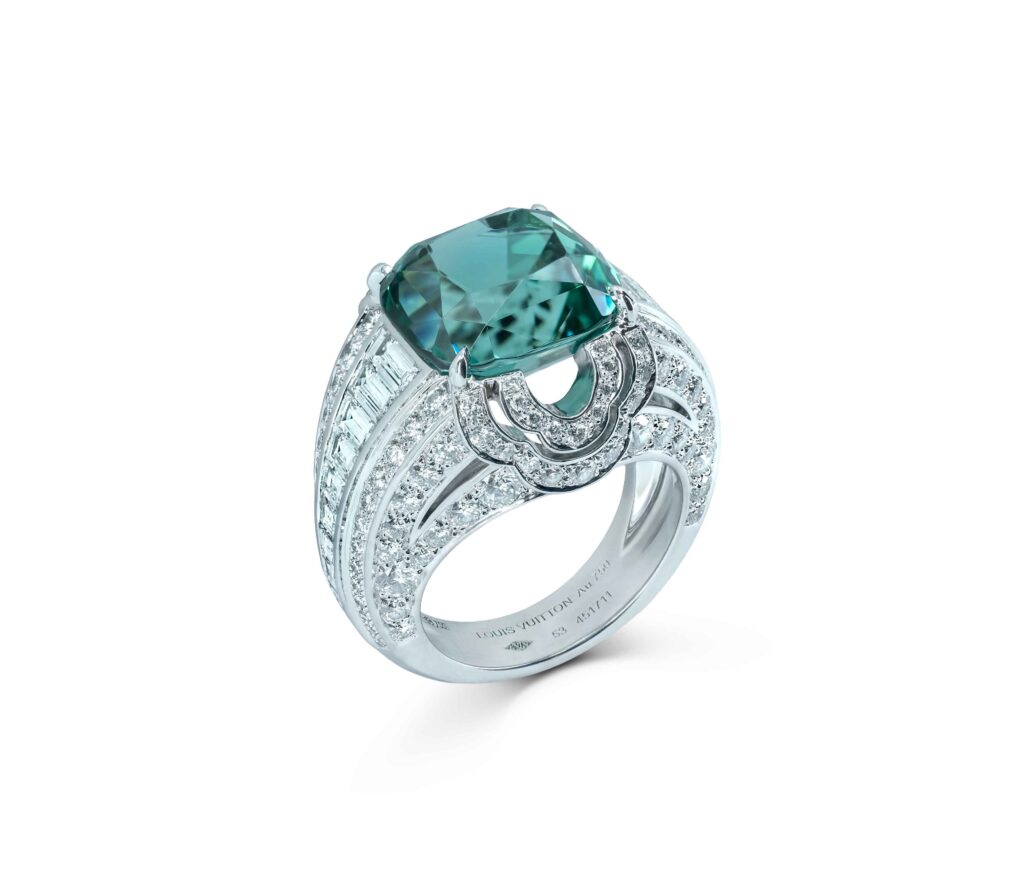
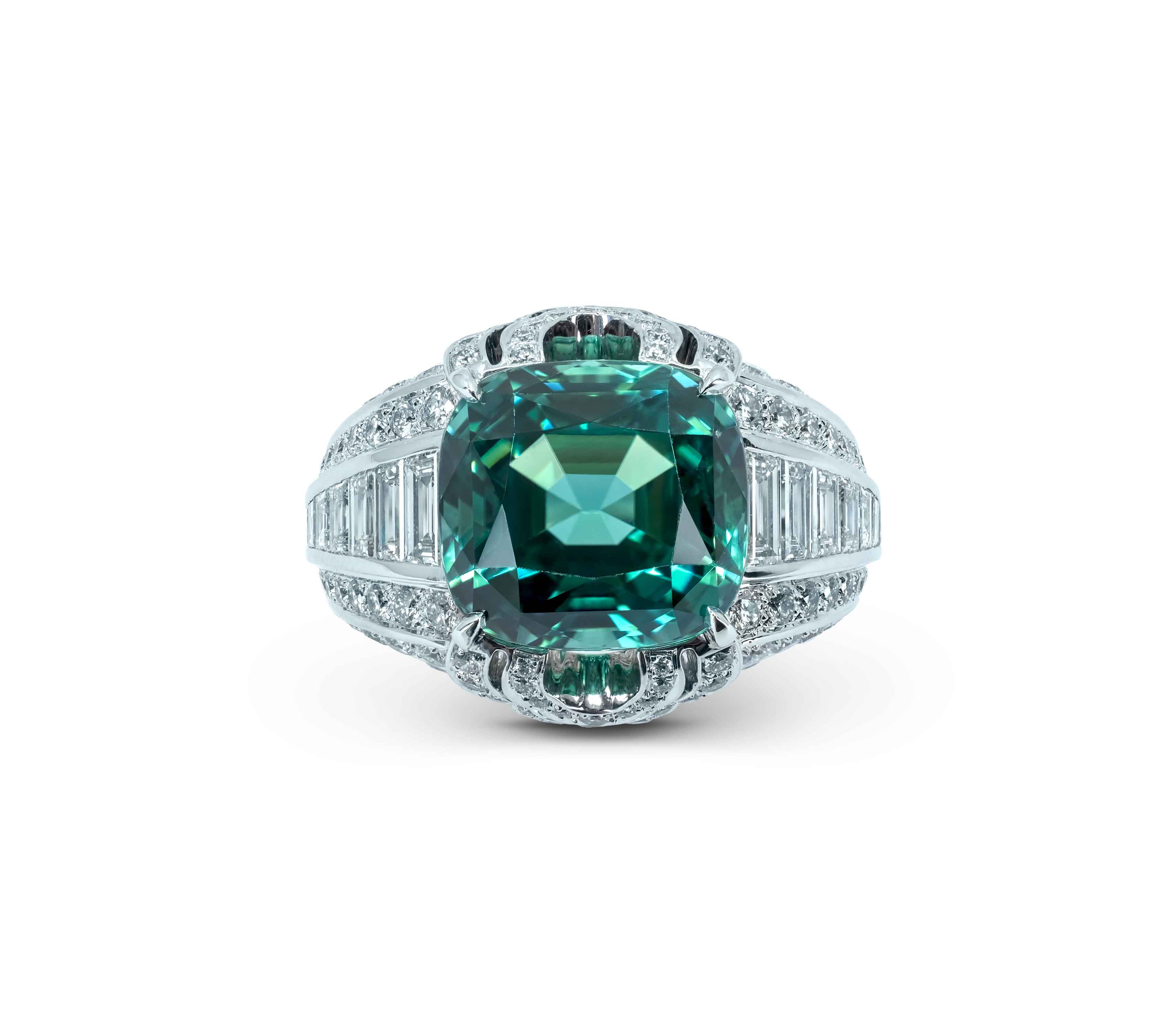
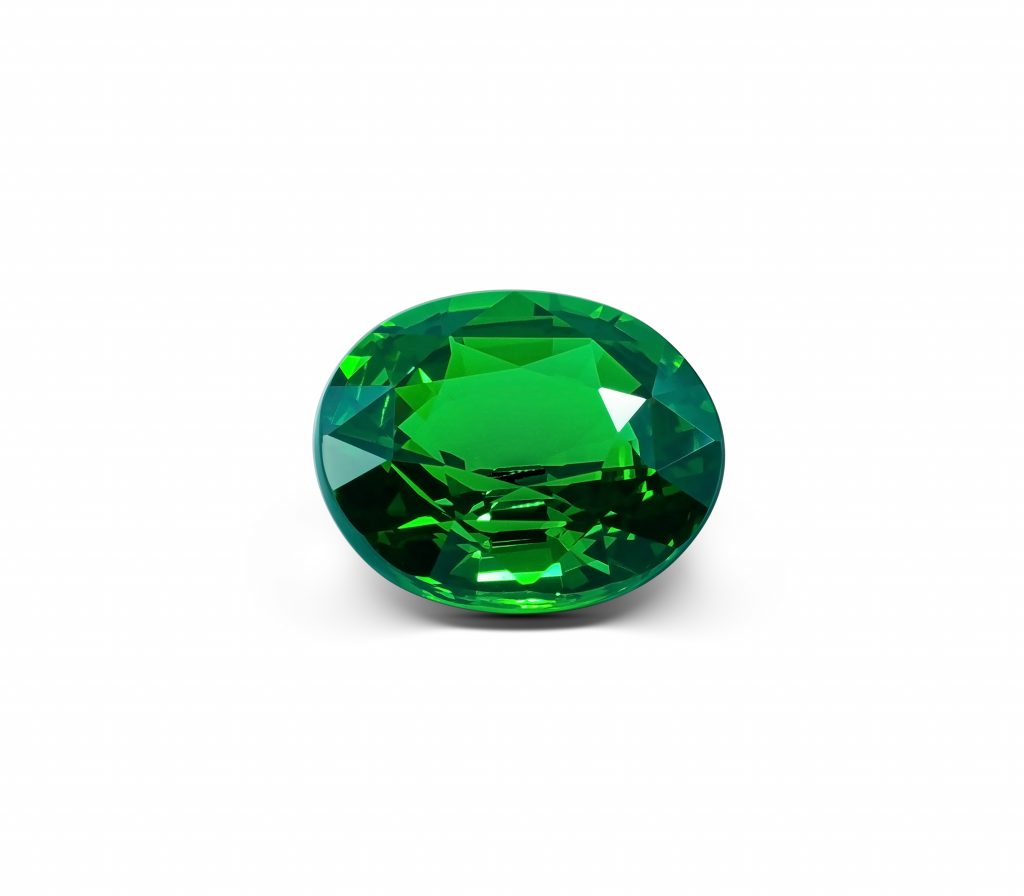
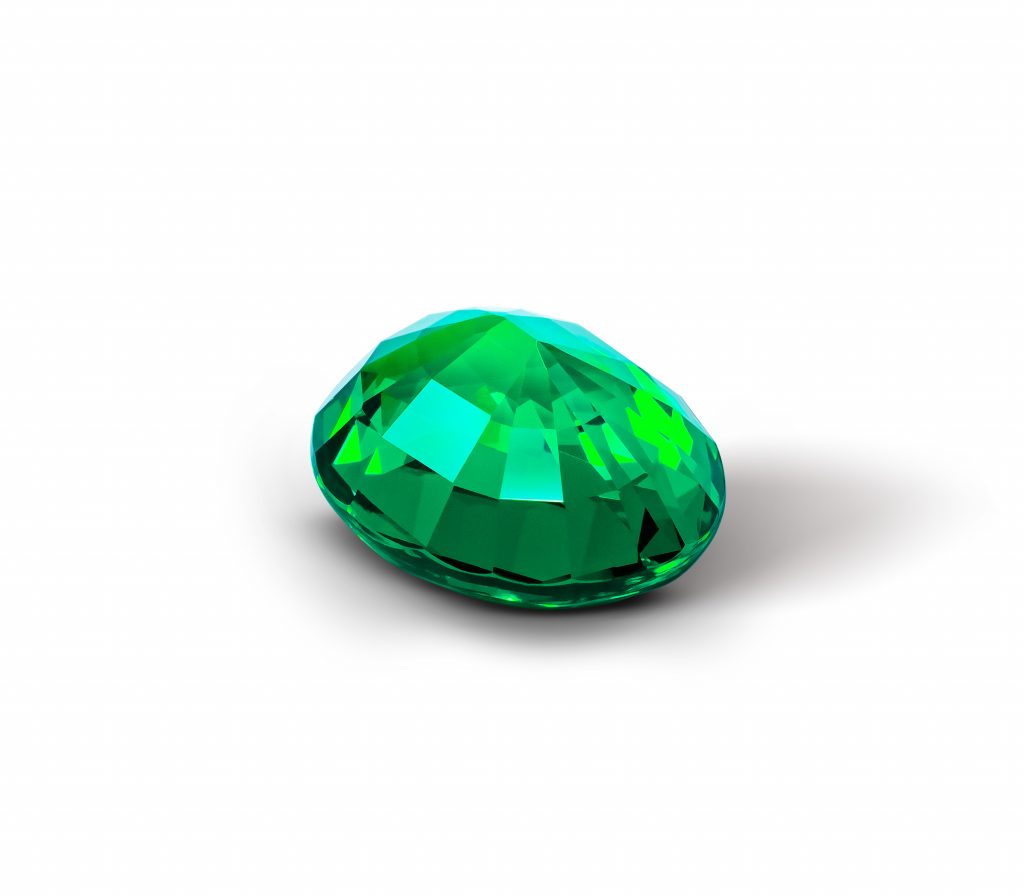
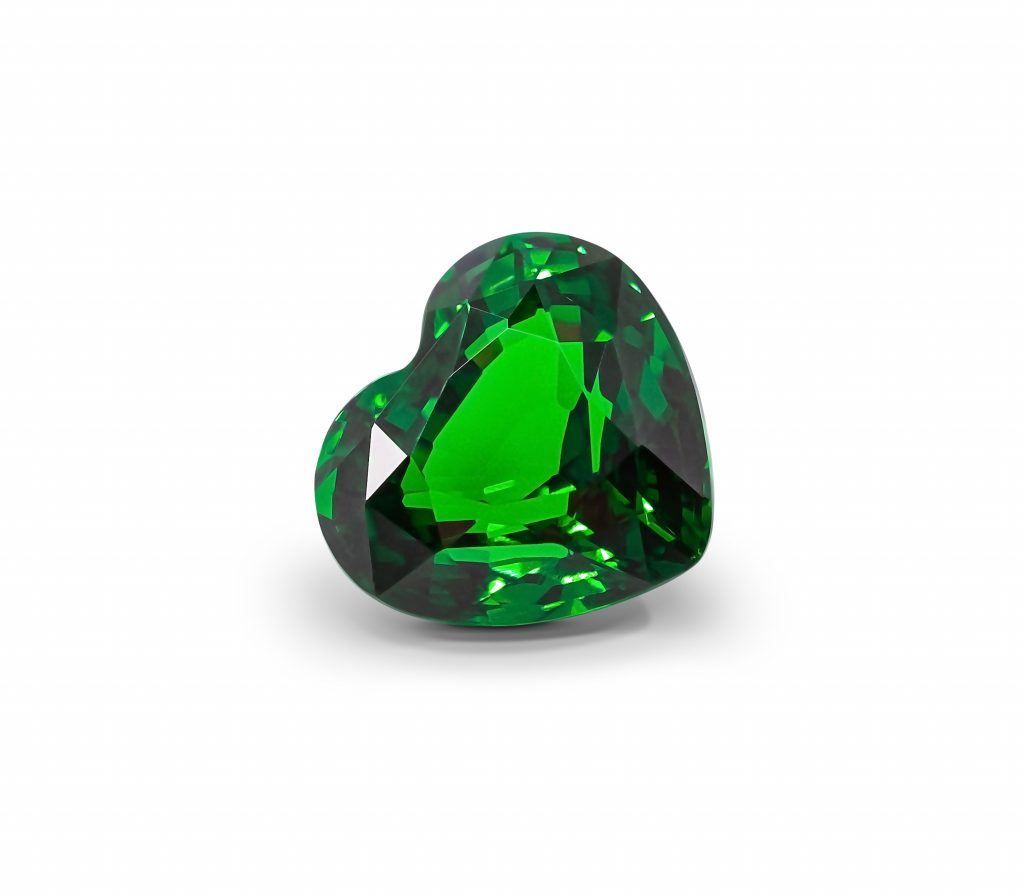
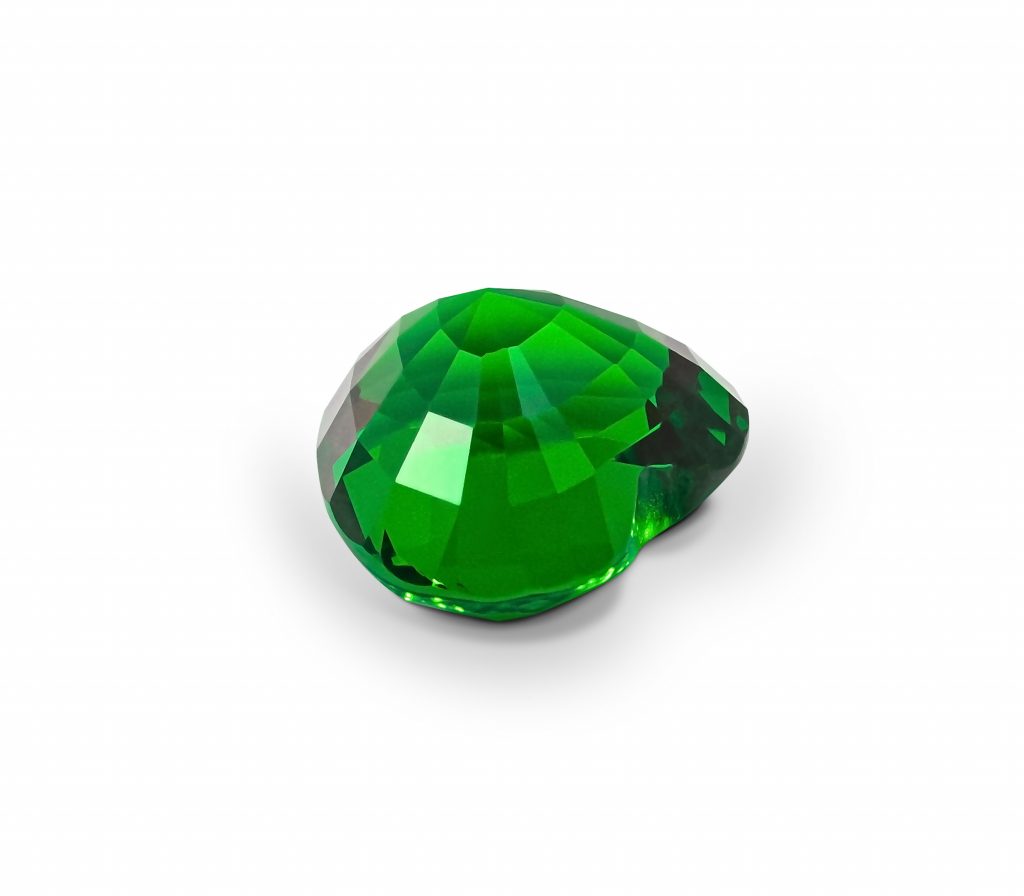
Tsavorite garnet was first documented in the Tsavo region of Kenya and Tanzania in the late 1960s, with commercial production beginning in the early 1970s following work by geologist Campbell Bridges and the involvement of Tiffany & Co in introducing the stone to international markets. Colour derives from vanadium and chromium traces within the grossular garnet matrix — the same elements responsible for fine emerald’s green, though tsavorite achieves this without emerald’s characteristic inclusions and fractures. Eye-clean material is far more common in tsavorite than in comparable emerald, and garnet’s natural durability makes it better suited to precision cutting that maximises brilliance. Large loose tsavorite exceeding 5 carats with vivid saturation is genuinely scarce; premium specimens beyond 10 carats with top colour represent museum-quality collector material by any standard.
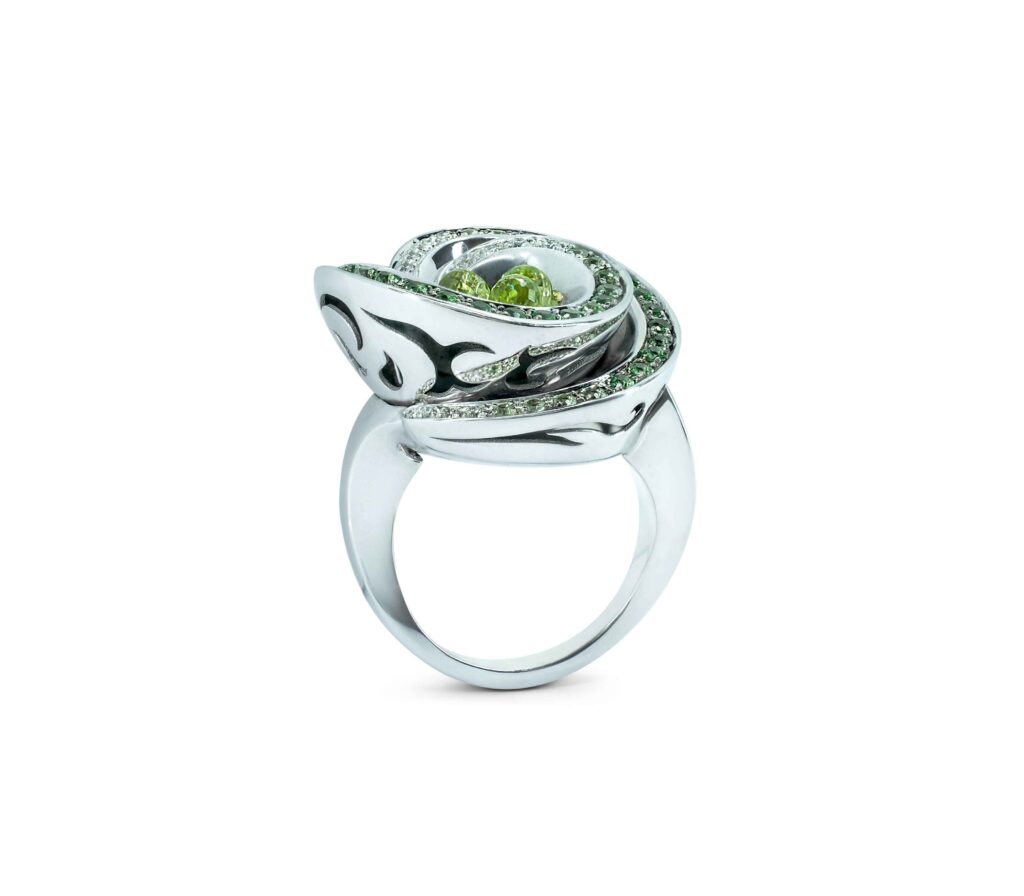
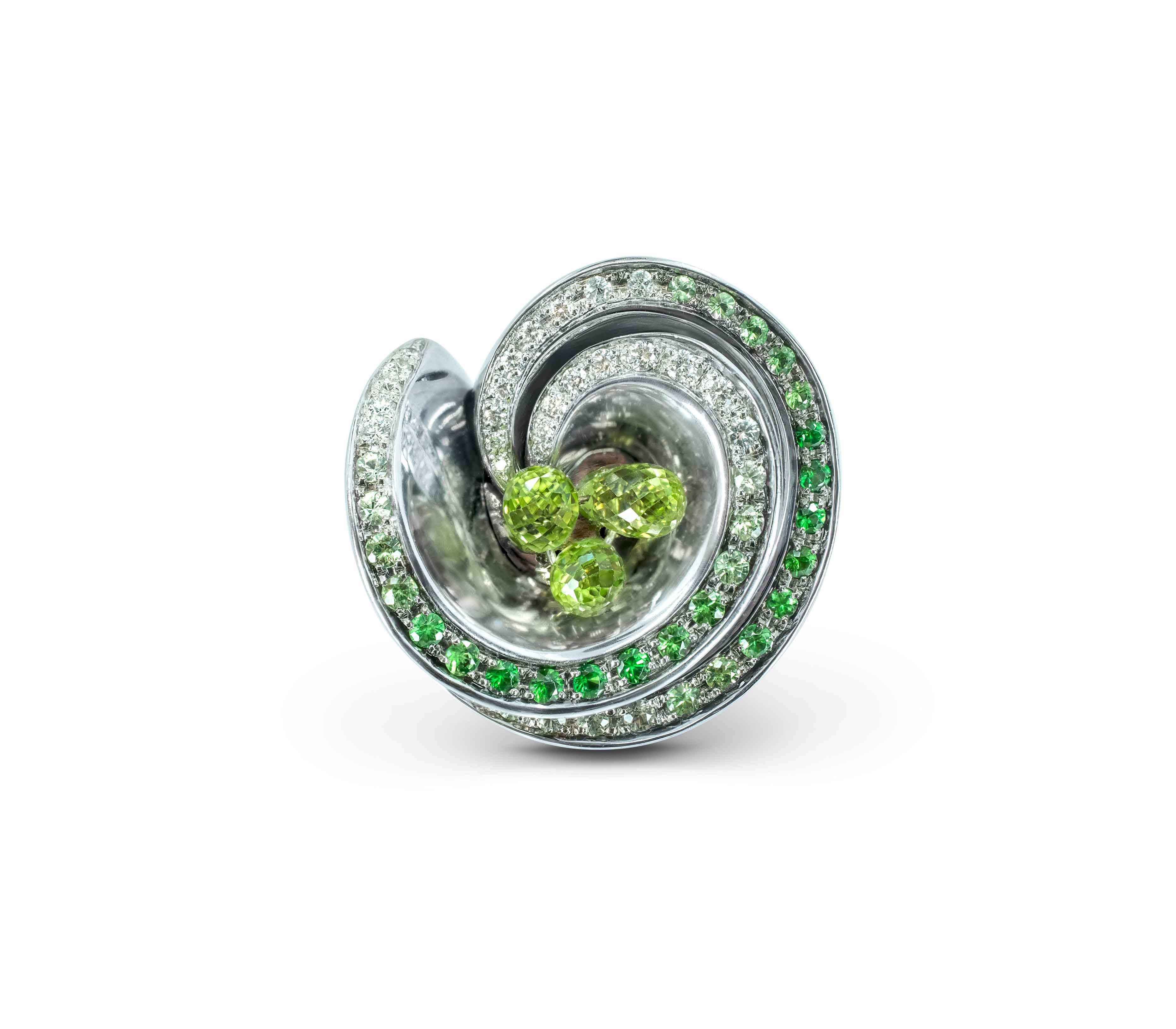
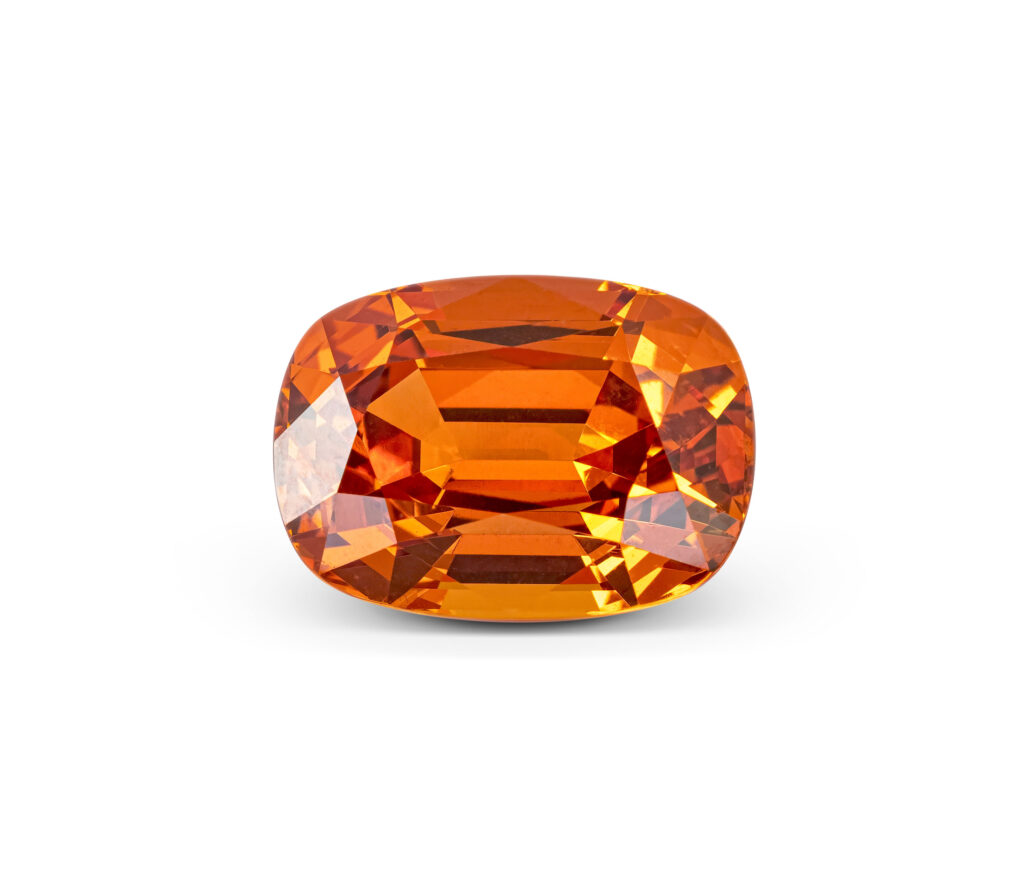
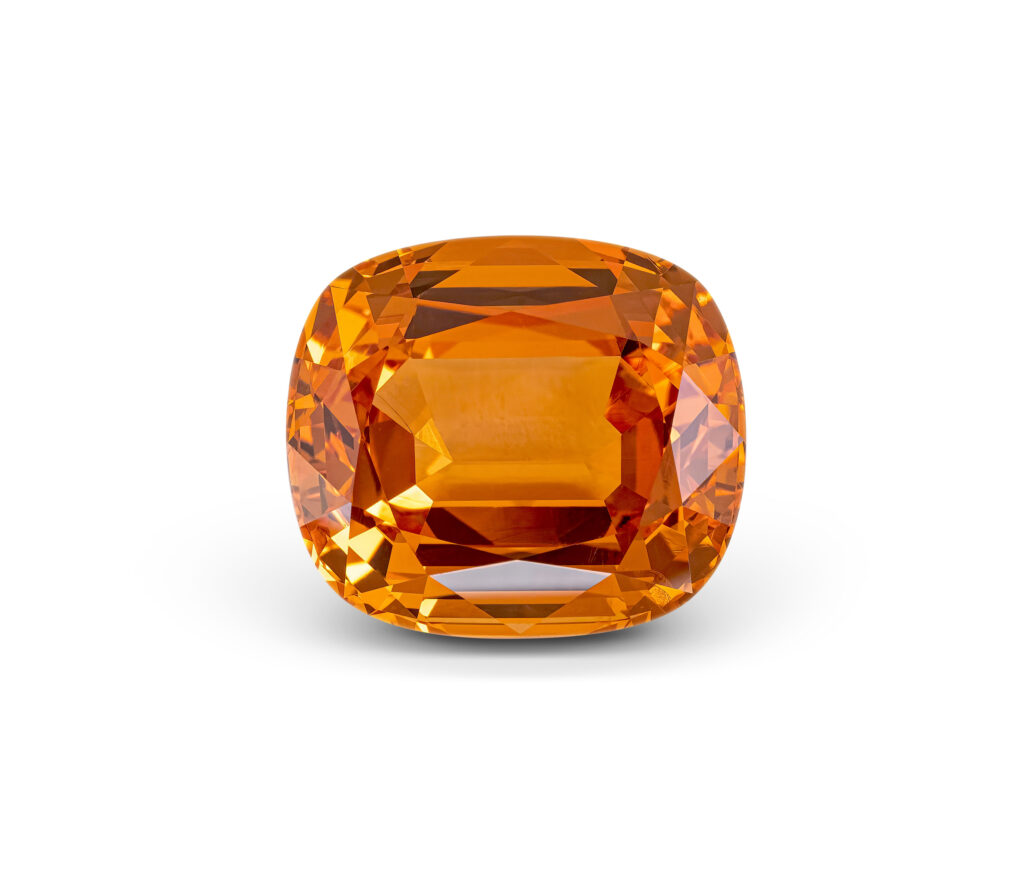
Mandarin spessartite derives its orange from manganese content within the spessartine garnet species. The finest material originates from Namibia’s Spessart-type deposits, displaying pure orange without the brown or red modifiers common in material from other localities. This pure, vivid, immediately recognisable colour has positioned mandarin garnet as one of the most sought-after orange gemstones. Rare natural large loose specimens exceeding 8 carats in this high value quality tier appear infrequently on the collector market.
Treatment Status and Authentication
Both varieties share a significant advantage: rare loose garnet is consistently treatment-free. Unlike corundum, where heat treatment is routine, tsavorite and spessartite reach the market in natural colour without enhancement. GIA certification confirms species identification, geographic origin through characteristic inclusion patterns, and treatment status. Spectroscopic analysis distinguishes tsavorite from demantoid and other green garnets, while spessartite’s manganese signature differentiates it from hessonite and other orange varieties within the family.
Acquiring rare loose garnet in unset condition preserves access to complete gemological documentation and maintains the unmodified condition that supports accurate independent grading. For tsavorite in particular, the absence of fracture-filling or clarity enhancement, treatments common in emerald of equivalent appearance, represents a meaningful distinction for collectors building suites of high value colored stones. Acquiring estate quality rare loose garnet with full treatment documentation provides gemological transparency, exclusivity credentials, and the investment quality foundation that underpins long-term resale value.
Collector-Grade Garnet: Weights, Cuts, and Provenance
The selection covers both principal collector varieties at weights where rarity becomes a genuine factor: tsavorite from 3 carats upward with vivid chromium-green saturation, and mandarin spessartite exceeding 8 carats in pure orange. Heart cuts, ovals, and cushion cuts each present these colours differently, with precision cutting decisions reflecting the specific optical character of individual stones.
Consultation addresses variety-specific gemological criteria, origin authentication, and the distinctions between exceptional collector-grade and commercial material within the broader garnet family — timeless rare natural gemstones whose price appreciation reflects the genuine supply constraints that define this category.