Natural Zircon: Optical Properties and Geological Significance
Zircon holds the distinction of containing Earth’s oldest known minerals: zircon crystals from the Jack Hills of Western Australia have been dated to approximately 4.4 billion years, placing them among the earliest solid material formed after the planet’s accretion. This geological antiquity is not merely historical curiosity — zircon’s crystal structure incorporates uranium and thorium traces whose decay over geological time produces measurable radioactivity in some specimens, a characteristic that gemological laboratories assess when certifying natural material.
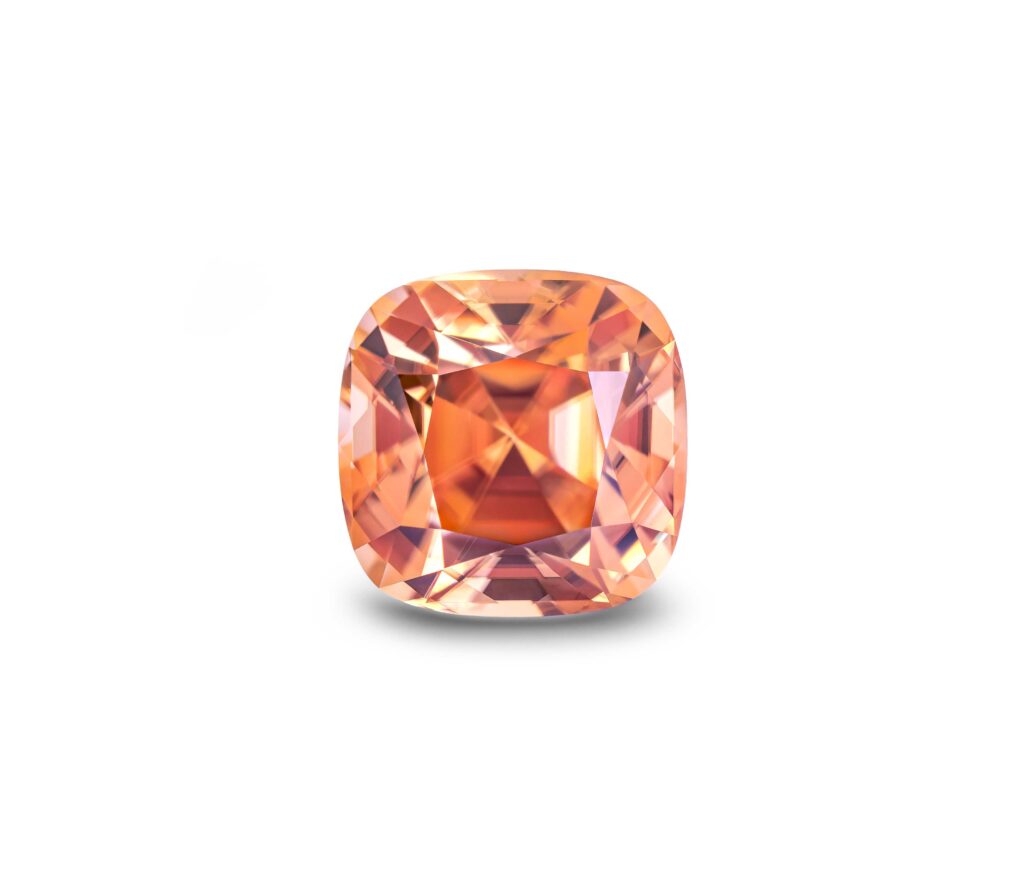
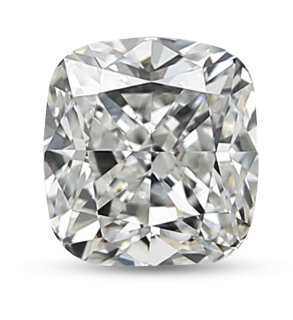
The optical character of rare natural zircon is exceptional. Its refractive index of 1.92 to 2.01 exceeds that of sapphire and approaches diamond, while its dispersion — the separation of white light into spectral colours — of 0.039 surpasses ruby and sapphire and rivals diamond’s 0.044. In large, well-cut specimens, this produces fire and brilliance that collectors familiar only with commercial zircon material find surprising. Strong double refraction, visible as facet edge doubling under magnification, serves as a primary diagnostic feature distinguishing natural zircon from both cubic zirconia and other simulants.
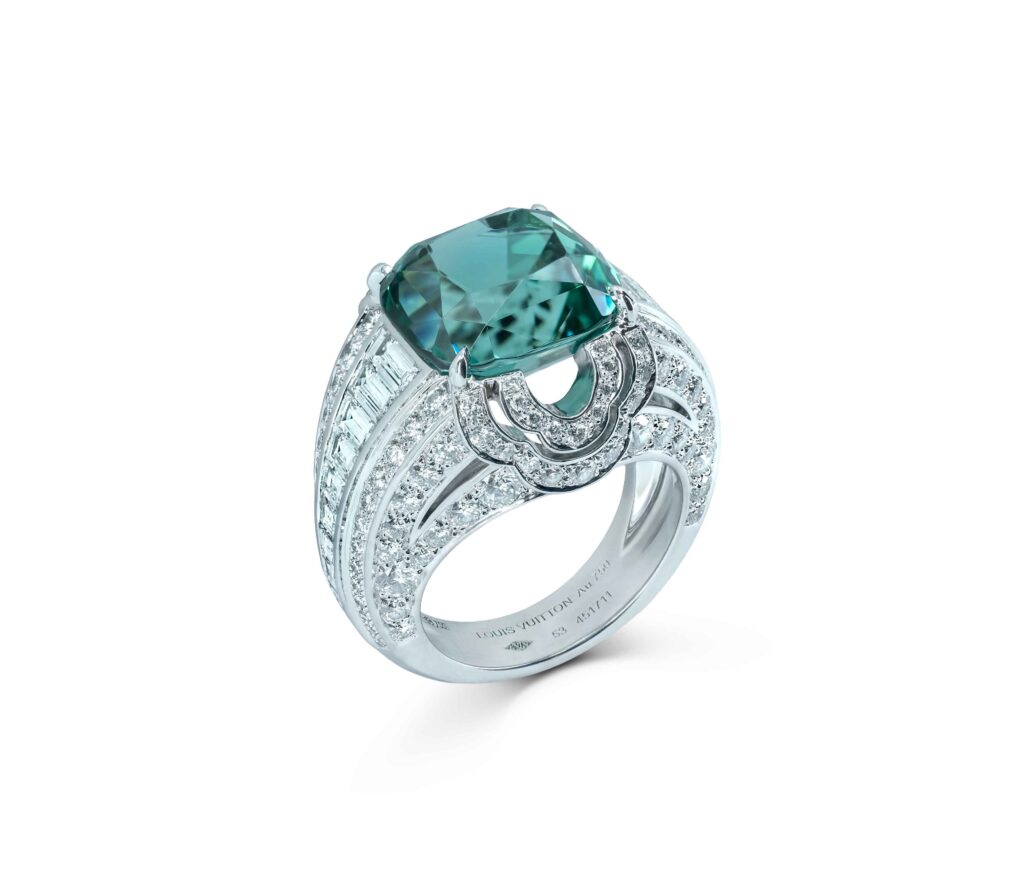
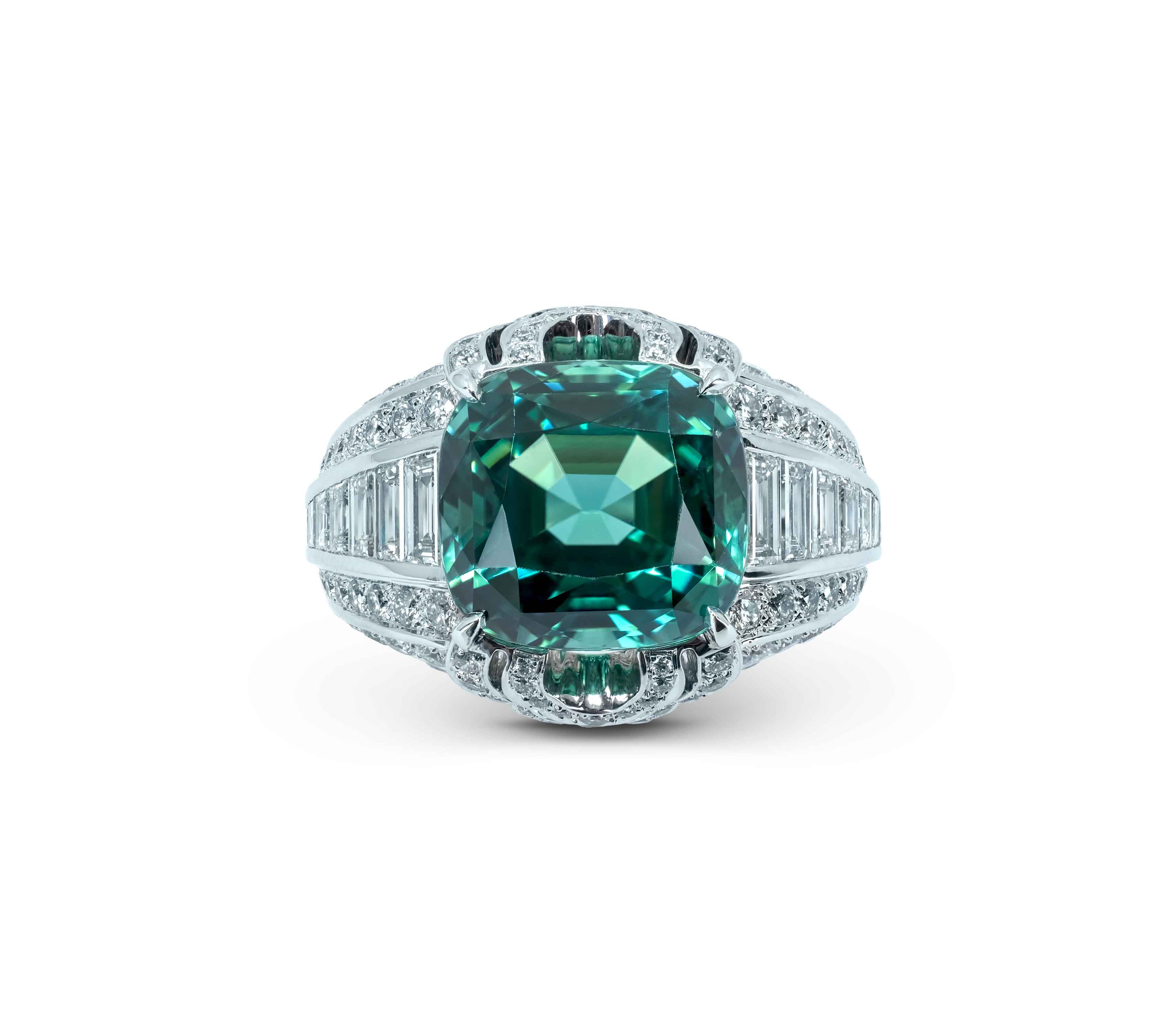
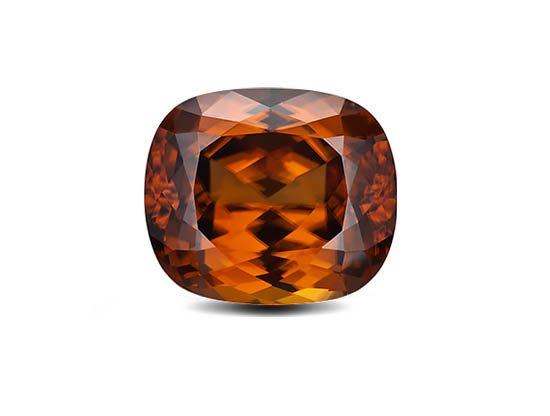
Colour in natural zircon spans a broad range: blue remains the most commercially recognised variety, achieved through heat treatment of brownish material from Cambodia and other Southeast Asian deposits. Brown and orange specimens represent untreated natural colour: warm whiskey-brown and cognac tones in large sizes occupy a premium collector niche valued precisely for their natural, unenhanced character. Estate quality rare loose zircon at significant carat weights represents material where optical properties become fully apparent and scarcity value is substantial.
Authentication and the Cubic Zirconia Distinction
The confusion between natural zircon and cubic zirconia persists in popular perception despite the two materials sharing nothing beyond a superficially similar name. Cubic zirconia is a synthetic oxide of zirconium first produced commercially in the 1970s; natural zircon is a zirconium silicate mineral that has formed within Earth’s crust for billions of years. Gemological separation is straightforward: zircon’s strong double refraction, specific gravity of 4.6 to 4.7, and characteristic radioactive signatures under laboratory analysis distinguish it unambiguously from all simulants.
GIA certification for fine natural zircon documents species identification, colour origin, and treatment status. For brown and orange specimens where natural colour is the defining quality criterion, certification confirming untreated status is particularly relevant. Each certified rare loose zircon in the collection is accompanied by full laboratory documentation establishing natural origin and gemological identity: the exclusivity credentials and investment quality foundation that serious collectors require.
Why Rare Loose Zircon Rewards Informed Acquisition
Large natural zircon in collector colours — warm browns, oranges, and cognac tones in untreated material — represents a category where gemological substance consistently precedes market recognition. Stones exceeding 10 carats with strong optical performance and eye-clean clarity are uncommon in any colour variety; at 15 carats and above, availability is narrow by any measure.
For collectors drawn to exceptional rare natural gemstones beyond the conventional hierarchy, rare loose zircon offers optical brilliance, geological antiquity, and genuine scarcity. A premium category whose heritage value, timeless character, and long-term resale value reflect consistent price appreciation driven by finite supply: exceptional collector material that rewards informed acquisition over purely trend-driven choices.