The Optical Character of Rare Loose Spinel
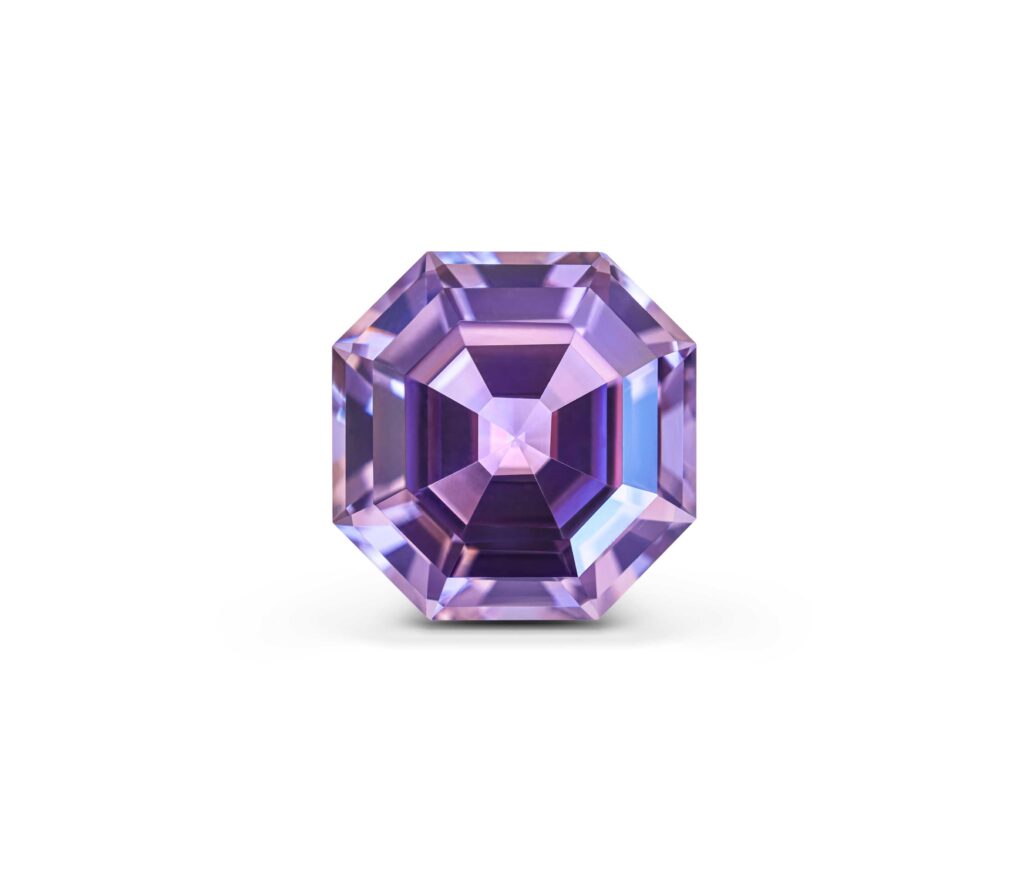
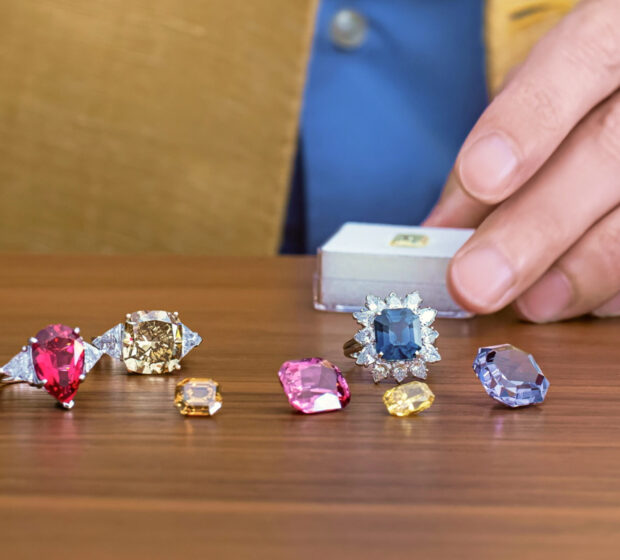
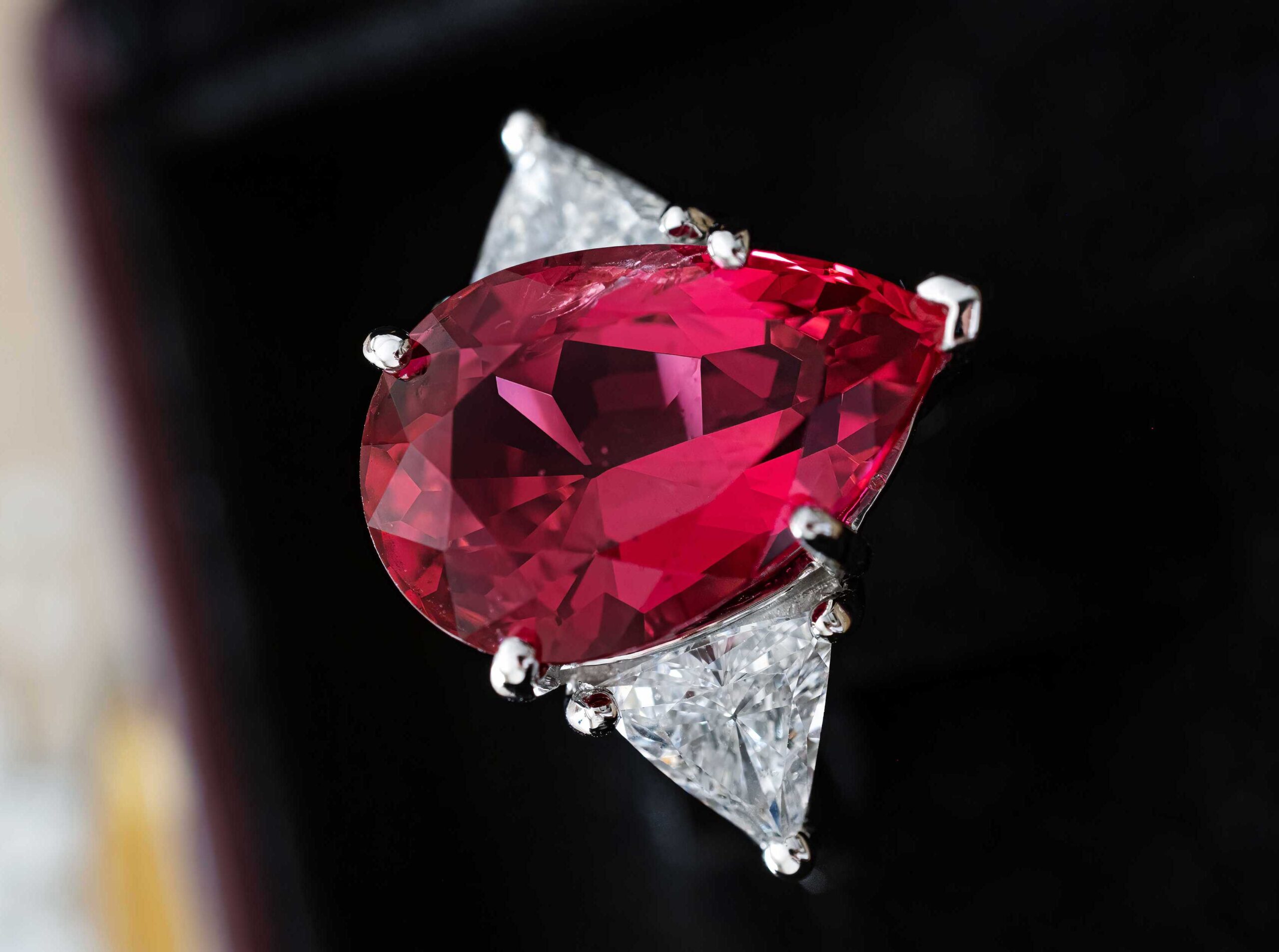
Spinel’s gemological distinction begins with its crystal structure. As a singly refractive mineral, it lacks the doubling effect present in sapphire and ruby, producing a purity of colour transmission that contributes to exceptional brilliance. The finest Burmese material — from the Mogok Valley, historically the world’s most significant source — displays vivid saturation with characteristic fluorescence under UV light, a property that intensifies the visual impact of red and pink specimens in natural daylight conditions.
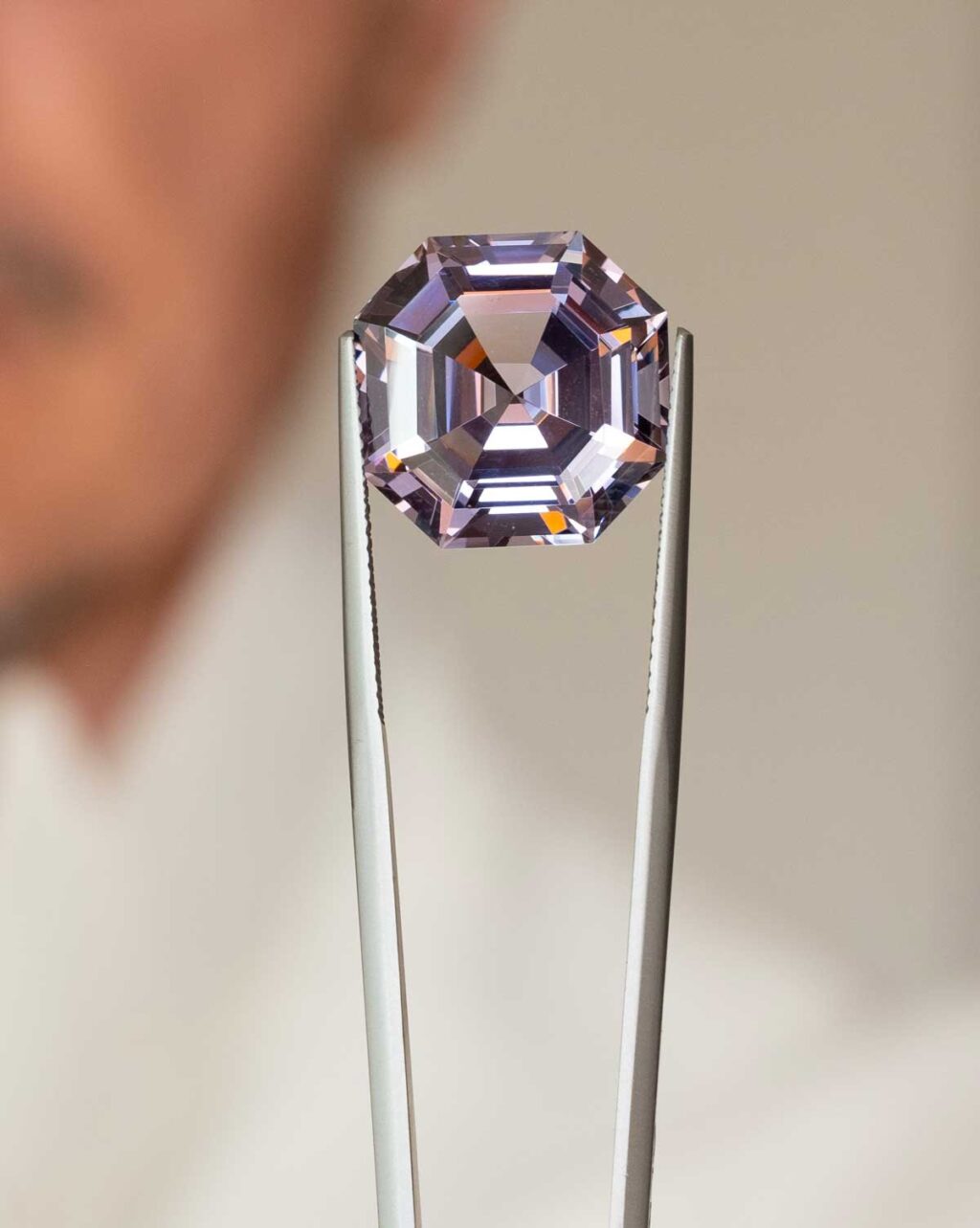
Large loose spinel exceeding 10 carats with strong colour and eye-clean clarity is genuinely uncommon. Most spinel crystals form at smaller sizes, making stones above this threshold significantly rarer than equivalent weights in sapphire or ruby. Premium rare natural specimens of this size reach the open market only occasionally, with collector demand consistently outpacing availability for exceptional material of this calibre.
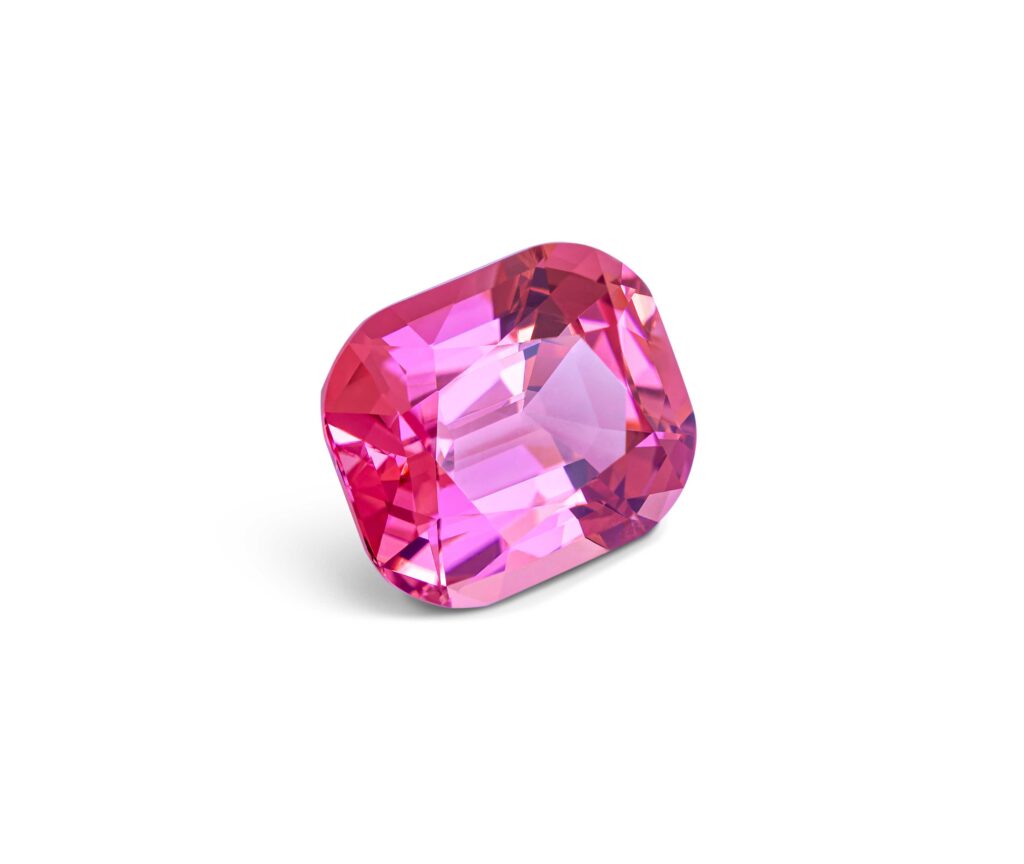
Grey spinel occupies a particular niche among contemporary collectors. Neutral tones that shift between lavender and steel depending on light source, combined with spinel’s inherent brilliance, have positioned this variety as a sophisticated alternative within the collector market. Cobalt blue spinel achieves vivid saturation approaching Kashmir sapphire, while pink material ranges from delicate pastel to saturated fuchsia depending on iron and chromium content at the time of crystal formation.
Treatment-Free Status and Authentication
The absence of enhancement is one of spinel’s defining collector advantages. Unlike corundum, where heat treatment is near-universal in commercial material, rare natural spinel typically requires no enhancement — natural colour is the standard rather than the exception. This treatment-free status is confirmed through GIA certification covering spectroscopic analysis and inclusion examination establishing both natural origin and the absence of artificial colour modification.
Authentication also distinguishes natural spinel from synthetic material, which has been commercially produced since the early 20th century. Characteristic inclusions including octahedral crystals and growth features confirm natural formation for collectors requiring complete gemological documentation. Each scarce loose spinel in the collection is accompanied by laboratory certification specifying origin, treatment status, and variety confirmation — establishing the estate quality provenance and exclusivity that serious collectors require.
Heritage, Rarity, and the Case for Rare Natural Spinel
Myanmar-origin material dominates the highest tier of the spinel market, with Mogok Valley provenance adding historical significance to already exceptional gemological credentials. The collection encompasses both vivid colour varieties and the sophisticated neutrals increasingly sought by discerning collectors building suites with aesthetic coherence.
Whether acquiring a single museum-quality spinel or rare loose spinel for bespoke commissions, consultation addresses the variety-specific characteristics and provenance documentation that underpin long-term resale value and price appreciation. These timeless heritage assets meet investment quality criteria precisely because their exceptional optical properties and treatment-free status set them apart from virtually every other collector gemstone category.