The Threshold Where Scarcity Sharpens
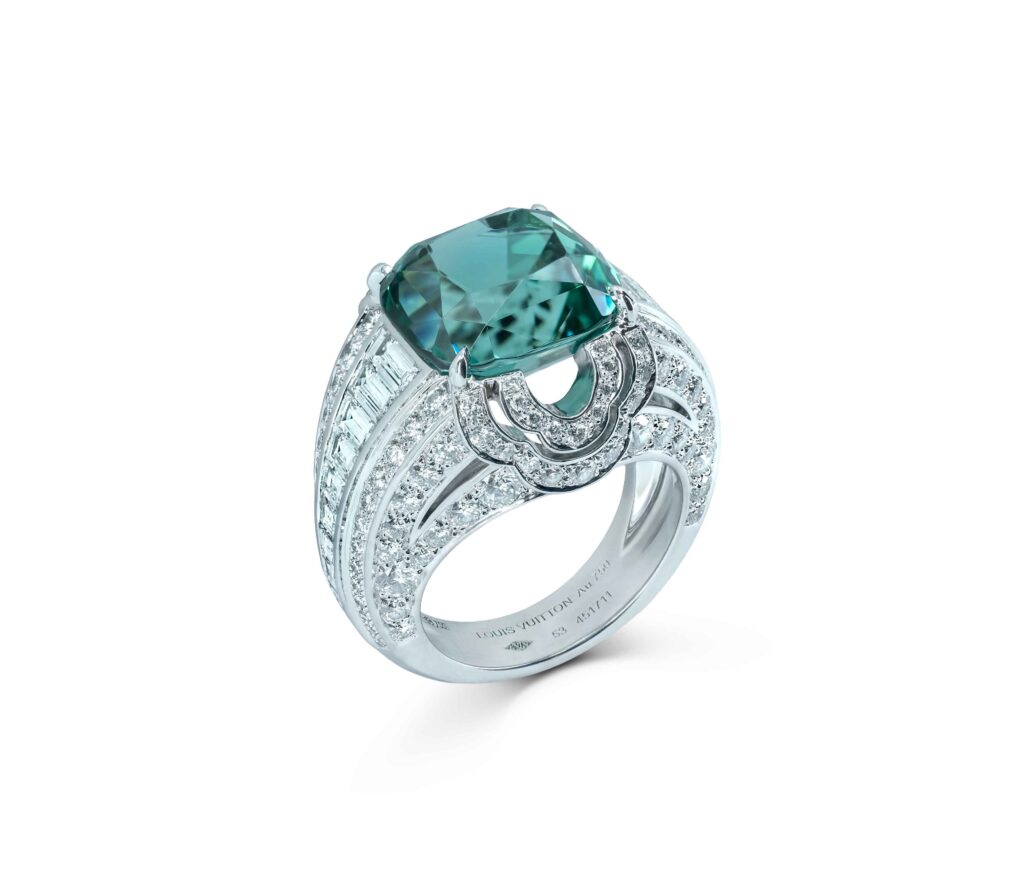
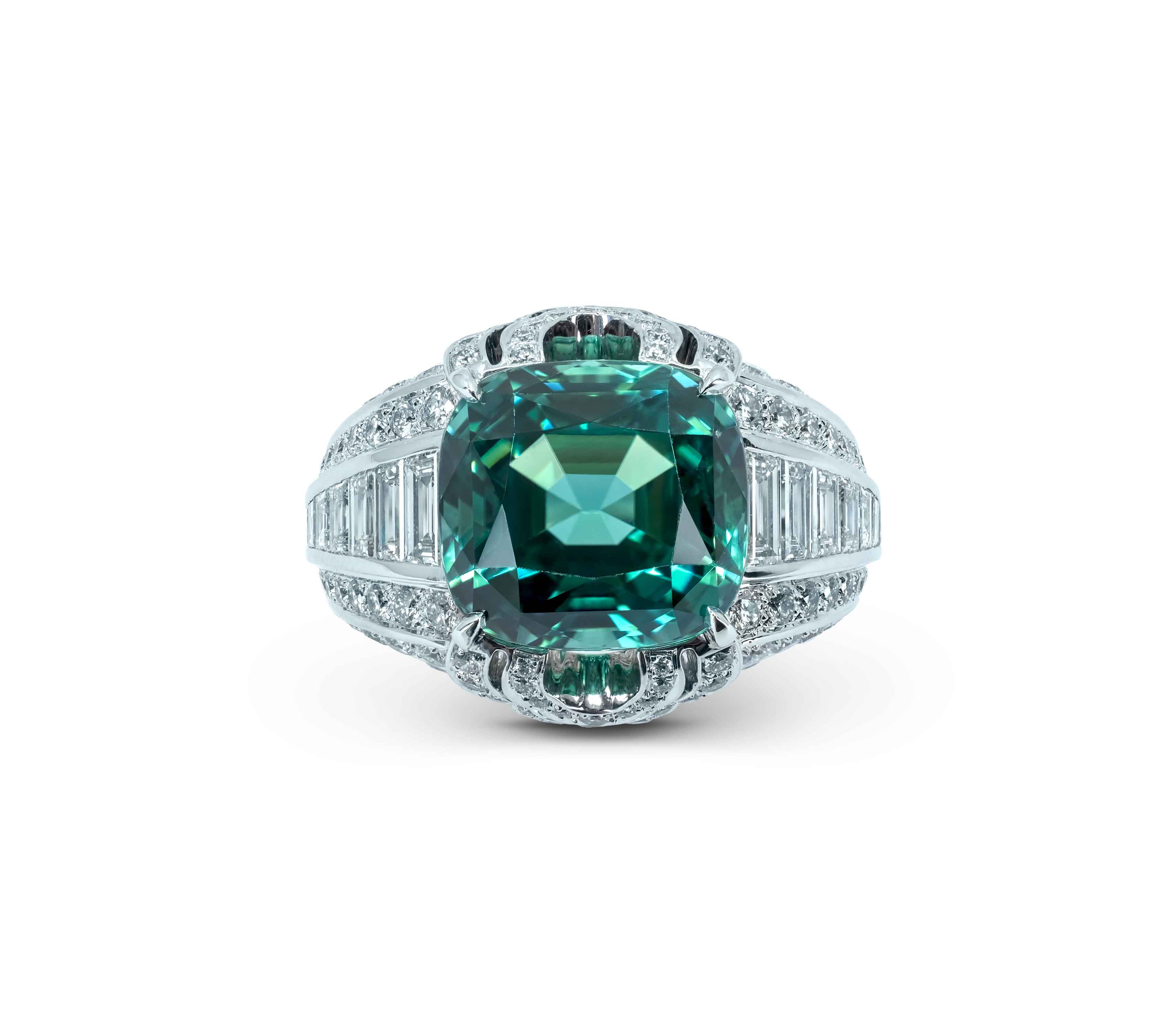
Among weight tiers, five carats holds particular significance. GIA observes that the supply of fine colored material drops and per-carat pricing climbs steeply for stones beyond roughly this size, a pattern documented for spinel and broadly applicable across fine colored stones. The reason lies in geology and cutting alike: large clean crystals form infrequently, and most fine rough is fashioned to non-standard outlines specifically to retain weight rather than conform to calibrated dimensions, so a finished five-carat stone reflects both an uncommon crystal and a deliberate choice to preserve every possible carat.
This is the point at which the price-per-carat curve becomes pronounced. A five-carat gemstone of fine quality is worth far more than five times a comparable one-carat stone, because the rarity it represents compounds with each additional carat rather than accumulating in a straight line. The threshold is not arbitrary; it reflects a genuine inflection in how nature supplies large, clean, well-saturated material.
Selection Standards at Five Carats
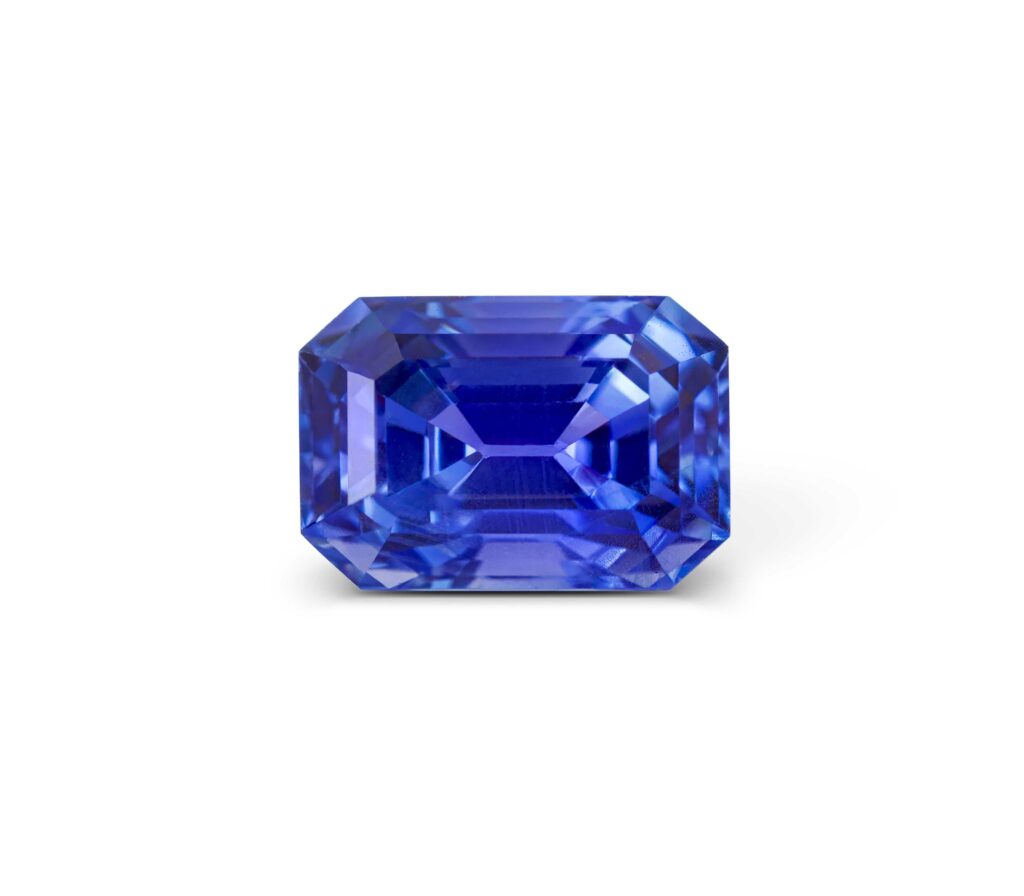
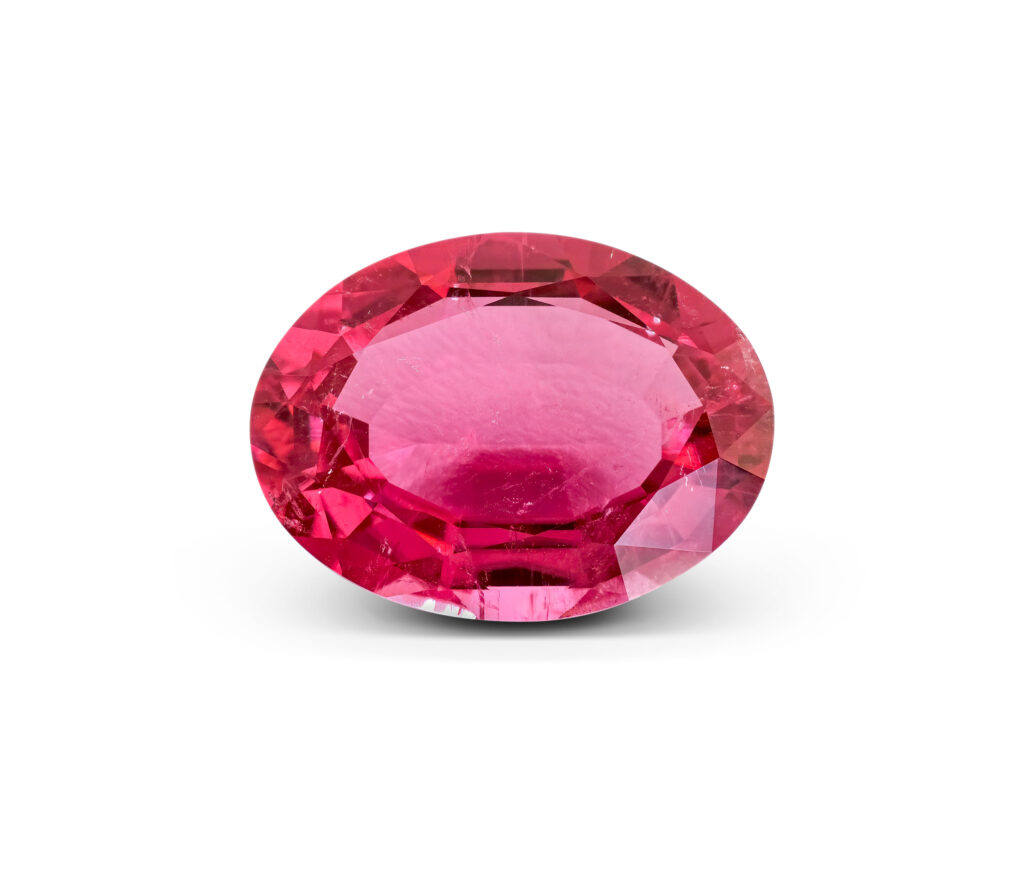
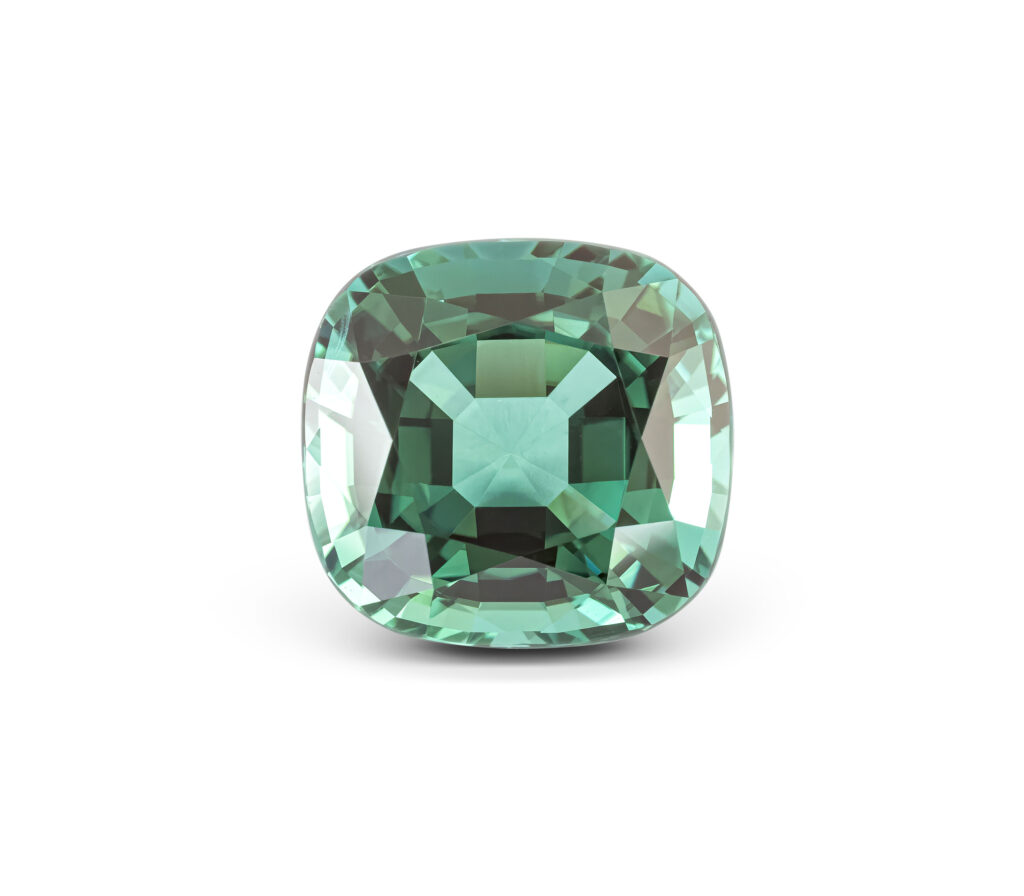
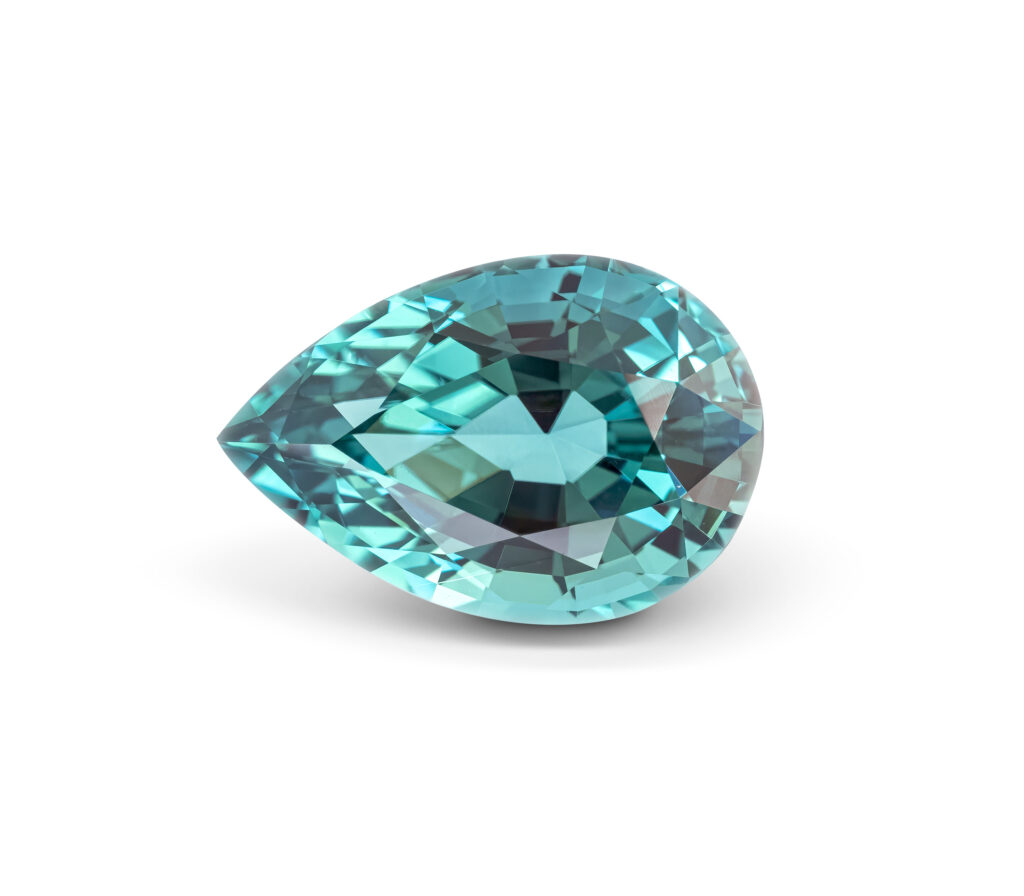
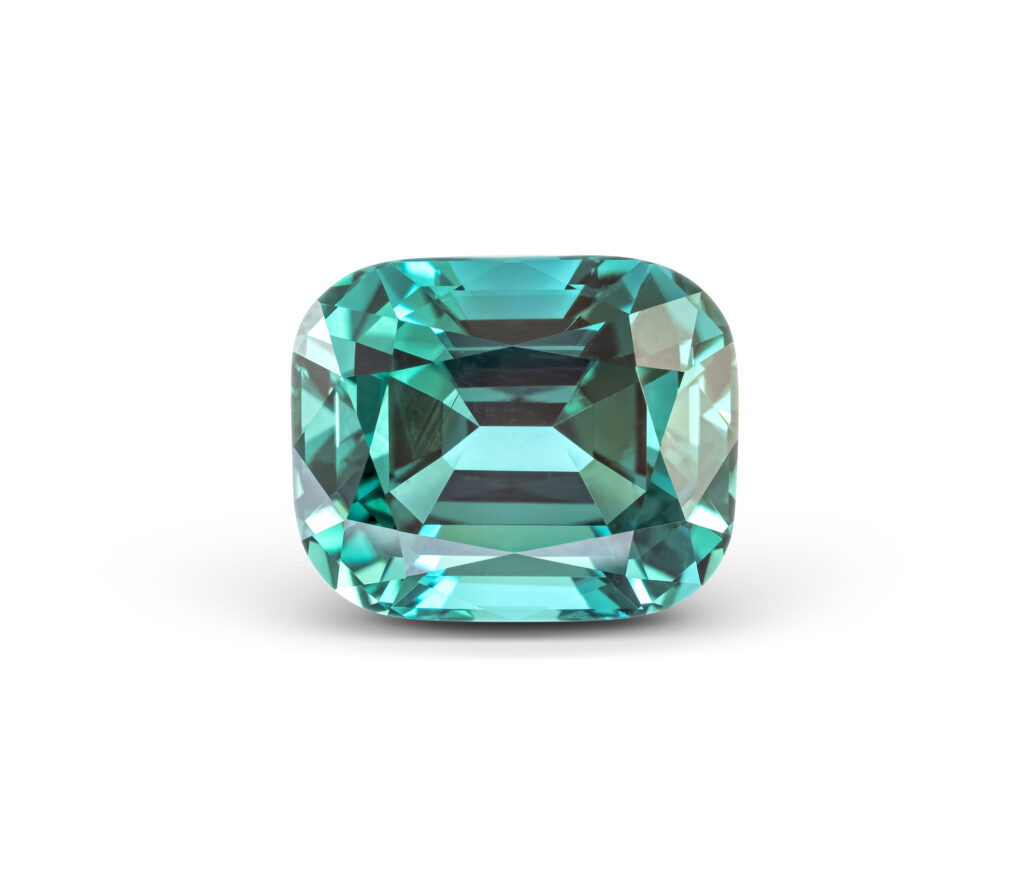
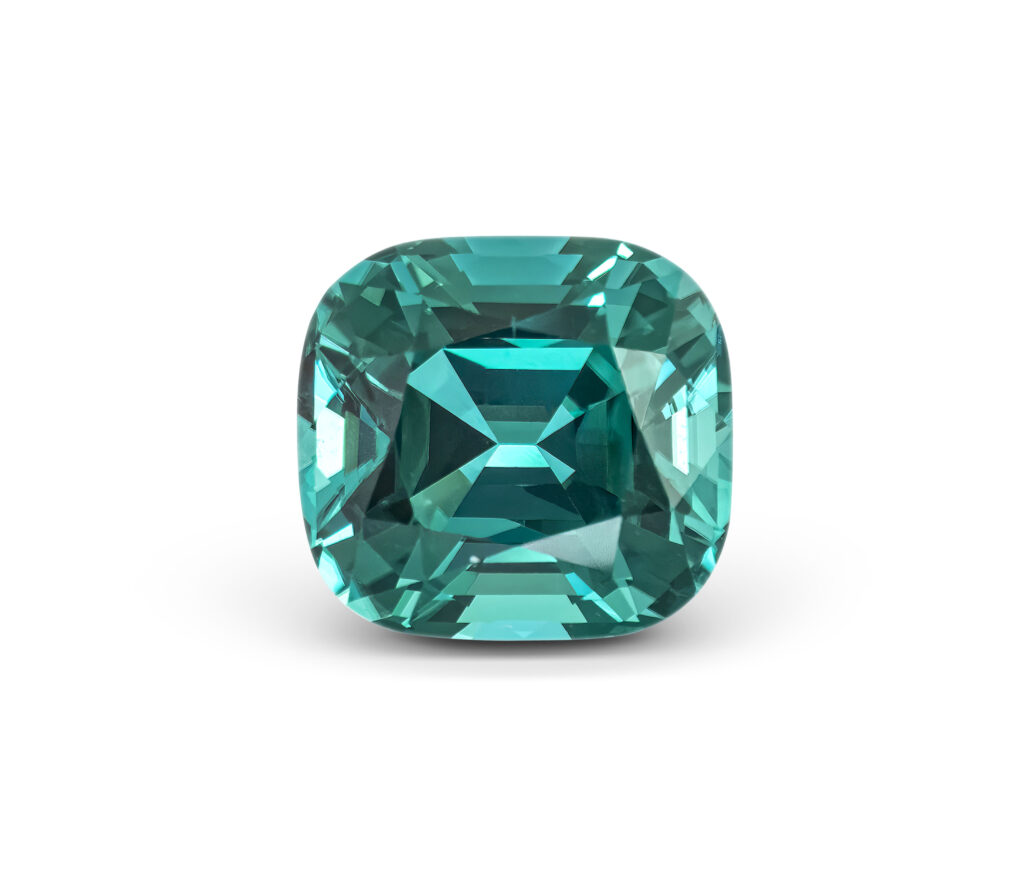
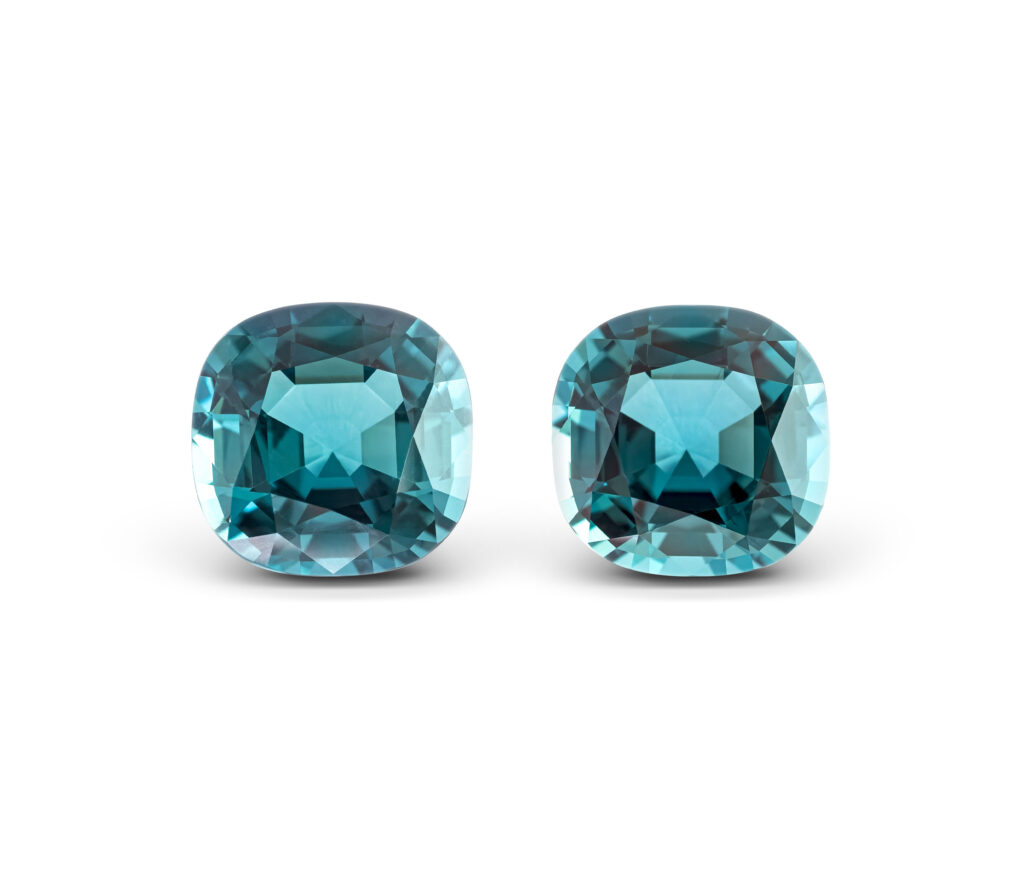
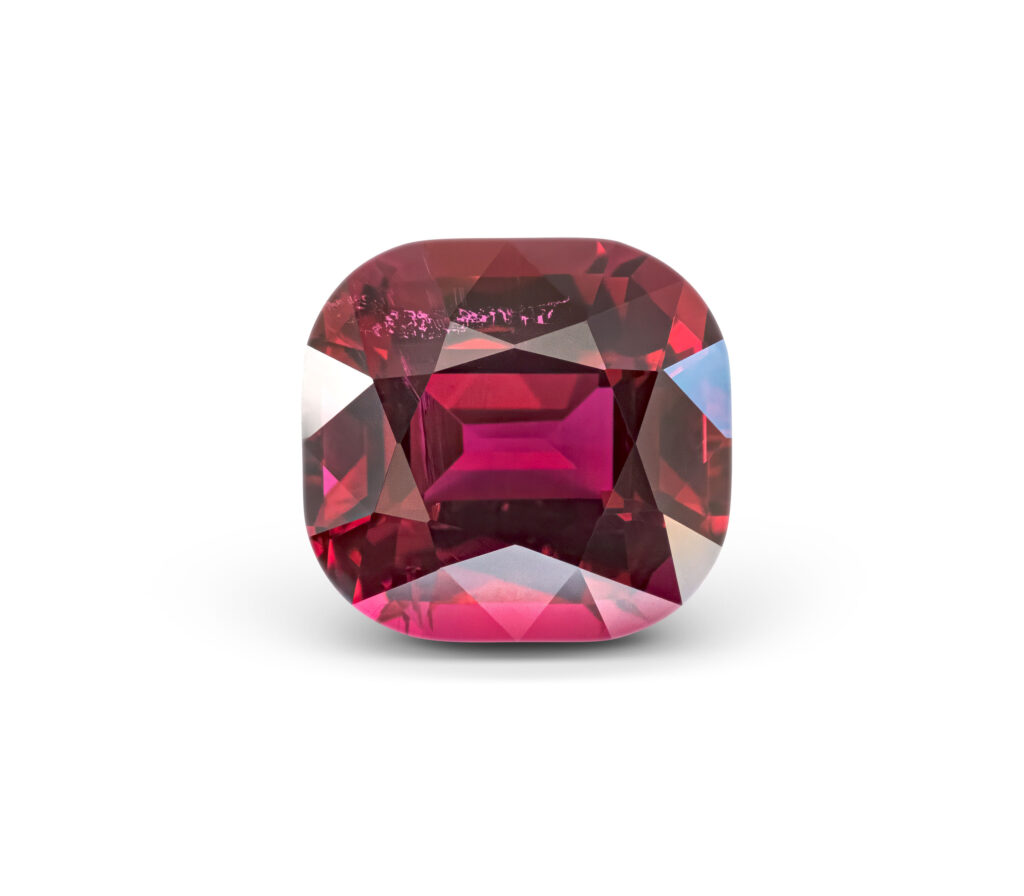
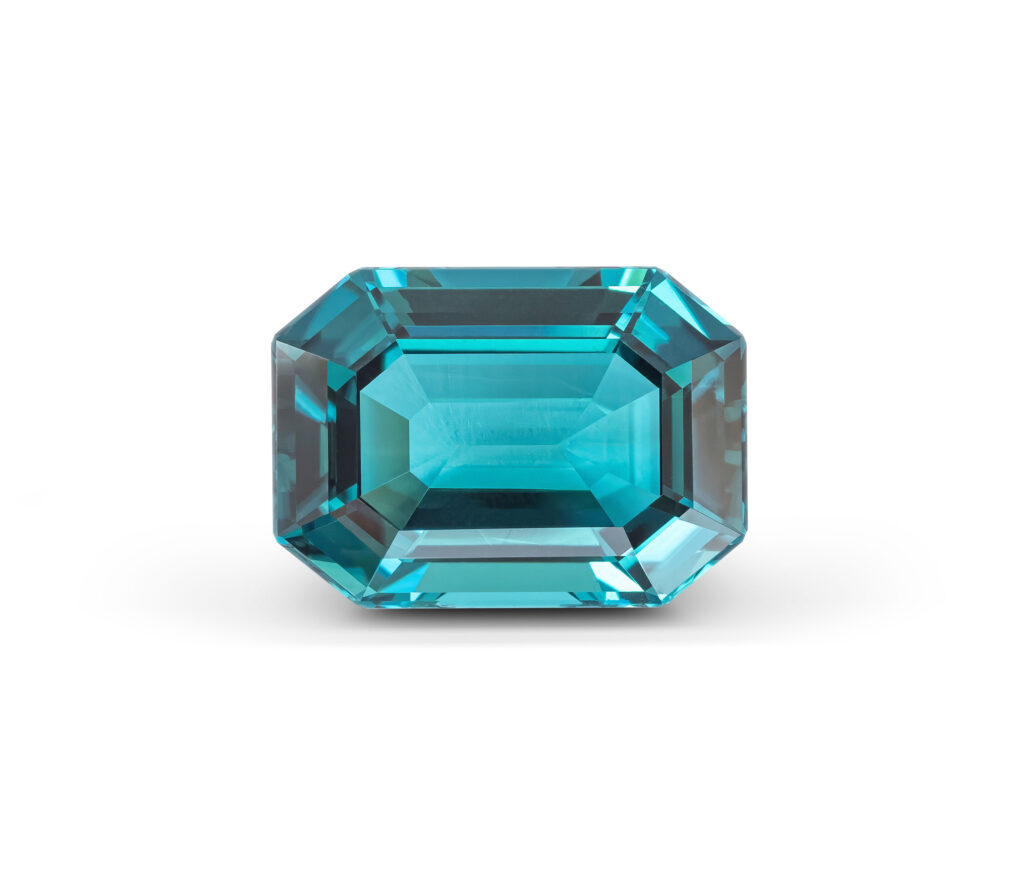
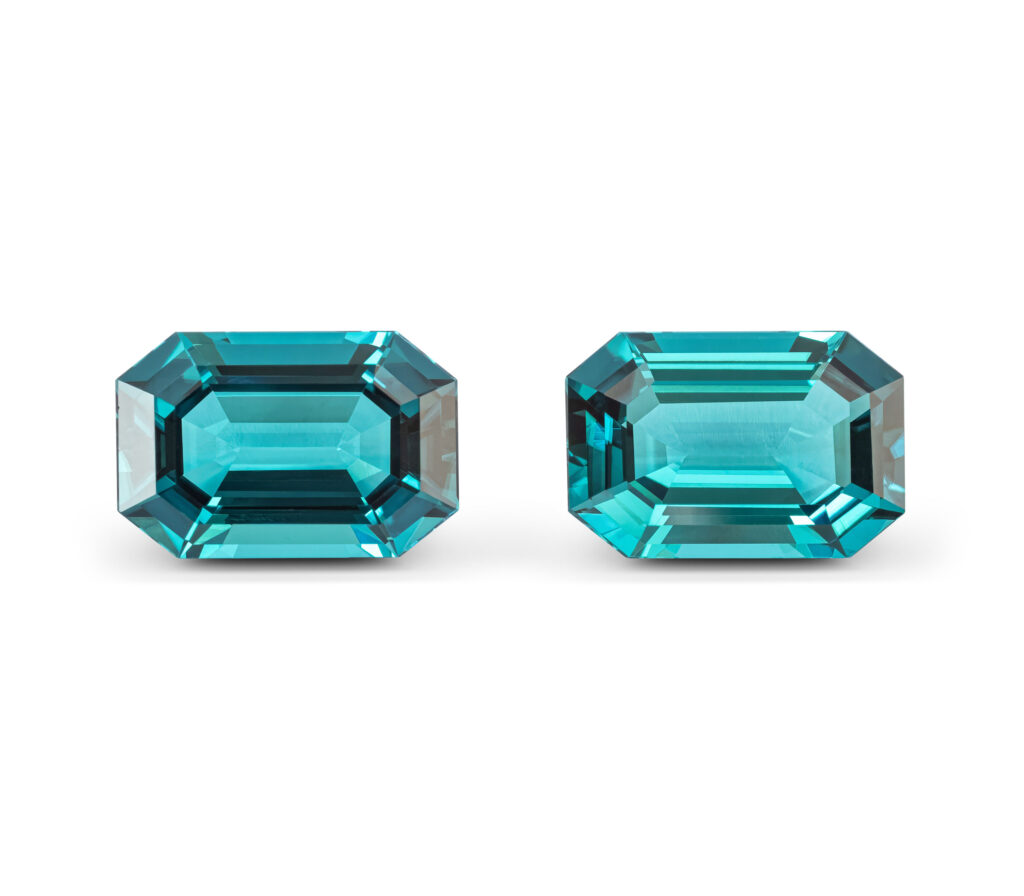
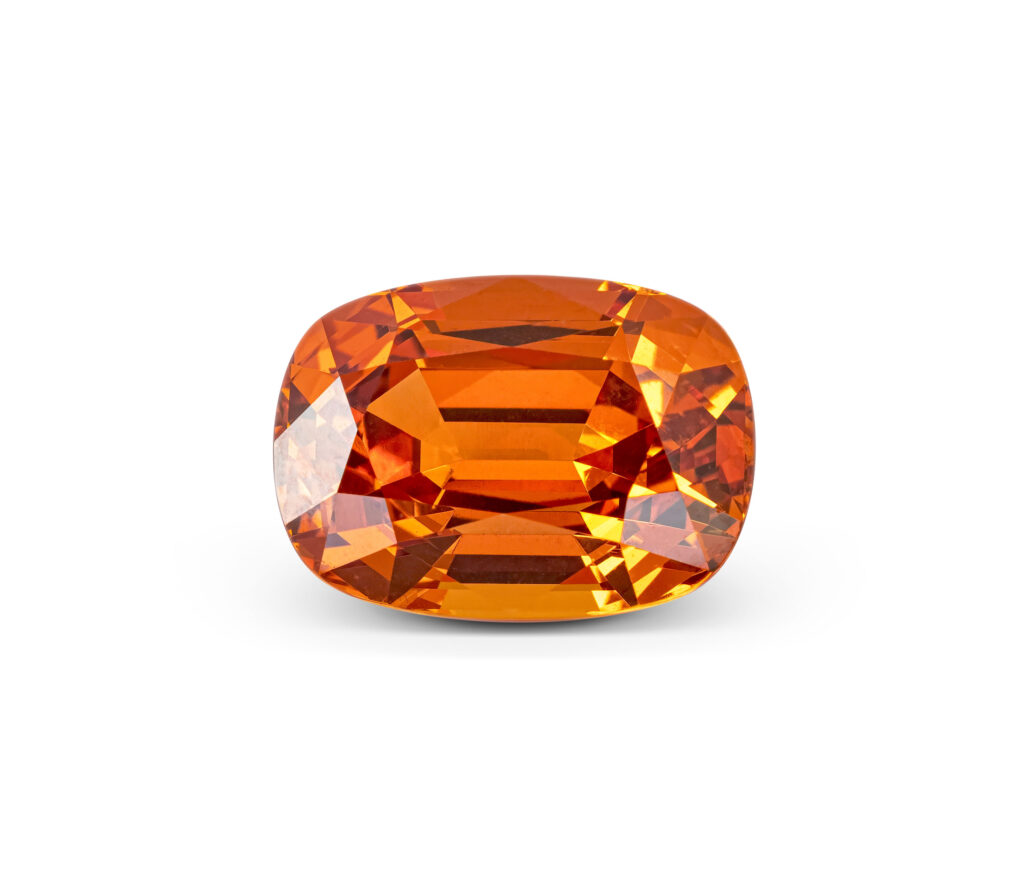
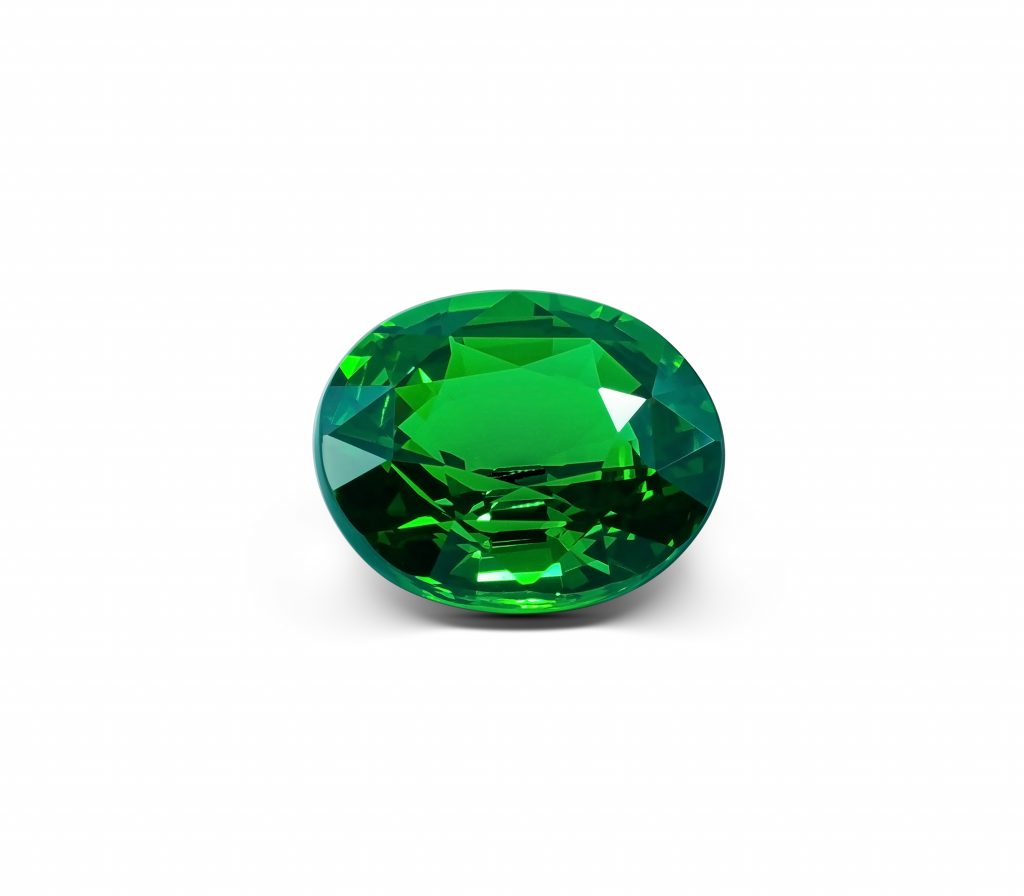
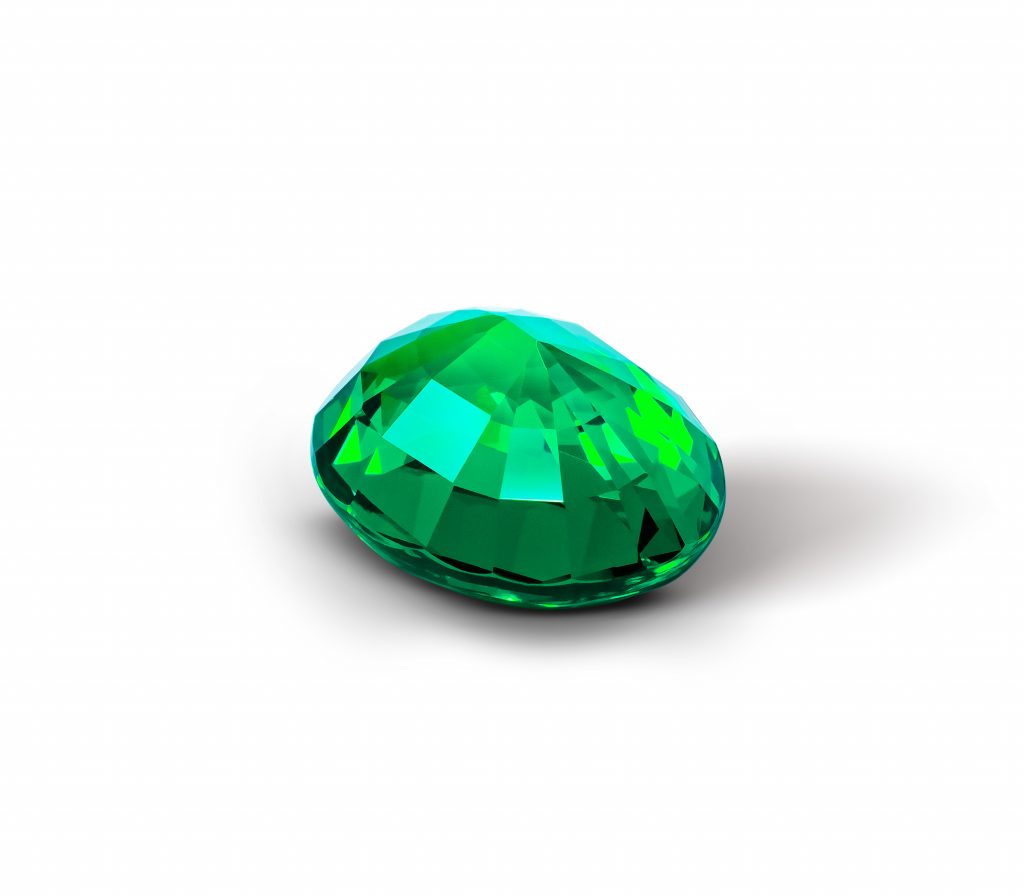
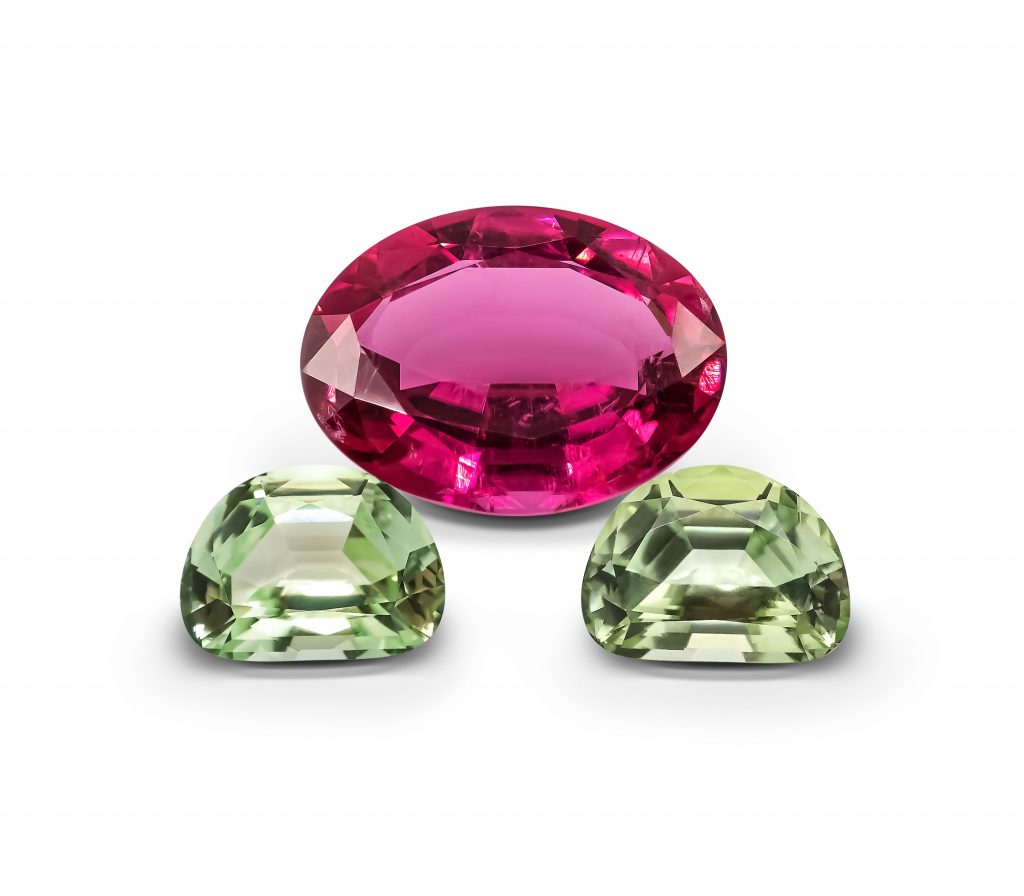
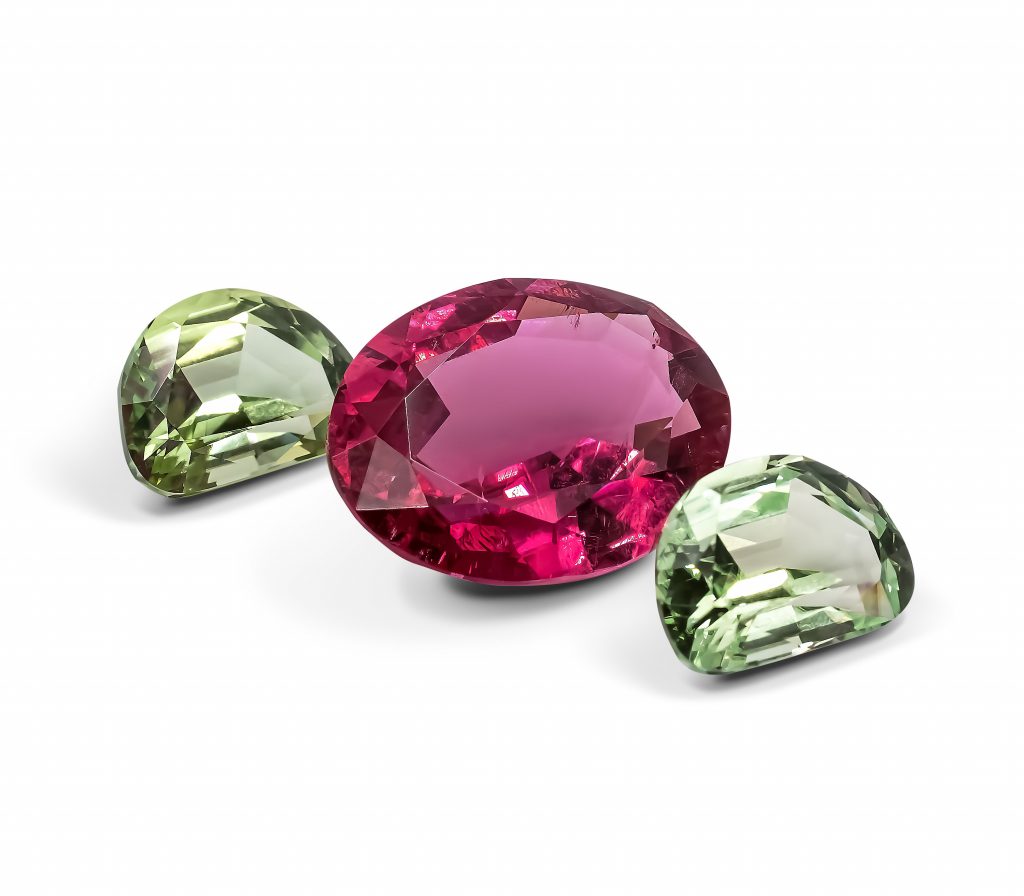
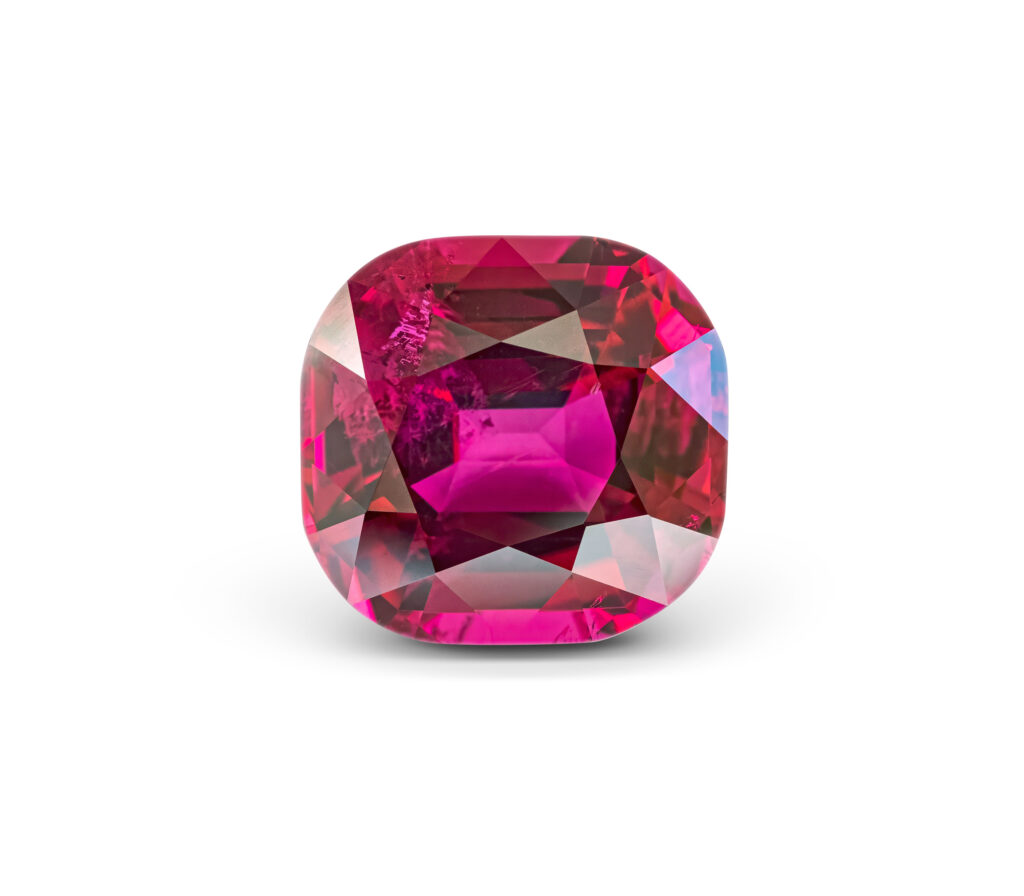
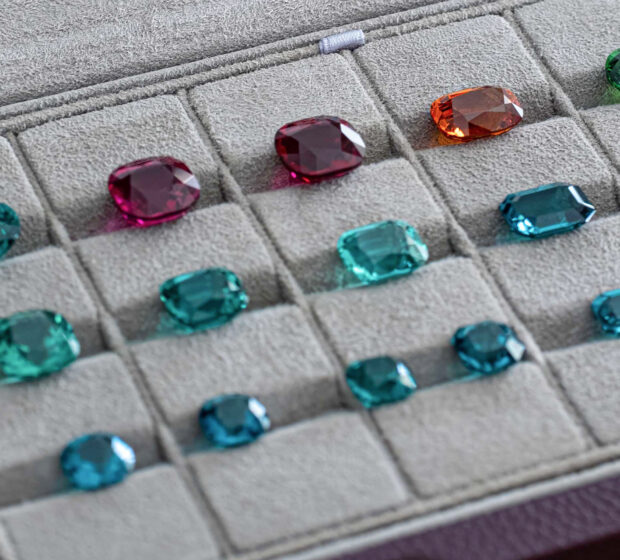
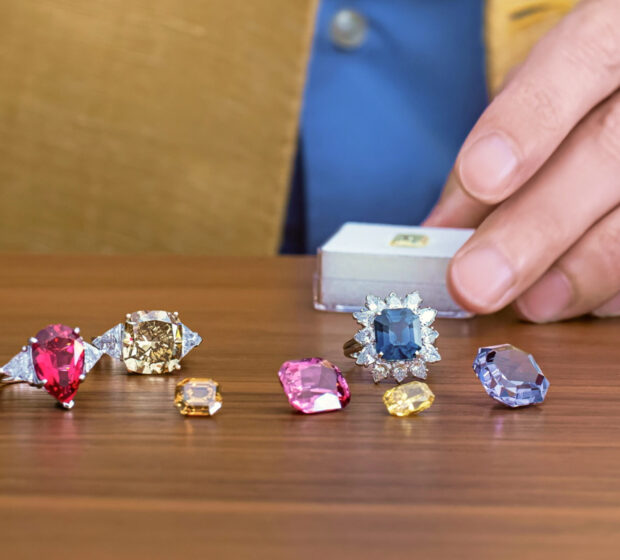
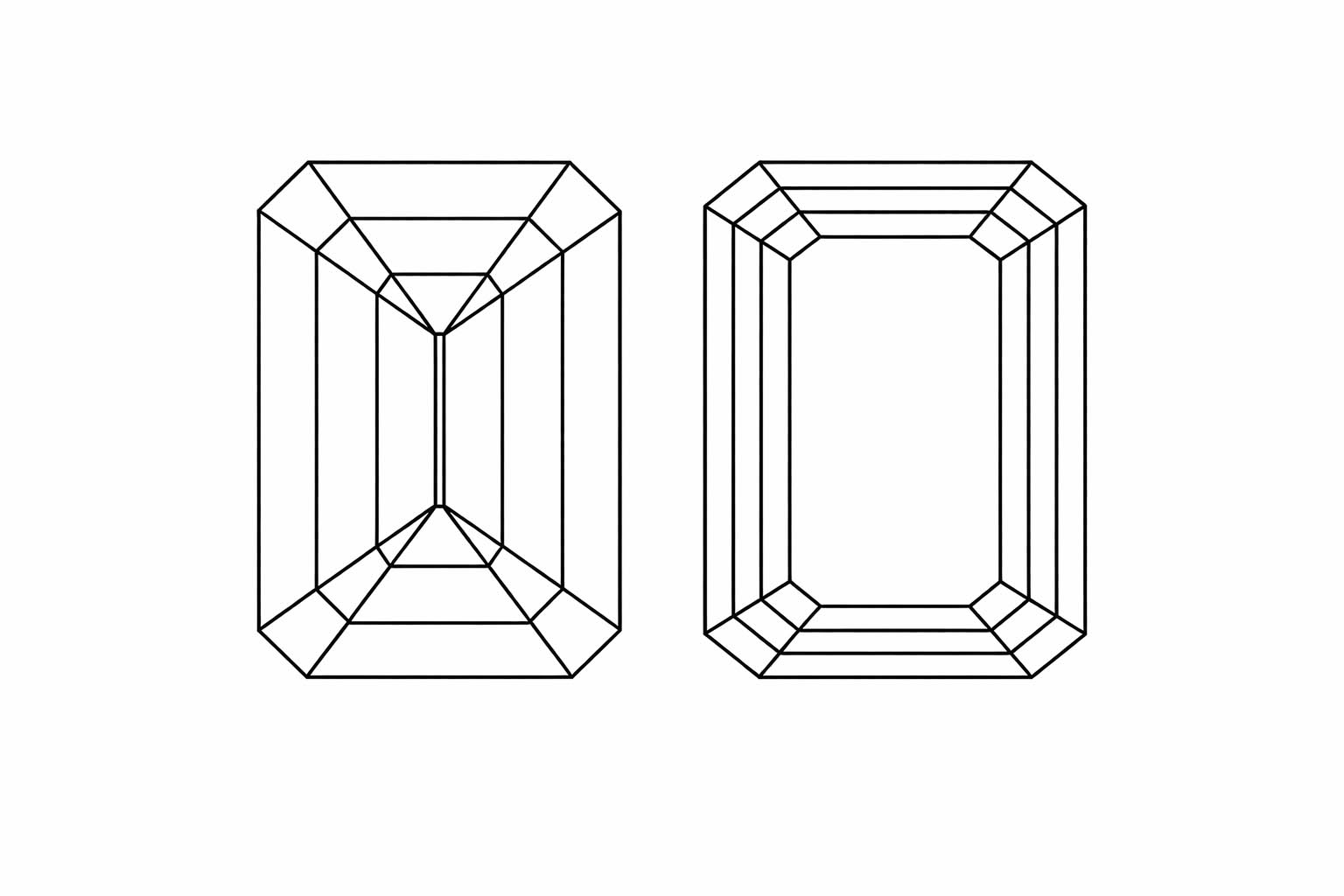
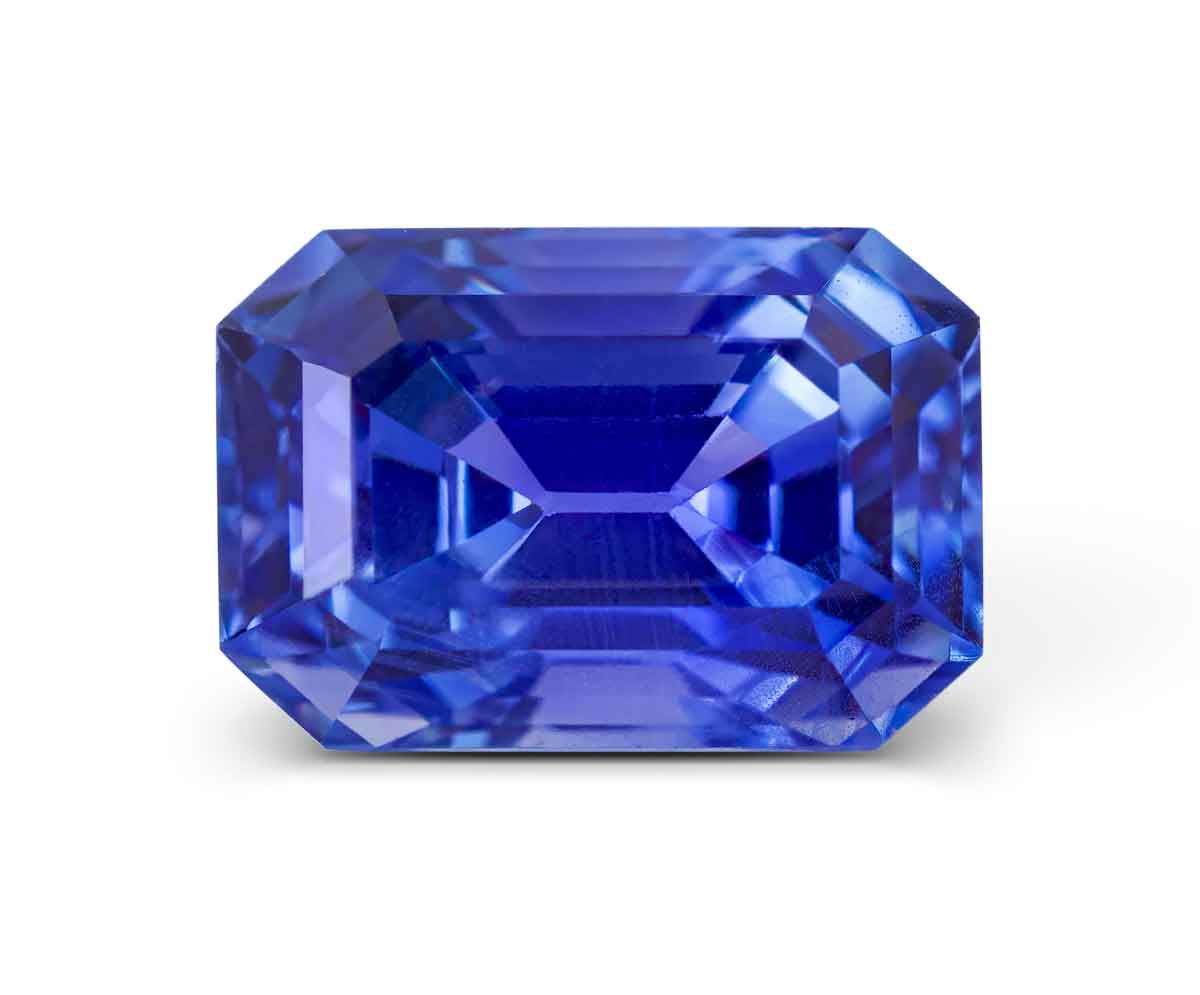
Weight behaves unevenly across the chromatic spectrum, and five carats illustrates this clearly. Sapphire in unheated condition, copper-bearing tourmaline, fine spinel, and vivid garnet each reach this size with different frequency, so a five-carat stone of one variety may sit comfortably within available production while another represents a genuinely scarce specimen. Cutting choices respond to this: emerald and step cuts reveal saturation and clarity in continuous planes, while cushions and ovals maximize brilliance, and matched pairs at this weight grow considerably harder to assemble, since color consistency across two large crystals demands selection from a far wider pool.
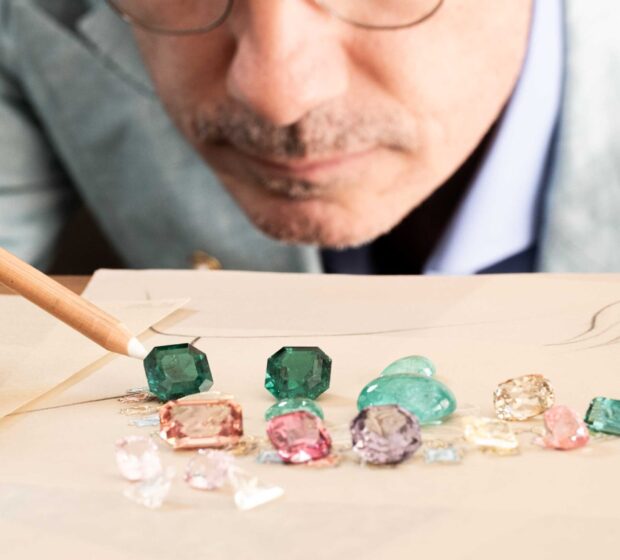
The gemological expertise developed by Eduard Grygorian, IGI Colored Stones Grader, informs the selection standards applied to rare gemstones at this weight. Where the certificate accompanies the stone, laboratory documentation from GIA or specialist gemological laboratories confirms natural origin, treatment status, and geographic provenance, and stones undergo gemological examination in which spectroscopic analysis and inclusion signatures establish identity.
Acquiring Collector-Grade Gemstones at This Weight
For the serious collector, five carats marks a meaningful point of acquisition: large enough that rarity drives value decisively, and a size at which certification and provenance documentation become essential rather than supplementary. Acquired in loose form, collector-grade colored stones remain independently gradable, suitable for bespoke commissions, and unmodified in condition, qualities that underpin long-term resale value within a category where finite supply sustains lasting demand.
Grygorian Gallery offers private consultations on the gemological characteristics, provenance, and rarity factors that define large loose gemstones at this weight, from its gallery in Monte-Carlo.