One Color, Several Geological Sources
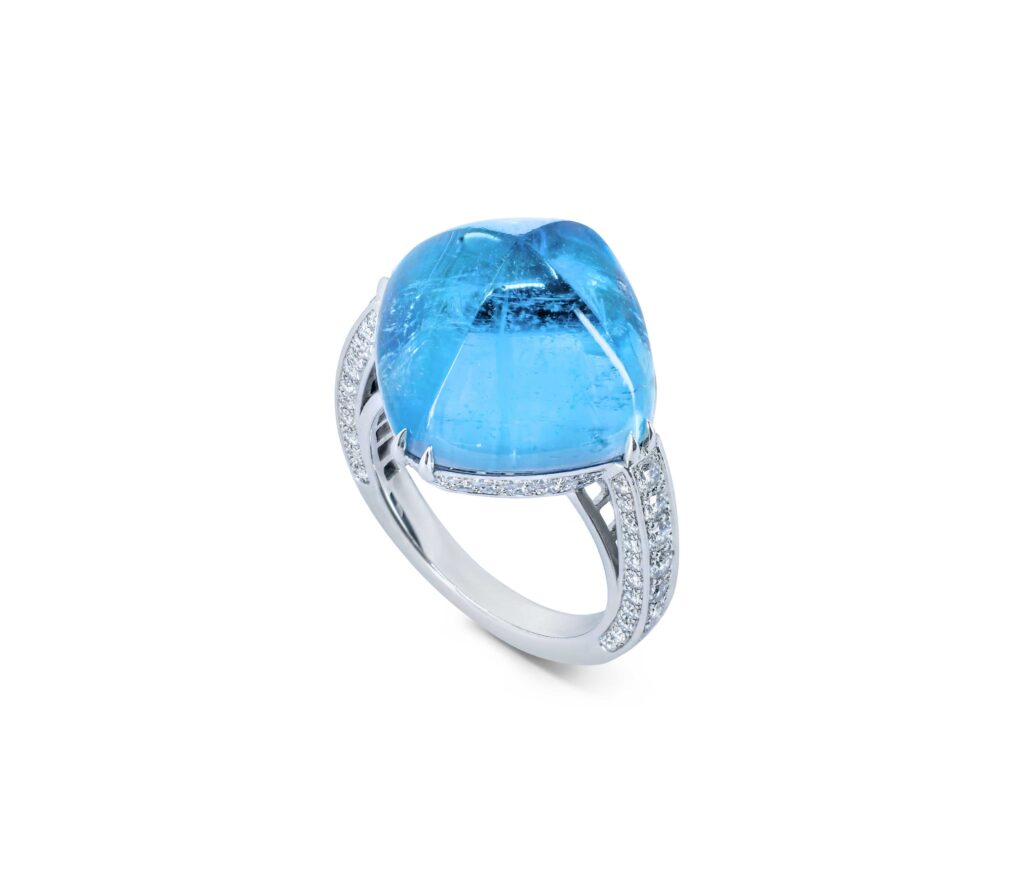
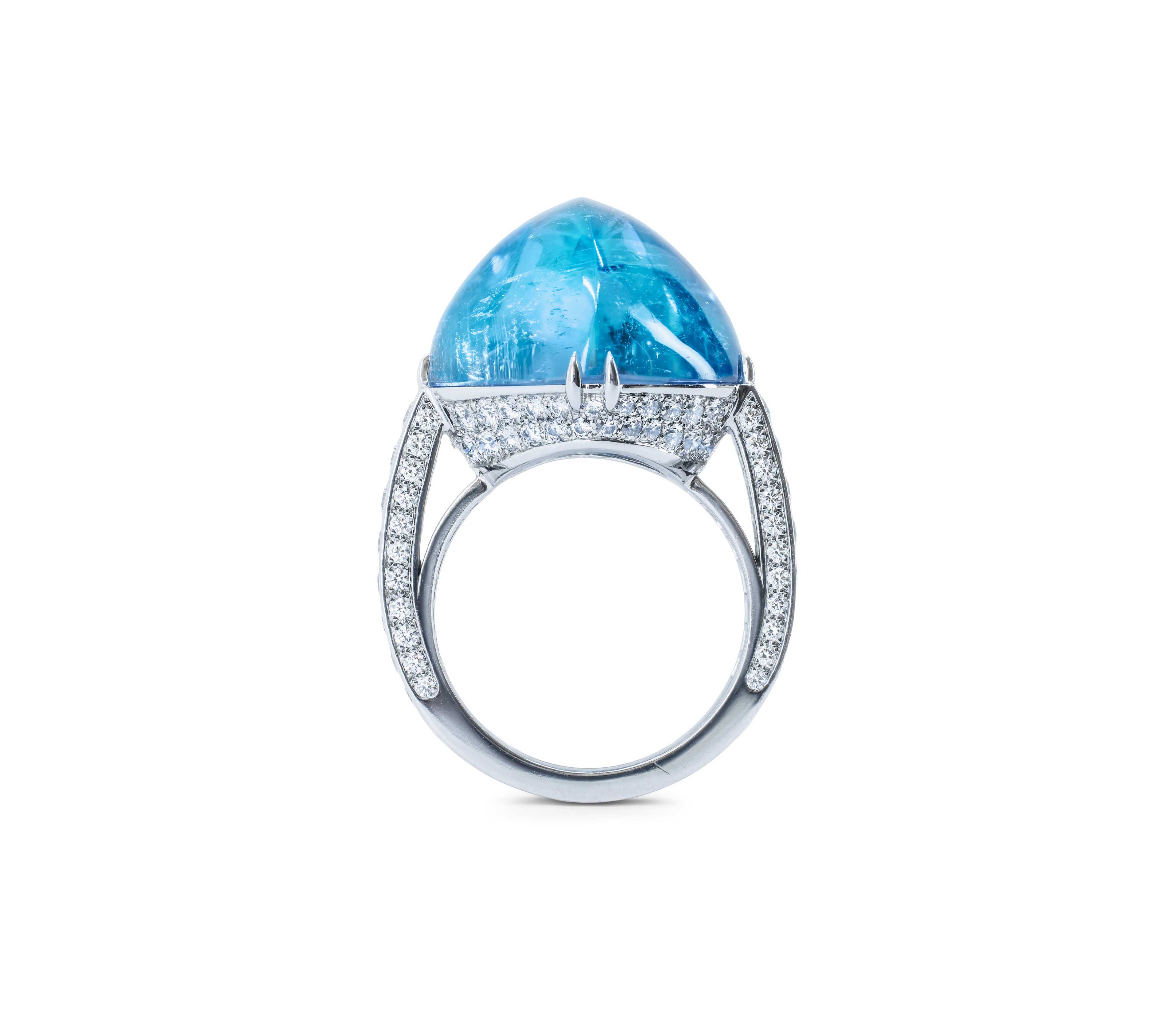
Blue is not a single phenomenon in the mineral world but a convergence of unrelated causes. The eye reads one color; the geochemistry behind it differs entirely from one species to the next, and that divergence is the foundation of rarity for stones of this hue.
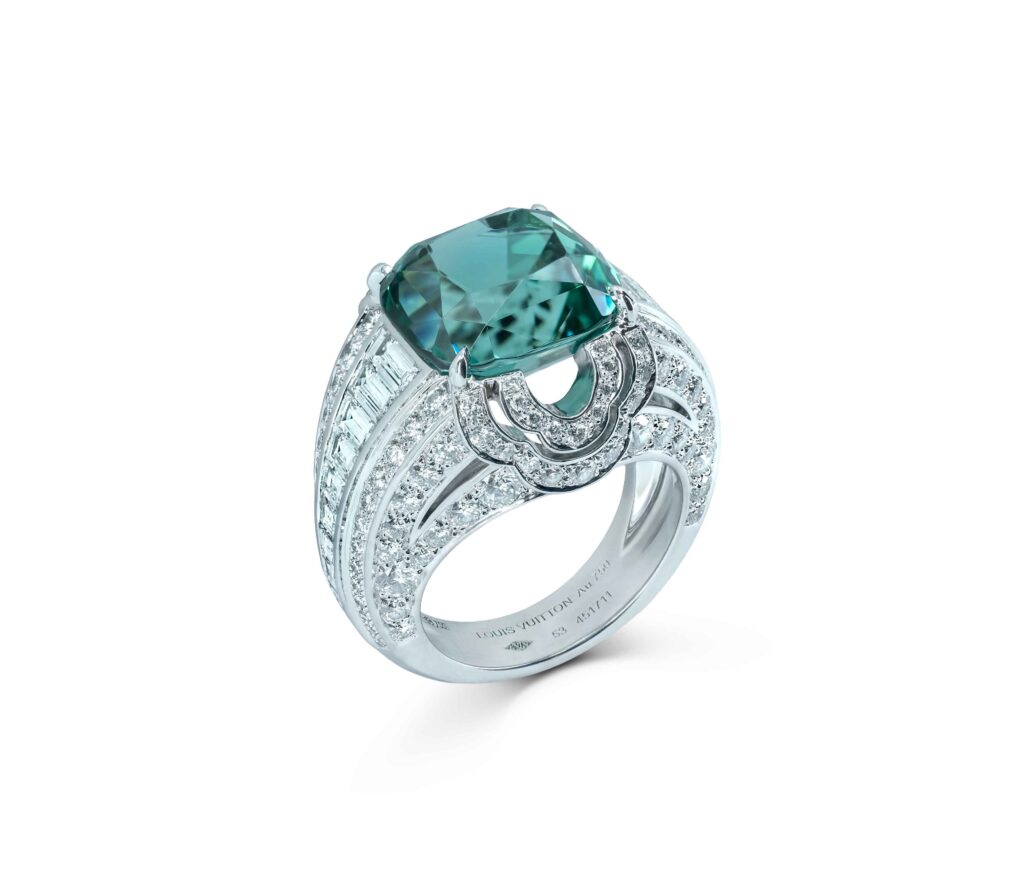
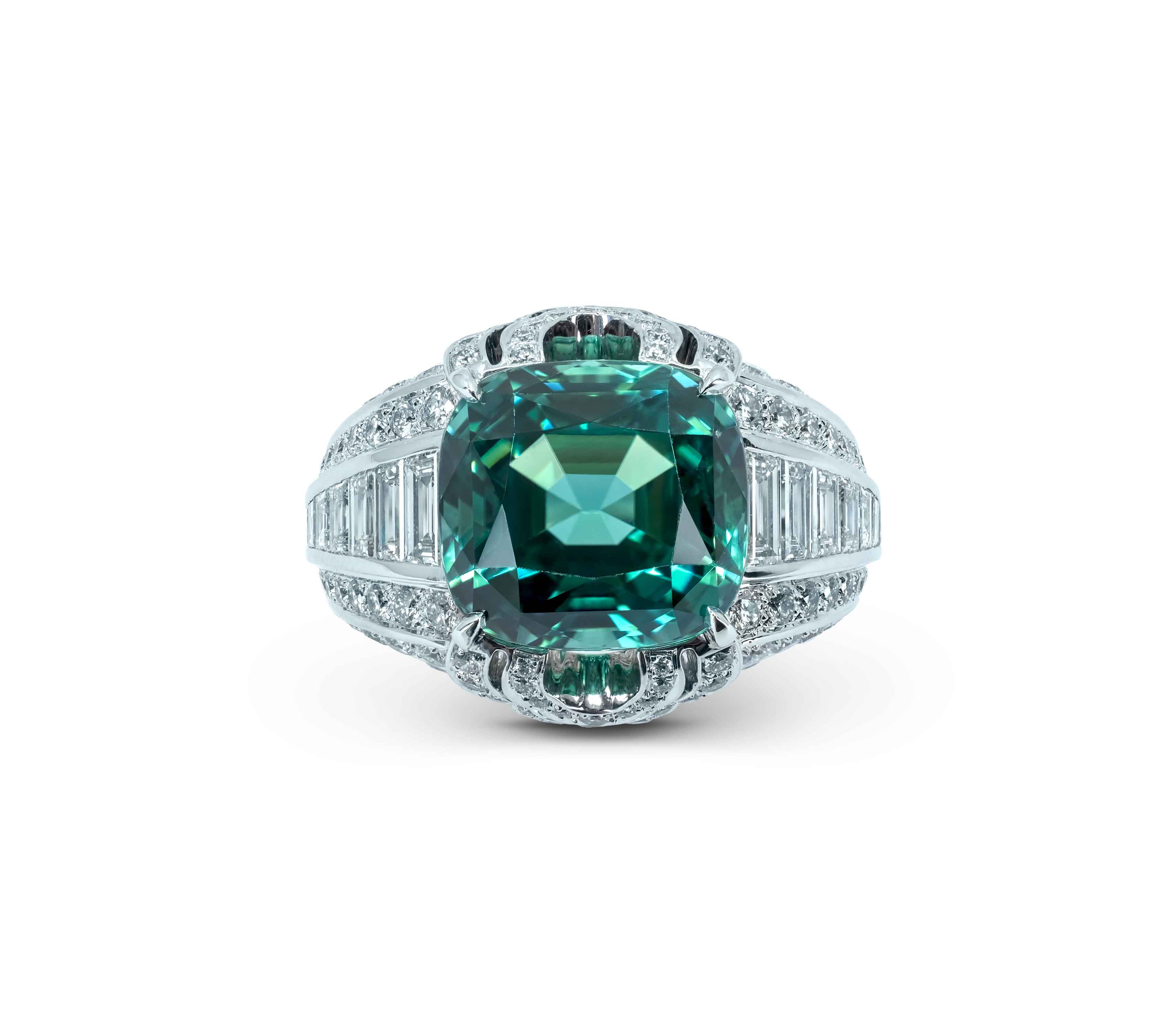
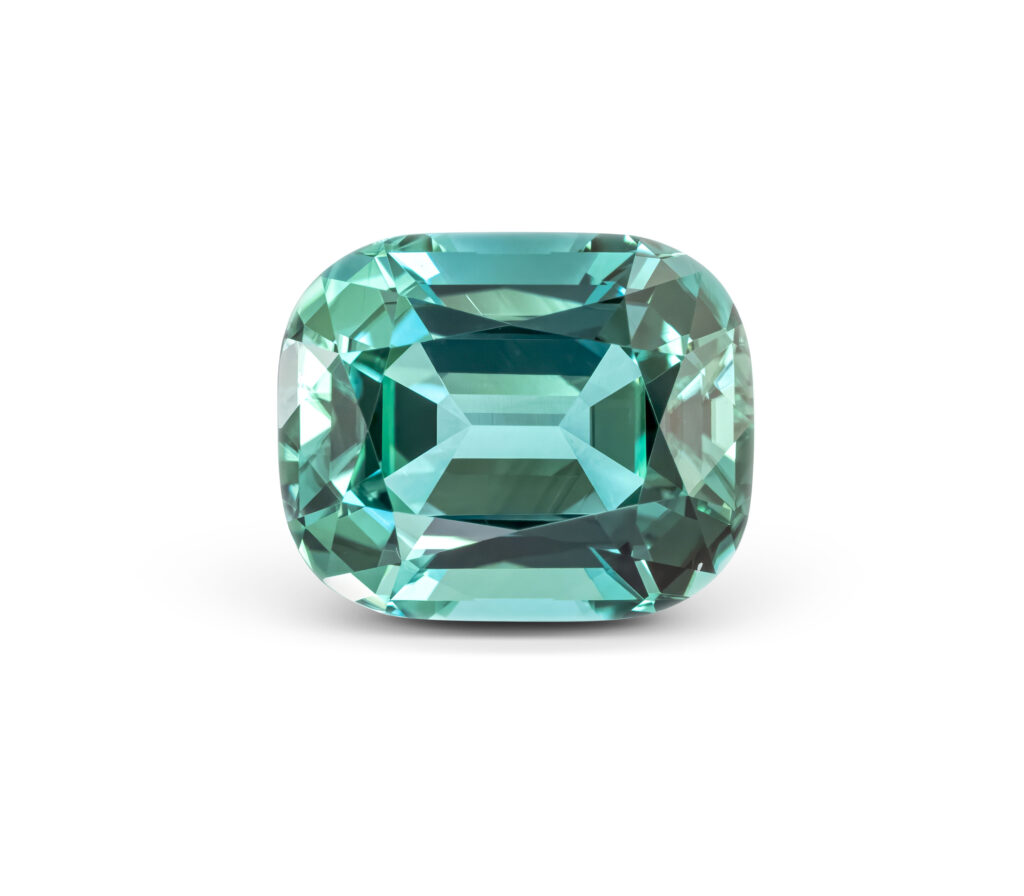
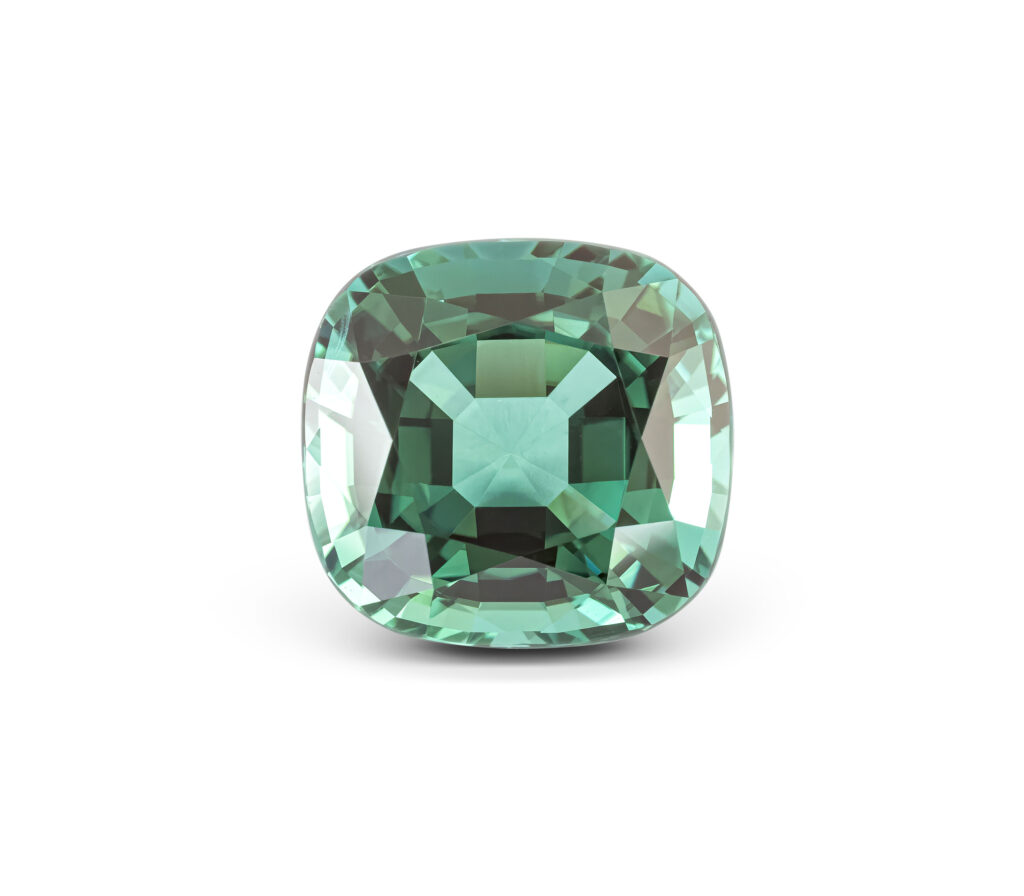
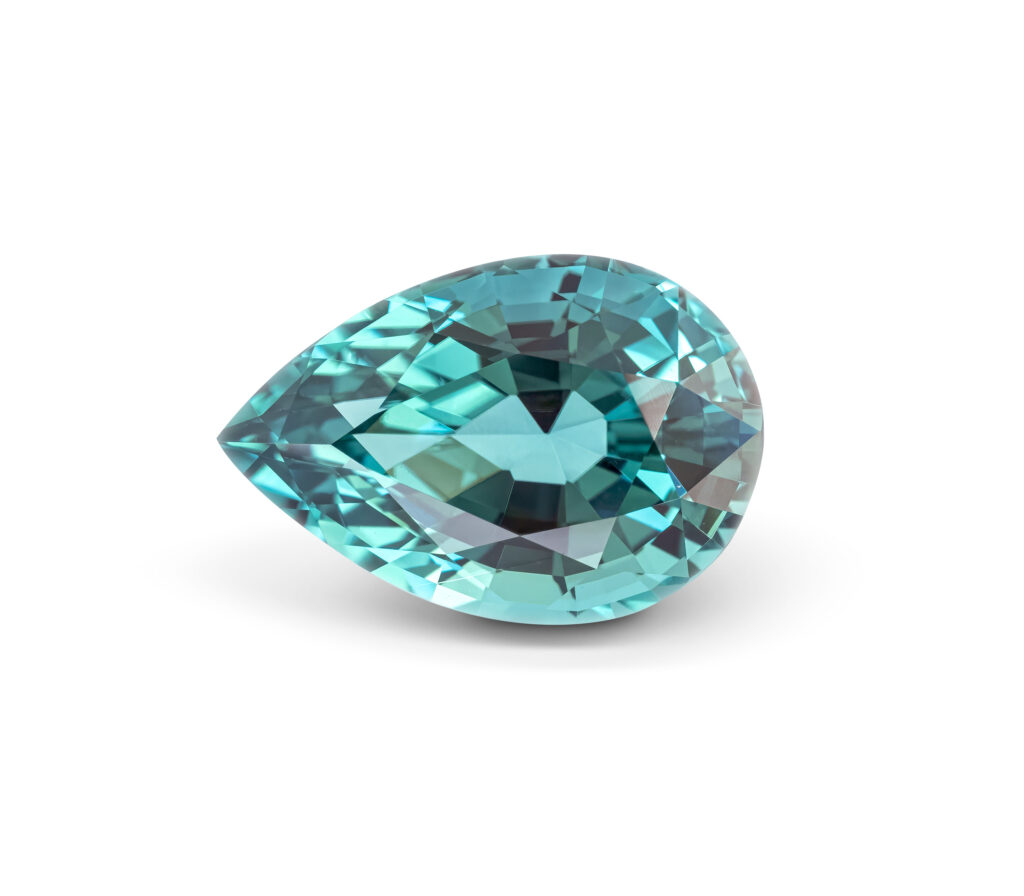
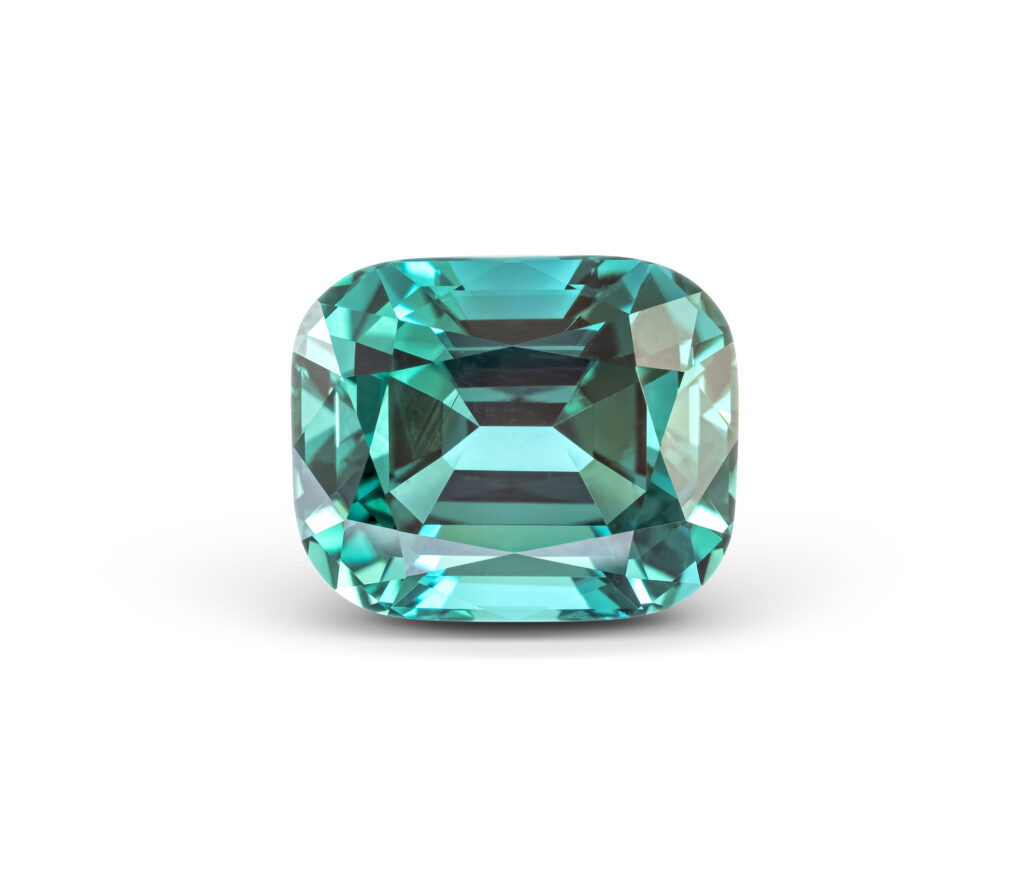
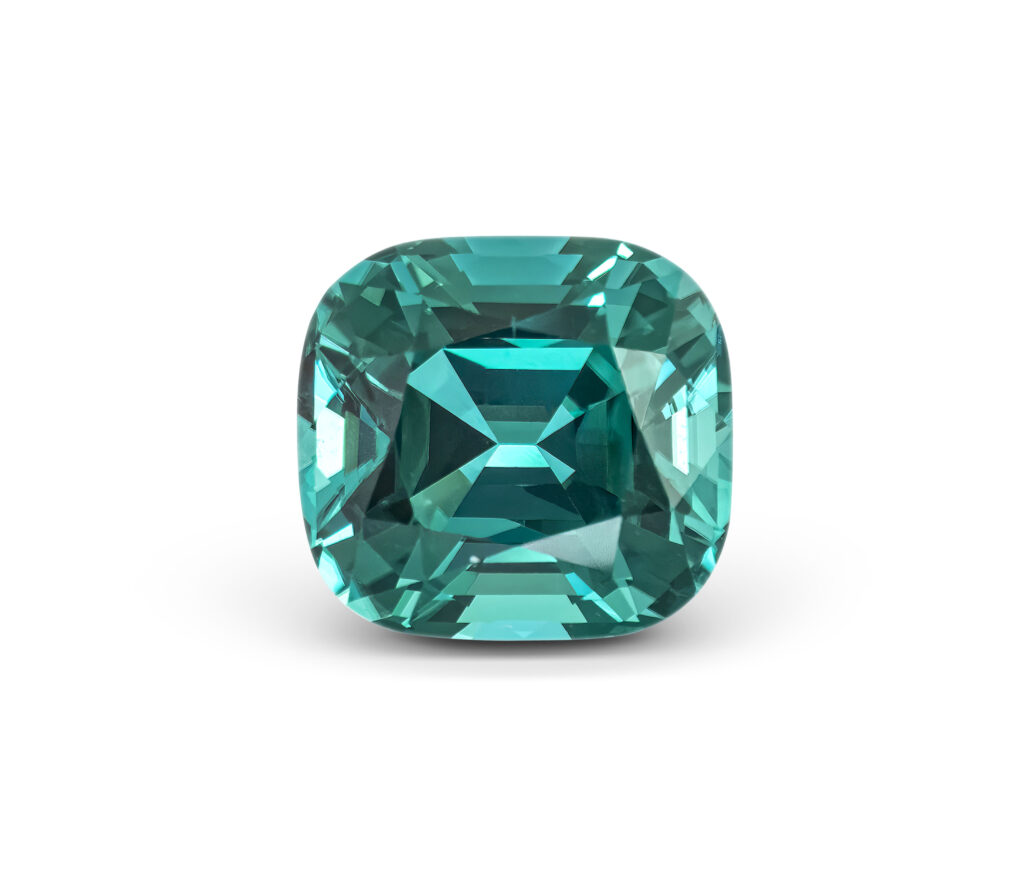
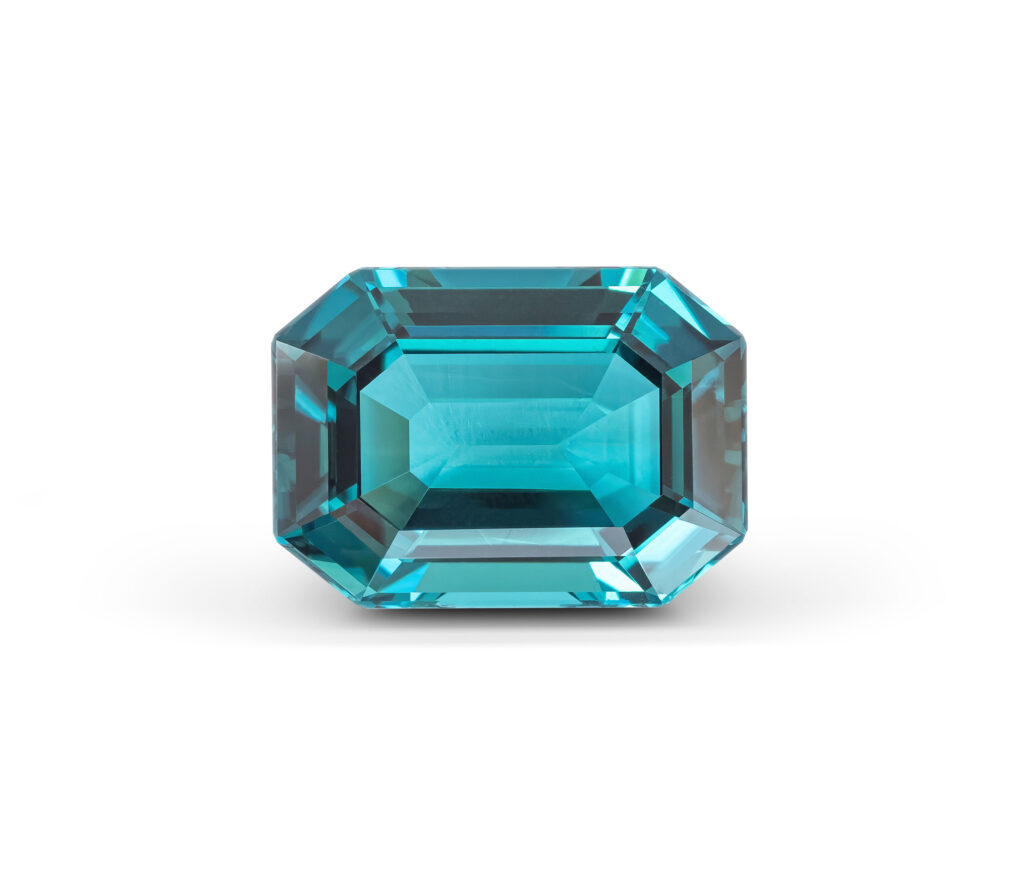
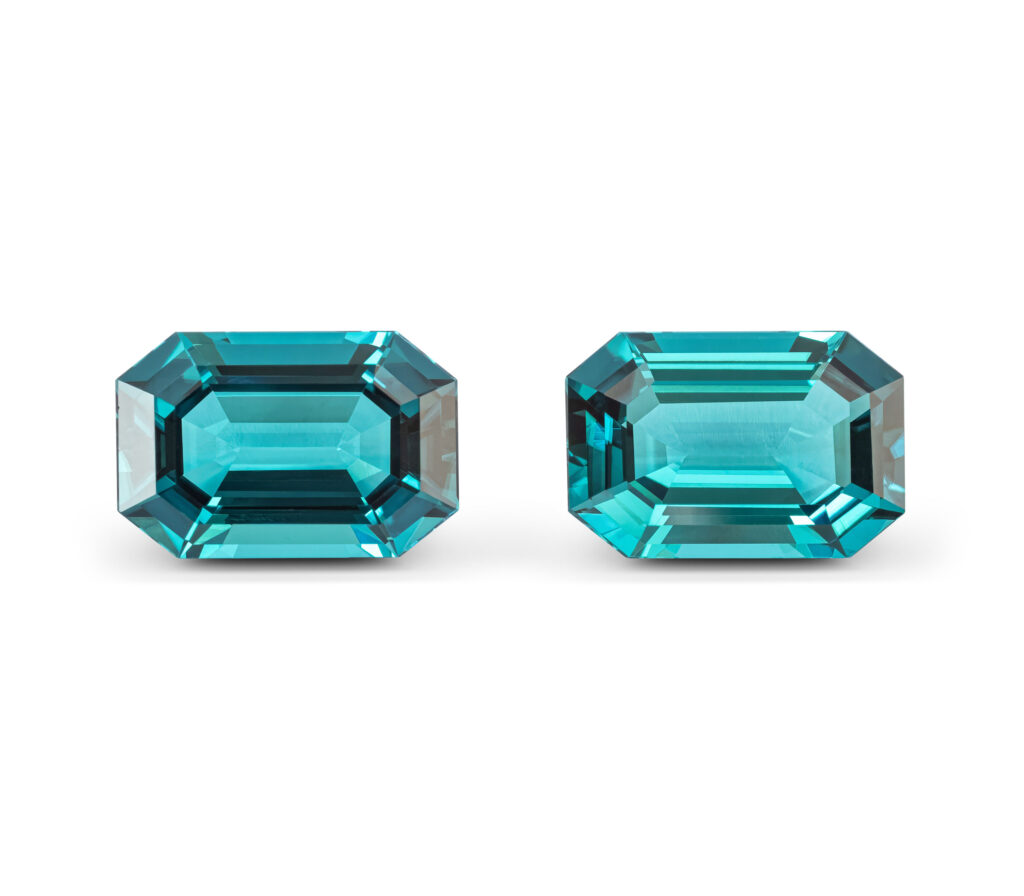
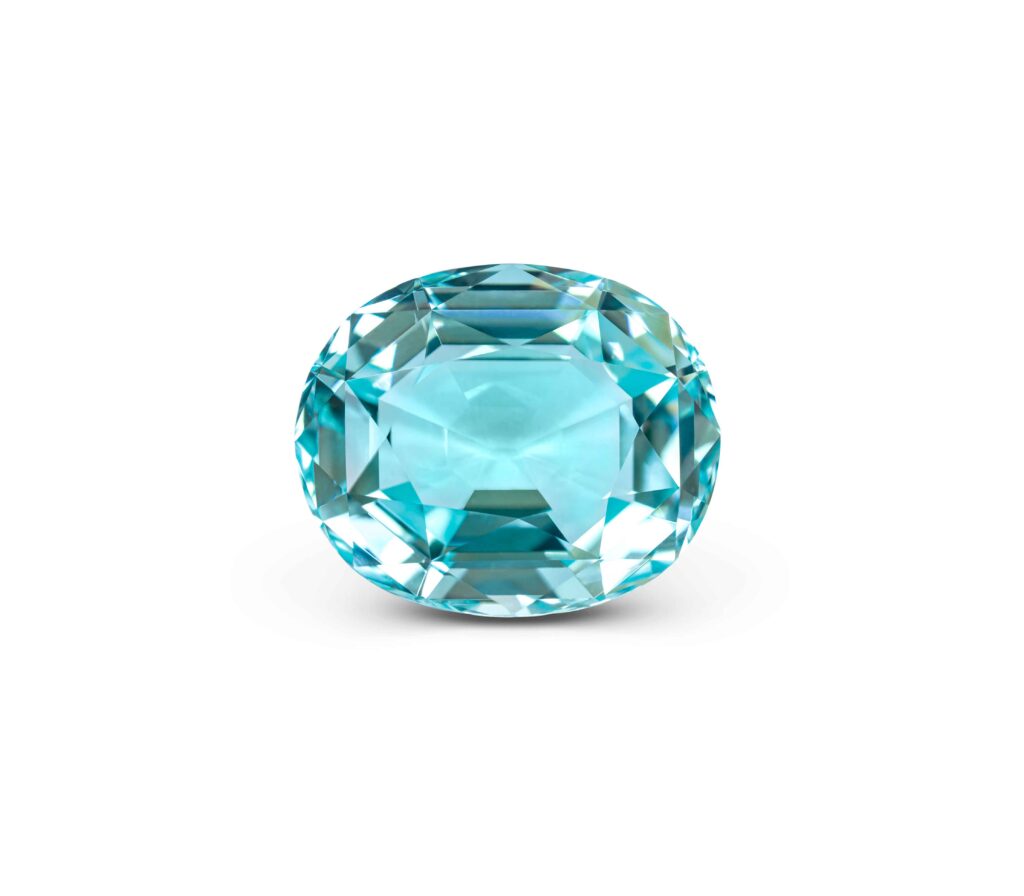
Sapphire is the reference point. Its celebrated blue arises from trace iron and titanium interacting within the corundum lattice, a mechanism refined to velvety perfection in the finest historic material and unmatched for durability across the entire spectrum. Cobalt-bearing spinel reaches a vivid, electric blue through an altogether different element, cobalt, and the best examples rival fine sapphire in saturation while remaining consistently free of treatment. Copper-bearing tourmaline, the Paraíba type, produces its unmistakable neon blue-to-green glow from copper and manganese traces, a color phenomenon unique in the gemstone world and impossible to replicate synthetically.
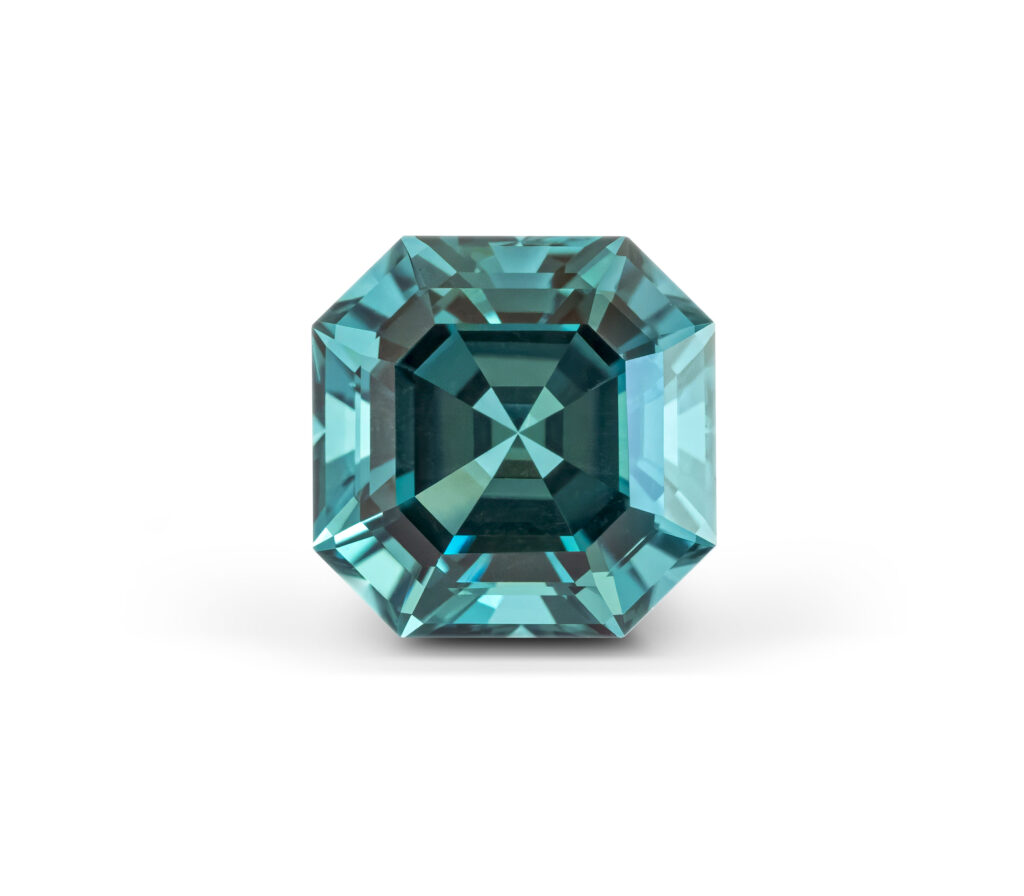
Because these blues descend from different elements, tone becomes diagnostic. A pure cornflower carries different associations from a deep royal or an electric neon, and the specific character of a blue often points to both its species and, through laboratory analysis, its geographic origin. This is what makes blue so rewarding to collect: the color spans a genuine range, and each register within it represents a distinct gemological proposition rather than a variation on one theme.
The Grygorian Gallery Selection in Blue Tones
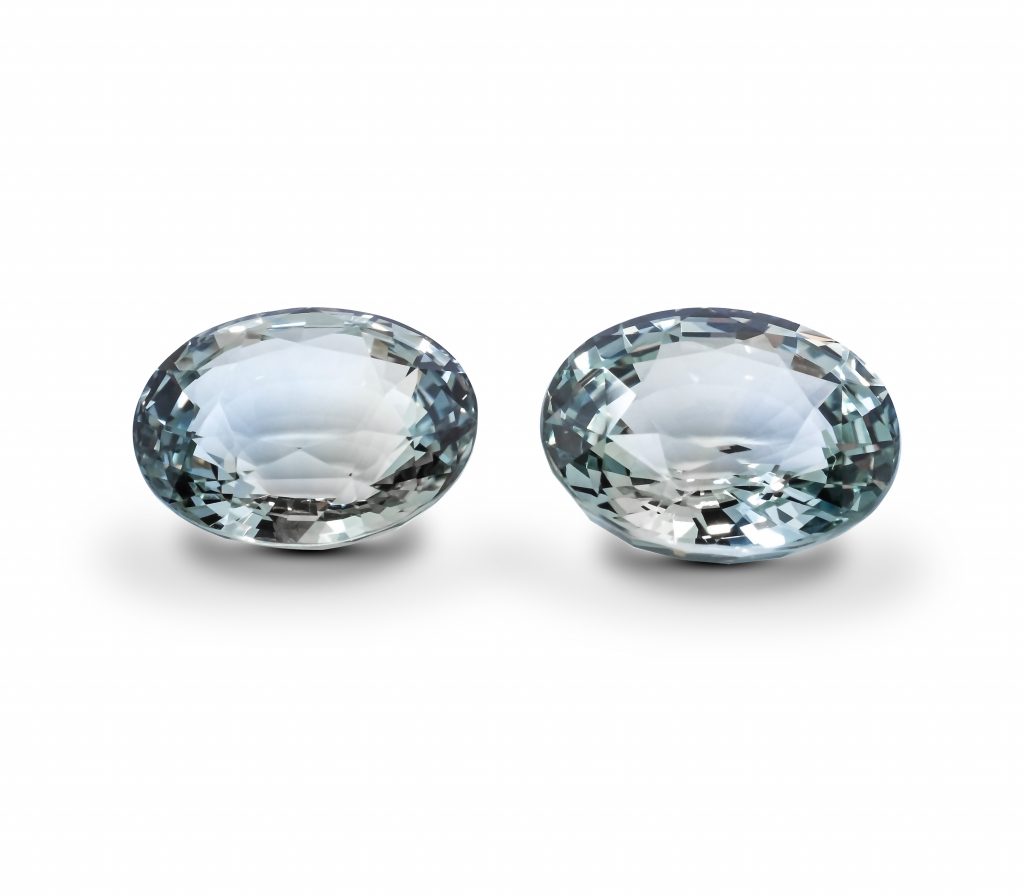
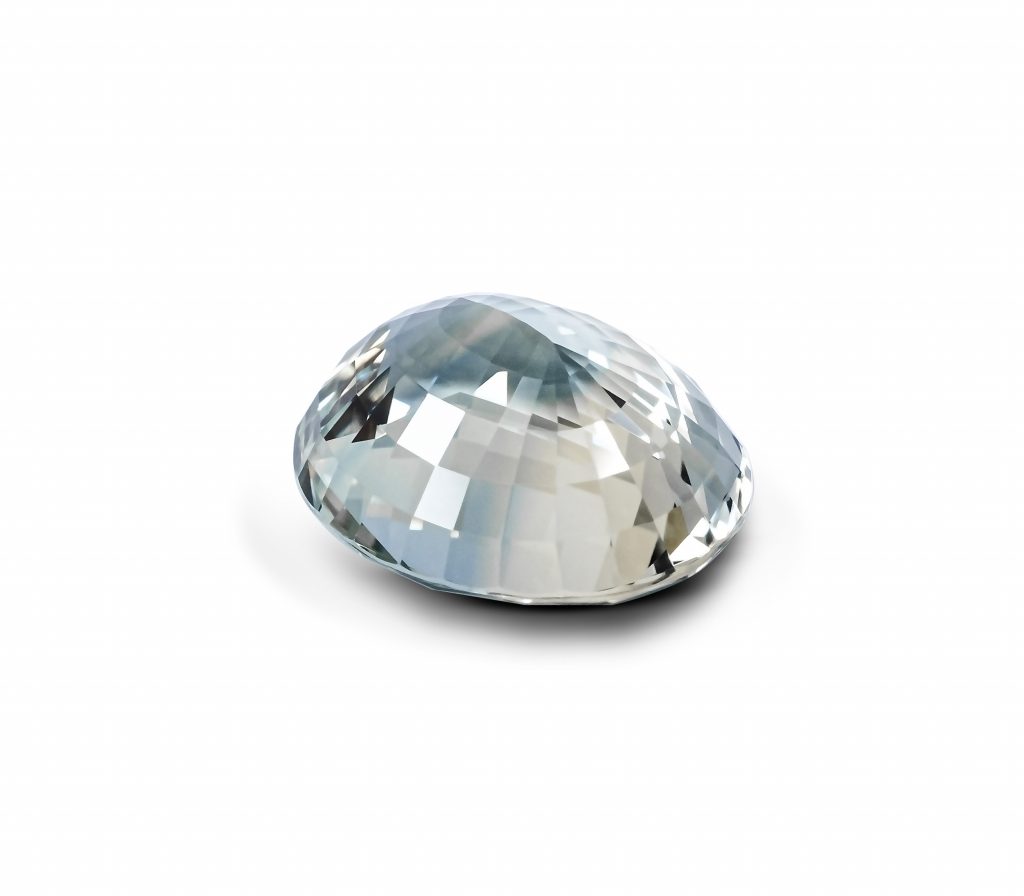
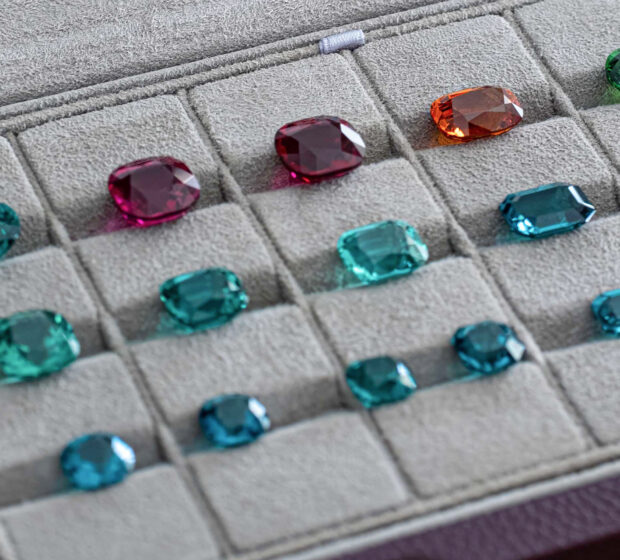
Once the source of a blue is understood, quality turns on how evenly and richly the color is expressed. Rare colored stones that periodically enter the selection in this hue are chosen for saturation distributed cleanly through the crystal, transparency that withstands close examination, and precision cutting that carries color through the full volume of the stone.
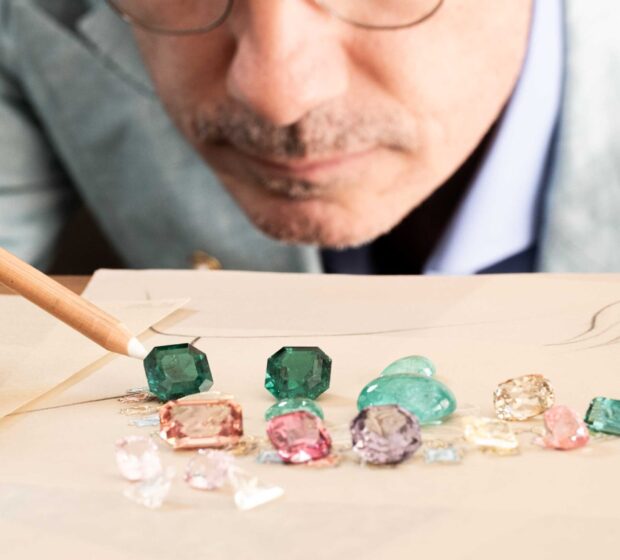
The gemological expertise developed by Eduard Grygorian, IGI Colored Stones Grader, informs the selection standards applied to blue gemstones, from origin assessment to the treated-versus-untreated distinction that bears so heavily on value, particularly in sapphire, where unheated material commands a marked premium. Where the certificate accompanies the stone, documentation from GIA or specialist gemological laboratories confirms natural origin, species, treatment status, and, for copper-bearing tourmaline, the copper content that defines the Paraíba designation; stones undergo gemological examination in which spectroscopic analysis and inclusion study establish provenance where relevant.
Acquiring Blue Stones at Collector Level
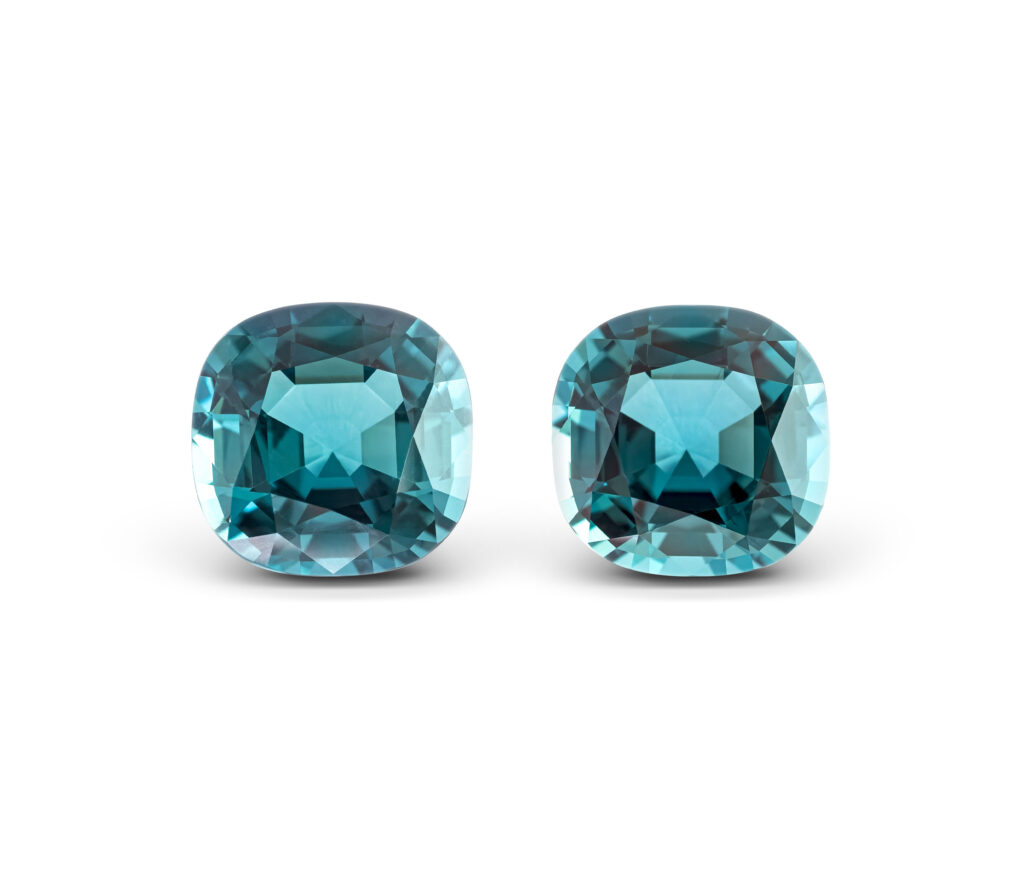
Blue rewards the collector who understands that the color is a family rather than a single stone, and matched pairs at this level grow considerably harder to assemble, since color consistency across two crystals demands selection from a far wider pool.
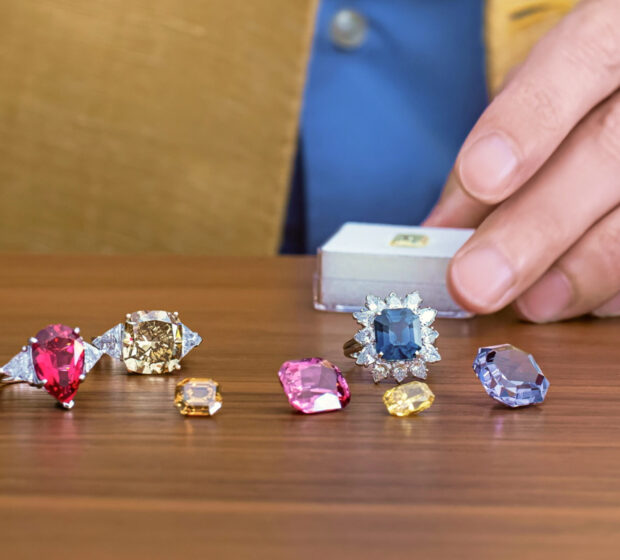
Acquired unset, loose blue gemstones remain fully gradable and independently verifiable, support future bespoke commissions, and retain the estate quality condition that underpins long-term resale value within a category where finite supply of fine material sustains lasting demand for rare natural gemstones. Discerning collectors are invited to explore the selection of rare loose colored stones in blue tones with Grygorian Gallery, at the Palais de la Scala in Monaco.