What Makes Rare Loose Amethyst Exceptional
The term “Siberian” in gemological context refers not to current geographic origin but to a colour standard: deep violet with flashes of red and blue, first associated with historic Ural Mountain deposits where the finest material exhibited this distinctive chromatic layering. Today, specimens meeting this saturation benchmark originate primarily from Rio Grande do Sul in Brazil and select African localities, yet material of true Siberian grade represents a small fraction of global amethyst production.
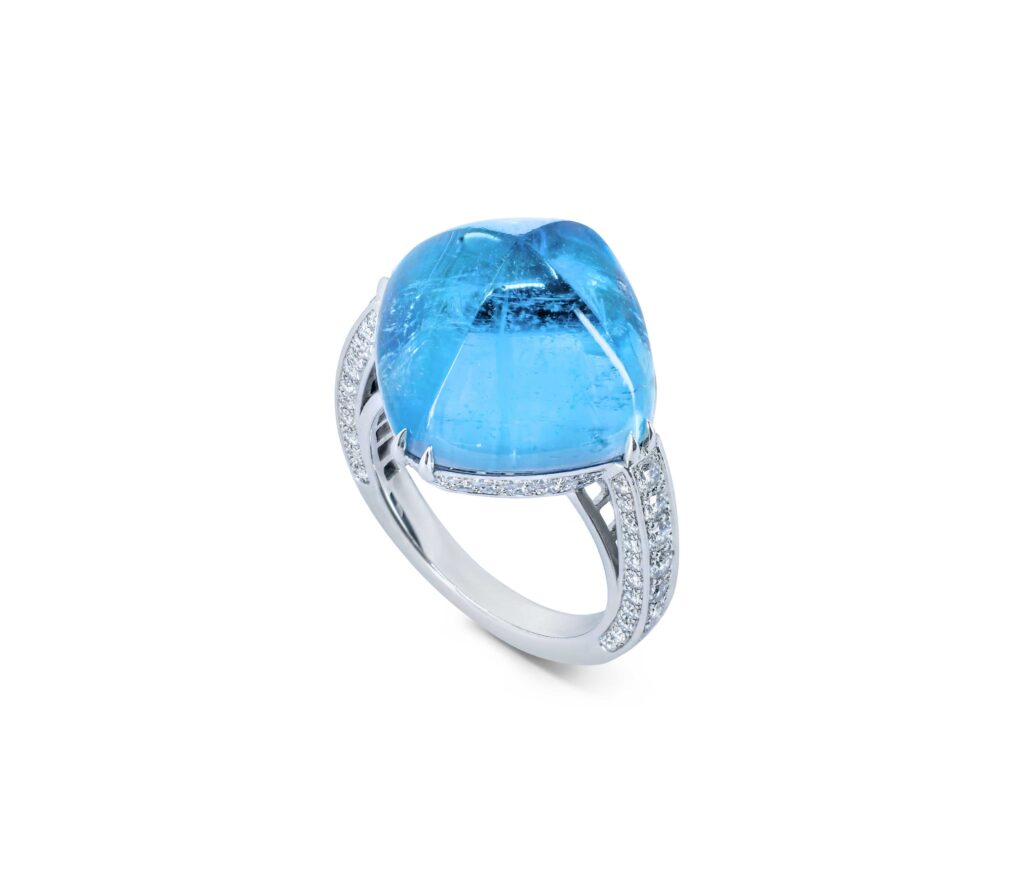
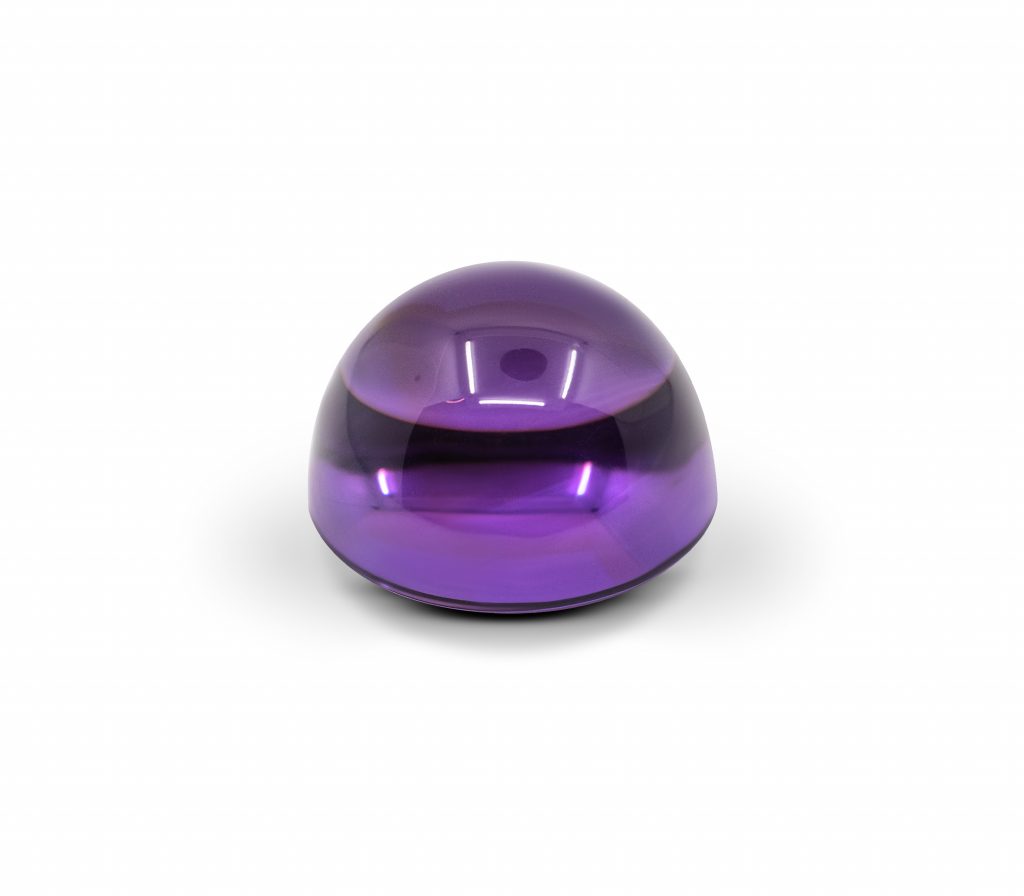
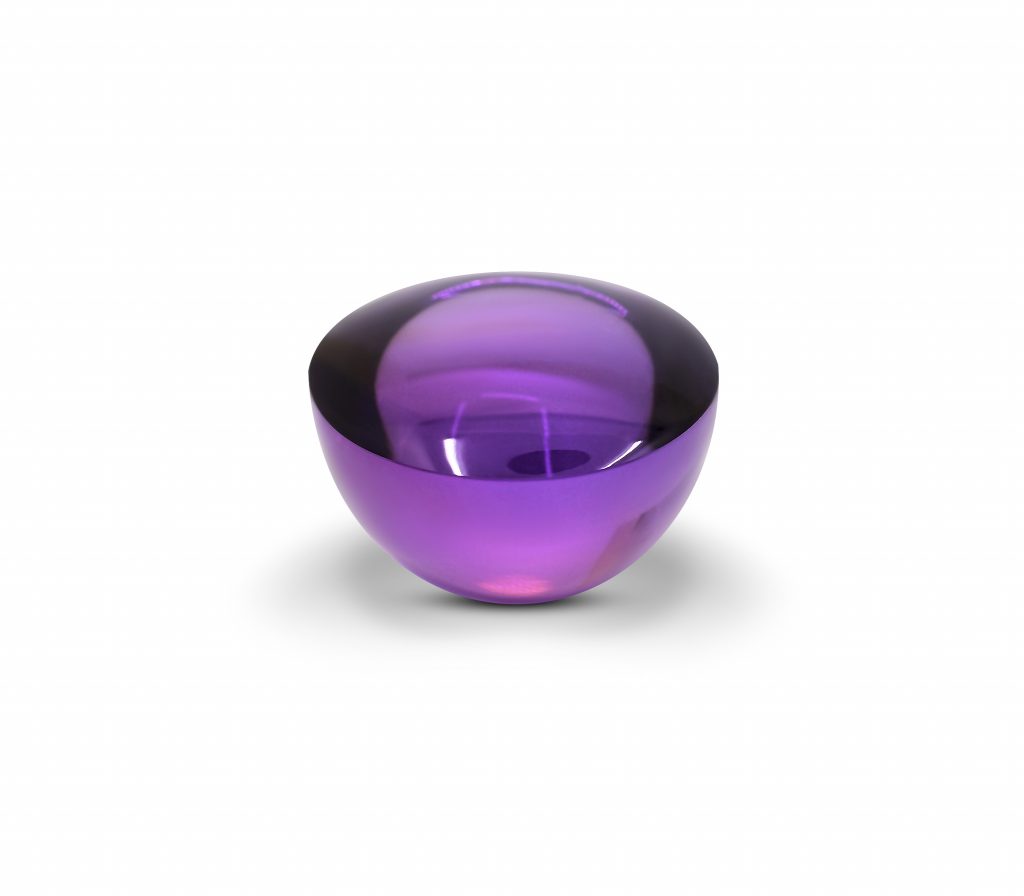
Collector-quality natural amethyst is defined by several converging criteria. Colour must be distributed evenly throughout the crystal without the zoning common in commercial material. Clarity under 10x magnification should show minimal inclusions. Size matters significantly: stones below 10 carats serve primarily as jewelry material, while exceptional rare loose amethyst exceeding 20 carats enters a premium collector category altogether, attracting serious collectors seeking statement pieces with enhanced scarcity value. Cabochon-cut specimens of this weight add a further dimension — the smooth dome surface reveals internal colour depth and translucency that faceted cutting does not always capture.
Provenance, Treatment, and Collector Considerations
Amethyst’s primary authenticity concern in the current market is irradiation. Natural deep colour develops through iron impurities within quartz combined with geological irradiation over millions of years — a process that leaves specific spectroscopic signatures distinguishable from artificially treated material. GIA certification confirming natural colour origin is therefore essential when acquiring high value amethyst for a serious collection.
One characteristic that sets amethyst apart from most other gemstones is photosensitivity. Prolonged exposure to direct sunlight gradually fades purple saturation, particularly in stones with lighter initial colour. Collectors store fine specimens away from direct light with controlled humidity to preserve the original intensity central to long-term value. This practical consideration reinforces why acquiring rare loose amethyst with full documentation — including treatment analysis and origin determination — provides both gemological transparency and a foundation for insurance valuation.
Estate quality specimens from established Brazilian sources demonstrate superior optical properties compared to much contemporary production. Material matching vintage saturation standards appears with decreasing frequency, creating investment quality positioning for timeless pieces with verified provenance whose long-term collector recognition reflects genuine supply constraints.
The Grygorian Collection
The selection prioritises specimens where colour saturation, crystal transparency, and size place the stone outside ordinary commercial parameters. Cabochon cutting deserves particular note in this context: while faceted amethyst dominates the commercial market, a well-executed cabochon in deep-saturation material reveals internal colour richness and translucency that brilliant cutting can obscure. Stones of this type, exceeding 20 carats with genuine Siberian-grade colour, represent a narrow segment of what reaches the collector market in any given year.
Whether building a collection around a single exceptional piece or acquiring fine loose amethyst as an entry point into high value rare colored stones more broadly, our specialists are available to assess specific gemological characteristics, market context, and the exclusivity factors that underpin long-term price appreciation for each specimen.