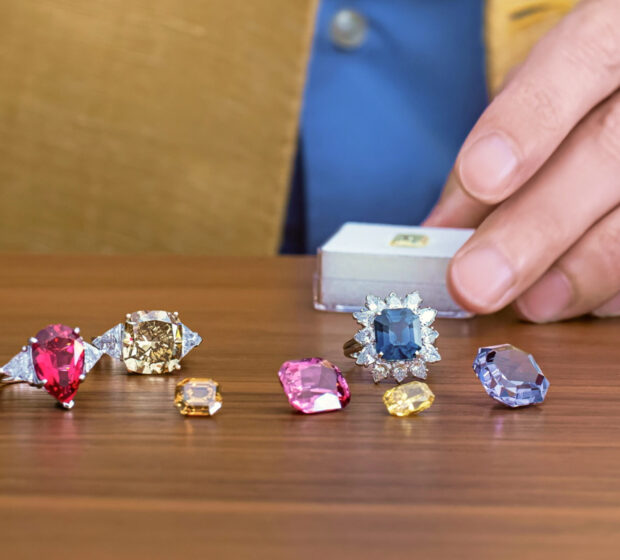
Rarity, Origin, and the Value of Rare Loose Colored Stones
What distinguishes a rare loose colored stone from ordinary commercial material comes down to three converging factors: geographic origin, treatment status, and size relative to variety-specific rarity thresholds. Unlike diamonds, where color is typically a flaw, high value colored stones derive their character from vivid saturation and optical phenomena impossible to replicate synthetically. Exceptional rare natural specimens from legendary deposits consistently command recognition at major auction houses precisely because their sources are geologically finite or largely exhausted.
Size thresholds matter considerably. A 10-carat Kashmir sapphire occupies a different market category entirely compared to stones under 5 carats. The same principle applies across varieties: Paraíba tourmaline beyond 5 carats with neon saturation, tsavorite garnet exceeding 10 carats, fine spinel approaching 15 carats. GIA certification documenting natural origin and treatment-free status remains the baseline requirement for any serious acquisition of rare loose colored stones at this level.
The Chromatic Spectrum
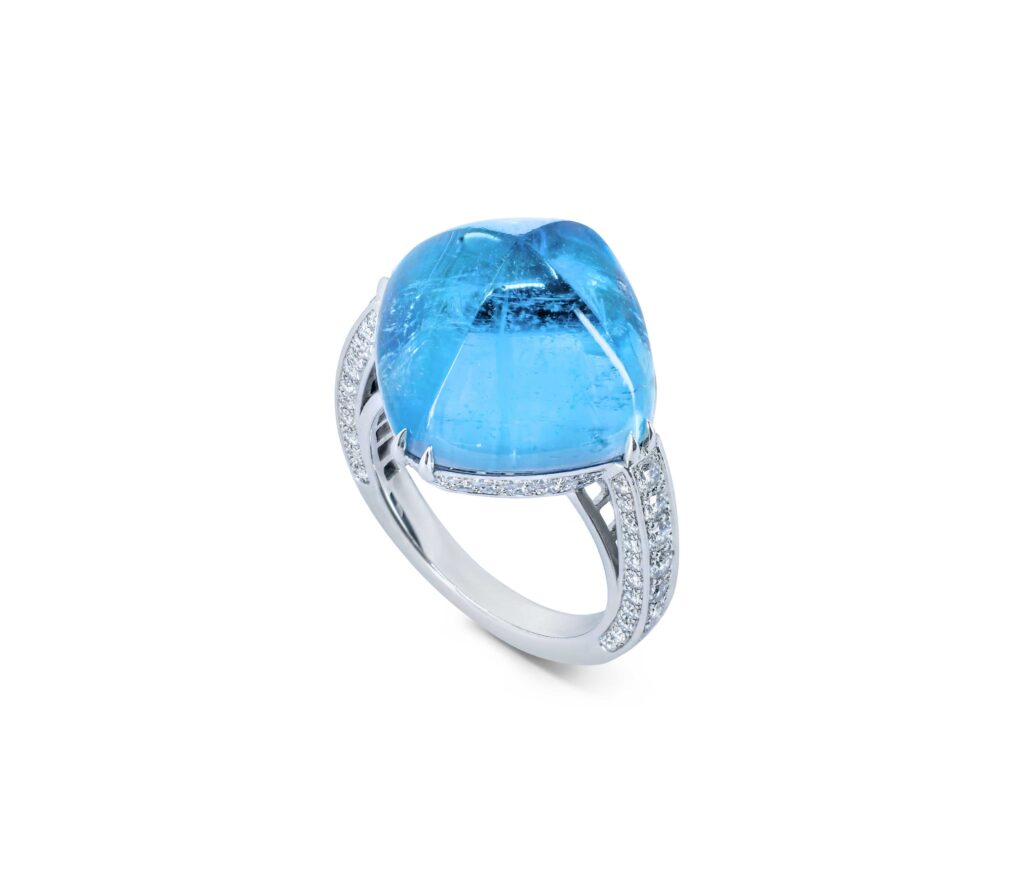
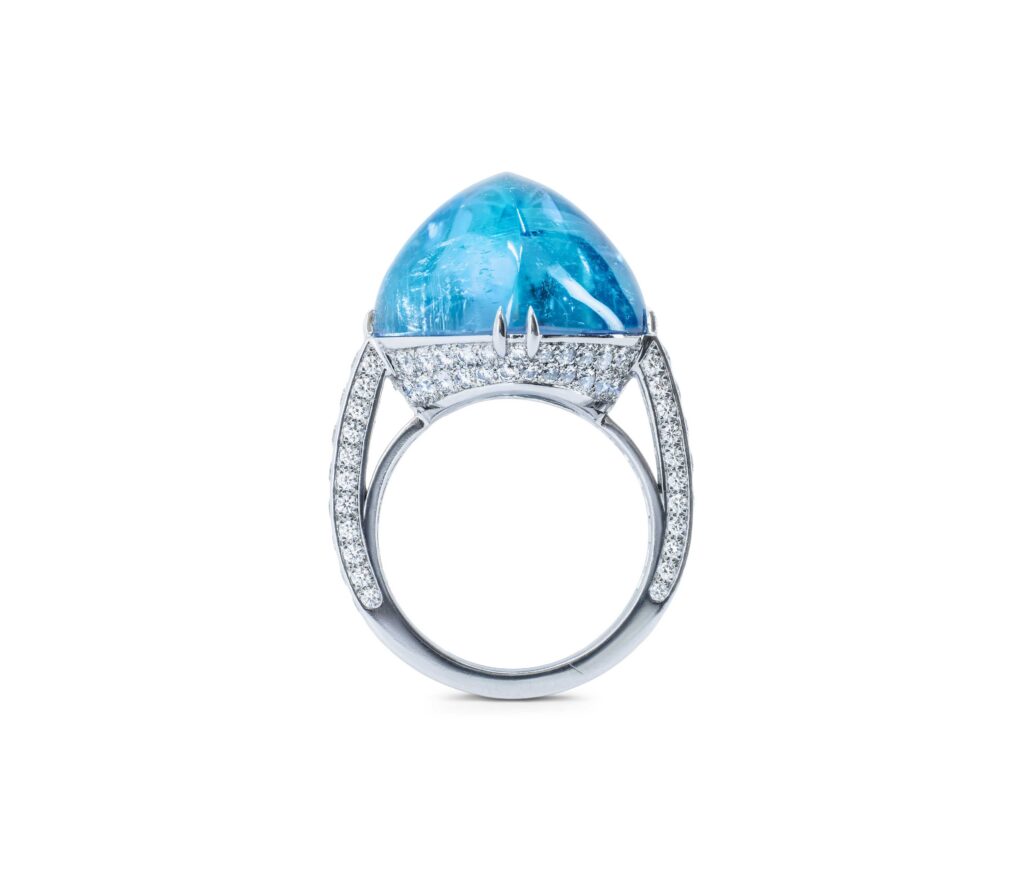
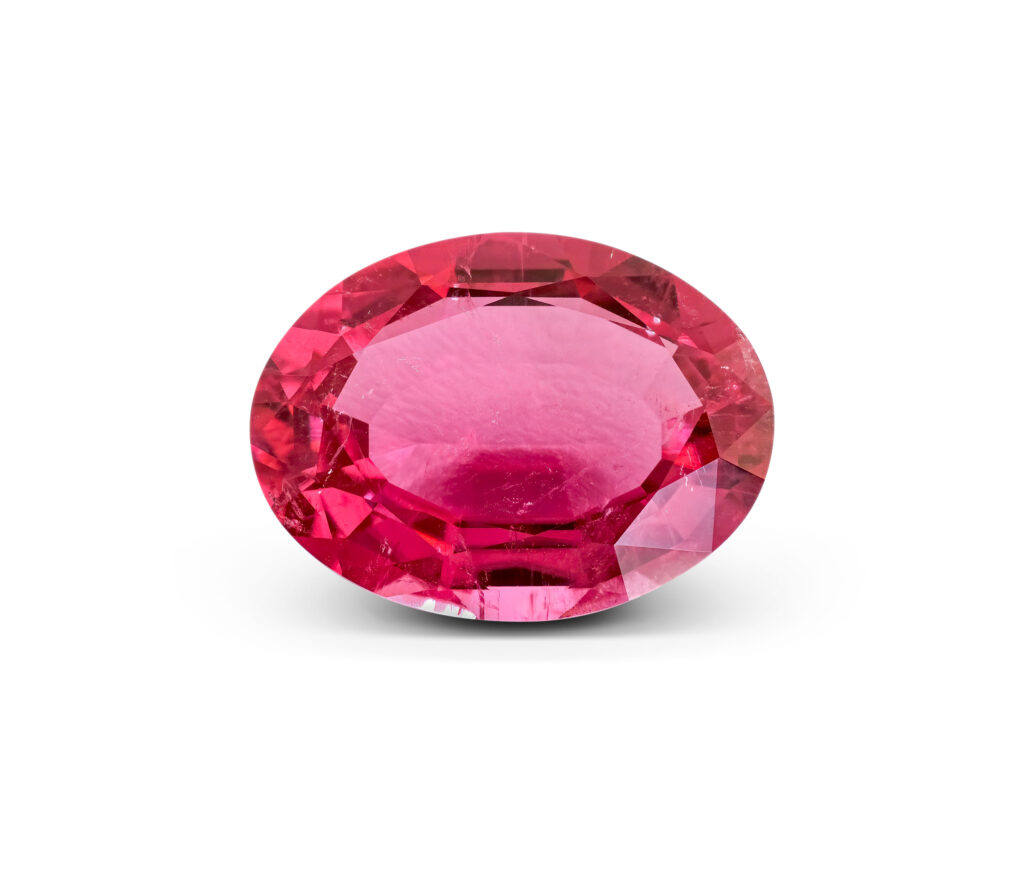
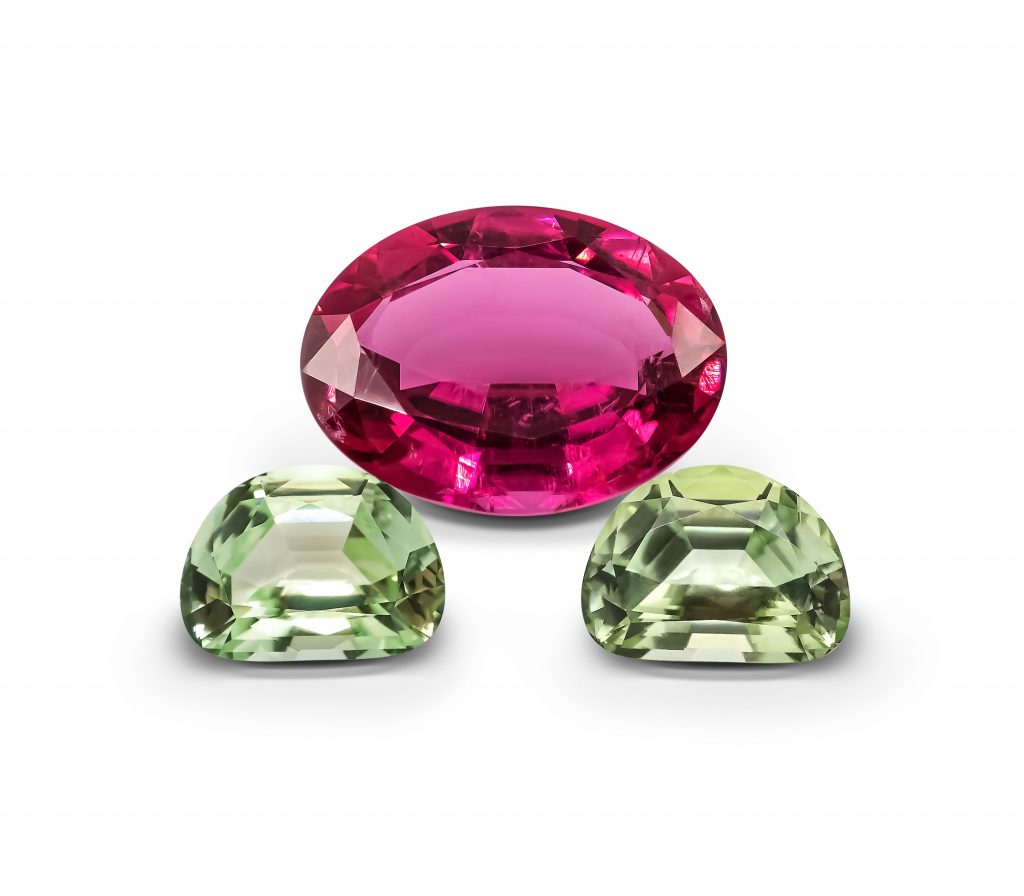
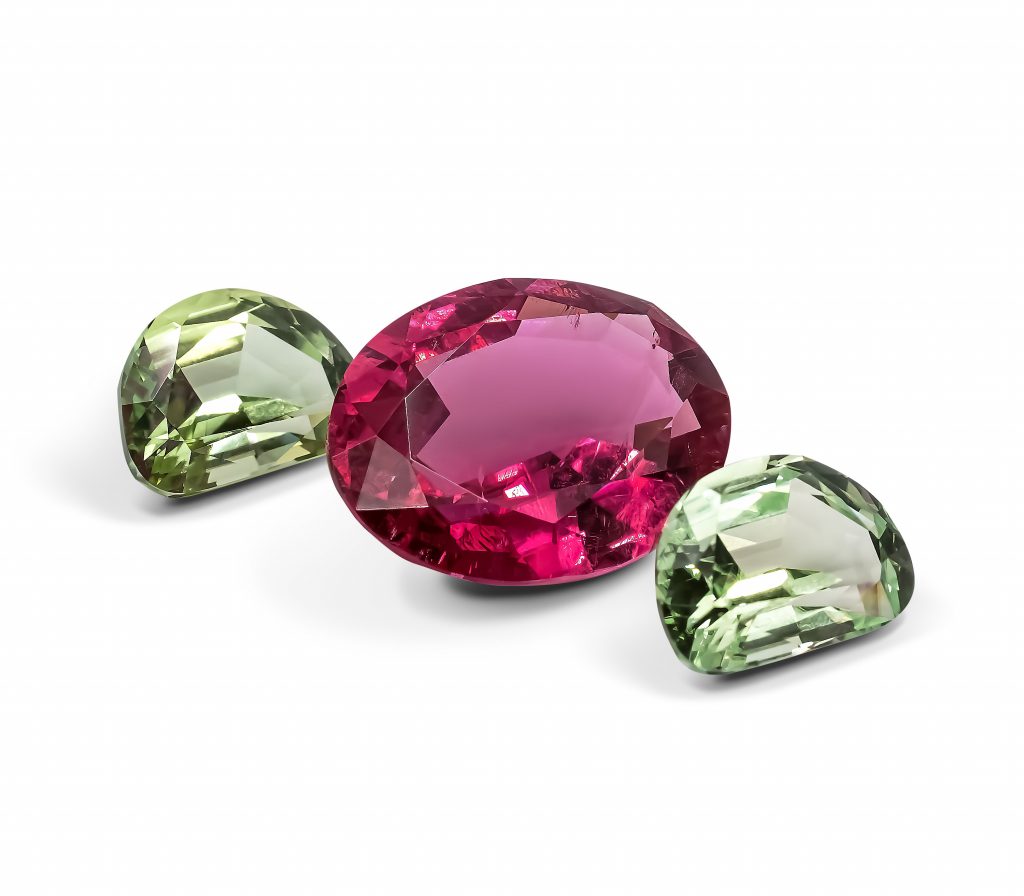
Sapphire anchors the collection with unmatched durability and source diversity — from Kashmir’s silky glow and Ceylon’s crystalline blues to rare padparadscha displaying delicate salmon-orange found in a fraction of Sri Lankan production. Tourmaline offers something different: copper-bearing Paraíba specimens with electric blue-green saturation, vivid rubellite, bi-color precision stones where multiple hues occupy a single crystal.
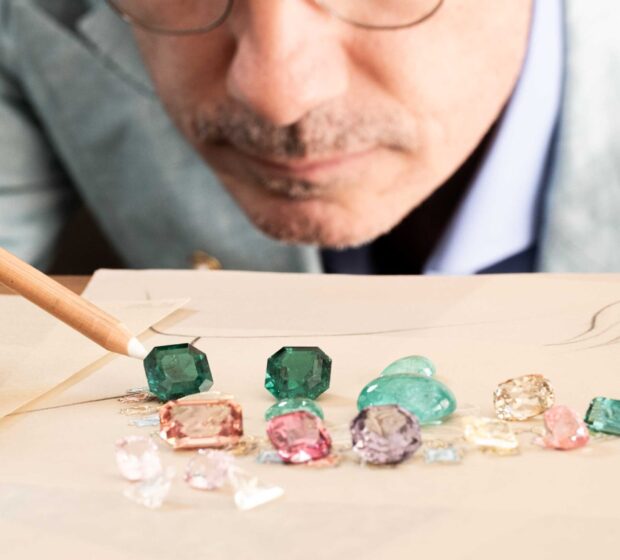
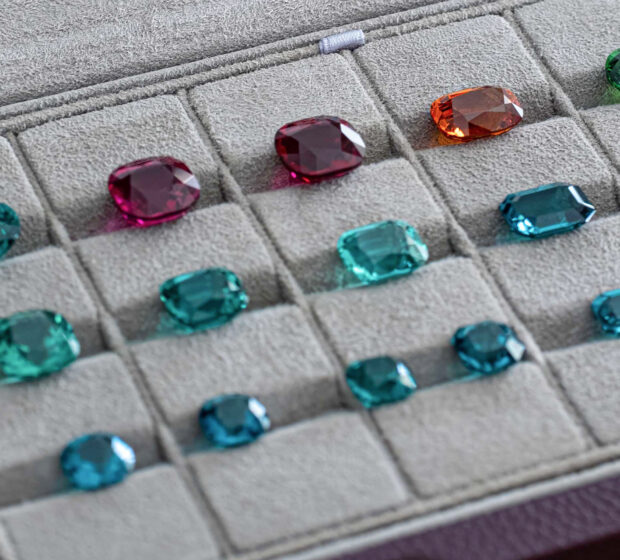
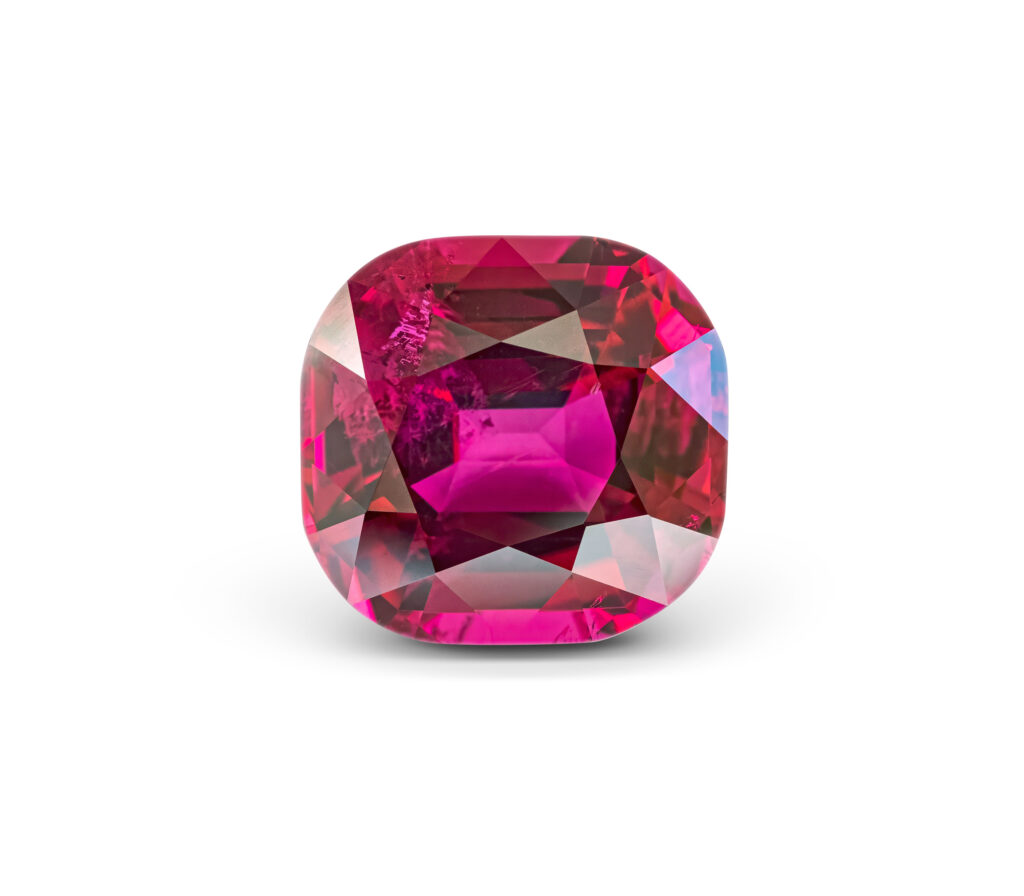
Spinel deserves particular attention. Long confused with ruby, fine loose spinel now stands on its own terms as a premium collector gemstone category: exceptional brilliance, consistent treatment-free status, and a colour range spanning vivid red, cobalt blue, and sophisticated neutral greys. Among garnets, tsavorite rivals the finest emerald for chromatic intensity, while mandarin spessartite achieves pure sunset orange unmatched elsewhere in the rare natural gemstone world. For collectors entering the market, deep Siberian-grade amethyst exceeding 20 carats offers genuine rarity at more accessible price points.
Authentication, Provenance, and Long-Term Value
Every certified rare loose gemstone in the collection is accompanied by documentation from GIA or specialist gemological laboratories — covering origin determination, treatment disclosure, and where relevant, color cause analysis. Spectroscopic examination and inclusion pattern identification establish geographic provenance with the precision that serious collectors require.
Acquiring stones in loose form carries practical advantages beyond aesthetics: unset gems allow accurate independent grading, support future custom commissions, and maintain estate quality condition that underpins resale value. Christie’s, Sotheby’s, and Bonhams auction records consistently reflect strengthening demand for heritage pieces from depleting sources — Kashmir mines yielded minimal material after the early 20th century, Brazilian Paraíba production windows were brief, and historic Burmese deposits face growing scarcity. For timeless assets of this calibre, provenance documentation isn’t a formality: it’s foundational to long-term price appreciation and defines the investment quality standard that auction specialists and serious collectors consistently apply.
Our specialists provide personalized consultation on gemological characteristics, origin-specific market context, and collection building — whether the goal is a single statement piece or a suite spanning the chromatic spectrum. Rare natural gemstones of this calibre are acquired first for their beauty and exclusivity. Museum-quality rare colored stones represent high value timeless assets whose character rests on what no manufacturing process can replicate.