





The Longest Unbroken Story in Watchmaking
Most old manufactures wear their founding date the way a family wears a coat of arms — handsomely, and without asking too many questions. A year is inferred from a scrap of evidence, rounded to something memorable, and repeated until repetition hardens into truth. Vacheron Constantin has never needed the courtesy. Its beginning is not a story handed down but a document handed over: a contract, signed before a notary, that has survived every upheaval since.
Founded in Geneva in 1755, the Maison remains the oldest watch manufacture in continuous operation — “the oldest manufacture in uninterrupted activity,” as it puts it itself, with a precision worth noticing. Two and a half centuries have passed over those workshops. Eras have ended, crowns have fallen, borders have been redrawn, owners have come and gone. The benches in Geneva never emptied.
That continuity, and not technical brilliance alone, is what sets the Maison apart. Geneva has never wanted for brilliance. What it has rarely produced is a house whose entire life can be followed page by page — not a respected name so much as a living witness to watchmaking itself, with a chronology one can check against the archives.
Today Vacheron Constantin sits in watchmaking’s holy trinity beside Patek Philippe and Audemars Piguet — three names collectors speak the way other people speak of the great painters. Behind that reverence is nothing so vague as prestige. There is a line, and it can be traced: from a young craftsman’s signature on an apprenticeship contract to the most complicated watches human hands have ever assembled.
Jean-Marc Vacheron: A Signature That Became a Birth Certificate
The founder was Jean-Marc Vacheron (1731–1805), a master watchmaker of Saint-Gervais — the Geneva quarter where the cabinotiers lived and worked. The name came from the cabinets: the rooms under the roof, nearest the windows, where the light arrived first and stayed longest. Work of that delicacy could not be done in shadow. In those attic workshops, one at a time, the Geneva school of watchmaking took shape.
House tradition places the young Vacheron in the company of Rousseau and Voltaire. It is a lovely thought, and there is no document to support it; it belongs to the Maison’s legend rather than to its record.
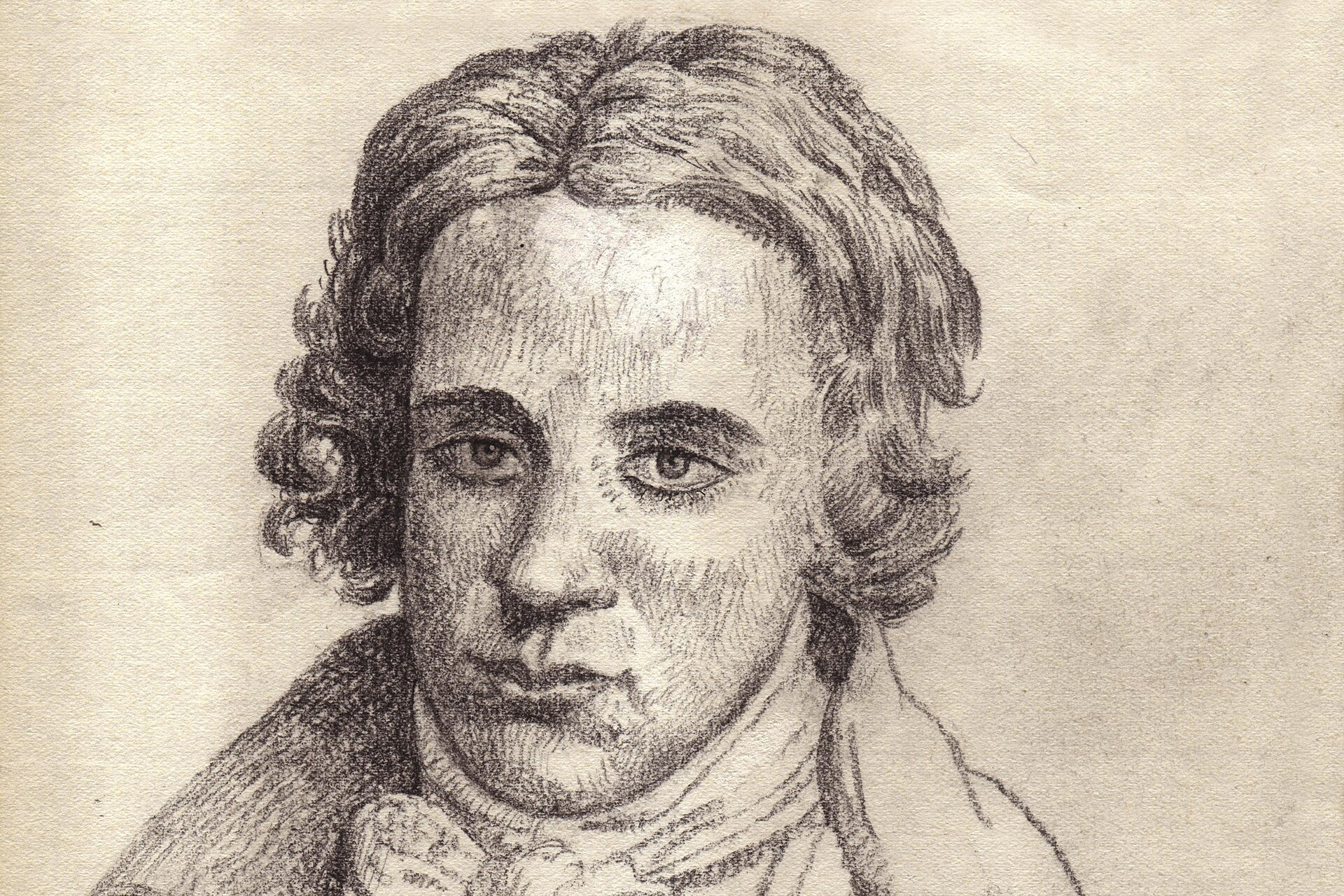
On 17 September 1755, at twenty-four, Jean-Marc Vacheron sat down before a notary and bound himself to his first apprentice, Esaïe Jean François Hetier: five years at the master’s side, for a thousand florins — the equivalent, by industry estimates, of some ten thousand euros today. The Maison takes that page for its birth certificate, and the reading is a generous one. What the contract records is not the founding of a company but the decision to pass something on. From that decision grew an enterprise that would outlive its founder by centuries.
For a long time the official date was not 1755 at all, but 1785 — the year Jean-Marc’s son Abraham took charge. The correction came late, and from outside: researchers found the 1755 contract in the State Archives of Geneva, a document the company had never held in its own files. Three decades were returned to the Maison’s history at a stroke.
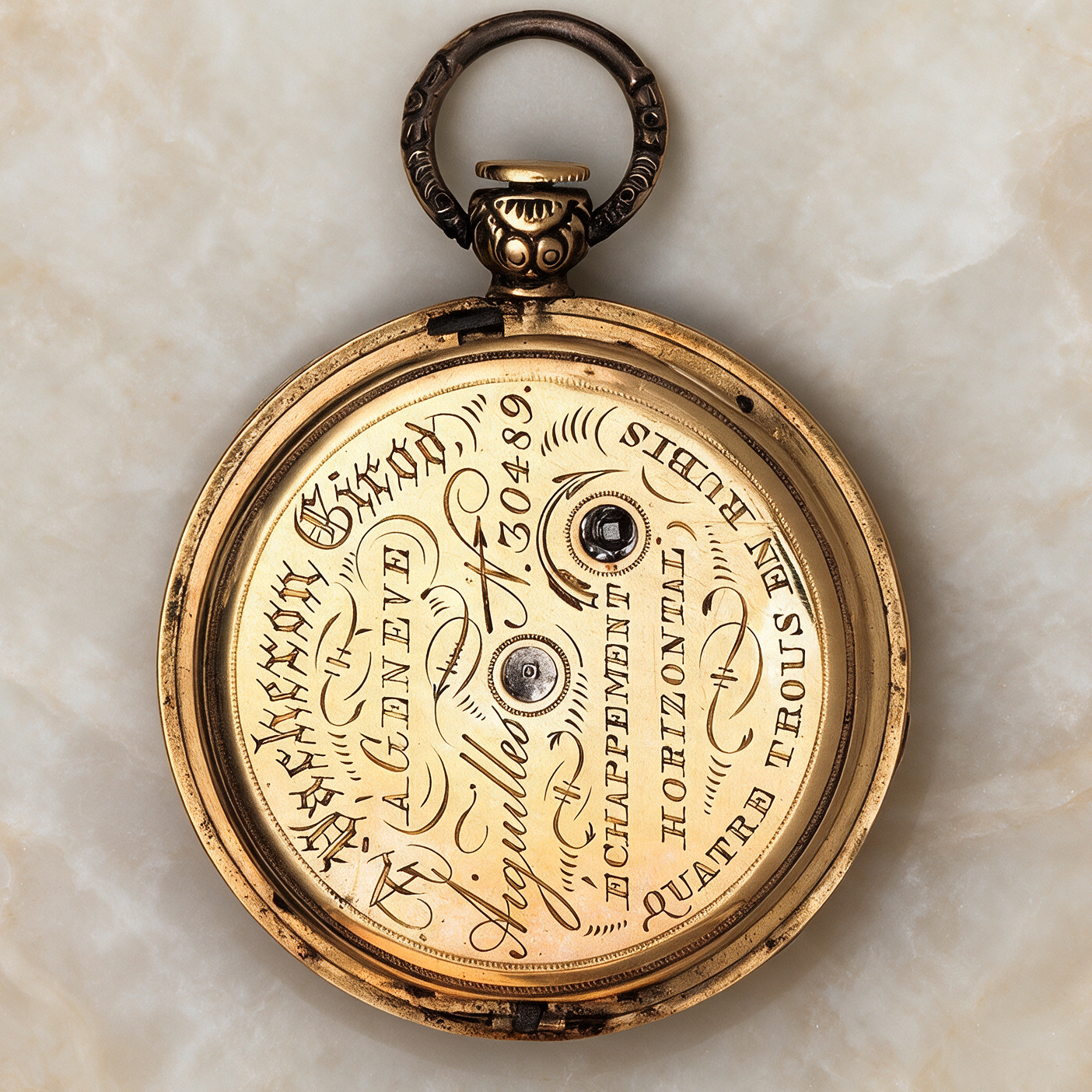
From the same year survives the earliest known watch of Jean-Marc’s making — silver case, enamel dial, and on the movement the signature J. M: Vacheron A GENEVE. It is the only piece known to name the founder personally. It rests today in the archives of the manufacture.
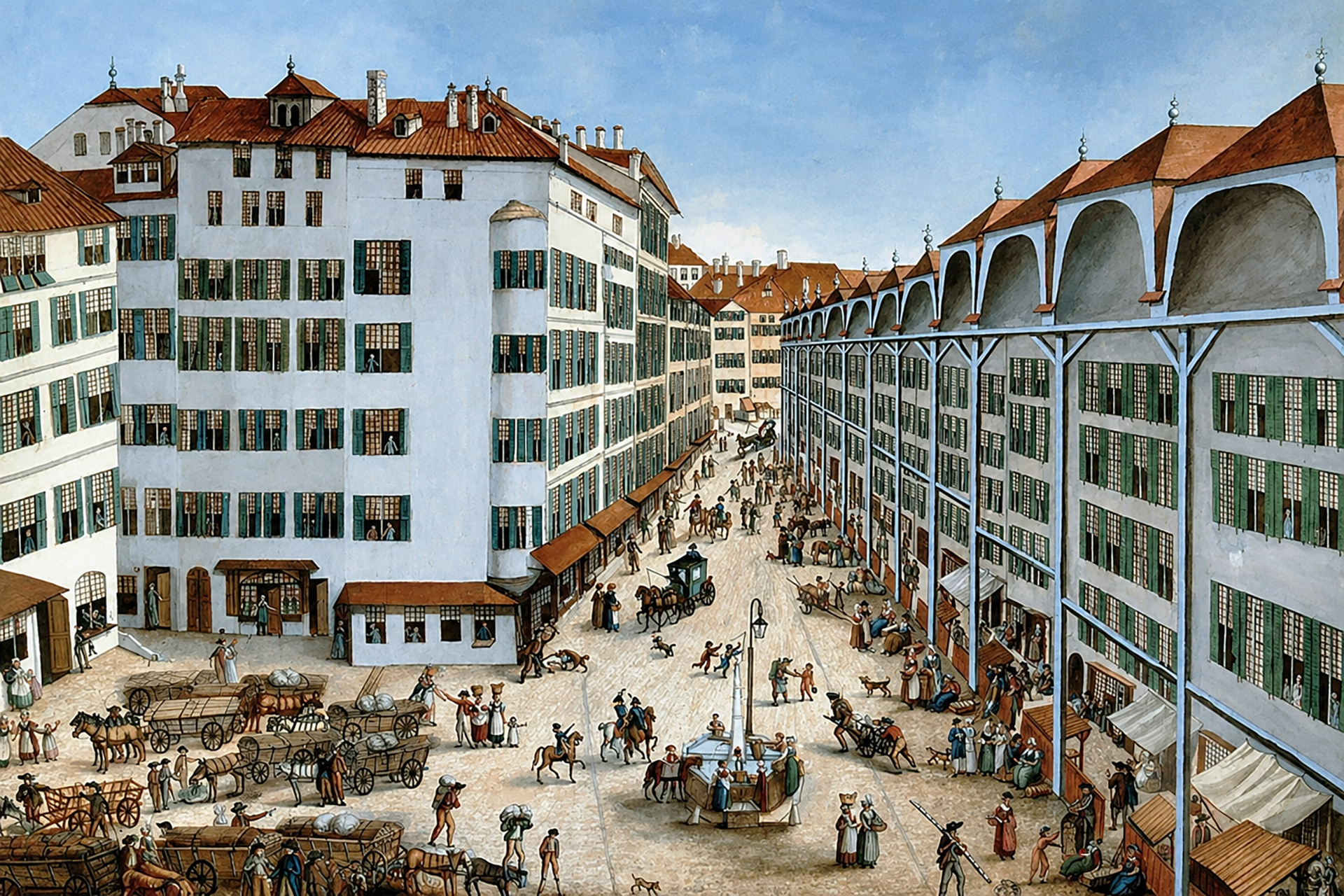
Jean-Marc was a craftsman with a mechanic’s curiosity. By the Maison’s chronology he built his first complicated watch in 1770, though some researchers place it later; by 1779 he was engraving guilloché patterns into his dials, a technique the finest hands in Europe would soon borrow. In 1785 he handed the workshop to his son Abraham, who would carry it through the French Revolution — a storm that ruined a great many Geneva craftsmen, and left the Vacheron bench standing.
François Constantin and the Phrase That Became a Two-Century Motto
By the turn of the nineteenth century the house belonged to the founder’s grandson, Jacques-Barthélémi Vacheron (1787–1864). He had the hands for the work and no appetite whatever for the rest of it — least of all the selling, which in those days meant months on the roads of Europe with a case of watches. In April 1819 he found his answer in François Constantin (1788–1854), a Geneva man who had already crossed half the continent doing precisely that. The partnership gave the Maison the name it still carries: Vacheron & Constantin. The ampersand would survive until 1970.
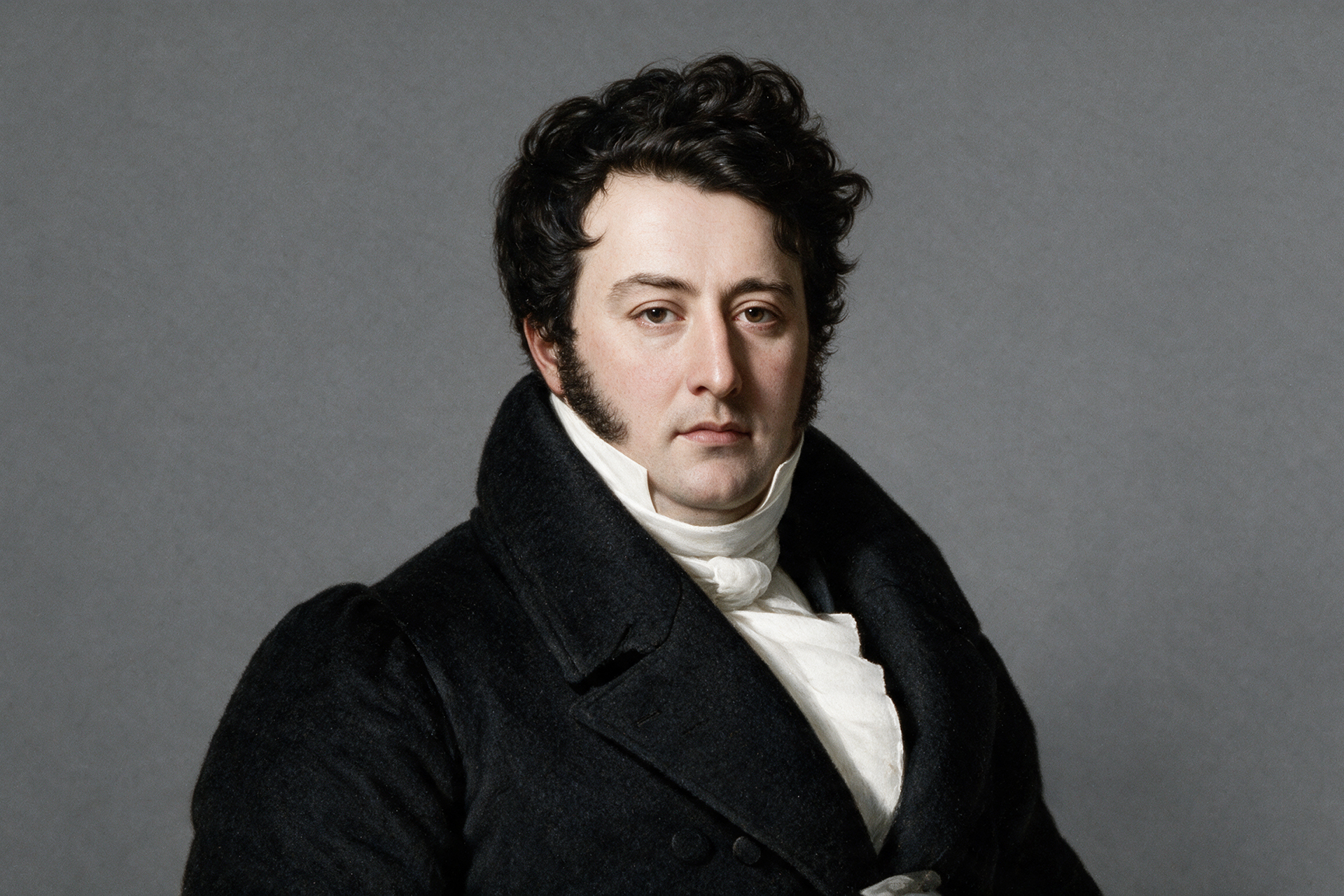
It also gave watchmaking one of its enduring sentences. Writing from Turin on 5 July 1819, Constantin set down for his partner the line that became the Maison’s motto: “Faire mieux si possible, ce qui est toujours possible” — do better if possible, and it is always possible. Read slowly, it is less a slogan than a warning. Perfection is not a destination; every summit turns out to have another behind it. Two hundred years later the sentence still sets the terms.
Constantin brought more than a salesman’s instincts. His connections, and his decades on the road, carried Geneva watches to courts and cabinets far beyond Switzerland. By 1832 the Maison had a representative in the United States — John Magnin, in New York — and by the century’s end the name was familiar to collectors on both shores of the Atlantic.
The Maltese Cross: An Emblem Born of Mechanics
No account of the Maison gets far without the Maltese cross, adopted and registered as a trademark in 1880. Its silhouette turns up today on crowns, on winding rotors, on dials.
The pleasure of it, for anyone who knows movements, is that the emblem is not heraldry at all. The shape comes from inside the watch: the stopwork, a small component fitted to the barrel to hold the mainspring to the most even stretch of its travel — the part of its unwinding where power runs steadiest. The most recognisable mark the house owns turns out to be a piece of engineering, promoted. Form, in the strictest sense, born of function.
Craftsmanship in the Service of Precision
The nineteenth century brought the decision that changed everything. In 1839 the Maison engaged Georges-Auguste Leschot (1800–1884), an engineer of rare gifts, whose horological pantograph made it possible to standardise calibres and cut components that were genuinely interchangeable. Handwork met industrial precision, and the manufacture became one of the pioneers of industrial watchmaking without surrendering a thing that mattered.
Other frontiers followed. The Maison was among the first to take on magnetism, that invisible enemy of accurate timekeeping. An early attempt at a magnetically indifferent watch was made in Geneva as early as 1846; in 1862 the manufacture joined the research into non-magnetic materials; and in 1885 it produced a watch with a fully non-magnetic escapement — balance, hairspring and lever staff in palladium, lever arms in bronze, escape wheel in gold.
In 1887 came a gold medal at the Swiss National Exhibition in Geneva. In those same decades the Maison’s movements were being entered in the precision trials of the Geneva Observatory. In 1901 a Vacheron & Constantin movement carried the Hallmark of Geneva for the first time — and no Geneva house has stayed closer to that mark since. In 1906 the company opened its first boutique in the city, on the Île, a few steps from where its workshops had stood. Chronometry, too, had become a preoccupation: 1907 is the year associated with the Chronomètre Royal, a line that earned its name in the hardest climates on earth.
The Hallmark of Geneva: A Mark Granted to Few
The Hallmark of Geneva, the Poinçon de Genève, deserves a paragraph of its own. It is among the oldest and most exacting quality marks in watchmaking, created by the Geneva cantonal parliament on 6 November 1886 at the urging of the city’s watchmakers, who had grown tired of counterfeiters trading on their reputation. Vacheron Constantin received its first in 1901 and has remained, ever since, one of the manufactures most faithful to it.
Faithful is the word that matters. The Hallmark is not for sale. It is granted by an independent commission after an unforgiving examination of finishing, construction and rate, and only a handful of makers within the canton may even apply. In its entire existence the mark has been struck on more than 1.3 million watches — and to be among the houses most closely bound up with that long tally is to have held a standard across decades, not to have reached it once.
Changing Owners, Constant Standards
The Maison’s history is also a study in how a house keeps faith with itself while changing hands. For nearly two centuries it stayed with the founder’s family and their successors. The break came in 1938: having ridden out the Great Depression, Vacheron & Constantin was brought together with Jaeger-LeCoultre under the SAPIC holding company, controlled by the LeCoultre family. Georges Ketterer joined the board on behalf of Vacheron & Constantin, and by 1940 he was its principal shareholder, having bought out the Constantin family and ended, after almost a hundred and twenty years, their hold on the business.
Ketterer steered the house safely through the war. In 1965 he traded his SAPIC shares for outright control of Vacheron & Constantin, dissolving the formal tie to Jaeger-LeCoultre — though the two continued to help one another quietly for years afterwards.
He died in 1969 and was succeeded by his son Jacques, under whom the ampersand was dropped and the company became, in 1970, Vacheron Constantin. When Jacques Ketterer died in 1987, the majority shareholding passed to Sheikh Ahmed Zaki Yamani — for many years Saudi Arabia’s oil minister, and a collector with a pronounced weakness for repeaters. It was in his time, in 1992, that Calibre 1755 appeared, named for the founding year: the thinnest minute repeater then made.
In 1996 the whole of the share capital was acquired by the Vendôme Luxury Group, part of Switzerland’s Richemont, where the Maison sits today. In 2004 it opened a new headquarters at Plan-les-Ouates, designed by the architect Bernard Tschumi. Owners changed, and kept changing; the standard set in that first Saint-Gervais workshop did not.
Legendary Creations and the People Who Wore Them
A house is measured by its collections, but it is remembered by its commissions — the singular pieces made for the most demanding clients alive, and the names those pieces still carry.
James Ward Packard: The Collector Who Challenged the Masters
James Ward Packard (1863–1928) founded the motor company that bore his name and collected watches with an engineer’s appetite for difficulty. He did not simply buy; he posed problems, and left Switzerland’s finest manufactures to solve them. With him and with the New York financier Henry Graves Jr. began the celebrated rivalry of collectors that drove complicated watchmaking through the first third of the twentieth century — two men, outbidding one another in complications rather than in money.
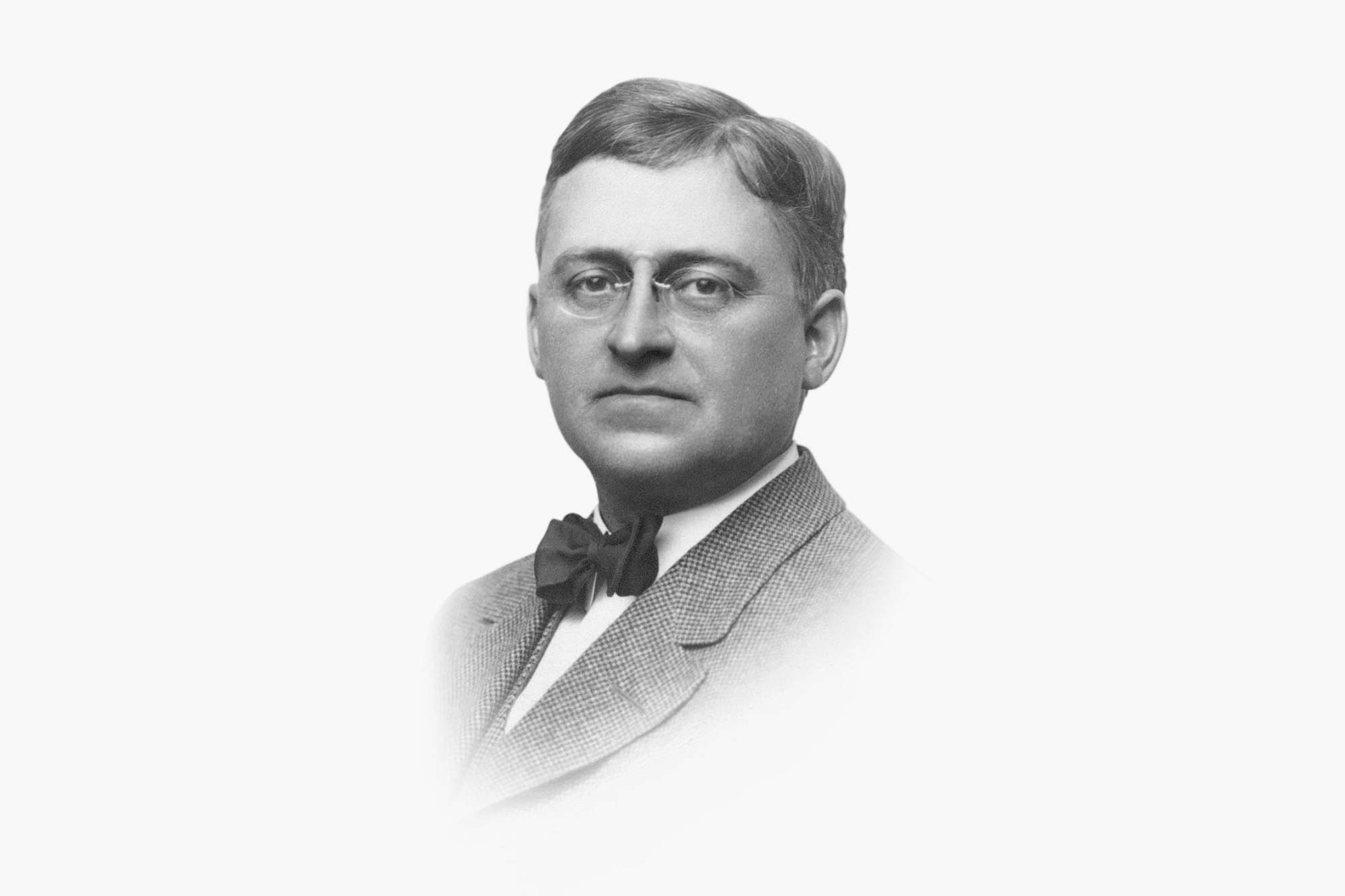
Around 1918–1919 Vacheron Constantin built for Packard a pocket watch of exceptional order: a hand-engraved case in 20-carat gold, the owner’s monogram laid in blue enamel, with a minute repeater, a chronograph, and grande et petite sonnerie. On 15 June 2011 it came to Christie’s in New York, one of four Packard family timepieces in the sale, and sold for close to 1.8 million dollars — more than three times the high estimate, and at that moment a record for a Vacheron Constantin sold in America. The winning bidder was the most telling detail of all: according to the trade press, it was the Maison’s own museum, quietly bringing a cornerstone of its heritage home. Christie’s never named the buyer.
King Fuad I: A Complication Fit for a Crown
The other great commission took fifteen years. Work began in 1914; not until 1929 was the finished Grande Complication — reference 402833 — presented to King Fuad I of Egypt by the country’s Swiss community. The royal arms were laid into the case back in traditional Geneva enamel. Inside were a carillon minute repeater with grande and petite sonnerie, a split-seconds chronograph with thirty-minute counter, and a perpetual calendar showing the phases and the age of the moon.
Its later life confirmed its standing. On 3 April 2005, at Antiquorum in Geneva, reference 402833 sold for 3,306,250 Swiss francs — some 2.77 million dollars — among the highest prices ever paid at auction for a Vacheron Constantin.
Crowned Heads and Famous Names
Clientele has always been part of the Maison’s aura. Among the documented patrons of the early twentieth century are Queen Marie of Romania, Prince Victor Napoleon, grandson of Jérôme Bonaparte, and the brothers William and Henry James. Watch literature attaches other names to the house — the Duke of Windsor, Pope Pius XI, President Harry Truman — but these belong to the Maison’s lore rather than to its ledgers. Even Henry Graves Jr., Patek Philippe’s legendary client and Packard’s rival, is said by several sources to have ordered from Vacheron Constantin too.
That distinction is worth holding onto. Packard and Fuad I are confirmed by auction records and archives; a certain number of royal names are not. Knowing which is which is most of what separates a collector from an admirer of glittering names.
Milestones of Technical Daring
Alongside its commissions, the Maison has left a run of models that became landmarks. It began playing with unorthodox case shapes as early as 1919, and in 1921 sent a small series to the American market under the name American 1921: a cushion case, the dial turned through forty-five degrees. By the traditional account, which the Maison maintains, the arrangement was made for motorists, who could read the hour without taking a hand from the wheel. The watch lives on in the Historiques collection and remains one of the most recognisable things the house has ever done.
In 1932, working with the Geneva watchmaker Louis Cottier, the manufacture produced pocket watch reference 3372 — its first to carry the Cottier system of world time, patented the year before. A central disc turned with the movement through the twenty-four zones while an outer bezel named thirty-one of the world’s great cities, so that the whole planet’s hours could be read at a glance. The roll of cities later grew to forty-one, on reference 4414, released in the 1940s.
For its round anniversaries the Maison built watches that were, each in its turn, the most complicated in the world. In 1977, for its 222nd year, came the steel sports watch 222, drawn by a twenty-four-year-old designer named Jörg Hysek in answer to the decade’s hunger for luxury sports watches in steel — an appetite the Royal Oak and the Nautilus had created. The 222 is now regarded as the direct ancestor of today’s Overseas.
In 2005, for the 250th, came the Tour de l’Île, named for the tower on the island in the Rhône where the Maison’s workshops once stood. Its double-sided case held sixteen complications — tourbillon, minute repeater, perpetual calendar, sunrise and sunset, sky chart, second time zone — across 834 components and more than ten thousand hours of development. Seven were made. It was the most complicated wristwatch in the world on the day it appeared, and it took the Aiguille d’Or, the highest honour of the Grand Prix d’Horlogerie de Genève.
For the 260th, in 2015, came the pocket watch reference 57260 — at that moment the most complicated watch ever made. Fifty-seven complications, among them Gregorian, Hebrew and perpetual lunar calendars. Two thousand eight hundred and twenty-six components. Nearly ten centimetres across and some 957 grams in the hand. Eight years of work, by three watchmakers of the Les Cabinotiers atelier. The client’s name stayed private for years before emerging: the American collector and businessman William R. Berkley.
For the same collector, in 2024, the Maison went further still with Les Cabinotiers The Berkley Grand Complication — sixty-three complications, 2,877 components, and the first Chinese perpetual calendar in the history of watchmaking. The same three watchmakers spent eleven years on it, a full year of that on assembly alone.
Then, in 2025, for the Maison’s 270th year, came Les Cabinotiers Solaria Ultra Grand Complication: to date the most complicated wristwatch in the world. Forty-one complications, five of them rare astronomical functions, including civil, solar and sidereal time shown together — all of it in a case 45 mm across and 14.99 mm deep, with Calibre 3655 running to 1,521 components. Eight years of development; thirteen patent applications. The record it took had belonged to the Franck Muller Aeternitas Mega 4 and its thirty-six complications, while among modern ultra-complicated watches the Audemars Piguet Code 11.59 Universelle stood out with twenty-three.
The Art of the Craft: Métiers d’Art and High Jewellery
The Maison has never been a house of movements alone. In its métiers d’art workshops — enamellers, engravers, guillocheurs, gem-setters — a watch becomes a surface for miniature painting and for finishing of an order most people will never see up close.
Its taste for the celestial and the natural goes back to 1927, when, with the Parisian atelier Verger Frères, it made an Art Deco table clock carrying the signs of the zodiac in gold, onyx, rock crystal and lapis lazuli. In 1996, within the Mercator collection, came reference 43050, its cloisonné enamel dial given over to the Chinese zodiac. In 2012 the Maison opened a twelve-year cycle of limited series, The Legend of the Chinese Zodiac: it began with the snake and moved through the animals one year at a time, closing in 2024 with the dragon, every model worked in relief enamel and engraving. The Métiers d’Art Copernicus Celestial Spheres followed in 2017. From the same instinct grew the narrative series devoted to the great civilisations and to the places worth remembering.
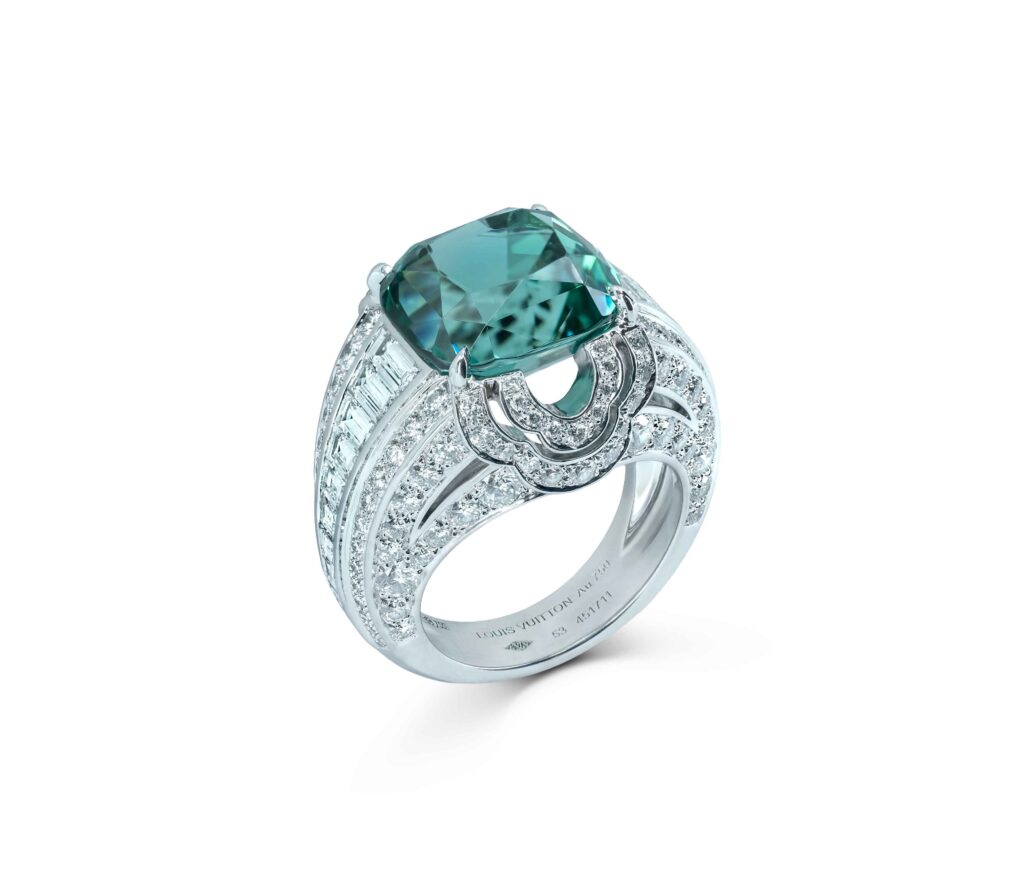
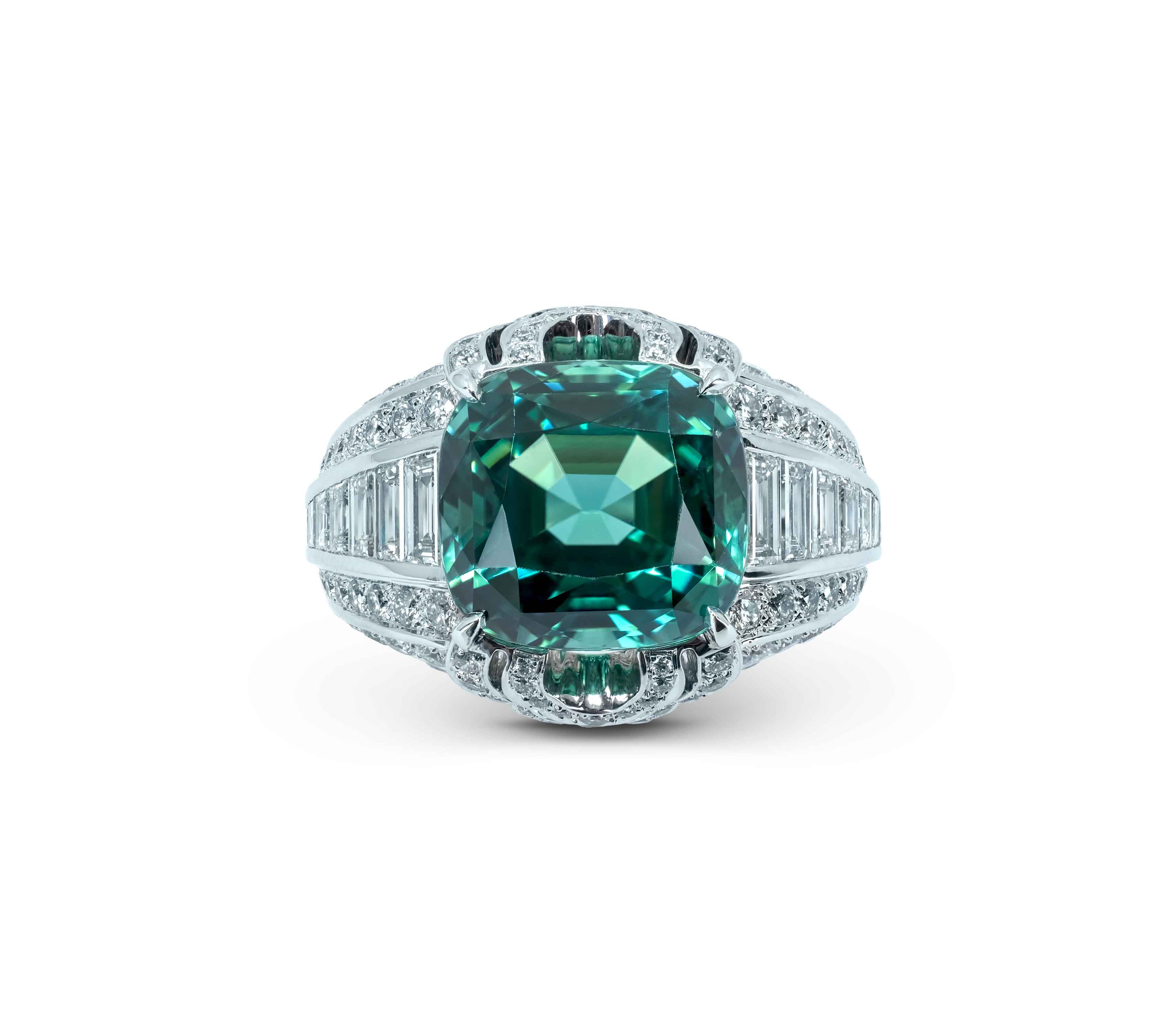
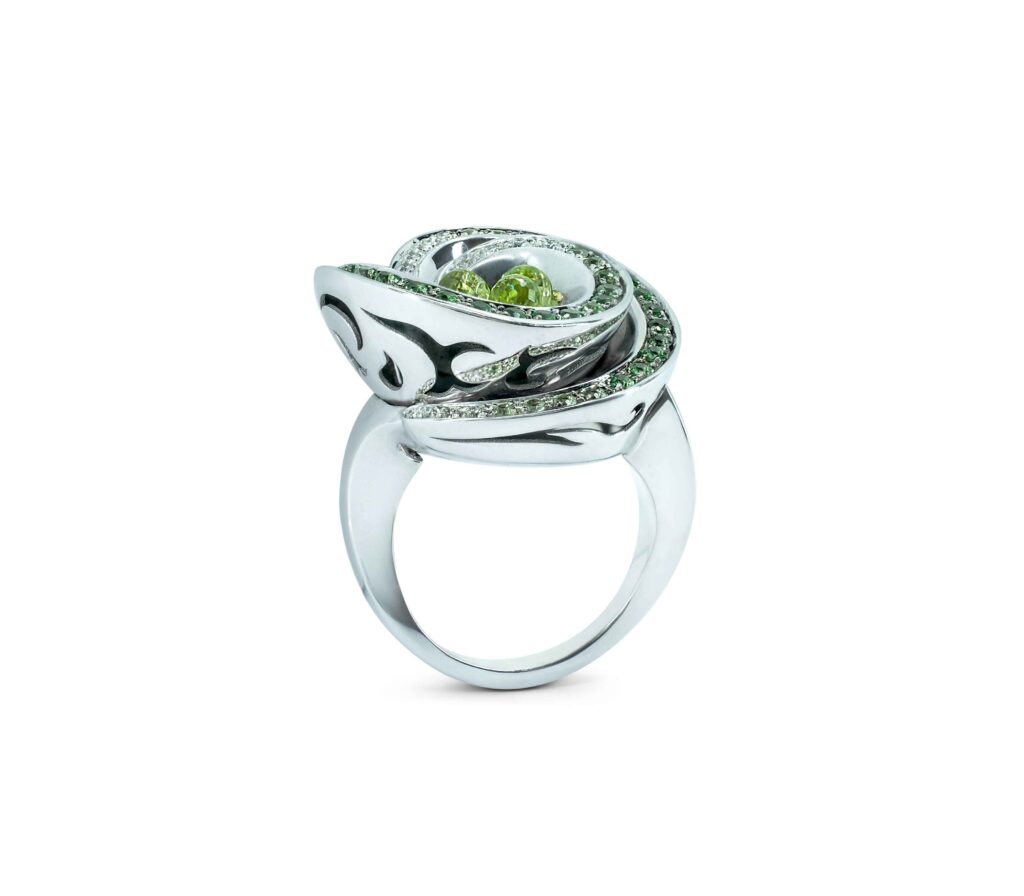
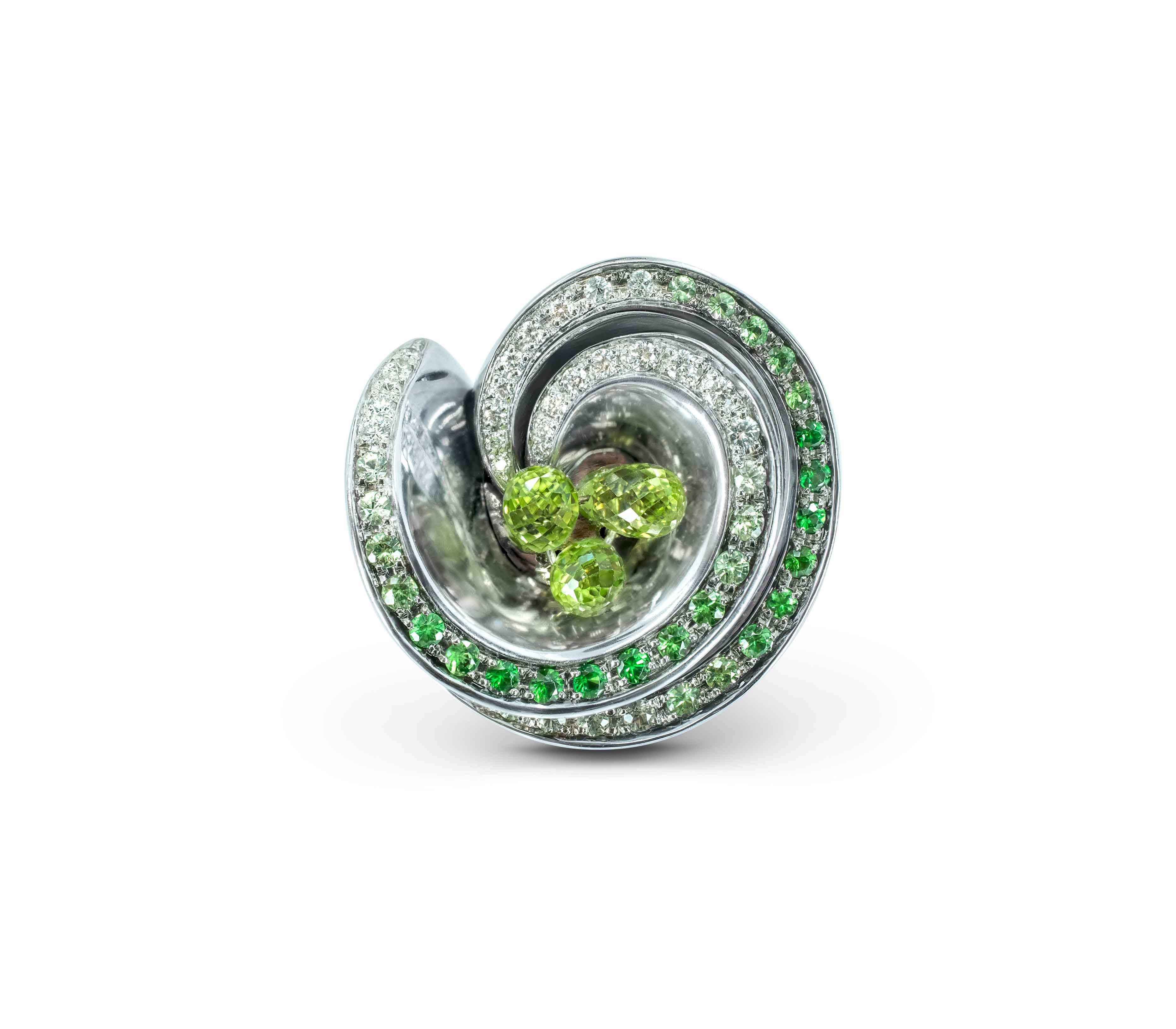
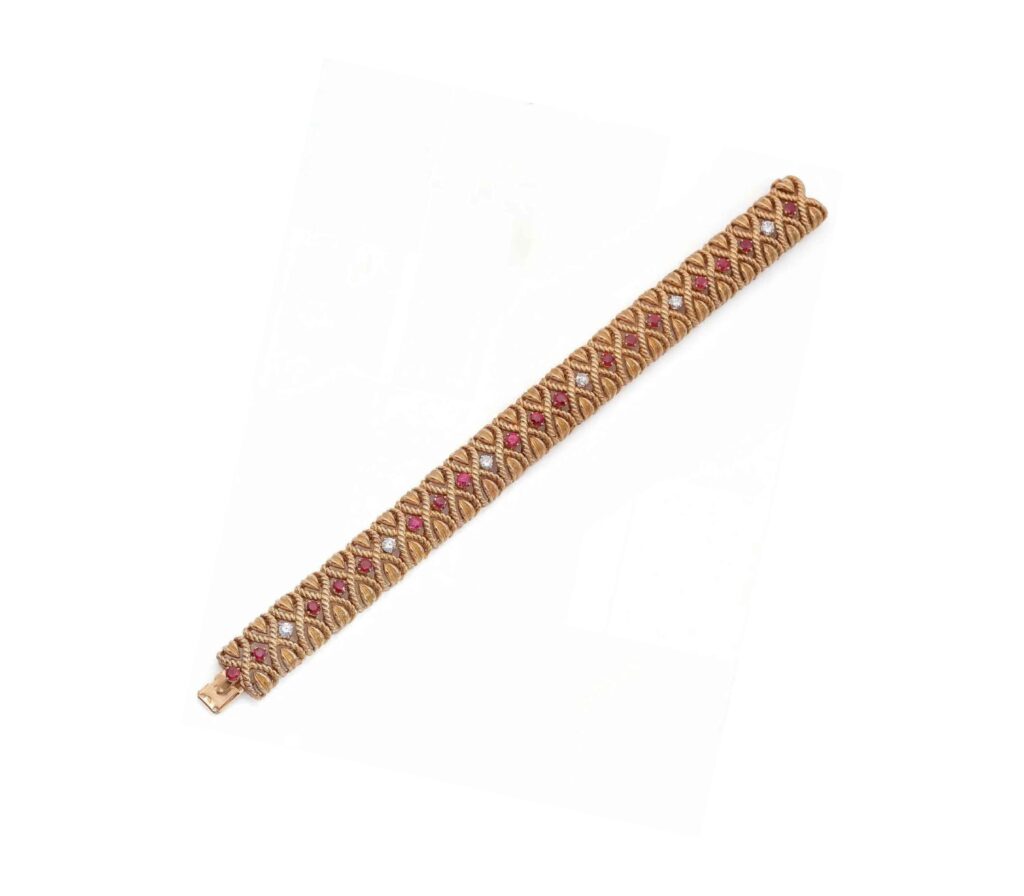
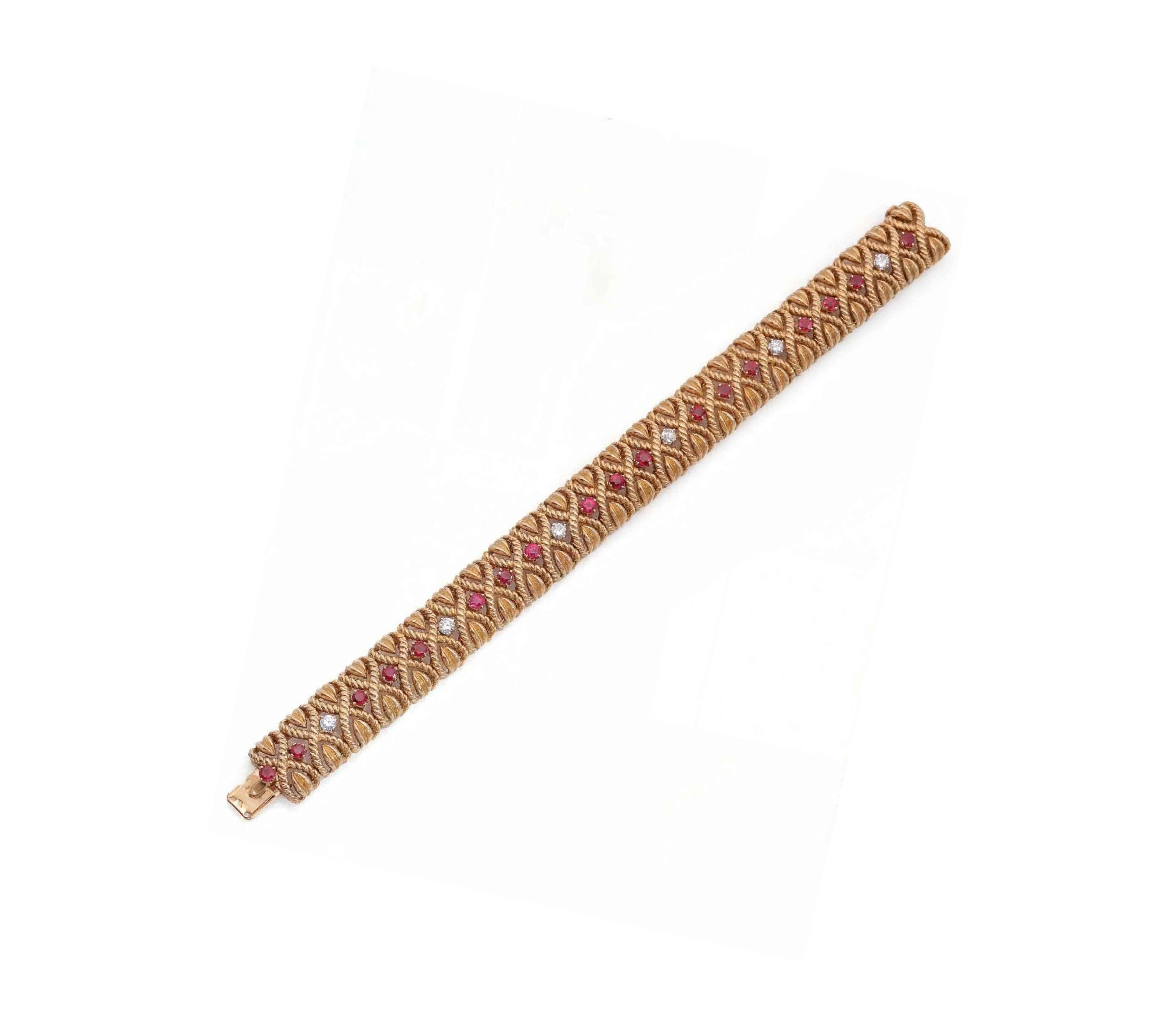
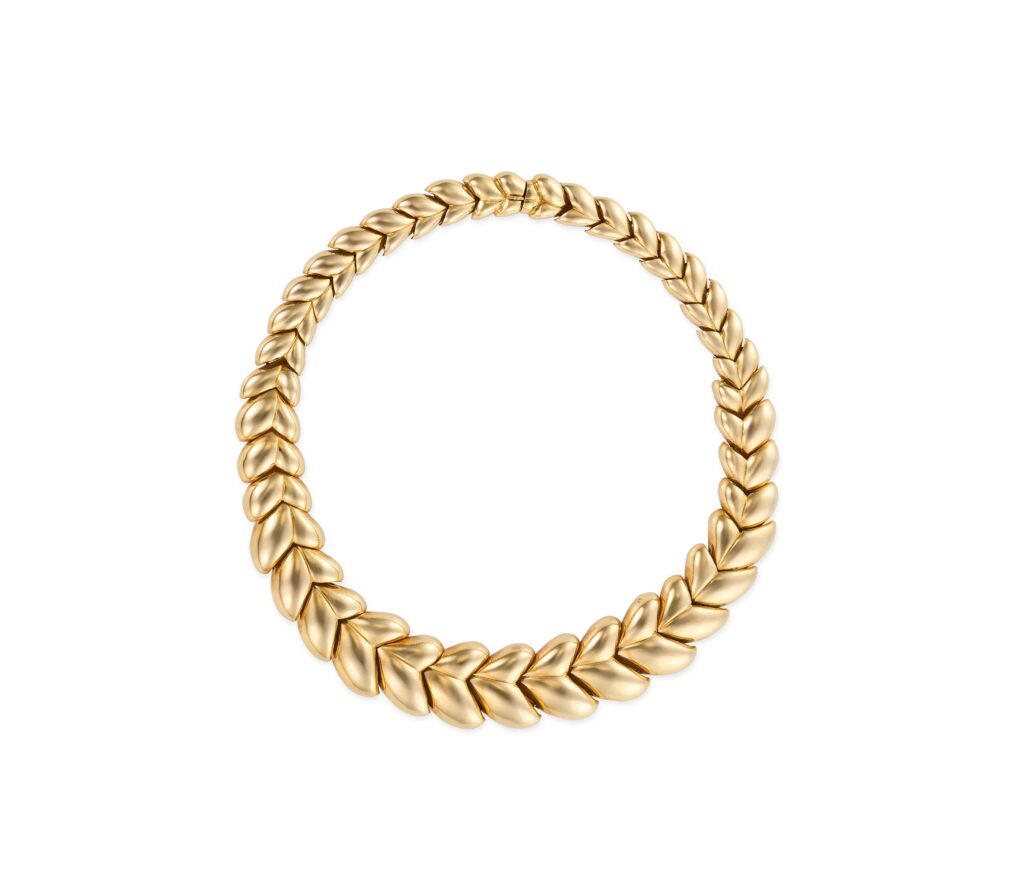
The jewellery tradition runs just as deep. Through the twentieth century Vacheron Constantin made not only watches but jewellery of the first rank, turning for its most demanding commissions to the finest ateliers in Paris. It is at that crossing — Geneva’s genius for movements, Paris’s for stones and metal — that the rarest objects were born. They are the ones that anchor private collections today.
The Manufacture Today
Two and a half centuries after Jean-Marc Vacheron put his name to that contract, Vacheron Constantin is still a manufacture in the full sense of the word, making what it sells from end to end. Its workshops stand at Plan-les-Ouates outside Geneva and at Le Brassus, in the heart of the Vallée de Joux — the historic cradle of Swiss watchmaking, where the Maison has had a production site since 2013.

Industry analysts put annual output at somewhere between twenty and thirty-five thousand watches — modest for a house of this complexity, and deliberately so. The number is held down to protect the share of work that is still done one piece at a time, in the manner of the cabinotiers with whom the whole thing began in Saint-Gervais. That balance — Leschot’s industrial discipline on one side, the old individual mastery on the other — is still what separates Vacheron Constantin from the watch industry at large.
Vacheron Constantin at Grygorian Gallery
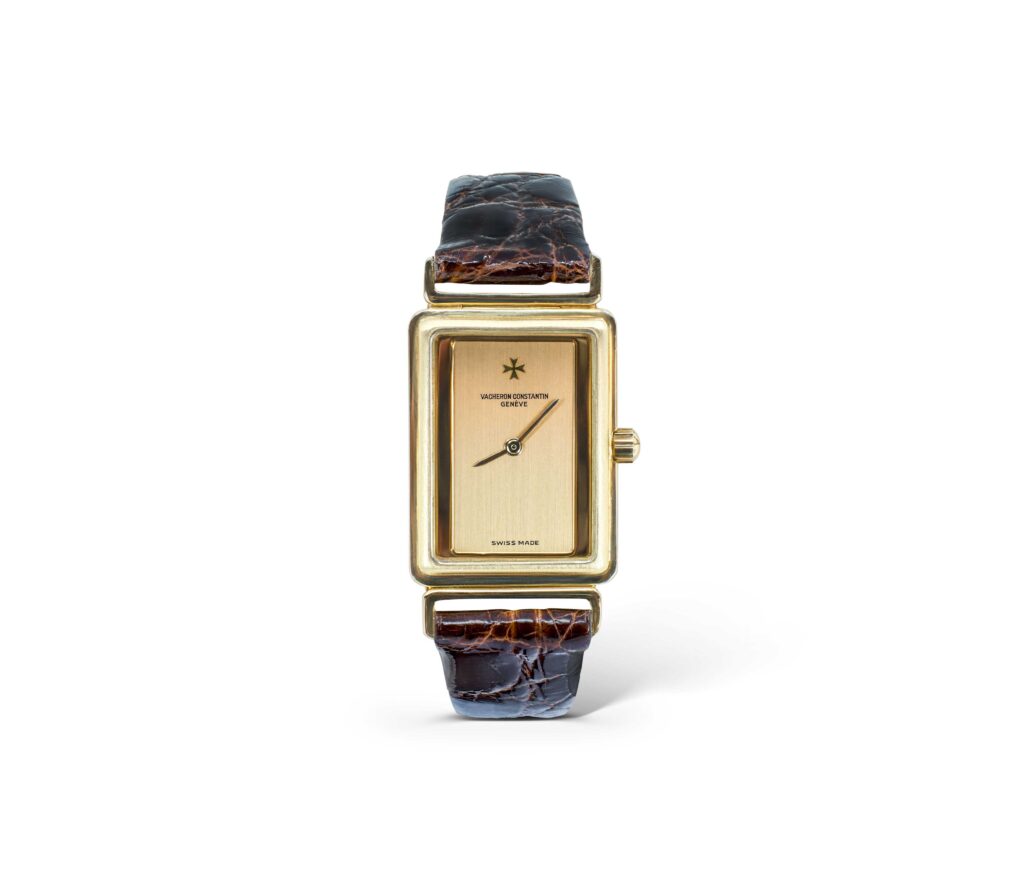
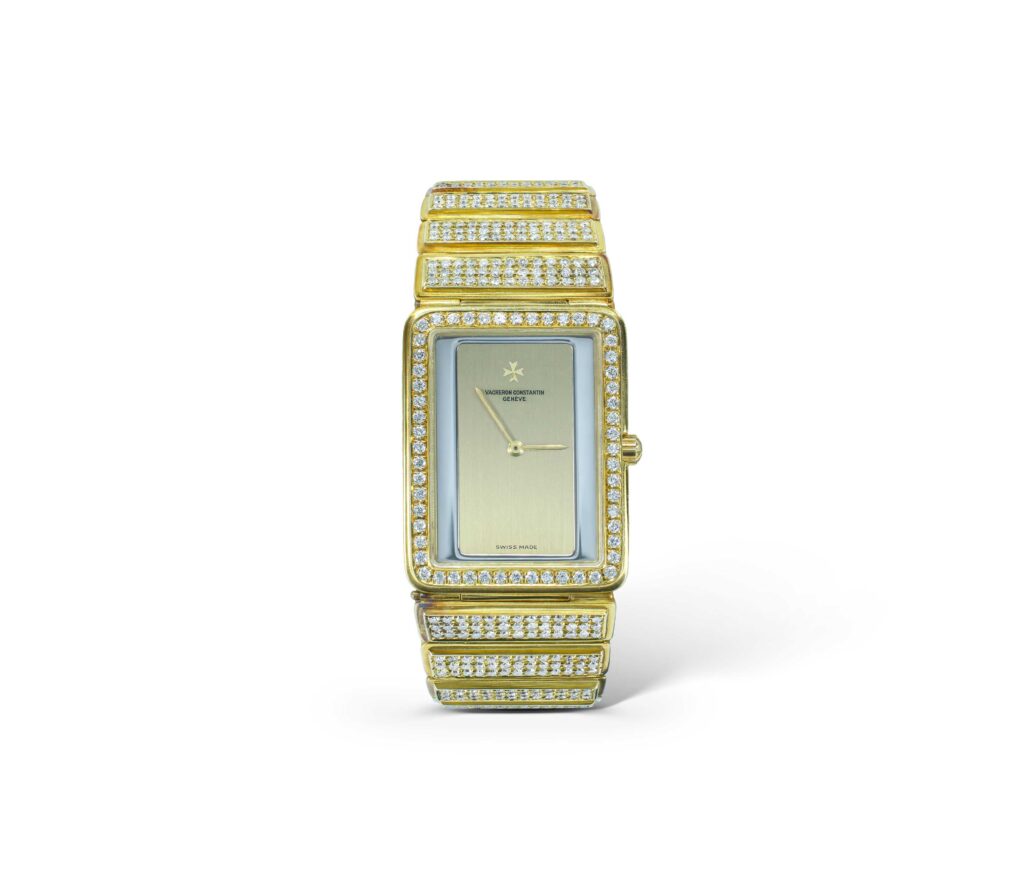
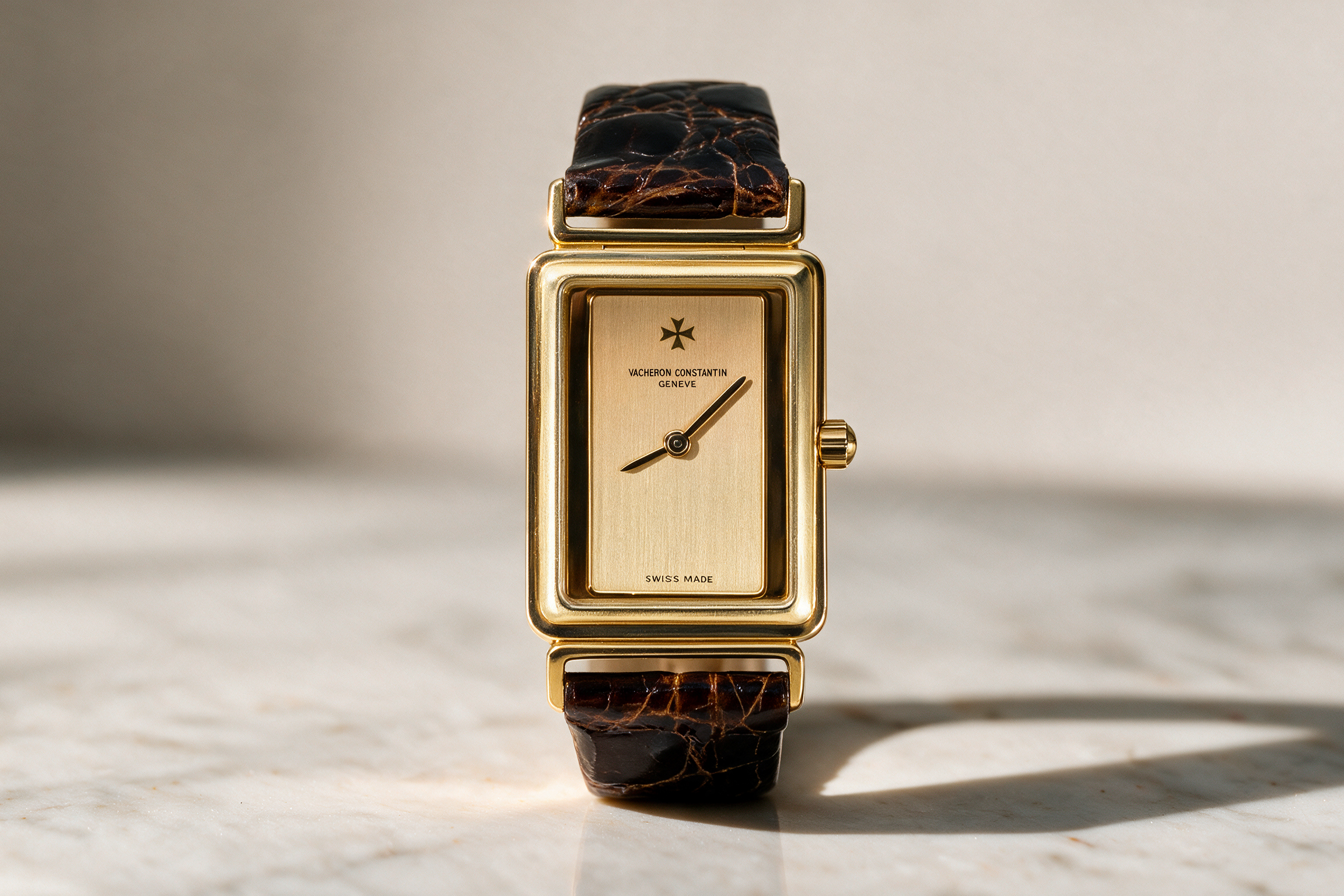
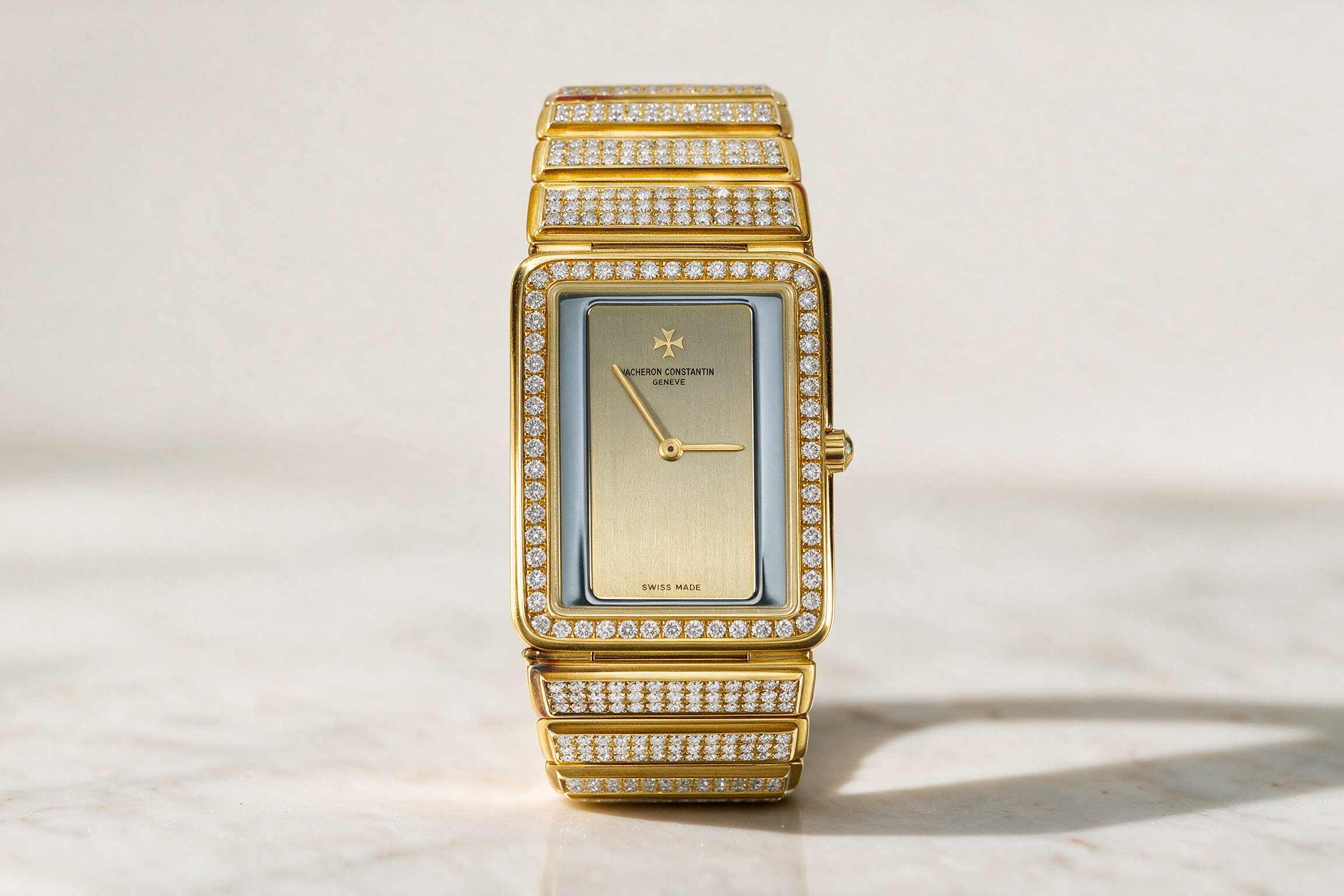
In the collection of Grygorian Gallery, founded by Eduard Grygorian in the Palais de la Scala in Monaco, the Maison is represented by three pieces, each holding a different facet of its heritage. Two are Harmony wristwatches in 750 yellow gold: one restrained, in an understated gold case; the other a dress piece set with 440 round-cut diamonds totalling some eight carats.
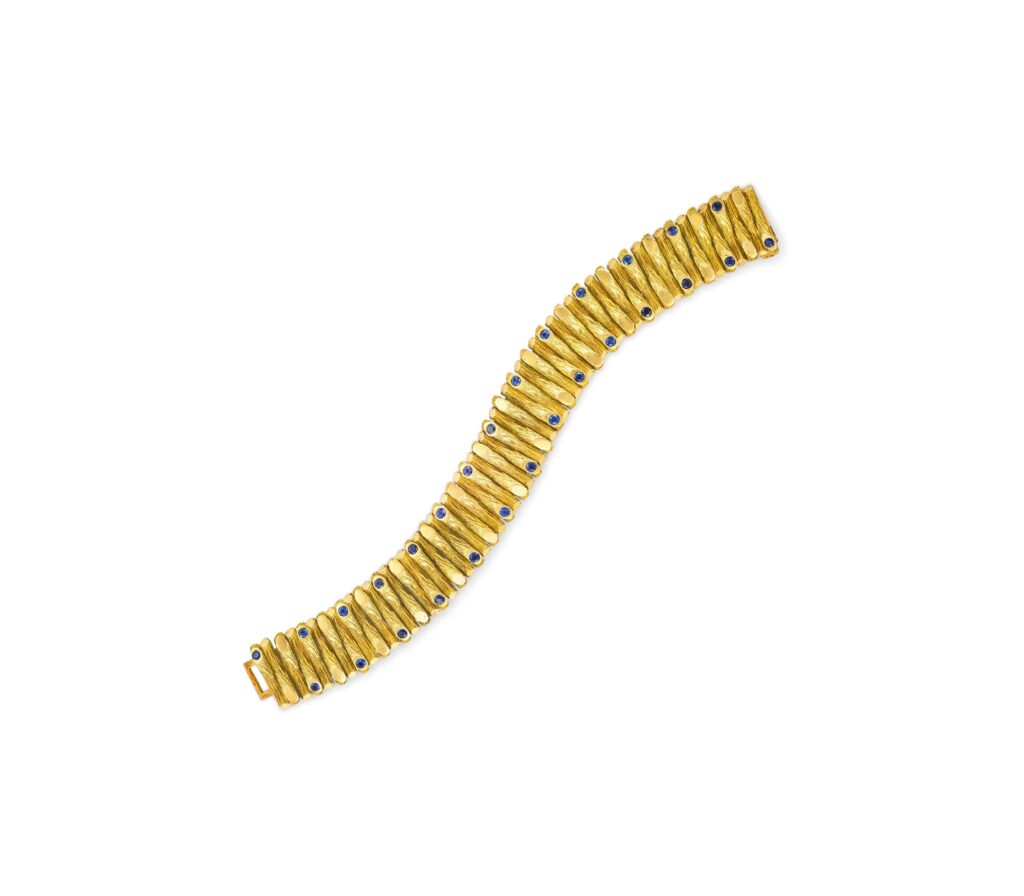
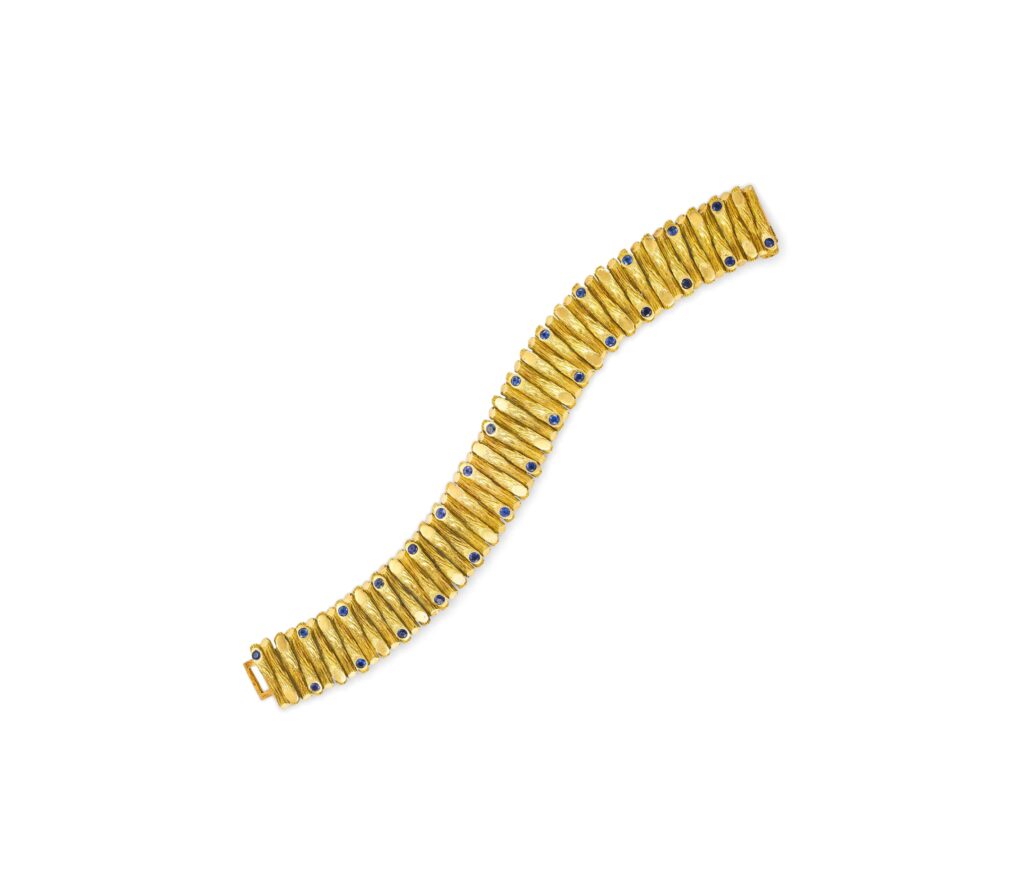
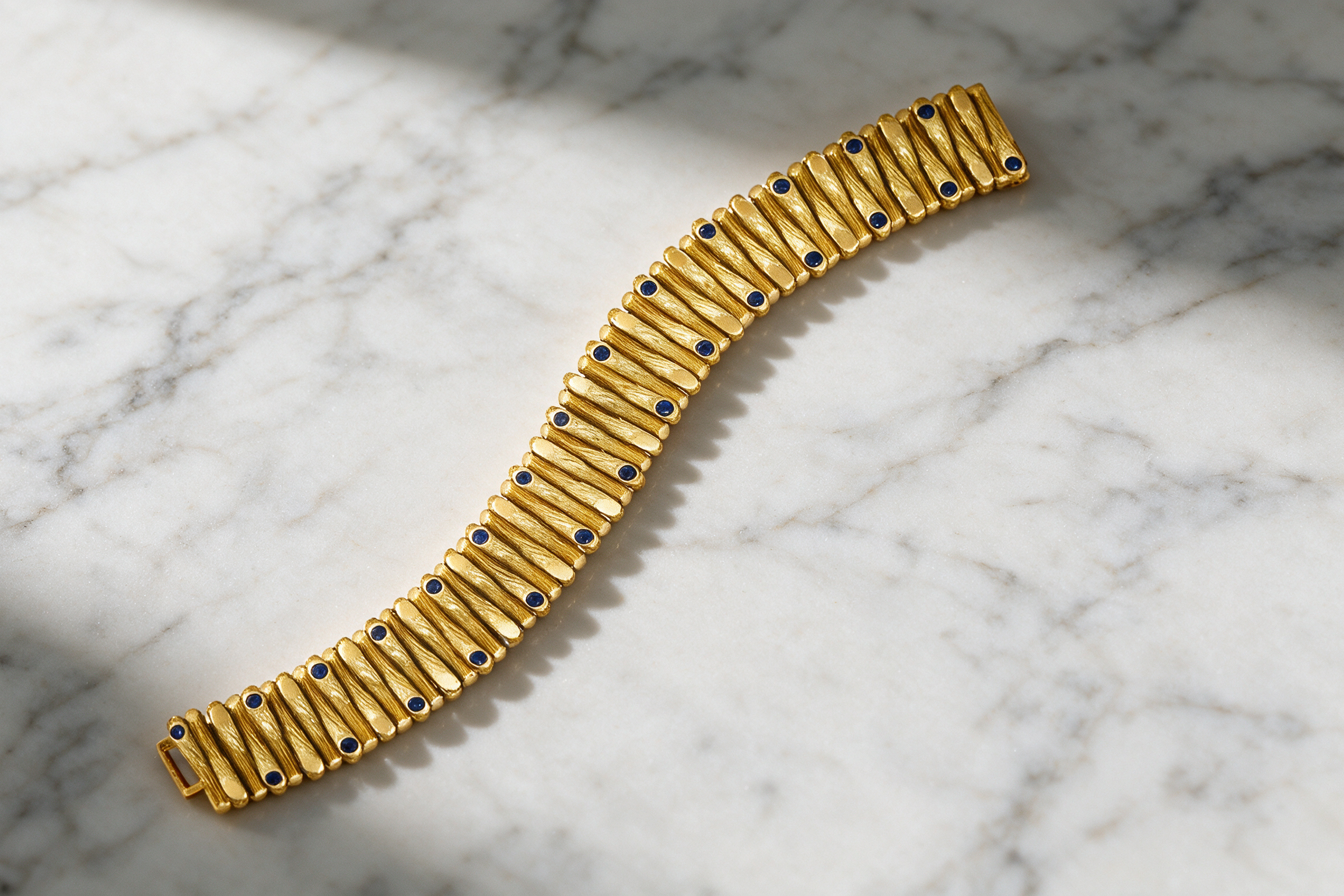
The third is the rarest of them: a gold and sapphire bracelet made around 1970 for Vacheron Constantin in the workshop of the Parisian atelier Cristofol, one of the oldest names in Parisian high jewellery. Broad and articulated, in 750 gold, its chased links worked to the texture of tree bark and set with faceted sapphires of roughly three carats in all, it carries two signatures — Vacheron Constantin and Cristofol — and holds Geneva’s horological renown and Parisian jewellery craft in a single object.
It is in objects like these, standing at the meeting of eras and houses and crafts, that a sentence written more than two hundred years ago comes back into focus: do better — because it is always possible.