






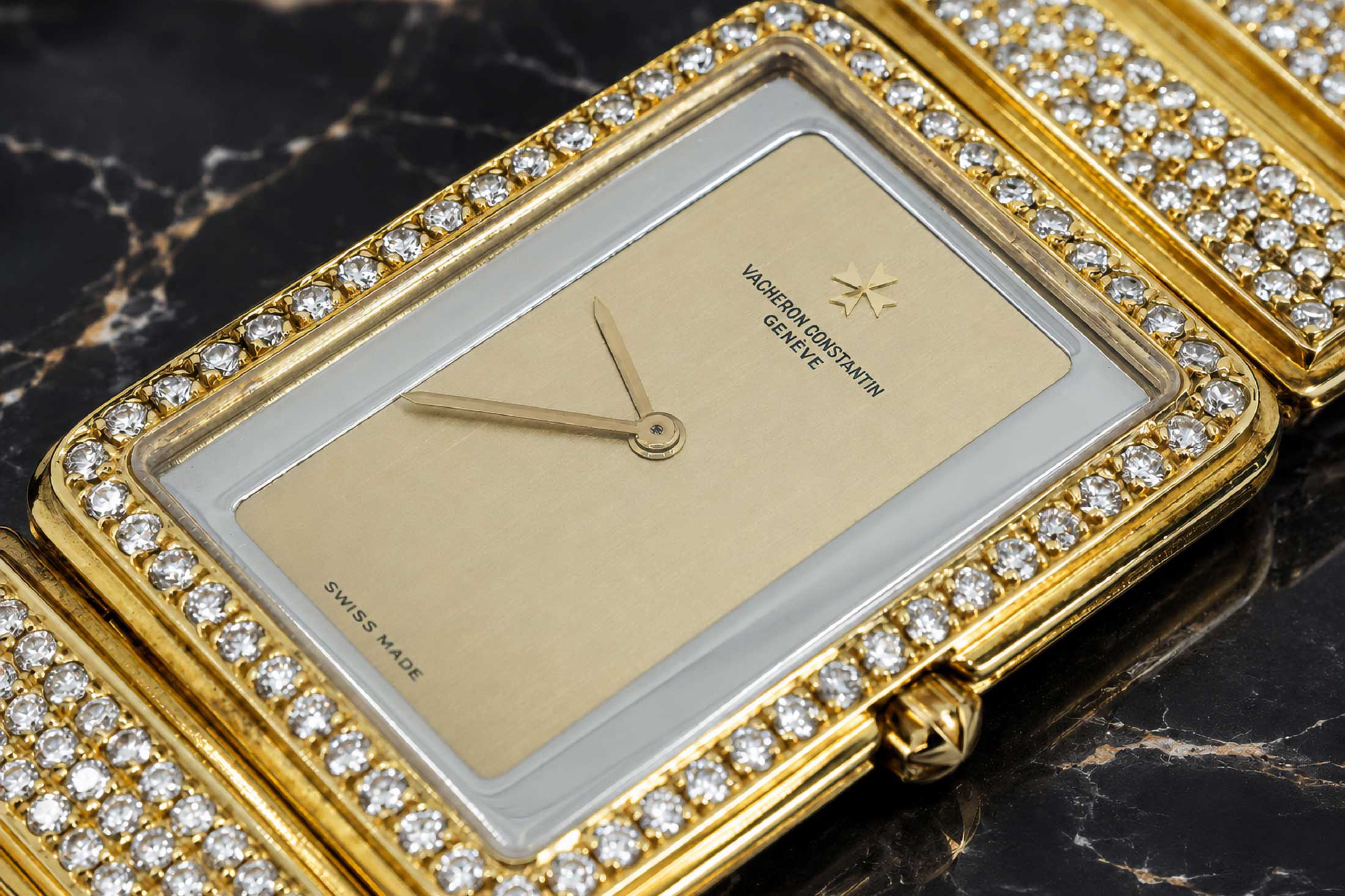
The arrival of Vacheron Constantin in our gallery marks a quiet but meaningful moment. Founded in Geneva in 1755, the maison occupies a singular position in horology — the oldest watchmaker in continuous operation, and a house whose work has long been chosen by collectors who prefer restraint to display. Bringing the first Vacheron Constantin pieces into our Monaco selection was a decision made carefully, with attention to provenance, condition, and the particular character each object carries.
What follows is a brief introduction to the three pieces now part of our collection.
A Signed Collaboration: Gold Articulated Bracelet with Sapphires
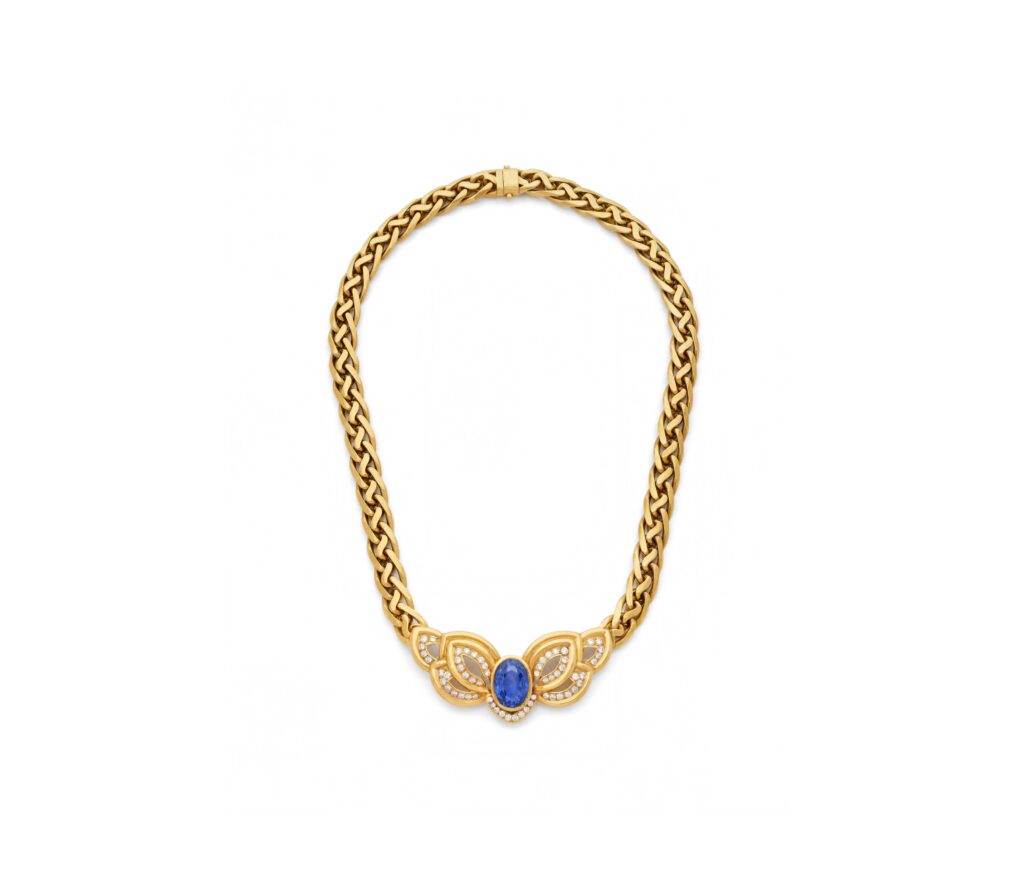
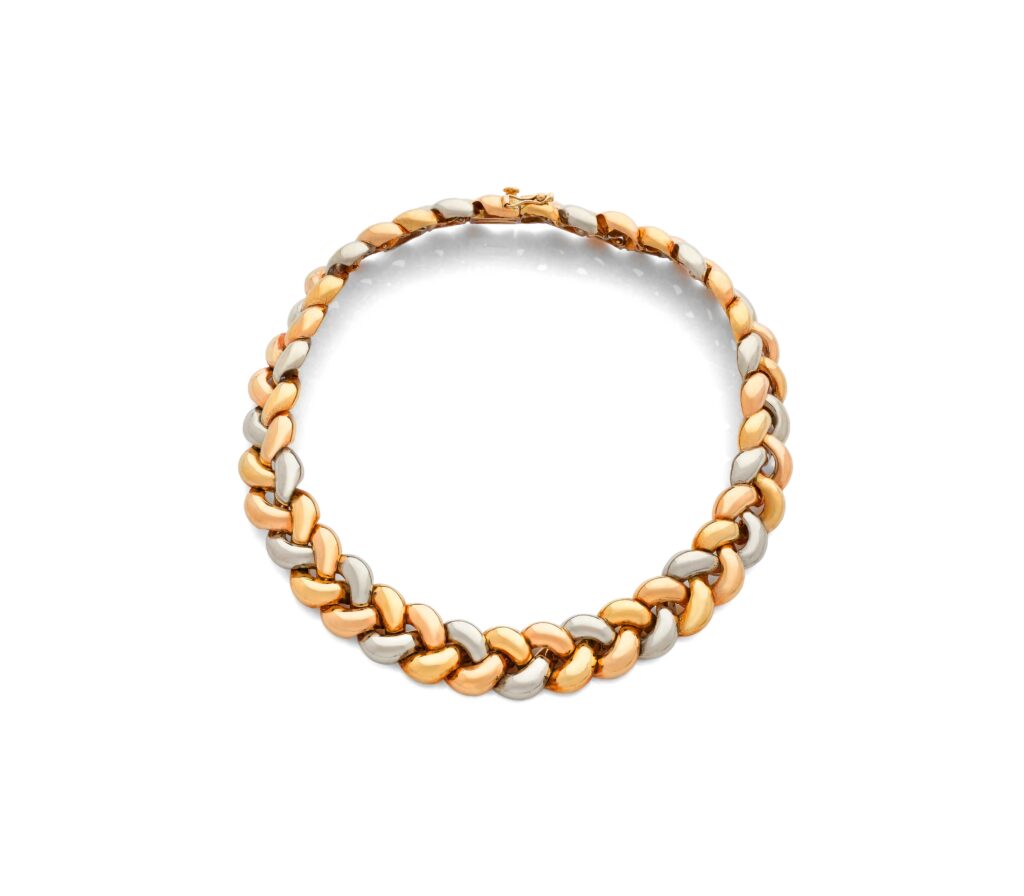
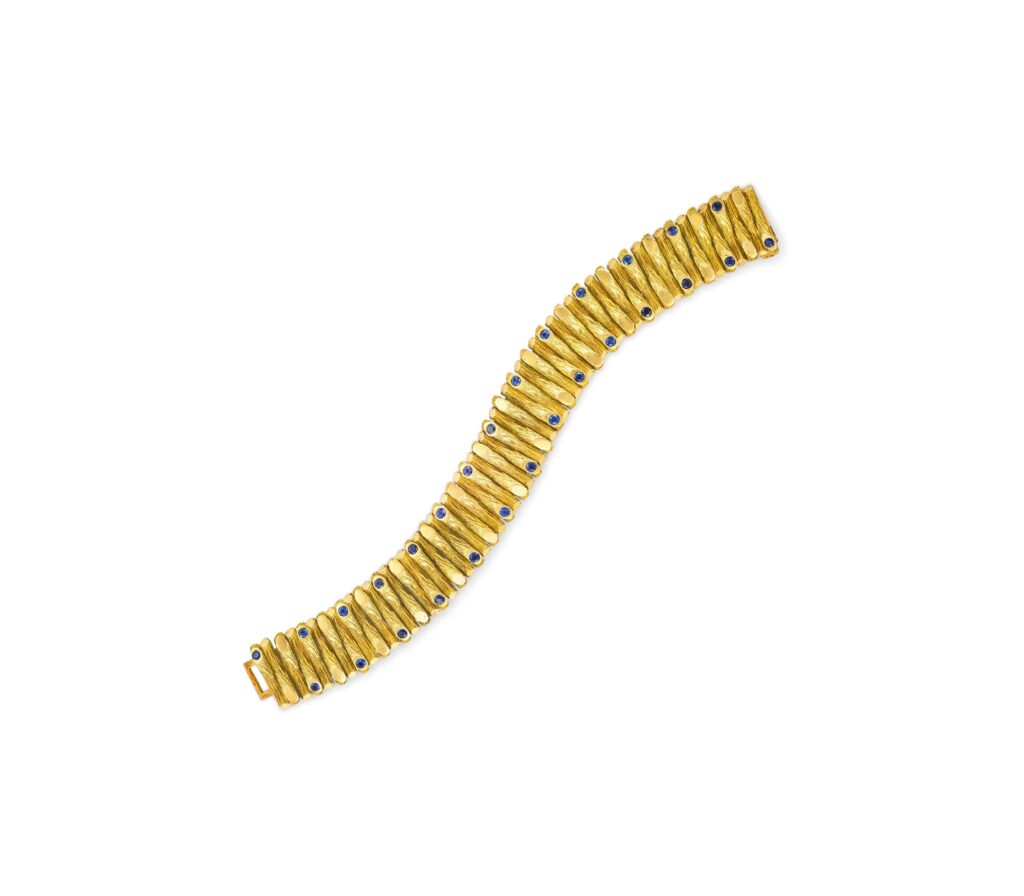
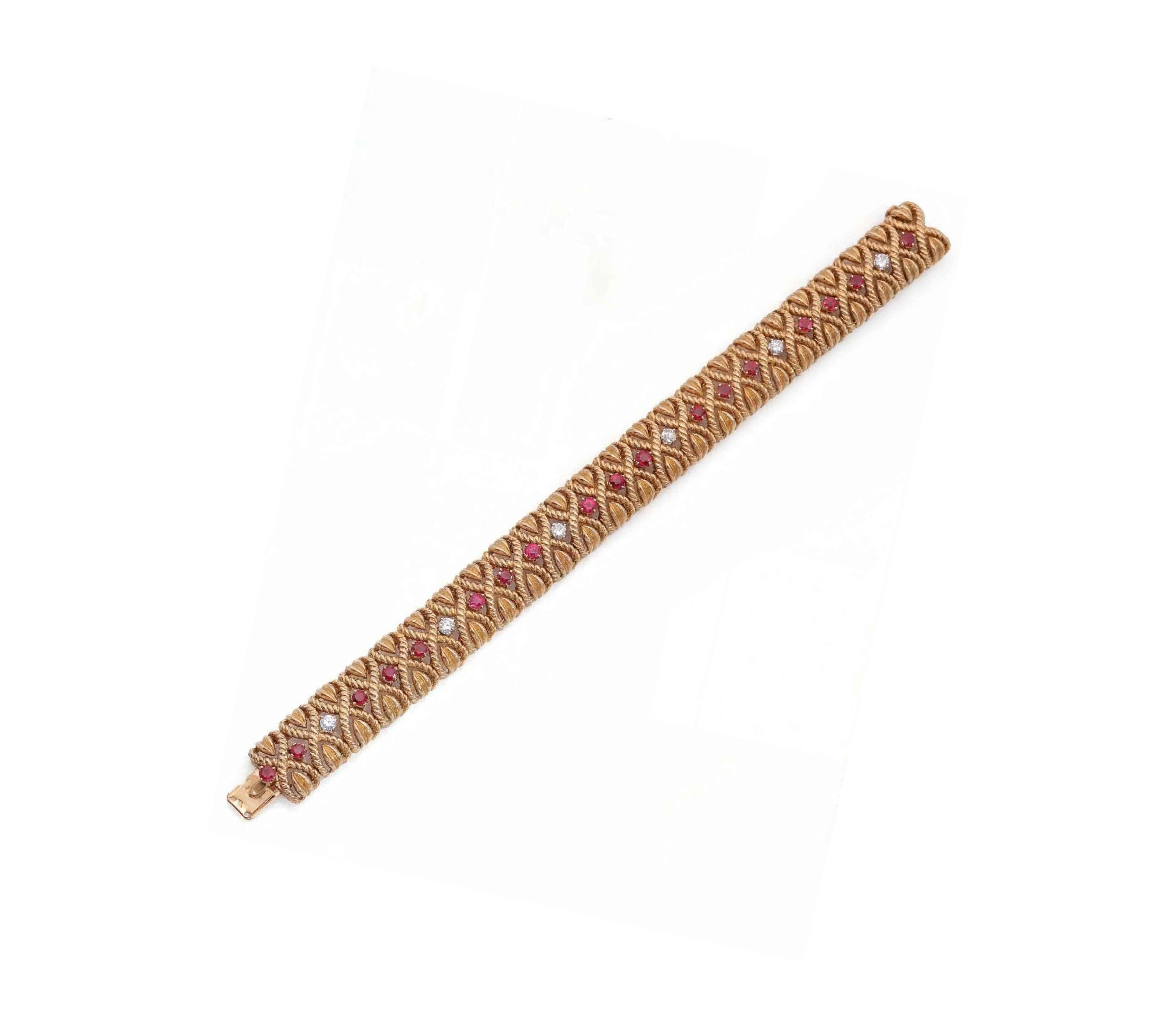
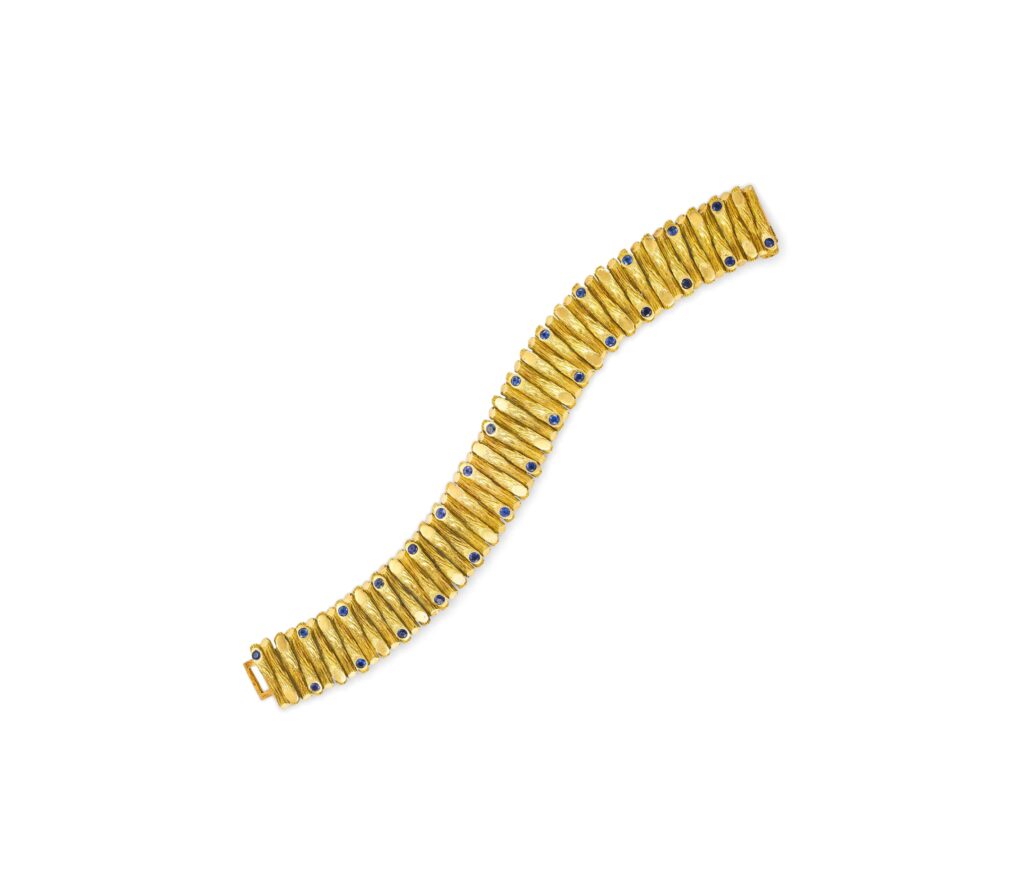
The first piece is not a watch but a jewel — a gold articulated bracelet set with sapphires, signed both Vacheron Constantin and Cristofol. The collaboration itself is worth a moment of attention. Cristofol was a Paris-based atelier known in the mid-twentieth century for refined goldwork and for executing commissions on behalf of leading houses. A signed piece bearing both names belongs to a small category of objects in which horological prestige and Parisian jewelry craft meet on equal terms.
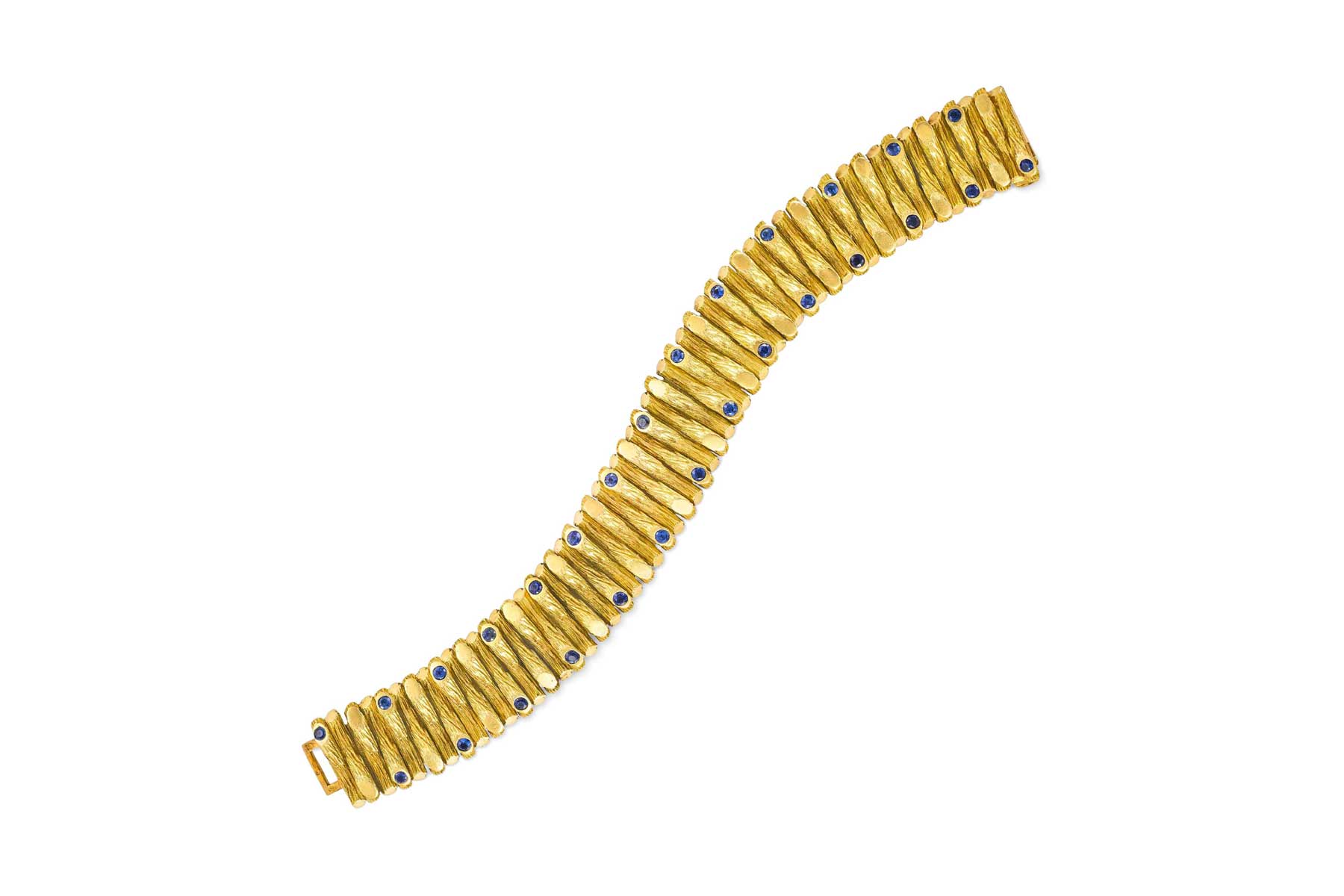
The bracelet is articulated, meaning the gold links move fluidly against the wrist rather than holding a rigid form. This construction is a quiet indicator of quality: articulated goldwork of this kind requires precise machining, careful finishing of each link, and an internal architecture that allows the piece to drape naturally while retaining structural integrity over decades. The sapphires are set as accents rather than as a central display, in keeping with the discreet aesthetic both signatures share.
For collectors interested in mid-twentieth-century French and Swiss goldsmithing, pieces signed by two such houses are uncommon, and we are pleased to be able to present this one. Full details are available on the Vacheron Constantin gold articulated bracelet with sapphires by Cristofol page.
Harmony in Gold: A Cushion-Shaped Statement
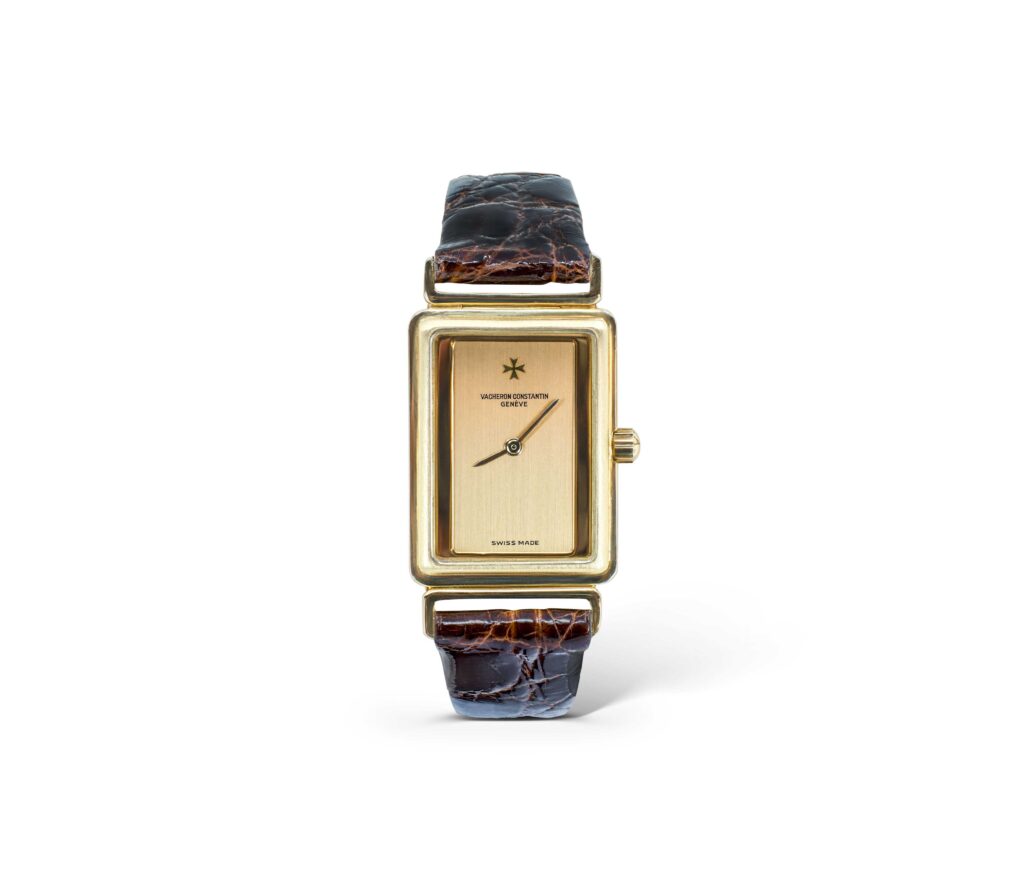
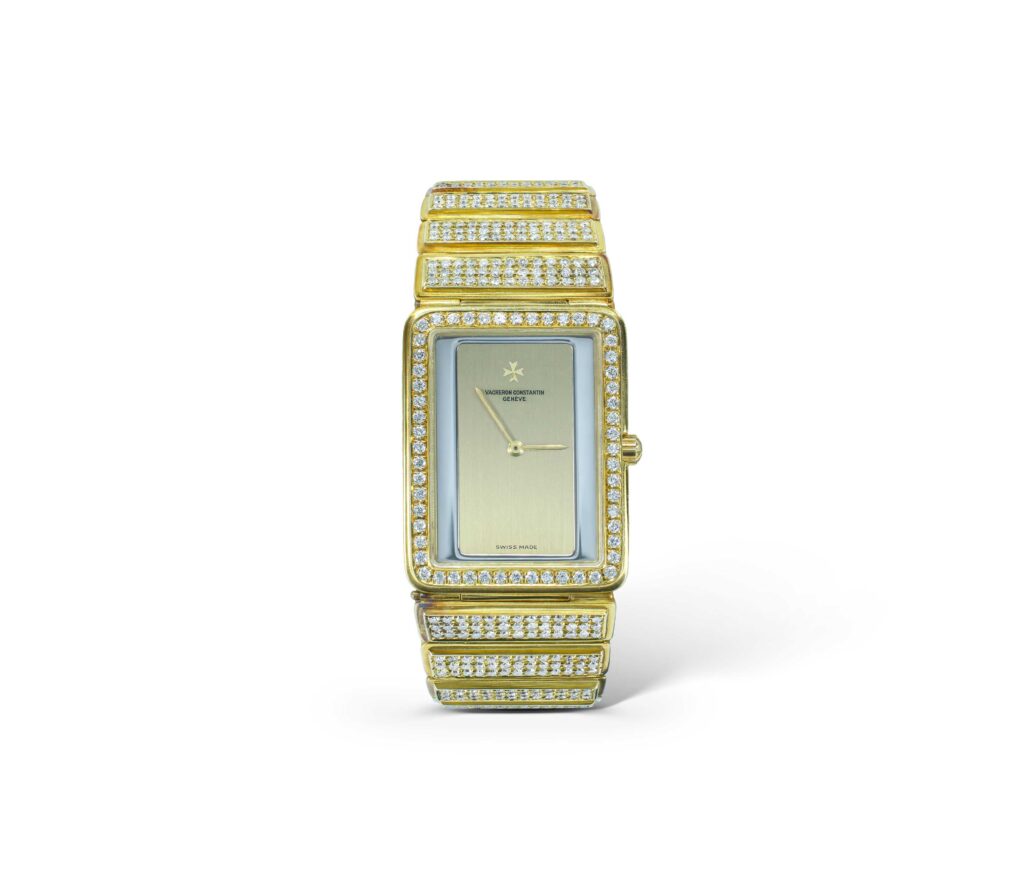
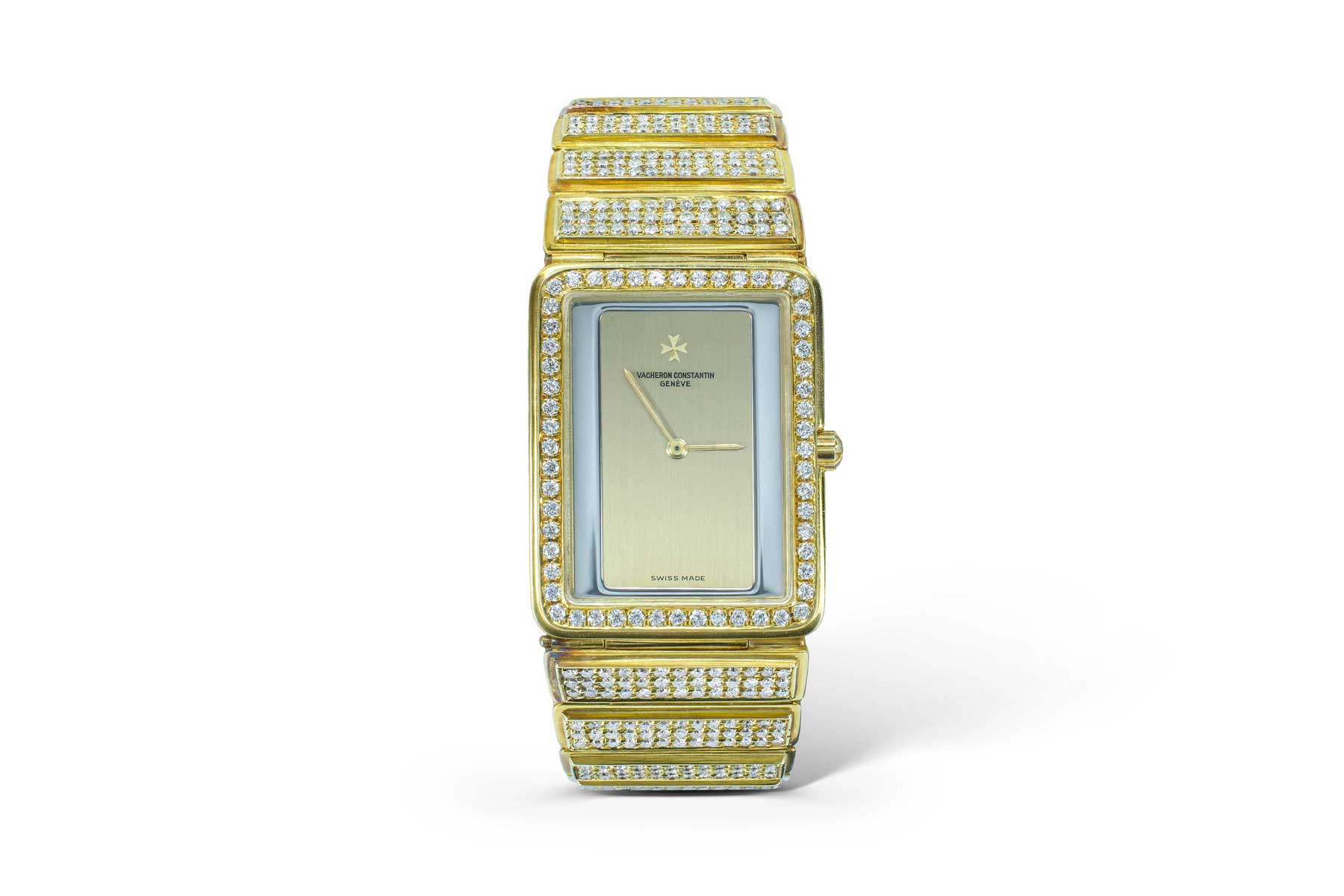
The second and third pieces belong to the Harmony collection, introduced by Vacheron Constantin in 2015 to mark the maison’s 260th anniversary. The Harmony line draws its silhouette from a 1928 single-button chronograph held in the Vacheron Constantin Heritage collection — a watch whose softly cushioned case became one of the most recognized shapes of the early Art Deco period in fine watchmaking.
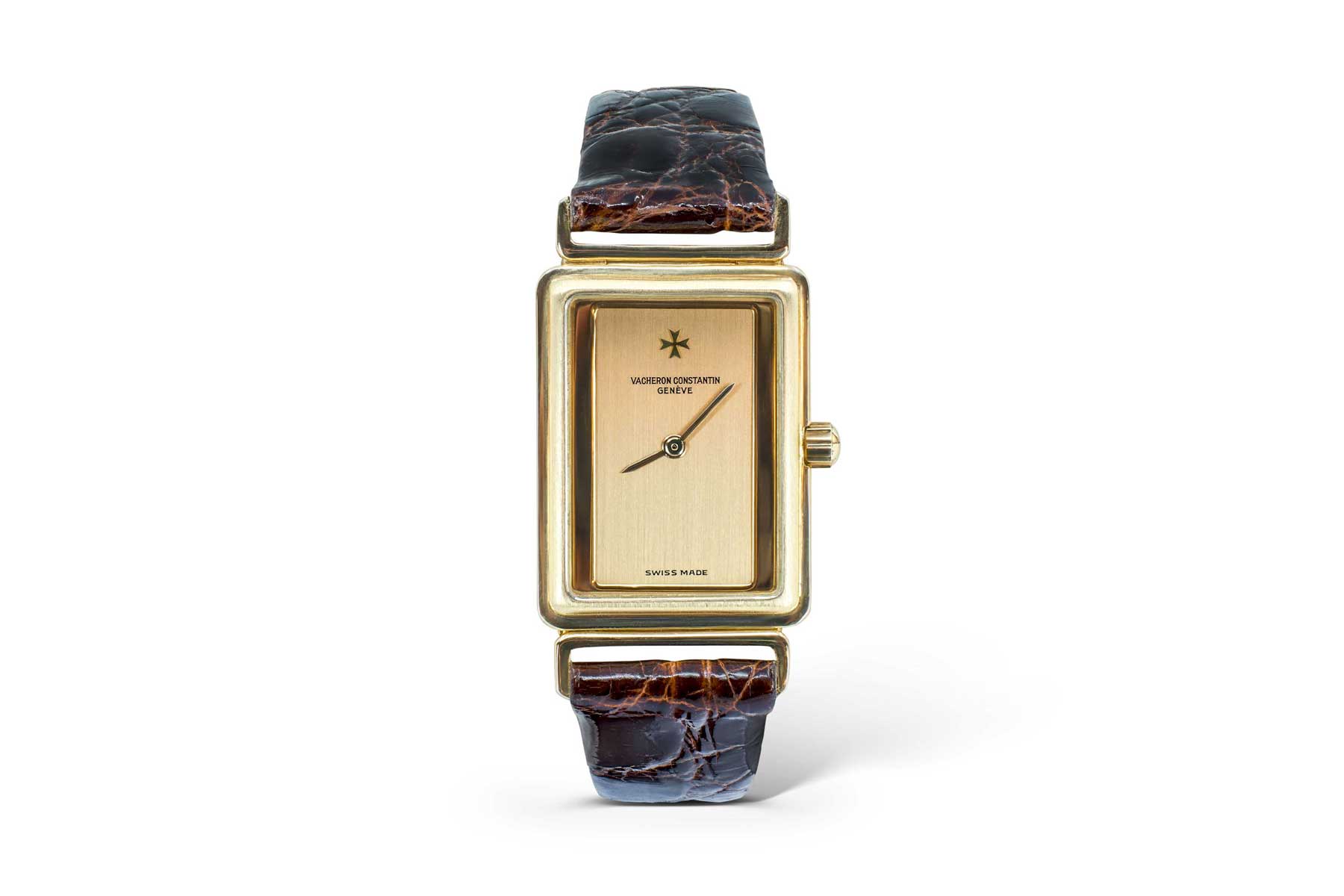
The contemporary Harmony reinterprets that case with the proportions and finishing of modern horology while preserving the spirit of the original. The cushion form is more demanding to execute than a round case: every flank must transition cleanly into the lugs, the bezel must follow the soft curve without losing definition, and the polished and satin-finished surfaces must meet at precise angles. When carried out at this level, the result is a watch that reads as both historical and entirely current.
Why These Three, and Why Now
Adding a new maison to the gallery is, for us, a question of fit rather than completeness. Vacheron Constantin sits comfortably alongside the houses we already present: its approach favours technical seriousness and aesthetic restraint over visible signalling, which is the disposition our collectors tend to share. The three pieces chosen reflect different ways of meeting the maison.
The articulated bracelet speaks to a particular moment of cross-disciplinary work between Geneva and Paris, and to collectors who follow signed jewelry. The two Harmony watches address those drawn to horology — to case architecture, to historical reference, and to the specific pleasure of a cushion-shaped gold watch that traces its line to a documented archive piece.