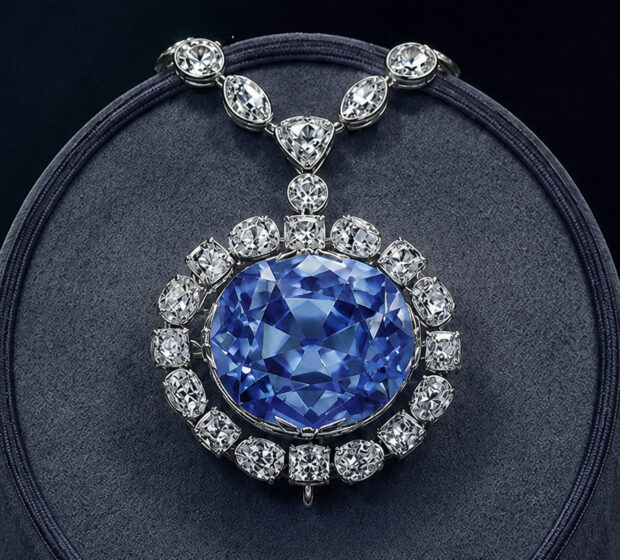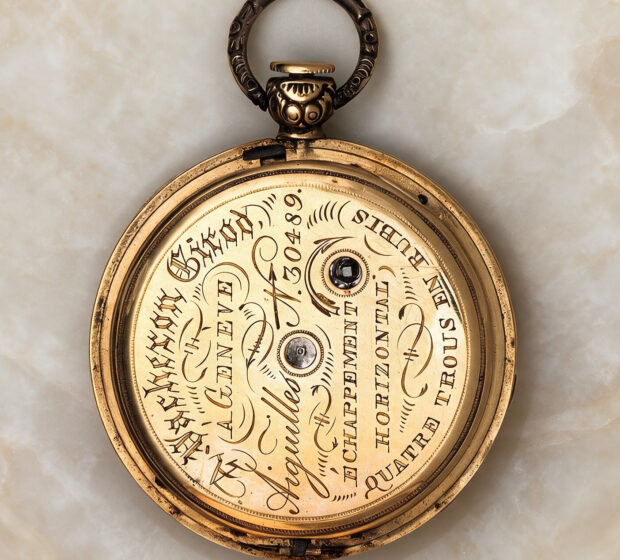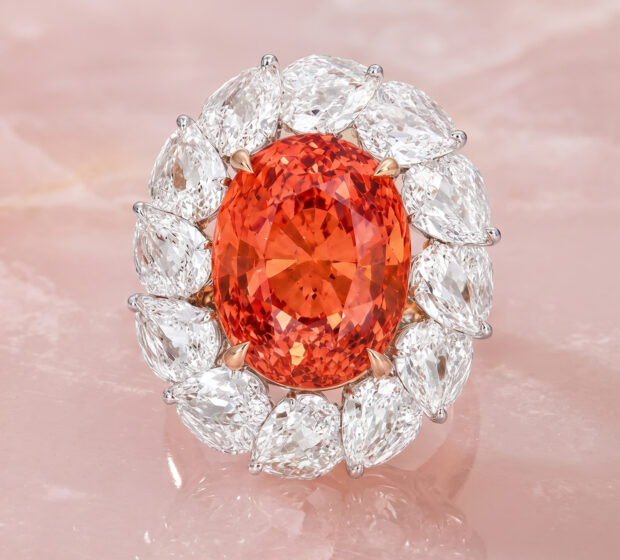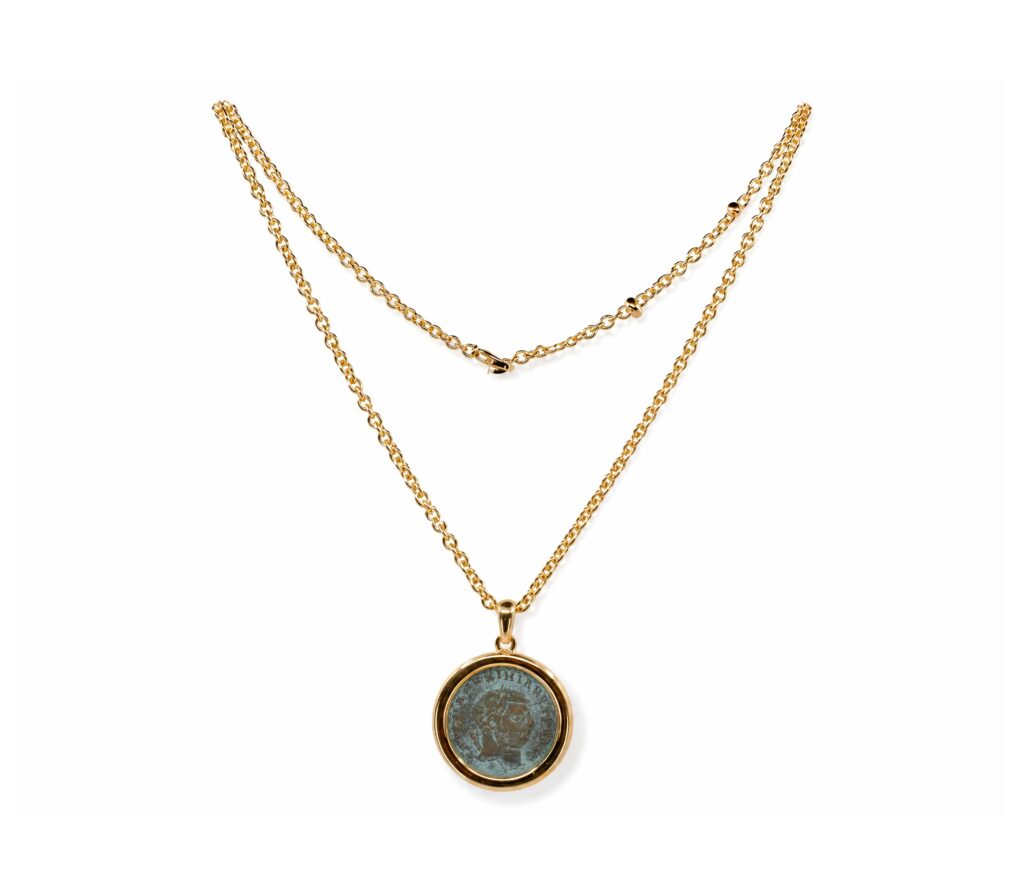






The jewelry world keeps its own sense of time. Its year is measured not in months but in gatherings: a week each May on the shores of Lake Geneva, March in Maastricht, September days in Hong Kong, spring in Florida and Nevada. It is at the fairs that the stones everyone will be discussing for years to come are shown for the first time. And it is there that pieces which have spent decades in private collections step out before the public for a few days — sometimes only to vanish again, into a new collection.
For a gallery devoted to vintage and signed jewelry, rare diamonds, and colored gemstones, these are the most important days of the year. Grygorian Gallery exhibits at the world’s leading fairs, and in this article we have gathered eight that define today’s jewelry scene. It is not a ranking so much as a journey: each venue has its own character, its own audience, its own role. Some exist for a narrow circle of connoisseurs; others welcome tens of thousands of guests. Some are devoted to antiques, others to new collections. Some admit only the trade, while others open their doors to anyone who loves gemstones — yet all of them live by the same three things: rarity, craftsmanship, and history. Together they form a map of the world of fine jewelry.
1. GemGenève. Geneva, Switzerland
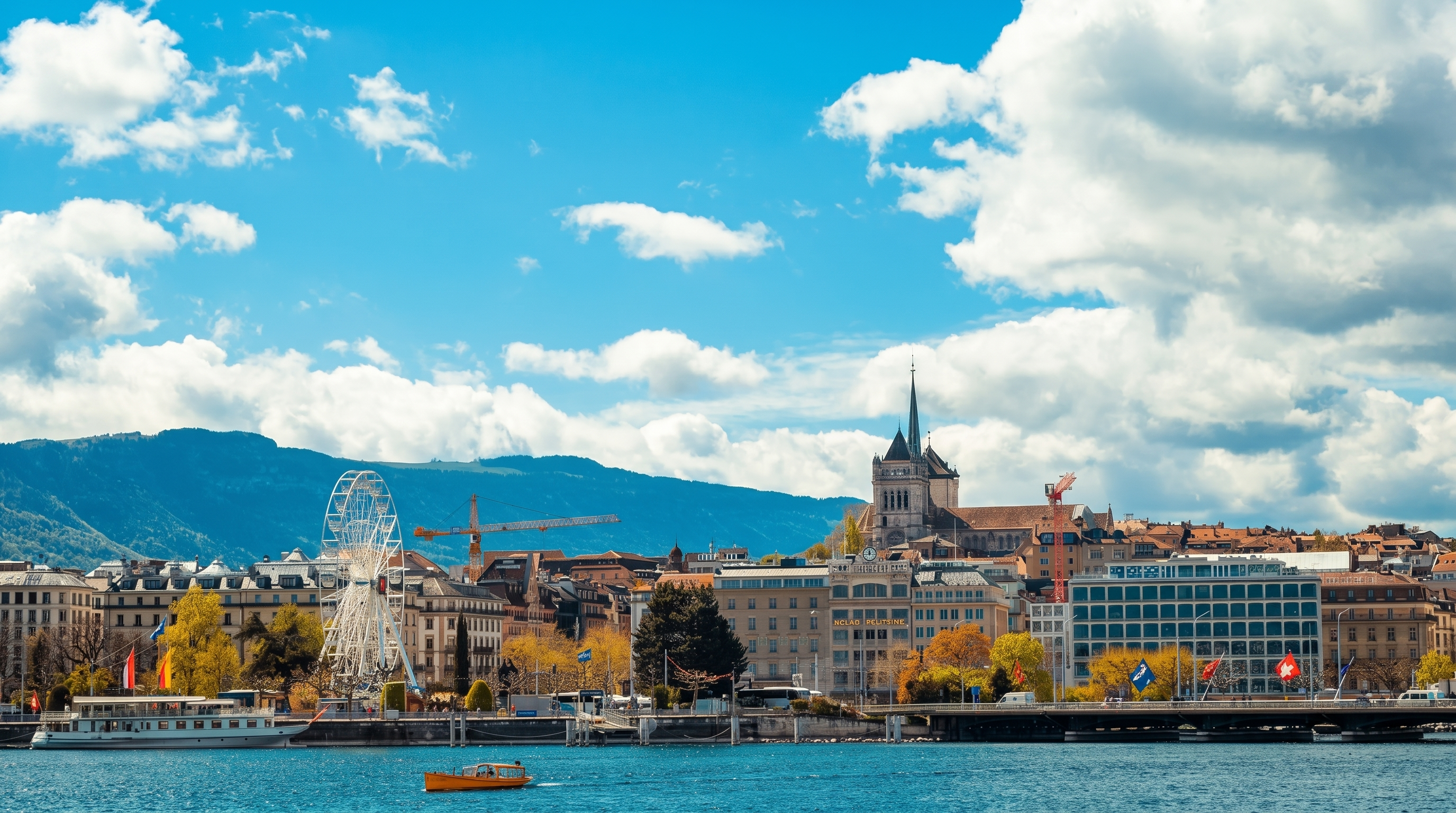
If there is one fair that professionals call truly their own, it is GemGenève. It was founded in 2018 by two respected Geneva gem connoisseurs — Ronny Totah of Horovitz & Totah and Thomas Faerber of the Faerber Collection. Each had spent more than forty years exhibiting at the world’s great fairs, and both understood exactly what the industry was missing. The idea they arrived at was simple and precise: a salon created by exhibitors themselves — for their peers and for collectors — rather than by outside organizers. The first edition, held at Geneva’s Palexpo in May 2018, brought together 147 exhibitors and more than three thousand visitors.
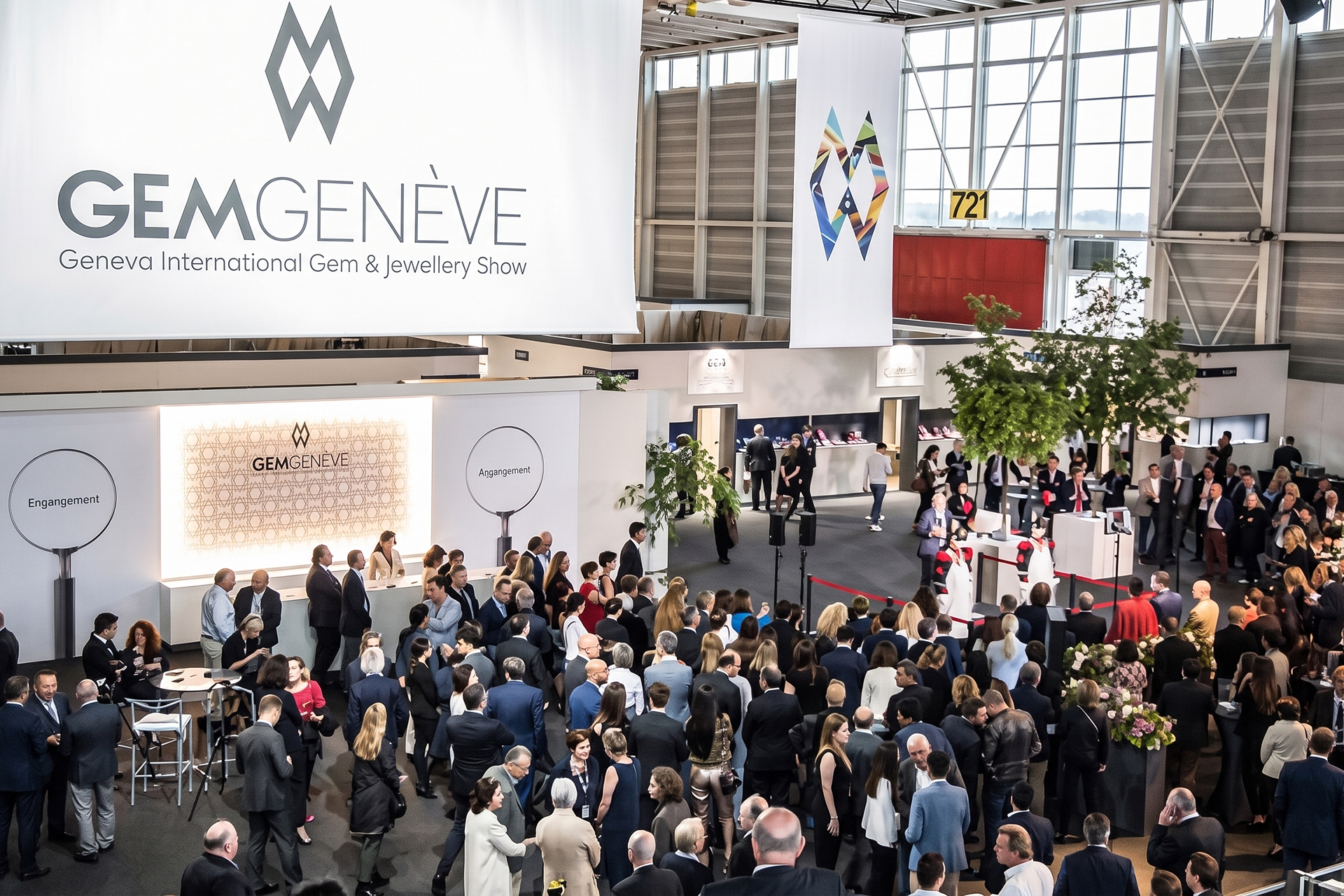
GemGenève has since become one of the defining events in the world of gemstones while deliberately preserving its intimate character. The stands are restrained, almost austere; the lighting is calibrated to each variety of stone; and the atmosphere feels more like a private club than a trade fair. The great jewelry houses come to Geneva too — though more often as guests than as exhibitors. The anniversary tenth edition in May 2026 welcomed more than 240 exhibitors and a record 5,365 visitors; since 2018, more than 32,000 people have passed through the salon. From its first day the fair has been built on two principles — transparency and honesty — and in an industry often reproached for its opacity, that has proved the strongest argument for trust.
The salon’s reach is now global: the tenth edition drew guests from 109 countries. Yet in spirit GemGenève remains a Geneva story — unhurried, confiding, built on reputation. The market taking shape here is telling, too. Buyers increasingly seek untreated stones: Colombian emeralds free of oil, Kashmir sapphires, unheated Mozambique rubies. Demand for jewelry with a past is growing just as steadily — pieces with provenance, once owned by notable figures, appreciate faster than the rest, a trend the organizers note year after year.
Nor is GemGenève only about trade. Every edition is accompanied by a cultural program of museum caliber: thematic exhibitions, lectures by historians and gemologists, a showcase for young designers, and a métiers d’art space where masters of rare crafts work before visitors’ eyes. The “Pearl Odyssey” exhibition, for instance, traced the history of the pearl from antiquity to the present day. The salon coincides with Geneva’s great May week of jewelry auctions at Christie’s, Sotheby’s, and Phillips — days when Geneva becomes the world’s capital of precious stones. The tenth edition took colored diamonds as its central theme, while the temporary exhibition “Shaping Matter, Enhancing Beauty,” mounted with the Baur Foundation, showed how artisans across the centuries turned jade, coral, and other natural materials into works of art. A particular pride of the anniversary edition was the Designers’ Village, where young makers from four continents show their work alongside established houses; by the organizers’ own admission, its success exceeded every expectation. And each edition closes with the GemGenève Awards, honoring young jewelers, gouache artists, and the finest photographs of inclusions within gemstones.
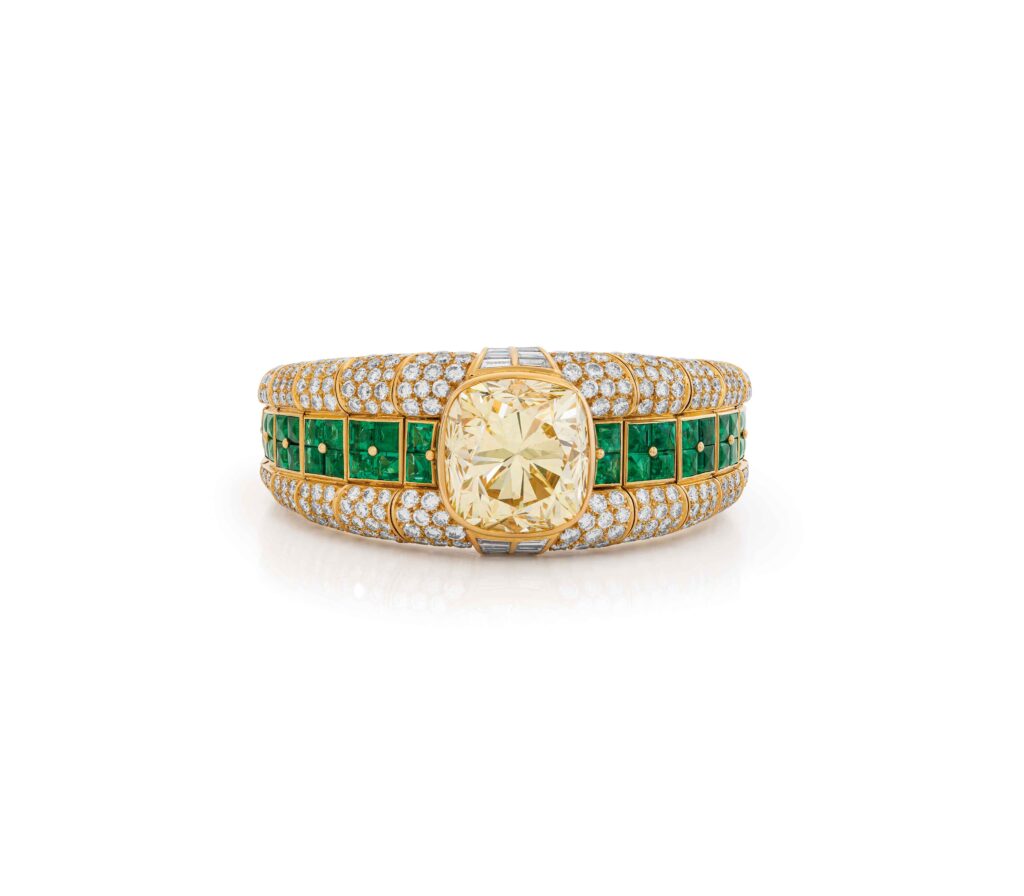
Grygorian Gallery exhibited at GemGenève in 2025 and 2026. In 2025 the gallery was among more than two hundred participants from twenty countries, presenting signed jewelry by Cartier, Van Cleef & Arpels, Bulgari, Boucheron, and Chaumet — among them Boucheron’s “Pégase” bracelet and a Bulgari bangle set with a 32.32-carat Fancy Yellow diamond. In 2026 we welcomed guests at stand C92. For us, GemGenève remains one of the most cherished venues of all: its intimate atmosphere invites an unhurried conversation about every piece.
2. TEFAF Maastricht. Maastricht, the Netherlands
If GemGenève is the connoisseurs’ salon of the gem world, TEFAF is the summit of the entire world of art and antiques. The European Fine Art Fair has been held in Maastricht since 1988; it grew out of two smaller fairs of earlier decades — Pictura, devoted to paintings, and De Antiquairs, to antiques — and today it is almost universally described as the most prestigious fair of fine art, antiques, and design on earth. In March 2026 its thirty-ninth edition brought 277 galleries from 24 countries on five continents to the MECC, with an exhibition spanning seven millennia of art history, from ancient bronzes to contemporary design.
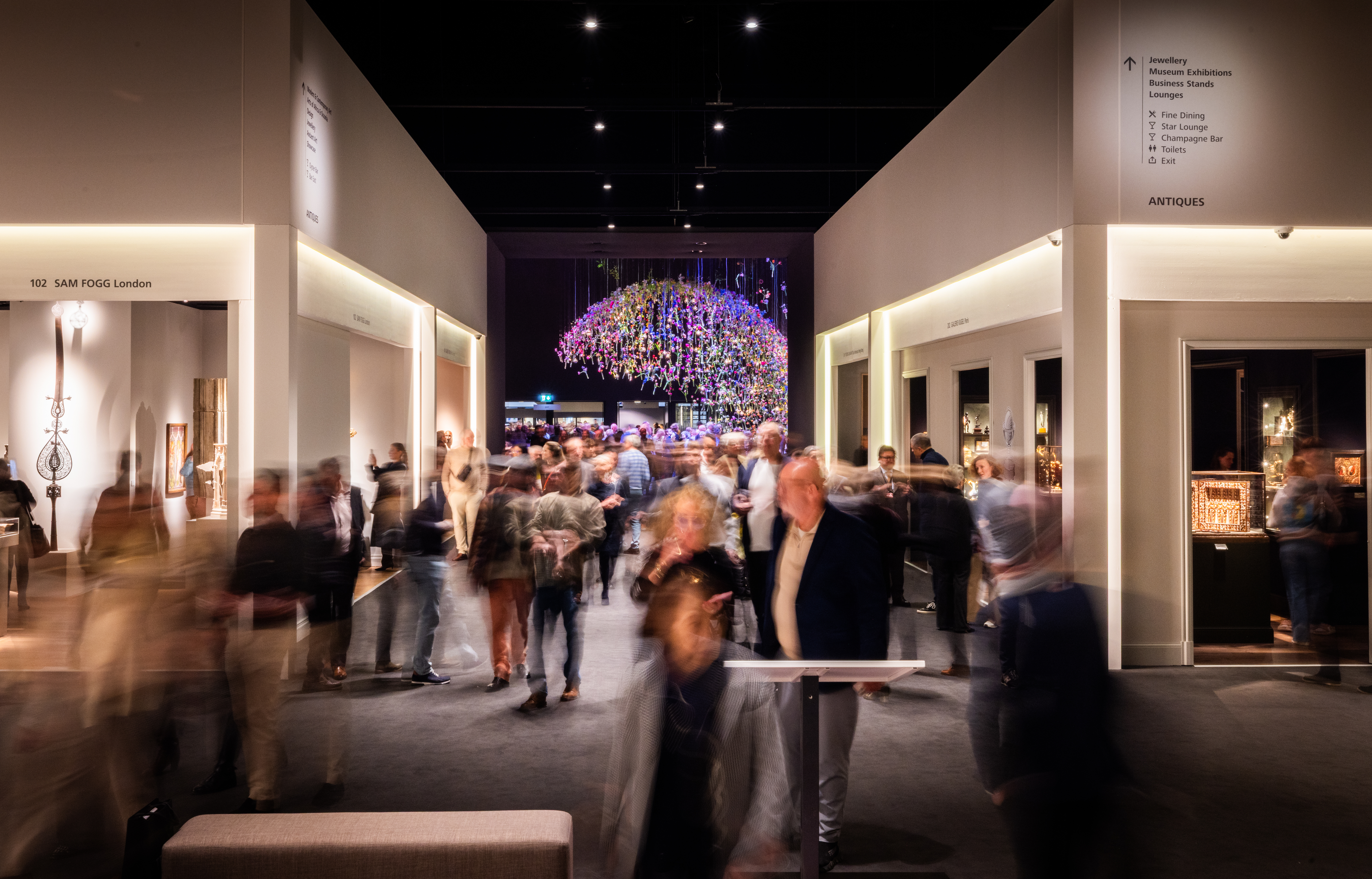
What sets TEFAF apart from every other fair is its vetting — the most rigorous verification process in the world. Before the doors open, every object is examined: some two hundred independent specialists, organized into thirty expert committees, assess authenticity, condition, and provenance. They are supported by a scientific team equipped with X-ray fluorescence analysis and 3D microscopes, and by the Art Loss Register, the world’s largest database of lost and stolen works of art. This is why the world’s great museums — from the Louvre and the Met to the Rijksmuseum — make acquisitions at TEFAF: museum quality here is guaranteed by the selection system itself.
Jewelry is one of the fair’s eight principal sections. The curators deliberately balance antique jewels, the work of independent artist-jewelers, and the great houses; a place on the exhibitor list is itself a mark of belonging to the highest league, for the selection is no less exacting than the vetting. And yet the fair is open to everyone — any enthusiast may buy a ticket, and for one week each March the quiet city of Maastricht becomes the capital of world collecting. TEFAF also has an American sibling: every spring, TEFAF New York takes over the Park Avenue Armory, gathering 88 galleries in May 2026.
Grygorian Gallery has not yet exhibited at TEFAF, but it is this fair that sets the standard by which the entire market for objects with history is measured — and no survey of the world’s great fairs would be complete without it.
3. Jewellery & Gem WORLD Hong Kong. Hong Kong
The largest jewelry fair on the planet takes place in Hong Kong. Jewellery & Gem WORLD Hong Kong, organized by Informa Markets, is known as the biggest jewelry event in the world — and the statistics bear it out. In 2023 the fair drew some 53,900 professional buyers from 142 countries, while more than 3,400 exhibitors presented their collections; seven out of ten visitors travel to Hong Kong from abroad.
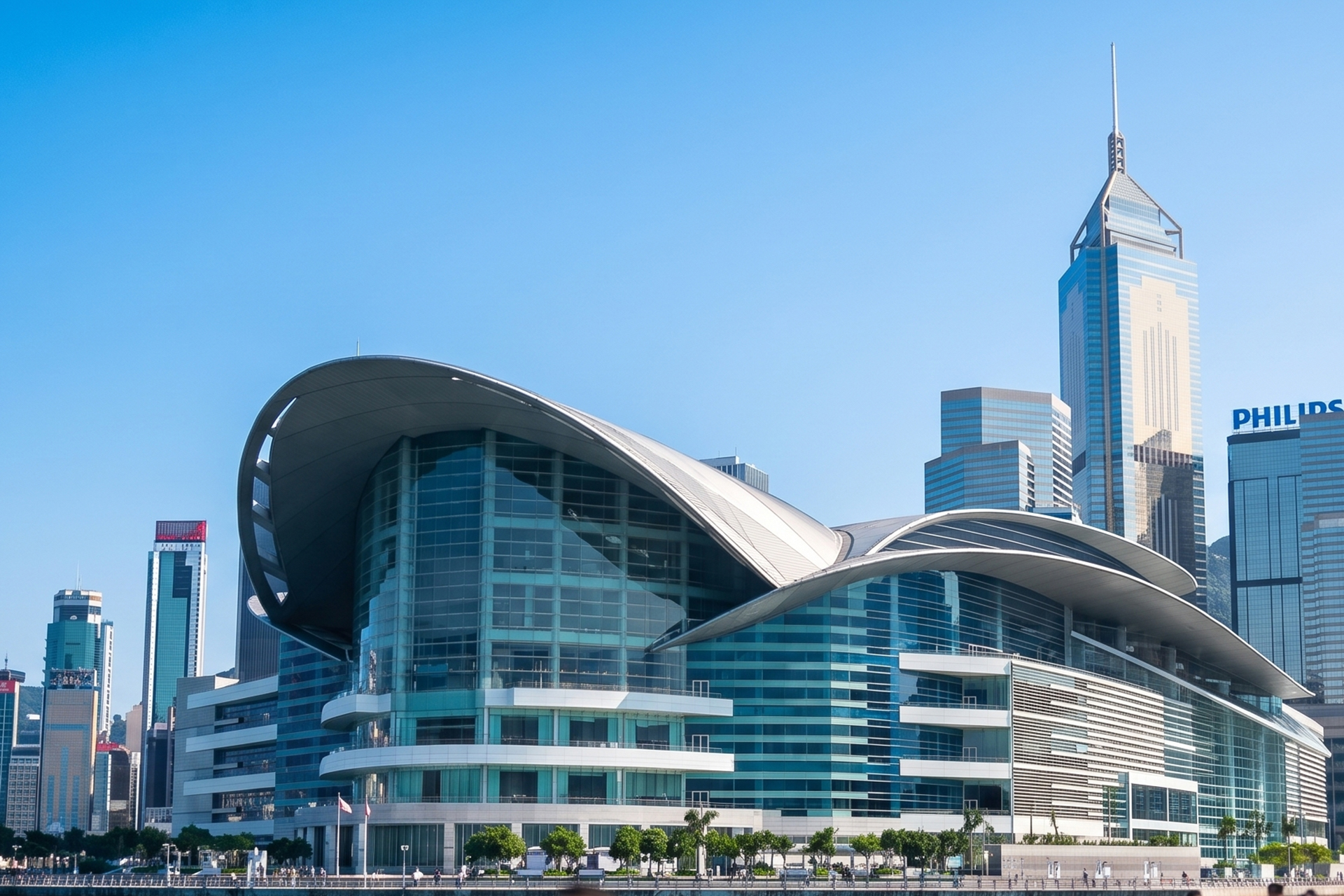
The fair is so vast that it occupies two venues at once. AsiaWorld-Expo, beside the airport, is given over to the stones themselves: diamonds, colored gems, and pearls. The Hong Kong Convention and Exhibition Centre, in the heart of the city, presents finished jewelry and everything that attends its making, from tools to the latest technology. The dates of the two venues are deliberately staggered by a few days so that buyers can work both at leisure — first selecting stones, then finished pieces. Within, the fair is divided into dozens of product and national pavilions: Belgium and Brazil, Italy and Israel, India, Japan, Thailand, and other jewelry nations mount displays of their own. The commercial program is rounded out by an extensive educational one, featuring leading houses and gemological laboratories. Alongside the flagship September edition, Informa Markets also holds Jewellery & Gem ASIA Hong Kong each June — the key mid-year rendezvous for sourcing stones and jewelry, which in 2026 gathered nearly twenty-four thousand professional buyers from more than a hundred countries.
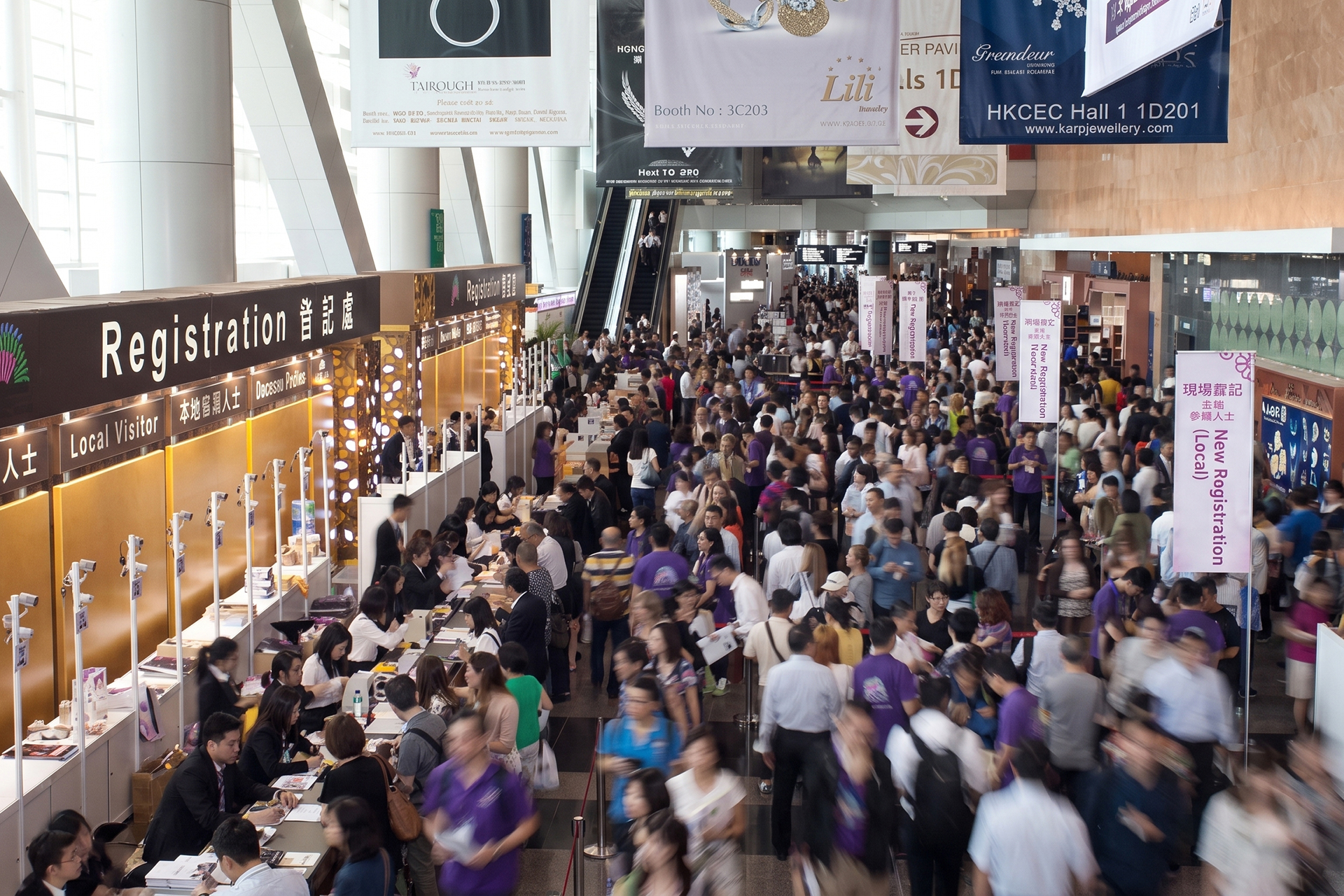
The city itself plays its part. Hong Kong is a free port, with no VAT or customs duties on most goods, superb logistics, and a position halfway between Asia and the West. Small wonder that the industry’s year has long been built around the Hong Kong calendar: stones and designs are chosen in summer, finished pieces bought in autumn, ahead of the holiday season.
Grygorian Gallery took part in Jewellery & Gem ASIA Hong Kong in June 2026: at stand 1E222 we presented vintage and signed jewelry, investment diamonds, and rare colored gemstones. The Asian market matters greatly to the gallery: collectors’ appetite there for rare stones and signed European vintage grows with every passing year.
4. Hong Kong International Jewellery Show. Hong Kong
Hong Kong is so strong in the jewelry trade that its calendar holds two fairs of world rank. In spring the city hosts the Hong Kong International Jewellery Show, organized by the Hong Kong Trade Development Council (HKTDC). In 2026 it was held for the forty-second time, and it remains one of Asia’s longest-established fairs.
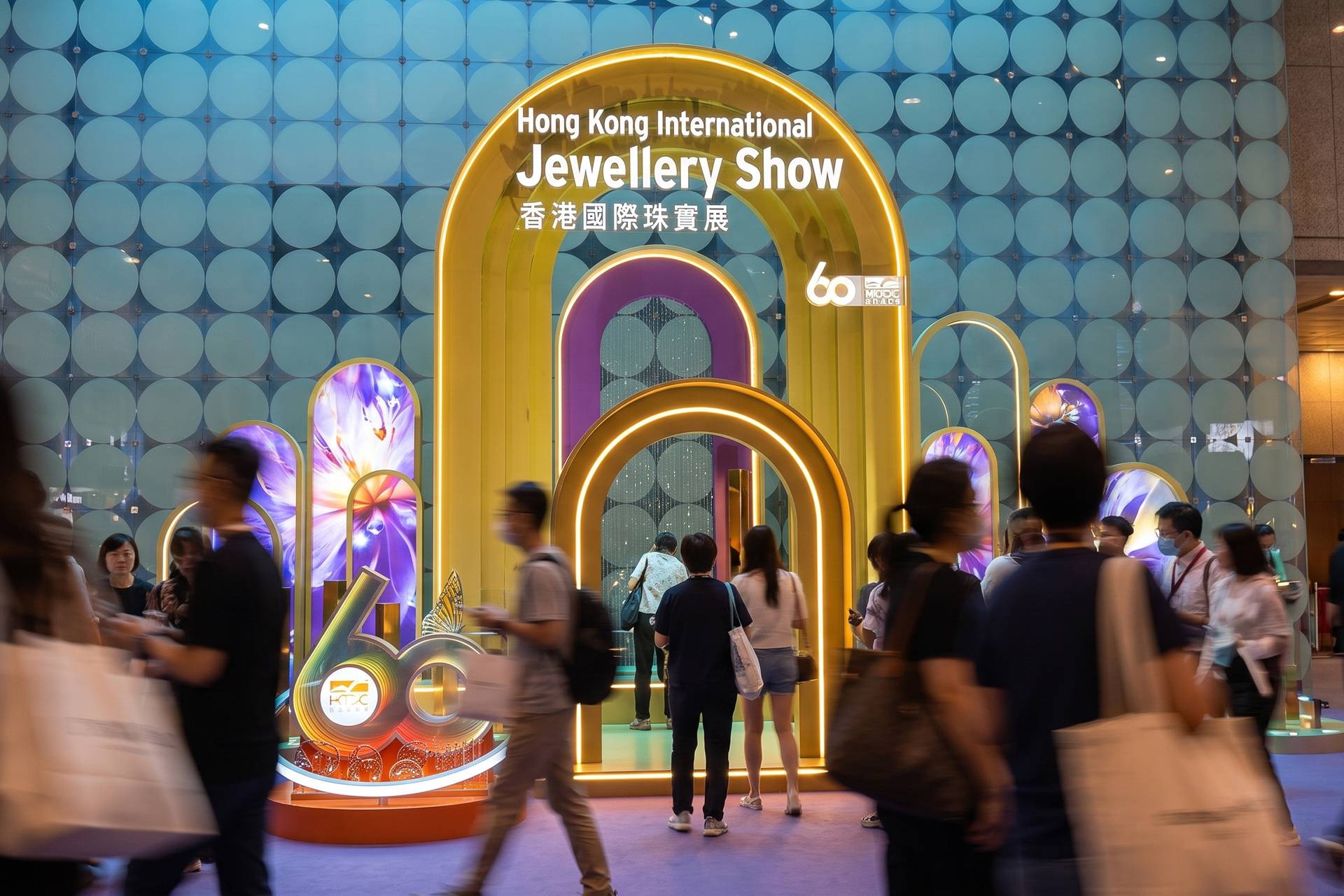
Here, too, a twin-venue format applies: alongside the jewelry salon at the HKCEC, AsiaWorld-Expo hosts the Hong Kong International Diamond, Gem & Pearl Show, devoted to diamonds, colored stones, and pearls. Together the two events assemble some four thousand exhibitors from more than forty countries, forming what the organizers call the world’s largest one-stop jewelry marketplace. The exhibition is arranged in zones: the Hall of Fame is reserved for branded jewelry, the Hall of Extraordinary for pieces of exceptional caliber, while separate spaces house a designers’ gallery and an arena for young talent. In 2026 the World Gold Council’s pavilion made its debut, dedicated to hard pure gold — a technology that makes pure-gold pieces stronger and lighter. The show keeps growing: in 2026 the Hall of Fame expanded by more than forty percent, a national delegation from Uzbekistan attended for the first time, and around fifty designers presented their work in the design zones. Seven out of ten exhibitors travel to Hong Kong from abroad.
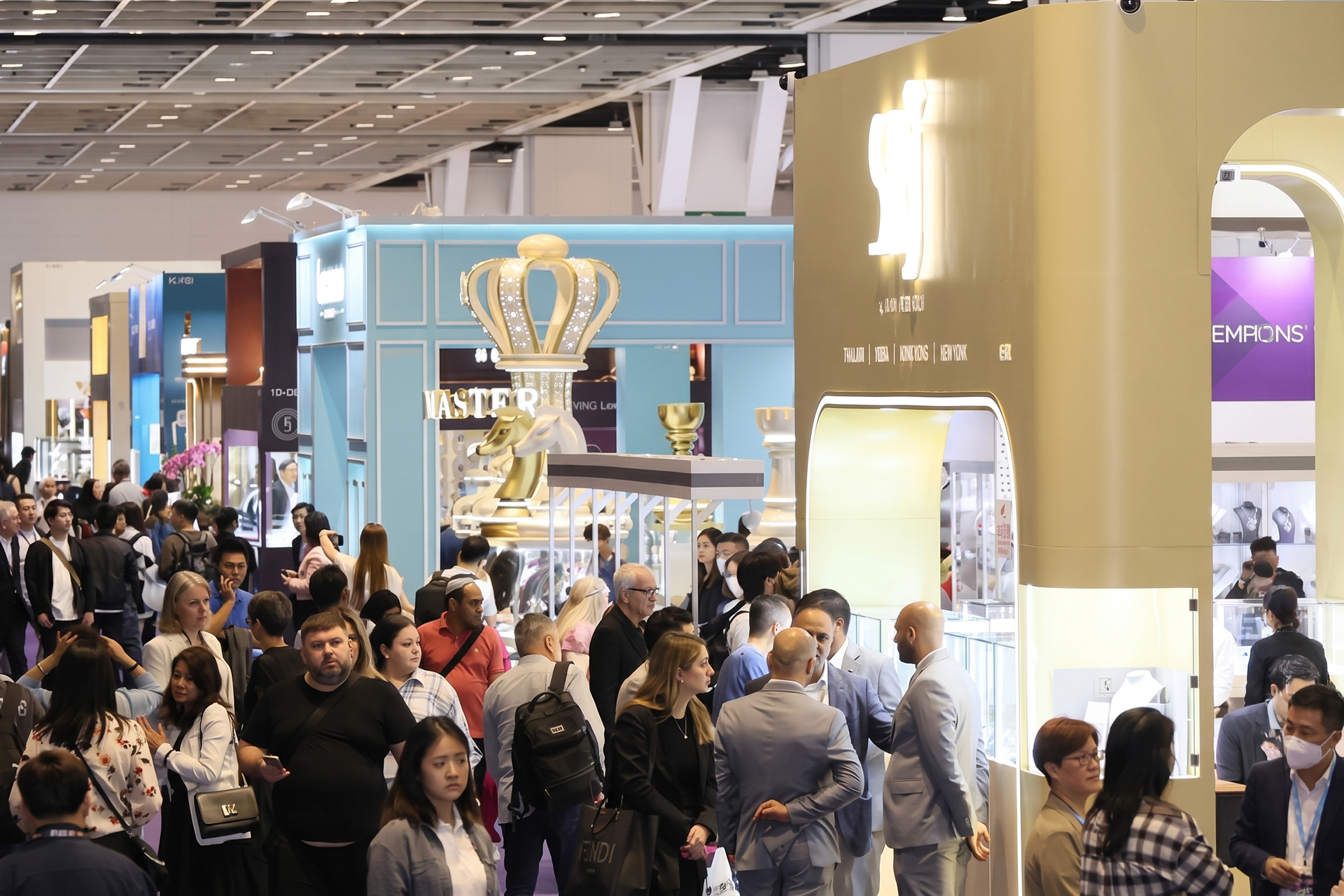
The audience is professional: jewelry houses, boutiques, and manufacturers from around the world come in search of new suppliers and collections. For a gallery, taking part in such an event means noticing, earlier than others, how the taste of the Asian market is shifting.
In March 2026 Grygorian Gallery exhibited at the Hong Kong International Jewellery Show with a collection of vintage jewelry, rare gemstones, and watches.
5. Original Miami Beach Antique Show. Miami Beach, USA
If the Hong Kong fairs impress by their scale, the Original Miami Beach Antique Show wins you over with its depth. It is one of the oldest and most respected antiques fairs in North America: 2026 marked its sixty-second edition. The show is produced by U.S. Antique Shows at the Miami Beach Convention Center — the same complex where Art Basel Miami Beach unfolds each year.
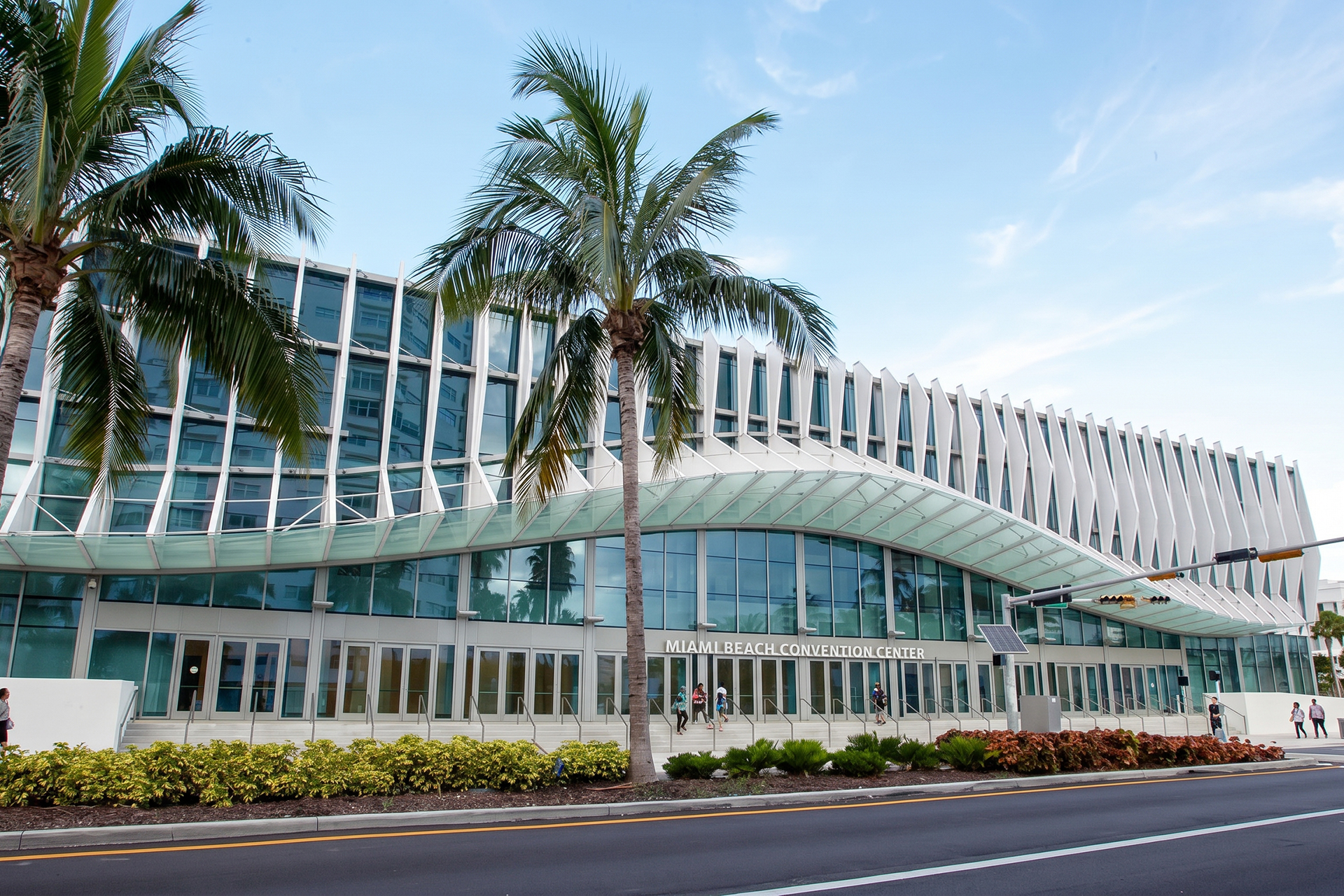
The program ranges beyond jewelry alone: alongside jewels and watches are antique furniture, paintings, decorative arts, and vintage fashion. Yet the heart of the event lies in its jewelry cases. In 2026 the fair gathered more than six hundred established antiques specialists from upward of thirty countries. Georgian, Victorian, and Edwardian jewels sat beside Art Deco; vintage Rolex and Patek Philippe beside signed pieces by Cartier and Van Cleef & Arpels; and nearby, rare unsigned jewels awaited their admirers, precious for their sheer singularity. Rare Hermès bags appear here as well — the fair long ago outgrew the boundaries of a purely jewelry event.
A particular pride of the show is its educational program: conversations with jewelry historians, lectures on provenance, and a day of complimentary appraisals conducted by the auction house Bonhams Skinner, at which any guest may bring one object and hear an expert’s opinion. Sessions range from watch collecting and the history of jewelry to the art of weaving an antique piece into a modern interior or wardrobe, while the “Tales from the Trade” panel has dealers sharing the backstage stories of the craft. This is a place that loves not only to show objects but to tell their stories: nearly every piece arrives with a documented past.
Grygorian Gallery took part in the Original Miami Beach Antique Show 2026. For a gallery devoted to vintage and signed jewels, it is hard to imagine a more natural setting: the collectors who come here understand provenance as well as any professional.
6. Las Vegas Antique Jewelry & Watch Show. Las Vegas, USA
Every spring the Wynn Las Vegas becomes, for a few days, a private club for connoisseurs of antique jewelry: it hosts the Las Vegas Antique Jewelry & Watch Show, another production of U.S. Antique Shows. This is the largest fair in the United States devoted entirely to antique and estate jewelry and watches. Entry is reserved for the trade — which is why the concentration of serious buyers is so high: in a few days one can view the holdings of exhibitors from around the world without crisscrossing dozens of showrooms. And the scale is considerable: the show gathers up to four hundred exhibitors from nearly twenty countries, each rigorously screened by the organizers, so that only pieces of impeccable caliber reach the cases.
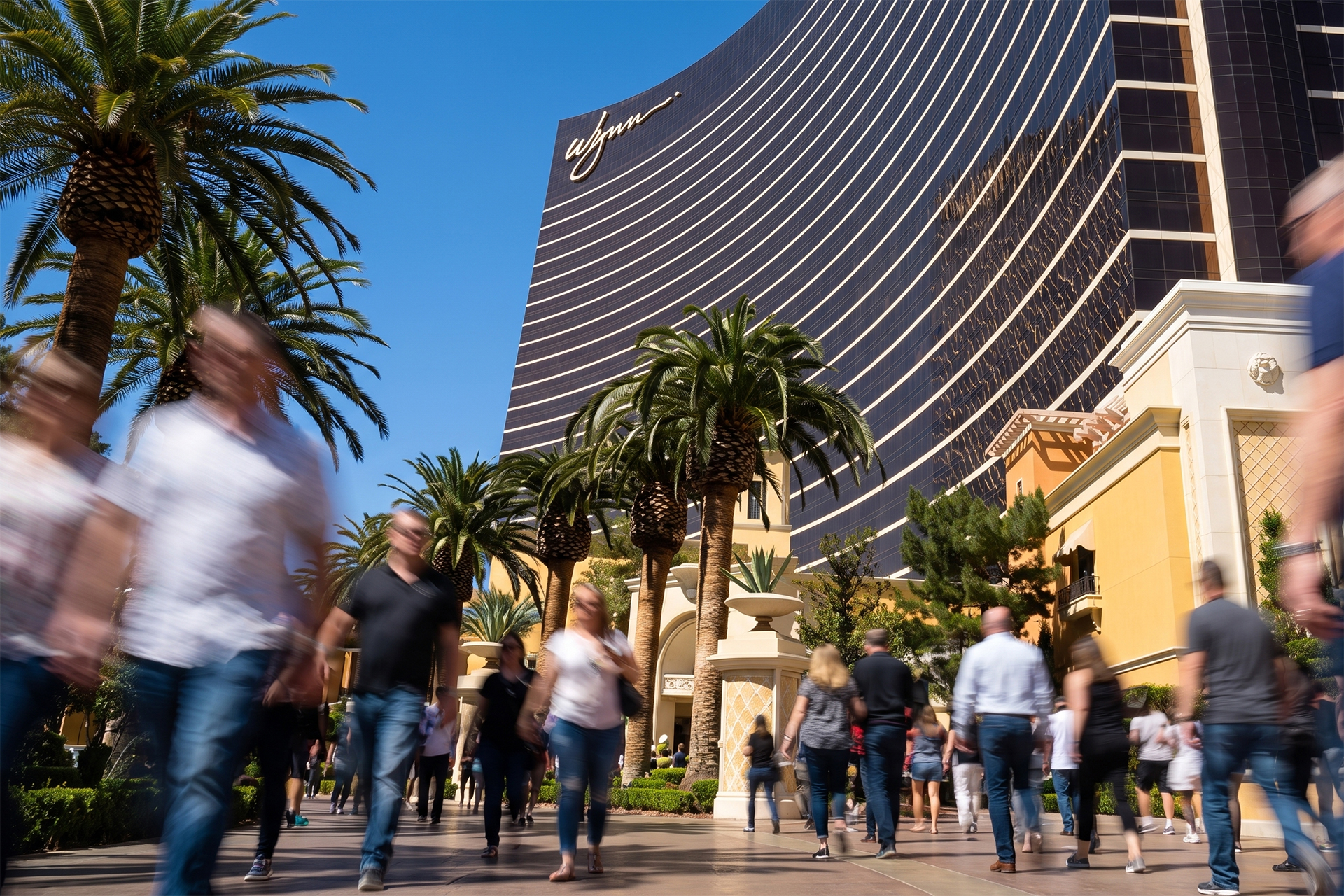
Part of the show’s particular charm lies in its setting. It runs in the same hotel, on the same days, as COUTURE — one of America’s leading fairs of contemporary jewelry design; both belong to Las Vegas’s annual Market Week, when virtually the entire industry descends on the city and the vast JCK trade fair unfolds next door at the Venetian Expo. For those few days, Las Vegas is the jewelry capital of America. Hence a curious subplot: designers and executives of contemporary houses come to the antiques fair in search of archival pieces from their own brands — and buy them back for their collections. The cases regularly hold Cartier, Van Cleef & Arpels, Bulgari, David Webb, Verdura, and Tiffany & Co., along with vintage Rolex and Patek Philippe, from the Georgian era to the present day.
In 2026 Grygorian Gallery exhibited here at stand 142 with antique and signed jewelry, collectible watches, and rare gemstones. For the gallery it is a vital encounter with the American market, where the rarity of an object and its history are prized above all else.
7. New York City Jewelry & Watch Show. New York, USA
New York, one of the jewelry capitals of the world, has a showcase of its own for lovers of vintage and antique jewels — the New York City Jewelry & Watch Show. Unlike the closed trade salons, this fair is open to the public, and it is here that houses and galleries meet collectors face to face.
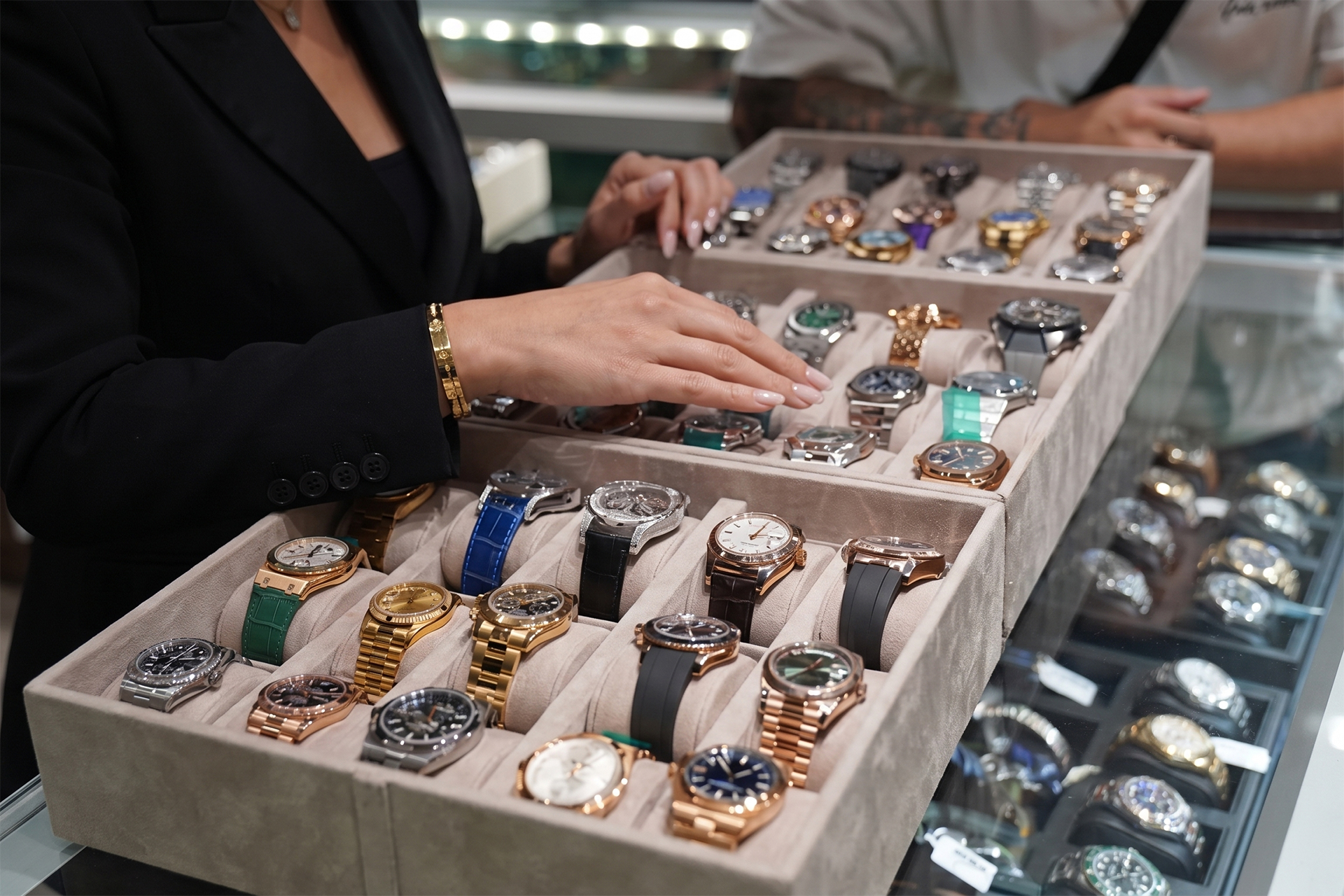
The show is held every autumn by the Palm Beach Show Group, one of America’s leading producers of art, antiques, and jewelry fairs. Its venue is the Metropolitan Pavilion in Manhattan’s Chelsea. Autumn 2025 brought the tenth, anniversary edition: four days of antique, estate, contemporary, and designer jewelry and watches, joined for the first time by a curated section for emerging makers. The atmosphere is intimate, almost gallery-like: an industrial loft, velvet-lined cases, and pinpoint lighting conjure a museum display rather than a trade fair. Georgian, Victorian, Edwardian, and Art Deco jewels share the floor with signed pieces by Van Cleef & Arpels, Cartier, David Webb, and Tiffany, and with the work of independent watchmakers. The eleventh edition has already been announced for October 2026 — a sure sign the format has found its audience.
Grygorian Gallery took part in the New York City Jewelry & Watch Show in October 2025. The gallery’s founder, Eduard Grygorian, remarked that the New York fair allowed the craftsmanship of the pieces on display to reveal itself with particular fullness — and brought encounters with collectors who genuinely treasure the heritage of the jeweler’s art.
8. VicenzaOro. Vicenza, Italy
Closing our list is a fair without which no account of the jeweler’s craft would be complete — Italy’s VicenzaOro. Vicenza has been a city of goldsmiths for centuries: a jewelers’ guild existed here as early as 1333, and today the Basilica Palladiana houses the Museo del Gioiello, Italy’s only museum of jewelry. The fair itself was born in 1954 as a national survey of gold- and silverwork and marked its seventieth anniversary in 2024. It is staged twice a year, in January and September, by the Italian Exhibition Group at the Fiera di Vicenza.
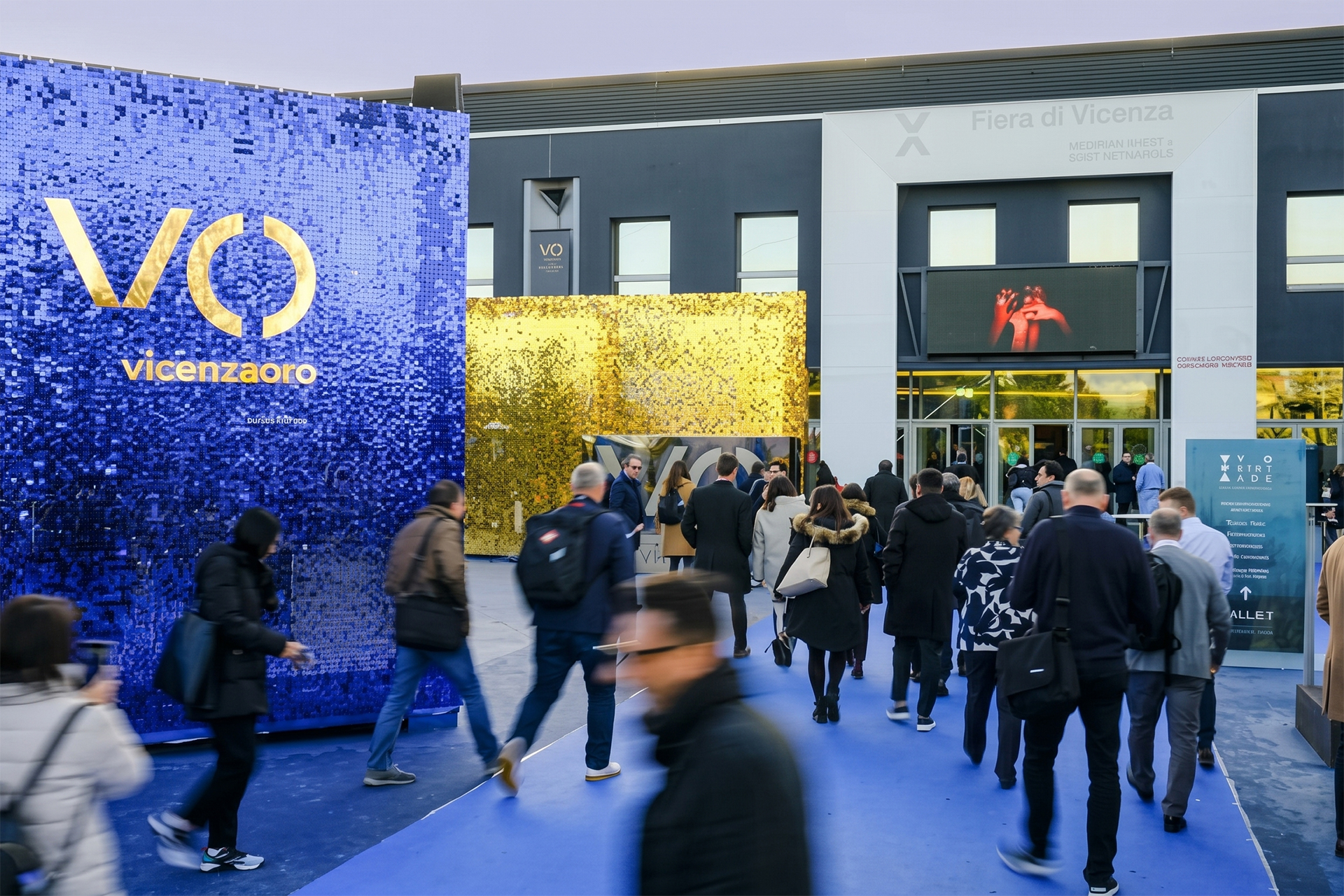
VicenzaOro is devoted above all to gold and to Italian jewelry design. Running alongside it is T.Gold, a salon of technology and machinery for the jeweler’s trade, while the VO Vintage zone draws devotees of antique jewelry and watches. The fair assembles more than 1,300 exhibitors and some twenty thousand guests from more than 130 countries; it is here, twice a year, that Europe’s trends in gold and design take shape. Six in ten visitors come from abroad, yet the exhibition remains profoundly Italian: hundreds of houses represent the country’s great jewelry districts — Vicenza, Valenza, Arezzo, Milan, and Torre del Greco. In spirit VicenzaOro recalls the fashion weeks: collection premieres, the VO Awards, and a cultural program set against a backdrop of Palladian architecture. Behind it all stands a formidable industrial tradition: Made in Italy remains one of the most authoritative marks in the jewelry world, and Italy’s annual exports of gold and silver jewelry run to billions of euros. The Fiera di Vicenza is now completing a sweeping reconstruction: by the September 2026 edition, a new two-level pavilion of 22,000 square meters will open on the site of the historic halls. Once the renewal is complete, T.Gold will join the main exhibition — and VicenzaOro will remain the only fair in the world where jewelry machinery operates right on the exhibition floor.
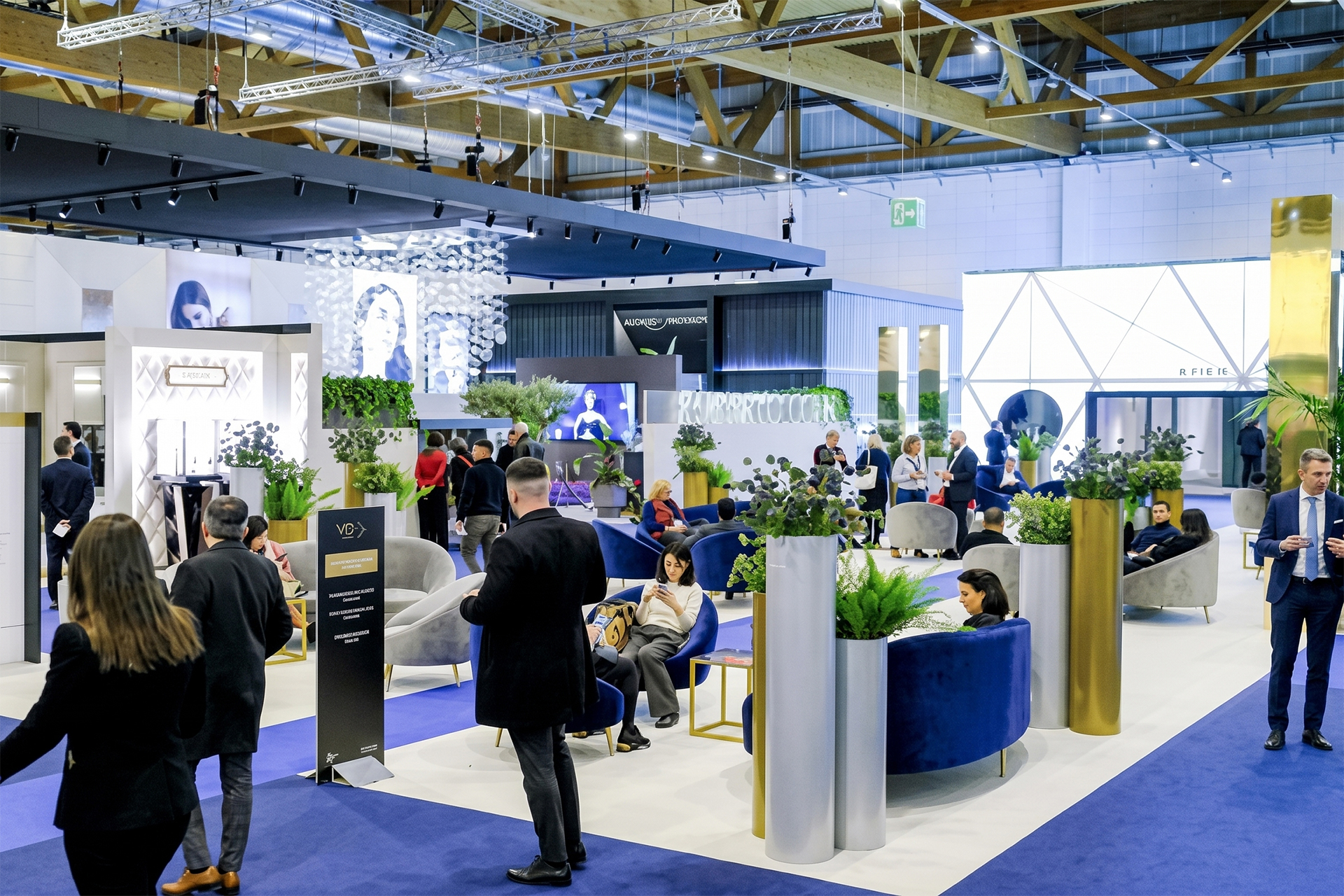
Grygorian Gallery has not yet exhibited at VicenzaOro, but to leave it unmentioned would be unjust: together with Geneva and Hong Kong, Vicenza remains one of the anchor points of the world’s fair calendar.
Eight Fairs, One Map
For all their differences, each of these eight venues holds its own irreplaceable place in the jewelry world. GemGenève is the intimate salon of connoisseurs of rare stones and signed jewels. TEFAF is the museum benchmark, with the strictest selection on earth. Hong Kong is scale itself, and the meeting point of East and West. Miami and Las Vegas embody the American school of the antiques trade, with its cult of provenance. New York is the open stage where galleries speak with collectors directly. Vicenza carries Europe’s centuries-old tradition of gold.
Certain signs of the times are shared by all. The antiques salons yield to the trade giants in numbers, but not in influence: it is there that objects with documented histories come to light. The great trade fairs, for their part, are ever more willing to round out commerce with cultural and educational programs. And the market as a whole is turning toward vintage and signed jewelry, prized at once as cultural value and as a sound investment — a shift the results of GemGenève confirm year after year. The very nature of the fairs is changing too: from purely commercial events they are becoming cultural institutions, with museum-grade exhibitions, lectures, competitions for young makers, and programs for students. For the collector this means something simple: a fair today is the best place not only to acquire a jewel, but to learn to understand it.
The world’s calendar has a rhythm of its own: Geneva lives by its May week of auctions and salons, Hong Kong by its two buying seasons, the American fairs are spread across nearly the whole year, and Vicenza twice a year sets Europe’s tone in gold. To see the whole picture, one must attend several of these venues at once — which is why the fairs remain the beating heart of the industry, whatever the growth of online trade and auctions.
For Grygorian Gallery, taking part in these events is more than an occasion to show the collection. It means meeting collectors from around the world, talking shop with colleagues, and the rare chance to be first to see pieces that step before the public for only a few days a year. That is why the gallery’s fair calendar keeps growing — and each new event is announced here first.
Planning to visit one of these fairs and wondering whether Grygorian Gallery will be there? Follow our News & Publications — we announce our participation in advance.