Where Size Enters Genuine Rarity
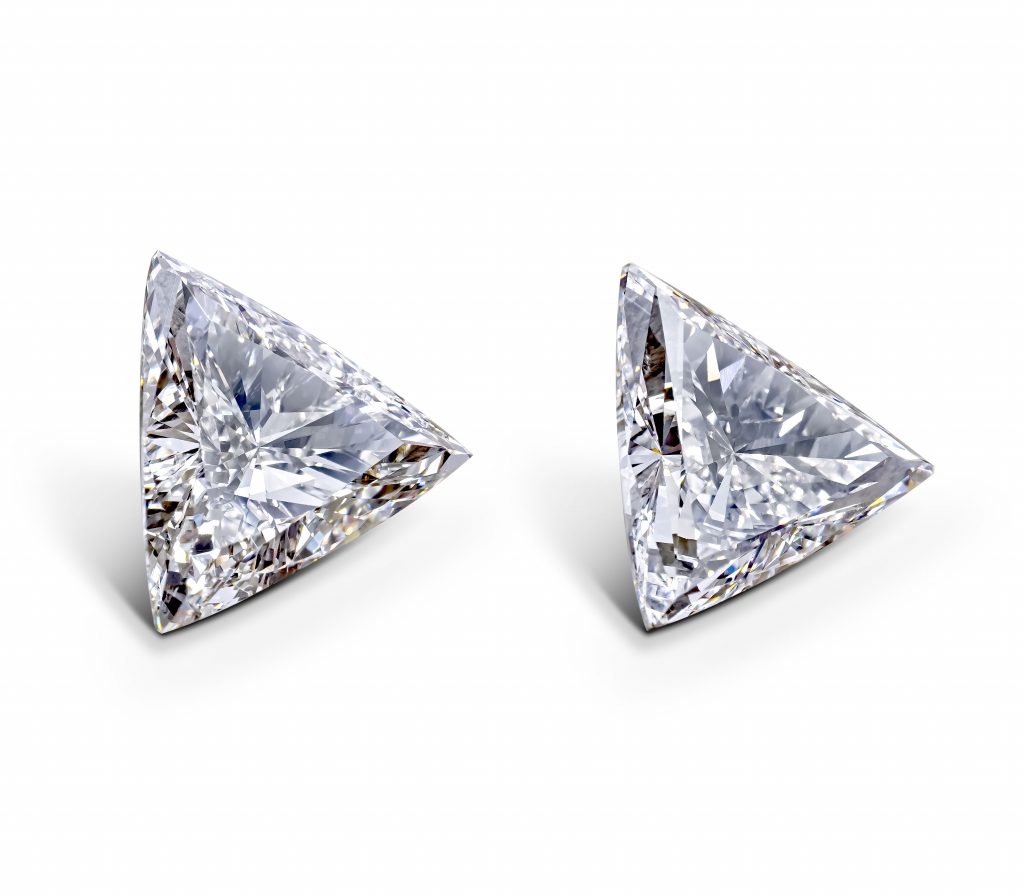
The diamonds traded in volume worldwide sit overwhelmingly below a single carat, and the proportion thins dramatically with every carat beyond it. By three carats, a finished stone belongs to a small minority of global production, and that scarcity is geological before it is commercial: large crystals that grow clean and well-formed are uncommon, and most never reach the size required to yield a three-carat stone after cutting. The price-per-carat curve (the cost of each carat rising faster than weight itself) reflects this directly, so a three-carat diamond is worth considerably more than three times a one-carat equivalent of matching quality.
The Fancy and Colorless Divide
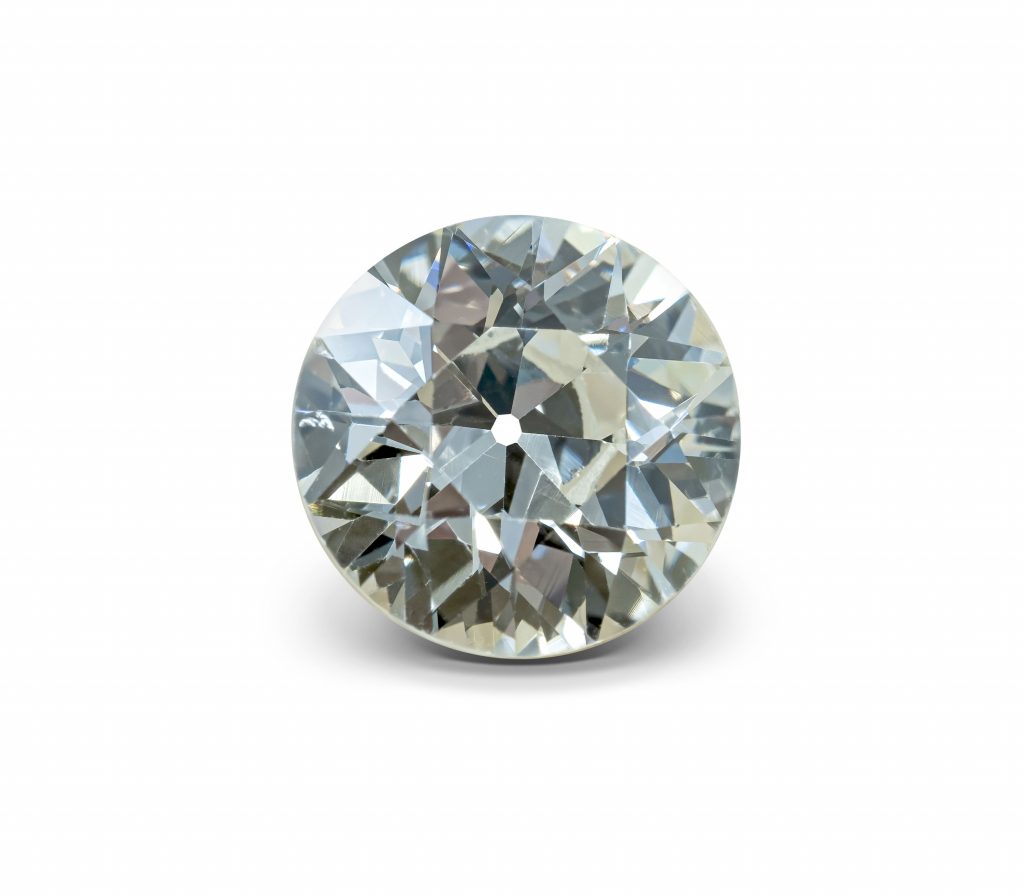
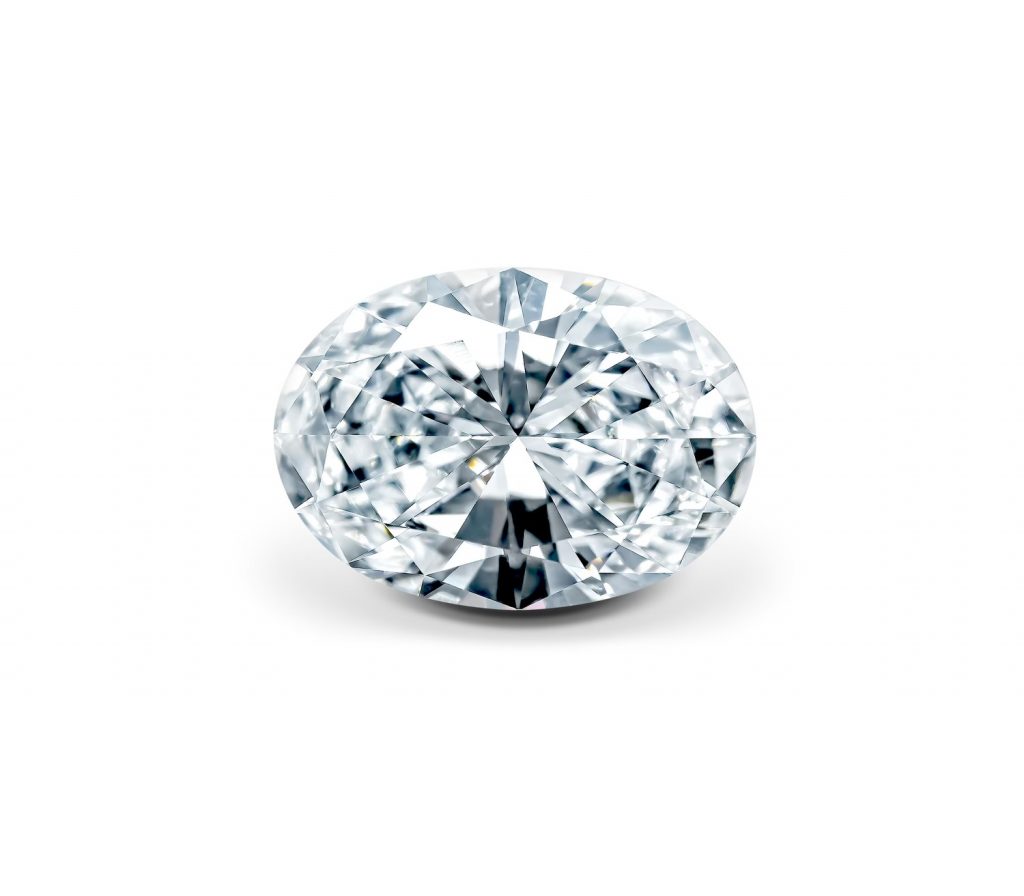
What this weight means depends on which scale a stone belongs to, and the difference is fundamental. Among colorless diamonds graded on the D-Z range, where the finest grades show no detectable hue, three carats is a size at which color and clarity declare themselves to the unaided eye, and a high-grade stone free of visible inclusions becomes a demanding combination to find. The larger the crystal, the rarer such clarity grows, since size and freedom from inclusions pull against one another in nature.
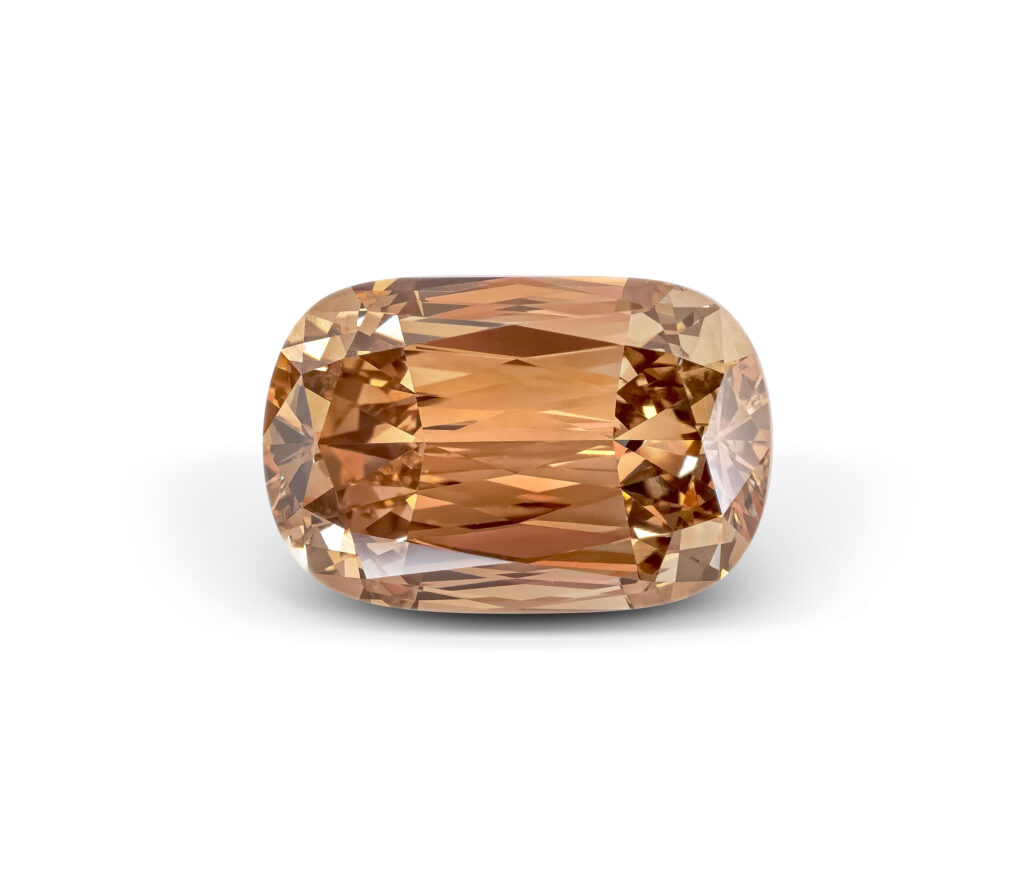
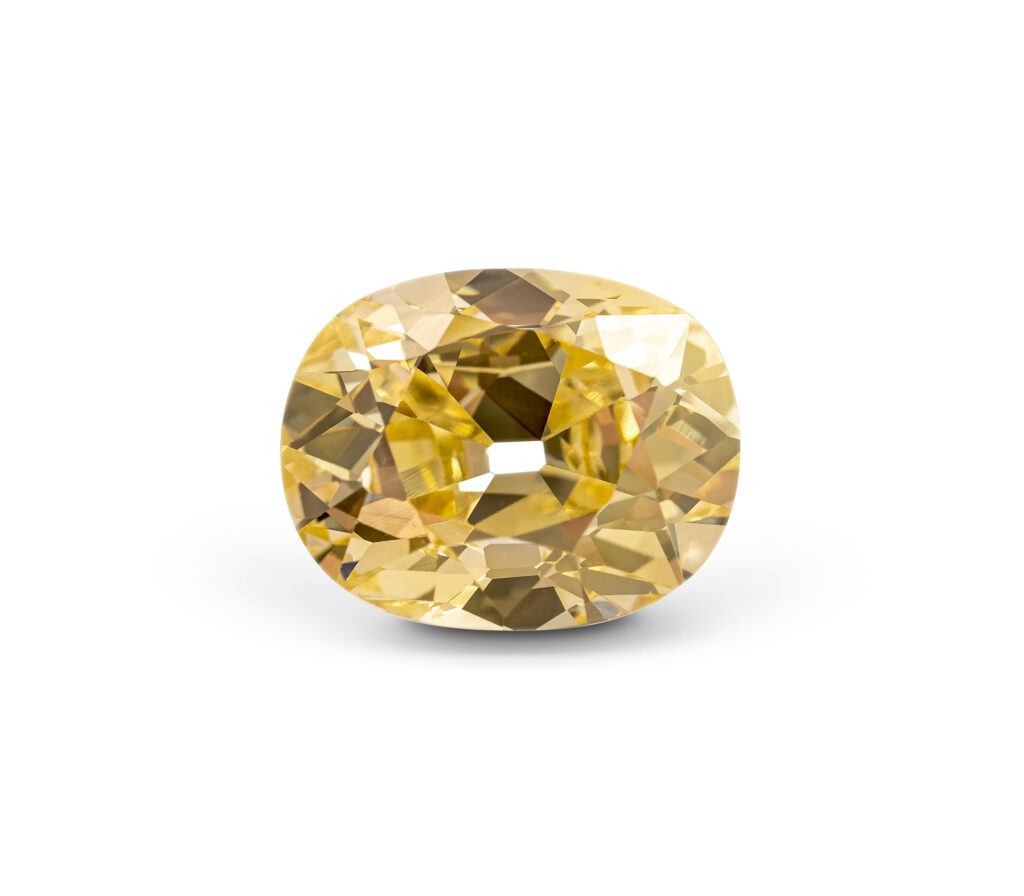
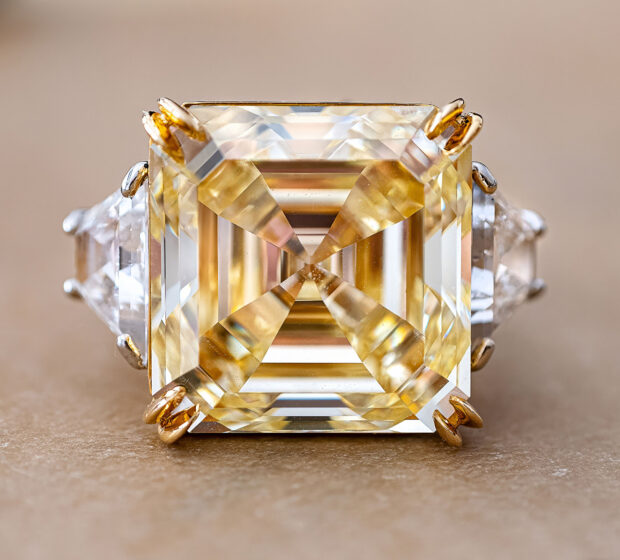
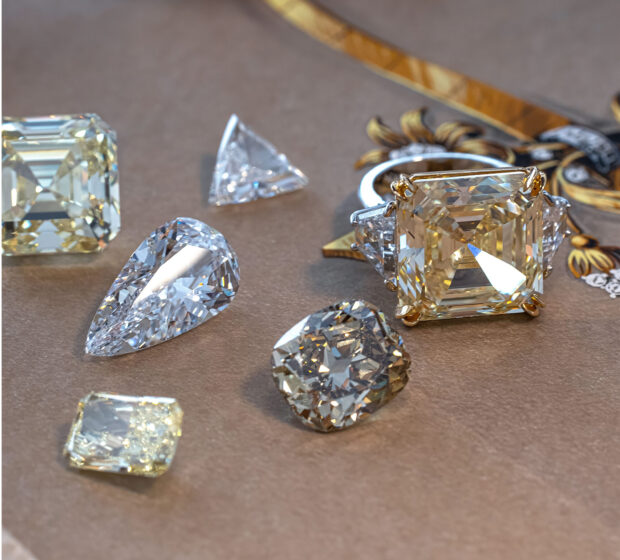
Among fancy color diamonds, where color raises rather than lowers value, three carats multiplies the rarity that color already represents. With roughly one diamond in ten thousand possessing enough color to be classed as fancy, sustaining strong, even saturation through the volume of a three-carat crystal is scarcer still, and intense or vivid grades at this size occupy a particularly narrow band of what nature produces.
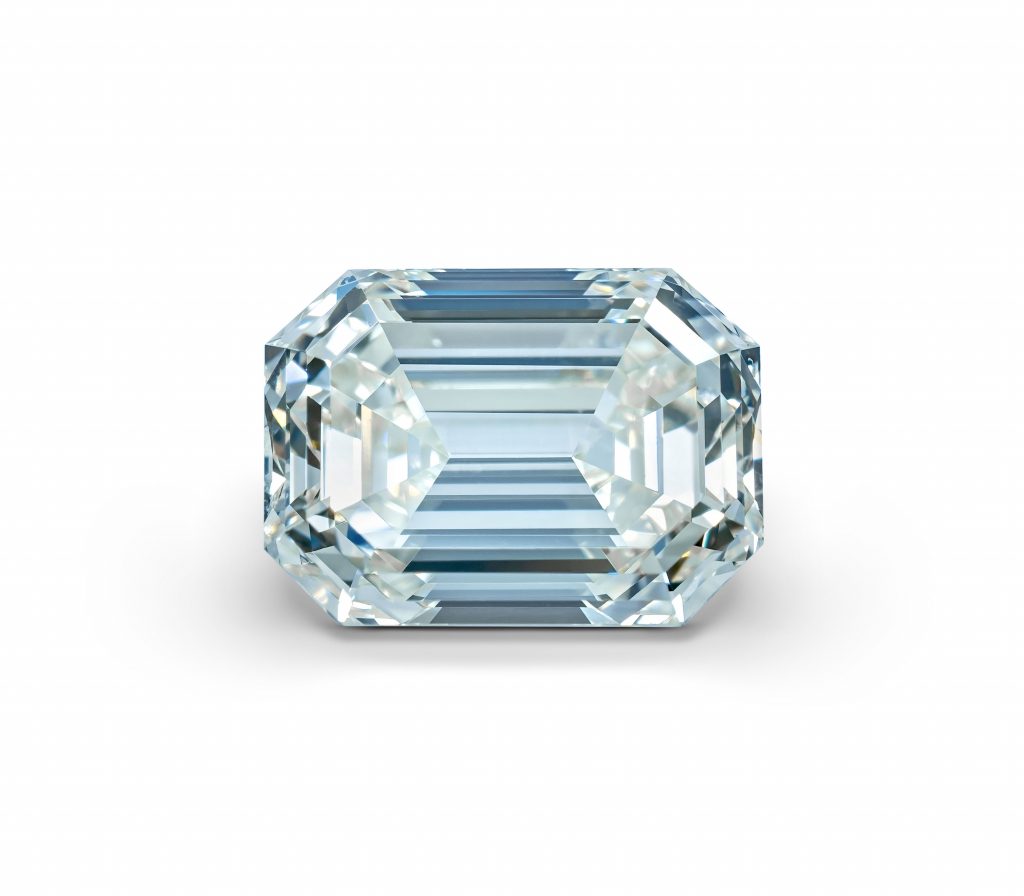
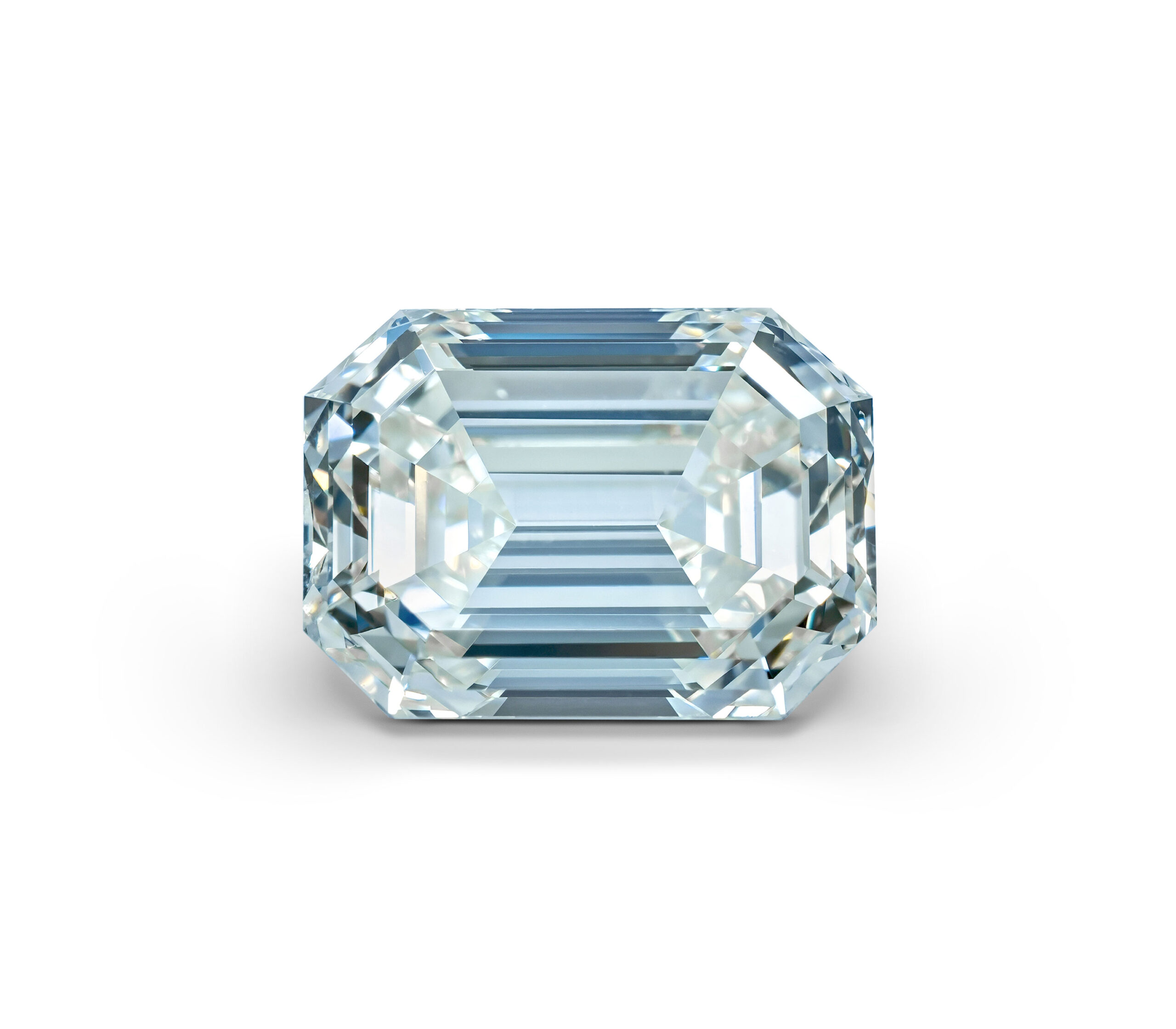
Cut mediates both. A radiant or cushion concentrates the light return that reinforces fancy color saturation, while an emerald or other step cut presents color and clarity in continuous transparent planes, and the choice grows more consequential as size makes every characteristic more visible.
The Grygorian Gallery Selection at Three Carats
Diamonds that periodically enter the selection at three carats are chosen for the qualities that distinguish fine material once size becomes a genuine factor: natural color origin, clarity that withstands close examination, and precise cutting suited to the stone’s character. The gemological expertise developed by Eduard Grygorian, IGI Colored Stones Grader, and refined across years in haute joaillerie, informs the selection standards applied to rare diamonds at this carat level, with close attention to the distinction between natural and treated color.
Where the certificate accompanies the stone, GIA certified documentation confirms the 4Cs (carat, color, clarity, cut), treatment status, and, for fancy color, the GIA Color Origin determination that no serious acquisition omits. Acquired in loose form, large loose diamonds at this weight remain independently gradable, support bespoke commission, and retain the unmodified condition that underpins long-term resale value, within a category where finite supply sustains lasting demand. Browse the selection of loose diamonds at this weight at Grygorian Gallery, at the Palais de la Scala in Monaco.