The Threshold the Market Made
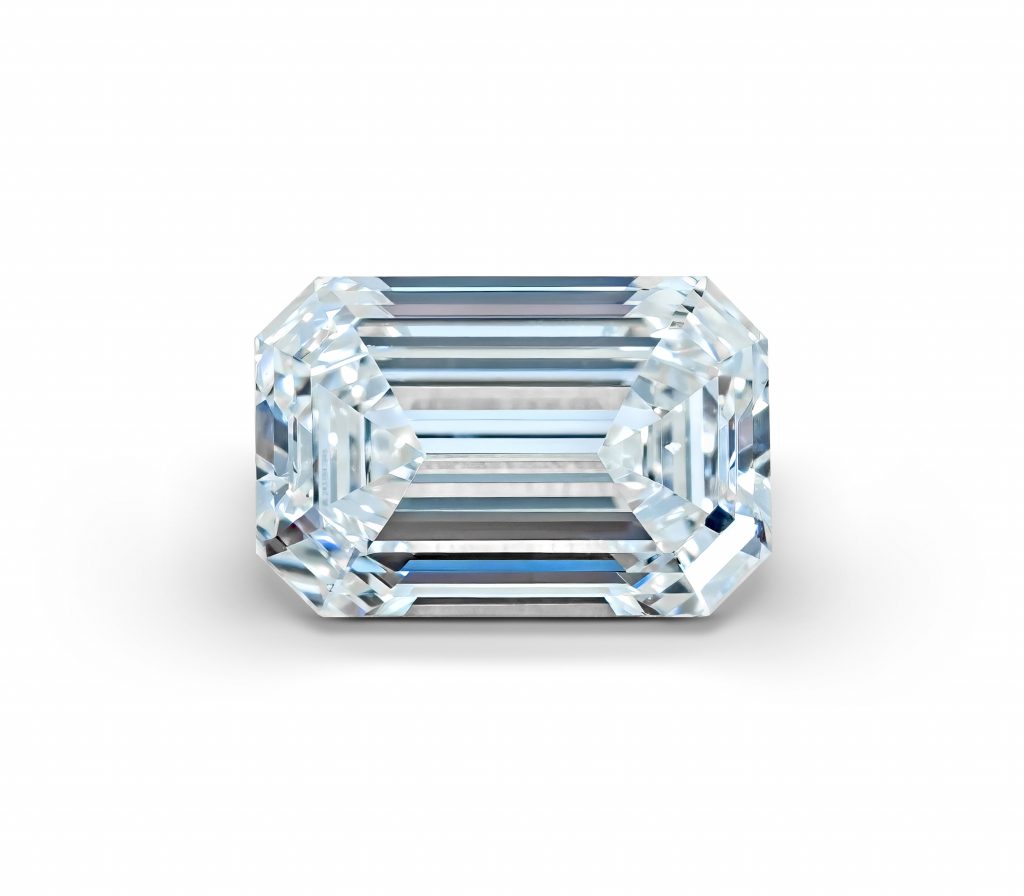
No weight in the diamond world carries the symbolic charge of a single carat. Below it, the vast majority of stones cut and traded each year cluster in fractional sizes; reaching a full carat marks a recognized psychological threshold, and the market rewards it with a premium per carat that a 0.90-carat stone of identical quality does not command. This is the first point at which the price-per-carat curve (the cost of each carat rising faster than weight itself) reveals its non-linear character, because demand concentrates at round figures while supply does not.
At a single carat, the four characteristics that govern a diamond begin to interact in earnest. Color, clarity, and cut precision become visually consequential at this size in a way they rarely are below it, and a one-carat stone is judged on the balance among them rather than on weight alone. For the colorless and fancy color families alike, this is where serious evaluation begins.
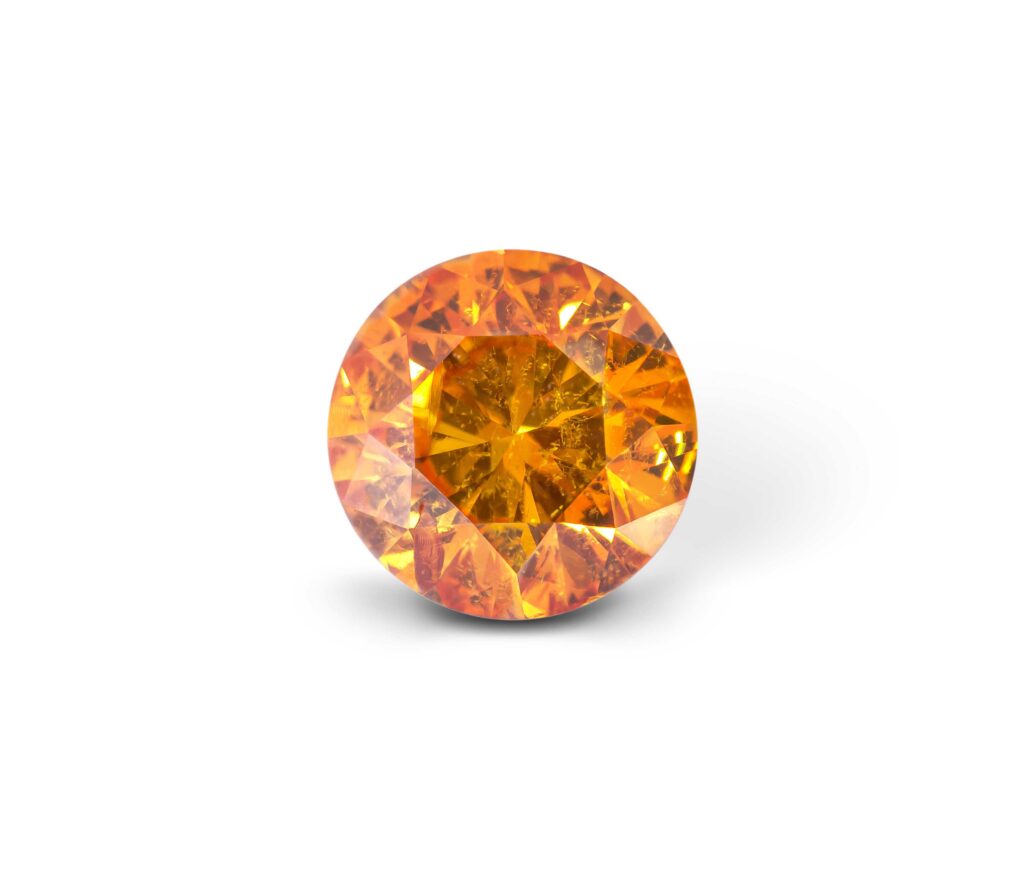
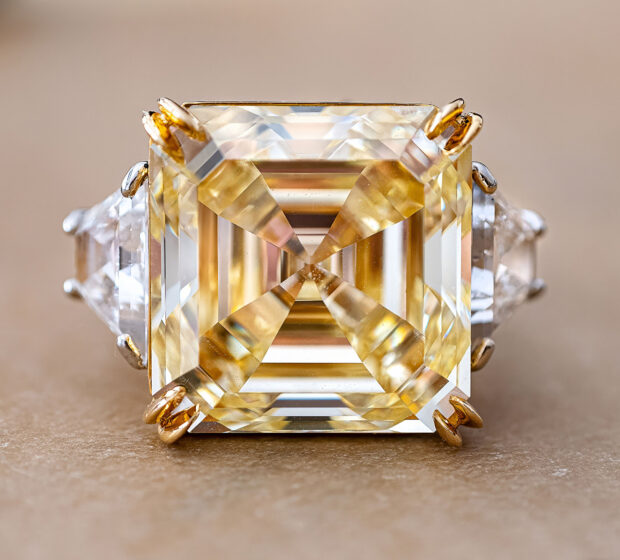
The two scales behave differently here, and the distinction matters. Among colorless stones graded on the D-Z scale, a one-carat diamond at the top of the range, where the finest grades show no detectable hue, sits at the threshold where flawless clarity and exacting cut first command real recognition. Among fancy color diamonds, where color increases rather than diminishes value, a single carat is already a meaningful size: roughly one diamond in ten thousand possesses enough color to be classed as fancy, so even at this weight, saturated natural color represents genuine scarcity.
The Grygorian Gallery Selection at One Carat
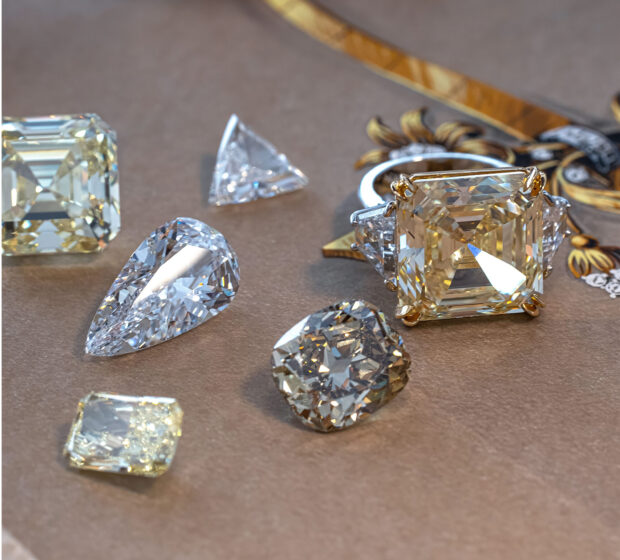
Diamonds that periodically enter the selection at a single carat are chosen for the equilibrium that defines fine material at this threshold: the relationship between color grade, clarity distribution, and the cut precision that governs light return. The gemological expertise developed by Eduard Grygorian, IGI Colored Stones Grader, and refined across years in haute joaillerie, informs the selection standards applied to rare diamonds at this carat level, from the assessment of natural color origin to the balance of the 4Cs.
GIA certification carries particular weight where fancy color is concerned. The GIA Color Origin report (documentation confirming whether color is natural rather than induced by treatment such as HPHT or irradiation) is the foundation of any serious acquisition, since two visually similar stones can differ greatly in standing on this point alone. Where the certificate accompanies the stone, GIA certified documentation confirms the 4Cs, color origin, and treatment status.
Acquiring Loose Diamonds at This Weight
For collectors entering the category, a single carat offers a considered point of entry: large enough that rarity and the per-carat curve become real, broad enough that both colorless and fancy color stones remain within reach. Acquired in loose form, diamonds of this size stay fully gradable and independently verifiable, support future bespoke commissions, and retain the unmodified condition that underpins long-term resale value, within a category where finite supply sustains lasting demand.
Discerning collectors are invited to explore the selection of loose diamonds at this weight with Grygorian Gallery, at the Palais de la Scala in Monaco.