A Recognized Rarity Threshold
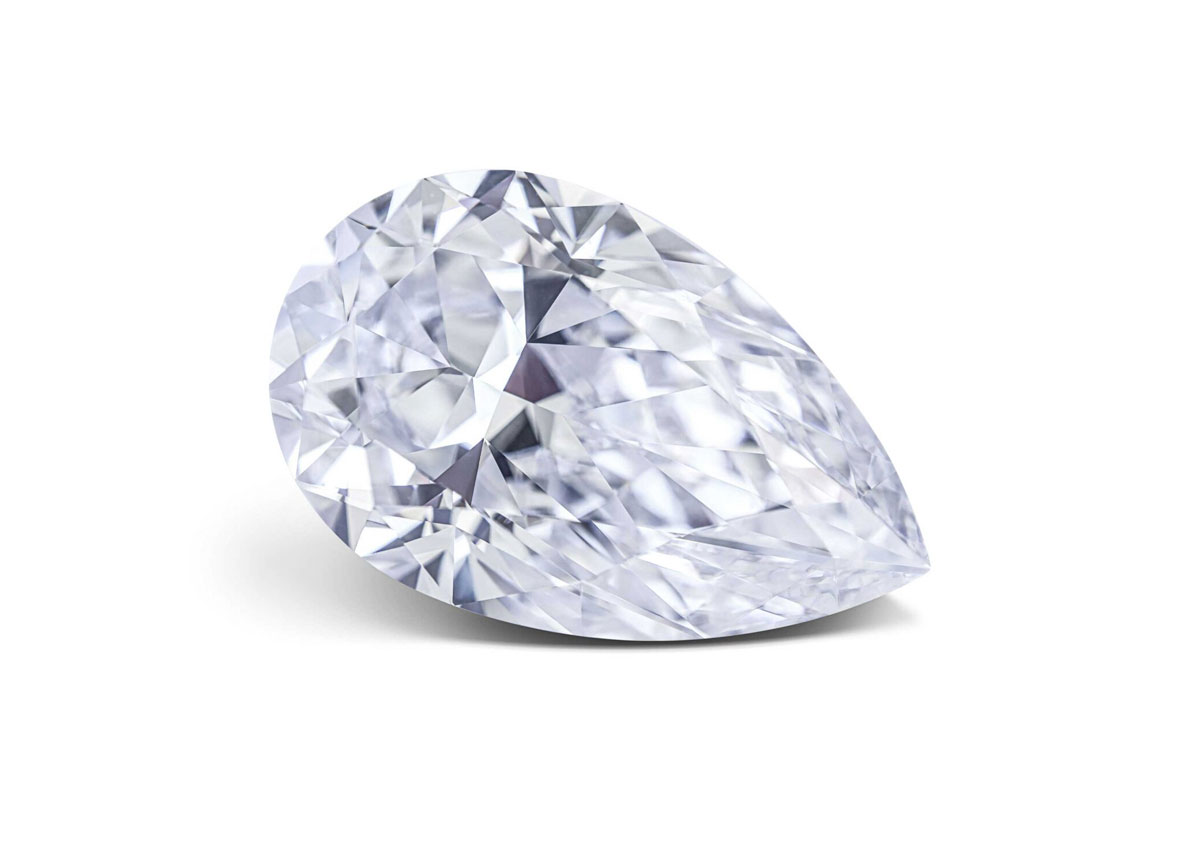
Among all weight tiers, ten carats holds a particular standing. Diamonds above this size are scarce regardless of color, and the largest, most strongly colored among them command sums per carat that smaller stones rarely approach. The price-per-carat curve (the cost of each carat rising faster than weight itself) reaches its most pronounced expression here: a fine ten-carat diamond is worth vastly more than ten times a one-carat equivalent, because rarity at this register multiplies rather than accumulates. This is the weight at which size ceases merely to contribute to value and begins to govern it.
The geological reasoning is absolute. Crystals capable of yielding a finished ten-carat stone with fine color and clarity are extraordinary, most rough never approaches such dimensions, and the rare crystal that does incurs substantial cutting loss as flawed material is removed to preserve color and clarity. Each stage compounds the scarcity that defines this tier.
Two Scales at the Highest Register
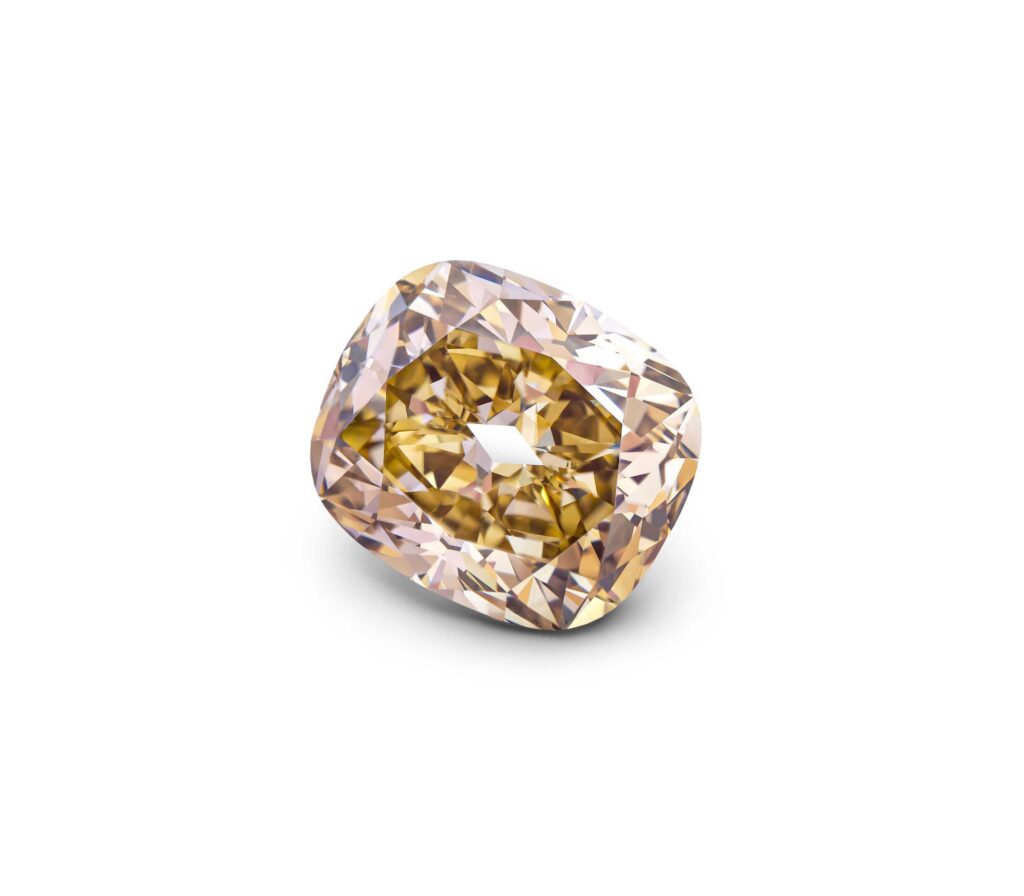
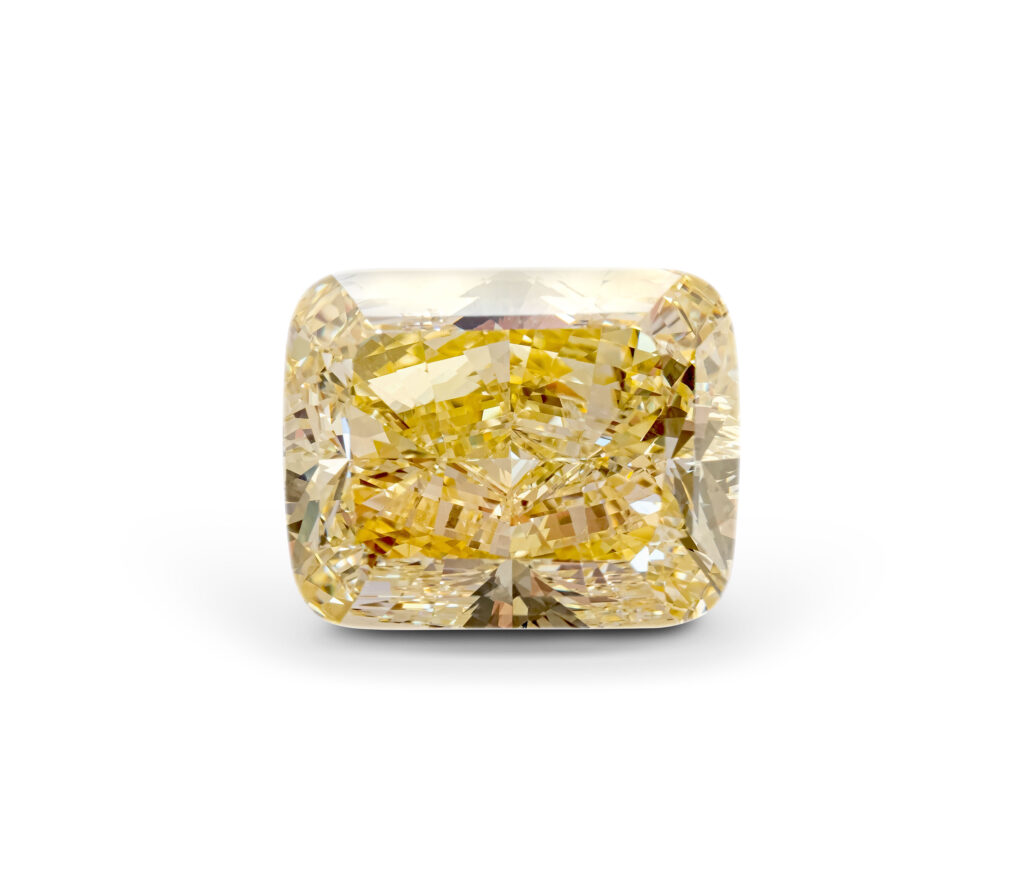
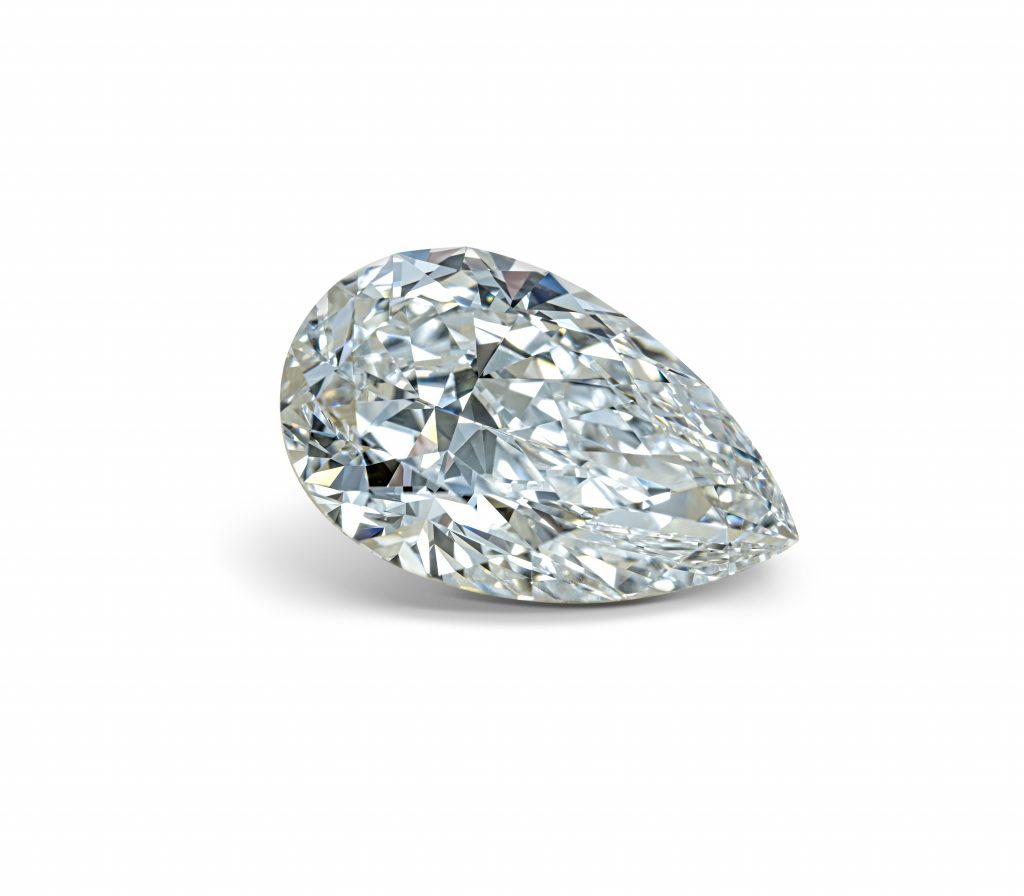
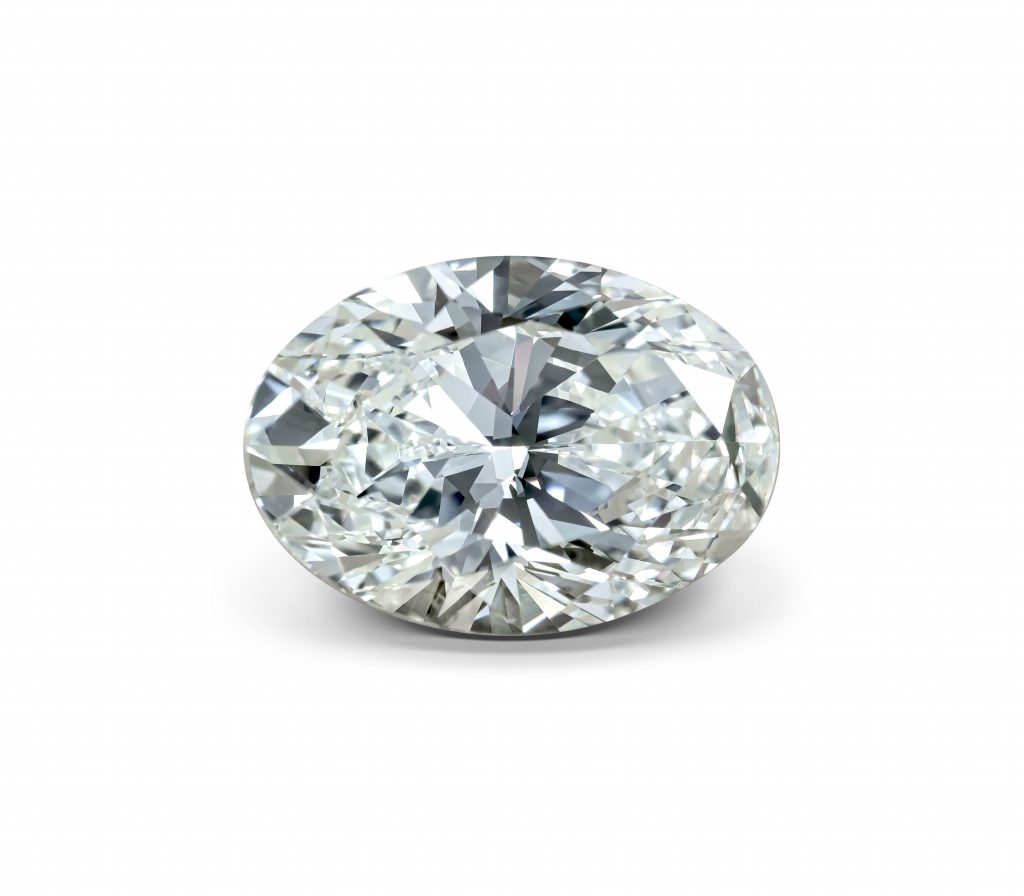
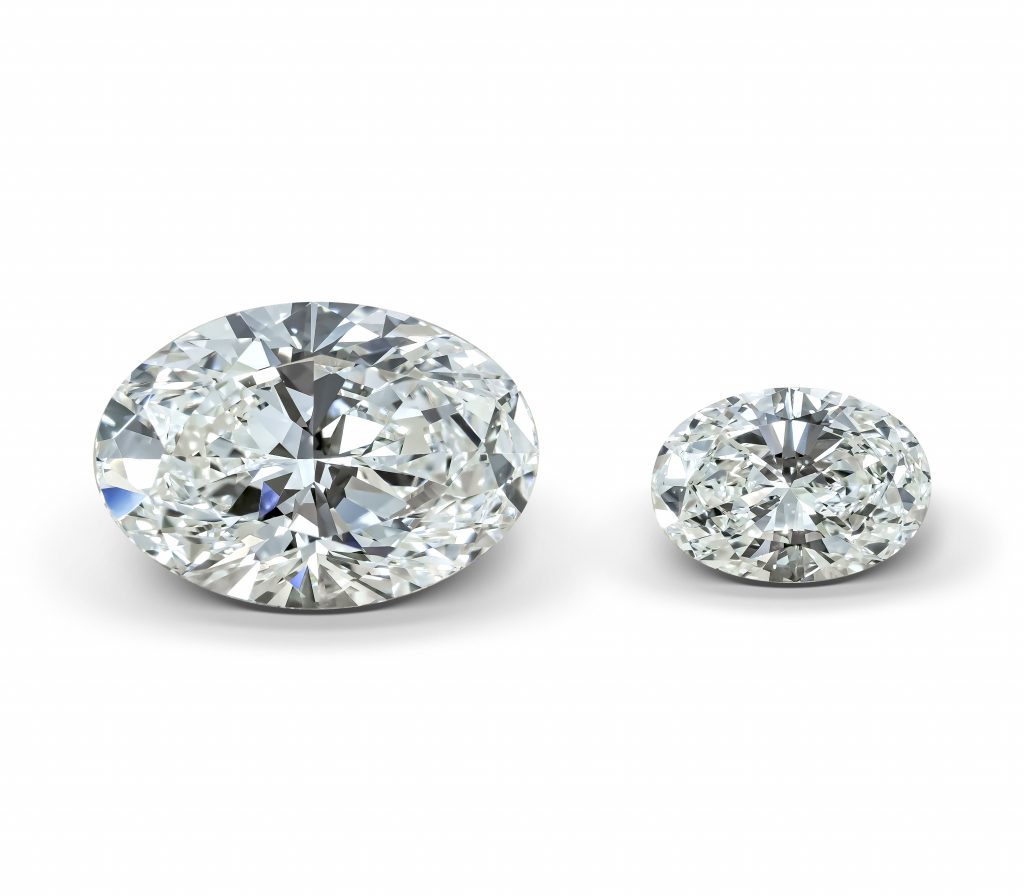
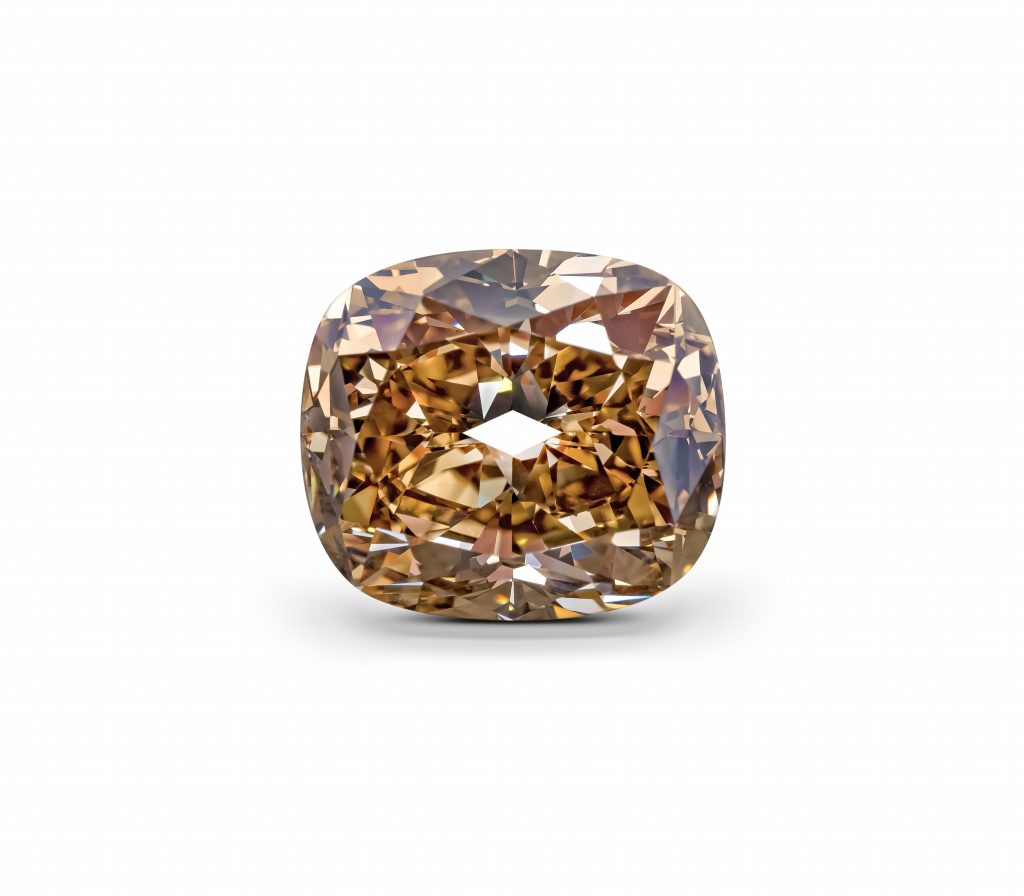
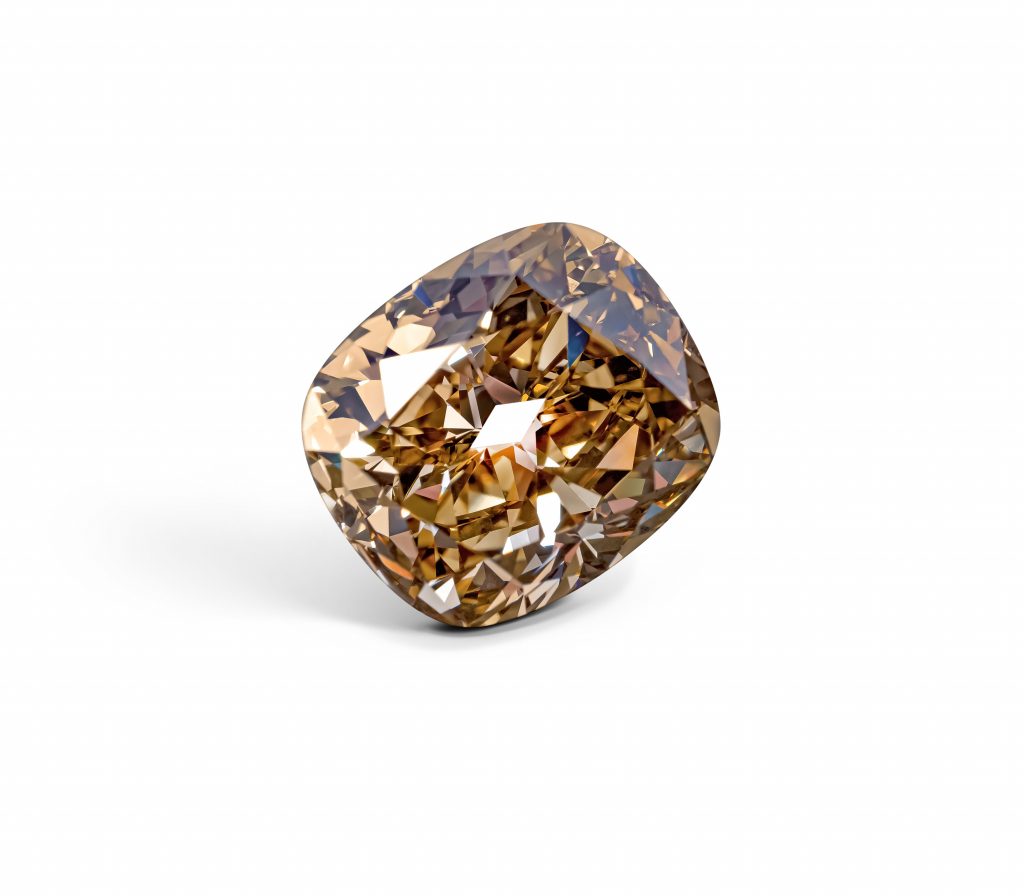
The fancy color and colorless families reach their most divergent expression at ten carats. Among fancy color diamonds, where color increases value, weight multiplies the rarity of color to its limit: a vivid or intense hue sustained through the volume of a ten-carat crystal is among the rarest combinations in the diamond world, and stones of this description appear as headline lots when they reach the market at all. Among colorless diamonds graded on the D-Z scale, where the finest grades show no detectable hue, a flawless stone in the highest color grades at ten carats is statistically exceptional, the product of crystal growth that proceeds at great size without the inclusions common to large diamonds.
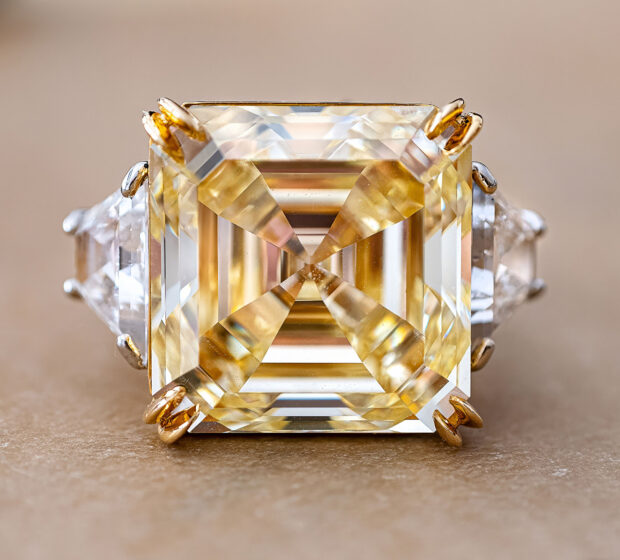
Cut at this weight is chosen to carry color and brilliance through an exceptional volume, whether in the continuous planes of an emerald cut or the concentrated light return of a radiant or cushion, and every characteristic of the stone is visible to the unaided eye with full immediacy.
Acquiring at the Museum Register
A ten-carat diamond carries a dimension beyond gemology. At this weight, documented provenance acquires real character, and a stone of such rarity tends to possess a history that becomes part of its standing, a continuity that auction specialists and private buyers consistently recognize. The gemological expertise developed by Eduard Grygorian, IGI Colored Stones Grader, and refined across years in haute joaillerie, informs the selection standards applied to large loose diamonds at this carat level, where natural color origin and verified documentation determine standing.
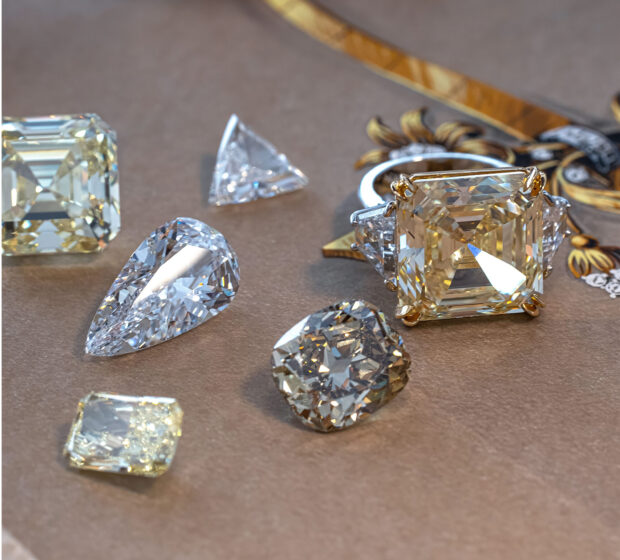
Where the certificate accompanies the stone, GIA certified documentation confirms the 4Cs, treatment status, and the GIA Color Origin determination central to fancy color at this level. Acquired unset, large loose diamonds of this weight preserve complete provenance documentation, remain fully gradable and independently verifiable, and retain the unmodified condition that underpins long-term resale value where finite supply sustains lasting demand. Discerning collectors are invited to discover the collection of loose diamonds at this weight at Grygorian Gallery, in Monte-Carlo.