Where the Curve Becomes Visible
Few weight tiers illustrate the economics of diamonds as clearly as two carats. A stone of this size is not simply twice a one-carat diamond; producing it requires rough substantially larger than the doubling of finished weight suggests, because faceting and the removal of included material consume volume, and cutting yield (the finished weight retained from the original rough) falls as cutters preserve color and clarity over size. Each of these constraints compounds, so the price per carat at two carats stands well above the one-carat level for stones of equivalent quality.
Two carats also marks a psychological threshold of its own, the point at which a diamond reads unmistakably as a significant stone rather than a generous everyday one. That recognition, combined with the geological scarcity of large clean crystals, places this weight at a steeper point on the rarity curve than the symbolic single carat that precedes it.
Two Scales at Two Carats
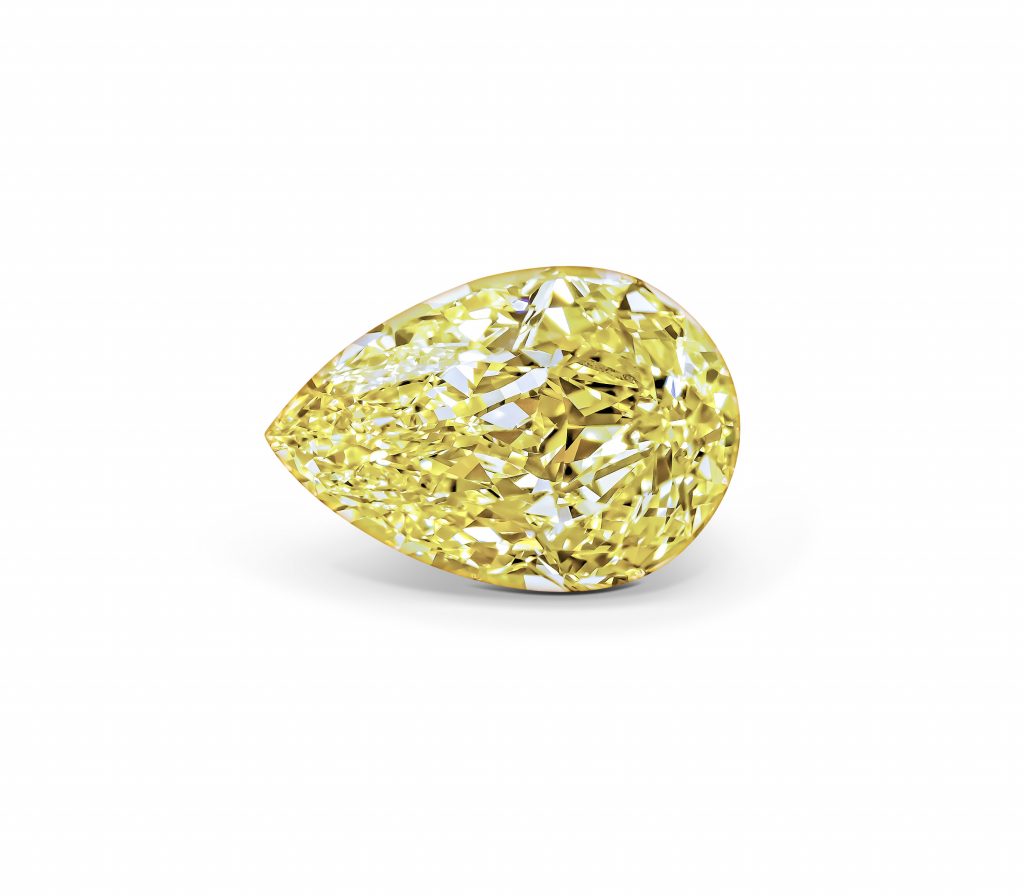
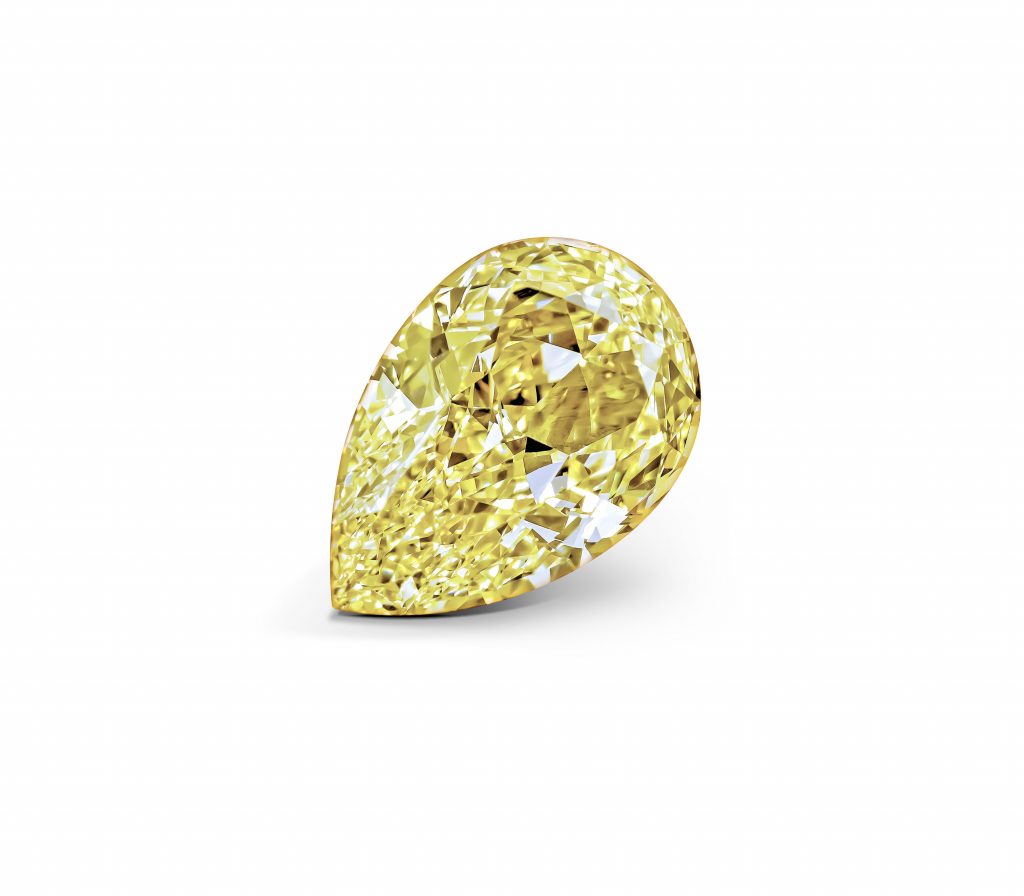
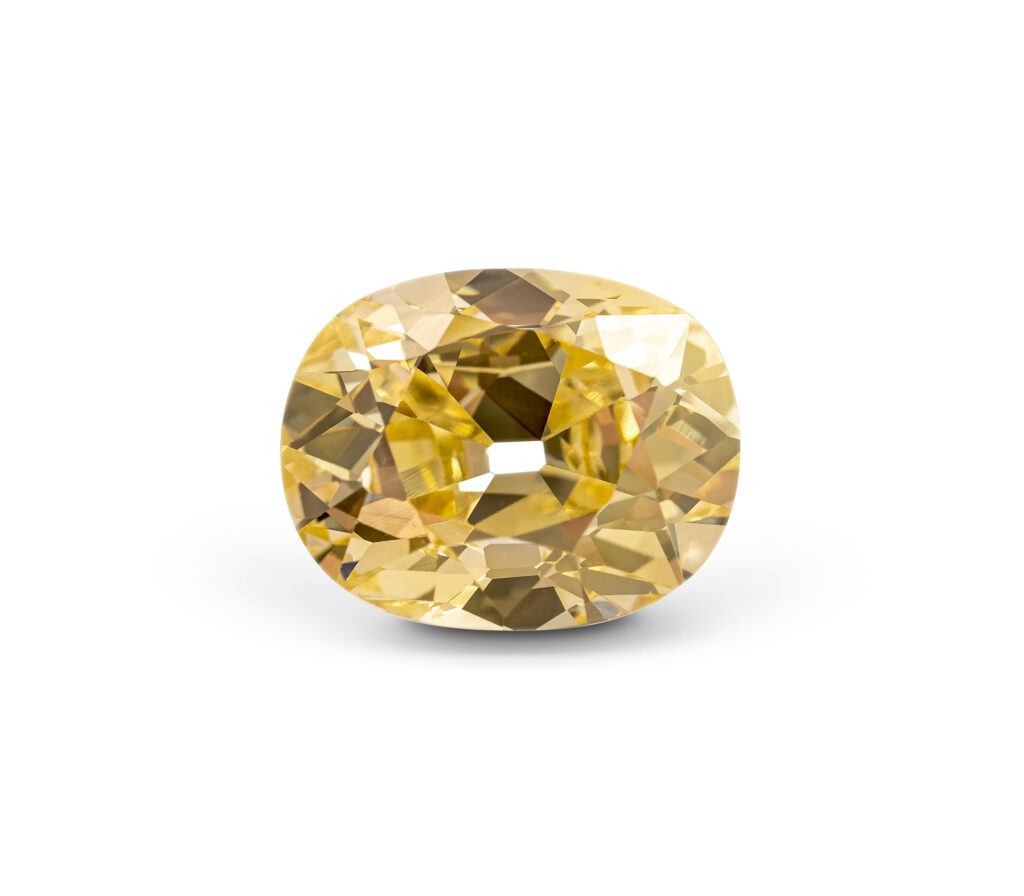
The fancy color and colorless families diverge meaningfully at this weight, and understanding each is central to acquisition. Among fancy color diamonds, where saturation increases value, weight multiplies the rarity of color: a vivid or intense hue is uncommon at any size, and sustaining that saturation through the larger crystal volume of a two-carat stone is rarer still. With roughly one diamond in ten thousand possessing enough color to qualify as fancy, a two-carat fancy stone of strong, natural color occupies a genuinely narrow segment of production.
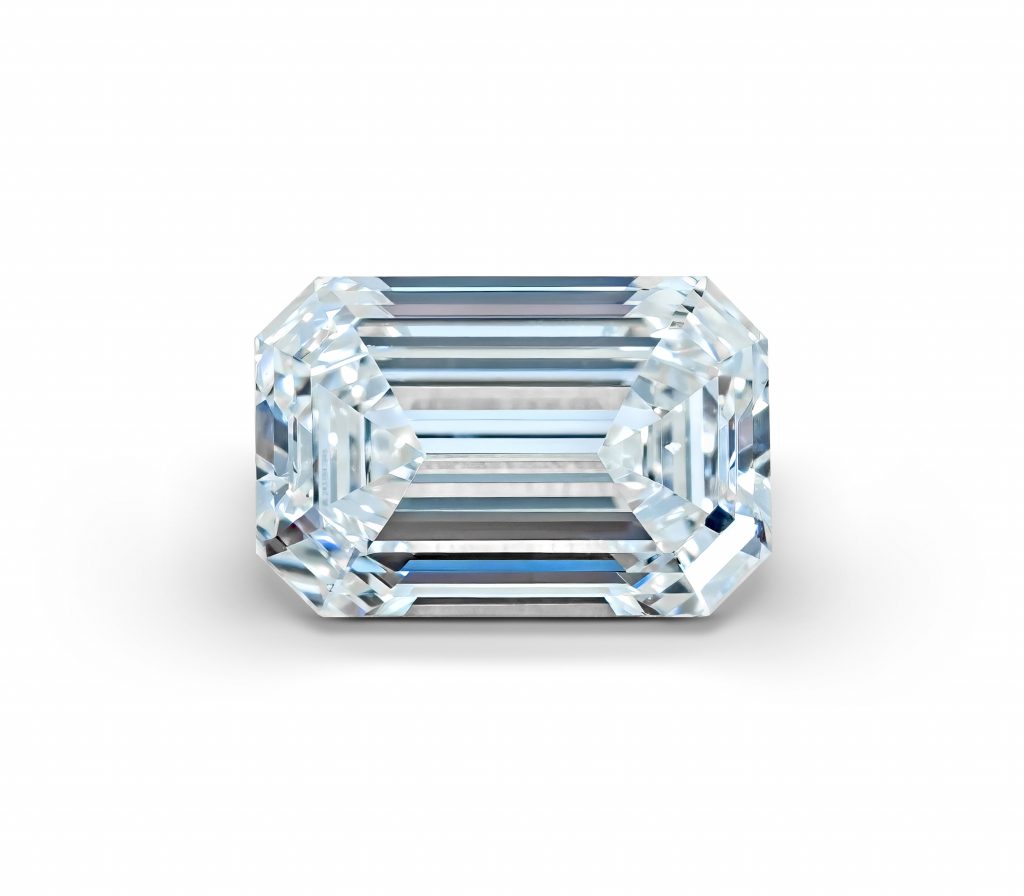
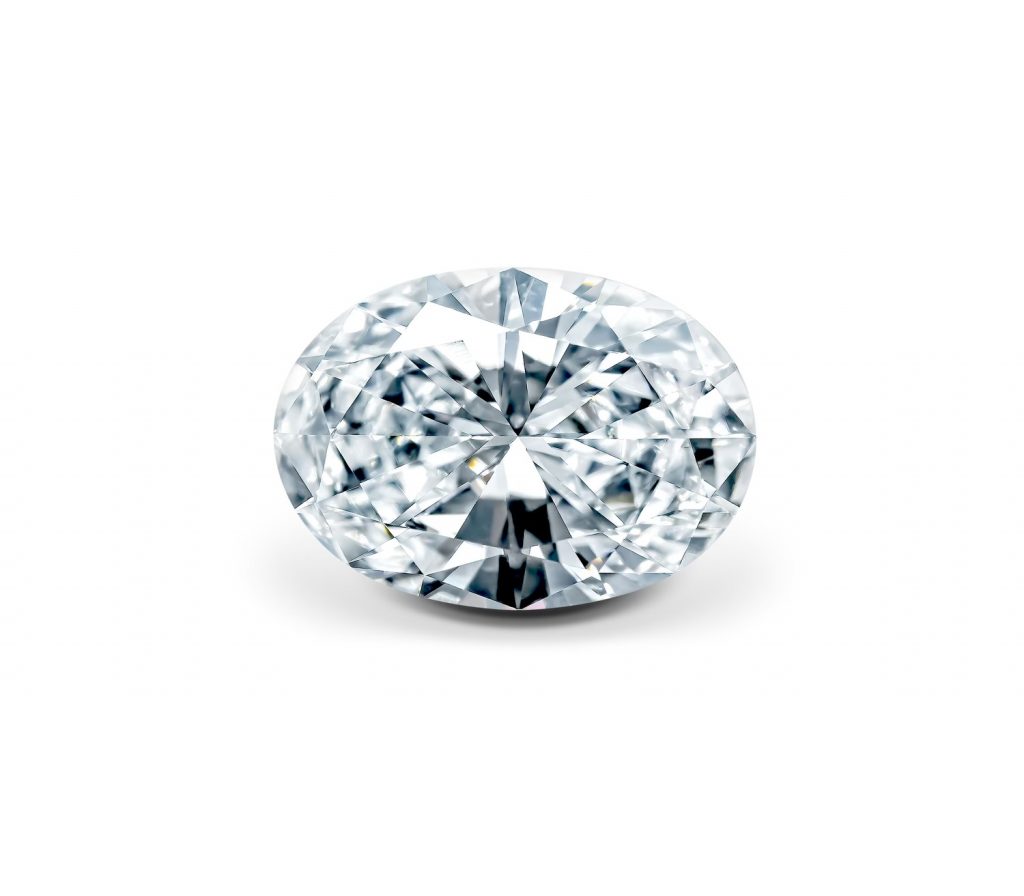
Among colorless stones graded on the D-Z scale, where the finest grades show no detectable hue, two carats is the weight at which color and clarity become visible to the unaided eye with real immediacy. A flawless or near-flawless stone in the highest color grades is statistically improbable at this size, since the crystal must grow large while remaining free of the inclusions common to bigger diamonds.
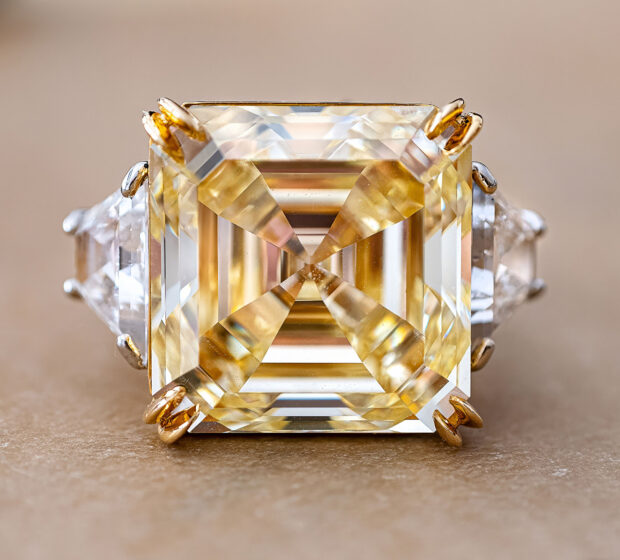
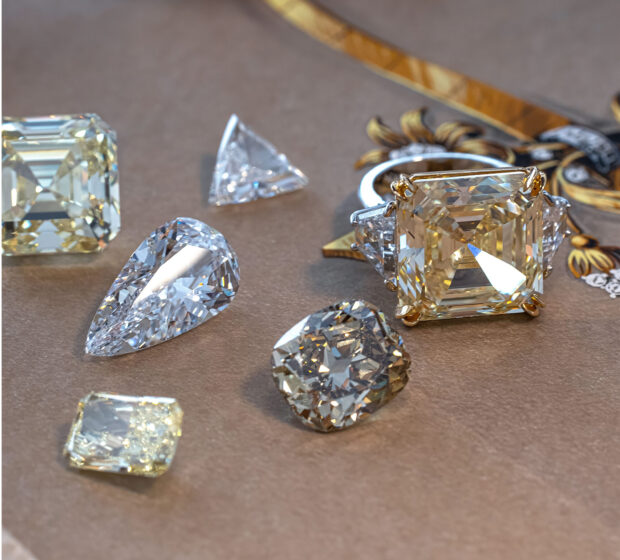
Cut responds to both scales. Step cuts such as the emerald reveal color and clarity in continuous transparent planes, while brilliant-style and modified cuts maximize light return, and the choice carries greater consequence as size grows and every characteristic becomes more apparent.
Selection Standards and Acquisition
Rare diamonds that periodically enter the selection at two carats are evaluated against the criteria that distinguish fine material once size becomes meaningful: natural color origin, clarity that withstands examination, and cut precision suited to the stone’s character. The gemological expertise developed by Eduard Grygorian, IGI Colored Stones Grader, and refined across years in haute joaillerie, shapes the selection standards applied to diamonds of this size, with particular attention to the distinction between natural and treated color that bears so heavily on value.
Where the certificate accompanies the stone, GIA certified documentation confirms the 4Cs, treatment status, and, for fancy color, the GIA Color Origin determination (the report confirming natural rather than treated color) that no serious acquisition omits. Material meeting this standard satisfies the investment quality criteria that auction specialists and collectors consistently apply.
Acquired unset, large loose diamonds at this weight remain independently gradable, suitable for bespoke commission, and unmodified in condition, qualities that underpin long-term resale value where finite supply sustains lasting demand. Discover the collection of loose diamonds at this weight at Grygorian Gallery, in Monte-Carlo.