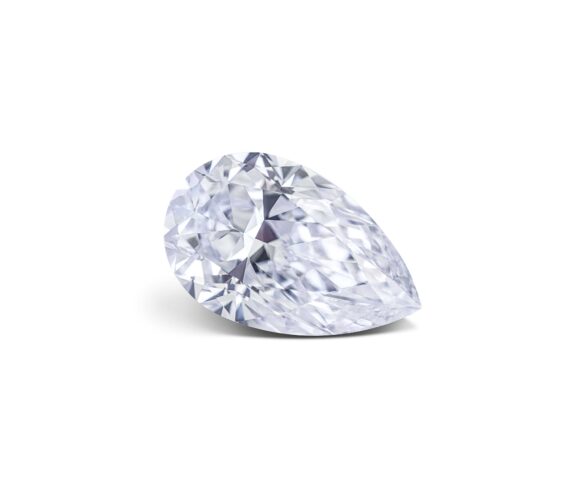
The Colorless Diamond Grading Hierarchy
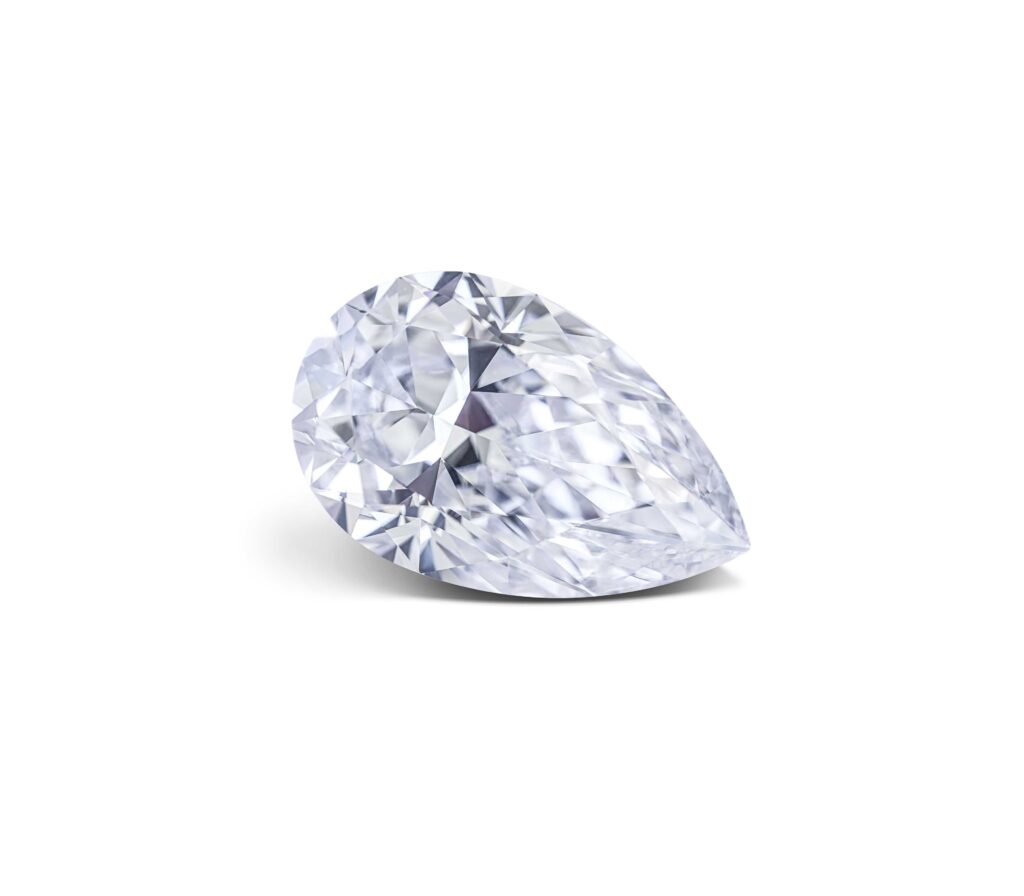
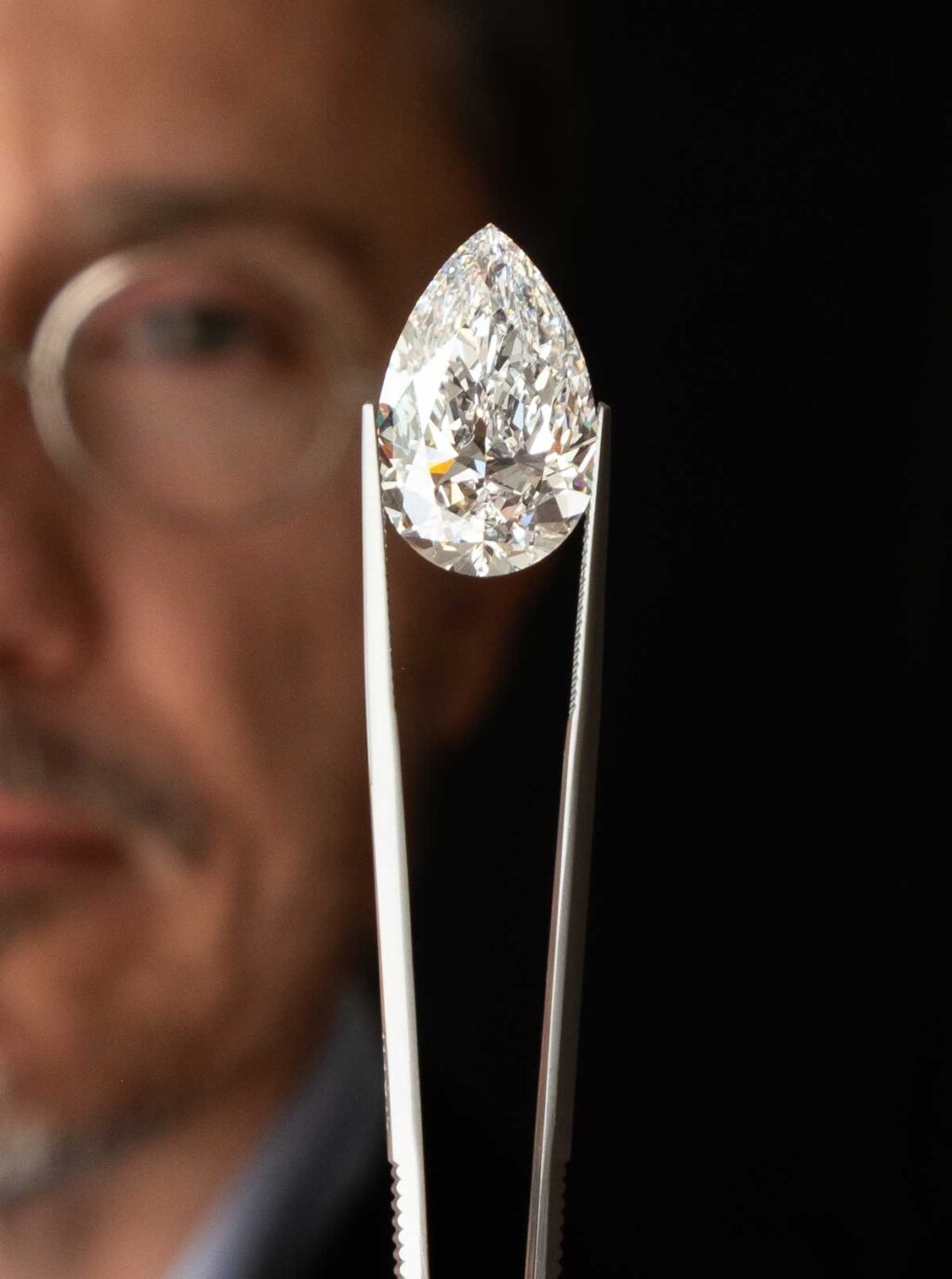
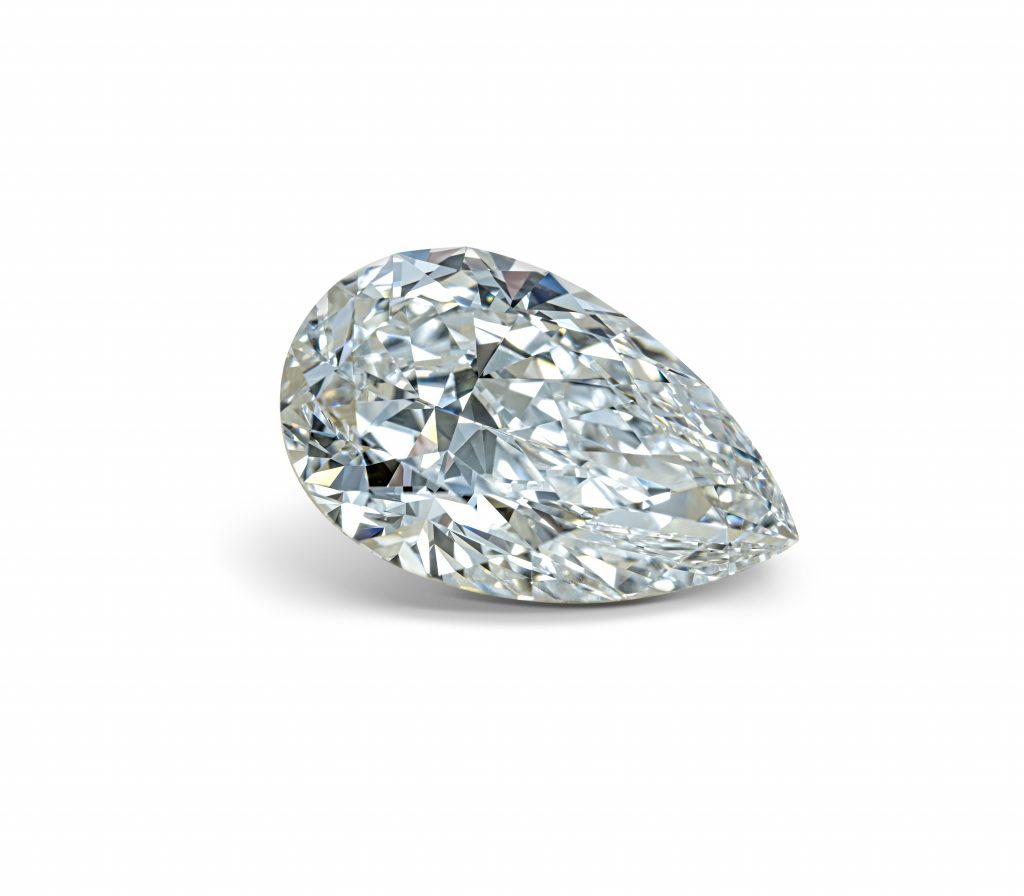
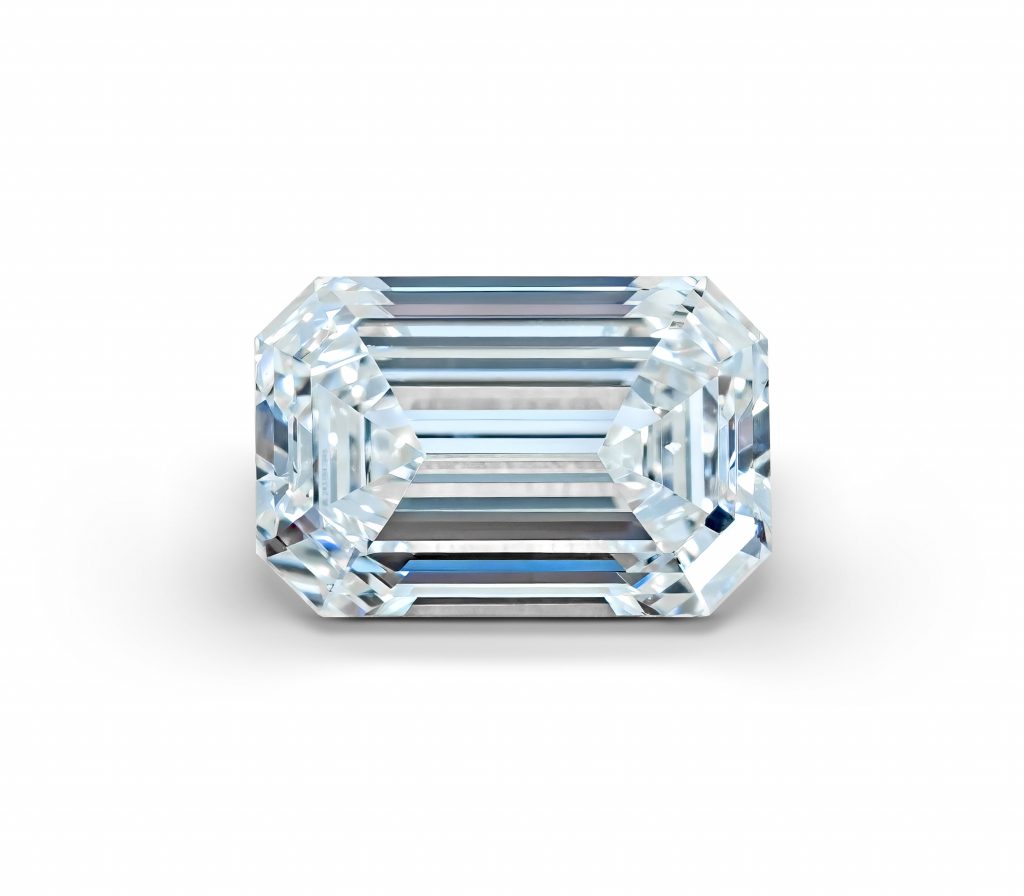
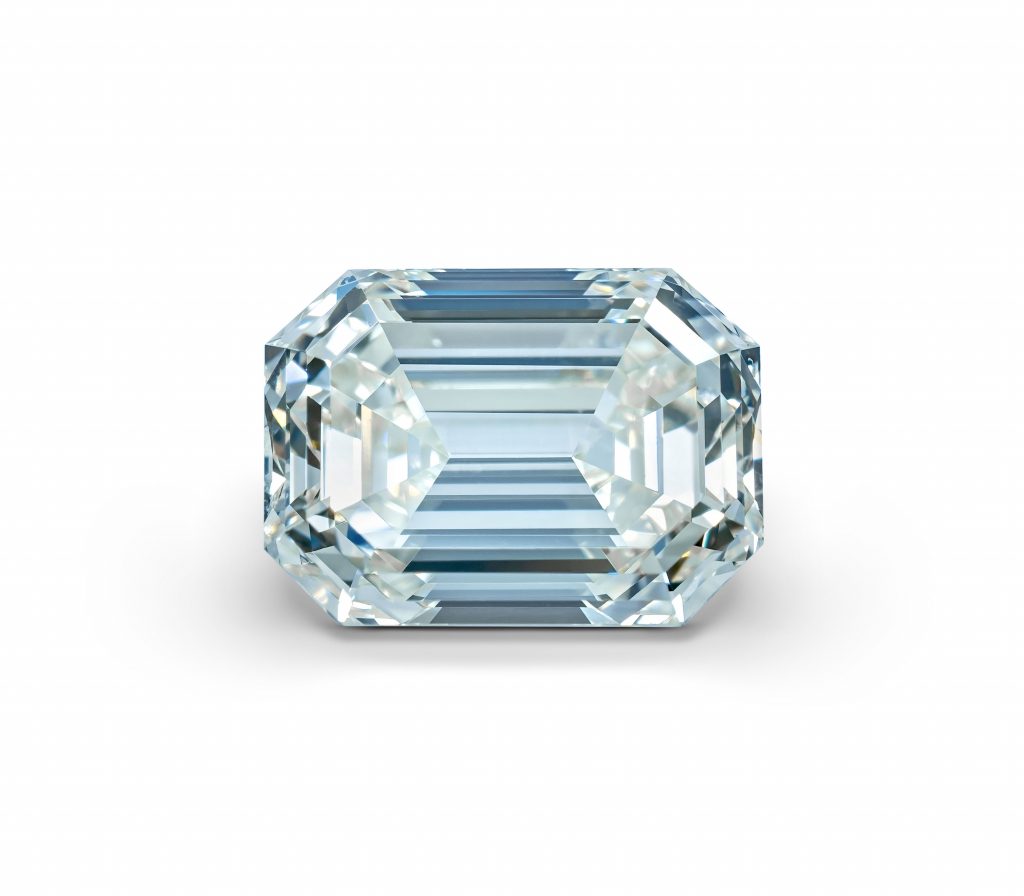
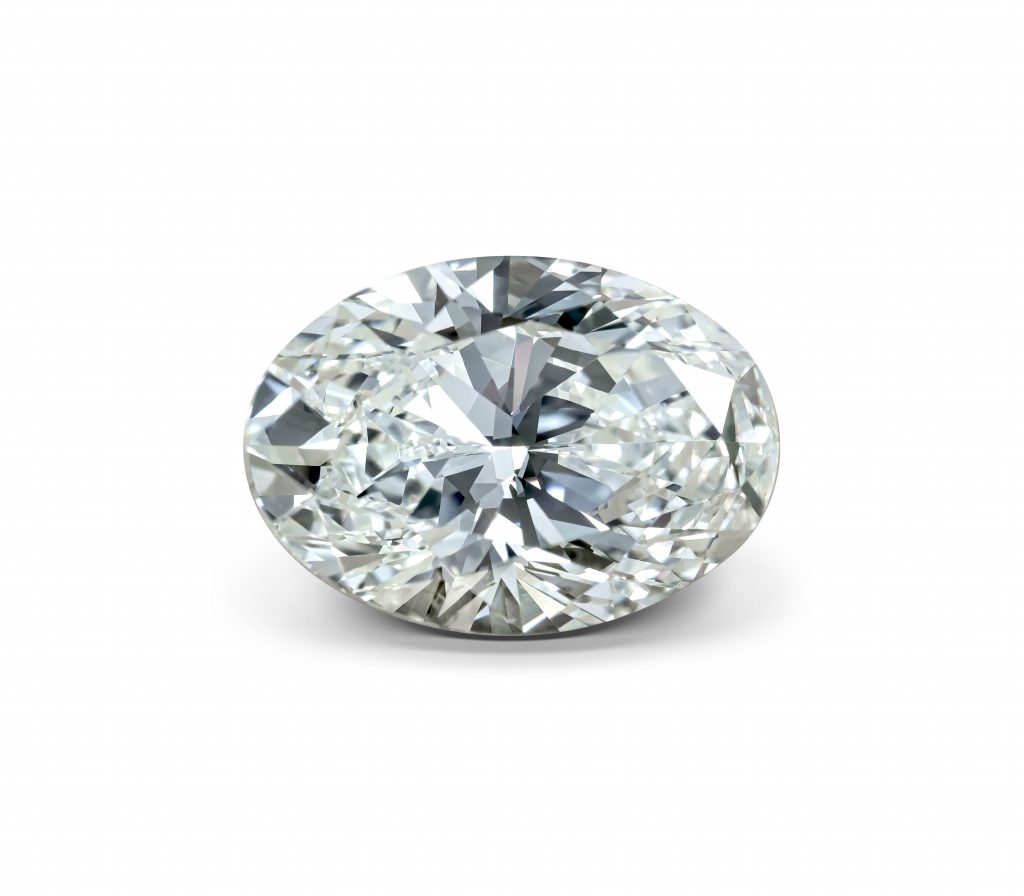
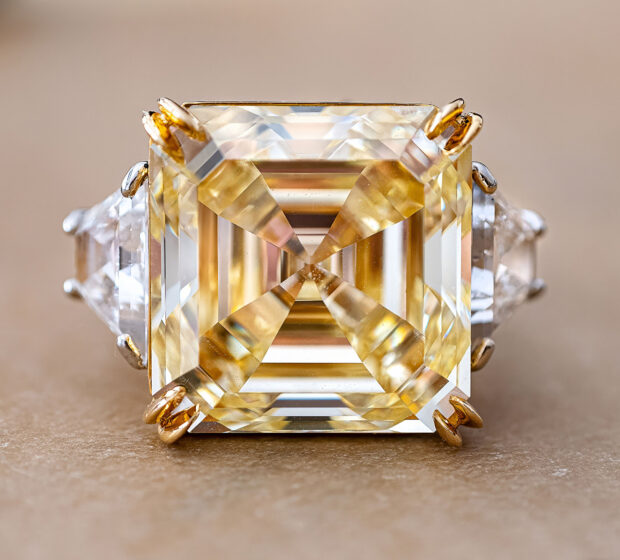
The GIA D-Z color scale places D at the apex of colorless grading — complete absence of any detectable hue under controlled laboratory conditions. E and F follow as colorless grades; G through J as near-colorless. The practical significance of this hierarchy becomes apparent at large carat weights: a 15-carat D Flawless pear cut displays colour characteristics — or their complete absence — with an immediacy that smaller stones do not. Step-cut and modified brilliant cuts at this scale make colour grading visible to the naked eye in ways that justify the premium differential between adjacent grades.
Flawless clarity indicates no internal characteristics or surface features visible under 10x magnification by a skilled grader. The combination of D colour and Flawless clarity in large diamonds above 10 carats represents genuinely scarce natural material: geological conditions producing both characteristics simultaneously in large crystal growth are statistically improbable, placing these collector diamonds in a tier that commercial production rarely reaches.
Historic Cuts and Certification Standards
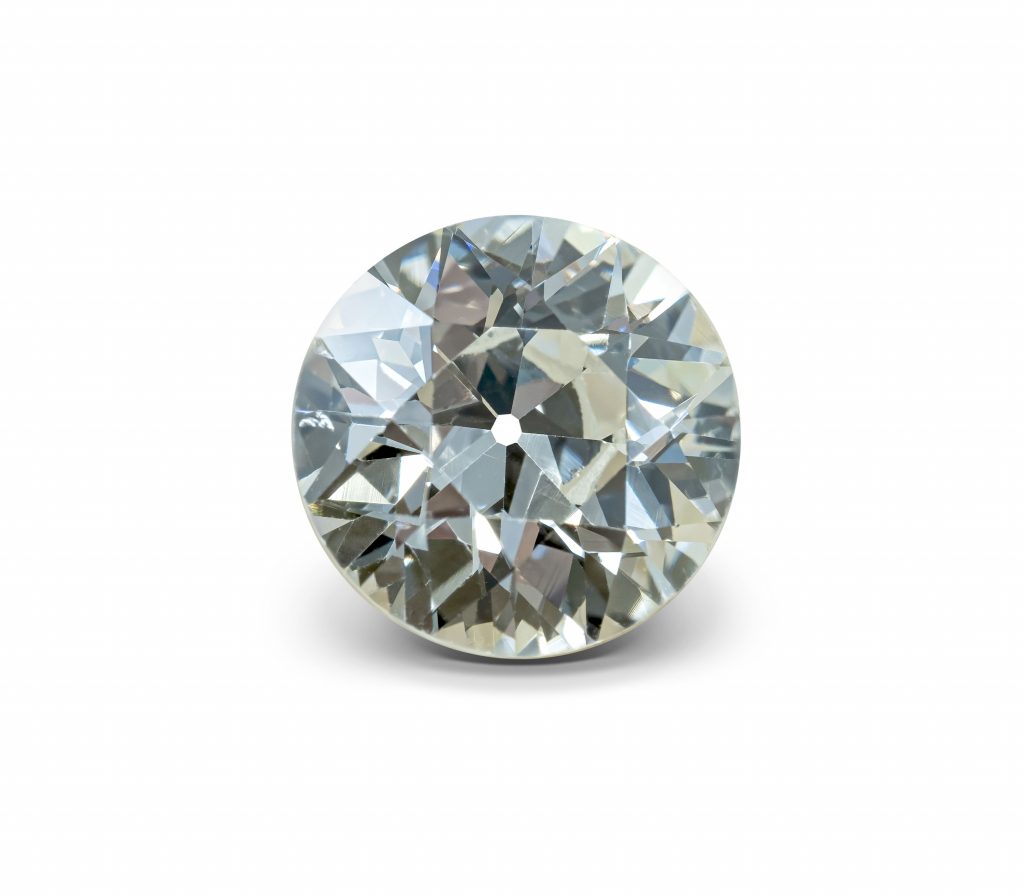
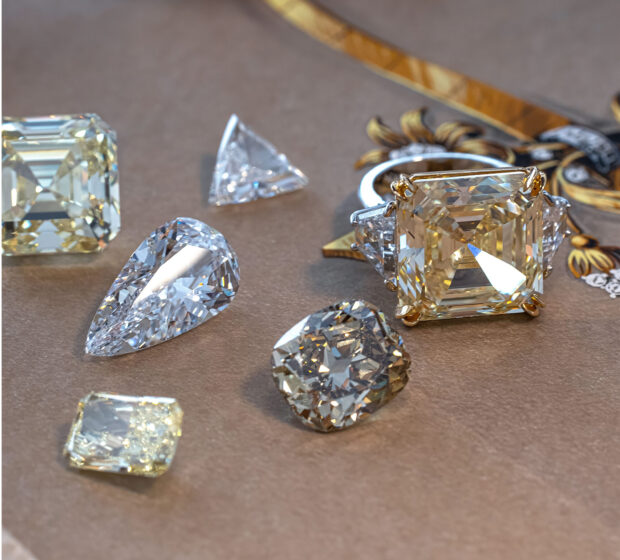
Old mine cut diamonds within the colorless category carry a dimension absent from modern precision cuts: fashioned before the mathematical optimisation of light return defining contemporary brilliance, they display high crown angles, small tables, and large culets producing warm, distinctive optical behaviour developed for candlelight environments. This character cannot be reproduced in modern cutting, positioning large old mine cut diamonds as heritage pieces combining historical significance with natural gemological credentials.
HRD Antwerp certification, present alongside GIA documentation in this collection, represents the leading European gemological laboratory accepted equivalently to GIA by auction houses and institutional buyers. For collectors operating across European markets, HRD-certified large loose diamonds carry the same authentication weight as GIA-graded equivalents, a distinction worth noting for estate quality acquisitions where European provenance adds heritage dimension to premium collector material.
Matched Pairs, Provenance, and Collector Value
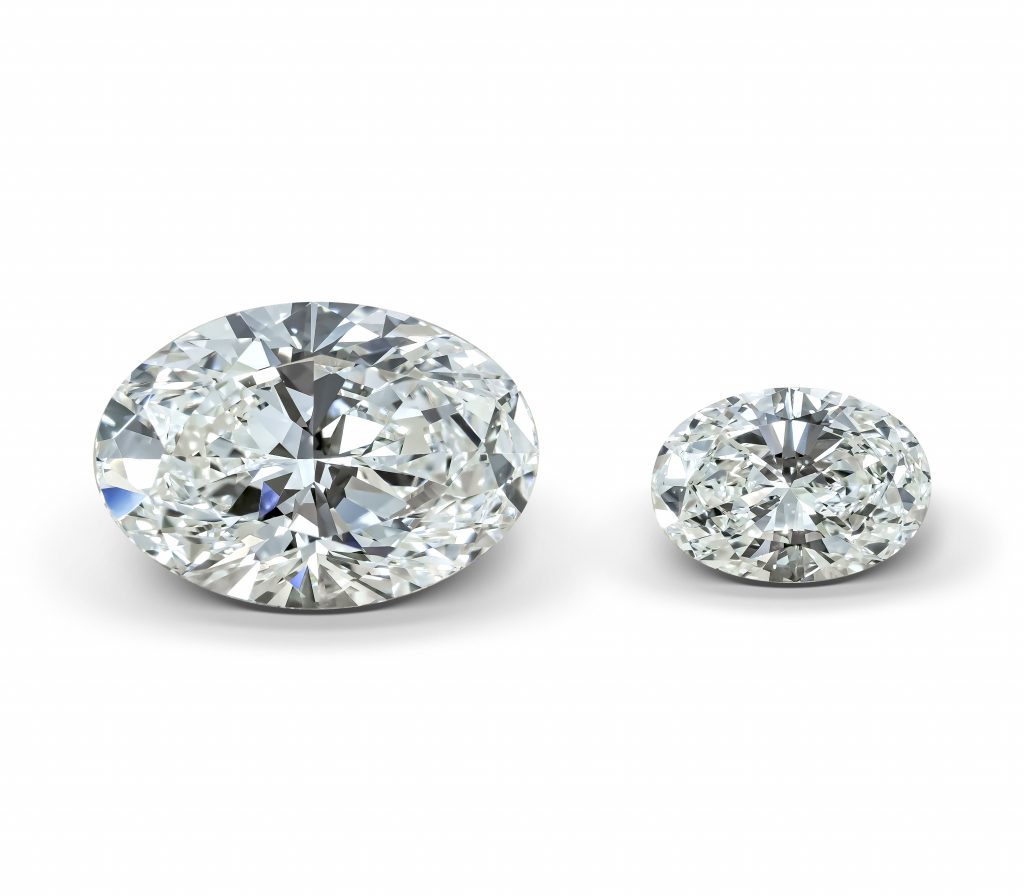
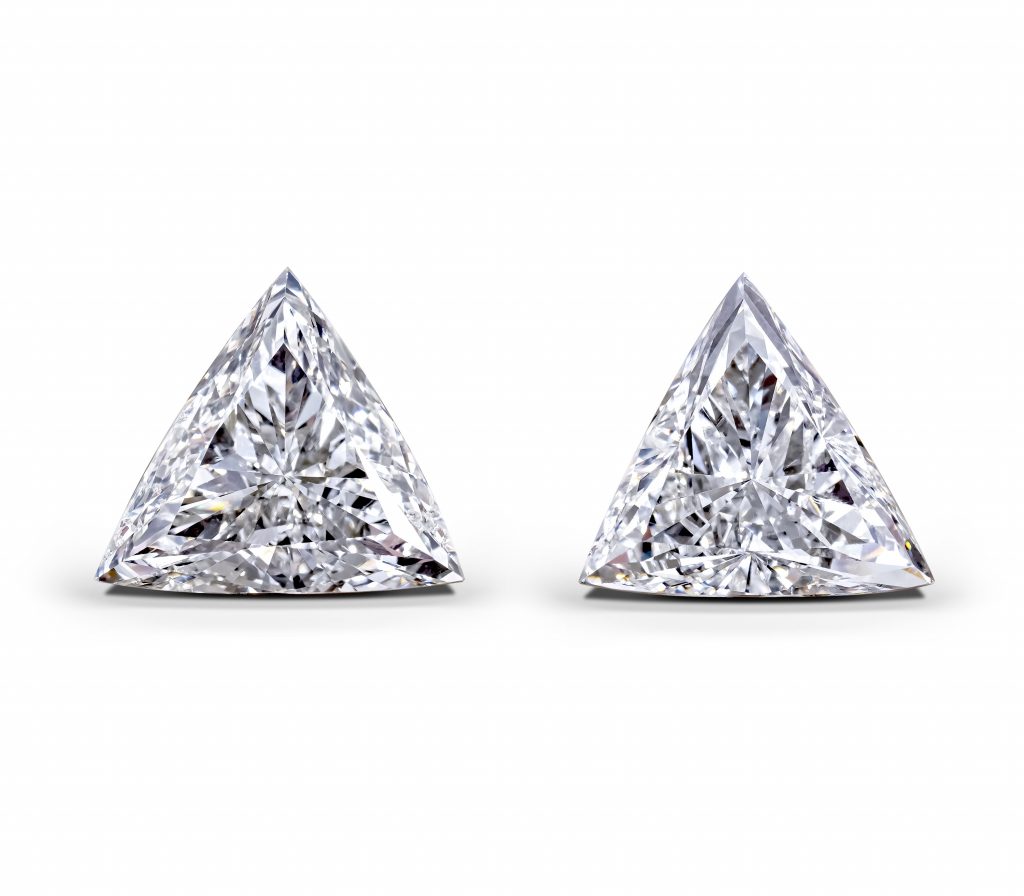
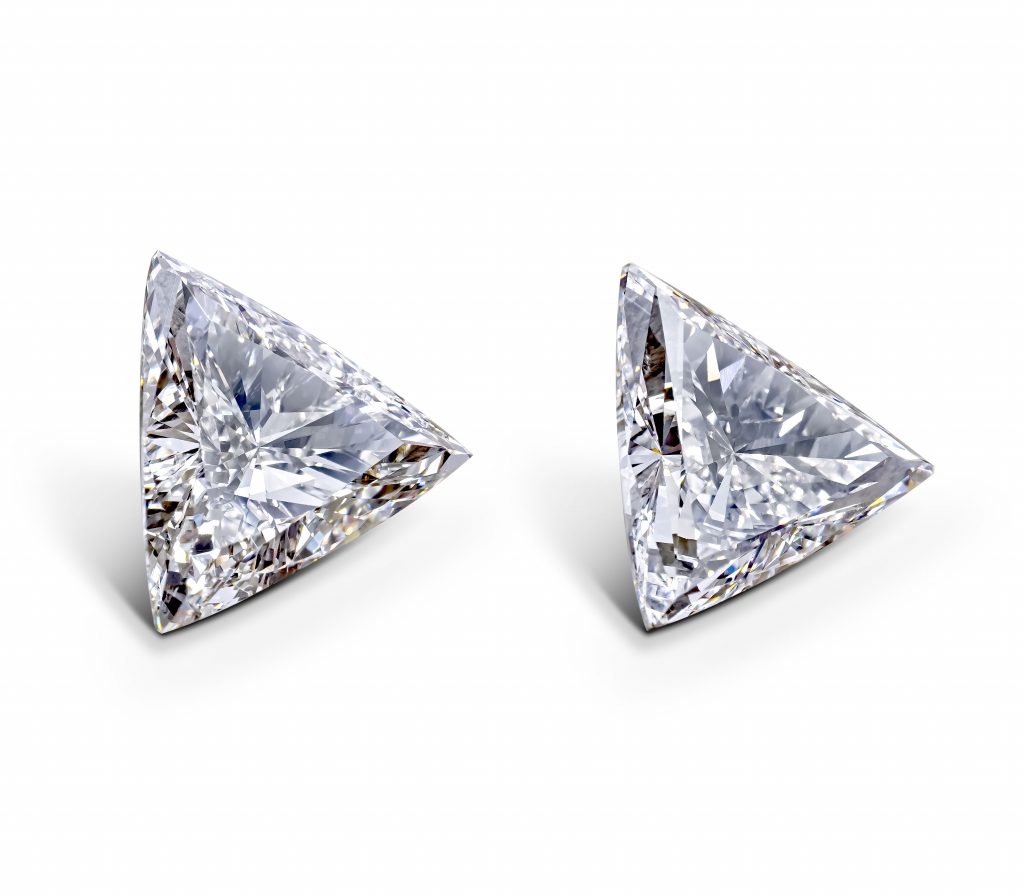
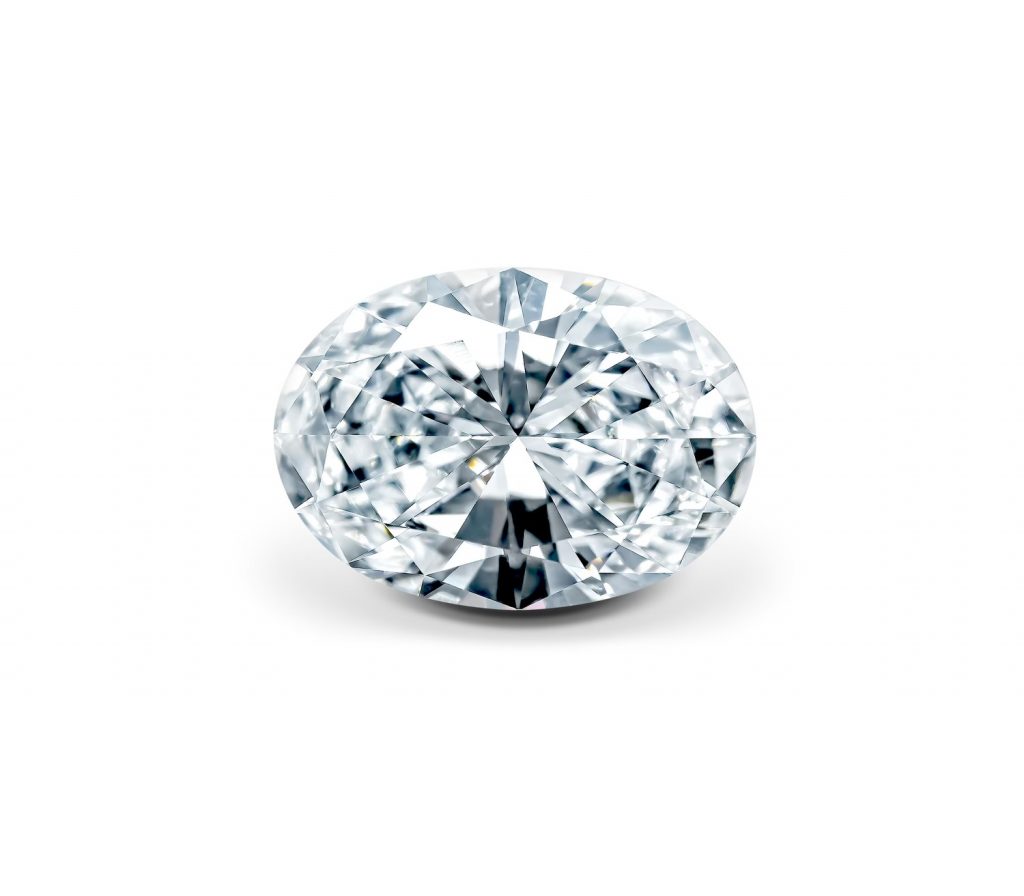
Matched pairs of colorless diamonds — whether triangular modified brilliants or ovals — represent a specific gemological achievement beyond individual stone quality. Colour consistency, clarity compatibility, and proportional matching across two independently formed crystals requires selection from a significantly larger material pool than single-stone acquisition. For bespoke luxury commissions where symmetry and visual coherence are paramount, matched pairs in documented provenance carry premium positioning that individual stones of equivalent grade do not replicate.
Each fine loose diamond is accompanied by GIA or HRD certification covering the full 4Cs alongside relevant plotting diagrams and treatment disclosures. Rare loose collector diamonds of this calibre demonstrate consistent price appreciation driven by the finite supply of large colorless material meeting the highest grading standards. This combination of natural origin, gemological rigour, and documented provenance defines investment quality material in the assessment of auction specialists and institutional buyers.
Acquiring exceptional rare natural colorless diamonds in unset condition preserves complete gemological transparency, supports independent verification, and maintains the estate quality condition central to long-term resale value: timeless collector diamonds whose exclusivity rests on natural origin and museum-quality certification.