Pink Tourmaline in the Jewelry Tradition
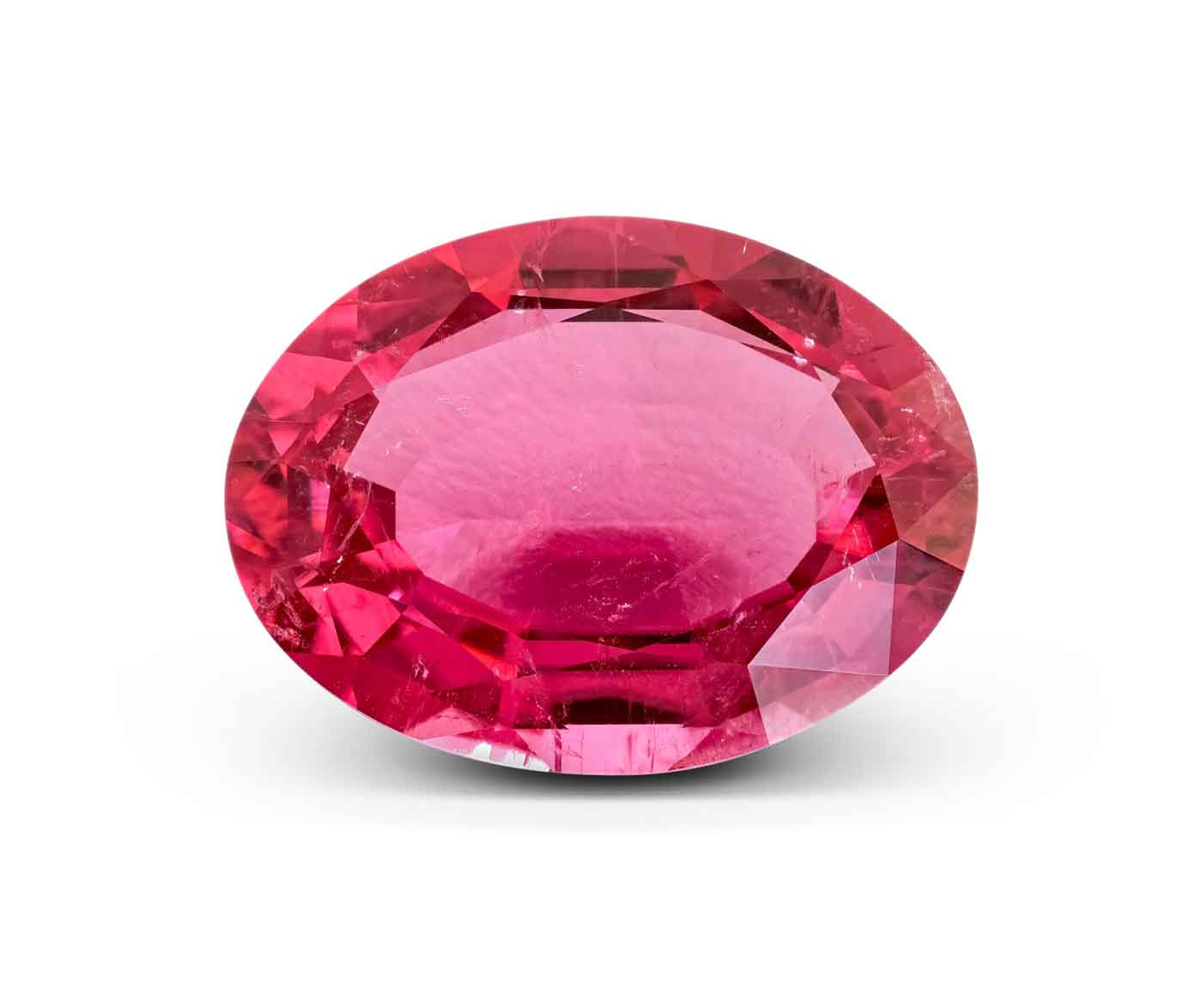
Among elective colored gemstones, tourmaline’s chromatic range is unmatched: pink varieties alone span pale rose through deep rubellite, the intense red-pink whose color rivals fine ruby without the geological rarity premium. Brazilian deposits in Minas Gerais have supplied the majority of significant specimens in vintage jewelry since the late nineteenth century.
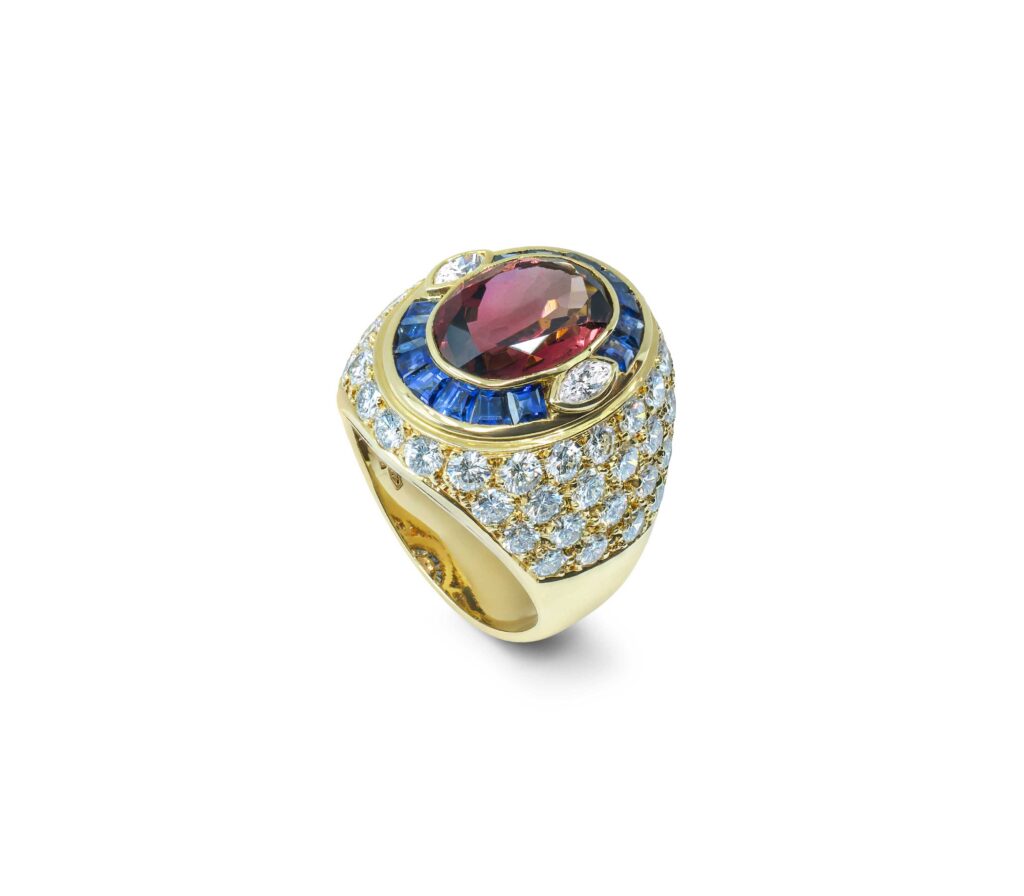
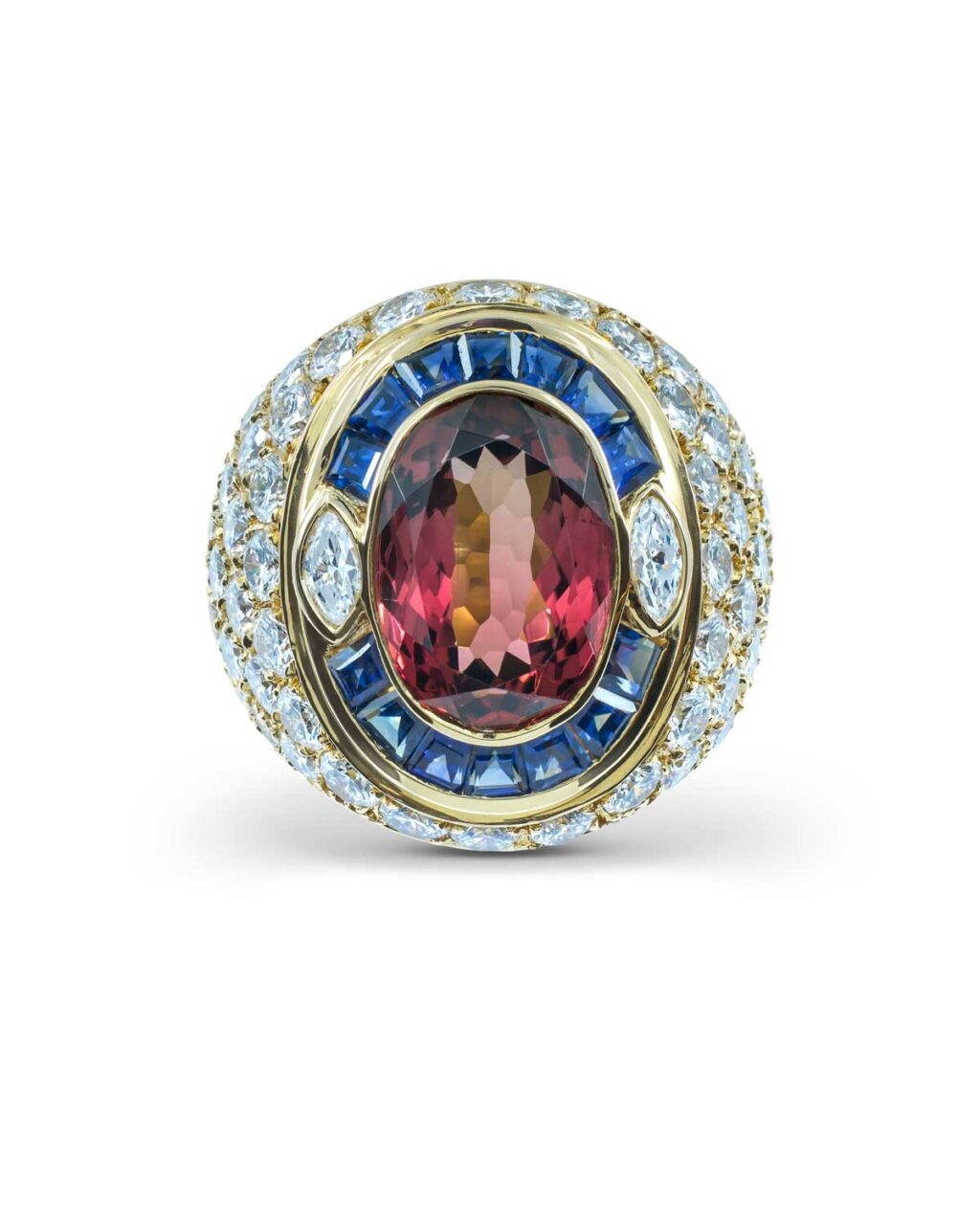
Victorian jewelers embraced rubellite in closed-back gold settings that intensified saturation, while Edwardian designers incorporated lighter pink specimens into delicate platinum compositions alongside old jewelry diamond accents. Italian luxury houses of the mid-twentieth century developed the material’s most ambitious applications: Milanese ateliers combined large oval pink tourmaline centers with calibré-cut sapphire borders and diamond pavé in yellow gold cocktail constructions that represent some of the most collectible examples of postwar goldsmithing. Authentication requires distinguishing natural color from heated material — heat treatment significantly affects dichroism and inclusion patterns in ways that spectroscopic analysis reliably identifies.
Grygorian Gallery’s Pink Tourmaline Collection
Correctly evaluating pre owned jewelry featuring pink tourmaline demands familiarity with both gemological characteristics and the production standards of the designer houses responsible for their settings. Grygorian Gallery’s acquisition standards draw on Eduard Grygorian’s expertise cultivated at maisons including Boucheron and Chaumet, where tourmaline appeared in prestige colored stone commissions alongside the finest luxury jewelry of each period.
Each piece undergoes spectroscopic examination assessing color origin, treatment history, and geographic provenance. Custom multi-stone constructions characteristic of Italian mid-century fine jewelry are evaluated for atelier hallmarks, period-appropriate metalworking, and structural integrity of complex pavé and calibré-cut settings. Where original cases or records accompany a gently used piece, this heritage context is shared transparently.
Conservation in our South of France atelier addresses tourmaline’s sensitivity to thermal shock — a material consideration that distinguishes handling protocols for these estate pieces from those applied to harder gem categories.
Investment Value and Collector Appeal
Rubellite of strong, even saturation with minimal color shift commands consistent premiums in the estate jewelry market, particularly where large specimens retain original settings in documented Italian or French fine jewelry constructions. High end estate jewelry pairing pink tourmaline with sapphire and diamond — the chromatic combination favored by Italian luxury ateliers during their most celebrated postwar decade — occupies a collecting category where material elegance and period design heritage reinforce each other.
Antique rubellite examples in closed-back Victorian settings stand among the most distinctive collectible treasures in this material, while retro jewelry cocktail constructions featuring large pink tourmaline centers and signed previously owned pieces from Milanese designer houses represent unique finds that reward patient acquisition. These beautiful estate pieces combine verified gemological authenticity with institutional provenance, and our specialists offer personalized consultations to identify certified examples aligned with individual collecting objectives and aesthetic vision.