Six Millennia of Blue: Lapis Lazuli in Jewelry History
Among all materials that have passed through the hands of jewelry makers across centuries, lapis lazuli occupies a uniquely continuous position. Afghan deposits in Badakhshan’s Sar-e-Sang mines supplied ancient Egyptian amulets, Mesopotamian cylinder seals, and Mughal court jewelry with equal consistency — a provenance chain that lends authentic archaeological gravity to vintage jewelry featuring this material. Victorian jewelers (1837–1901) prized lapis lazuli for mourning pieces and symbolic compositions, setting cabochon specimens in 18k yellow gold with granulation details referencing Etruscan archaeological discoveries then fashionable among aristocratic collectors.
Art Deco designers of the 1920s and 1930s recognized lapis lazuli’s graphic potential: its intense, flat blue provided ideal contrast against platinum settings and diamond pavé in geometric compositions that defined the period’s aesthetic vocabulary. Cartier incorporated lapis alongside coral and onyx in its celebrated “Tutti Frutti” constructions, while Boucheron’s archival pieces paired the stone with yellow gold in sculptural mounts that emphasized the material’s natural surface character.
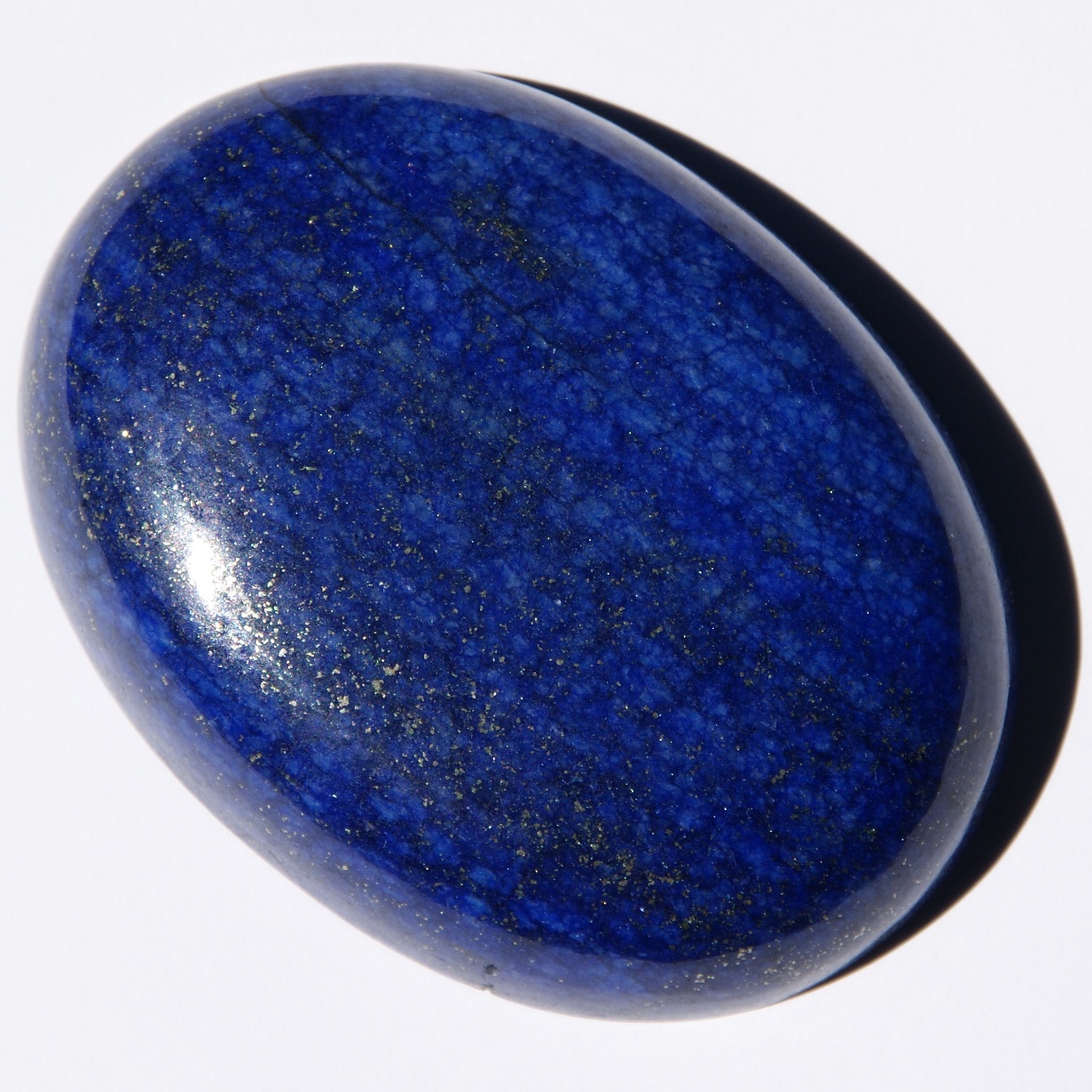
Authentication of pre owned lapis lazuli jewelry requires distinguishing natural Afghan material from dyed howlite or reconstructed substitutes through surface porosity analysis, identifying pyrite inclusion patterns characteristic of genuine specimens, and assessing period-appropriate treatment methods including wax impregnation common in antique examples.
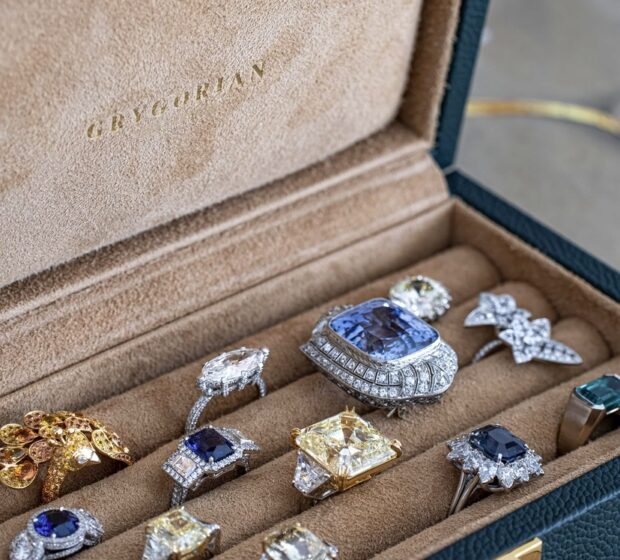
Grygorian Gallery’s Lapis Lazuli Collection
Correctly identifying natural, untreated lapis lazuli demands both gemological training and familiarity with period production standards — a combination that defines Grygorian Gallery’s curatorial approach to this material. Among the estate jewelry categories where provenance depth most directly affects value, pieces featuring Afghan lapis from documented private collections carry a heritage context that open-market examples rarely match. Eduard Grygorian’s expertise, cultivated at maisons including Boucheron and Chaumet where lapis lazuli appeared regularly in prestige commissions, informs acquisition and authentication standards for pre owned jewelry featuring this stone.
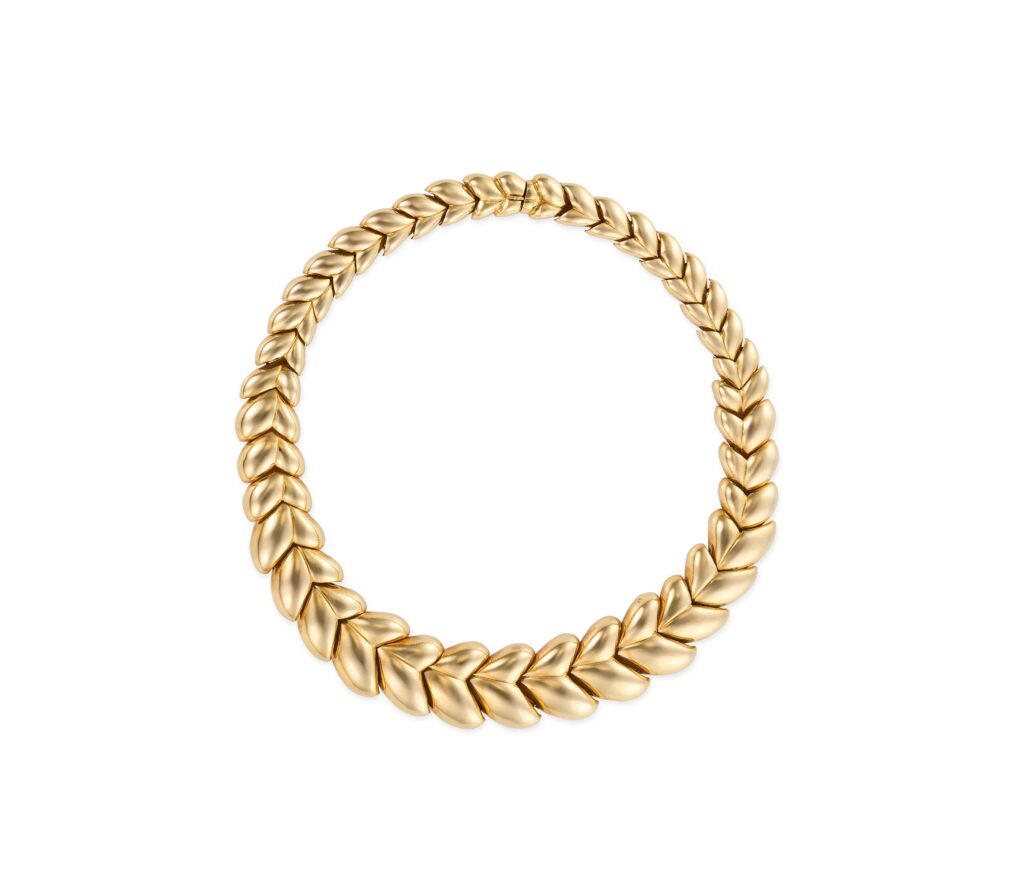
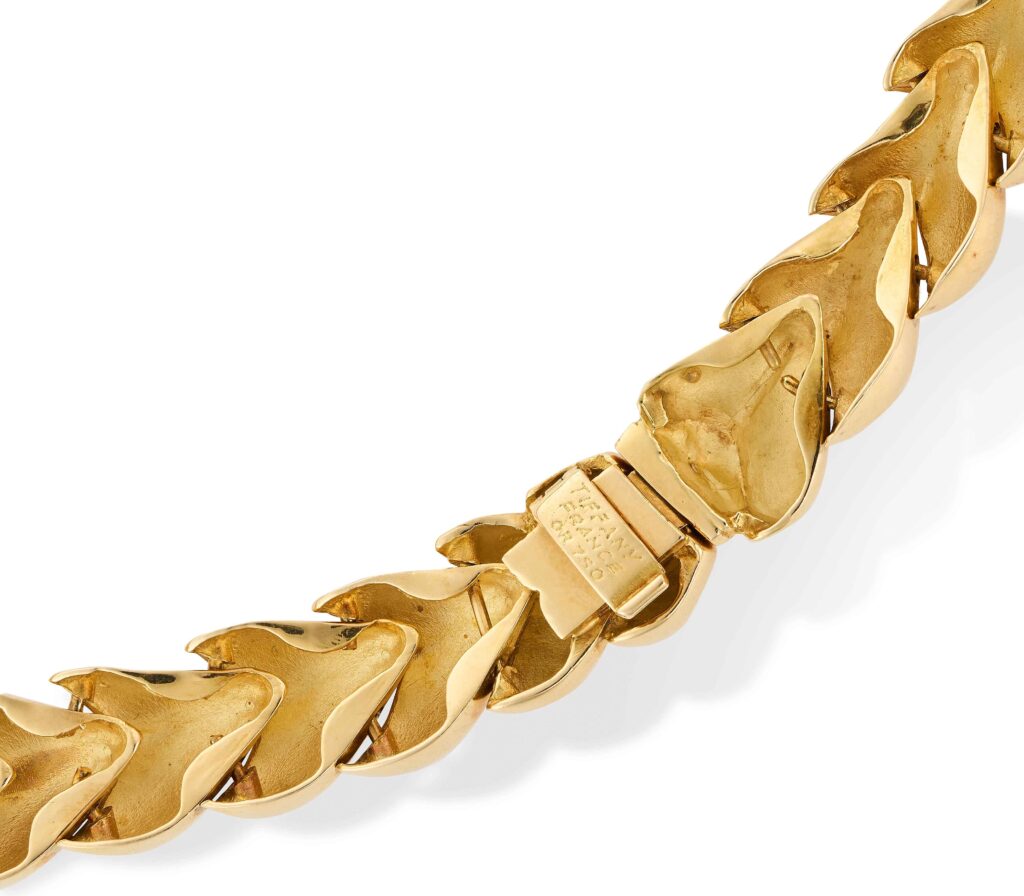
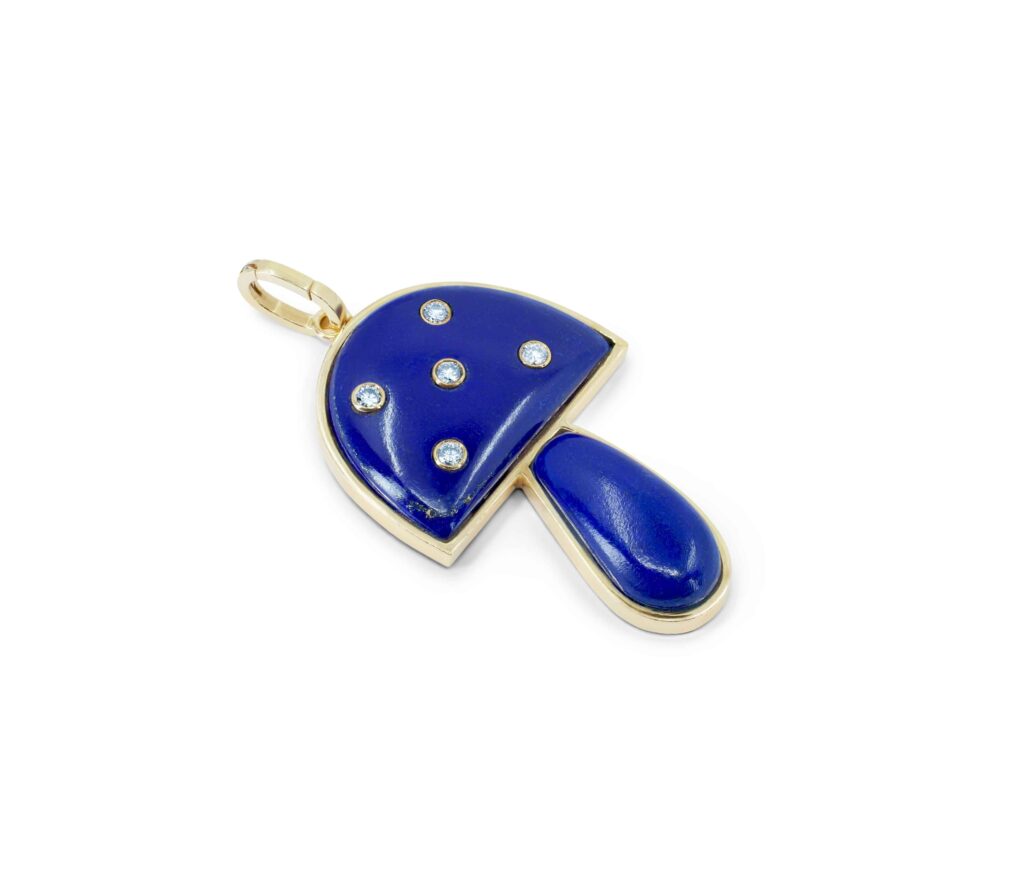
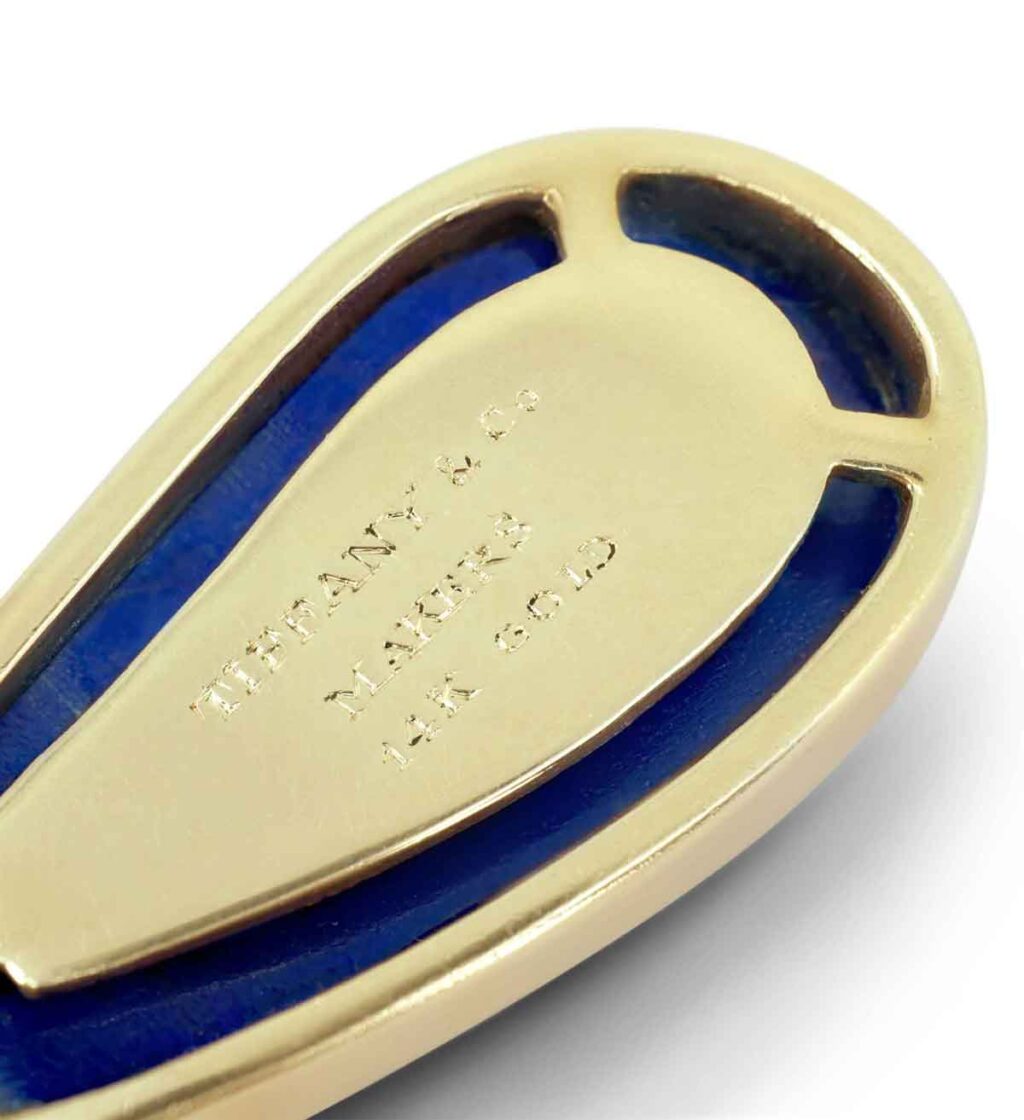
Each piece undergoes examination for material authenticity, including surface analysis distinguishing natural pyrite distribution from artificially introduced metallic particles, and assessment of setting construction consistent with the producing period. Signed designer examples from houses including Tiffany & Co., whose yellow gold compositions paired lapis with diamonds in characteristically playful yet technically refined constructions, carry additional collector value that documented provenance confirms. Where original cases or purchase records accompany a piece, this heritage context is shared transparently.
Conservation of gently used lapis lazuli pieces is handled in our South of France atelier: gentle cleaning preserves natural surface wax patina, custom setting stabilization accommodates the stone’s moderate hardness of 5 to 6 on the Mohs scale, and climate-appropriate storage prevents thermal cycling that can compromise cabochon integrity over time.
Investment Value and Collector Appeal
Natural high-quality lapis lazuli from Afghan sources commands consistent premiums at specialist auctions, particularly specimens displaying intense, uniform blue coloration with minimal calcite veining and well-distributed pyrite inclusions. Signed high end estate jewelry featuring this material from documented luxury houses demonstrates reliable appreciation, especially where provenance connects pieces to significant private collections with verifiable ownership histories.
Retro jewelry from the 1940s and 1950s paired lapis lazuli with yellow gold in bold volumetric constructions of considerable elegance — among the most desirable old jewelry examples on the secondary market today. Geometric Art Deco pieces featuring calibré-cut lapis alongside diamond pavé represent unique finds for collectors drawn to the period’s characteristic chromatic precision. These beautiful previously owned pieces function as valuable assets combining ancient material heritage with institutional designer provenance, collectible treasures that carry meaning extending well beyond their material components. Our specialists offer personalized consultations to identify certified estate examples aligned with collecting objectives and aesthetic vision.