An Ancient Stone in the Luxury Tradition
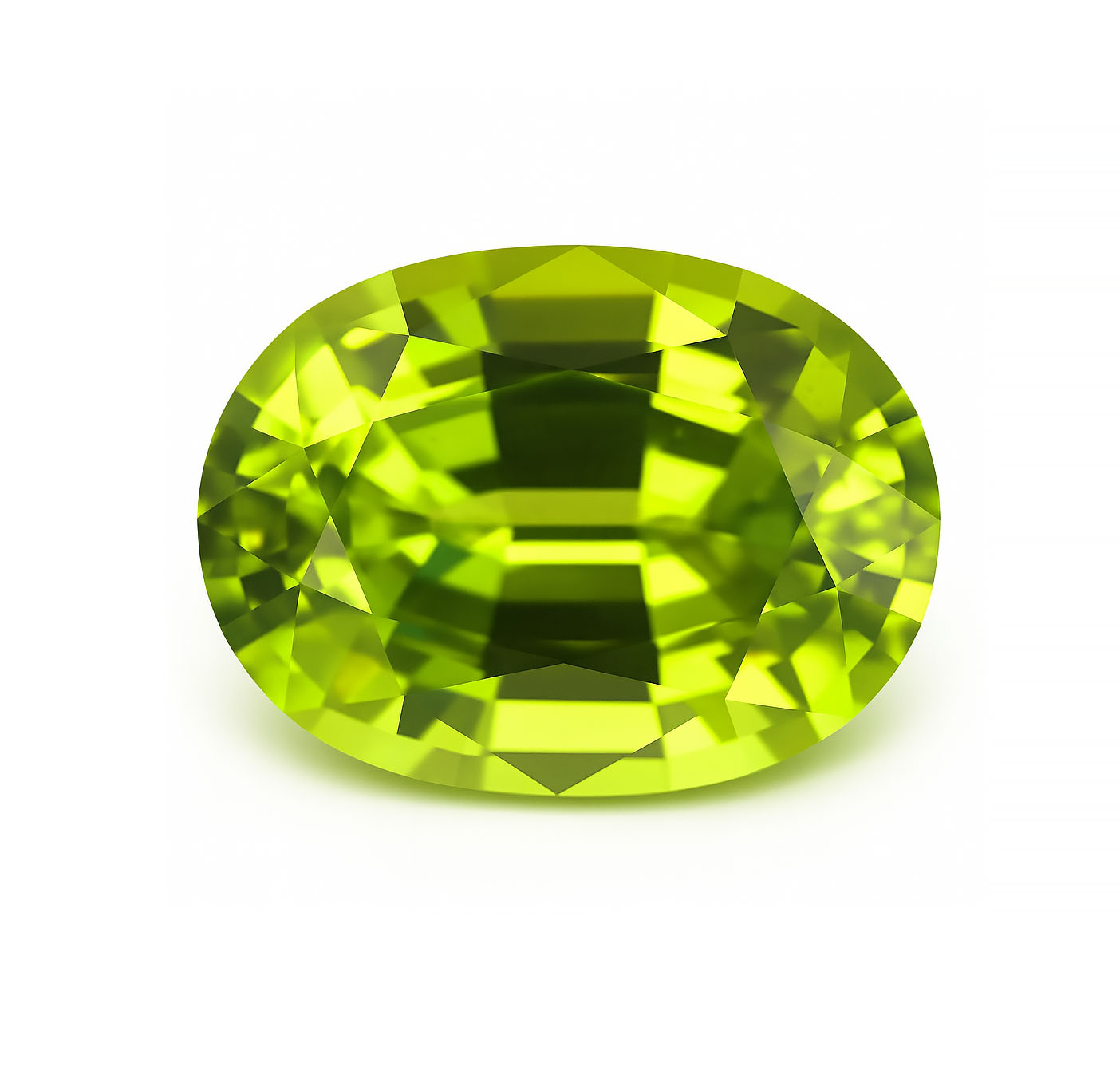
Peridot’s yellow-green hue derives from iron within its olivine crystal structure — a composition that produces color without treatment, making natural specimens inherently authentic in a market where enhancement disclosure drives valuation.
The finest antique material originates from Zabargad, where Egyptian state mines supplied imperial courts from antiquity through the medieval period. Burmese deposits later provided deeply saturated specimens prized in Victorian yellow gold parures, while Art Deco designers deployed the stone as a warm chromatic counterpoint in geometric platinum compositions.
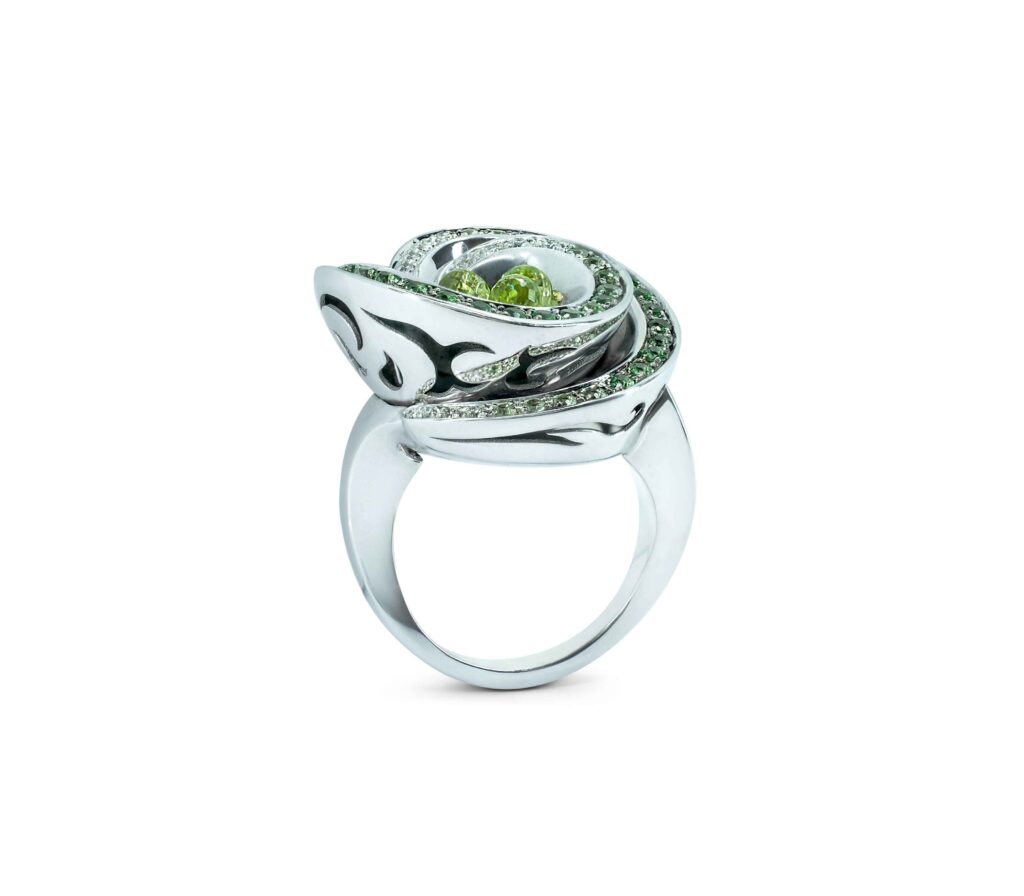
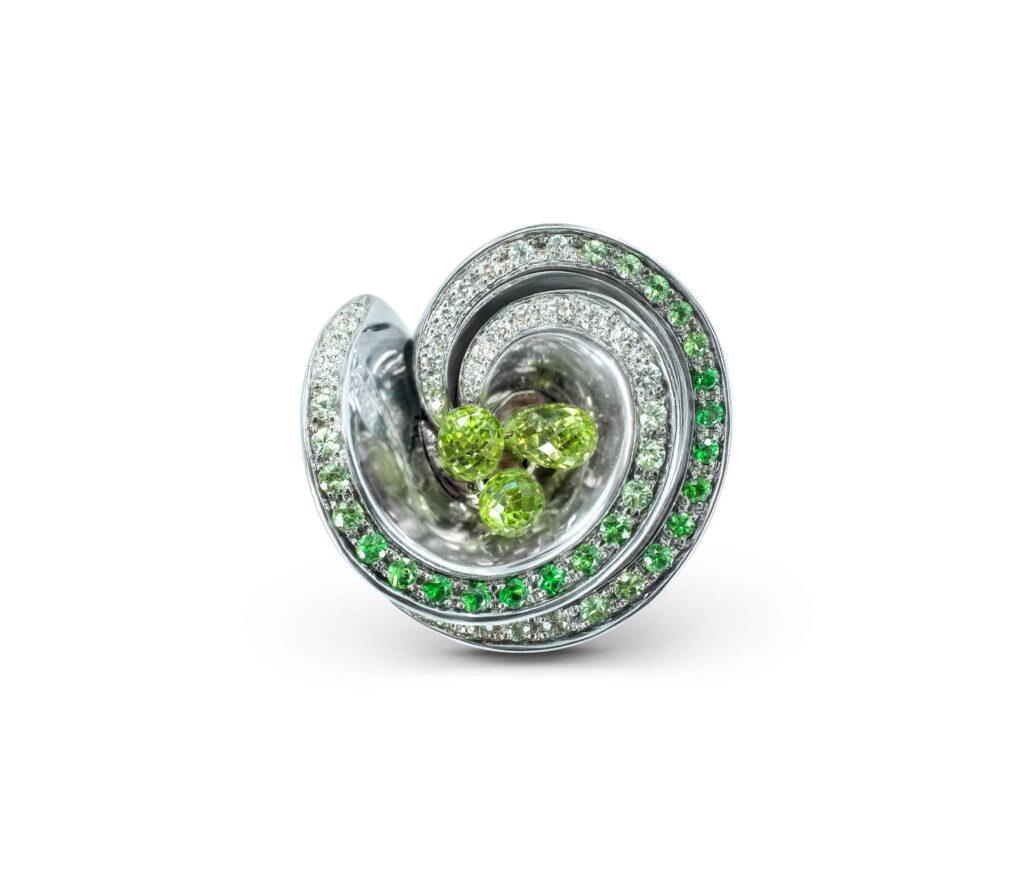
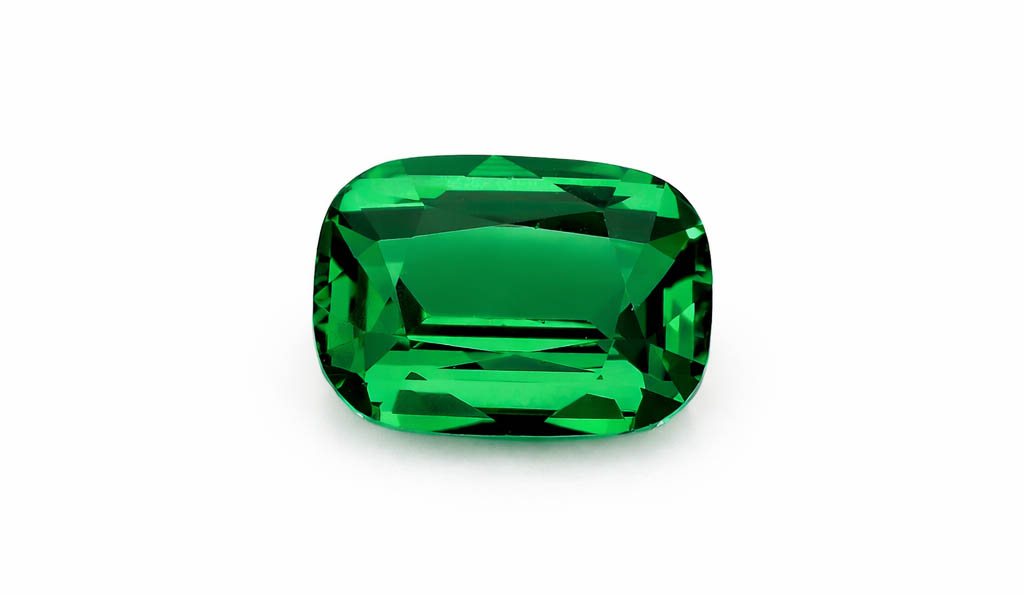
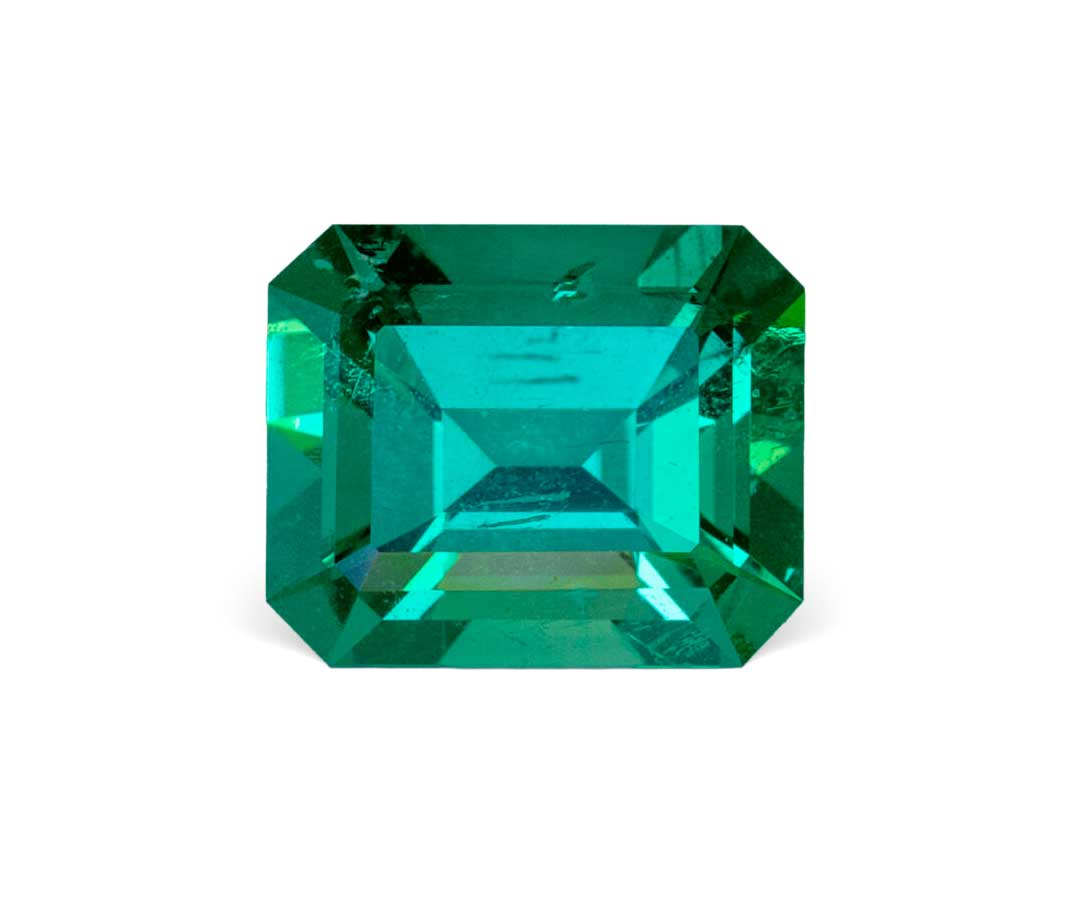
Contemporary designer houses including De Grisogono recognized peridot’s potential in multi-stone constructions, combining it with tsavorite and emerald in sculptural frameworks where related green hues create tonal layering rather than simple contrast. Authentication focuses on distinguishing Zabargad and Burmese material from later Pakistani sources through inclusion analysis.
Grygorian Gallery’s Peridot Collection
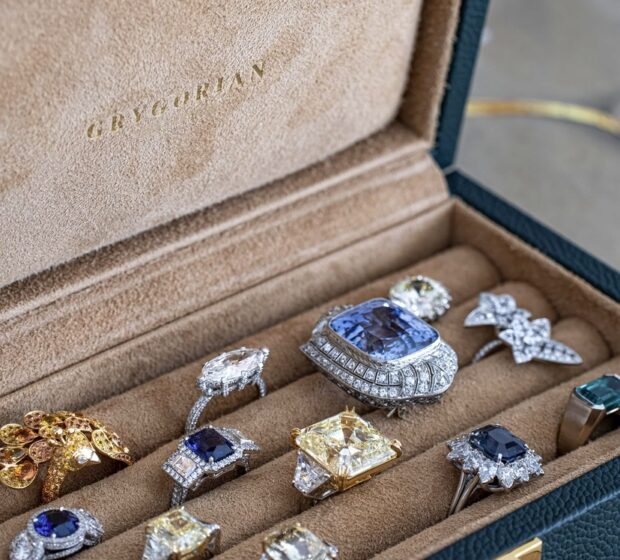
Peridot’s relative softness — ranking 6.5 to 7 on the Mohs scale — means condition assessment carries particular weight when acquiring previously owned pieces in this material. Sourcing estate peridot jewelry of genuine rarity requires access to private European collections where provenance documentation accompanies material quality, and Eduard Grygorian’s expertise, developed at leading maisons including Boucheron and Chaumet, informs the careful authentication standards applied at Grygorian Gallery.
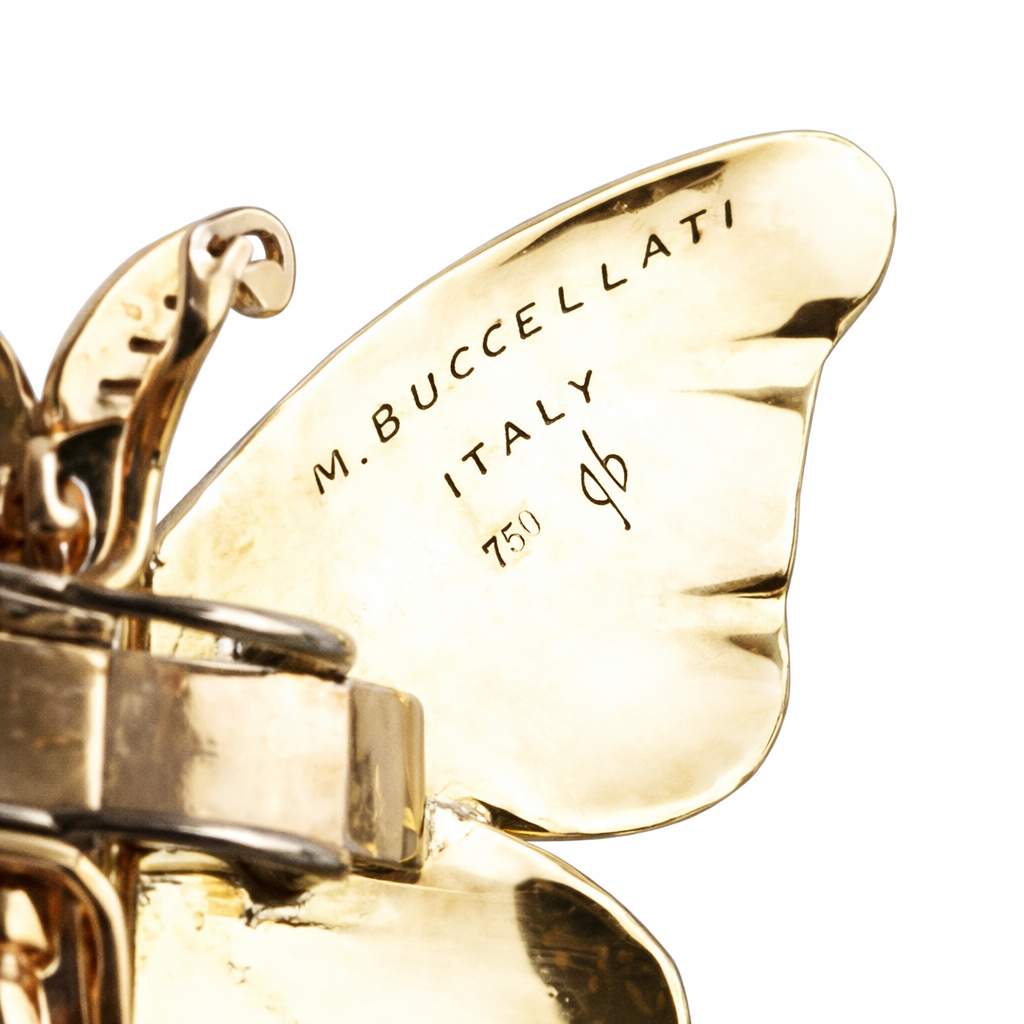
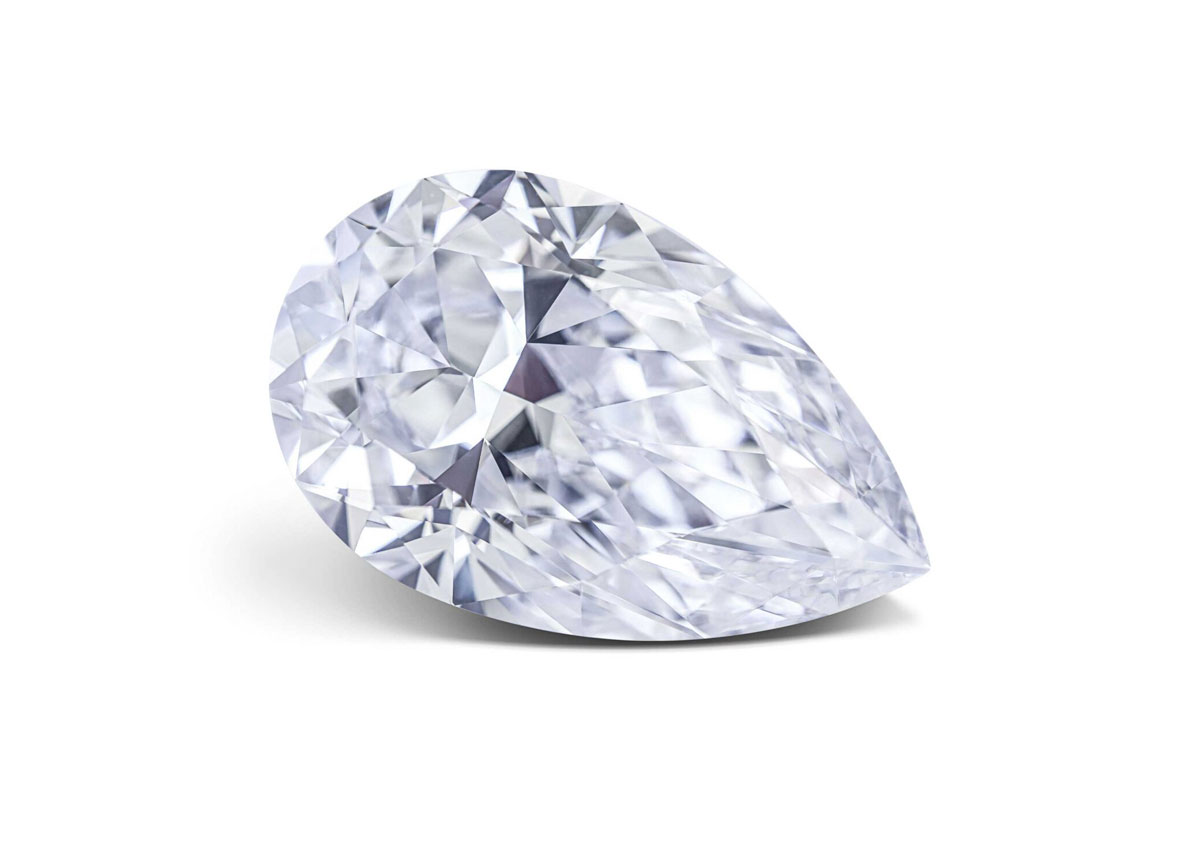
Each piece undergoes examination for geographic origin indicators, period-appropriate cutting characteristics, and setting construction consistent with the producing house. Custom multi-stone frameworks, where peridot appears alongside tsavorite or diamond in complex pavé constructions, are assessed for structural integrity and hallmark consistency. Where original cases or provenance records accompany a gently used example, this heritage documentation is shared transparently.
Conservation in our South of France atelier addresses peridot’s sensitivity to acids and thermal change through custom cleaning protocols distinct from those applied to harder gem materials.
Investment Value and Collector Appeal
Large natural Zabargad peridot with deep olive-green saturation occupies a genuine scarcity tier: the historic Egyptian island source was effectively exhausted during the twentieth century, making antique specimens of documented provenance progressively rare in the vintage jewelry market. High end estate jewelry featuring fine peridot from recognized luxury houses demonstrates consistent collector interest, particularly signed pieces in original period settings that complement the stone’s distinctive yellow-green elegance.
Retro jewelry and mid-century fine jewelry constructions pairing peridot with complementary green stones represent unique finds for collectors drawn to chromatic sophistication over conventional gemstone hierarchies. These beautiful collectible treasures — previously owned estate pieces where ancient material heritage meets institutional designer provenance — reward acquisition informed by specialist knowledge. Our consultants offer personalized sessions to identify certified examples aligned with collecting objectives and aesthetic vision.