Violet Gemstones Across Jewelry History
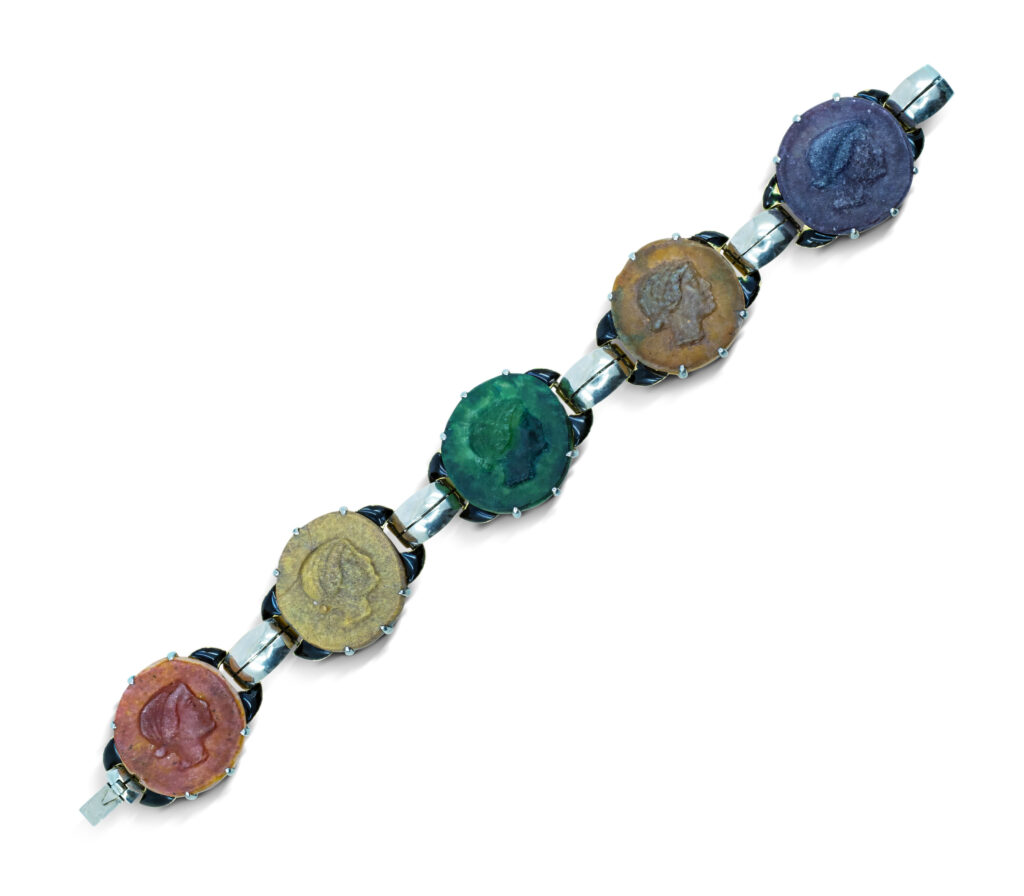
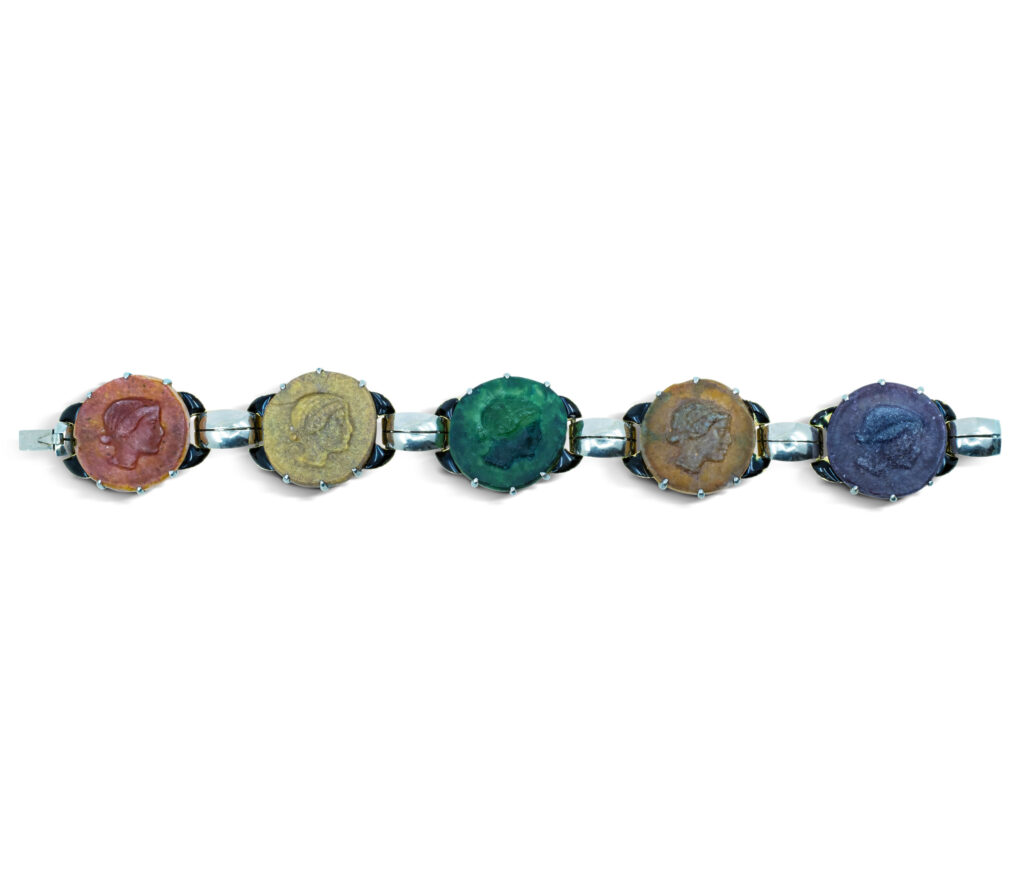
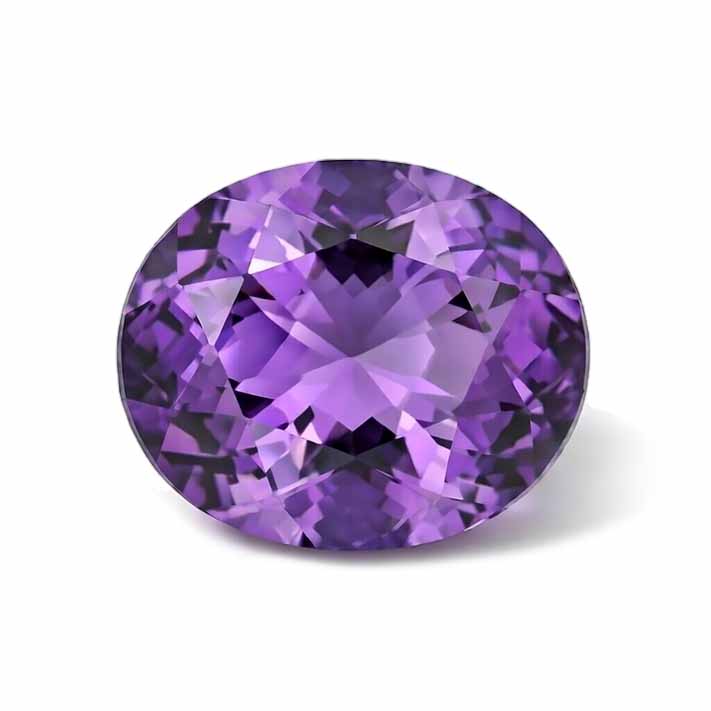
Across the full history of colored gemstone collecting, few chromatic categories match the depth and variety found in vintage jewelry featuring violet and purple stones. Amethyst, the purple variety of quartz ranking 7 on the Mohs scale, dominated aristocratic adornment from the Georgian era through the Victorian period (1837–1901): Siberian specimens with their characteristic reddish-violet secondary hue commanded prices comparable to ruby and sapphire before large Brazilian deposits altered market dynamics. Estate pieces from this period showcase the stone in closed-back gold settings that intensify color saturation, elaborate cameo carvings referencing classical antiquity, and parure constructions pairing oval cabochons with seed pearls in antique filigree mounts.
By the 1920s and 1930s, Art Deco designers had turned to purple sapphire and synthetic alexandrite as chromatic counterpoints to platinum’s cool neutrality. Tanzanite, discovered in Tanzania in 1967, subsequently introduced a violet-blue alternative that entered Retro and post-Retro fine jewelry with remarkable speed, prized for its trichroic optical character and deep color saturation in larger specimens.
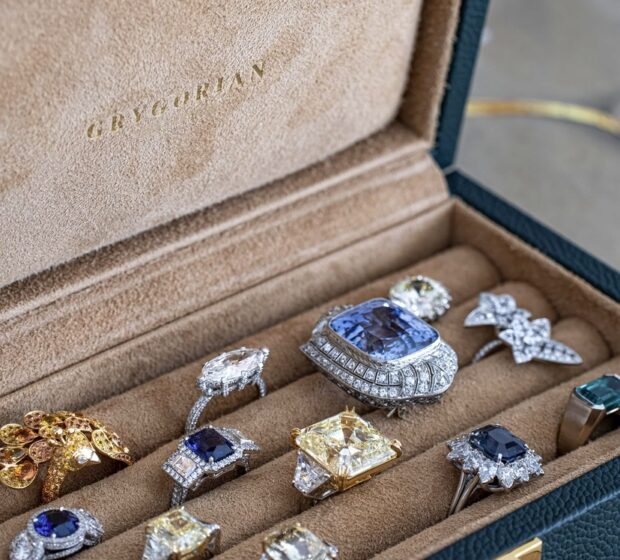
Grygorian Gallery’s Violet Collection
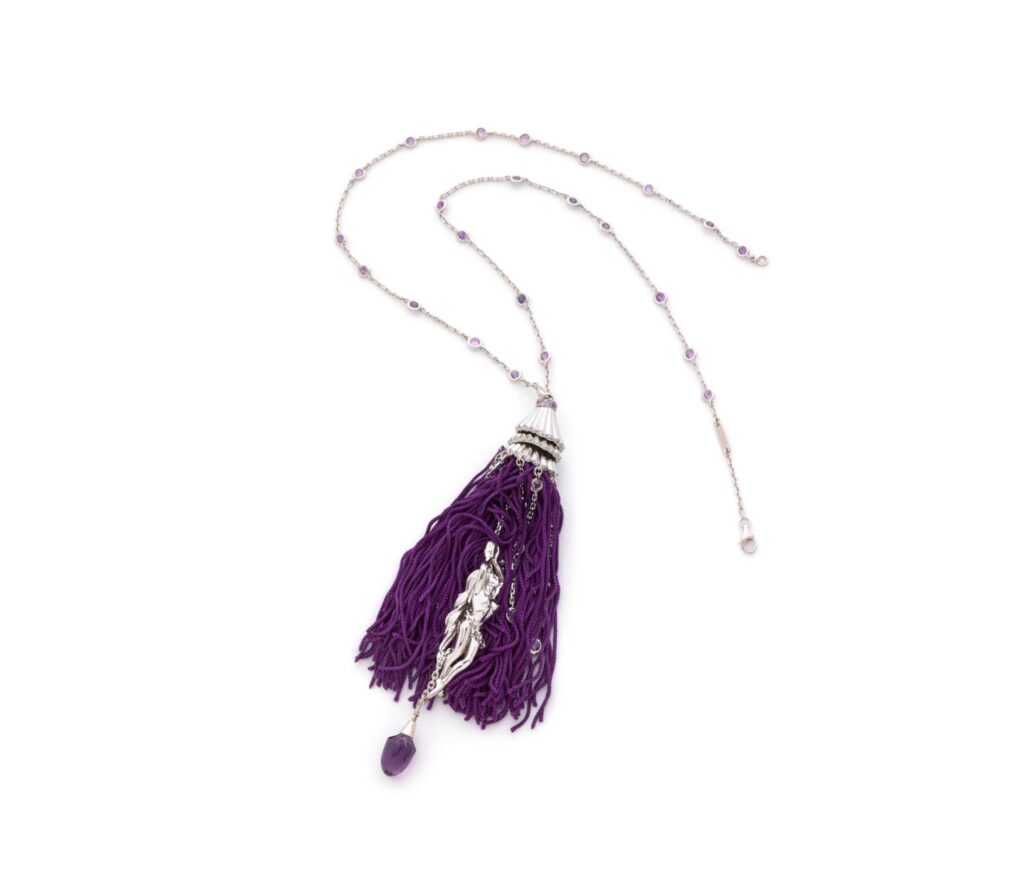
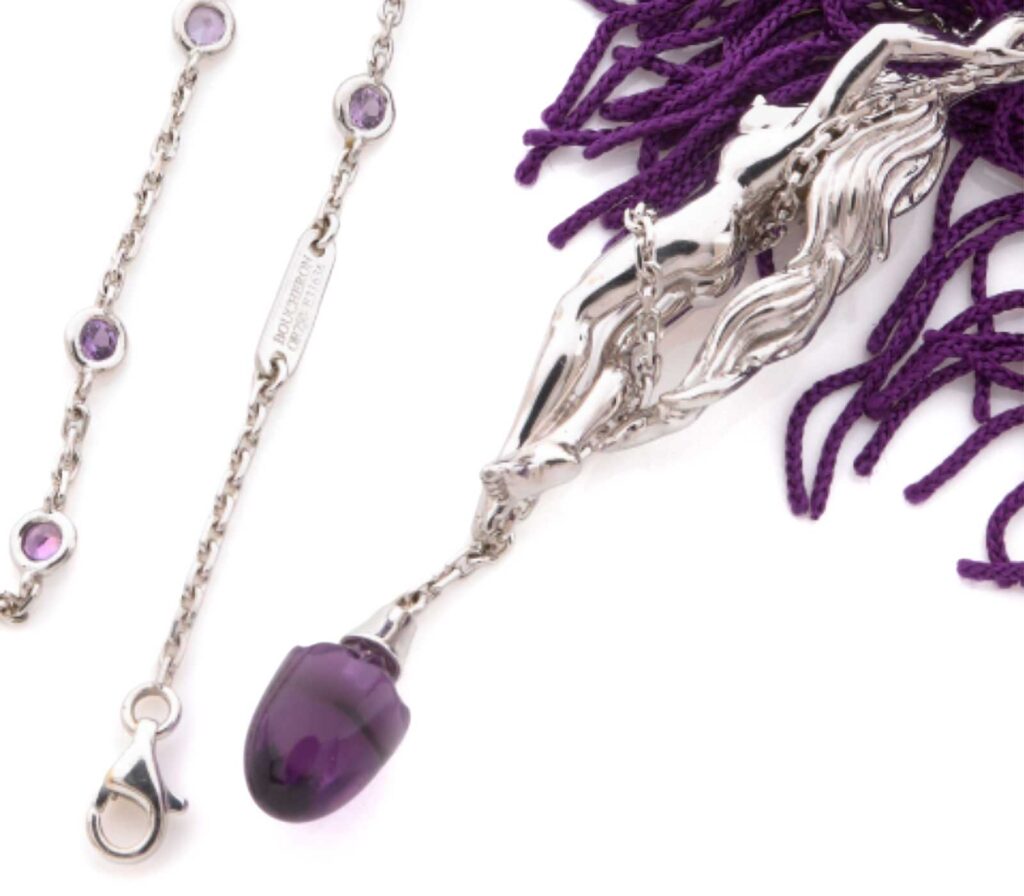
Provenance and precise material identification carry particular weight when acquiring pre owned jewelry in violet and purple hues. Eduard Grygorian’s expertise, developed at prestigious maisons including Boucheron and Chaumet where violet stones featured prominently in high jewelry commissions, informs both sourcing standards and authentication methodology at Grygorian Gallery.
Gemological examination of each piece addresses stone identity, natural origin, and period-appropriate construction through spectroscopic analysis where treatment history requires clarification. Custom gallery work, hand-engraved mounts, and setting techniques are evaluated against documented production records for each era. Signed examples from recognized houses — Boucheron, whose Pompadour-inspired designs elevated amethyst into objects of genuine collector significance, or specialist Art Deco ateliers like Ostertag — carry additional heritage value that provenance documentation confirms.
Where original cases or records accompany a piece, this context is shared transparently. Conservation of gently used examples is handled in our South of France atelier, preserving the authentic character that makes vintage jewelry in violet tones genuinely collectible.
Investment Value and Collector Appeal
Natural Siberian amethyst with strong reddish-violet saturation commands measurable premiums over Brazilian material at specialist auctions, and signed high end estate jewelry featuring violet stones from documented French houses demonstrates consistent appreciation where provenance connects previously owned pieces to aristocratic or celebrity collections. These are not merely beautiful objects: as luxury jewelry with verified gemological and heritage credentials, they represent valuable assets within any serious fine jewelry collection.
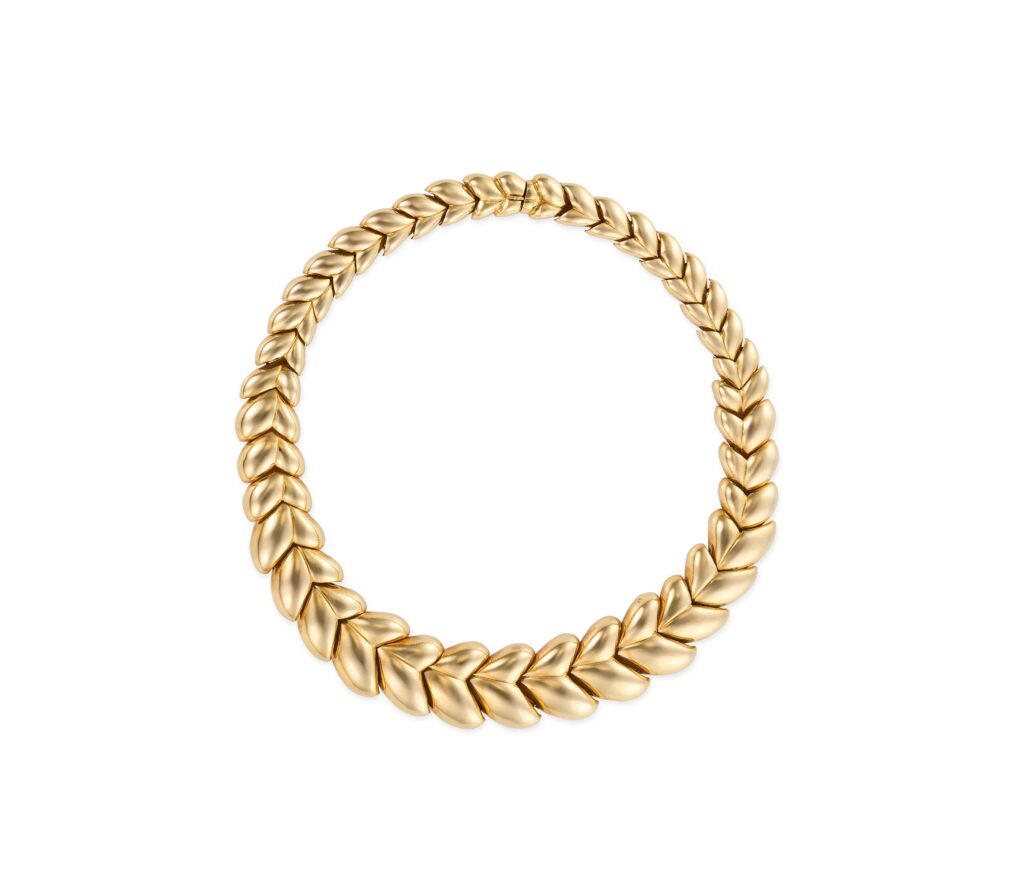
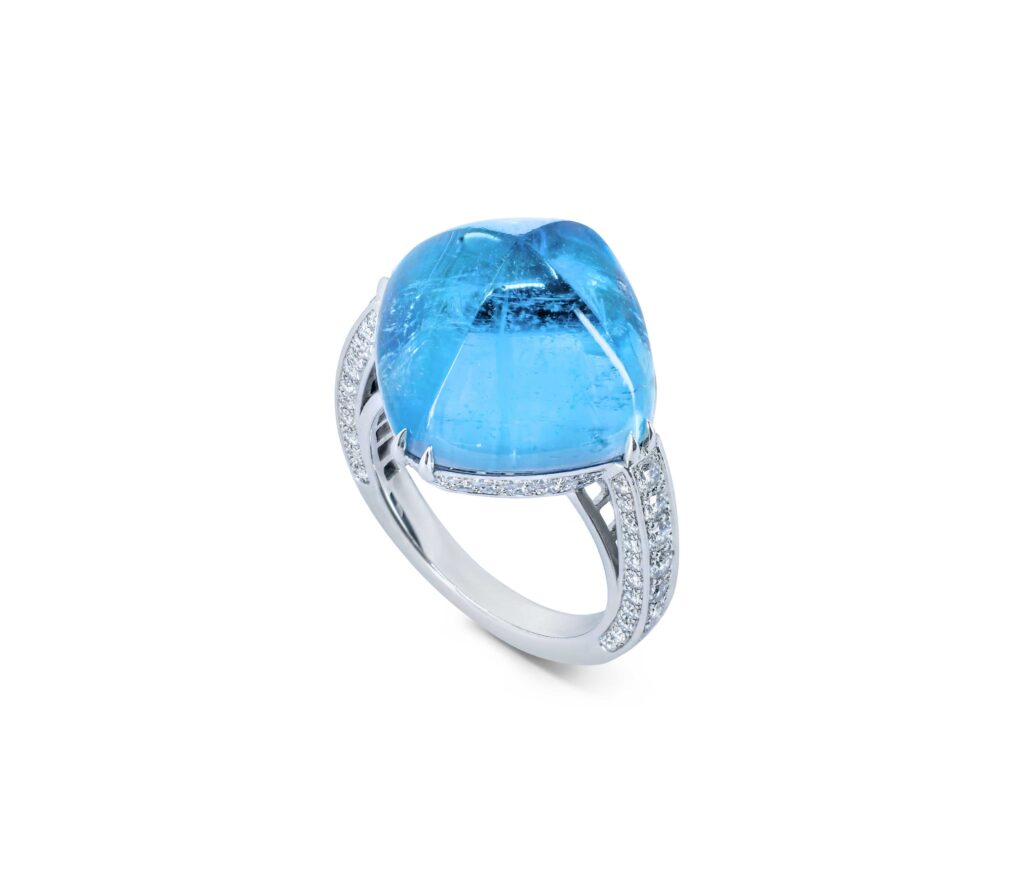
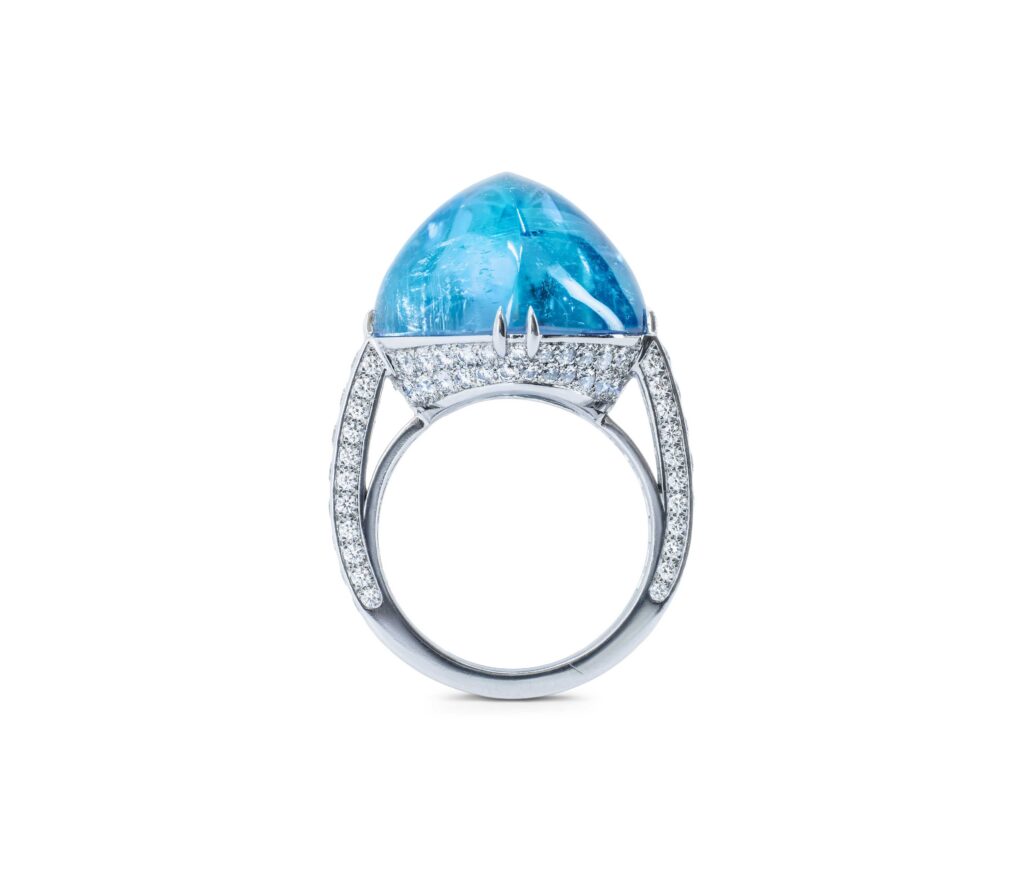
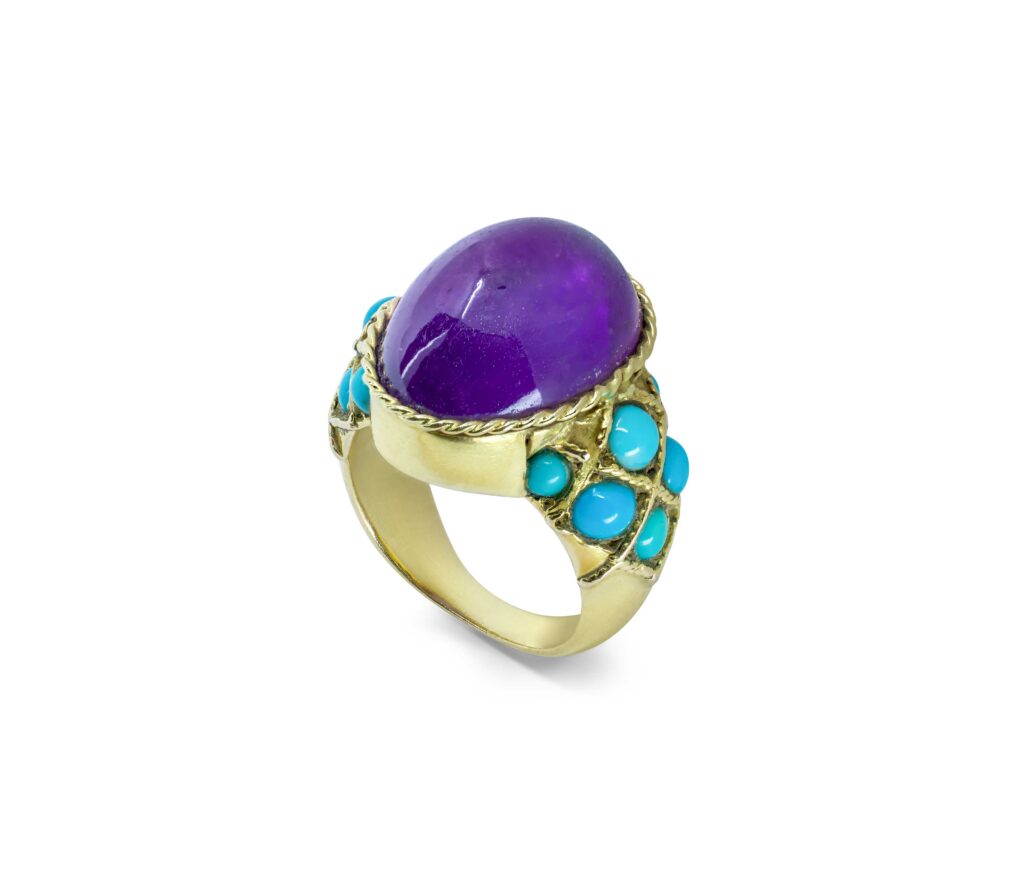
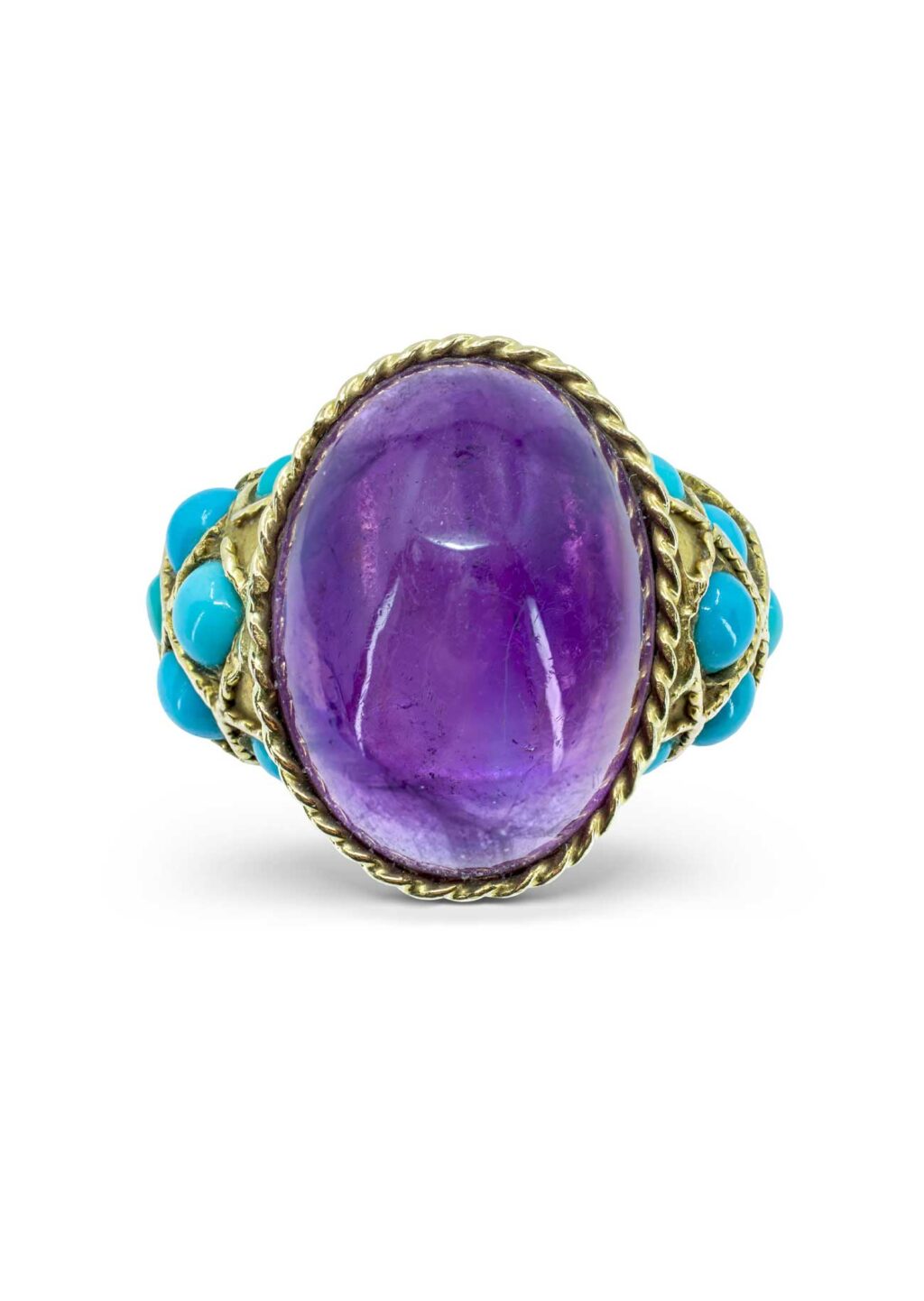
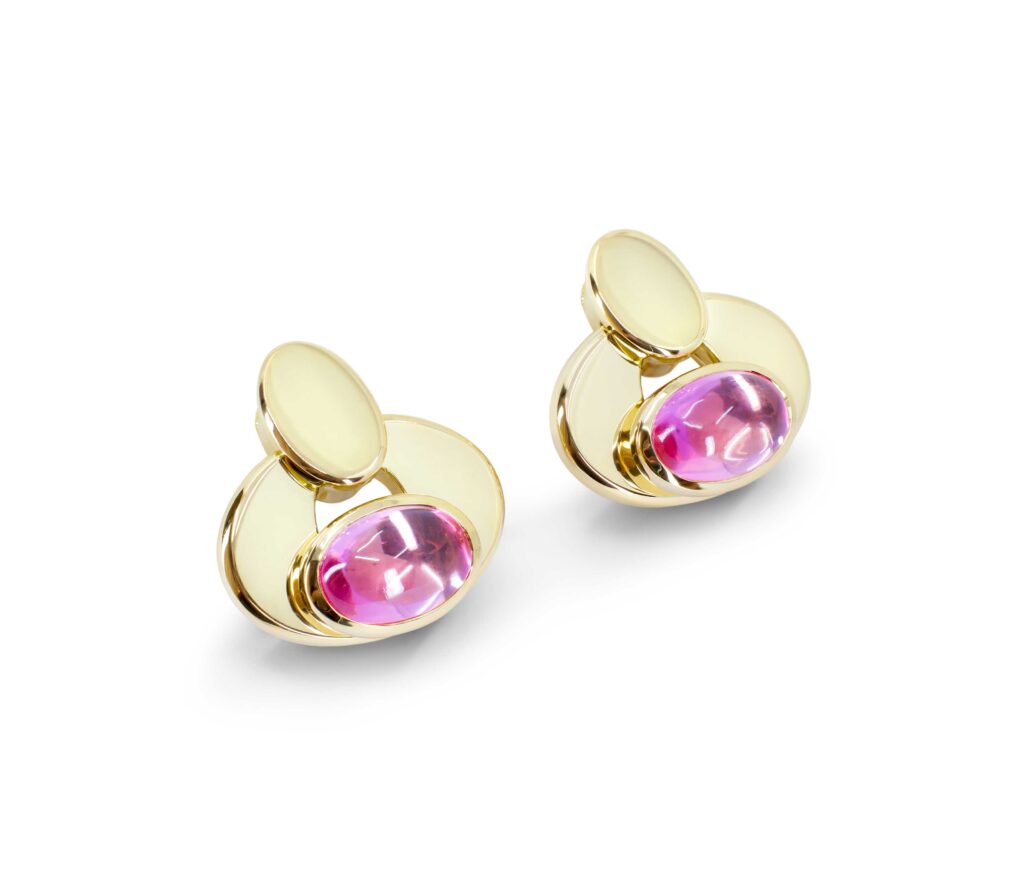
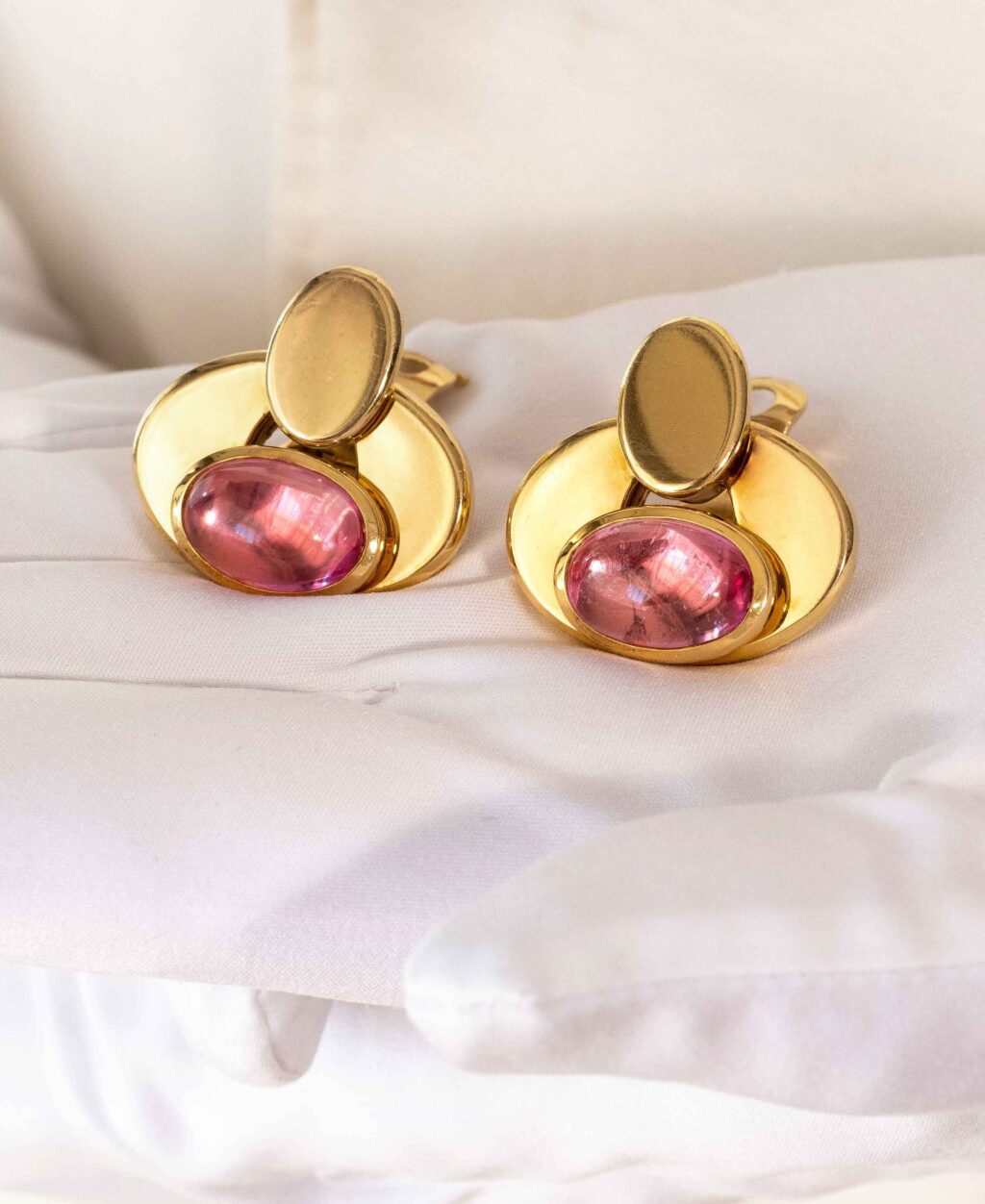
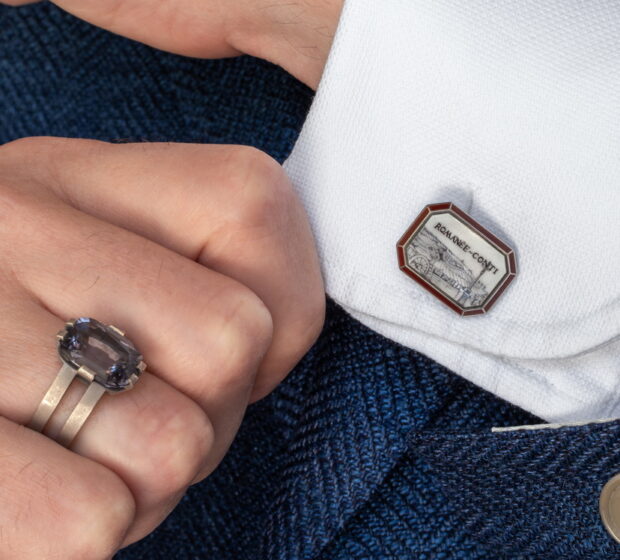
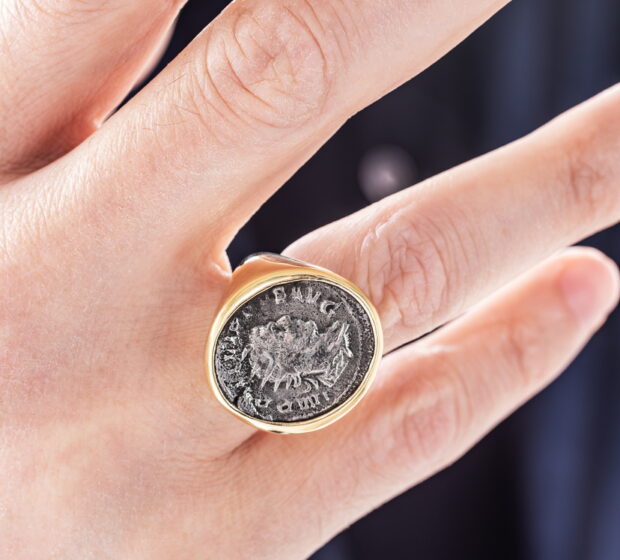
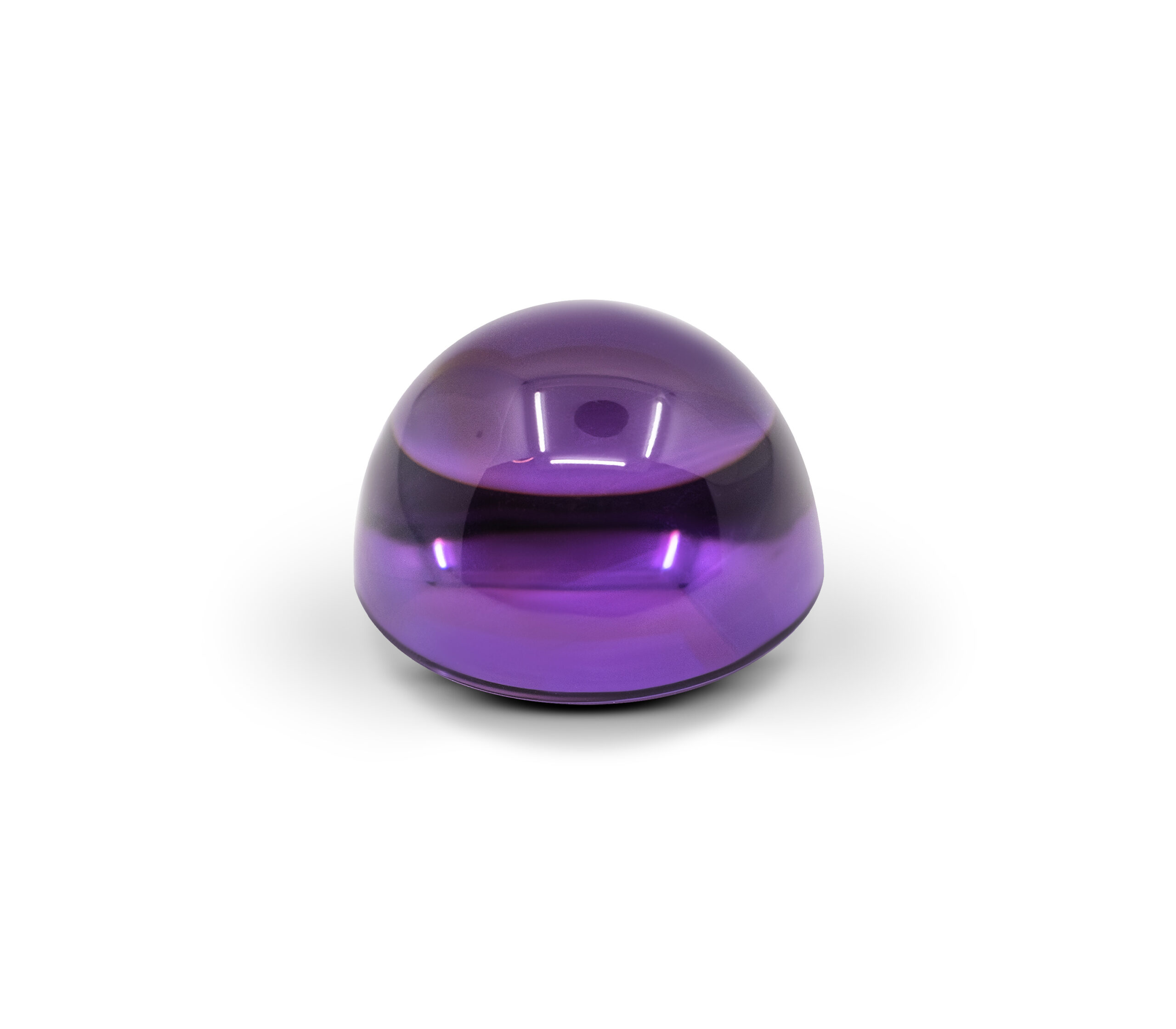
Retro jewelry from the 1940s paired violet stones with yellow gold in warm, voluminous constructions that remain among the most collectible treasures on the secondary market today. Old jewelry ring constructions featuring large cabochon amethyst provide bold chromatic statements that contemporary production rarely achieves at equivalent scale — unique finds whose designer provenance and material authenticity combine to reward collectors who approach the estate market with patience and specialist guidance. Our consultants offer personalized sessions to identify certified pieces in violet hues aligned with individual collecting objectives and aesthetic vision.