Blue Beryl Across Jewelry History
Optical purity, rather than color saturation alone, defines the collector appeal of vintage aquamarine jewelry — a distinction that separates the finest estate specimens from commercially familiar blue stones.
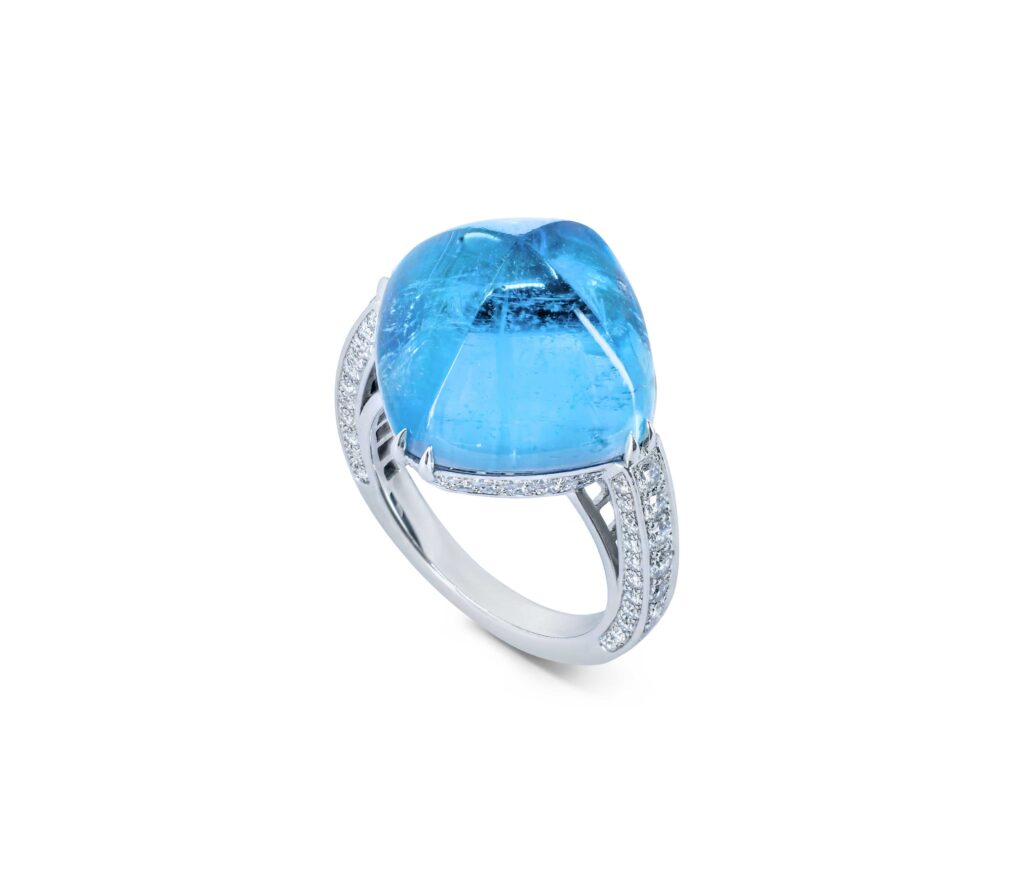
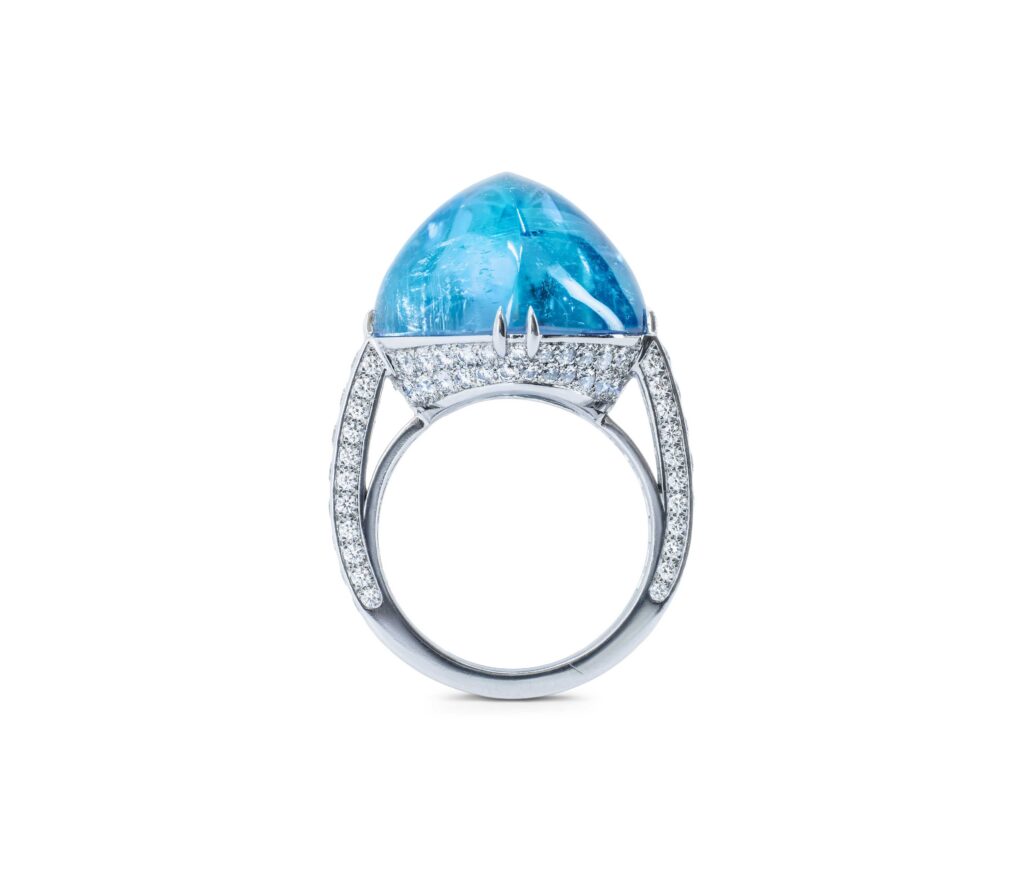
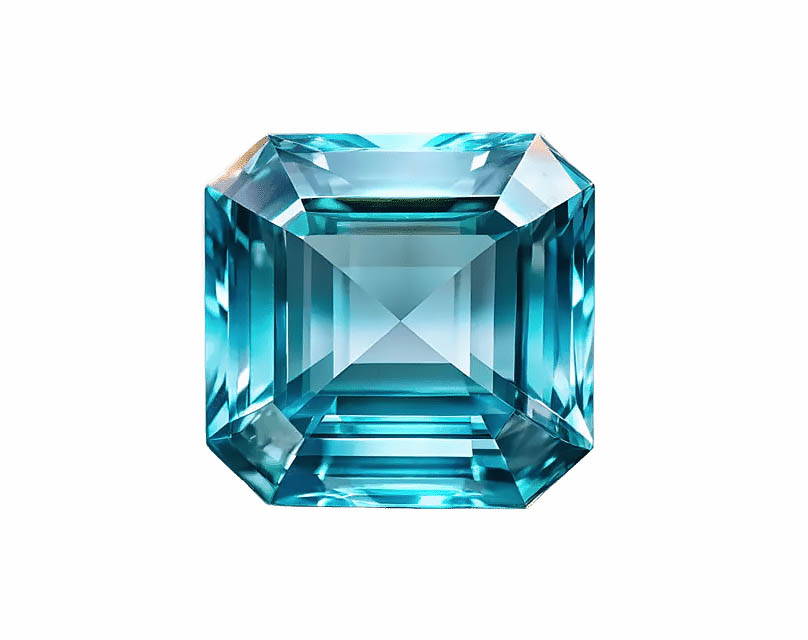
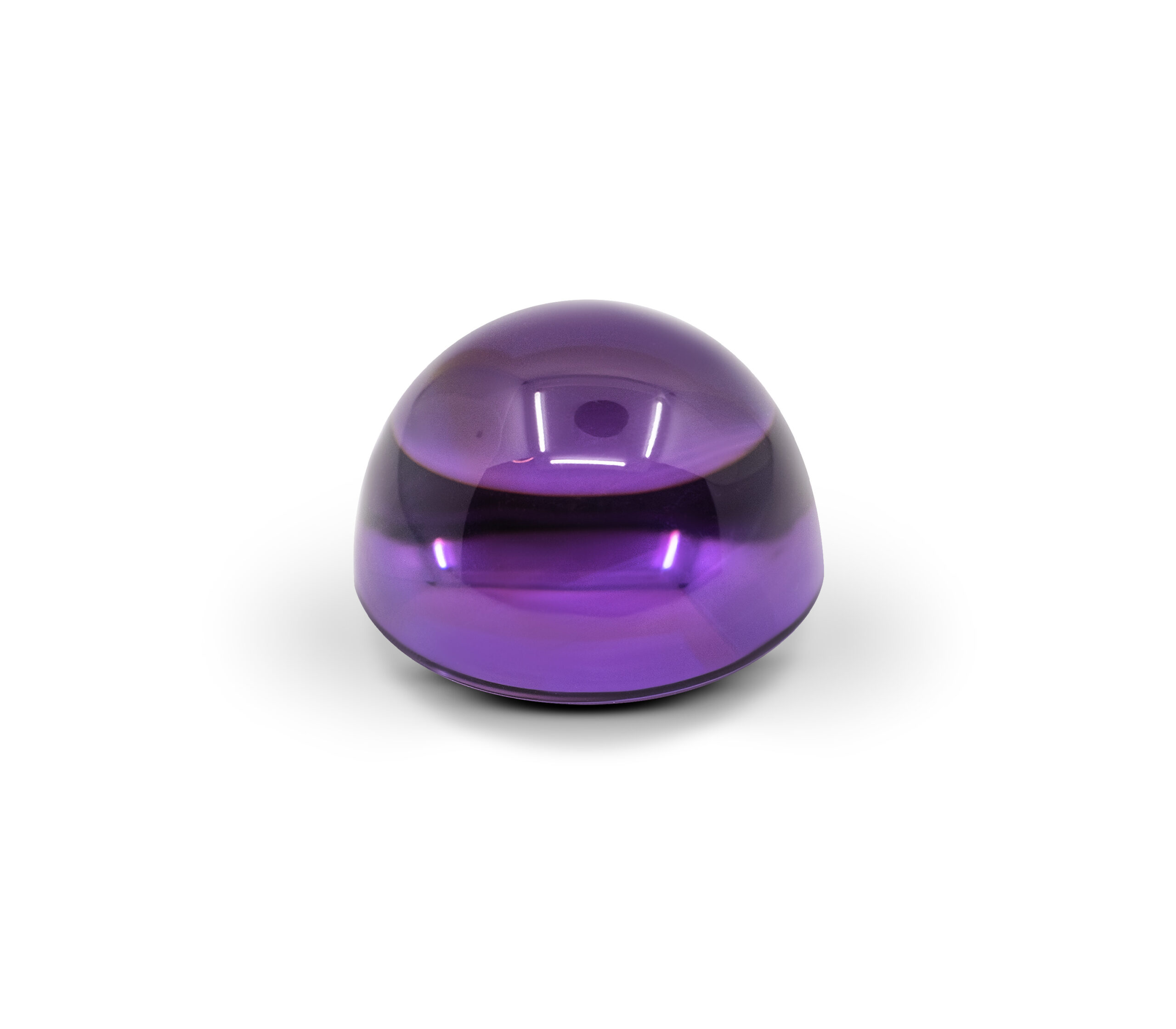
Brazilian deposits in Minas Gerais produce the benchmark material: Santa Maria aquamarines display an intense medium-blue hue with exceptional transparency, commanding premiums of 30 to 50 percent above standard Brazilian material at Christie’s and Sotheby’s. Edwardian jewelers (1901–1910) recognized the stone’s natural affinity with platinum, producing delicate halo constructions, drop pendants, and parures where beryl’s clarity became the central design statement rather than mere chromatic accent. Art Deco designers subsequently embraced aquamarine in step-cut and emerald-cut forms during the 1920s and 1930s, where the stone’s natural transparency amplified geometric precision. The Retro period (1940–1955) introduced large cabochon specimens into sculptural gold and white gold constructions by designer houses including Boucheron, prioritizing volumetric elegance over faceted brilliance.
Authentication of pre owned aquamarine jewelry requires distinguishing natural beryl from synthetic material and blue topaz substitutes through refractive index measurement and inclusion analysis. Heat treatment history carries direct bearing on valuation for collectors prioritizing natural color specimens — an assessment that specialist gemological examination can reliably establish.
Grygorian Gallery’s Aquamarine Collection
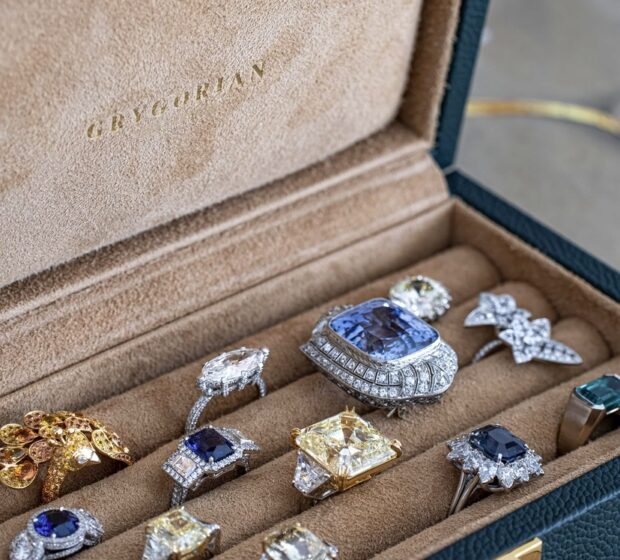
Among luxury jewelry categories defined by optical character rather than color intensity, estate aquamarine demands particular sourcing discipline: genuine rarity lies not in the species but in specimen quality, provenance depth, and period setting integrity. Grygorian Gallery’s acquisition standards draw on Eduard Grygorian’s expertise developed at maisons including Boucheron and Chaumet, where aquamarine featured prominently in high jewelry commissions, combined with direct access to private European collections where documented provenance accompanies material quality.
Each piece undergoes spectroscopic examination addressing stone identity, color origin, and treatment history. Custom setting constructions — cage-like architectural mounts, hand-fabricated gallery work, pavé diamond integration characteristic of leading French houses — are evaluated against documented production records for each period. Where original cases or provenance records accompany a previously owned piece, this heritage documentation is shared transparently.
Conservation of gently used examples is handled in our South of France atelier using protocols appropriate to beryl’s hardness of 7.5 to 8 on the Mohs scale, with custom stabilization preserving original setting integrity.
Investment Value and Collector Appeal
Natural Santa Maria aquamarine with strong, even blue saturation and documented provenance occupies a scarcity tier that specialist auction data consistently confirms. High end estate jewelry featuring large untreated specimens from recognized luxury houses demonstrates reliable appreciation, particularly where gemological rarity and institutional designer heritage combine to create collector value unavailable in contemporary production.
Signed pieces from maisons including Boucheron, antique step-cut examples from the Art Deco period, and Edwardian platinum constructions with original millegrain detailing each represent unique finds within this category. Previously owned fine jewelry featuring this exceptional beryl positions itself as a valuable asset for collectors who prioritize verified gemological authenticity alongside retro jewelry aesthetic appeal — beautiful collectible treasures whose understated elegance rewards connoisseurship over spectacle. Our specialists provide personalized consultations to identify certified estate aquamarine pieces aligned with collecting objectives and aesthetic vision.