Length as the First Design Decision
A necklace’s design begins with length — not as a stylistic preference but as a structural parameter that determines everything else. Choker lengths (14–16 inches) sit at the collarbone, concentrating visual weight high and reading as a single unit against the neck. Princess lengths (17–19 inches) offer the most versatile placement, crossing the collarbone in a position that works across necklines. Matinée (20–24 inches) and opera (28–36 inches) formats introduce drape as an active design element, where the curve of the chain or stone sequence against the body becomes part of the composition.
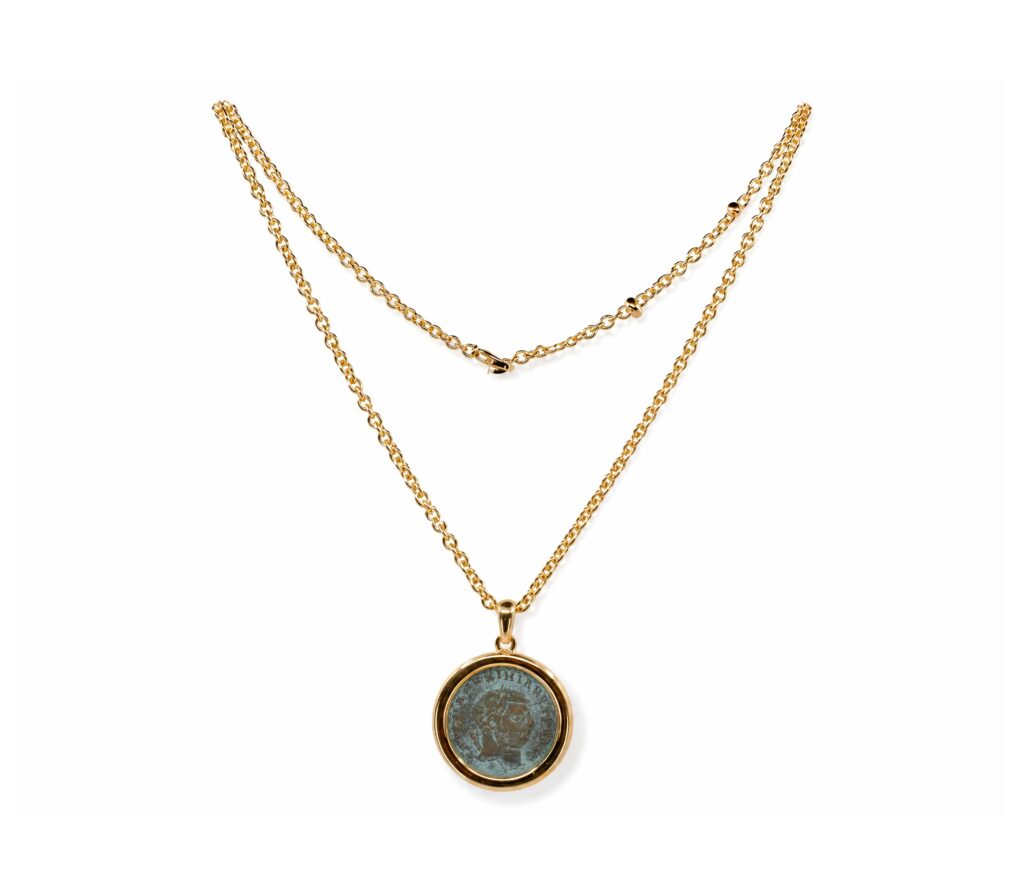
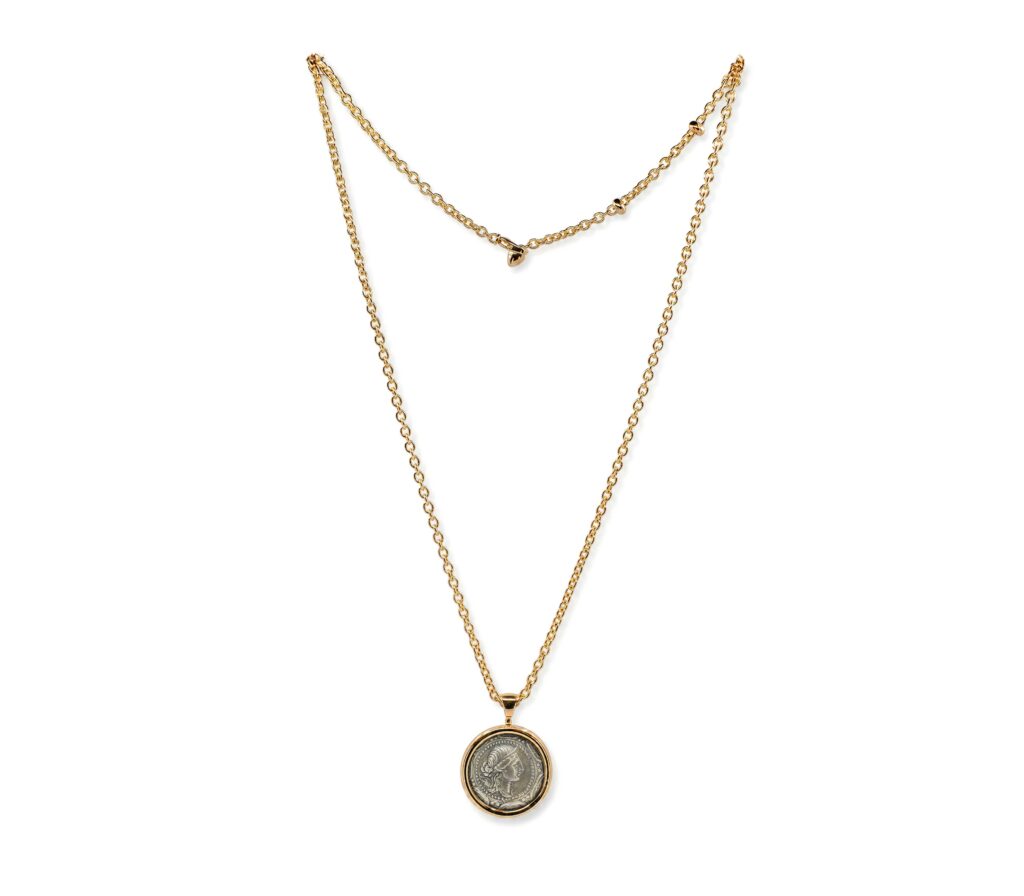
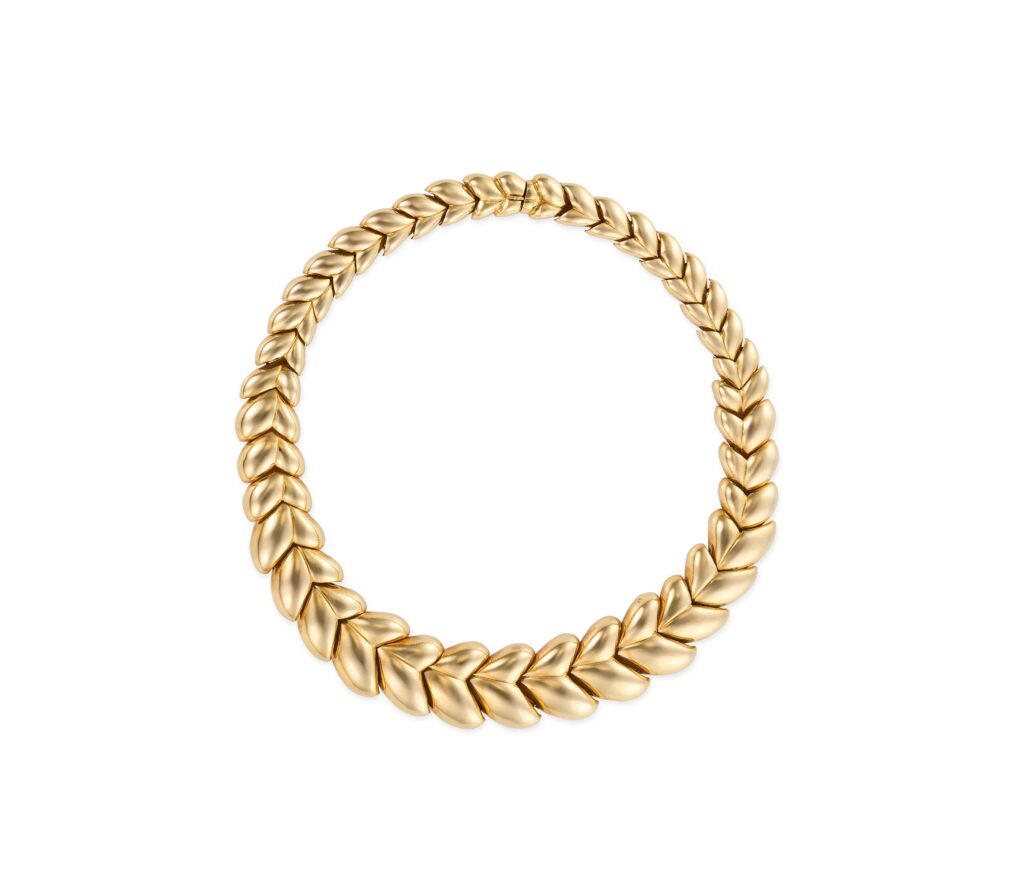
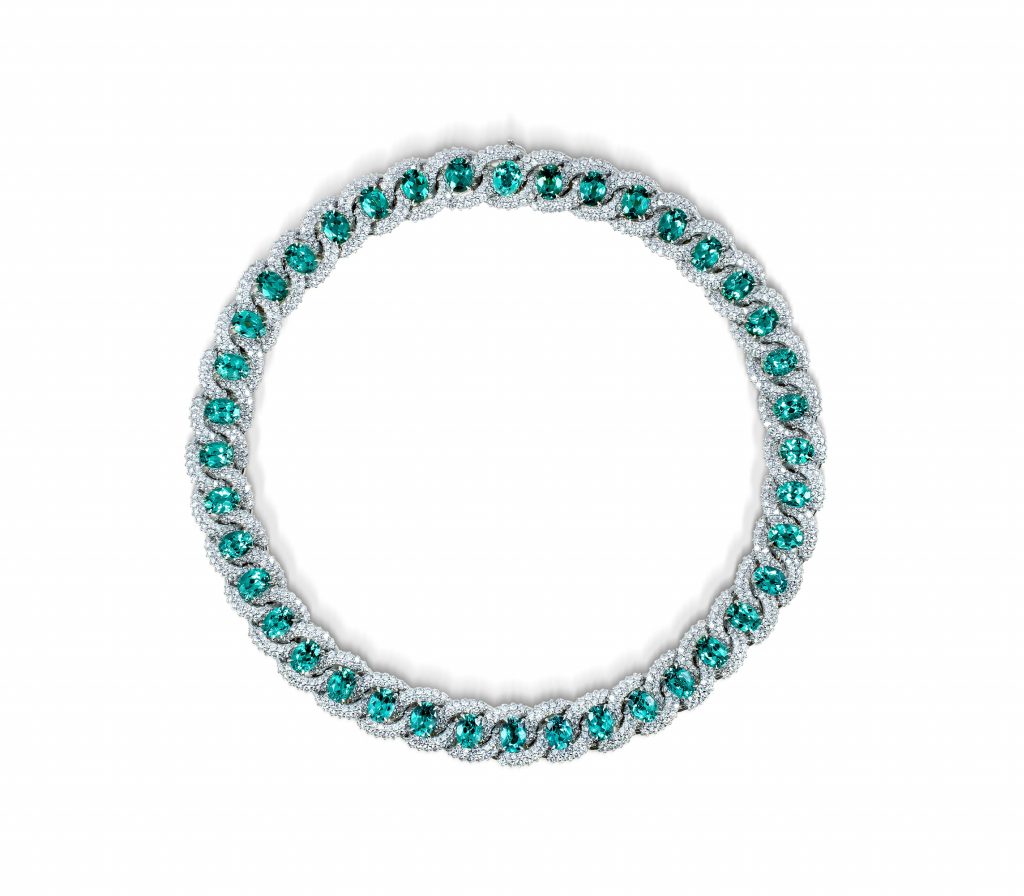
Station and rivière constructions distribute stones along the full length, demanding consistent color and cutting quality from clasp to center. Pendant formats concentrate the visual argument into a single focal element, making the relationship between pendant weight, chain gauge, and stone character the primary design problem. Collar and choker formats in high-end custom jewelry often function as wearable sculpture, where the rigidity of the structure is itself part of the aesthetic.
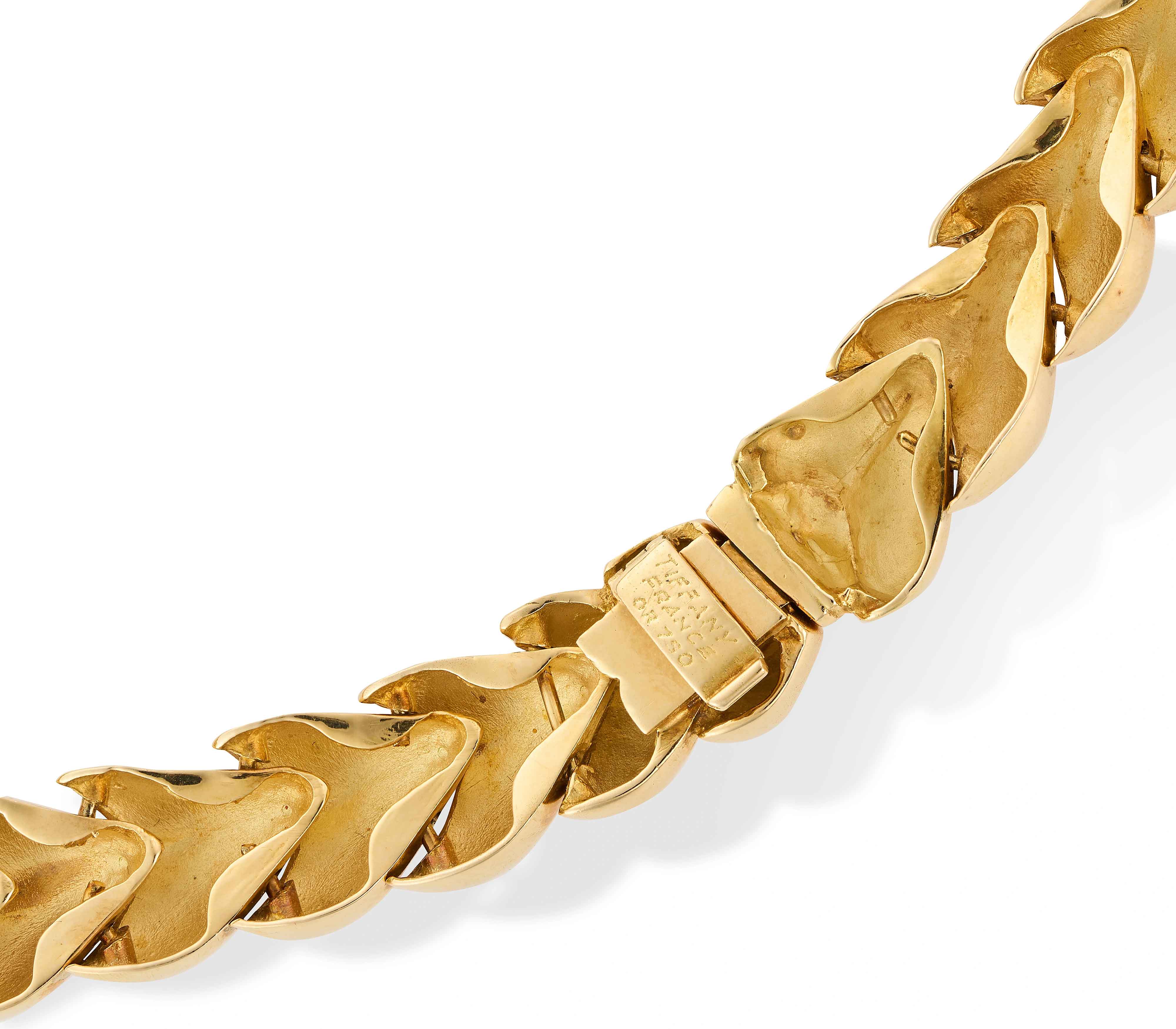
Clasp selection closes the design loop. Lobster and box clasps handle weight demands of heavier rivière constructions; toggle clasps read as a deliberate design element when worn at the back; barrel clasps suit lighter station formats where the closure should disappear into the piece. In unique fine jewelry and custom design jewelry at this scale, the clasp resolves the piece structurally and visually — it is where the design ends, which means it is where the design must also be considered.
Drape, Sequence, and the Body as Context
Necklace design demands a sensitivity to how a piece moves that static formats do not require. Eduard Grygorian’s background presenting grand parure and necklace-format pieces to collectors at Chaumet and Boucheron — two houses where the collier has historically represented the apex of high jewelry ambition — informs an approach that treats drape, weight, and stone sequence as inseparable variables rather than sequential decisions.
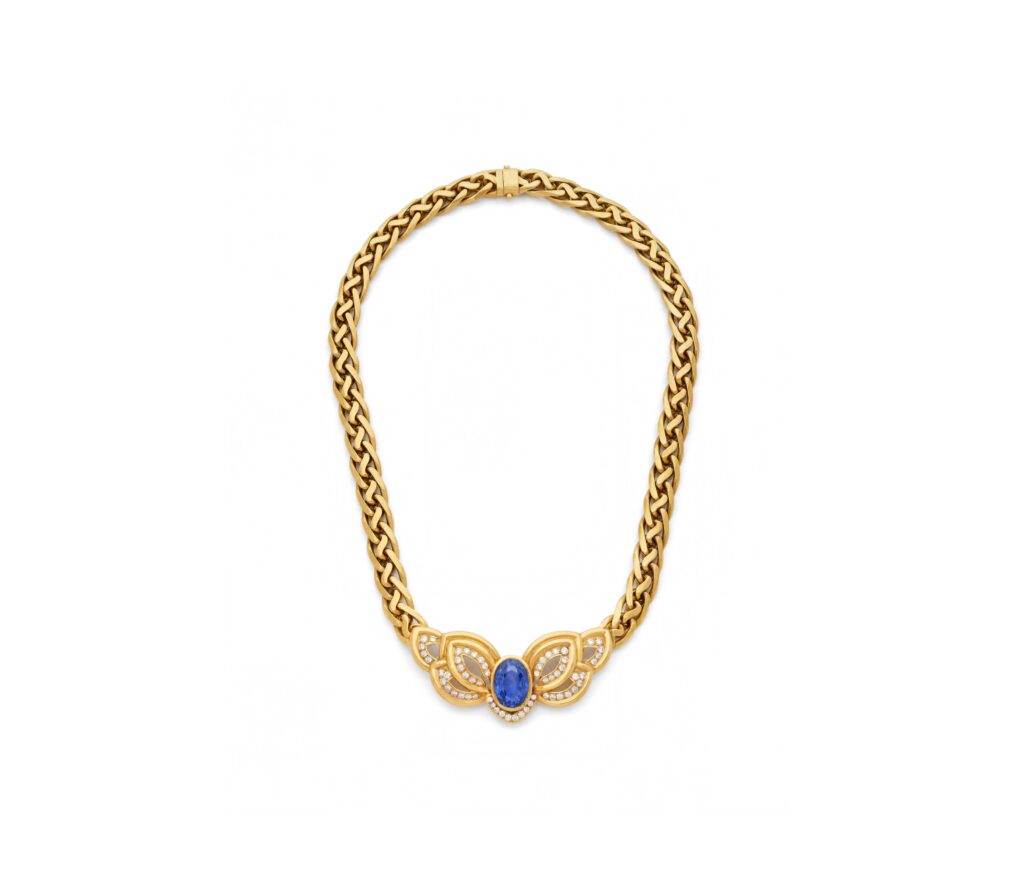
Each piece reflects those relationships concretely. Stone selection prioritizes color consistency along the full visible length, with cutting quality matched to how each format performs in the face-up orientation that matters most in wear. Metal choice follows the stone’s chromatic register: platinum for cool-toned centers where contrast is the argument, yellow gold where warmth and tonal harmony serve the composition better. This is bespoke luxury jewelry where the necklace’s behavior on the body is resolved before the setting is finalized.
Grygorian Gallery’s custom-made necklaces carry a maker’s mark and leave our Monaco atelier as exclusive, fully resolved objects — each one a compositional argument that could not have been arrived at differently.
A Format That Has Always Defined the Apex of the Collection
In the hierarchy of haute joaillerie, the necklace has historically occupied the top position — the piece around which a parure is organized, the format that absorbs the most exceptional stones, the object that defines a collection’s ambition. That logic holds in the collector market: exceptional necklaces anchored by fine colored stones or fancy diamonds consistently achieve the highest per-piece results at Christie’s and Sotheby’s Magnificent Jewels sales.
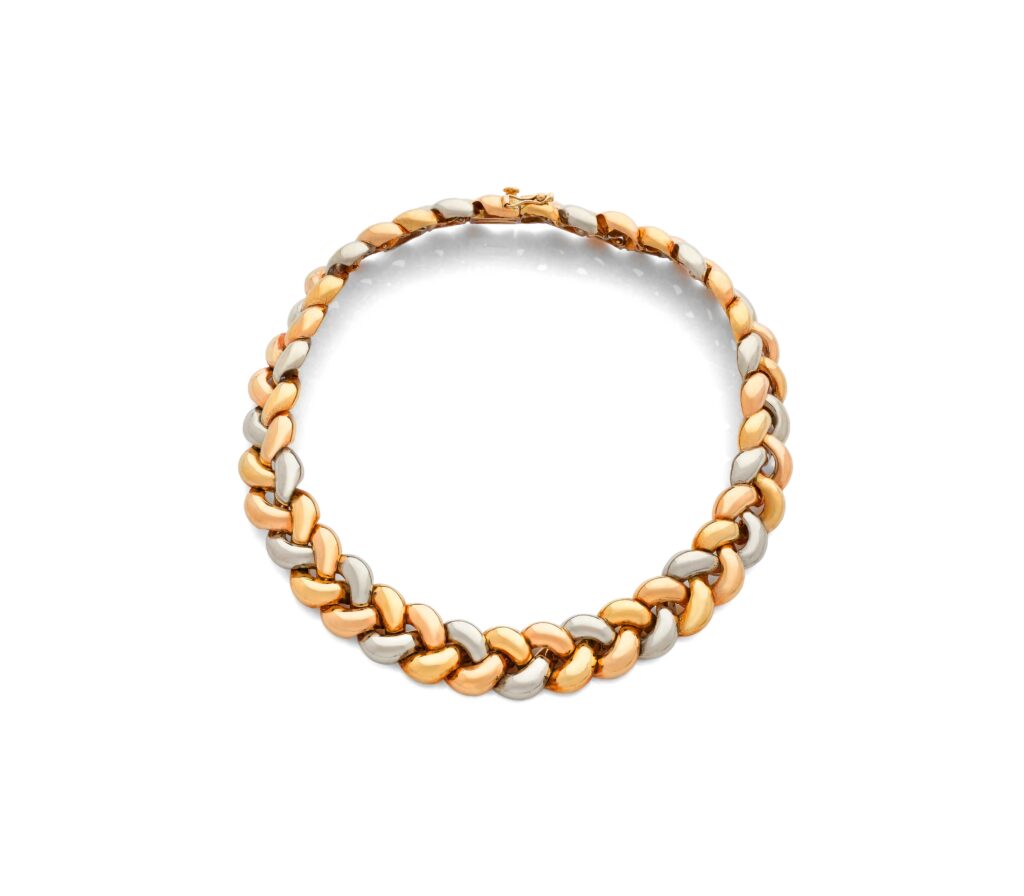
Each piece is available as shown: stone selection, length, and construction already resolved. Acquiring luxury custom necklaces of this calibre means securing both an exceptional wearable object and a material statement whose scale and ambition are immediately legible. For collectors with a specific stone, length preference, or design brief in mind, bespoke necklaces by Grygorian Gallery are available by private consultation — a made-to-order path built around your vision. Worldwide insured shipping is available to collectors globally.