Tonal Kinship as a Design Principle
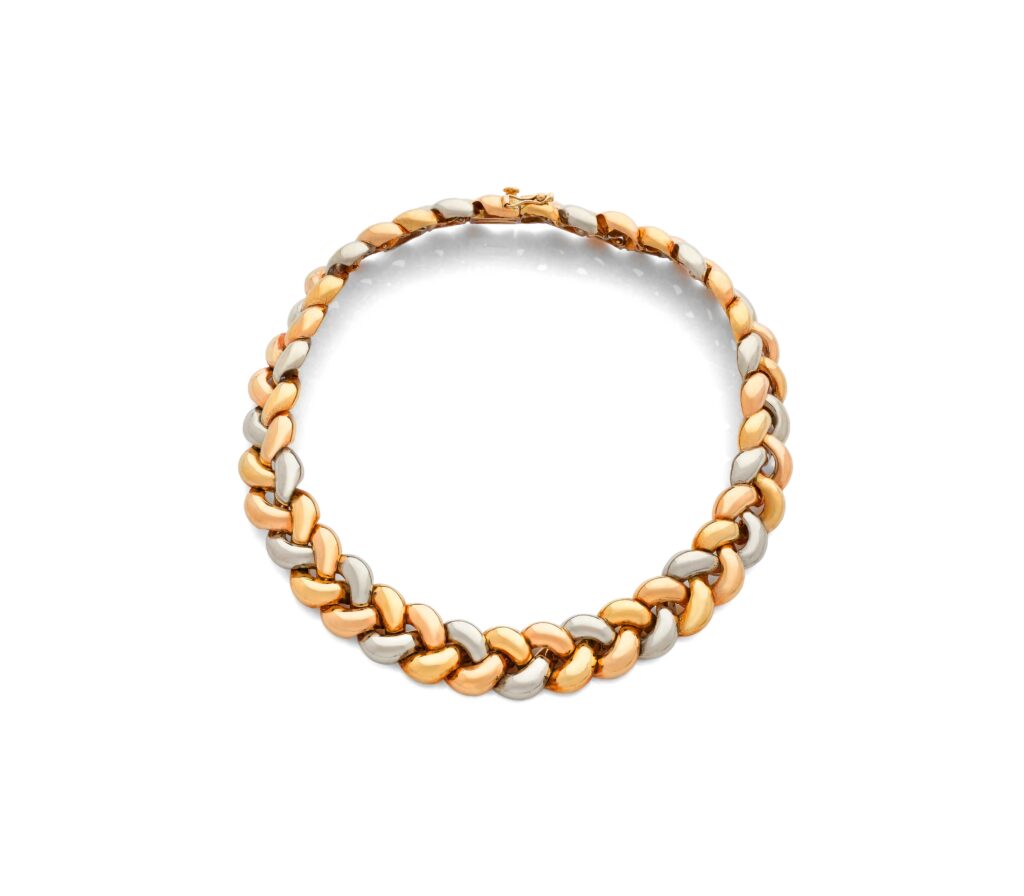
The color of 18k rose gold follows directly from its composition: approximately 75% Au, 22.5% Cu, and 2.5% Ag. The elevated copper content relative to yellow gold shifts the alloy toward a distinctly pink-warm register — one that creates tonal kinship with pastel gemstones rather than contrast against them. That kinship is not decorative sentiment. It is an optical relationship that affects how stone color is perceived in the face-up orientation that matters most in wear.
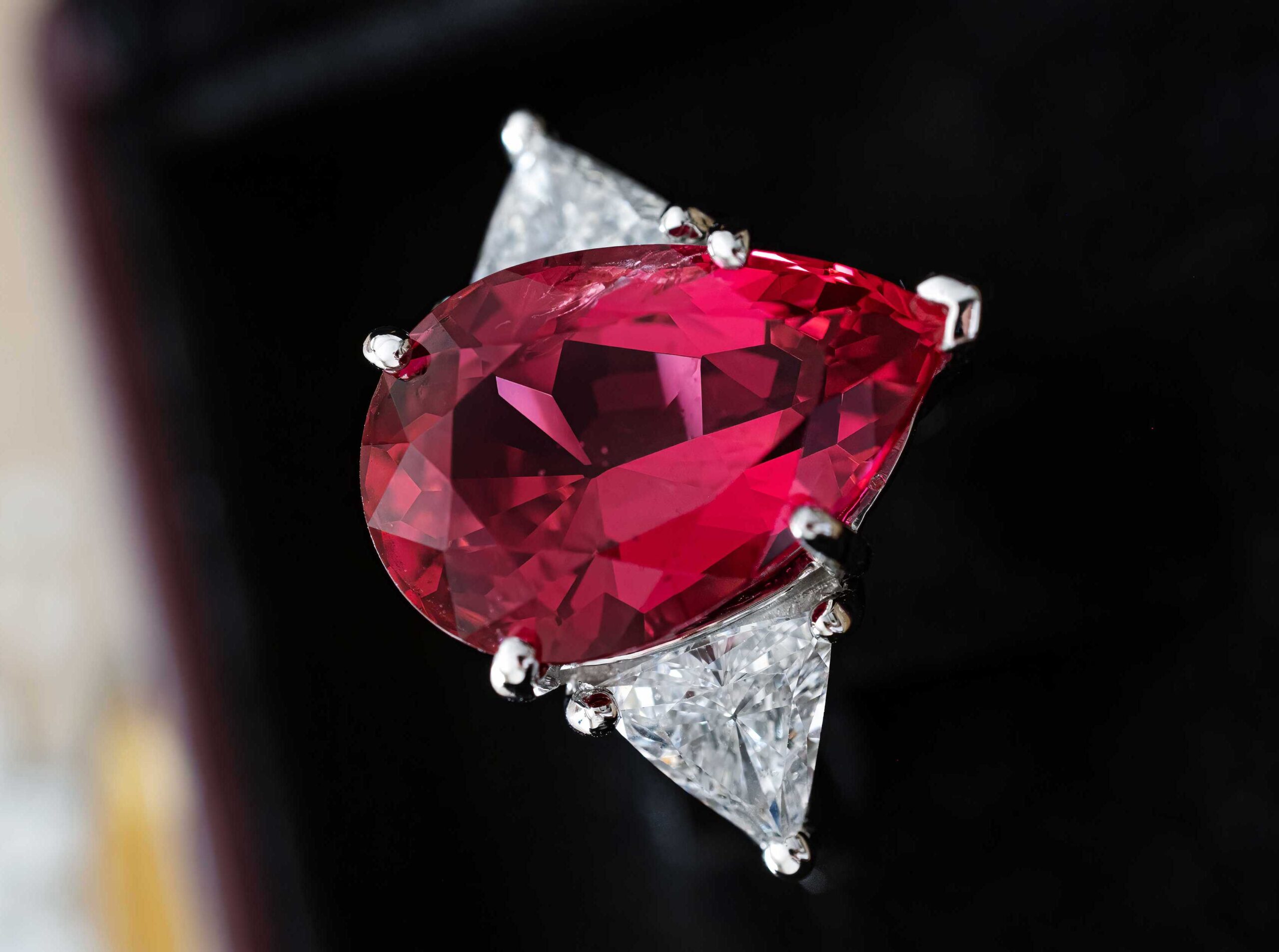
Lavender and violet spinels read with greater tonal coherence in rose gold than in any cooler metal. Pink stones — padparadscha, rose-toned tourmaline, light rubellite — gain a warmth that white gold suppresses and yellow gold risks overpowering. Amplification within the same chromatic register produces a different visual result than the contrast-based logic of platinum or white gold: subtler, more internally consistent, and in certain compositions more powerful precisely because the boundary between metal and stone softens rather than sharpens.
Surface finish compounds this significantly. Brossé on rose gold scatters light across the metal’s surface rather than concentrating it, further softening that boundary in a way mirror finish does not. At the haute joaillerie level, the choice between finish types is as consequential as the choice of alloy itself — a decision made for the stone, not for the metal.
Pink-Warm, Precisely Calibrated
Selecting stones for rose gold pieces begins with the stone’s specific tonal position: where it sits within the pink-to-violet range, how its saturation relates to the alloy’s warmth, how its color behaves under different light sources. Eduard Grygorian’s sixteen years evaluating exceptional colored stones at David Yurman, Boucheron, and Chaumet — combined with IGI Colored Stones Grader credentials — produced a selection standard that treats metal tone as inseparable from stone selection rather than a subsequent decision.
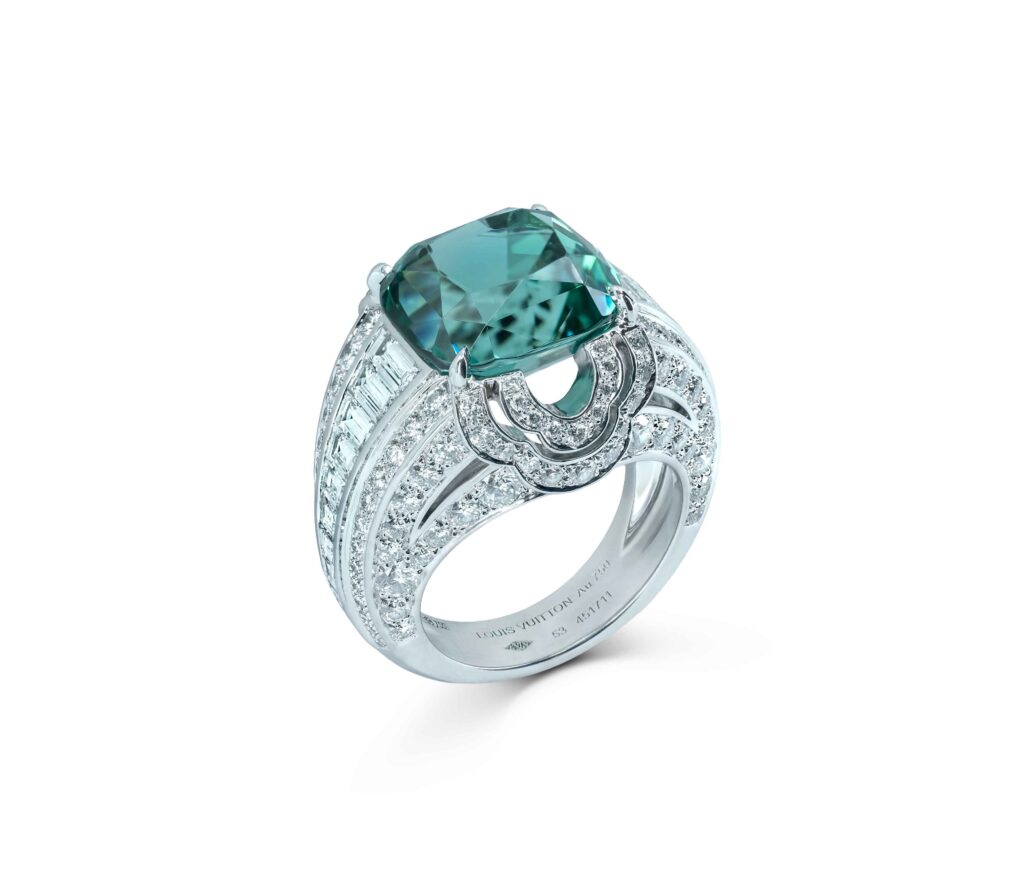
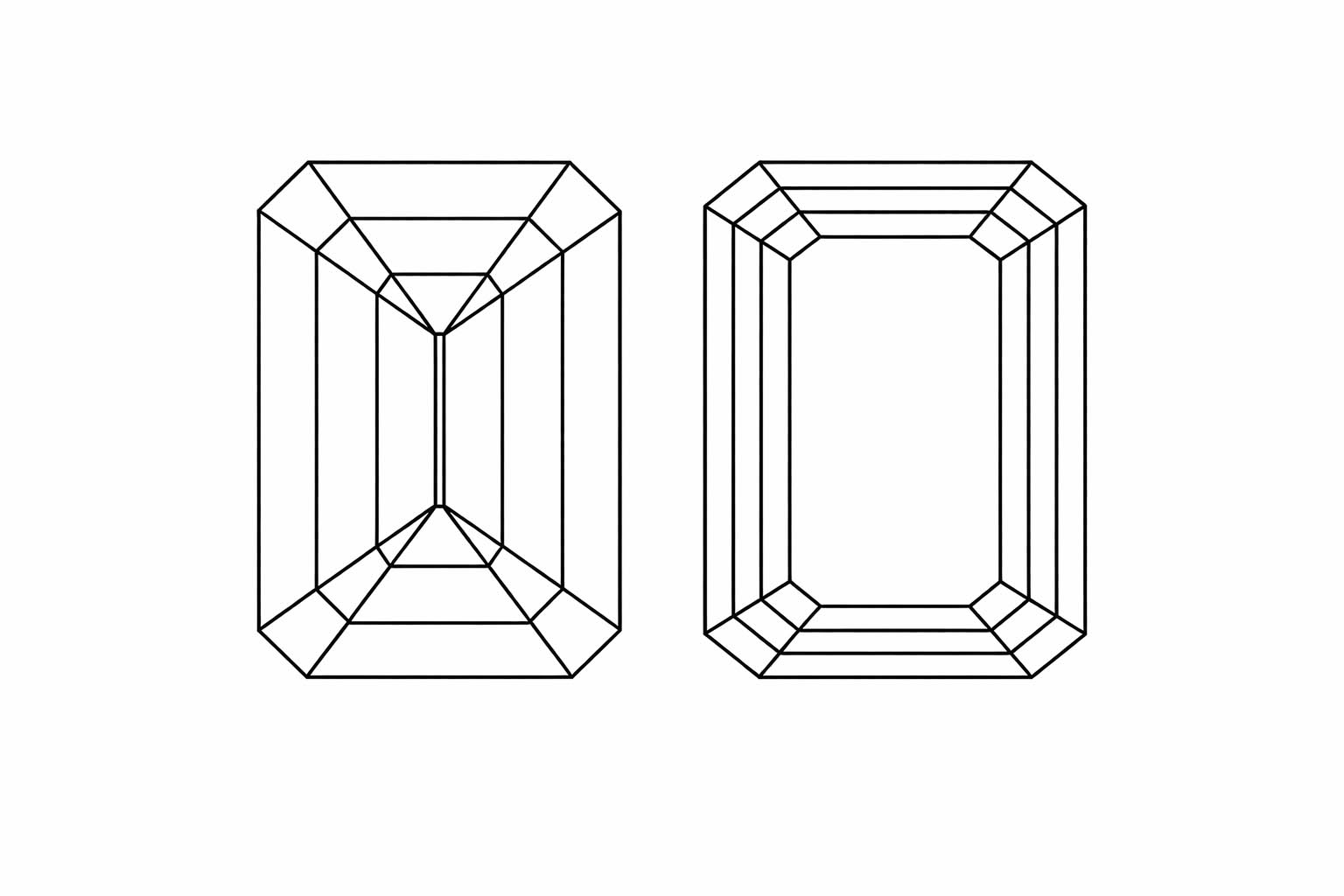
Bezel settings in rose gold create architectural frames that protect step-cut corners while drawing the eye directly to the stone’s face-up color — statement jewelry where the metal’s geometry serves the stone’s chromatic argument, not the reverse. Wide, tapering shanks distribute visual weight so the stone reads as the sole focal point. Where brossé finish is applied, fine craftsmanship is directed at making the stone more present, not the metalwork more visible.
Grygorian Gallery’s custom-made pieces in rose gold carry a maker’s mark, exist in a single copy, and reach their collector from our Monaco atelier as exclusive, one-of-a-kind objects — artisan craftsmanship without concession to repetition.
A Specific Tonal Logic, a Specific Market
Certified pastel colored stones in 18k rose gold represent a consistently defined category at Christie’s and Sotheby’s. The tonal logic is immediately legible, the investment case rests on stone provenance as much as design, and the material combination at the level of unique fine jewelry remains genuinely rare.
Each piece is available as shown — high-end custom jewelry where chromatic precision and wearable art arrive together, no waiting. For collectors with a specific stone or design brief, made-to-order rose gold pieces by Grygorian Gallery are available as luxury custom pieces by private consultation. Insured shipping to collectors globally.