A Medium That Demands Everything
Enamel is among the oldest decorative techniques in the jeweler’s repertoire, and among the least forgiving. Ground glass fused to metal at temperatures above 800°C produces a surface whose color is fixed in fire, immune to fading, and impossible to replicate exactly twice. That irreversibility is what separates it from every paint-based or coating technique: a grand-feu enamel piece finished today looks identical in a century.
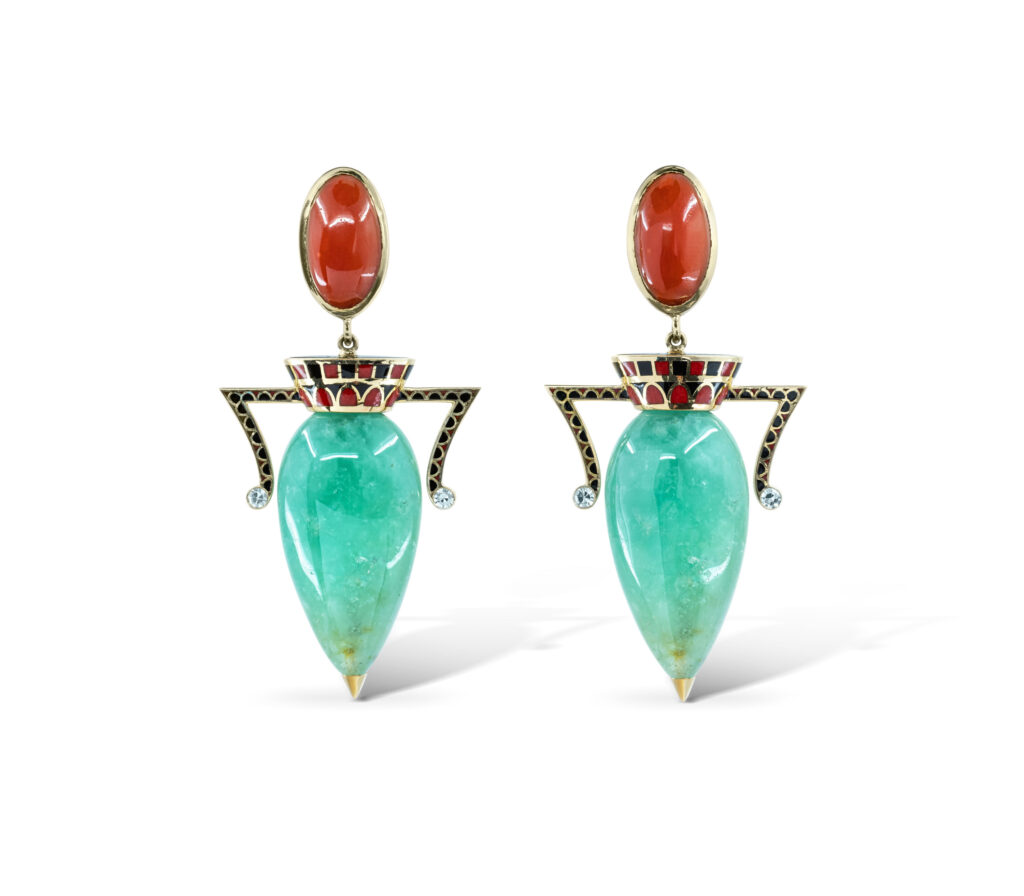
The vocabulary of techniques is wide. Champlevé fills recessed cells with opaque color, creating precise chromatic fields within the metal’s own structure. Plique-à-jour suspends translucent enamel without a backing, producing a luminosity that transmits light the way stained glass does. Guilloché lays translucent enamel over a machine-engraved ground, generating optical depth that shifts as the piece moves. In unique fine jewelry and custom design jewelry of this calibre, these are not aesthetic options: they are fundamentally different ways of working with light.
Grand-feu enamel typically requires five to eight separate firings, each layer applied and cured before the next begins. A single firing at incorrect temperature destroys the piece entirely. True enamel masters working at bespoke luxury levels number in the dozens worldwide — for collectors who understand artisan craftsmanship at its most demanding, that scarcity is part of what these objects represent.
When Fire Becomes the Medium
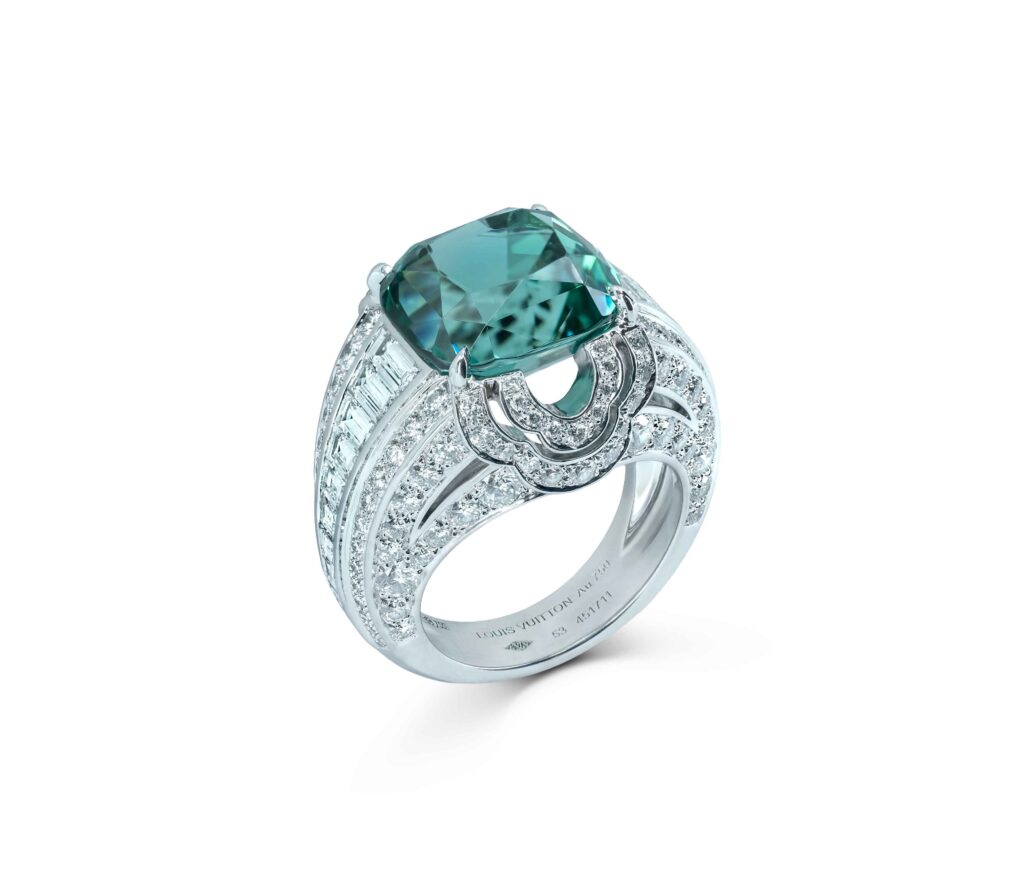
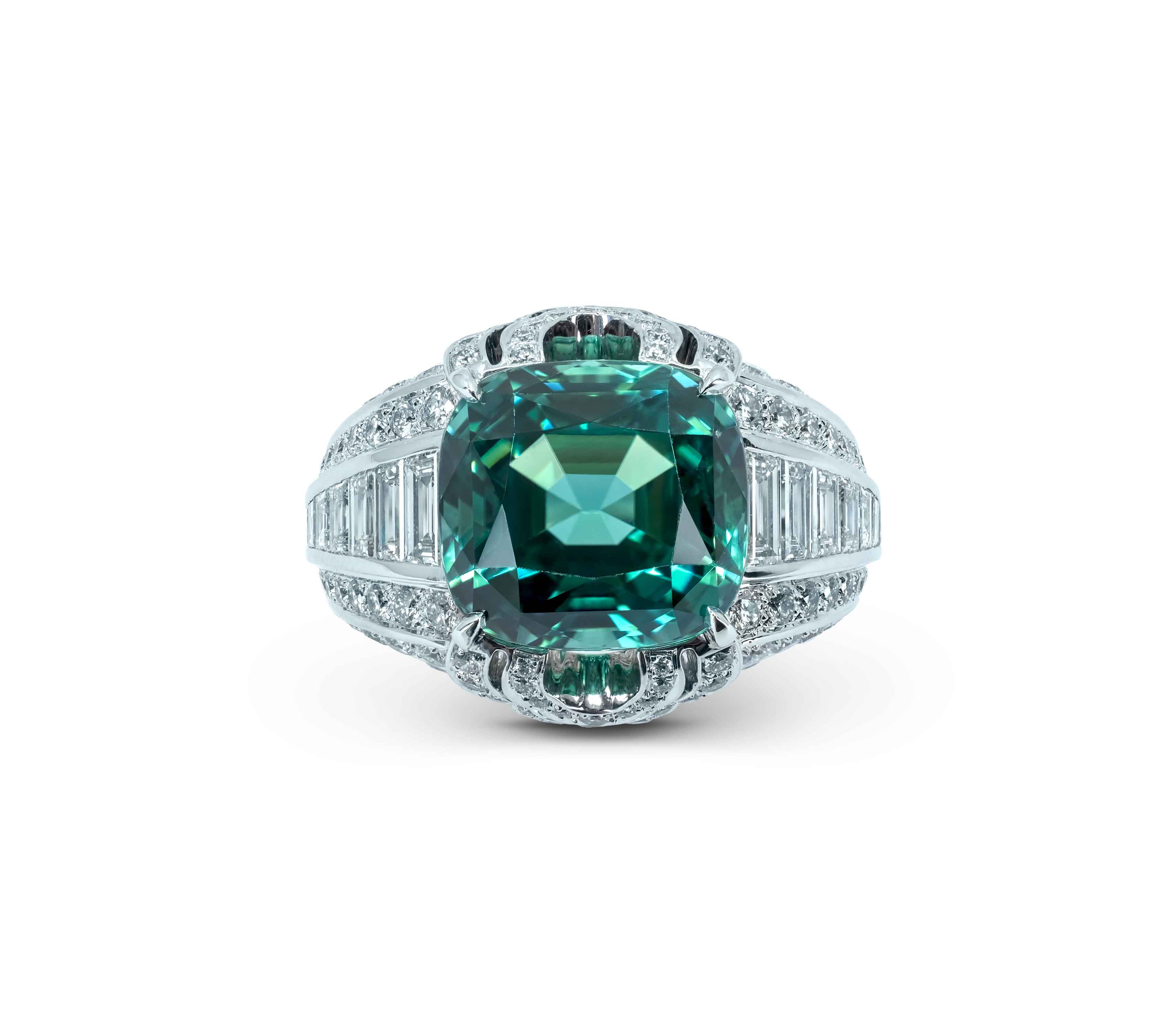
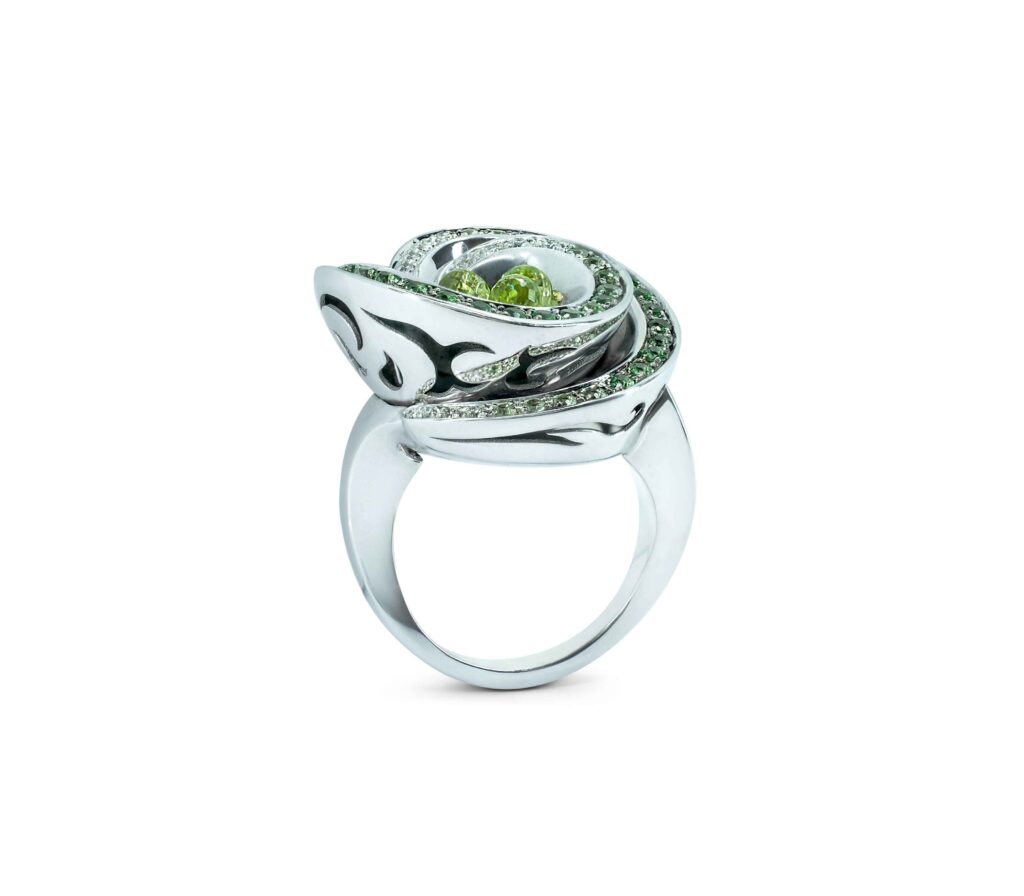
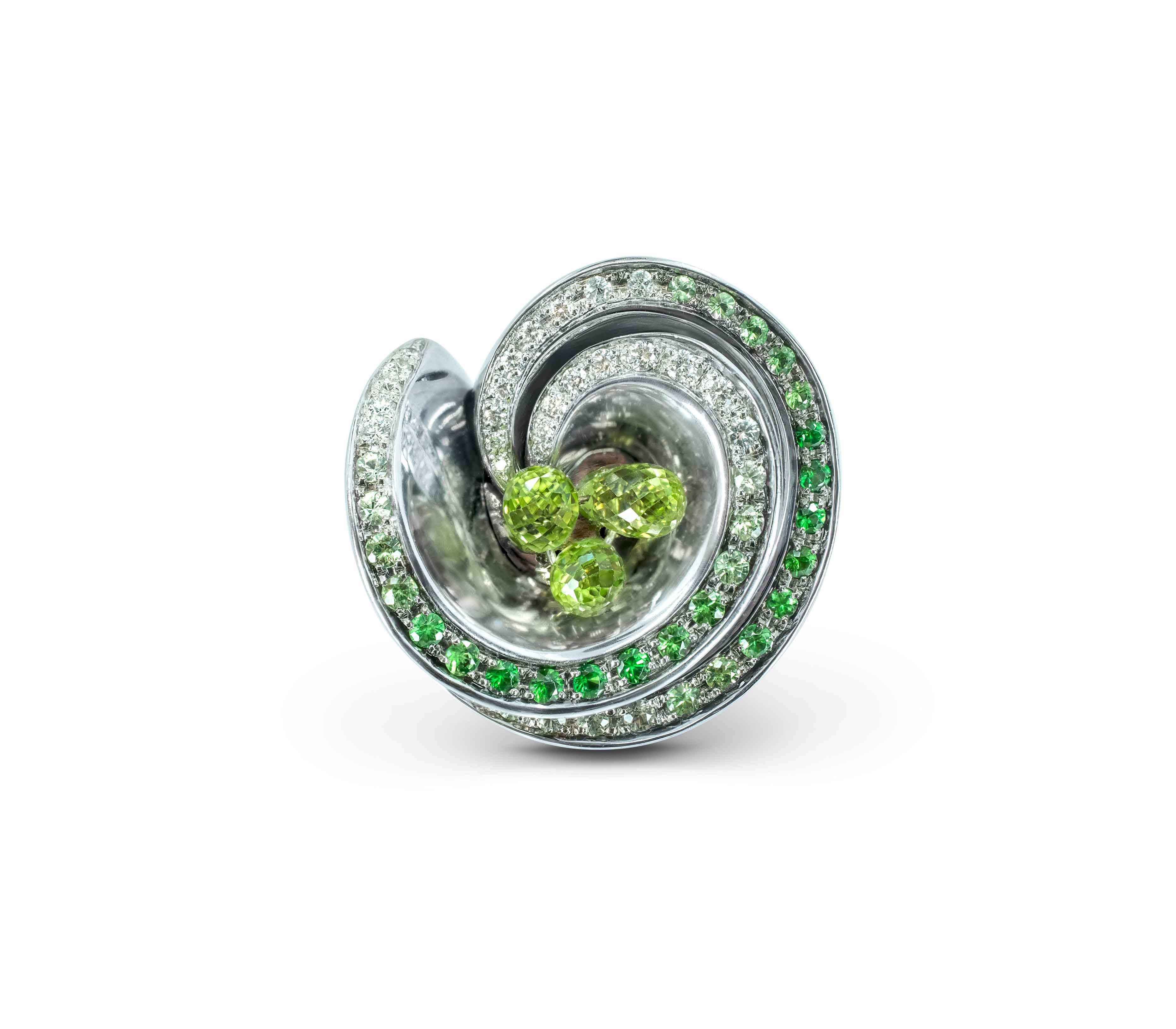
Working at the intersection of enamel and gemstone requires a compositional sensibility that neither discipline alone demands. Enamel introduces color fields that behave differently from faceted stones: broader, flatter, more architectural. Whether a piece of statement jewelry reads as a coherent object or a collection of competing elements depends entirely on how those fields relate to the stones set alongside them.
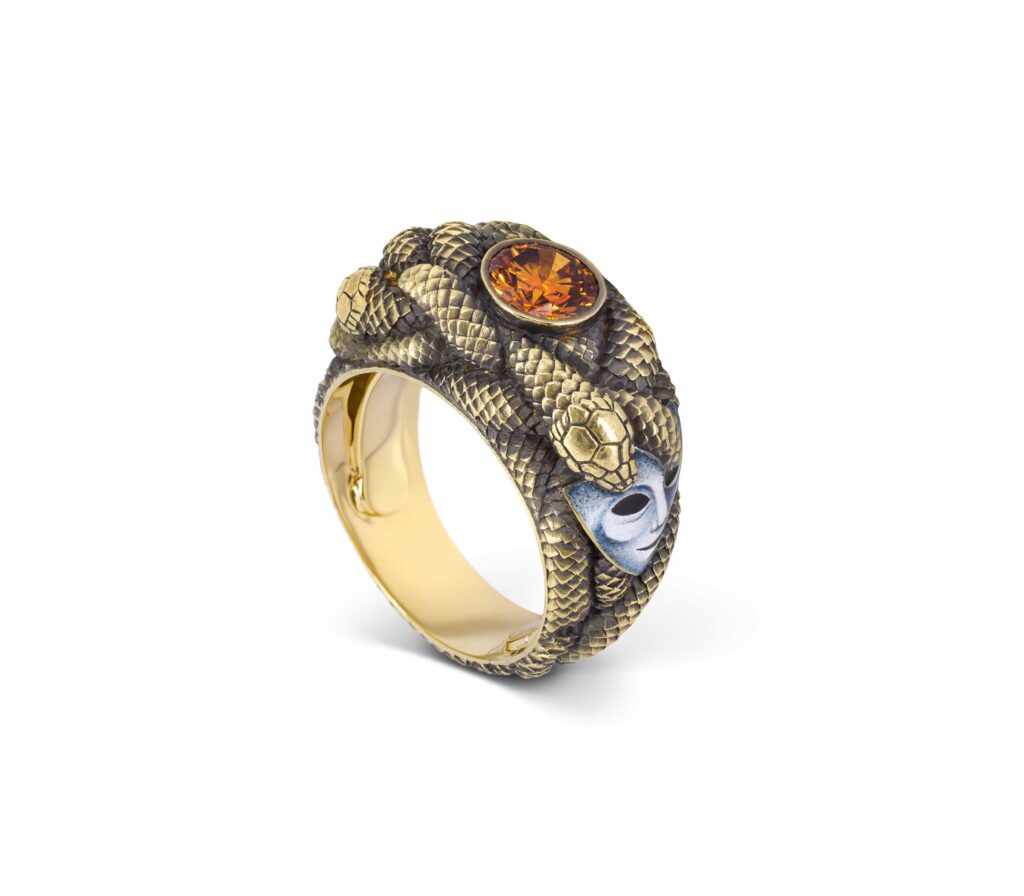
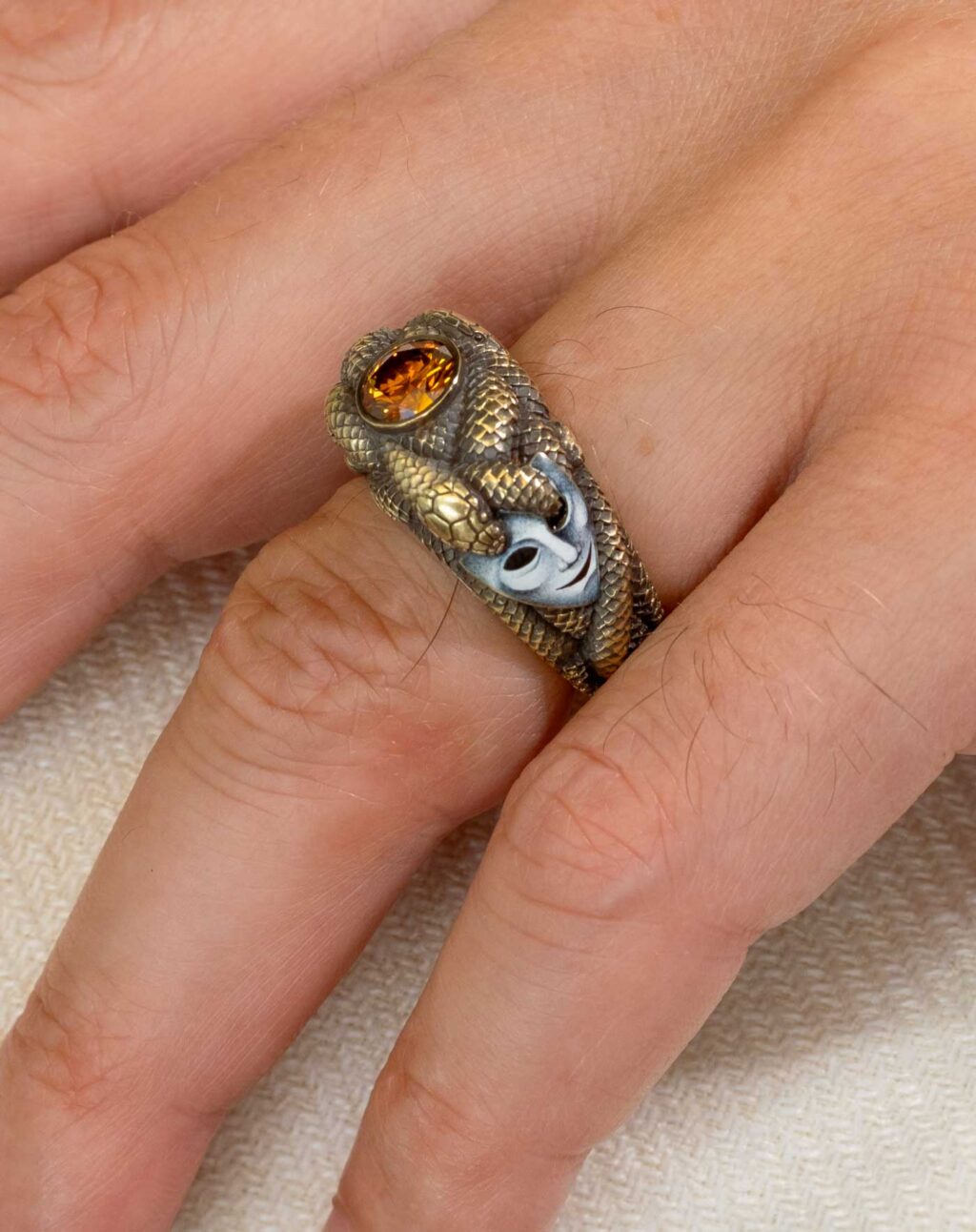
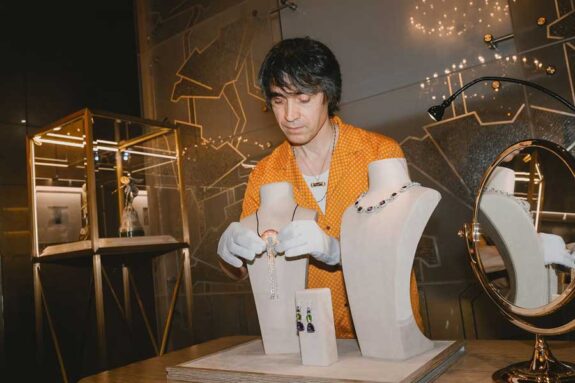
Grygorian Gallery’s custom fine jewelry featuring enamel reflects choices made at every level. The metal ground is chosen for how it amplifies the enamel’s chromatic register; gemstones are selected not for their individual qualities alone but for how their color relates to the enamel palette surrounding them. In high-end custom jewelry of this kind, the enamel surface functions as wearable art rather than ornament — a position that demands fine craftsmanship executed without concession to repetition or scale.
The collaboration with Ilgiz Fazulzyanov, whose grand-feu work has been exhibited at the Victoria and Albert Museum and sold through Christie’s and Bonhams, defines the benchmark Grygorian Gallery holds itself to in this category. That standard applies across the collection, not only to pieces created in direct collaboration.
Every piece carries a maker’s mark, exists in a single copy, and leaves our Monaco atelier as an exclusive, one-of-a-kind collector’s piece where the enamel technique was chosen for what it specifically contributes — not applied as finish.
Color Fired Into Metal
Works produced at this level of artisan craftsmanship are finite by definition, and the technique’s demands ensure output remains small regardless of demand. Pieces combining certified gemstones with museum-quality grand-feu enamel occupy a category where craft and material reinforce each other’s value — auction results at Christie’s and Bonhams have consistently reflected both.
Each piece is available as shown, stone and enamel already resolved into a coherent whole. For collectors with a specific concept, gemstone, or enamel technique in mind, made-to-order pieces by Grygorian Gallery are available as luxury custom pieces by private consultation. Every acquisition ships worldwide, fully insured.