Structure, Weight, and the Geometry of the Wrist
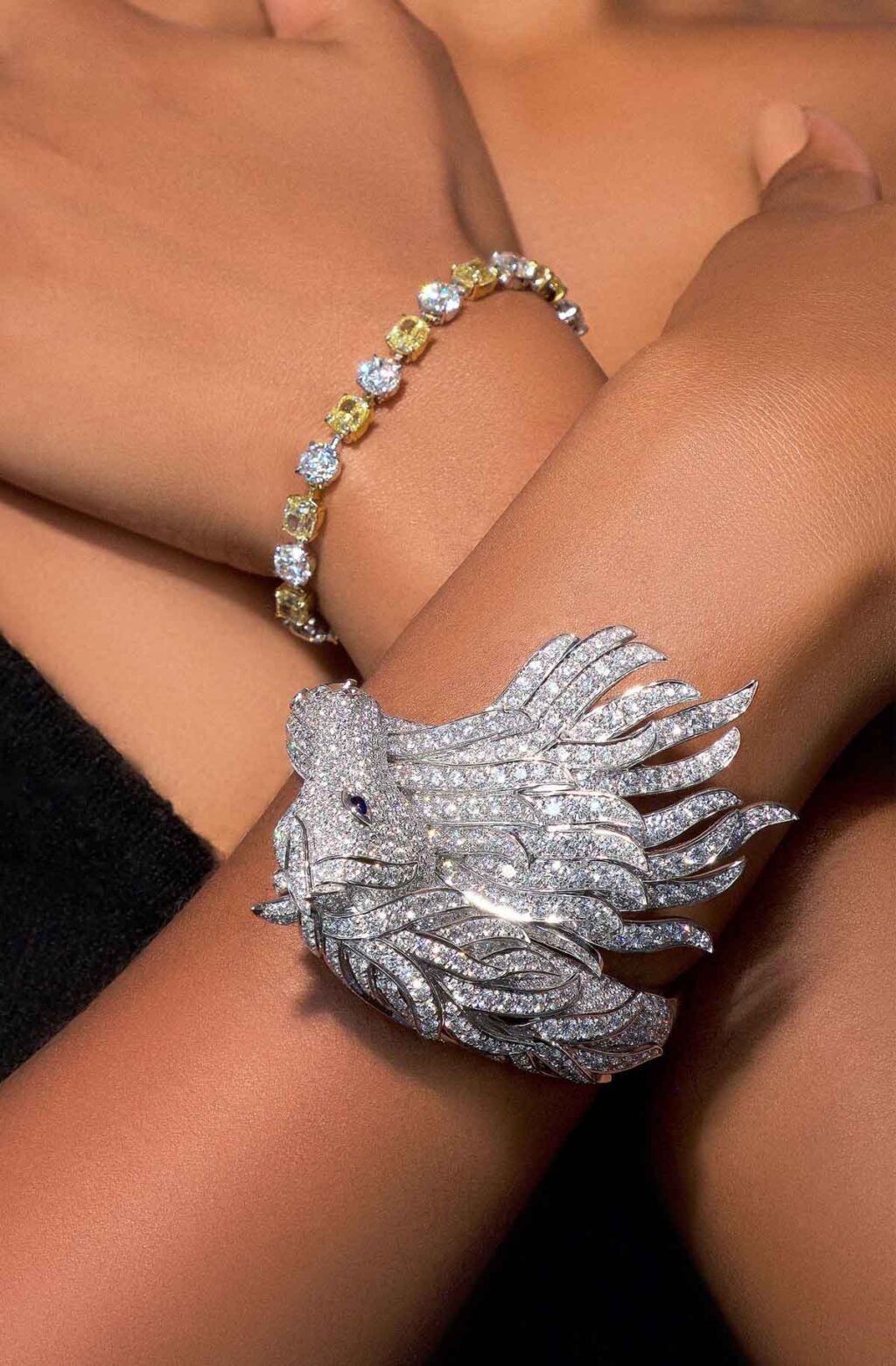
A bracelet’s design problem is fundamentally different from any other jewelry format: it must work in the round. Where a ring is read primarily face-up and earrings are seen from the front, a bracelet rotates continuously on the wrist, which means every element of its construction contributes to how it reads in wear rather than in isolation.
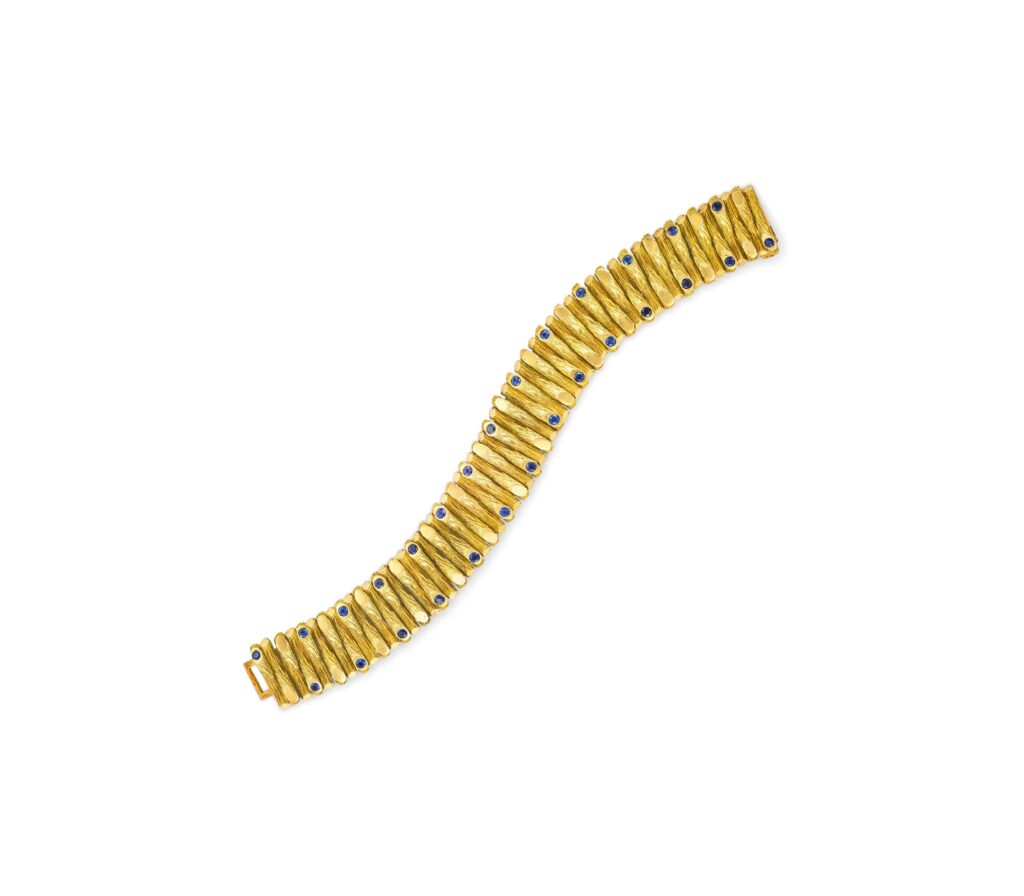
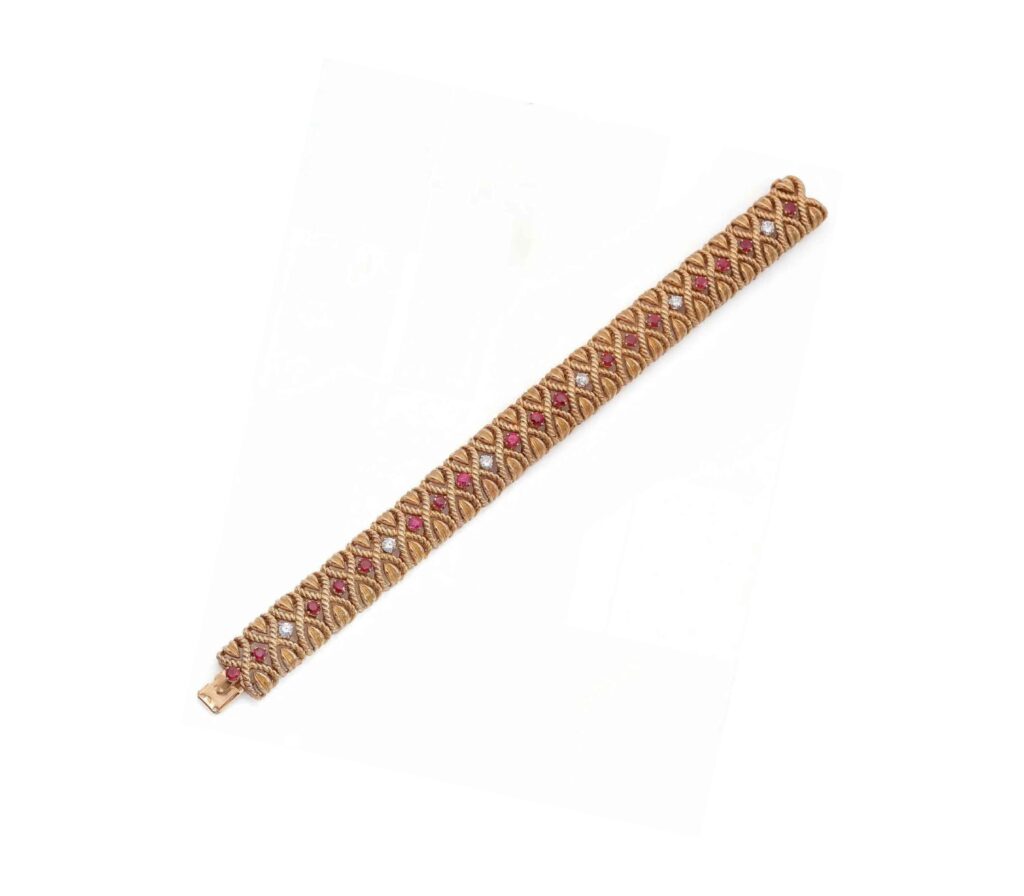
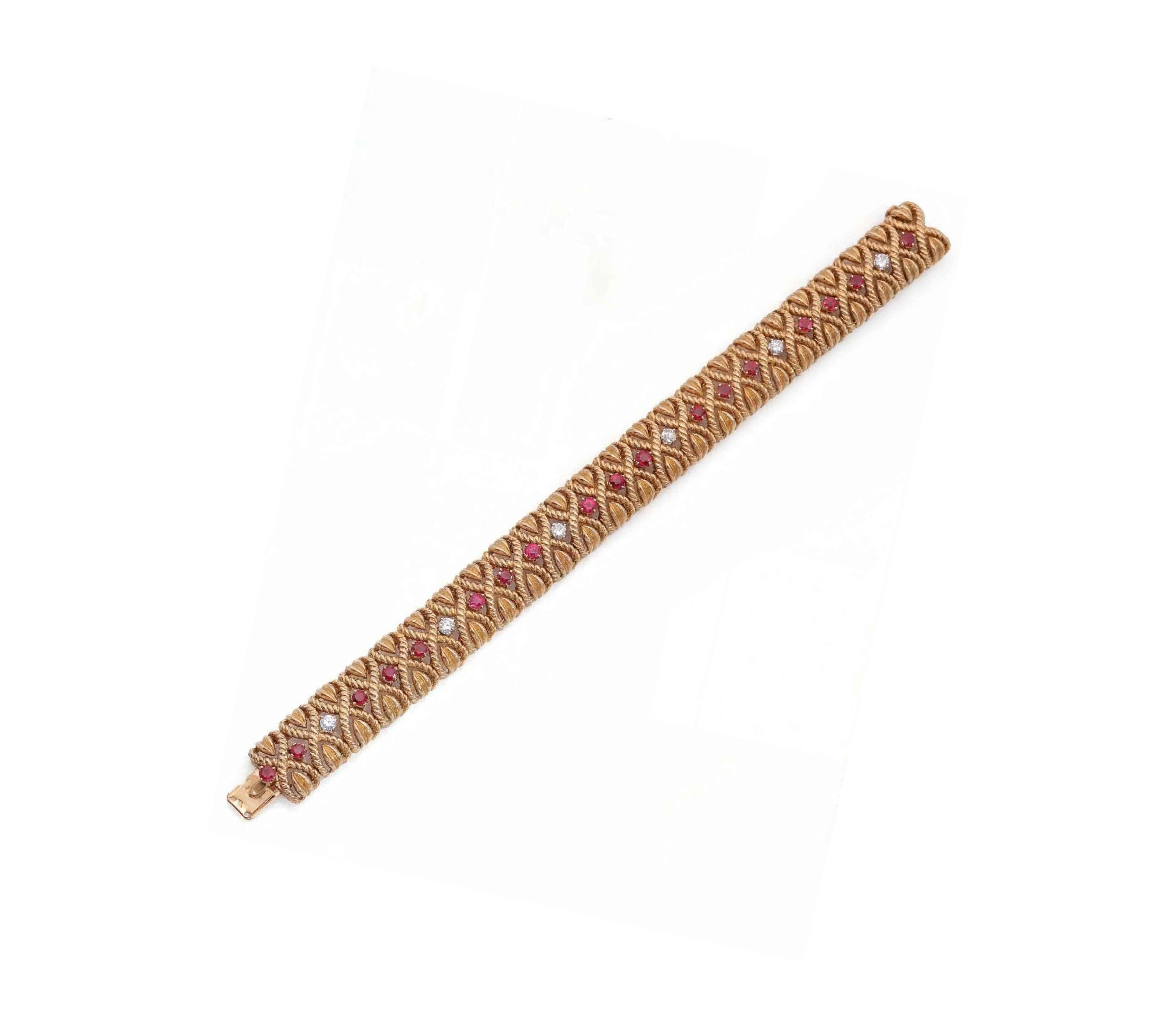
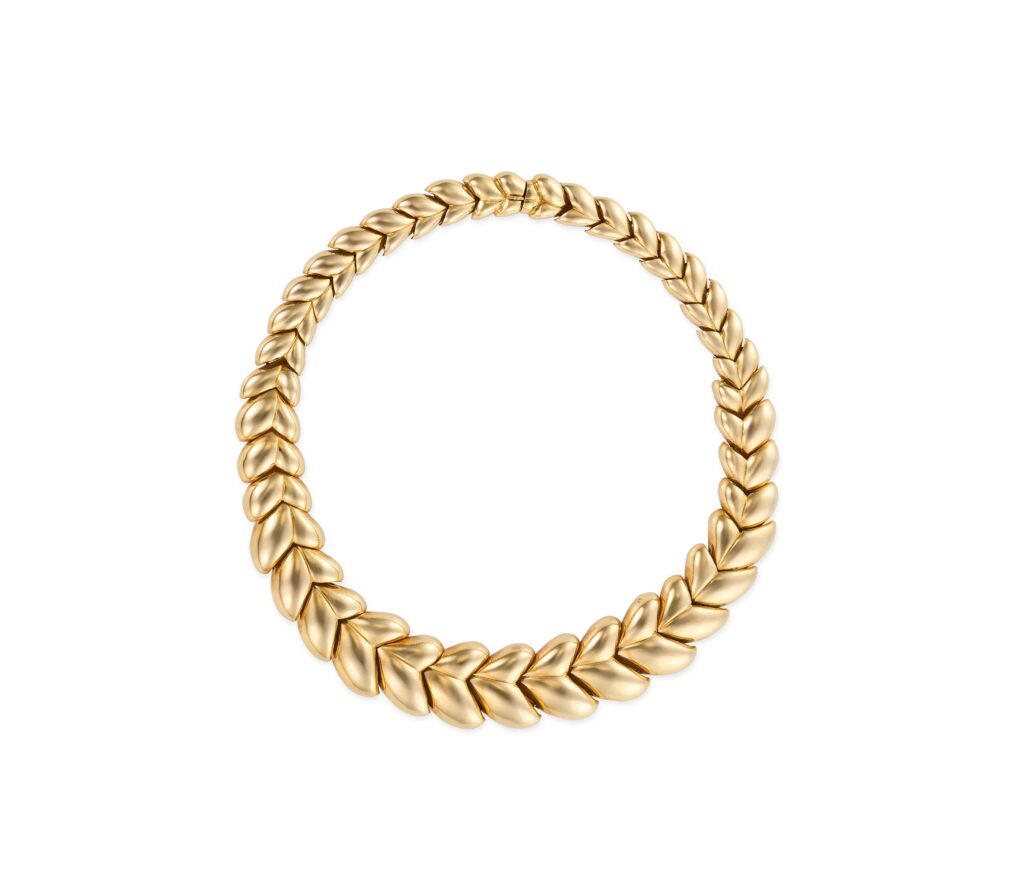
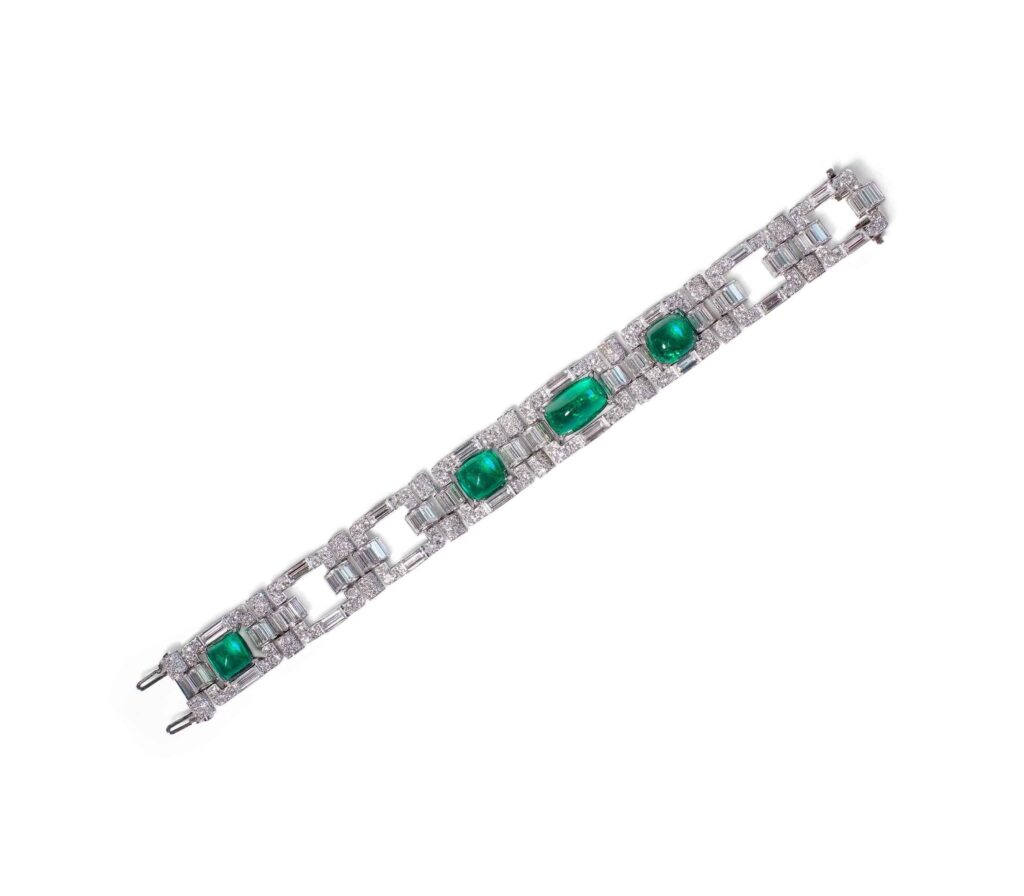
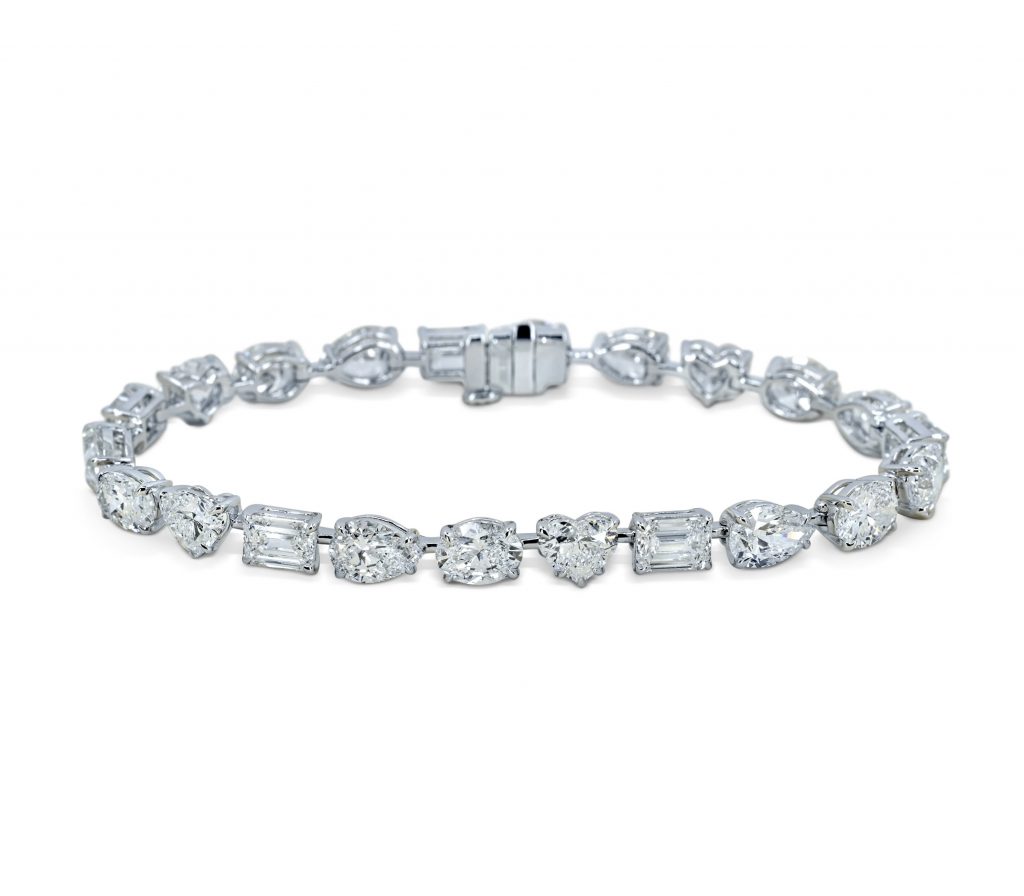
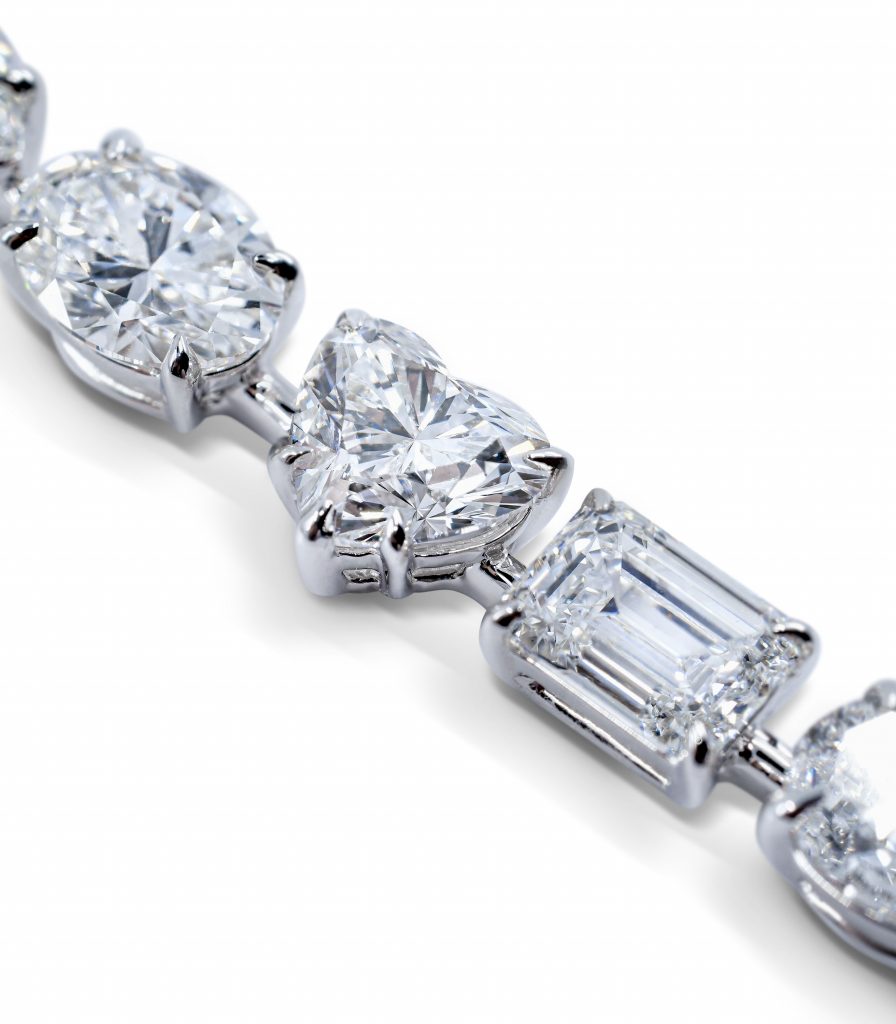
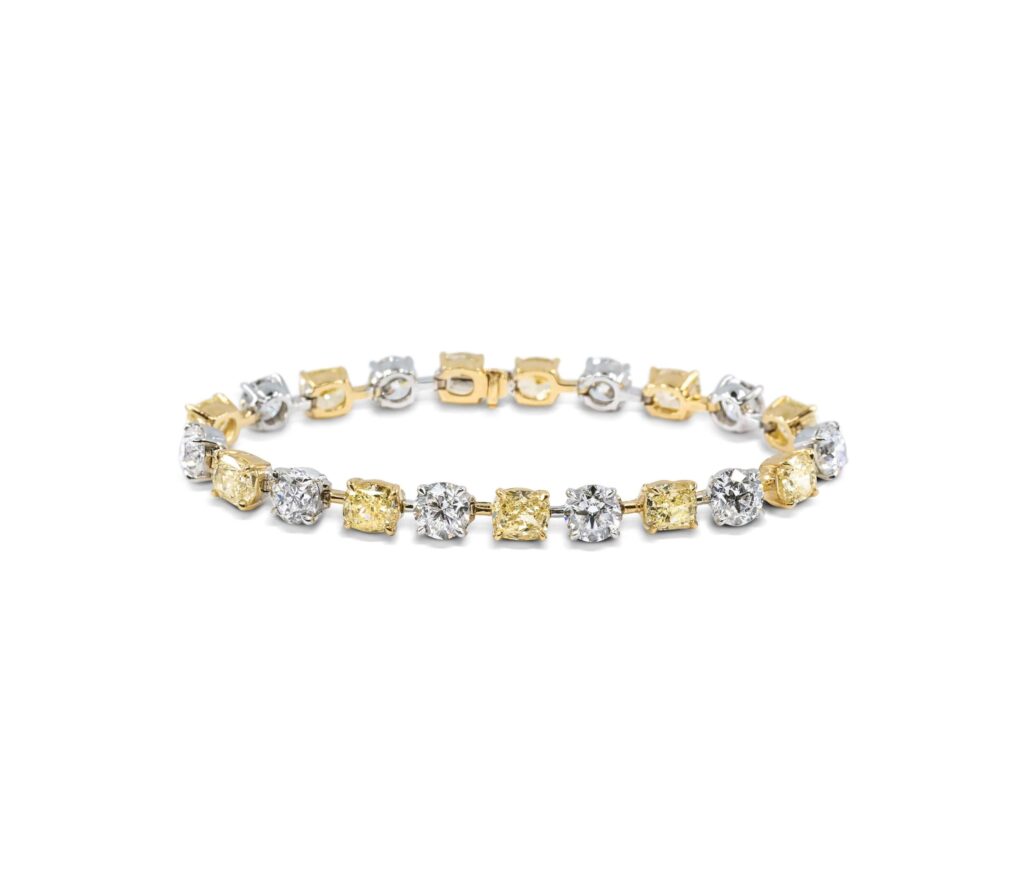
Rigid formats — bangle and cuff — demand precise interior diameter (typically 65–70 mm for comfortable wear) and weight distribution that keeps the piece centered without sliding. Tennis and rivière configurations require consistent stone matching across the full length: color, saturation, and cutting quality must hold from clasp to clasp, making them among the most stone-intensive formats in high-end custom jewelry. Link and station constructions offer more compositional freedom, allowing asymmetric stone placement or mixed materials within a single piece.
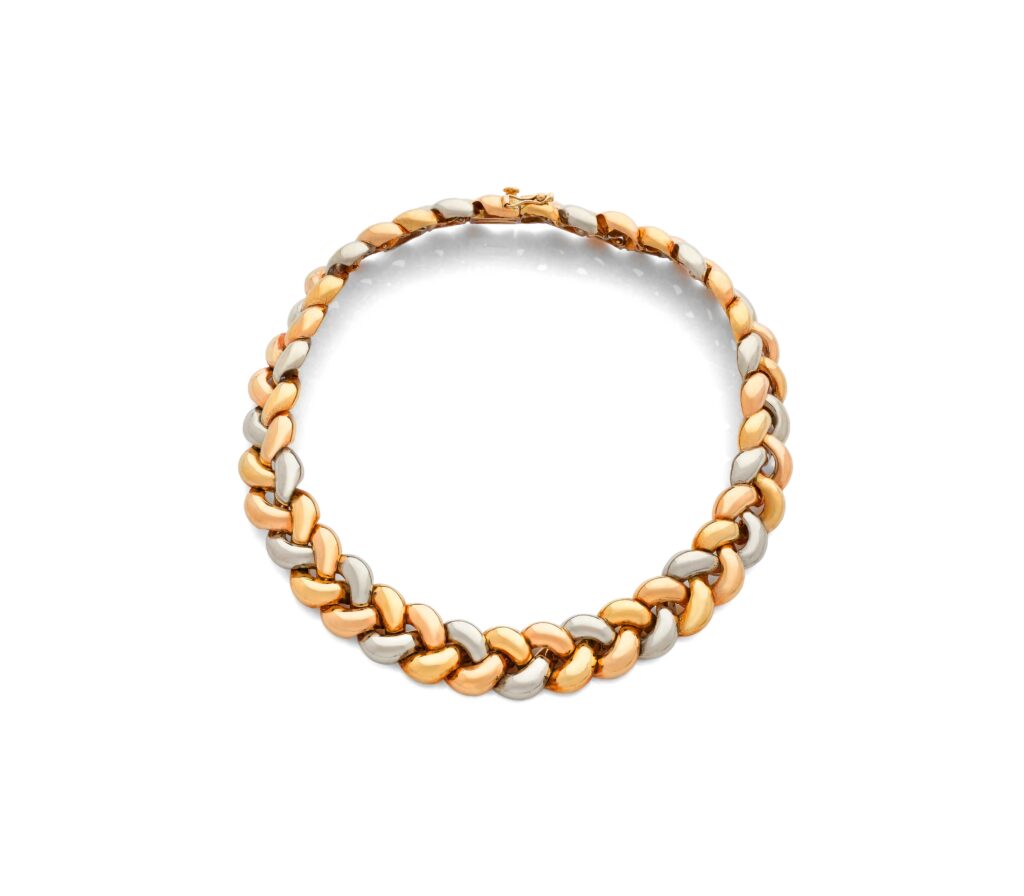
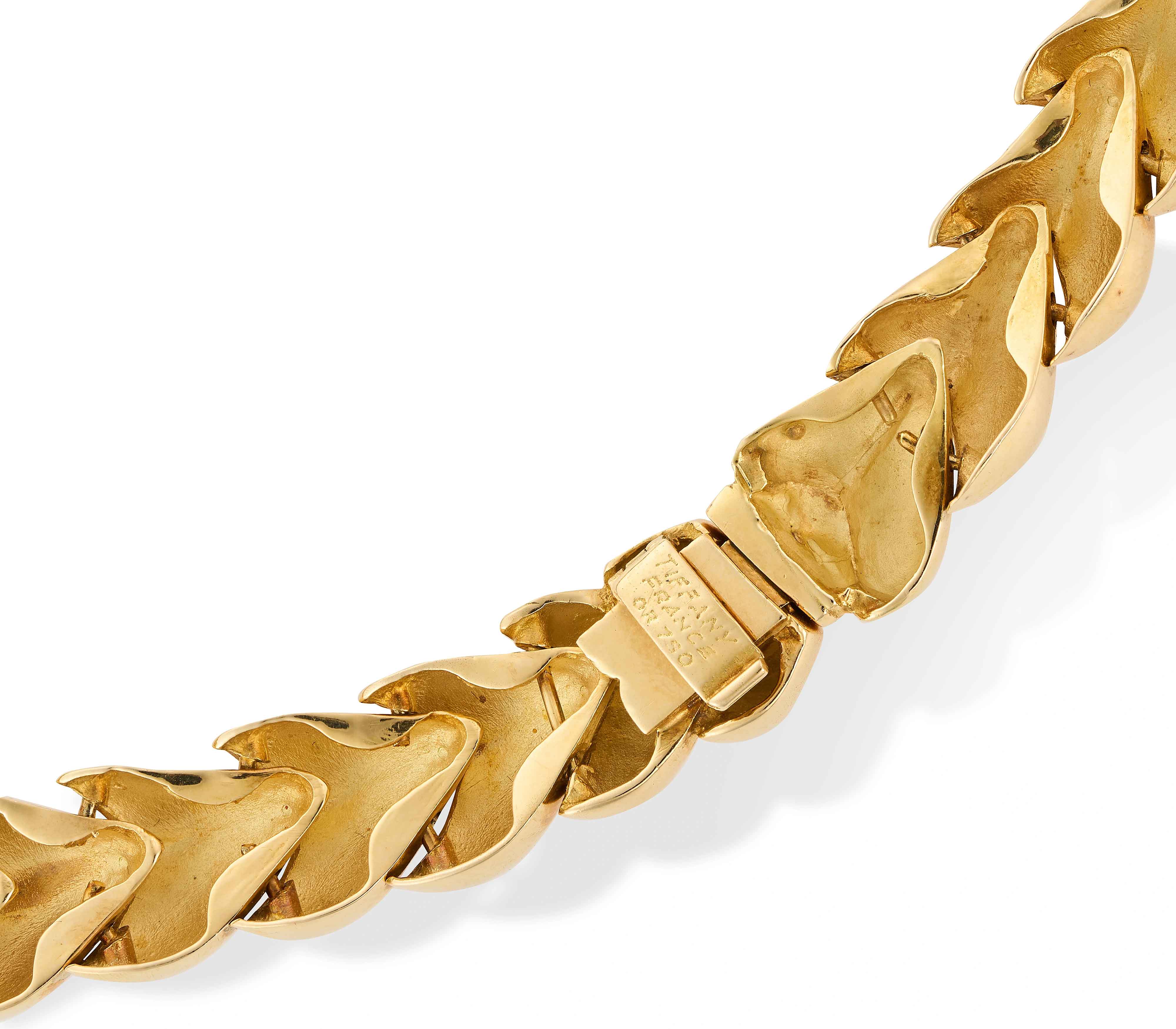
Closure architecture is structural as well as aesthetic. Box clasps with safety catches handle the weight demands of heavier pieces; fold-over closures suit more flexible link constructions; toggle clasps read as a design element in their own right. In unique fine jewelry and custom design jewelry at this level, the clasp is the point where engineering and design meet most visibly — not an afterthought but a resolved component of the whole.
Weight, Proportion, and the Wrist as Context
Designing bracelets for high-end custom jewelry requires a spatial sensibility that flat-format pieces do not demand. Eduard Grygorian’s years presenting exceptional bracelet-format pieces to collectors at Chaumet and Boucheron — two houses with deep roots in grand parure and bracelet design — inform an approach that treats the wrist as a three-dimensional context rather than a flat surface.
Each piece in the collection reflects that thinking concretely. Stone selection prioritizes color consistency across the full visible length; metal choice follows both the stone’s chromatic register and the structural demands of the format. Where the design argument is chromatic — an emerald rivière, a diamond tennis construction — stone matching across the full length is the primary discipline. Where it is sculptural, the bracelet’s behavior in motion becomes the design variable that determines everything else. This is bespoke luxury jewelry where the piece is designed to be worn, not displayed.
Grygorian Gallery’s custom-made bracelets carry a maker’s mark and leave our Monaco atelier as fully resolved objects — each an exclusive creation where format, material, and stone were determined as inseparable variables.
A Format That Wears Its Value Visibly
The bracelet concentrates material value along a format that is read continuously in social contexts, which is part of why exceptional examples command strong results at auction. Tennis bracelets anchored by matched fancy colored diamonds, emerald rivières with strong provenance, and bangle formats featuring large individual stones have all demonstrated consistent collector interest at Christie’s and Sotheby’s.
Each piece is available as shown: stone selection, structural design, and closure architecture already resolved into a coherent whole. Acquiring luxury custom bracelets of this calibre means securing both an exceptional wearable object and stones whose combined rarity is specific and verifiable. For collectors with a specific stone combination or design brief in mind, bespoke bracelets by Grygorian Gallery are available by private consultation — a made-to-order path built around your material and your wrist. Worldwide insured shipping is available to collectors globally.