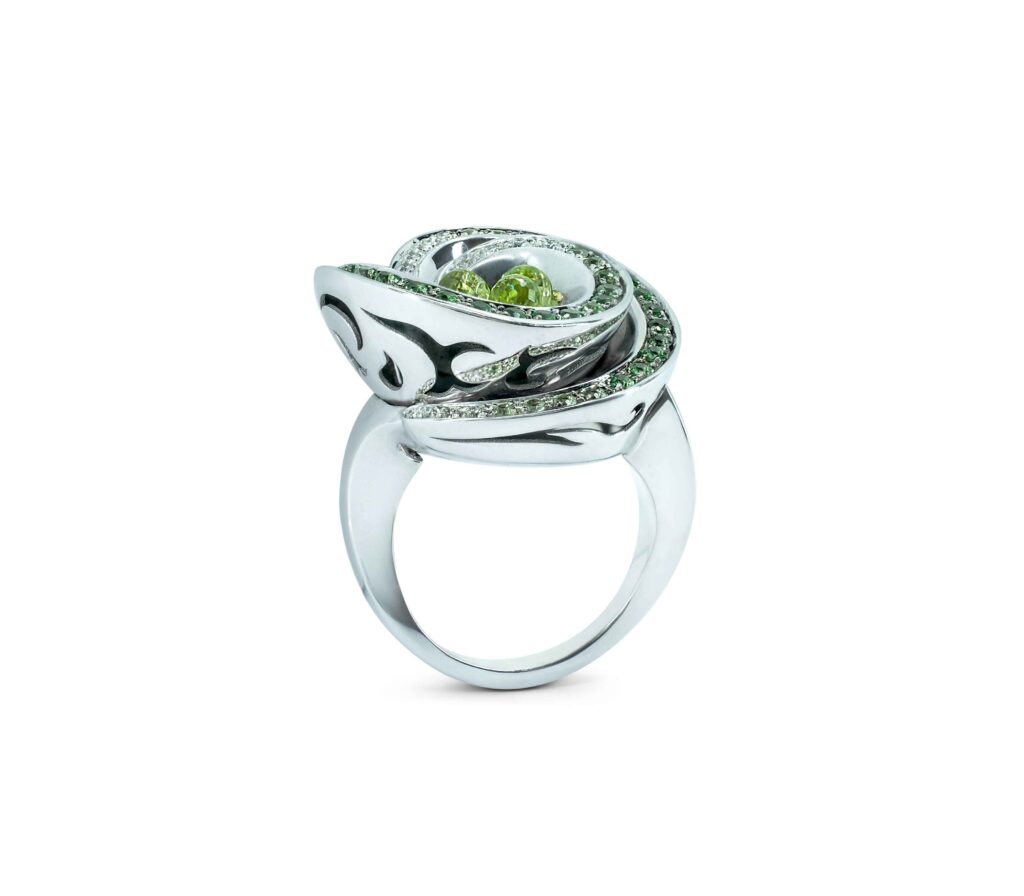
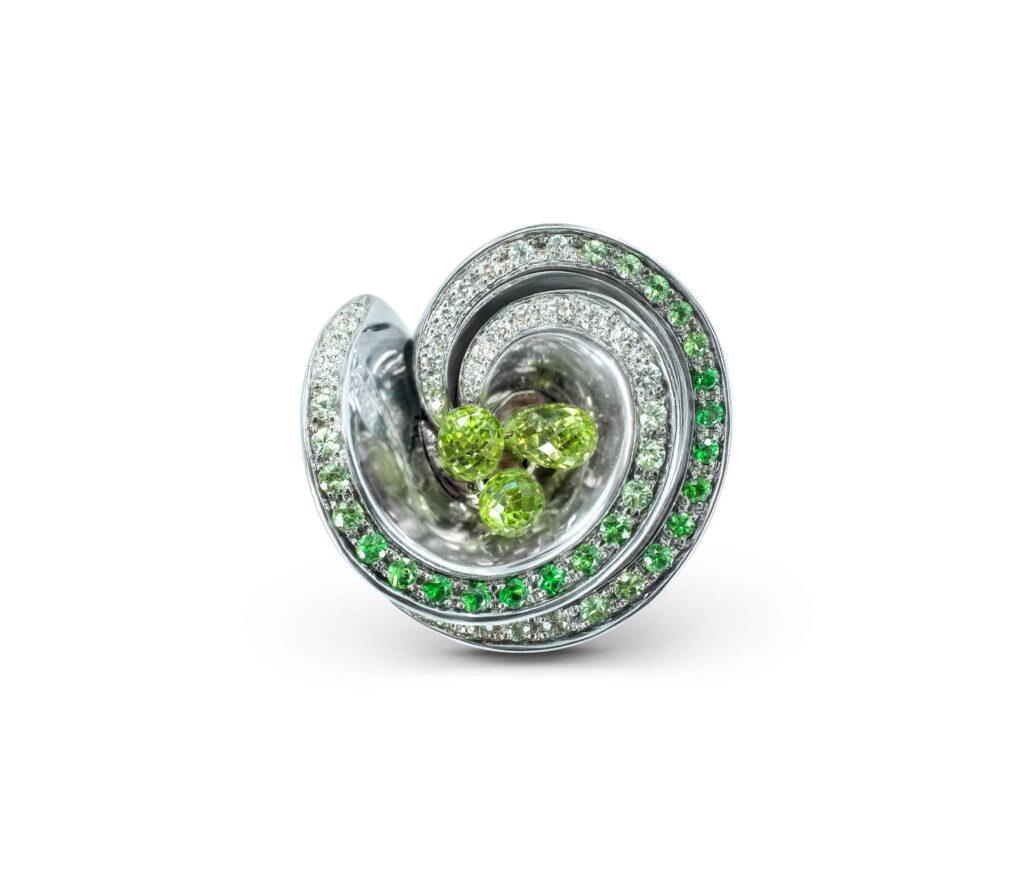
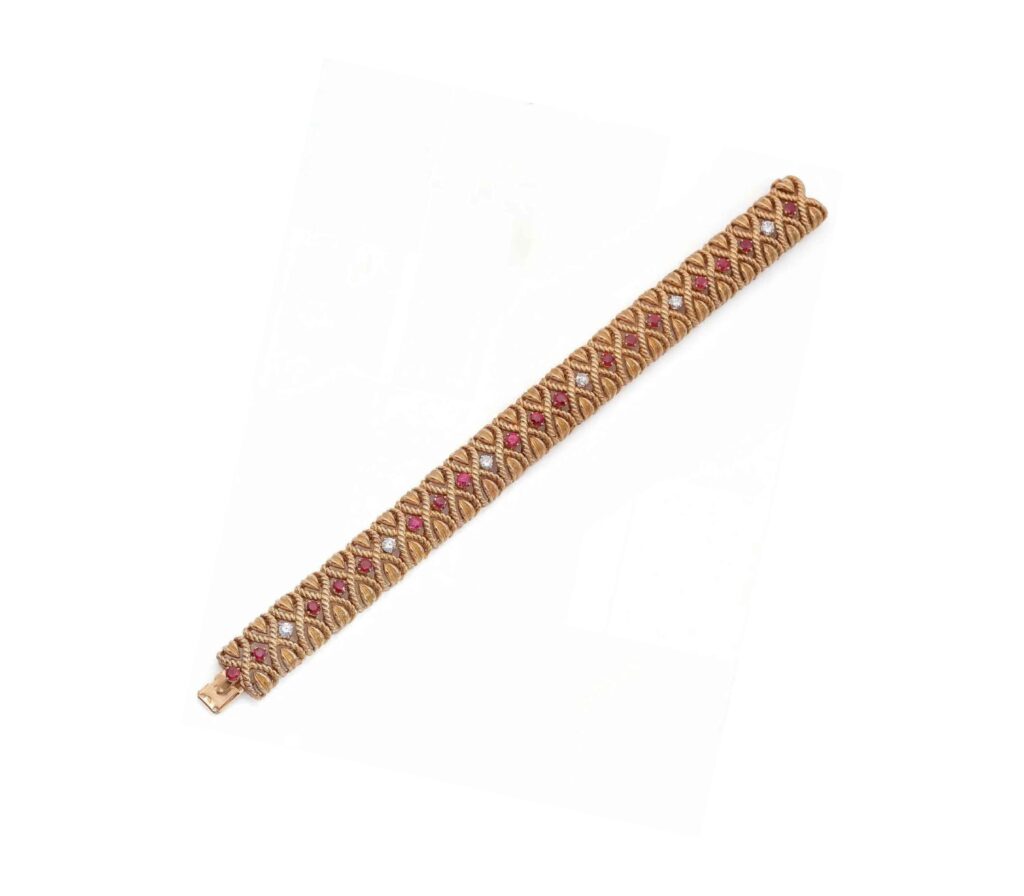
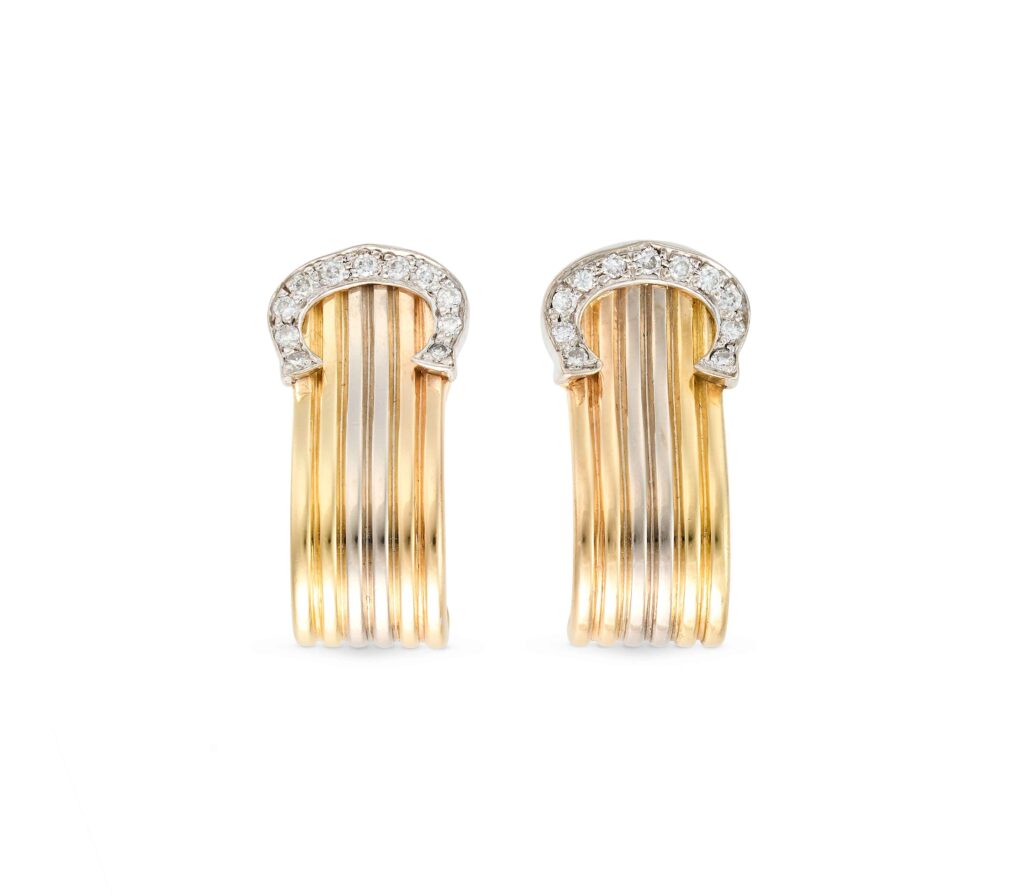
The Art of Signed Special Gifts
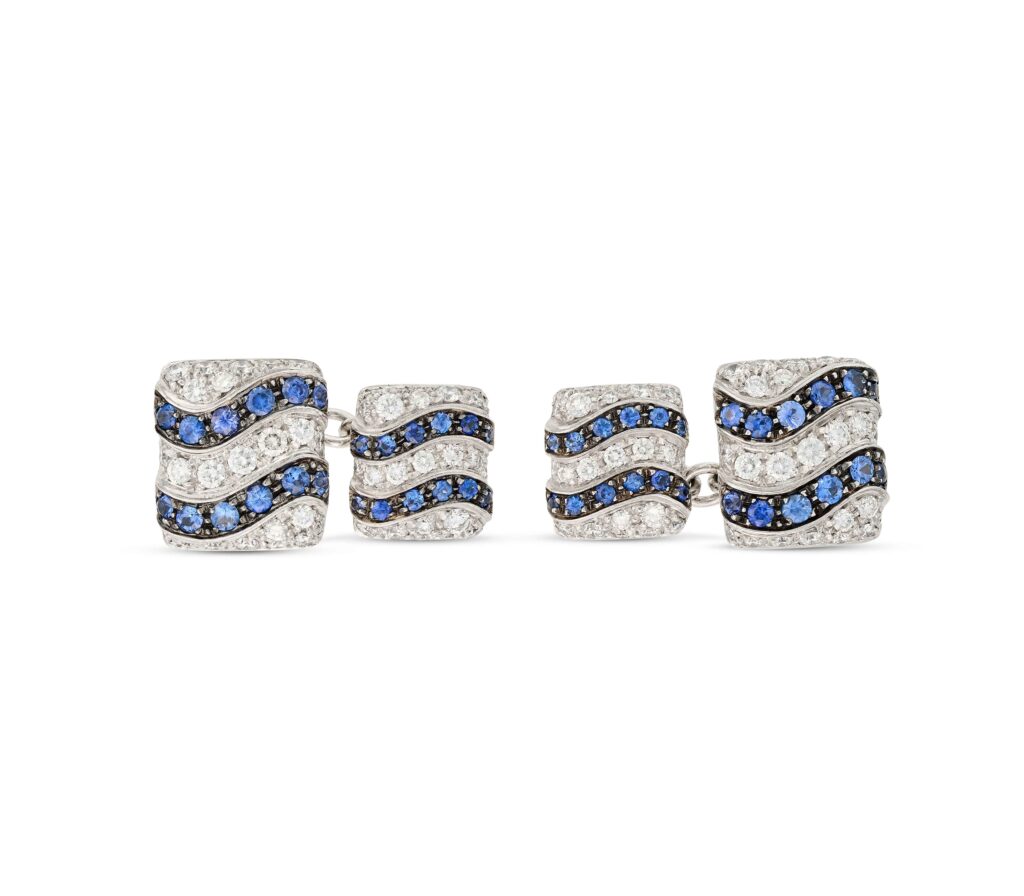
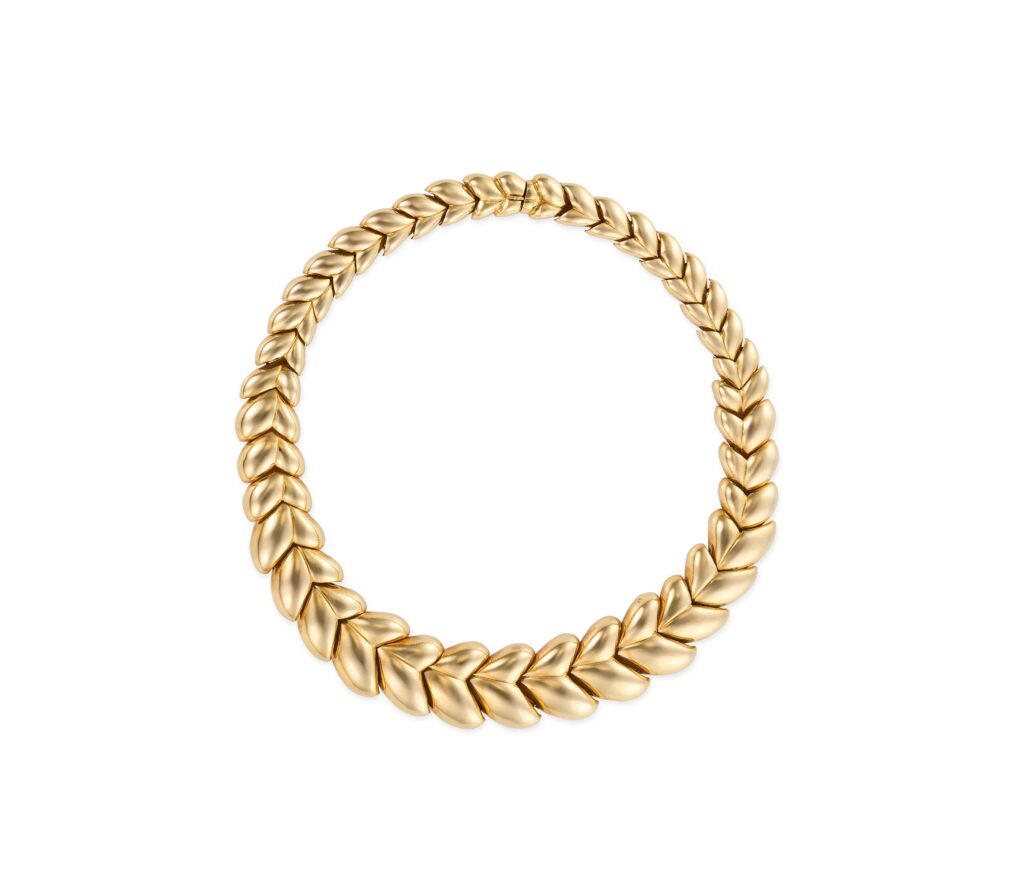
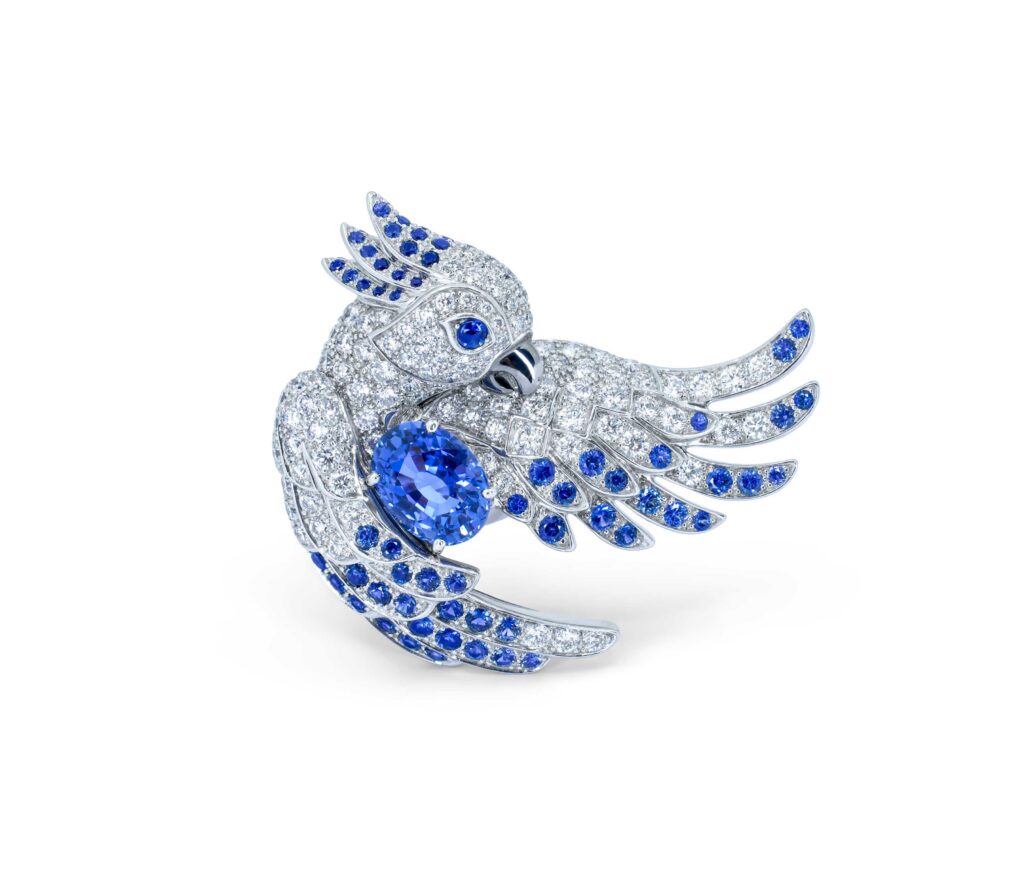
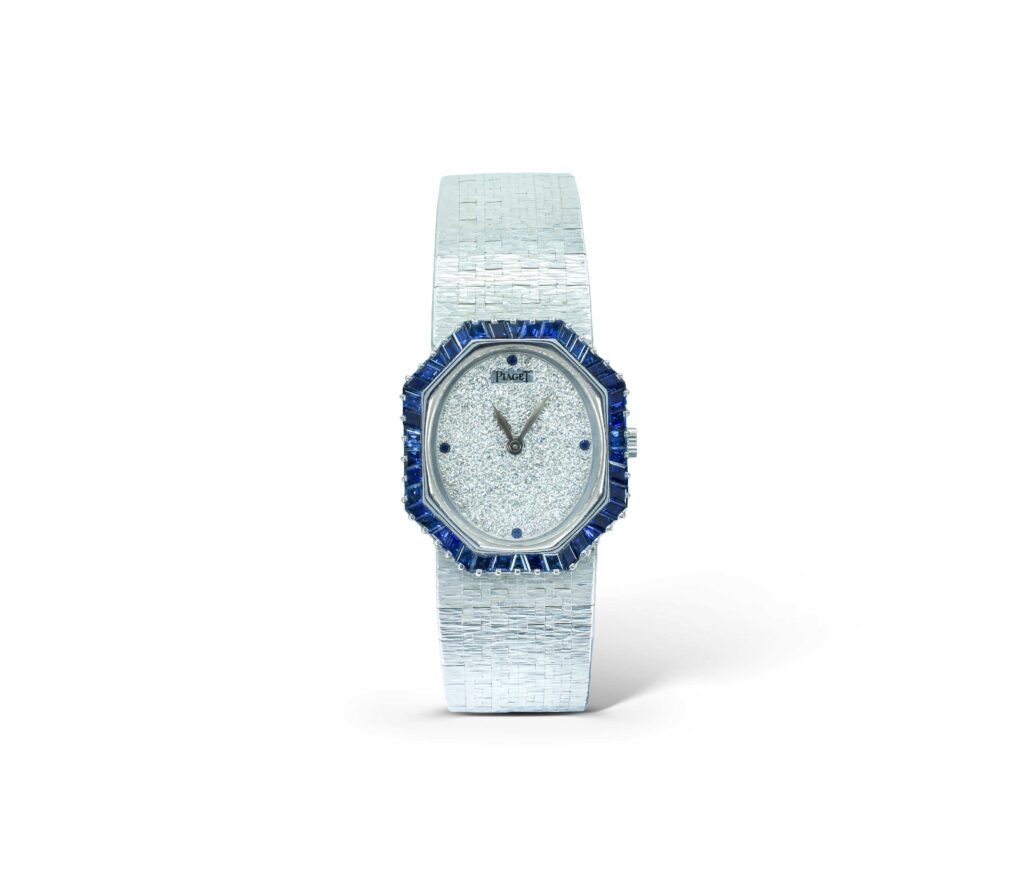
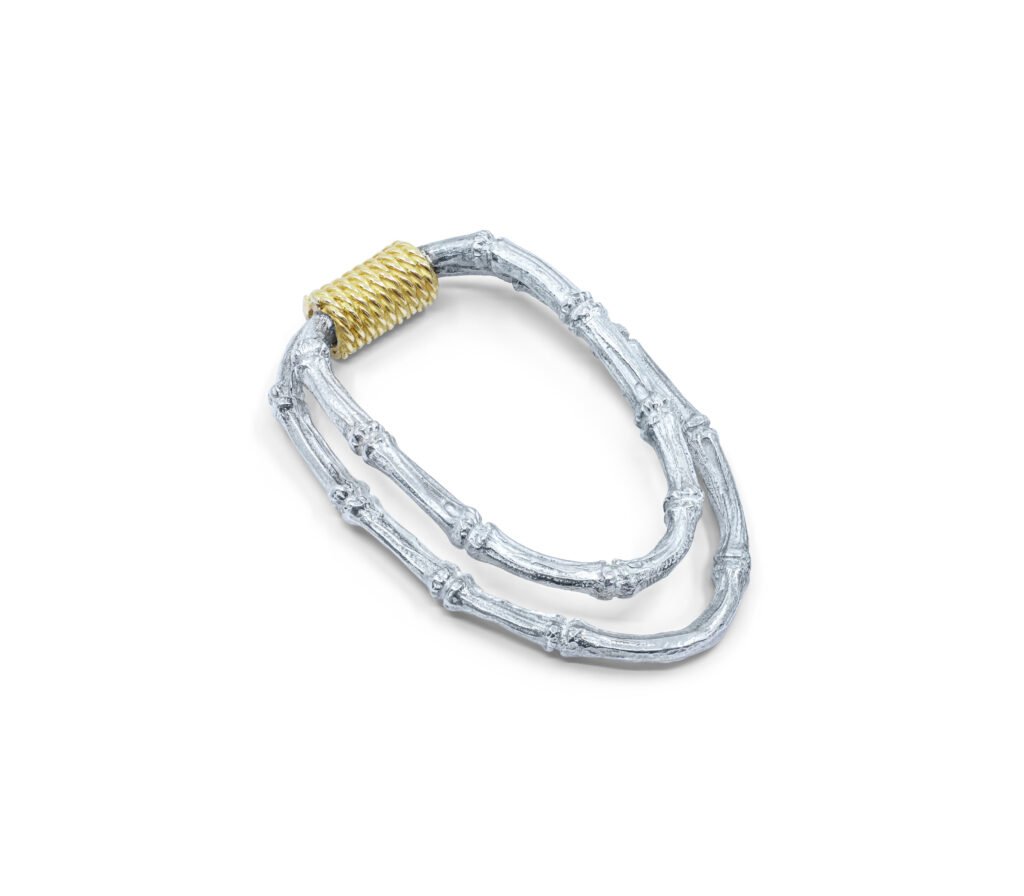
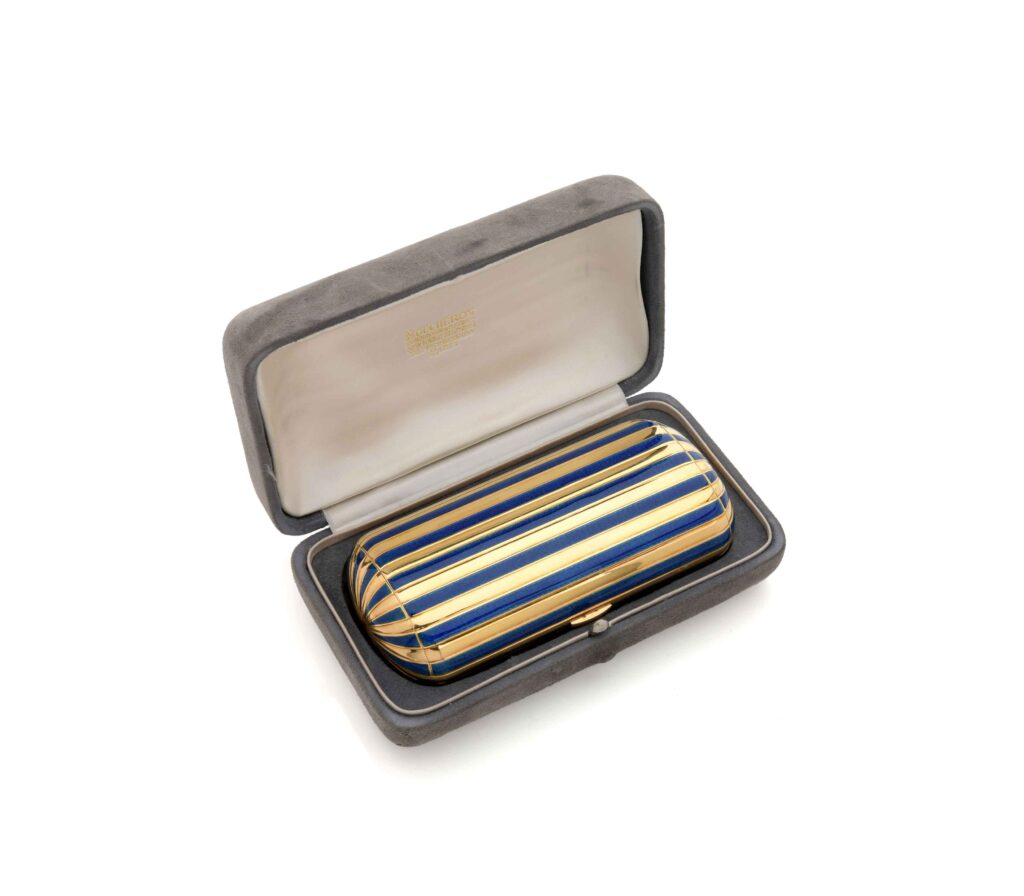
Signed special gifts represent a distinct and often overlooked chapter in luxury maison jewelry history. Objects where maisons like Boucheron, Cartier, and Van Cleef & Arpels applied their full atelier craftsmanship to functional accessories, these pieces carry an added dimension beyond conventional jewelry: they were made to be used, handled, and passed between generations as tangible expressions of design legacy. Money clips, minaudières, powder compacts, card cases, and scent bottles bear the same trademark details and bespoke jewelry standards as their celebrated wearable counterparts.
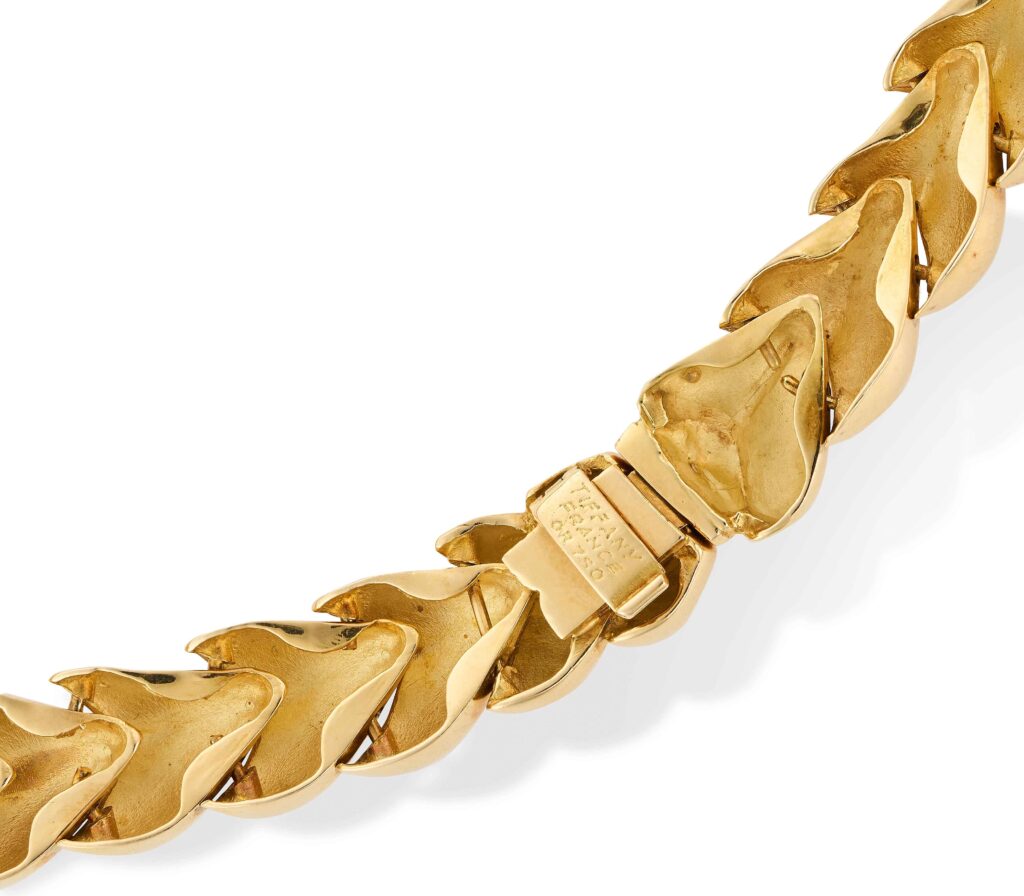
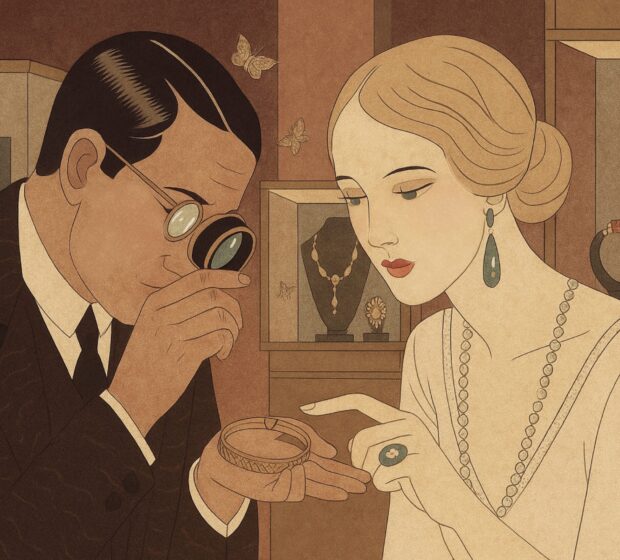
Authentication follows the same rigorous standards as signed jewelry. Maker’s marks appear on interior frames, clasp mechanisms, or base plates, with placement conventions that evolved distinctly across houses and production periods. Hallmarks confirm precious metal content, while construction techniques such as guilloché enamel work, engine-turned gold surfaces, and hand-set stone borders reveal exceptional workmanship of master jewelers impossible to replicate outside original atelier conditions.
These are not peripheral productions. The finest signed special gifts occupied the same creative attention as iconic design jewelry at the great houses, often representing commissions where a maison’s signature elements were concentrated into a single functional object.
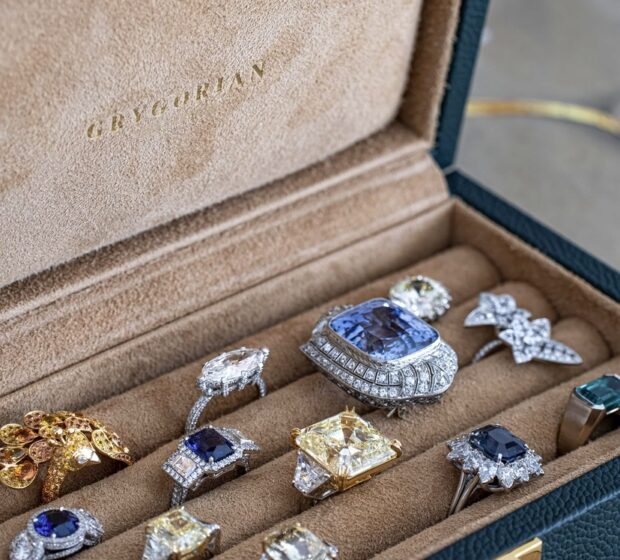
The Grygorian Gallery Special Gifts Collection
Sourcing authenticated signed special gifts demands deeper market knowledge than conventional jewelry categories. These objects rarely surface through mainstream auction channels, and the field rewards specialists who can assess provenance, maker’s mark integrity, and construction quality simultaneously. Whether an enamel minaudière demonstrating a house’s signature color palette or a mixed-metal accessory showcasing bimetal techniques developed during a specific creative period, each acquisition begins with material and historical evidence rather than surface appearance.
The professional background informing this process is specific. Eduard Grygorian’s years within Boucheron and Chaumet provide direct insight into the construction standards and hallmark conventions of houses with storied traditions in luxury objets d’art alongside fine jewelry. Each piece is examined for period-appropriate manufacturing evidence: hinge mechanisms, surface treatment preservation, and closure hardware consistent with the attributed maison and era.
Why Collect Signed Special Gifts
Few collecting categories offer the combination of factors present in exclusive atelier pieces of this type. Production volumes for signed accessories were inherently limited compared to core jewelry lines, creating supply constraints that strengthen over time as pieces enter permanent collections. A hallmarked minaudière or designer money clip from a legendary house represents concentrated design identity in a format that few collectors actively pursue.
The versatility adds a dimension absent from purely decorative jewelry. These are rare collectibles that function equally as display objects, personal accessories, or gifts carrying genuine provenance — a convergence of functional purpose, signature maison craftsmanship, and collector’s investment logic that few other categories can match. Original documentation accompanies each piece, providing the authentication foundation that serious collectors and patrimony-focused buyers require.
Signed special gifts also carry an underappreciated advantage: their relative obscurity within the broader luxury market keeps acquisition prices misaligned with their true historical and craft significance. For those who recognize this gap, the opportunity is genuine.