Pearls and the Language of Maison Design
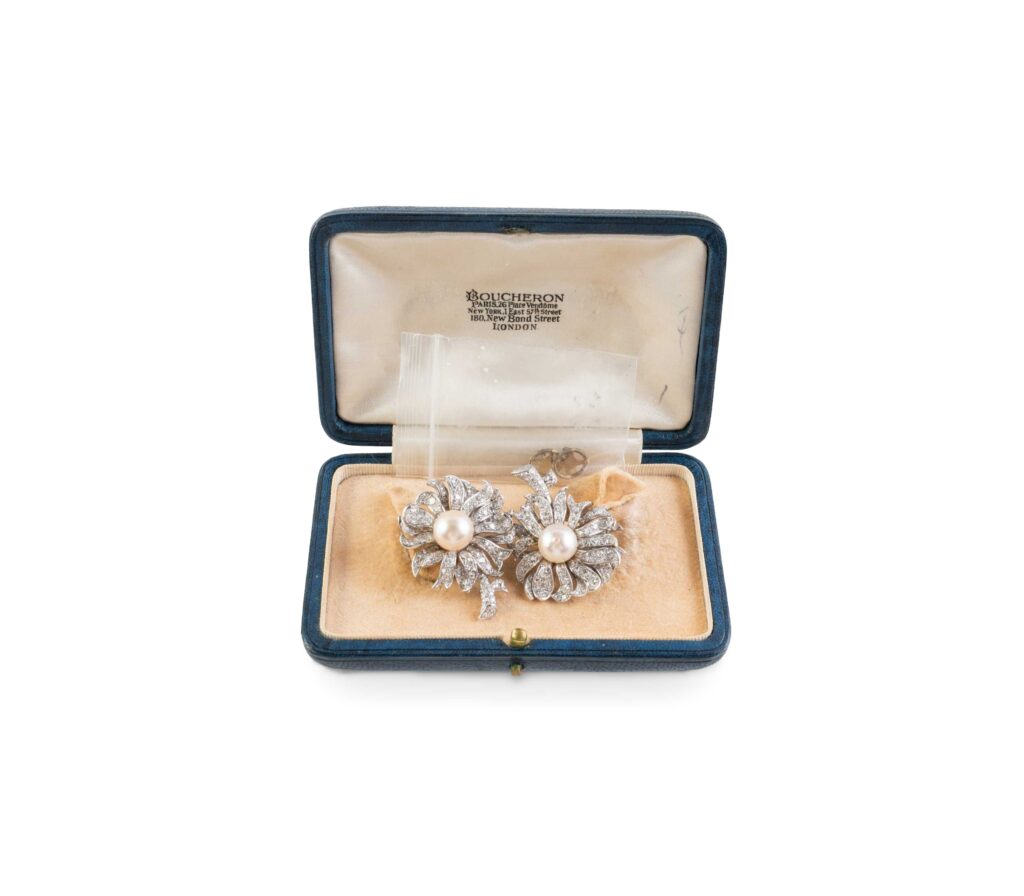
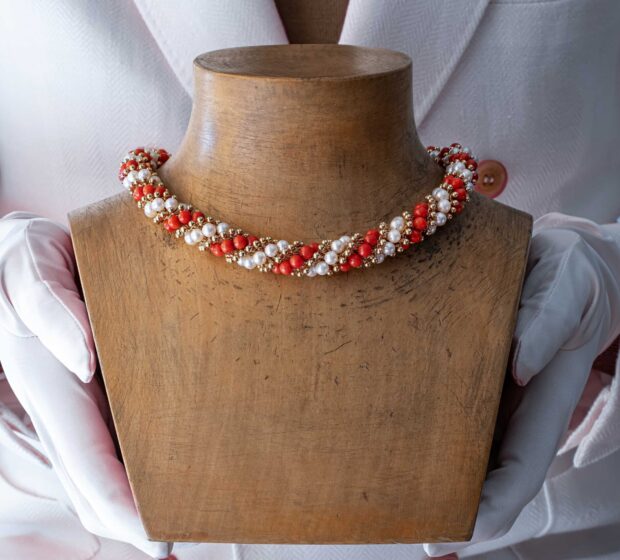
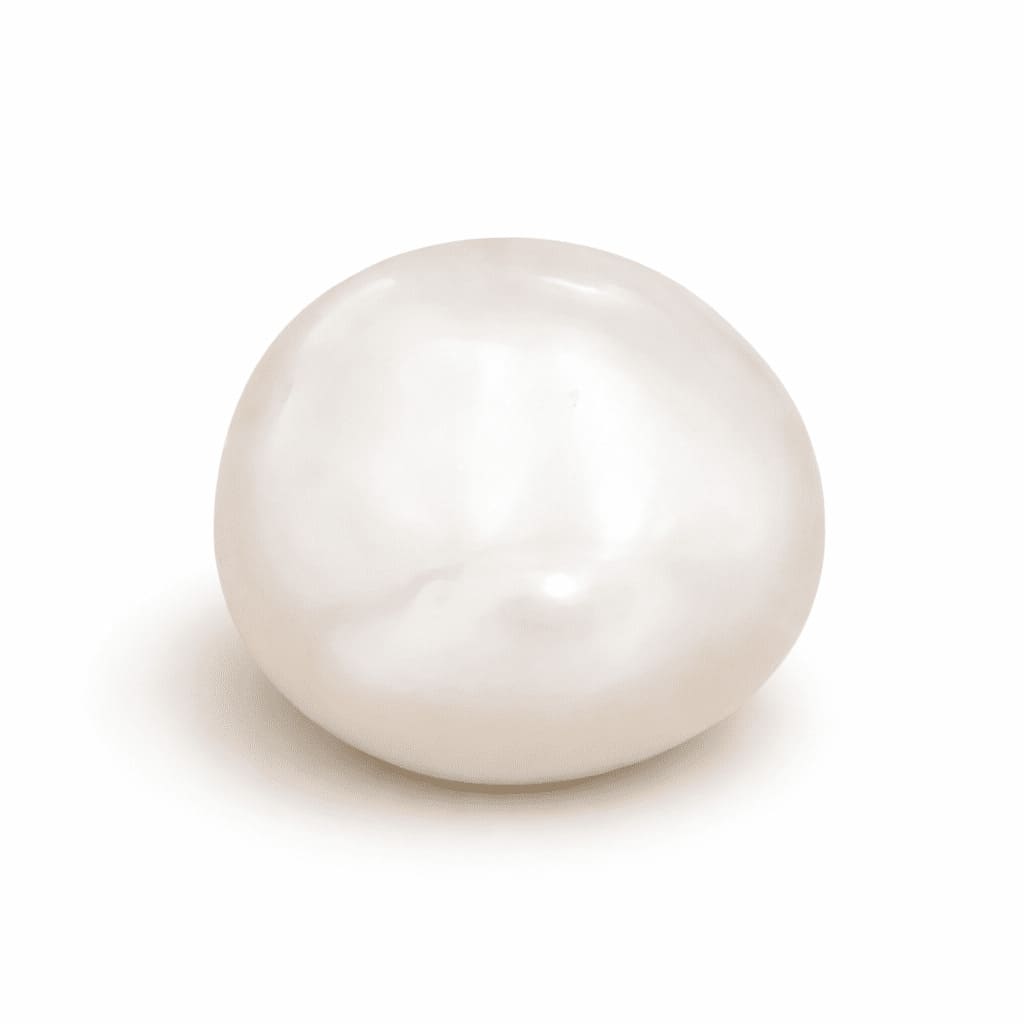
No gemstone has a longer relationship with haute joaillerie than the pearl. Before the dominance of diamonds in the 20th century, natural pearls were the most valuable material a jeweler could work with, with exceptional strands rivalling the value of prime Parisian real estate at the turn of the century. Chaumet supplied pearl tiaras to European royal courts; Boucheron’s archival pearl pieces from the Belle Époque and Art Deco periods remain benchmark examples of fine craftsmanship applied to organic material.
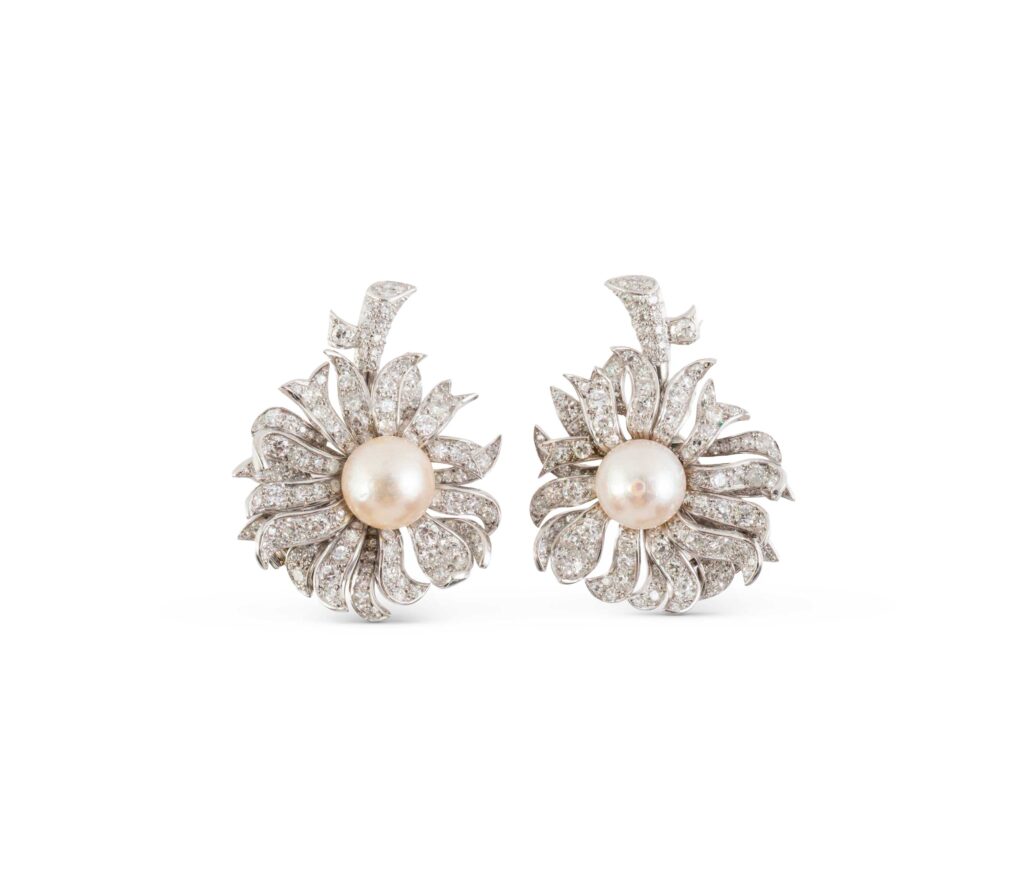
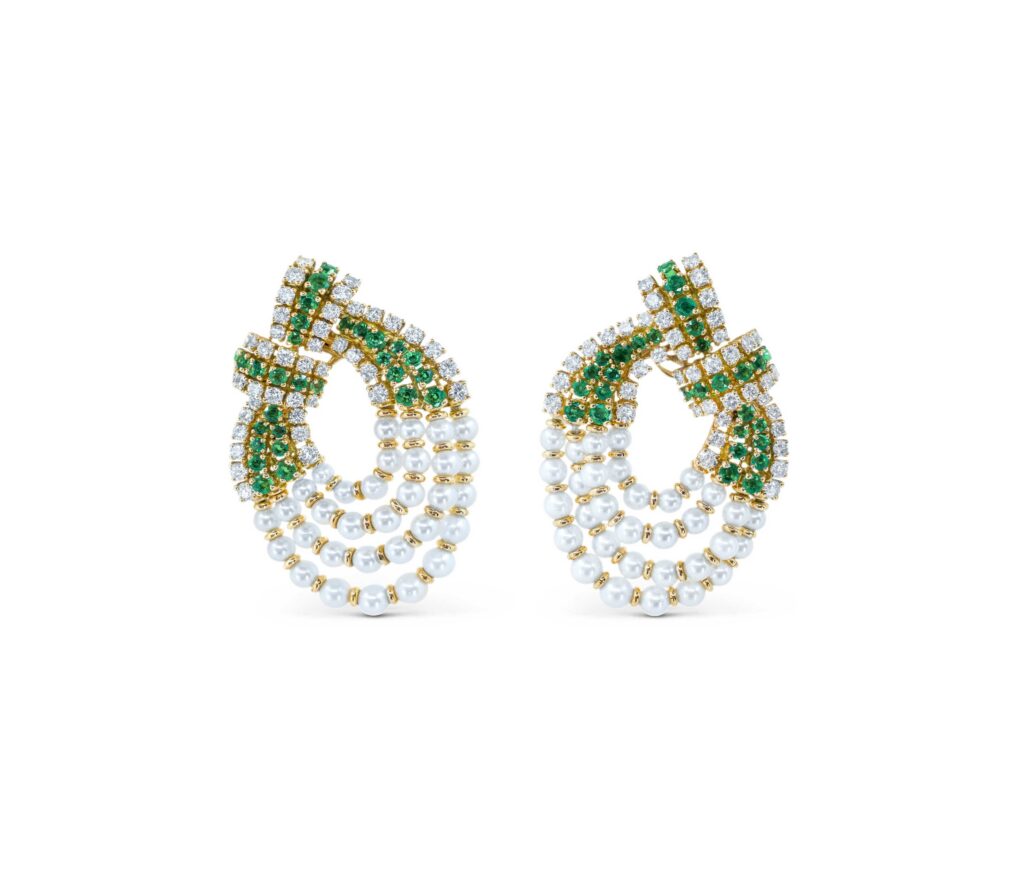
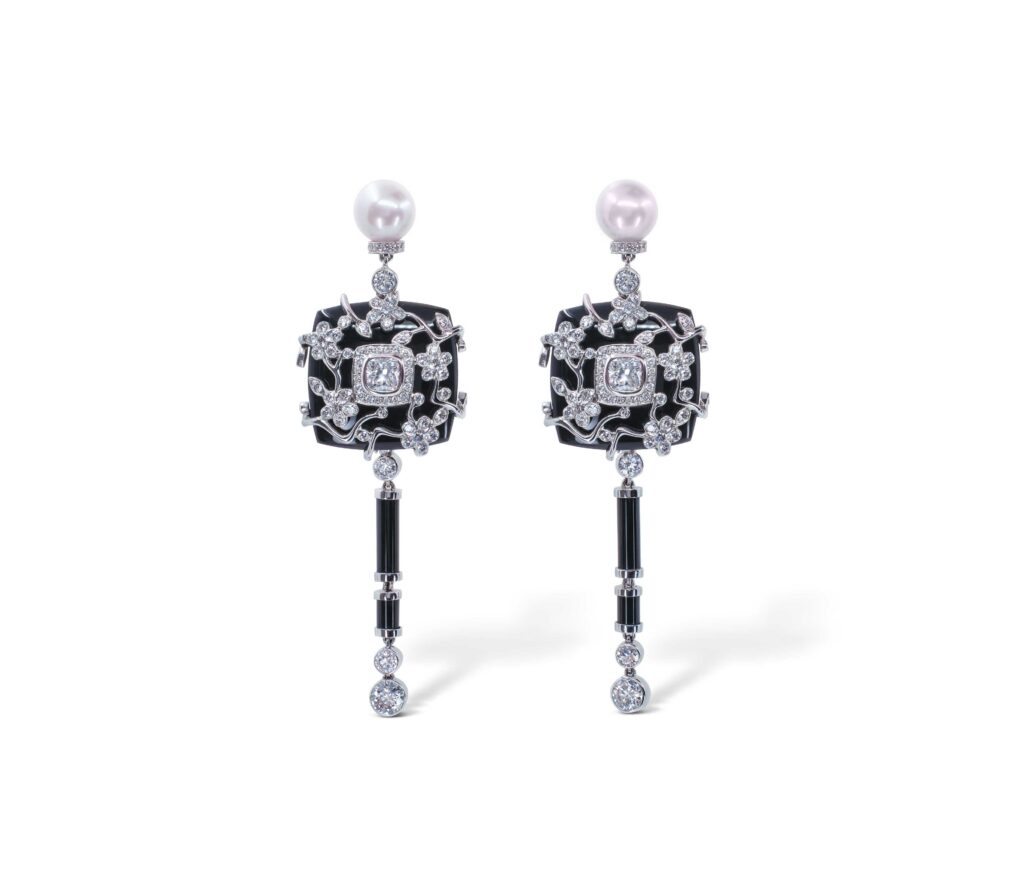
Signed pearl white jewelry spans a uniquely broad stylistic range. Akoya pearls in classic white gold settings represent one tradition; baroque South Sea pearls combined with onyx or enamel in mid-century compositions represent another entirely. Each approach reveals a house’s design identity through the way it frames and contextualizes the pearl’s natural luminosity, whether through geometric platinum surrounds, diamond halos, or the bold graphic contrasts favored by Chanel.
Authentication requires attention to both organic material and metal construction. Natural pearls, distinguishable from cultured varieties by X-ray examination, carry significant additional value and appear predominantly in pre-1950s signed pieces. Clip-back earring mechanisms in particular offer strong period-dating evidence, with house-specific closure conventions as diagnostic as the maker’s mark itself.
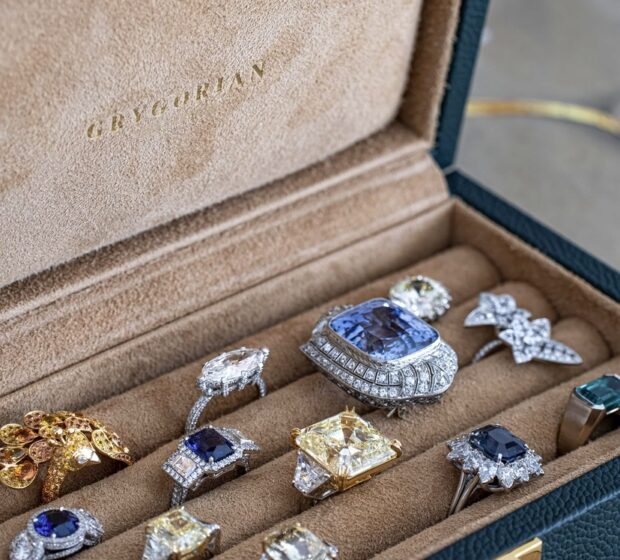
The Grygorian Gallery Pearl White Collection
Pearl jewelry from grand maisons surfaces far less frequently than diamond or colored stone pieces. Collectors retain signed pearl pieces with particular tenacity, recognizing that combinations of certified natural or fine cultured pearls with hallmarked settings from Boucheron, Chaumet, or Chanel represent a category where supply contracts rather than expands over time.
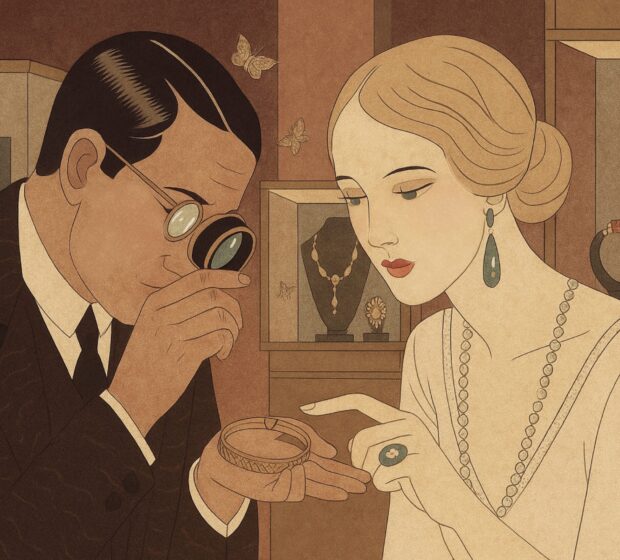
An authentication approach informed by Eduard Grygorian’s direct professional experience with Chaumet and Boucheron goes beyond surface hallmark reading. The construction logic specific to each house — how pearl settings are reinforced, how clip mechanisms are integrated into the overall design, how metal surfaces are finished around organic material — provides authentication evidence that hallmarks alone cannot supply. These are distinctions invisible to generalist assessment but determinative for serious provenance documentation.
Collecting Pearl White Signed Jewelry
Pearl white signed pieces occupy a distinctive position for collectors seeking wearability alongside investment substance. Unlike colored stones, whose value fluctuates with gemological fashion, fine pearl jewelry from legendary maisons retains relevance across collecting generations.
Chanel’s graphic use of pearls against onyx or dark enamel defined an aesthetic language that remains immediately recognizable. Boucheron’s Belle Époque pieces carry institutional museum-level significance. These are not simply beautiful objects but documented expressions of design legacy from houses whose archives shape our understanding of luxury itself. Each piece in this collection is presented with complete provenance and authenticity verification, selected for both material integrity and the strength of its maker’s mark.