The Gemological Significance of Ruby in Signed Jewelry
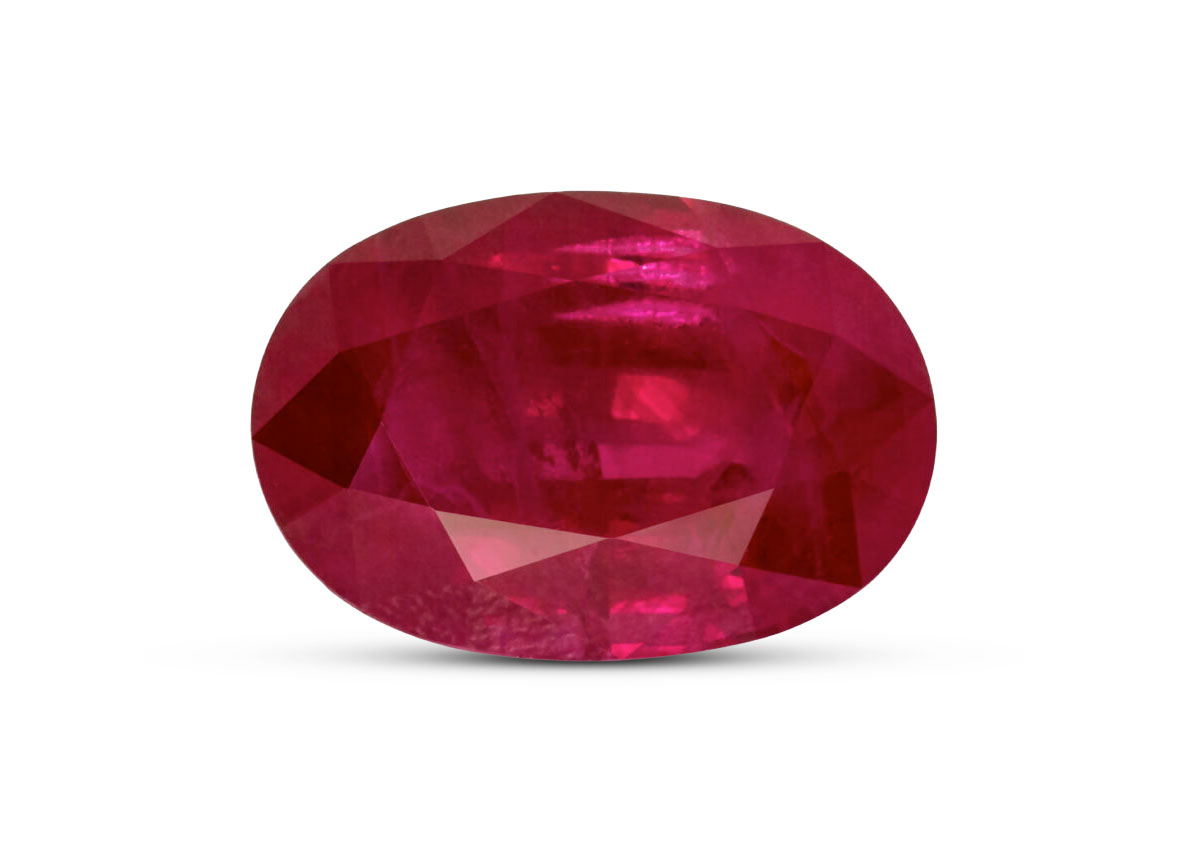
Burmese rubies, particularly those from the Mogok Valley, have commanded the highest per-carat prices of any colored gemstone at major auction houses, consistently surpassing fine emeralds and sapphires. This exceptional market position reflects their chromatic intensity: the characteristic “pigeon’s blood” red, defined by the Gübelin Gem Lab and GIA as a vivid, slightly bluish-red with strong fluorescence under UV light, remains the benchmark for collector-grade stones. Prestigious houses reserved their finest rubies for signature maison pieces intended to define a collection rather than simply complete it.
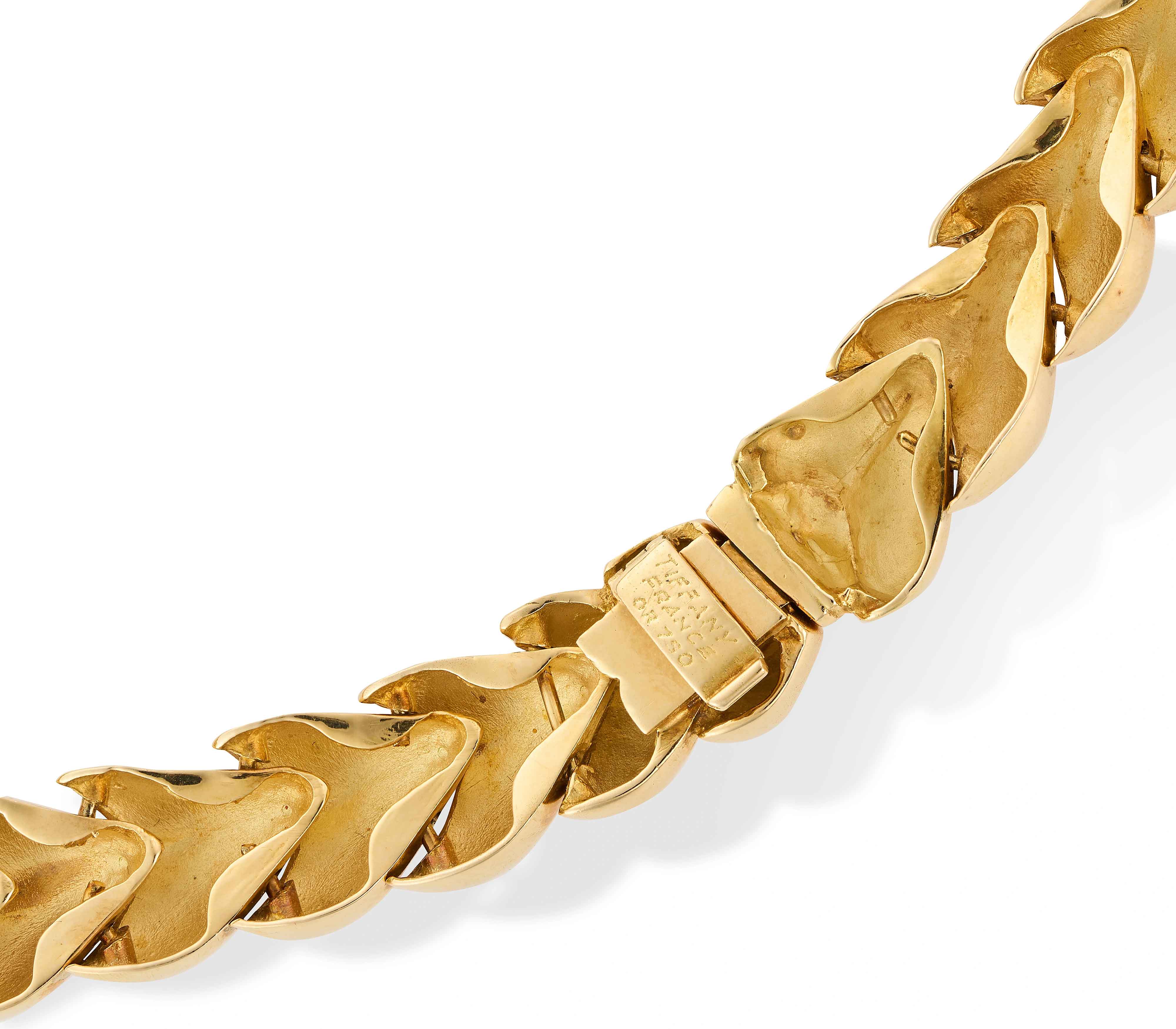
Authentication requires examination at two levels. Gemological documentation — GIA or Gübelin certificates confirming natural origin, no heat treatment, and ideally Burmese provenance — works alongside hallmark verification of the metal setting. Maker’s mark placement on articulated bracelets, ring shanks, or bracelet clasps follows house-specific conventions that evolved across decades of production.
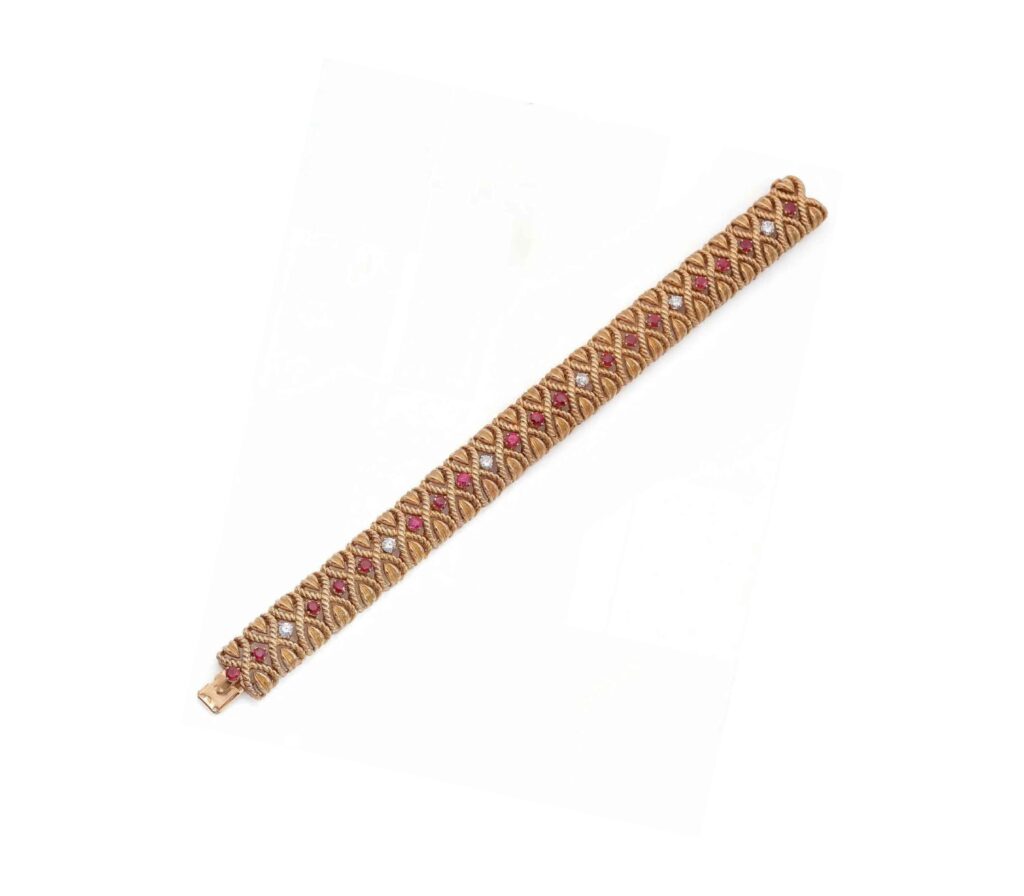
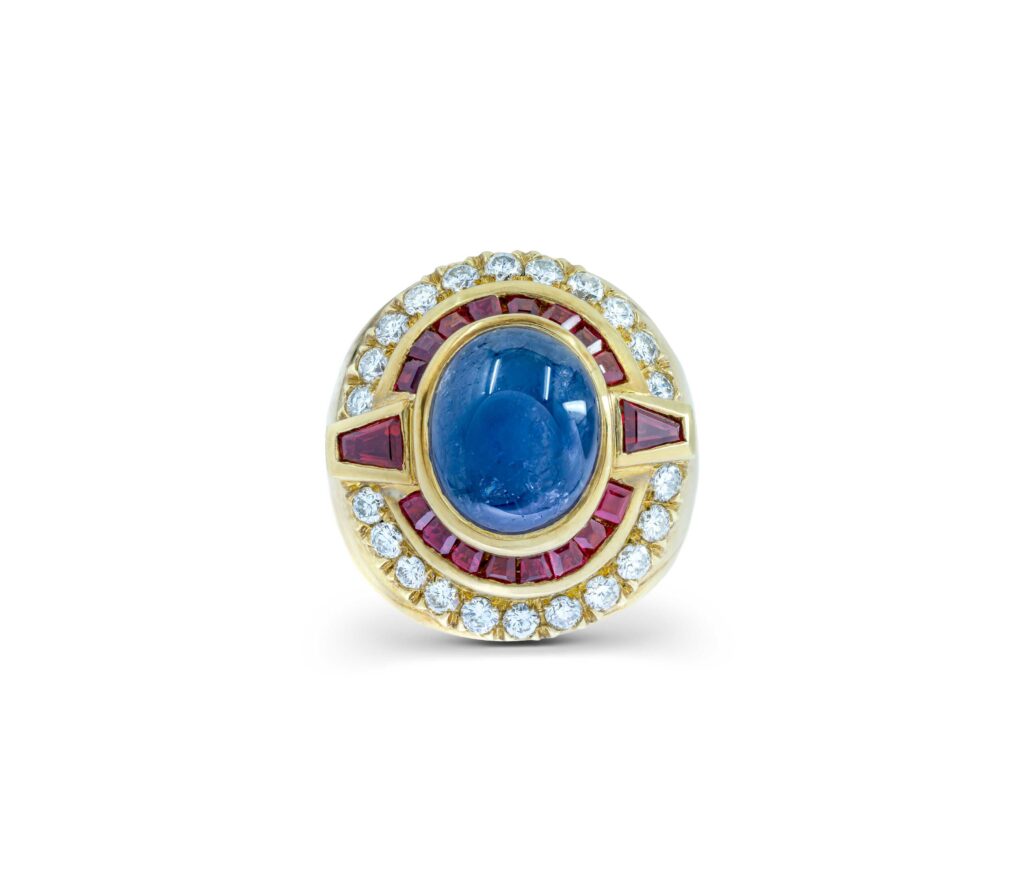
Cartier’s “Tutti Frutti” compositions, Van Cleef & Arpels’ Mystery Setting with calibré-cut rubies and no visible metal between stones, and Bulgari’s bold cabochon rings in yellow gold each represent a distinct design identity built around this stone. These are not interchangeable approaches: the signature elements of each house are as diagnostic as the hallmarks themselves.
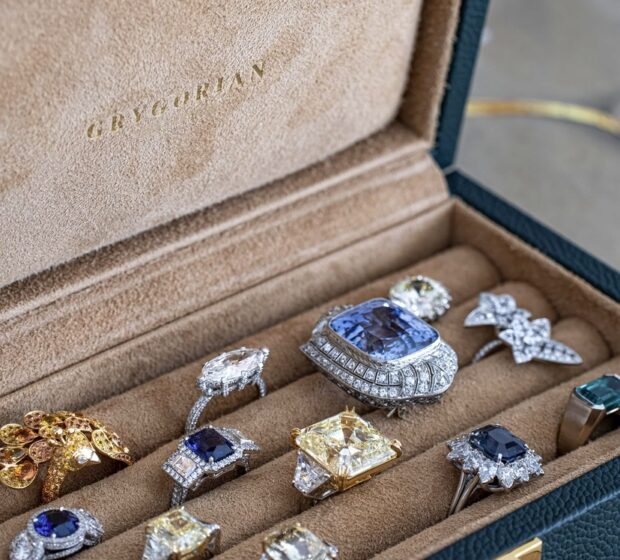
The Grygorian Gallery Ruby Red Collection
Assembling certified authentic ruby signed pieces demands both gemological expertise and deep knowledge of maison production periods. Stones set by Van Cleef & Arpels or Boucheron during their mid-century creative peaks were selected against internal quality standards that few contemporary suppliers match — a fact that period authentication must account for when assessing stone-to-setting consistency.
With professional tenure across French houses with significant ruby traditions in their archival collections, the acquisition process at Grygorian Gallery examines stone quality relative to the attributed period, construction method consistency, and hallmark integrity as a unified picture rather than separate checkboxes.
The Investment Case for Ruby Red Signed Jewelry
Ruby holds a singular position in the colored stone investment market. According to Knight Frank’s Luxury Investment Index, rubies have demonstrated strong long-term appreciation among colored gemstones, driven by declining supply from traditional Burmese sources and sustained demand from Asian collector markets.
When ruby quality combines with a verifiable maker’s mark from a grand maison, the investment proposition compounds through scarcity at both levels simultaneously. Supply from Mogok has declined significantly since Myanmar’s production peak, while authenticated maison pieces with documented provenance enter the market only through estate dispersals and major collection sales. The design legacy embedded in a hallmarked Van Cleef bracelet or a signed designer ring cannot be recreated — it is a fixed historical quantity, and that finality is precisely what drives collector demand.