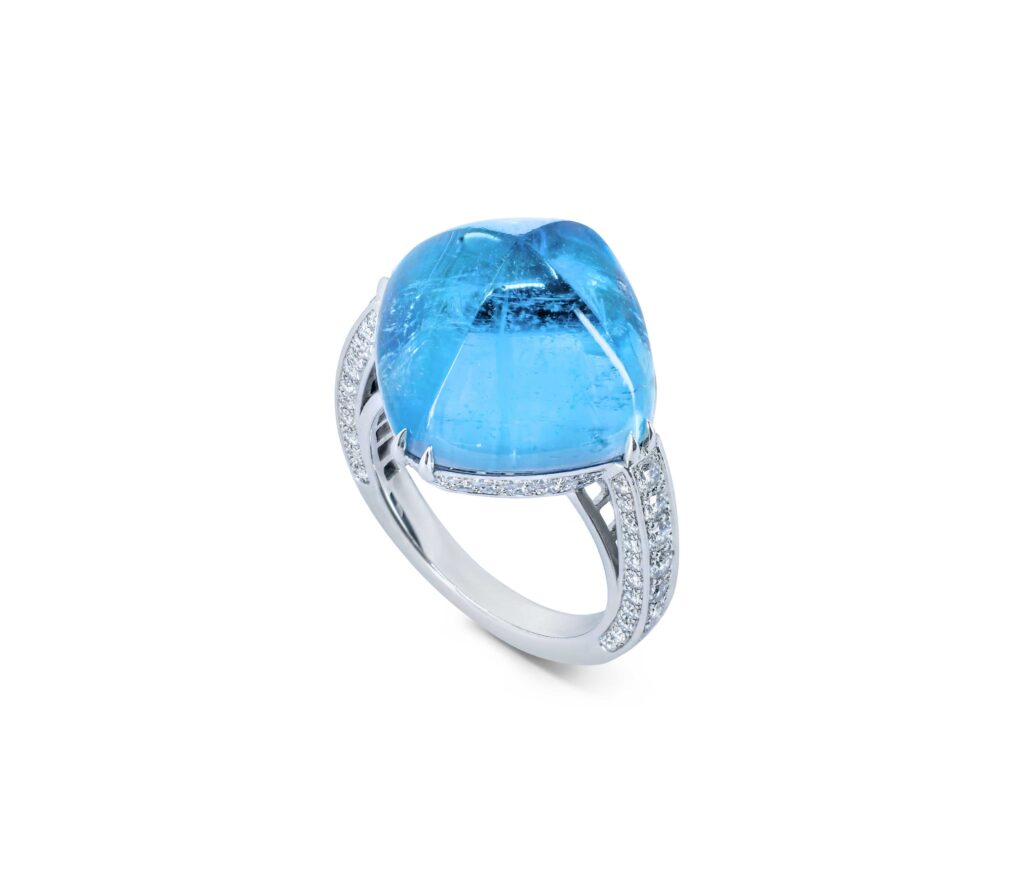
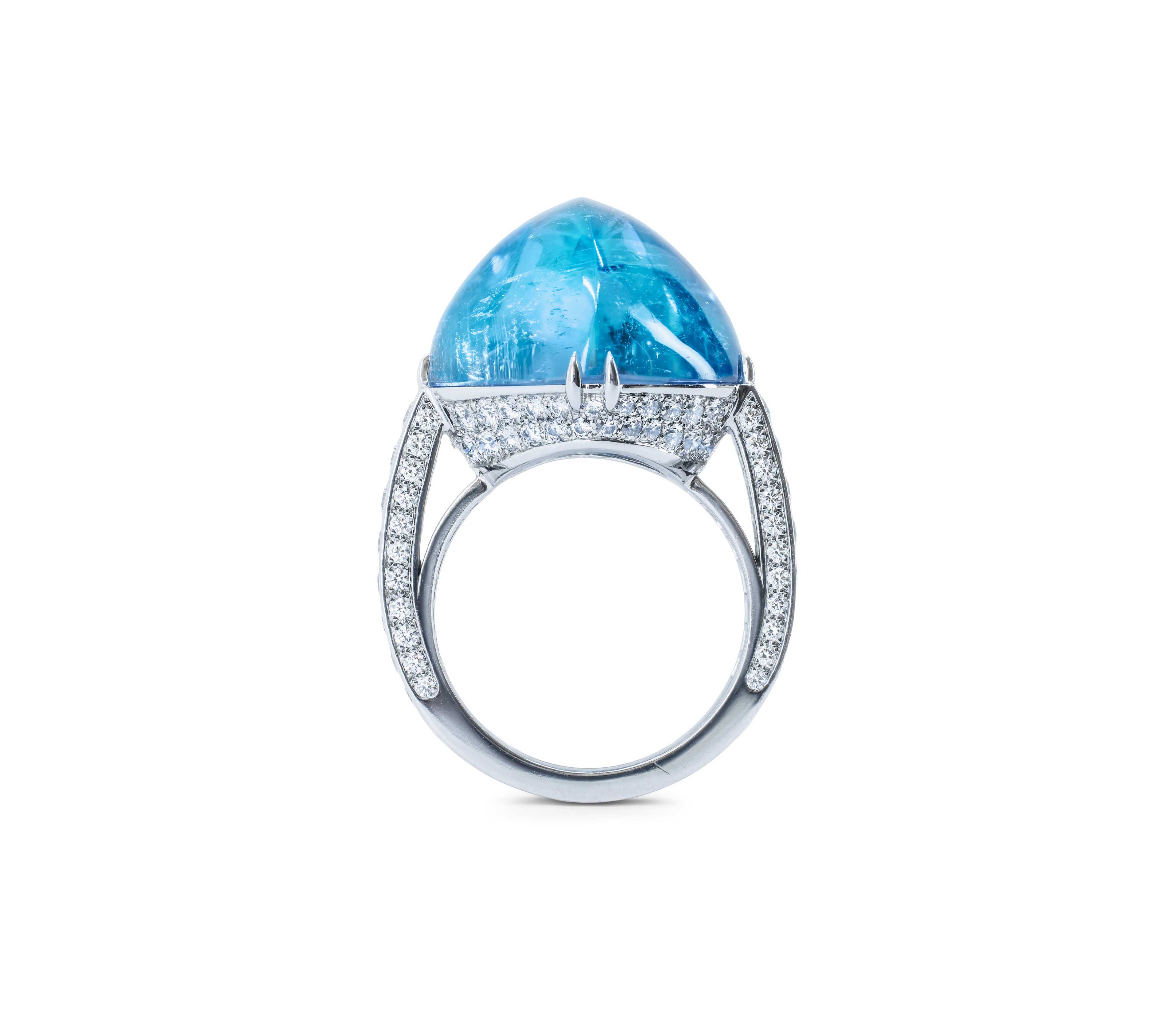
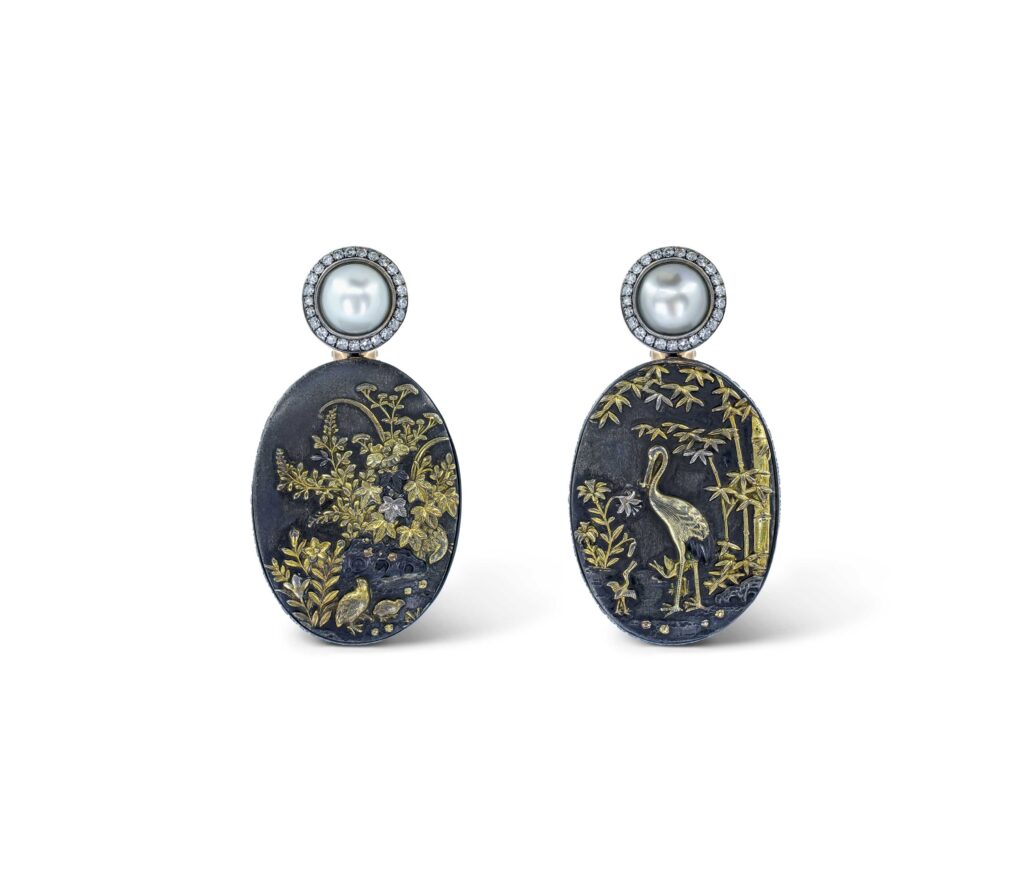
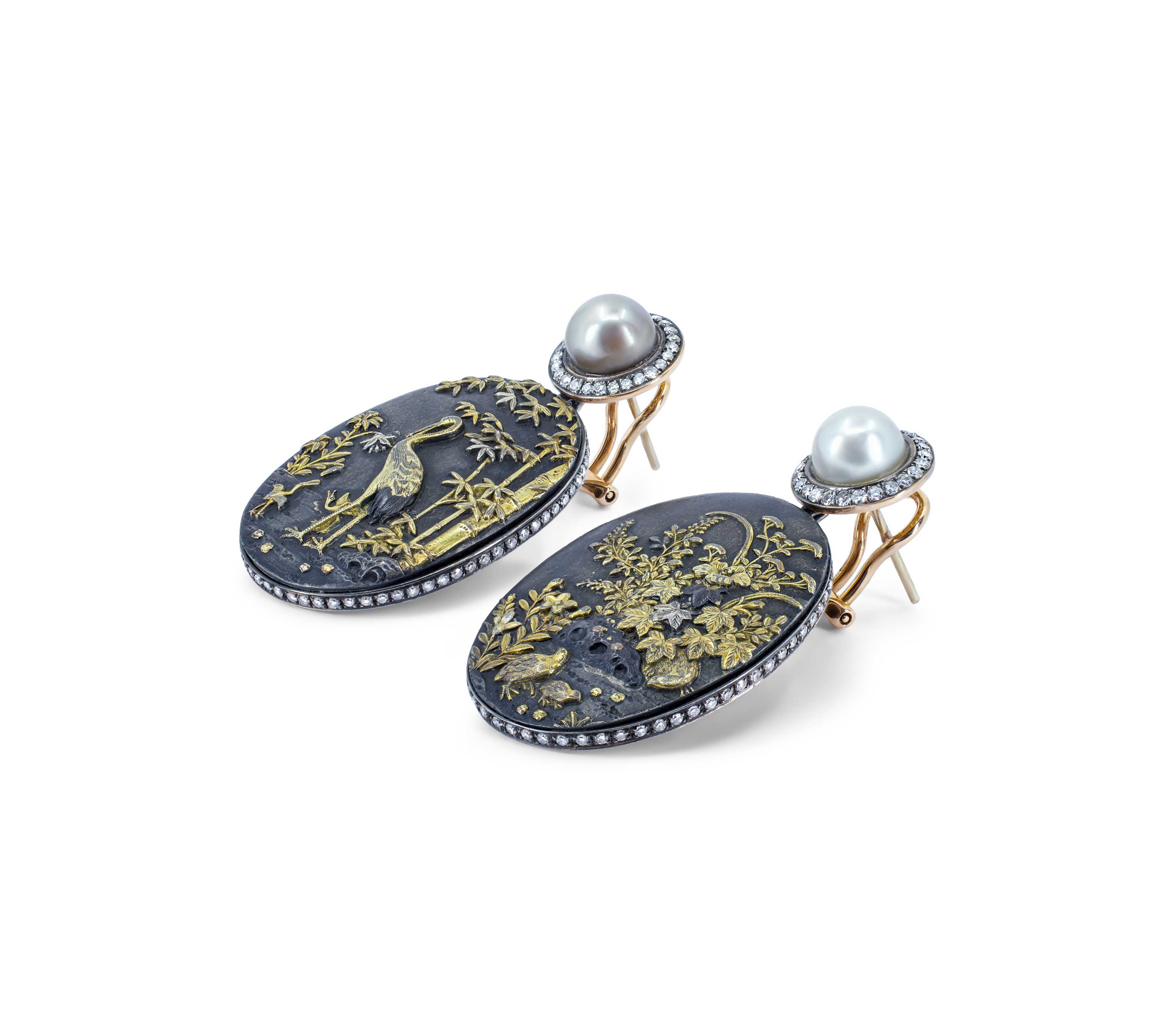
The Technical Character of 9k White Gold in Signed Jewelry
At 37.5% pure gold, 9k white gold occupies a specific niche in maison jewelry production. Its higher proportion of alloying metals, typically palladium, silver, or nickel in pre-EU-regulation period pieces, produces a cooler, more rigid white metal than 18k, with distinct working properties that influenced how master jewelers constructed complex multi-component pieces. British hallmarking standards formally recognized 9k as a standard gold alloy, making it particularly common in signed jewelry produced for or in the UK market during the early-to-mid 20th century.
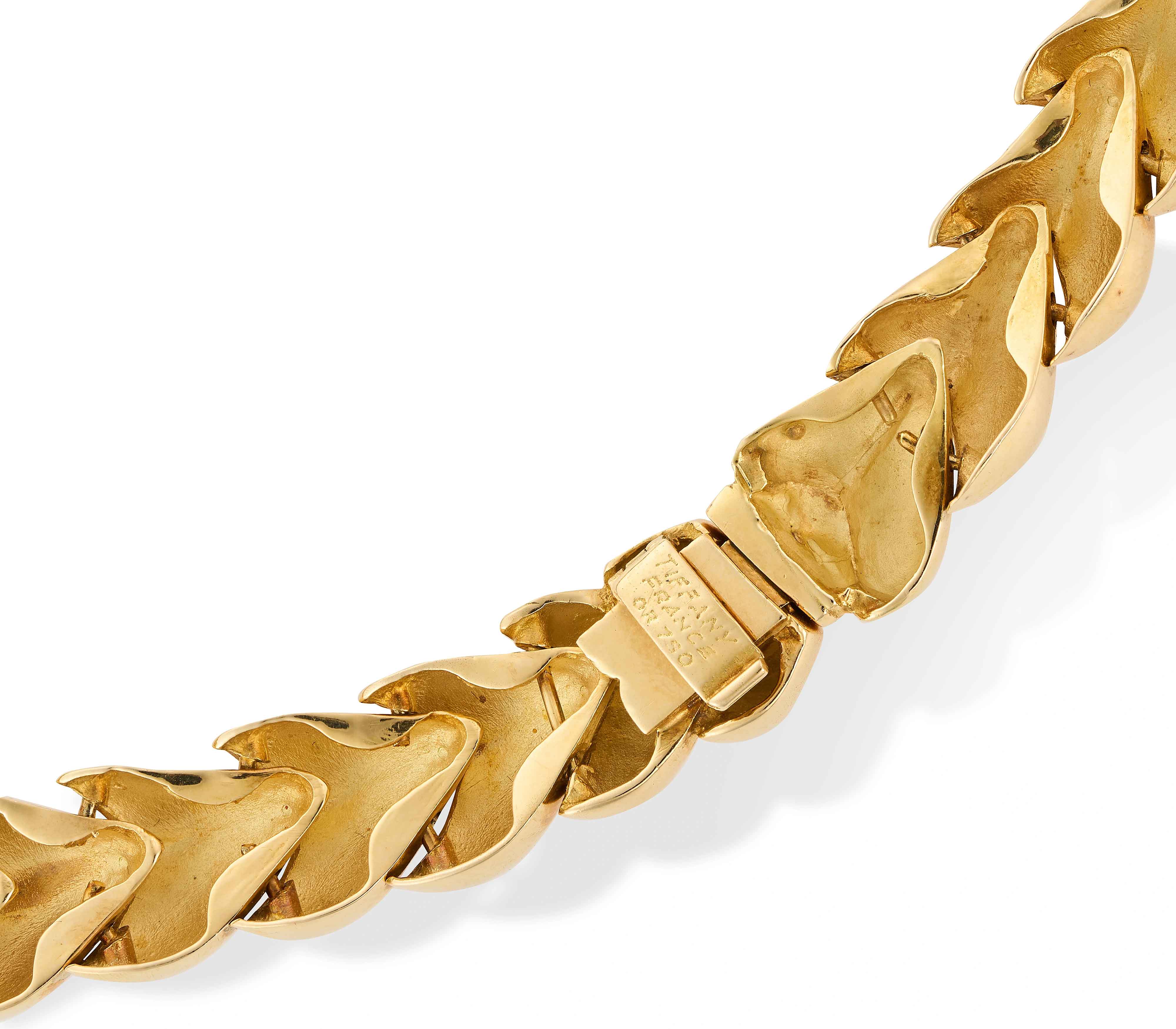
The hallmark conventions are precise and traceable: a “375” fineness mark alongside the assay office symbol, anchor for Birmingham or leopard’s head for London, plus a date letter confirming the year of hallmarking. This documentary precision makes British 9k signed jewelry among the most reliably datable in the collector market.
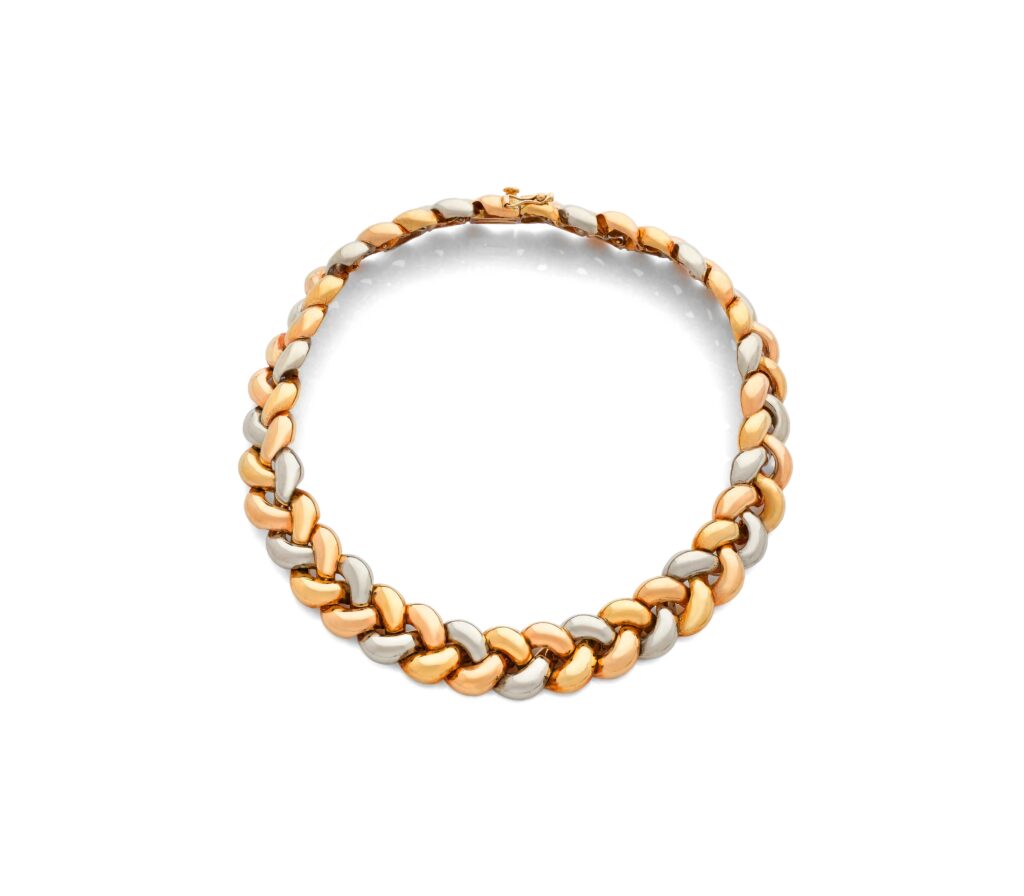
In complex vintage pieces, 9k white gold often appears alongside other alloys within a single construction, combined with platinum for structural components or 18k for decorative elements. This pragmatic material allocation is itself a period authentication marker characteristic of mid-century atelier craftsmanship.
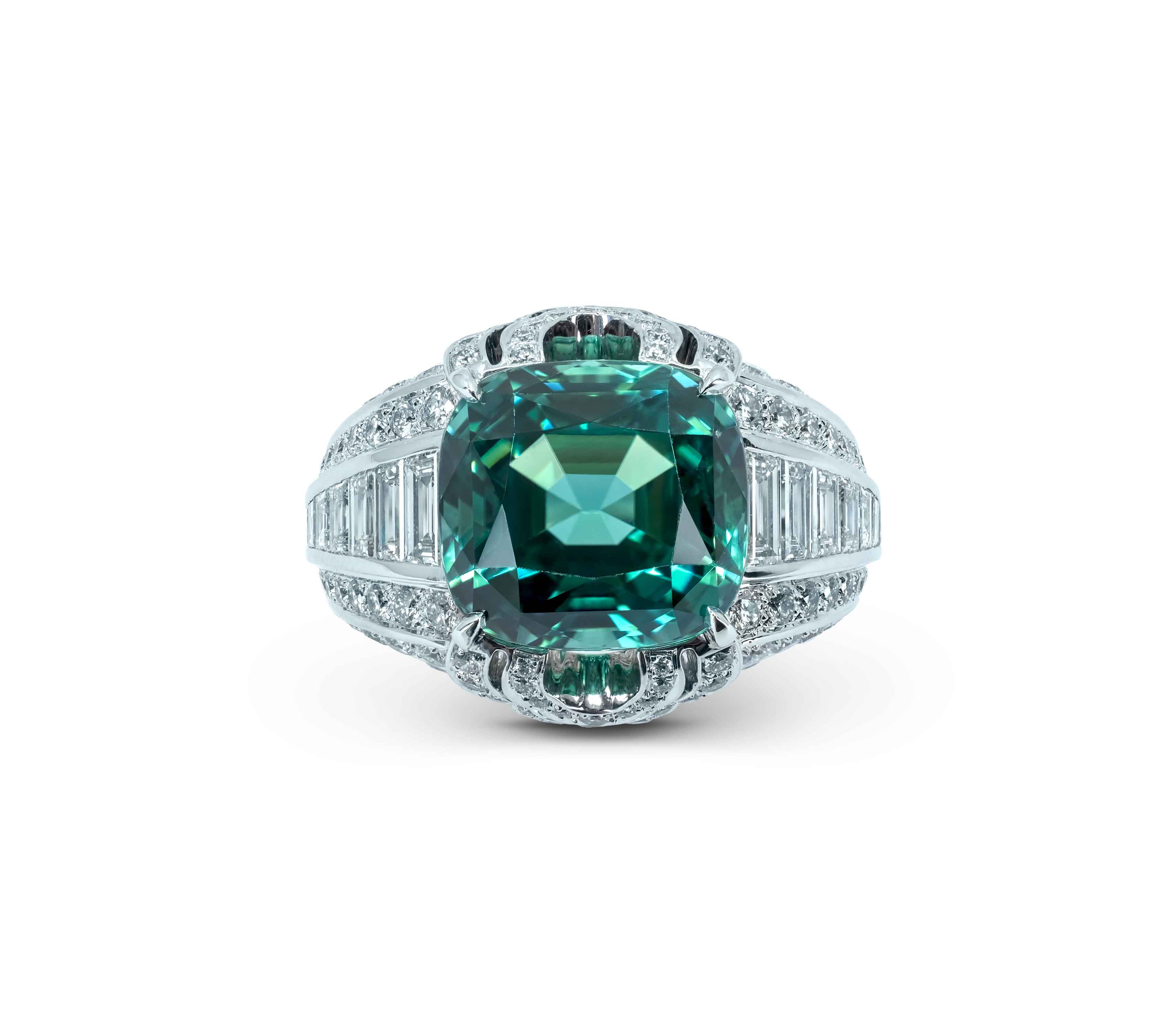
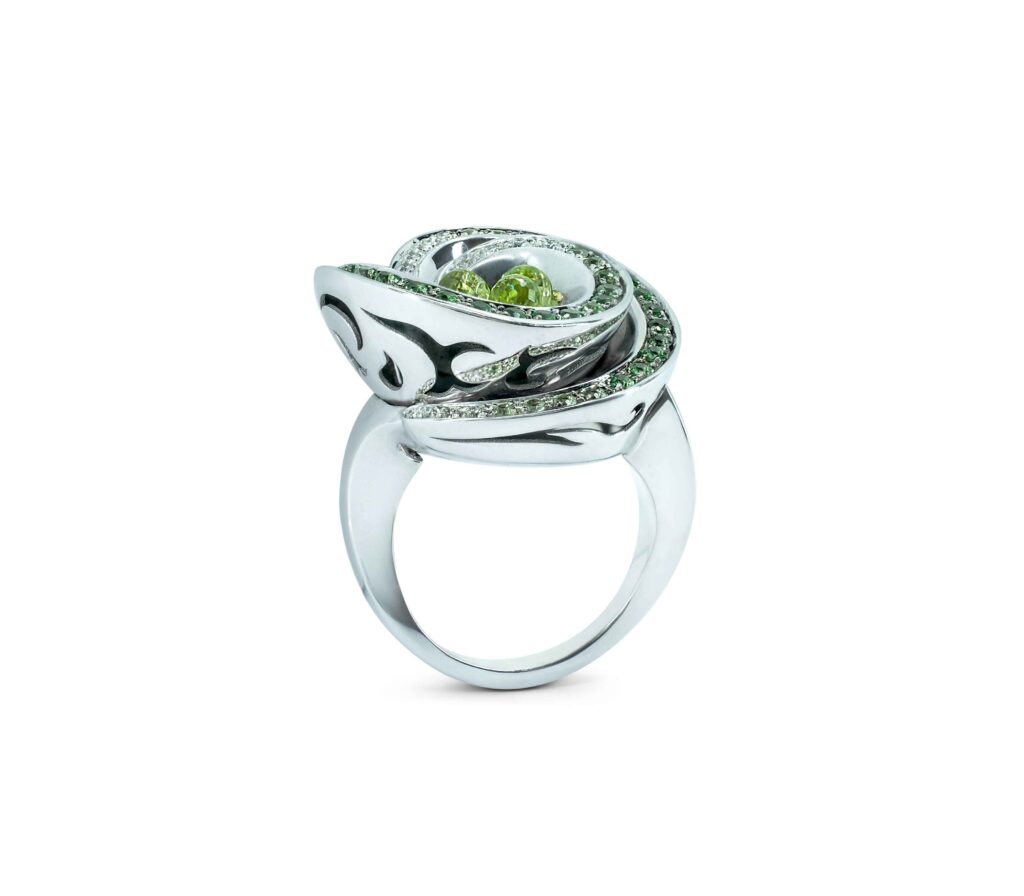
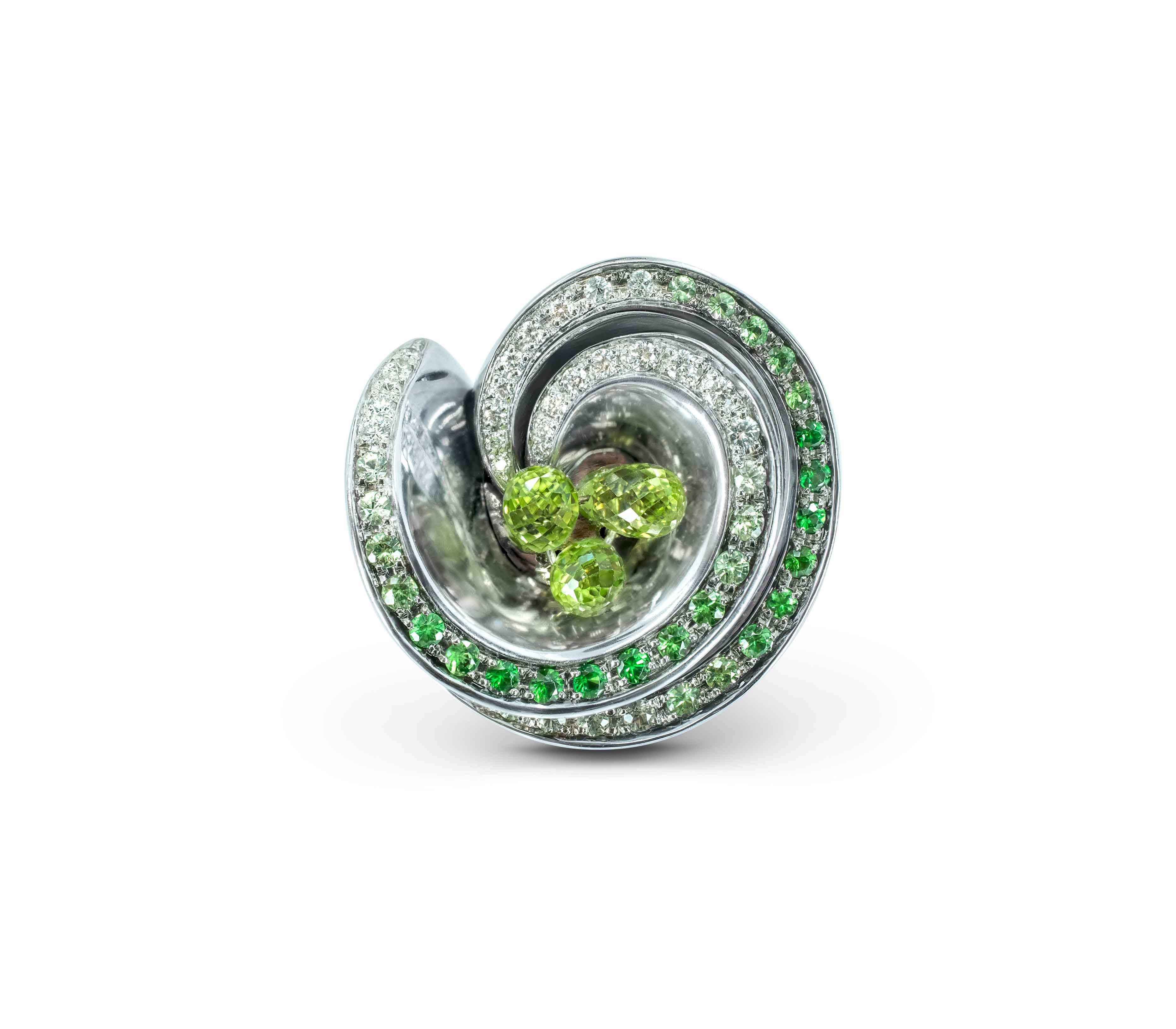
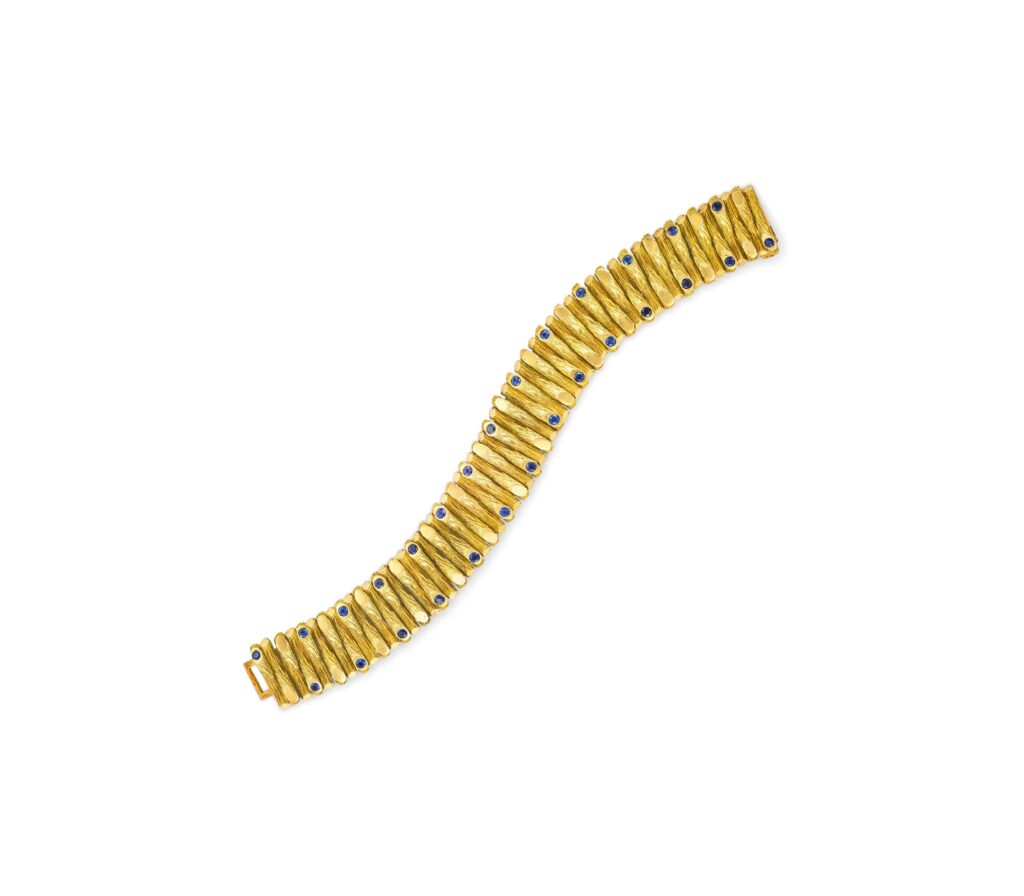
The Grygorian Gallery 9k White Gold Collection
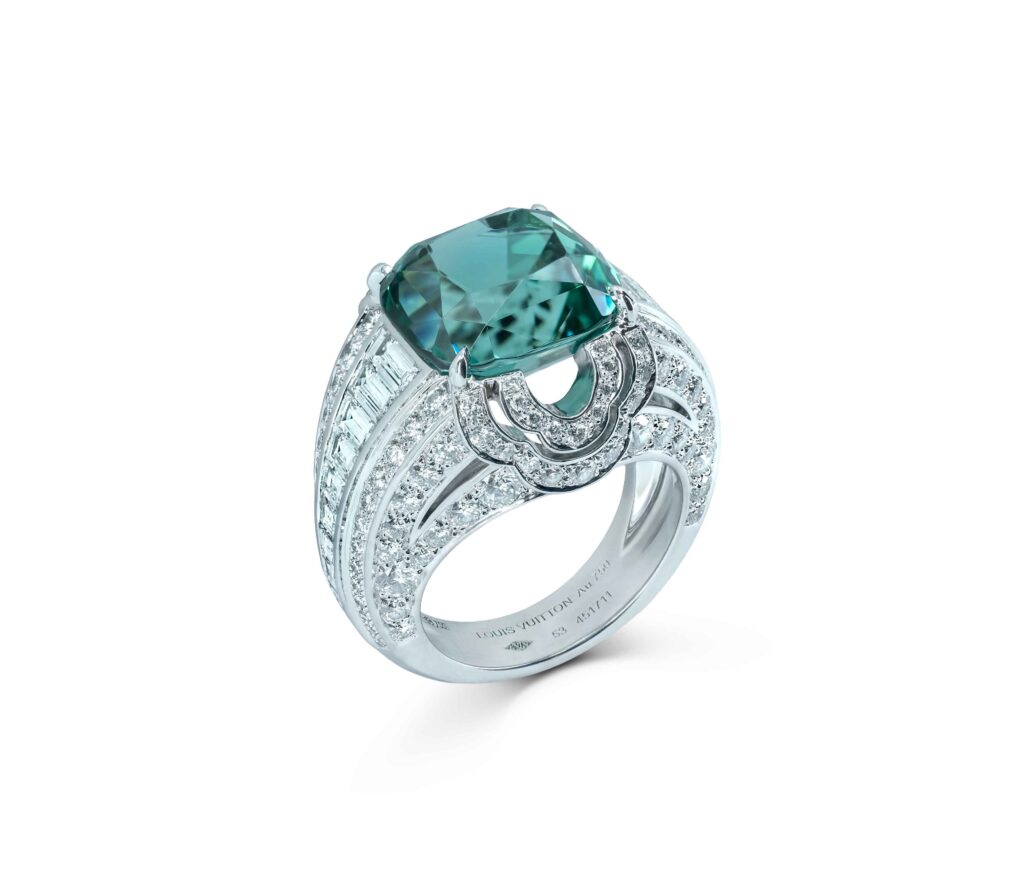
Multi-alloy construction requires authentication expertise extending beyond simple hallmark reading. A designer piece incorporating 9k white gold alongside platinum and 18k components demands assessment of each metal zone’s consistency with known house production methods, including how different alloys were joined, finished, and marked within a single object.
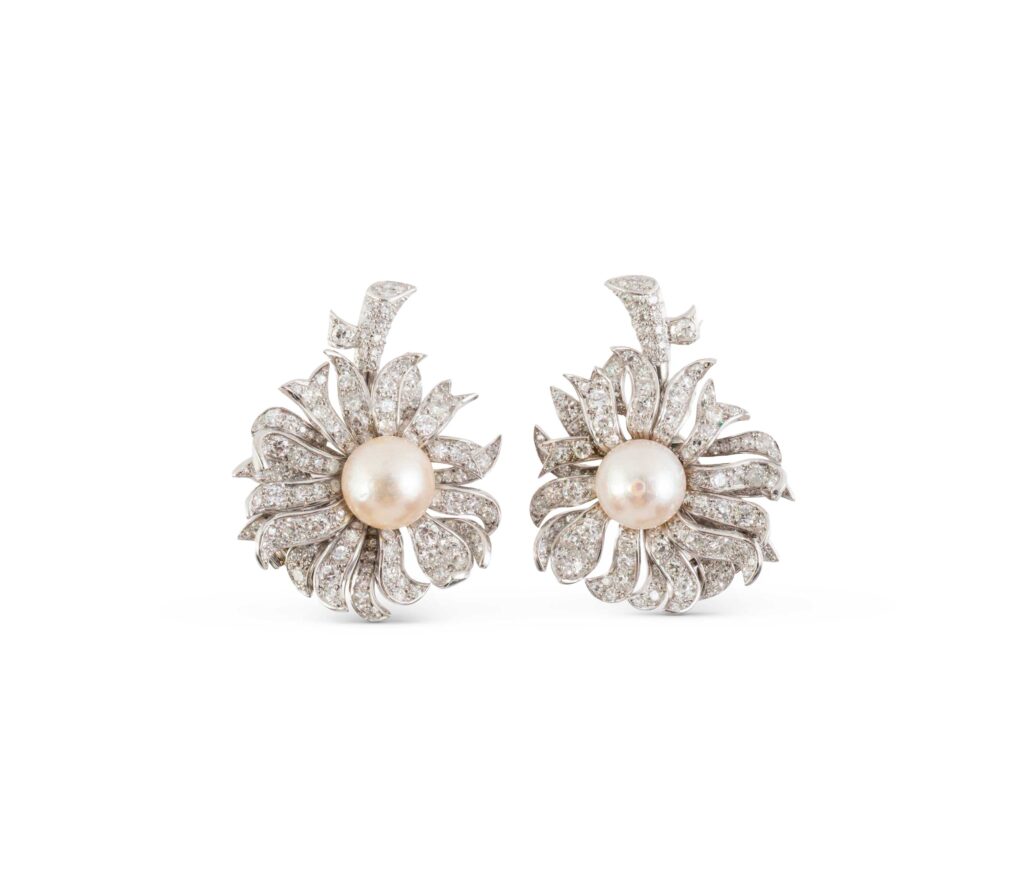
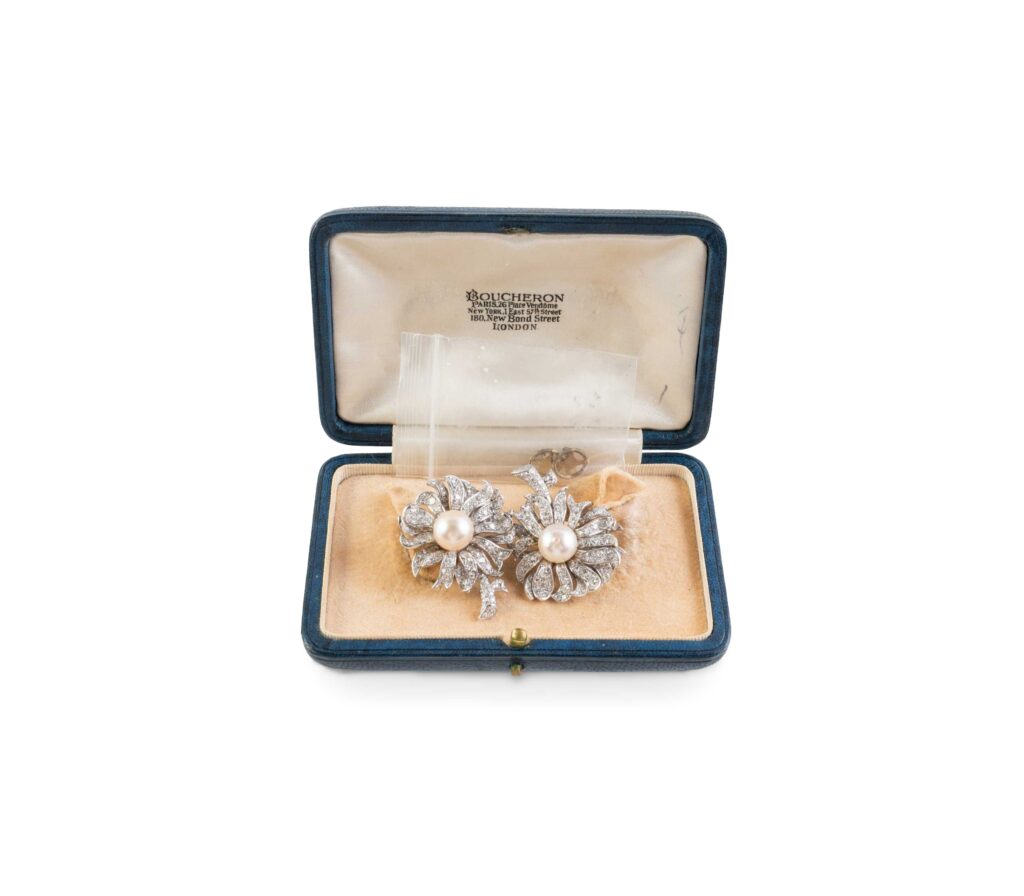
The authentication approach applied here draws on Eduard Grygorian’s direct professional experience with Boucheron, attentive to the precise construction logic of complex vintage pieces. Original components, period-appropriate surface treatments, and documented provenance are the acquisition priorities for every signed piece entering this collection.
Collecting Signed 9k White Gold Jewelry
Collector attention has historically concentrated on platinum and 18k pieces, leaving authentic maker’s marks from houses like Boucheron on complex multi-alloy constructions at price points that undervalue their craft content and design heritage credentials.
The British hallmarking system’s documentary precision adds provenance confidence unavailable with many continental pieces. Date letters and assay marks provide independently verifiable production windows that strengthen authentication narratives considerably. For collectors approaching signed jewelry as a collector’s investment, these rare collectibles represent bespoke jewelry craftsmanship where rigorous documentation meets significant design legacy at a price point still misaligned with their true significance.