Yellow Gold and the Maison Design Tradition
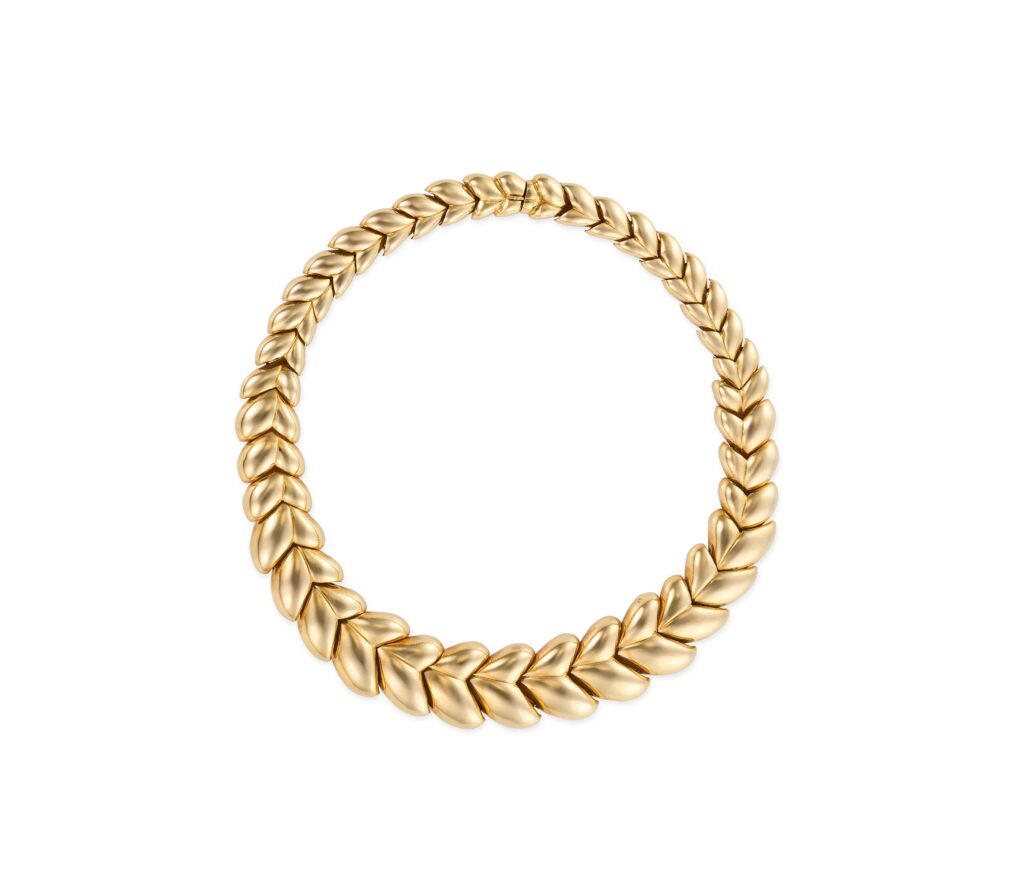
No material is more deeply embedded in the design identity of the great jewelry houses than yellow gold. Its technical properties, exceptional malleability for hand-forming, compatibility with virtually every gemstone, and a color that intensifies rather than competes with warm-toned stones, made it the default creative medium for generations of master jewelers. Van Cleef & Arpels built their Mystery Setting around calibré-cut stones floating within yellow gold frameworks; Cartier’s mid-century “Panthère” compositions exploited the metal’s warmth against pavé diamond contrast; René Boivin’s sculptural pieces used gold’s plasticity to achieve organic forms impossible in harder metals.
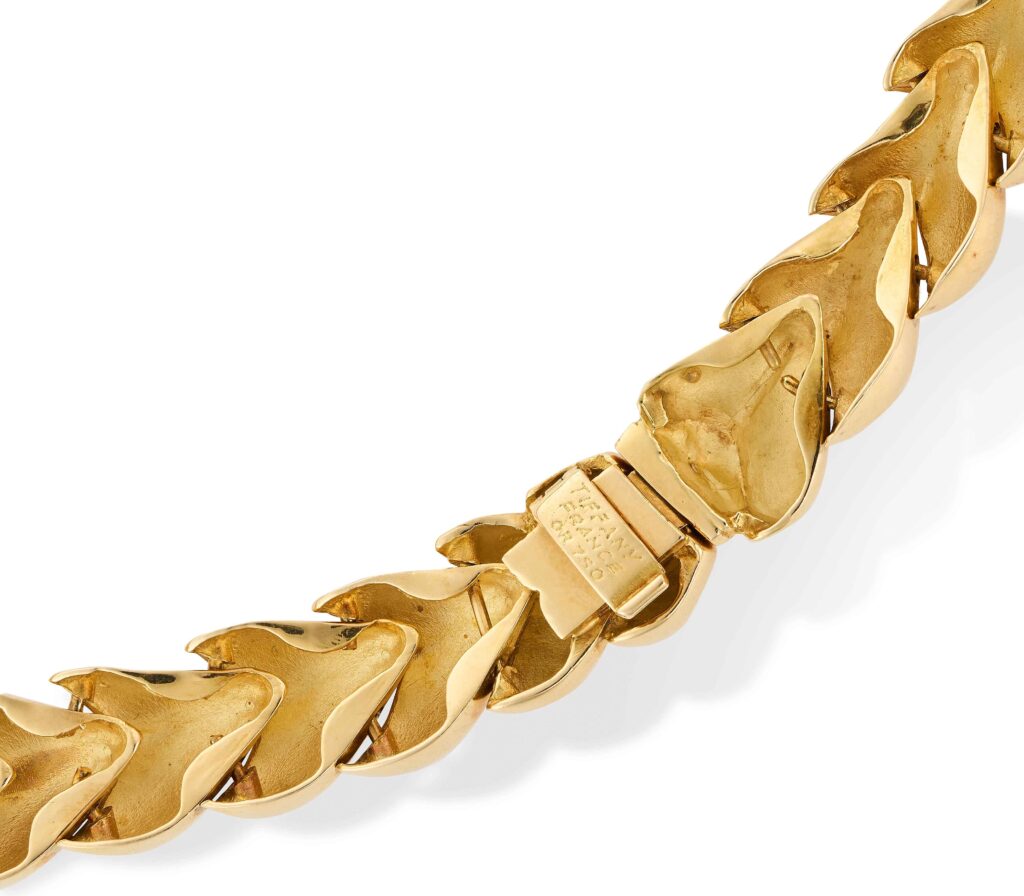
French hallmarked pieces bear the eagle’s head guarantee mark for 18k gold alongside the maker’s poinçon, typically struck on clasp interiors, link undersides, or ring shanks. The poinçon de maître, a lozenge-shaped cartouche containing the maker’s initials legally registered with French assay authorities, serves as a direct signature equivalent traceable to specific production periods.
Authentication extends beyond hallmarks to construction analysis. Period-appropriate surface treatments, hand-finishing evidence, and the mechanical logic of articulated components confirm authentic atelier craftsmanship in ways that stamps alone cannot.
The Grygorian Gallery Yellow Gold Collection
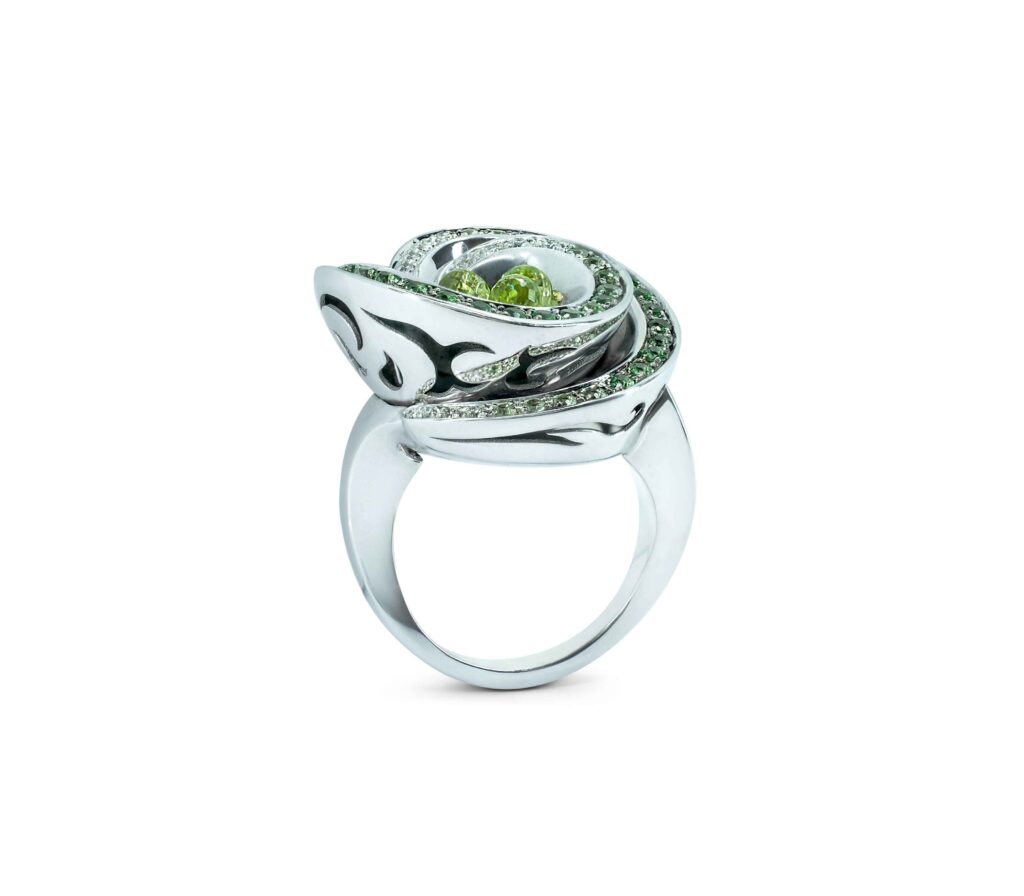
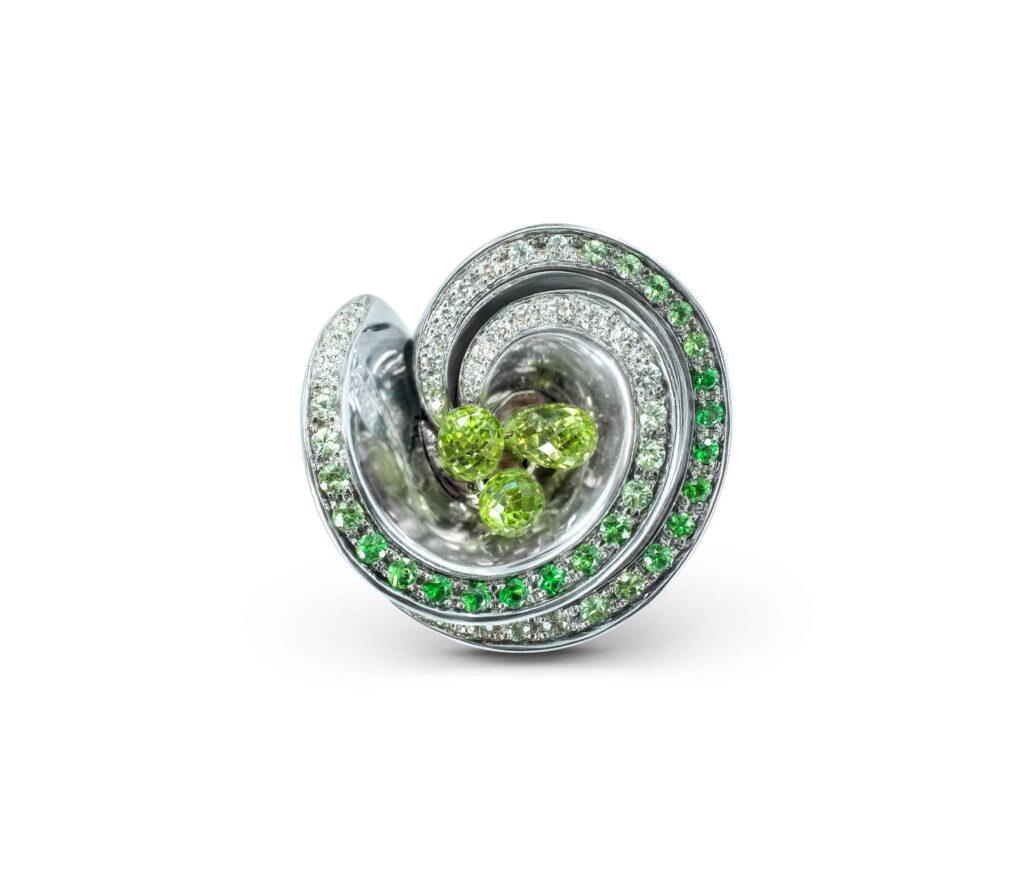
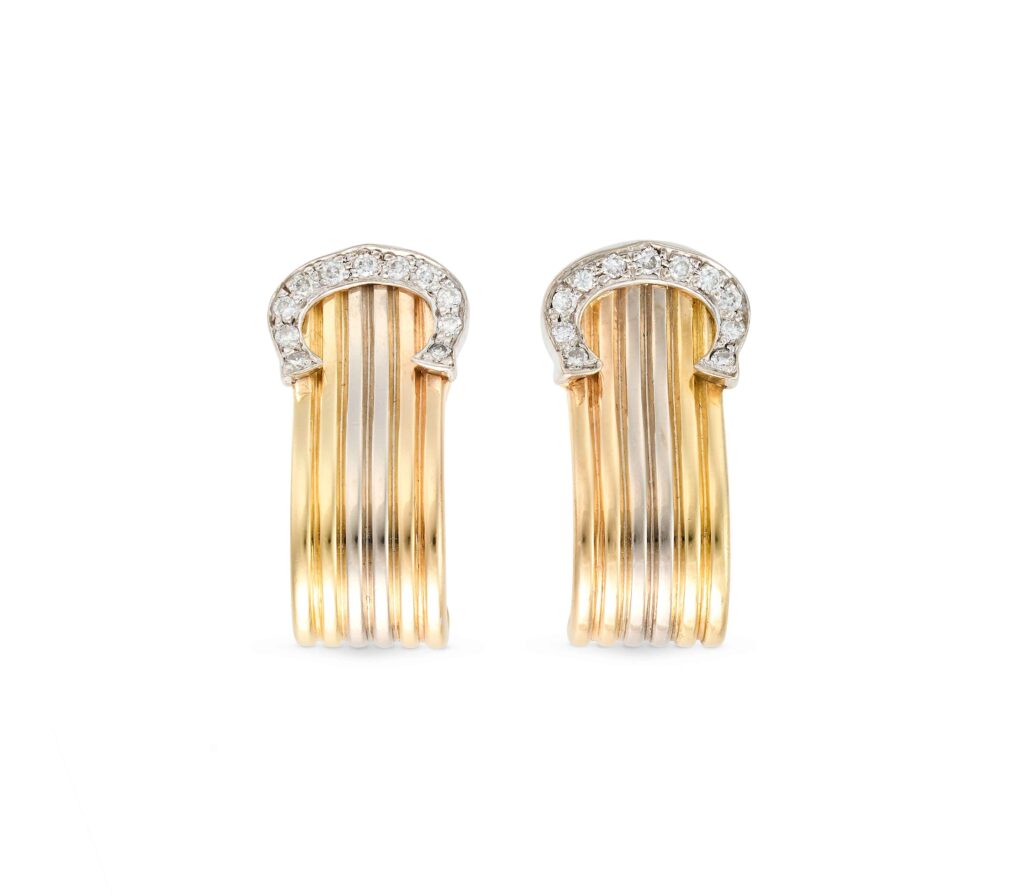
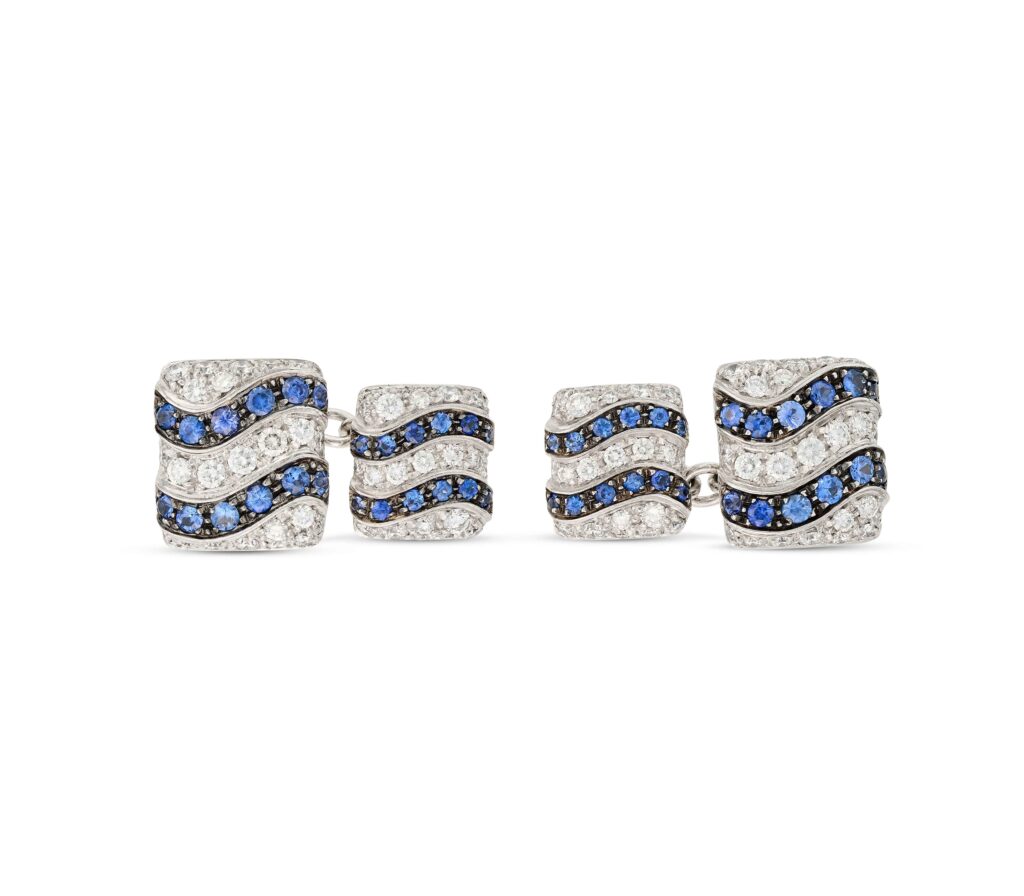
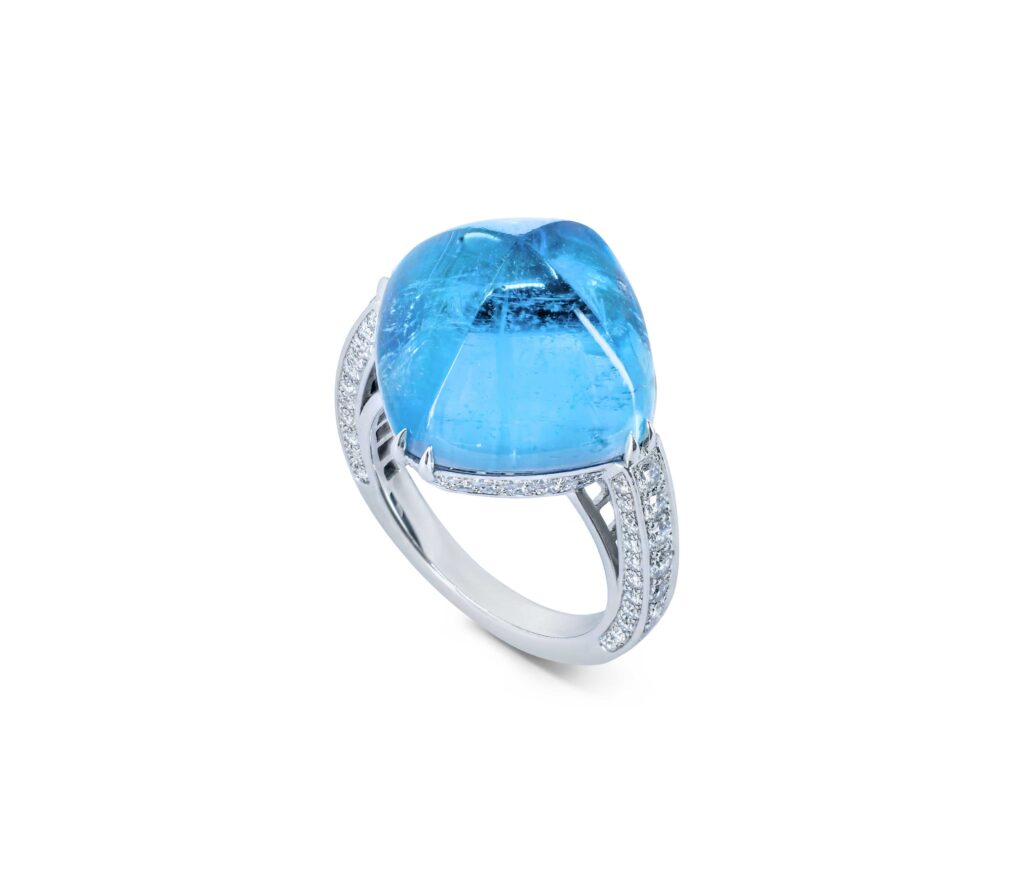
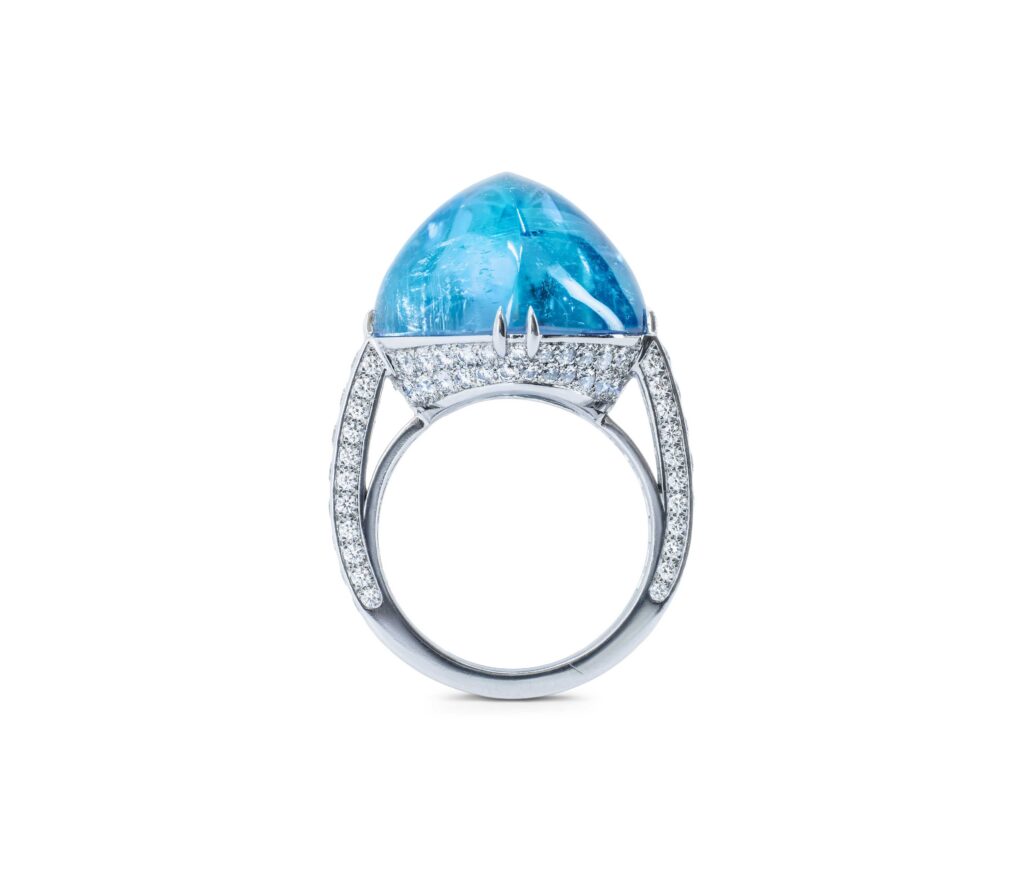
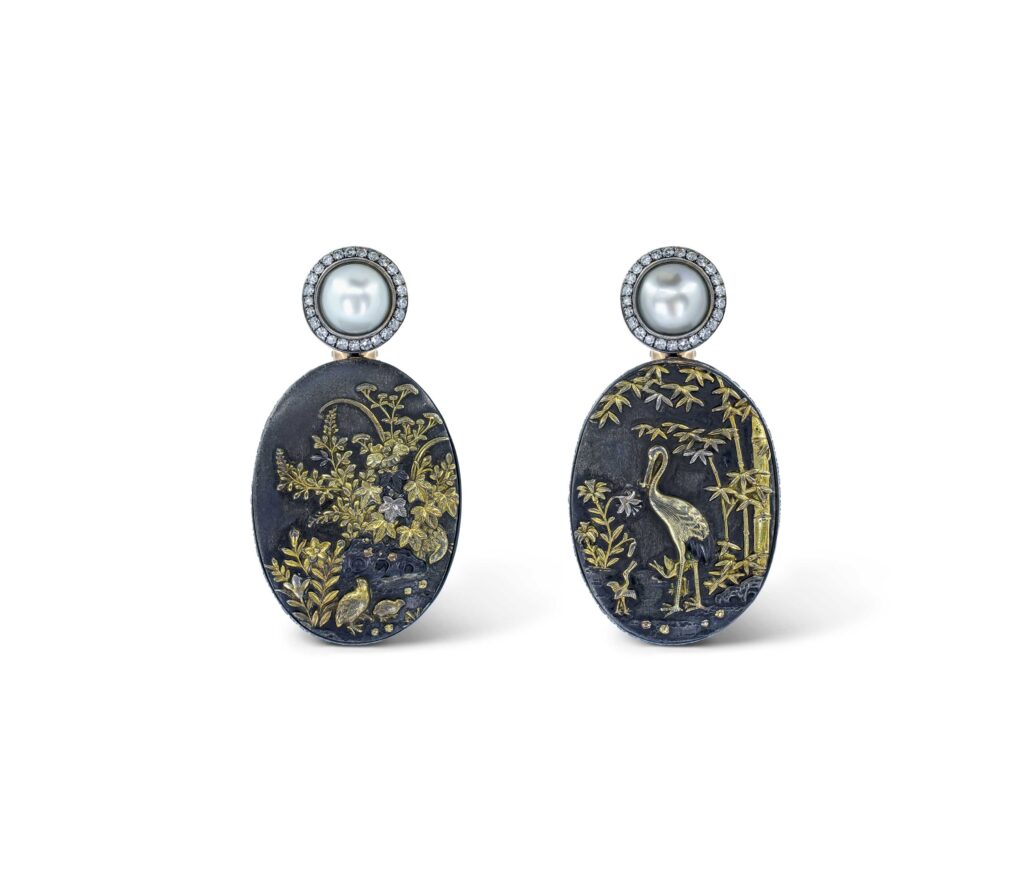
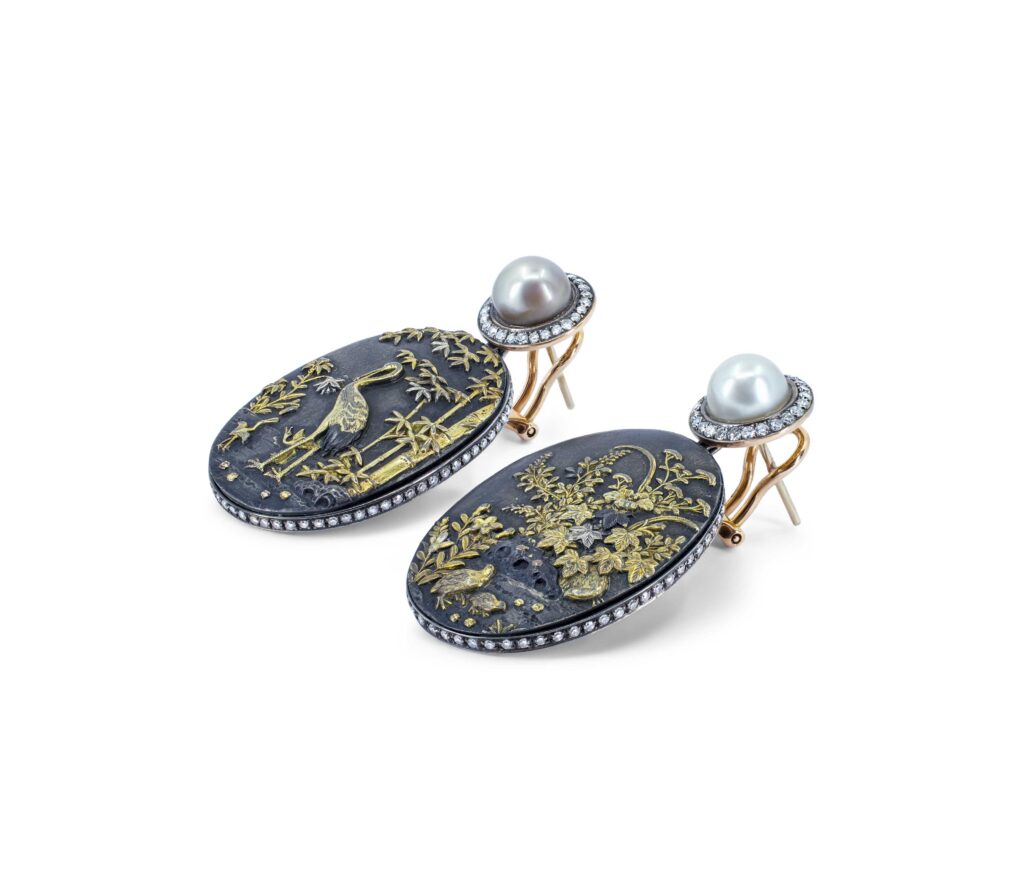
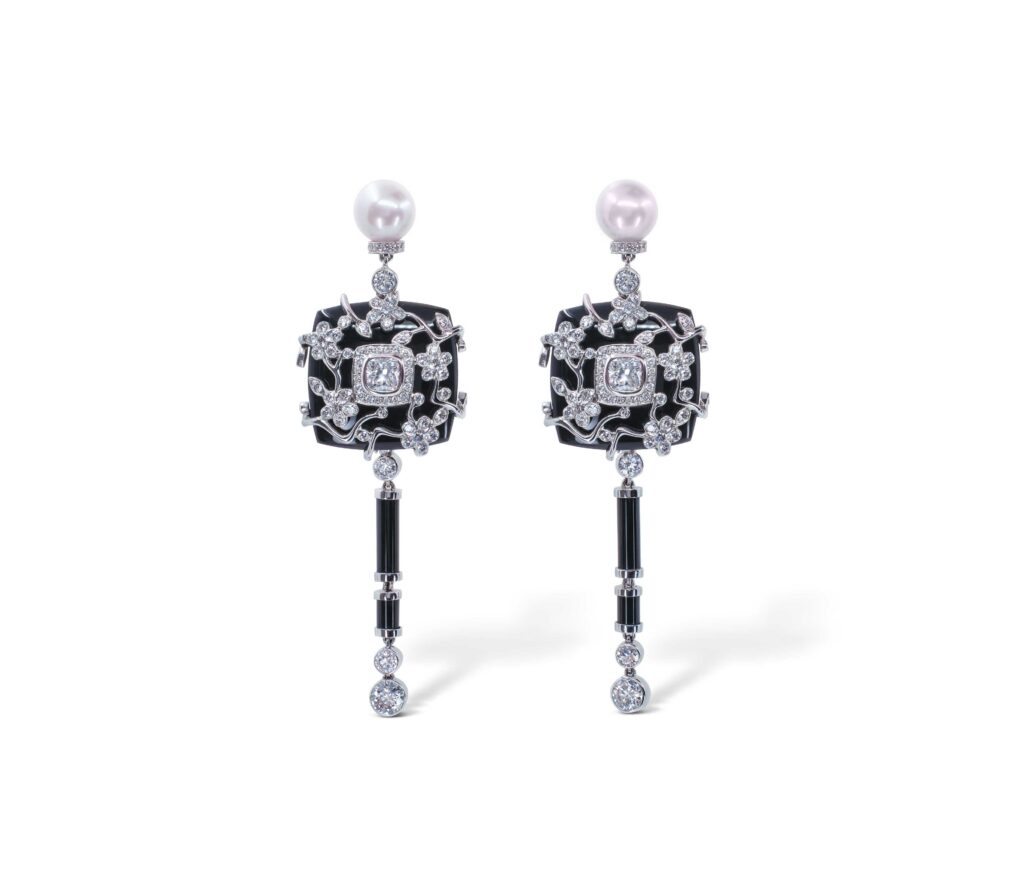
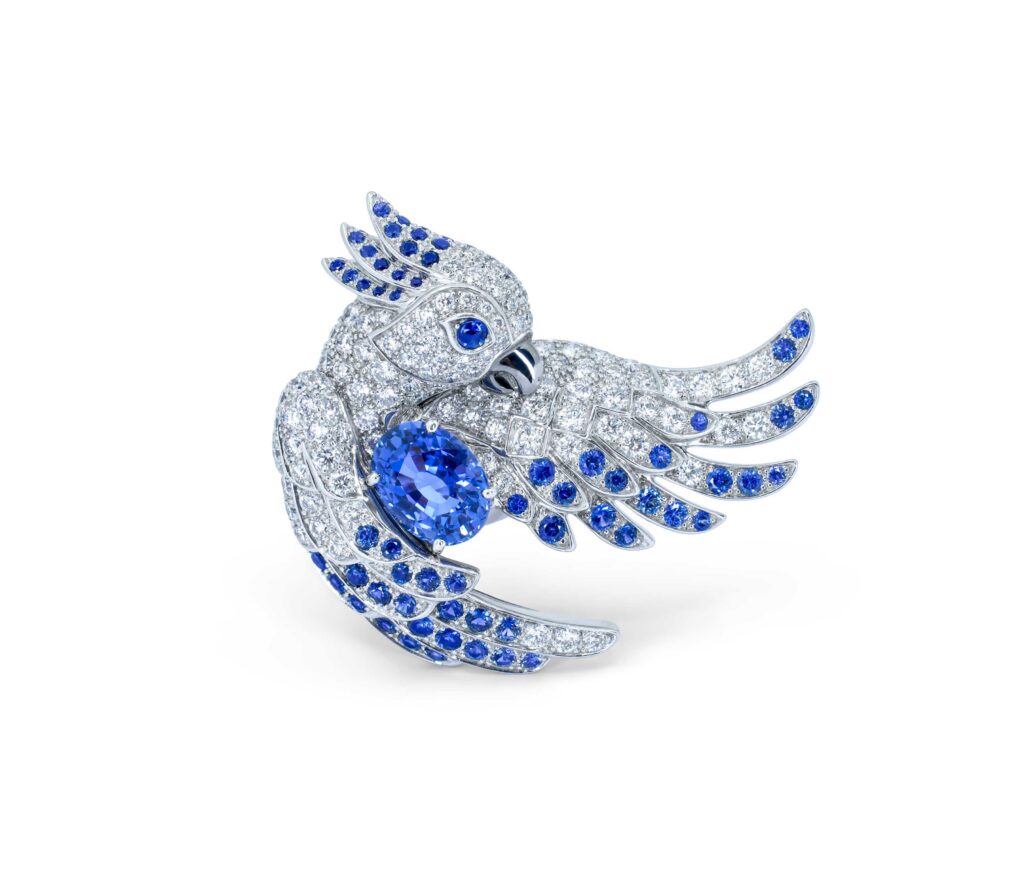
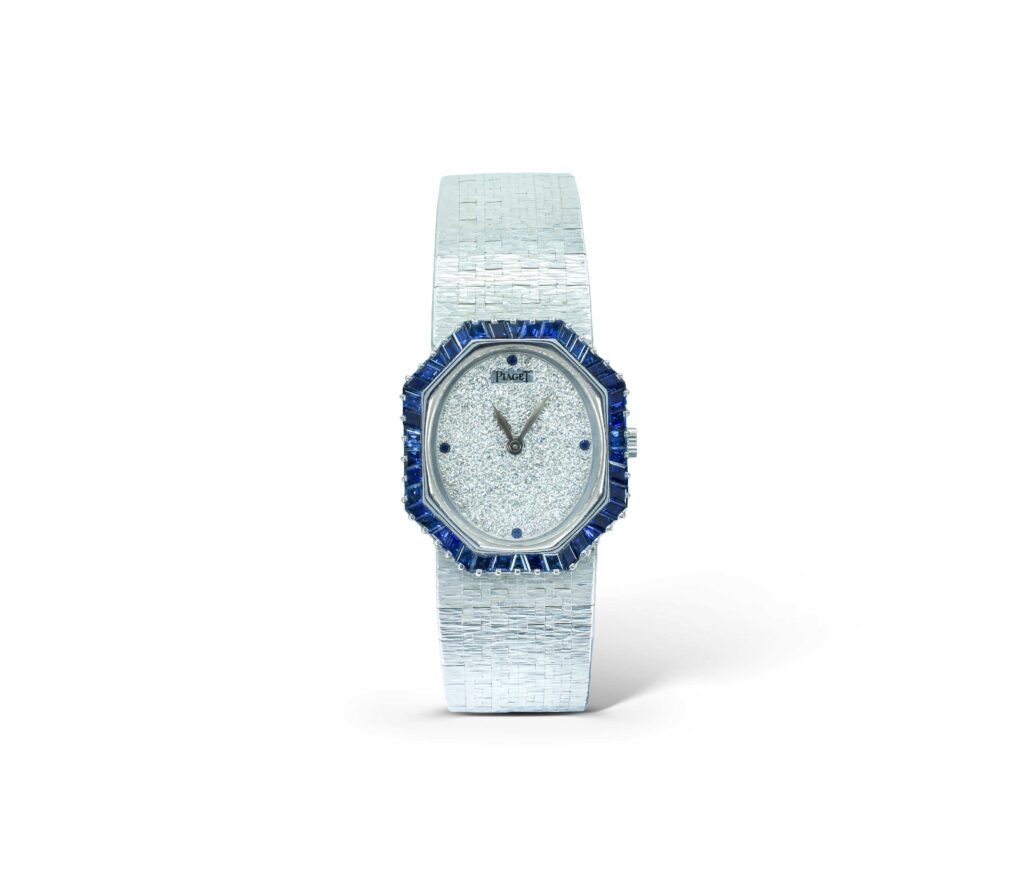
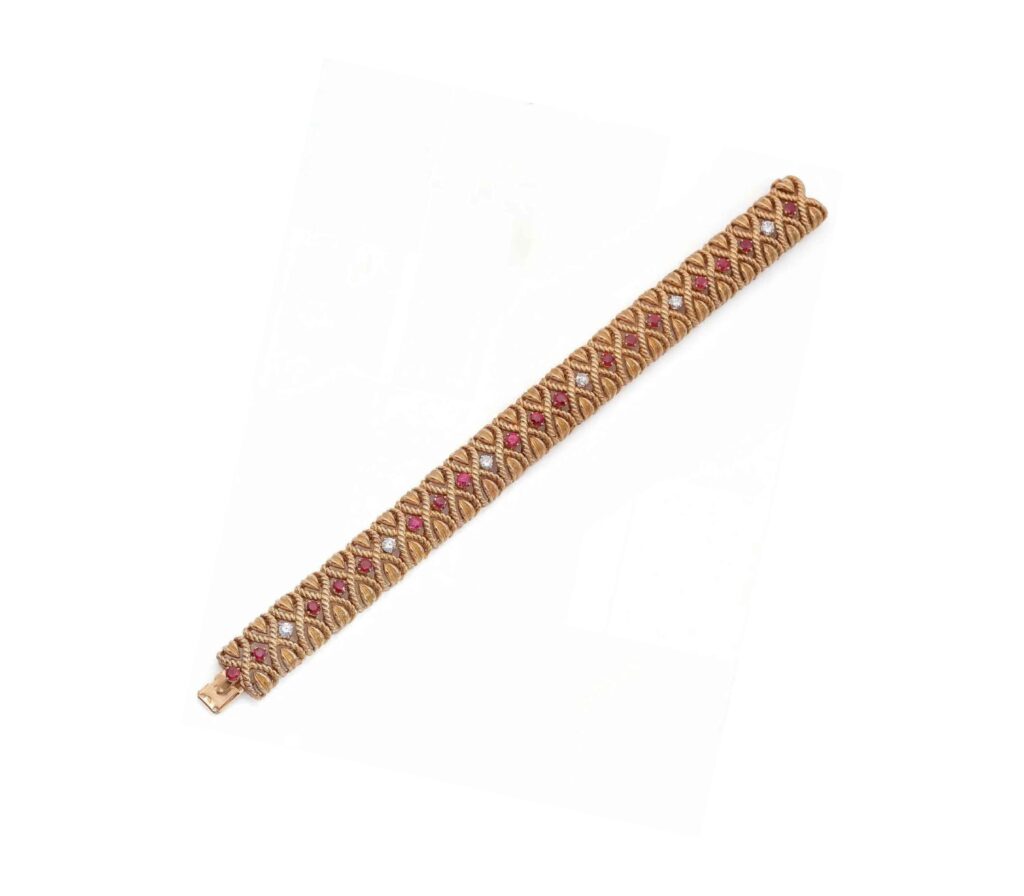
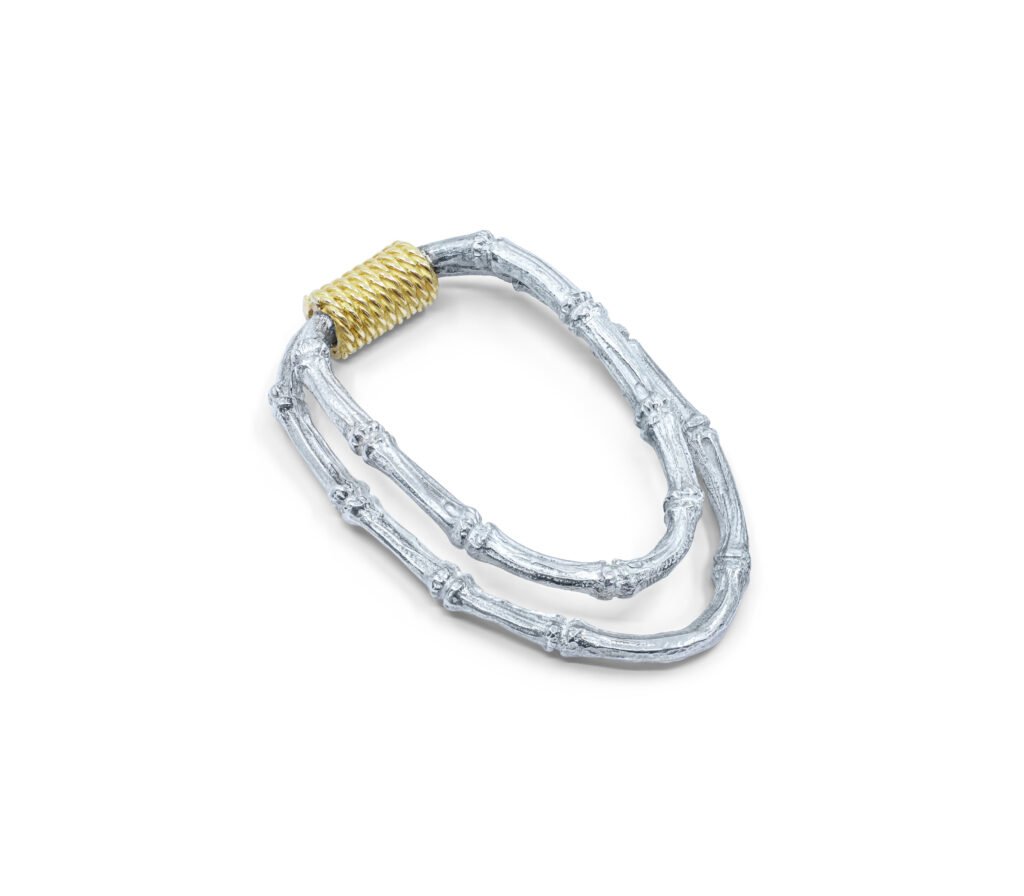
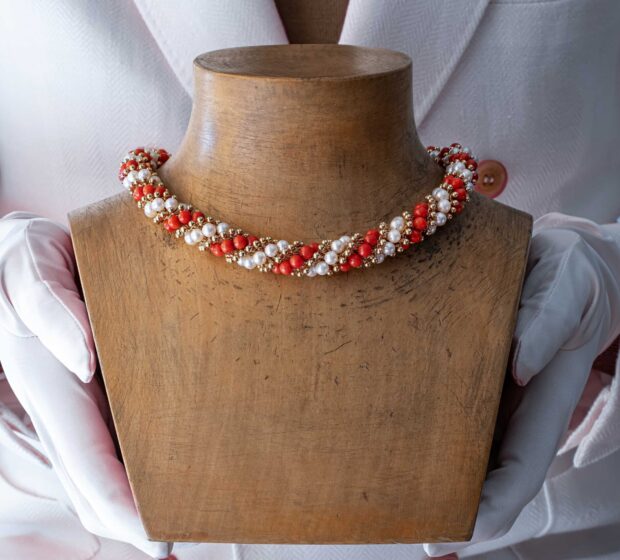
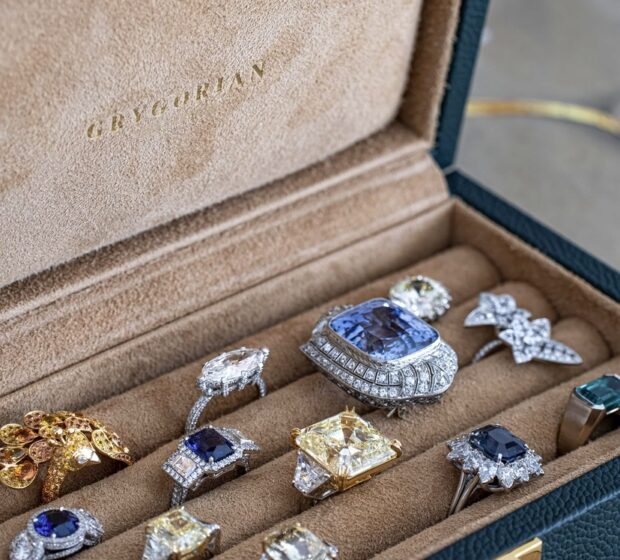
The range within signed yellow gold jewelry is deliberately broad, from articulated high jewelry representing a maison’s technical ambitions to functional accessories where the metal serves as both structural material and design statement. What unifies the collection is maker’s mark integrity and the verifiable relationship between construction quality and attributed house.
Boucheron’s characteristic gold texturing techniques, the mechanical precision of Van Cleef’s articulated bracelet links, and the finishing standards of Place Vendôme production are reference points built from direct professional knowledge of these houses rather than secondary research. Each designer piece is assessed against period-specific construction logic before entering the collection.
The Investment Logic of Signed Yellow Gold
Yellow gold signed pieces occupy a uniquely stable position in the luxury collectibles market. Precious metal content provides an intrinsic value floor; maison provenance adds a design heritage premium that appreciates independently of spot gold prices. This dual structure creates a more resilient collector’s investment than either pure gemstone acquisitions or non-hallmarked vintage jewelry.
Sustained demand from collectors in Europe, the Gulf, and Asia, where yellow gold carries particular cultural prestige, has kept the market for authenticated pieces consistently deep across economic cycles. Signed examples with complete provenance and original documentation represent rare collectibles at the intersection of material value, iconic design legacy, and certified authentic brand heritage.