
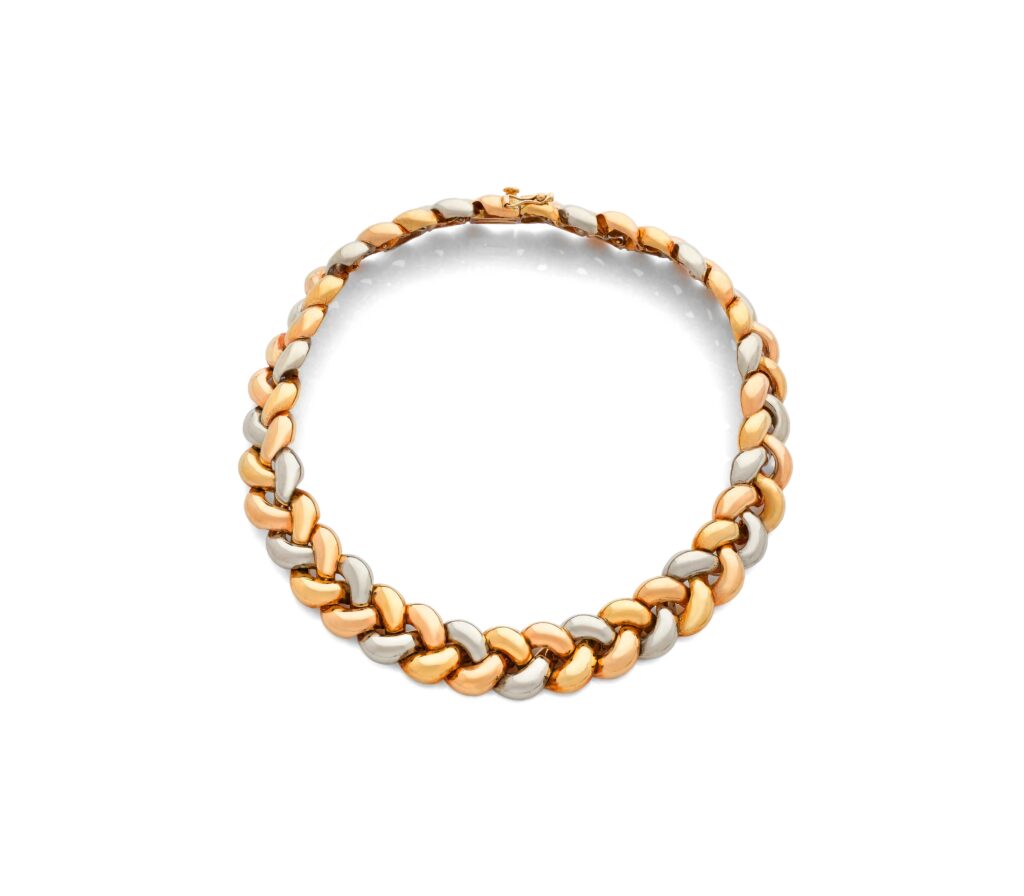

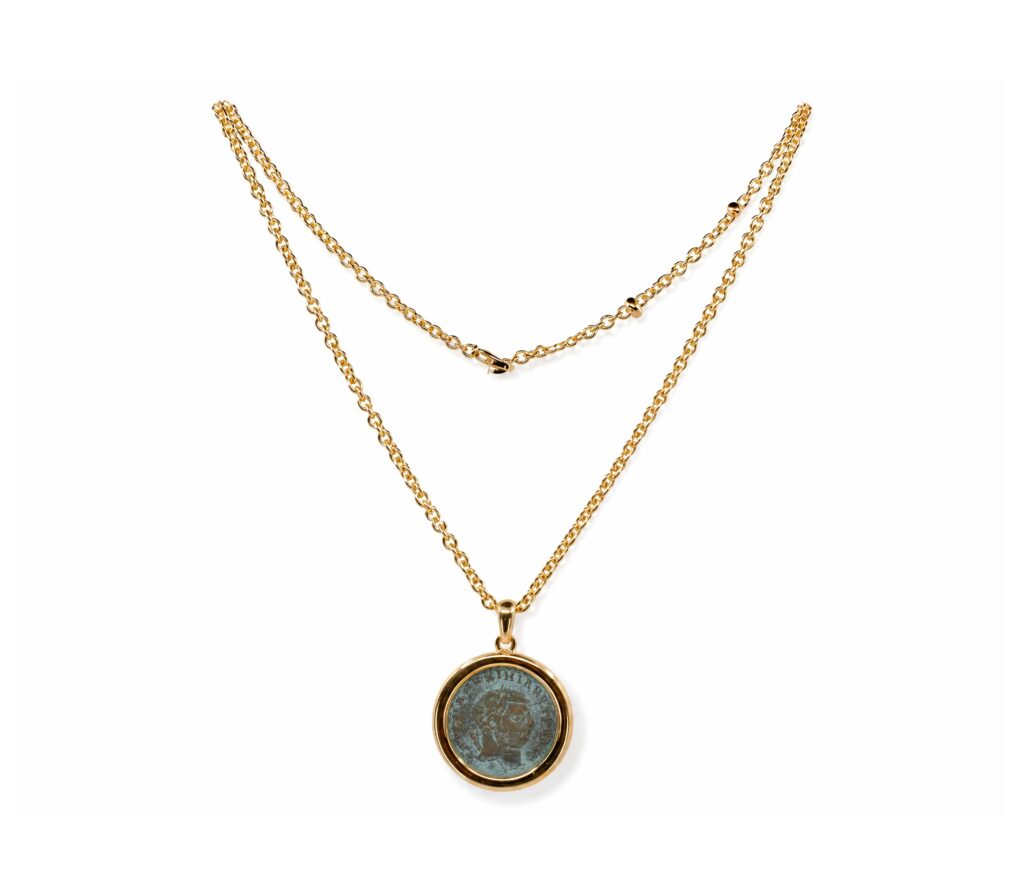

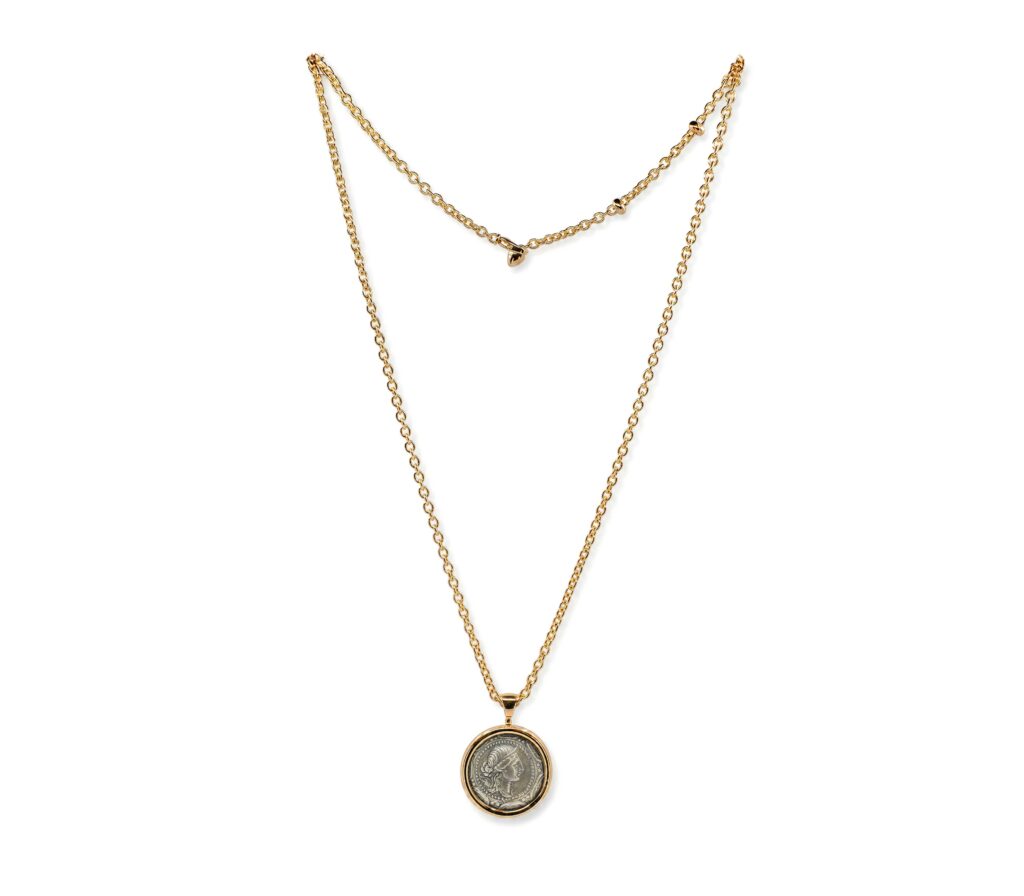

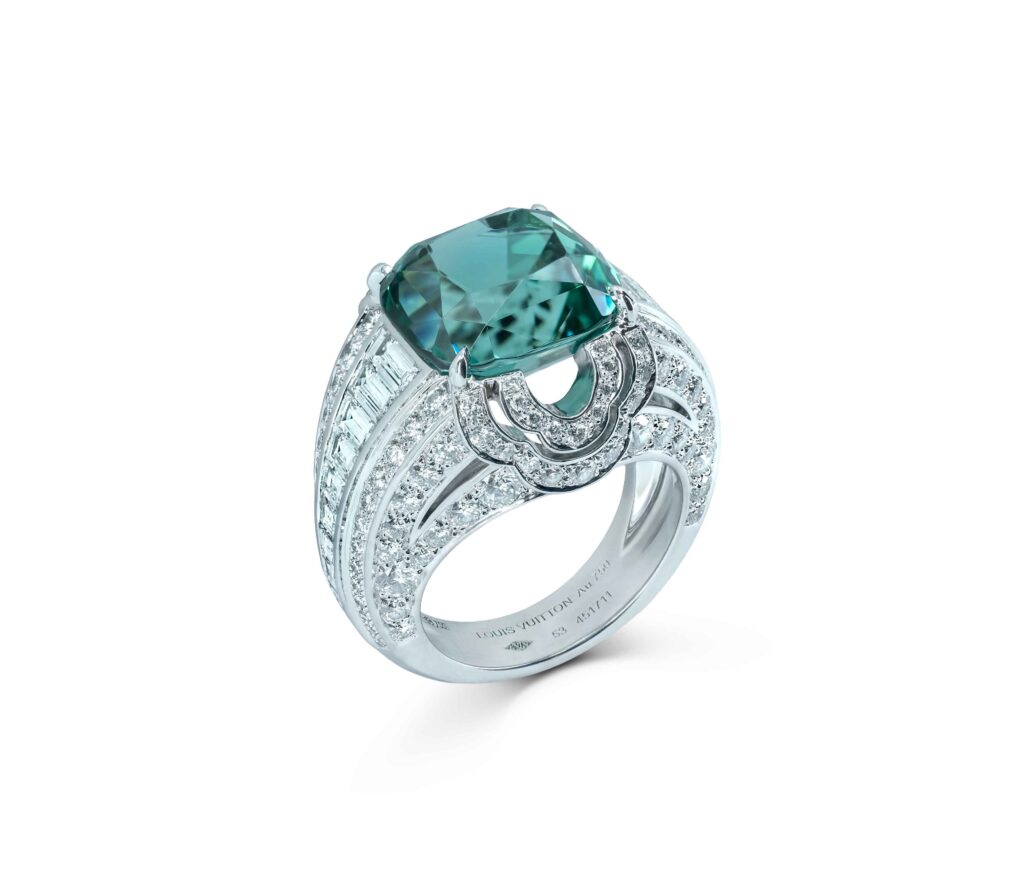
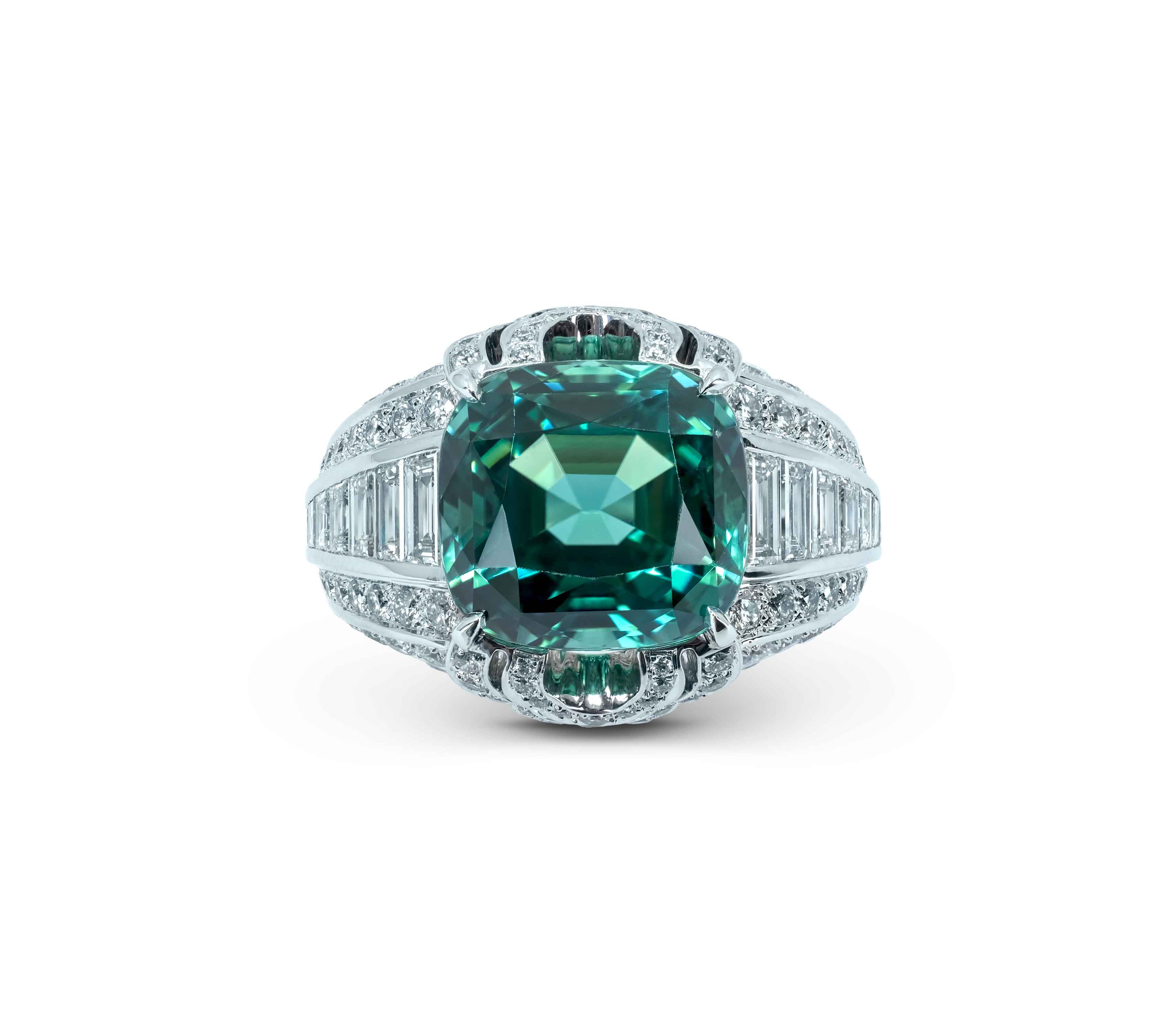
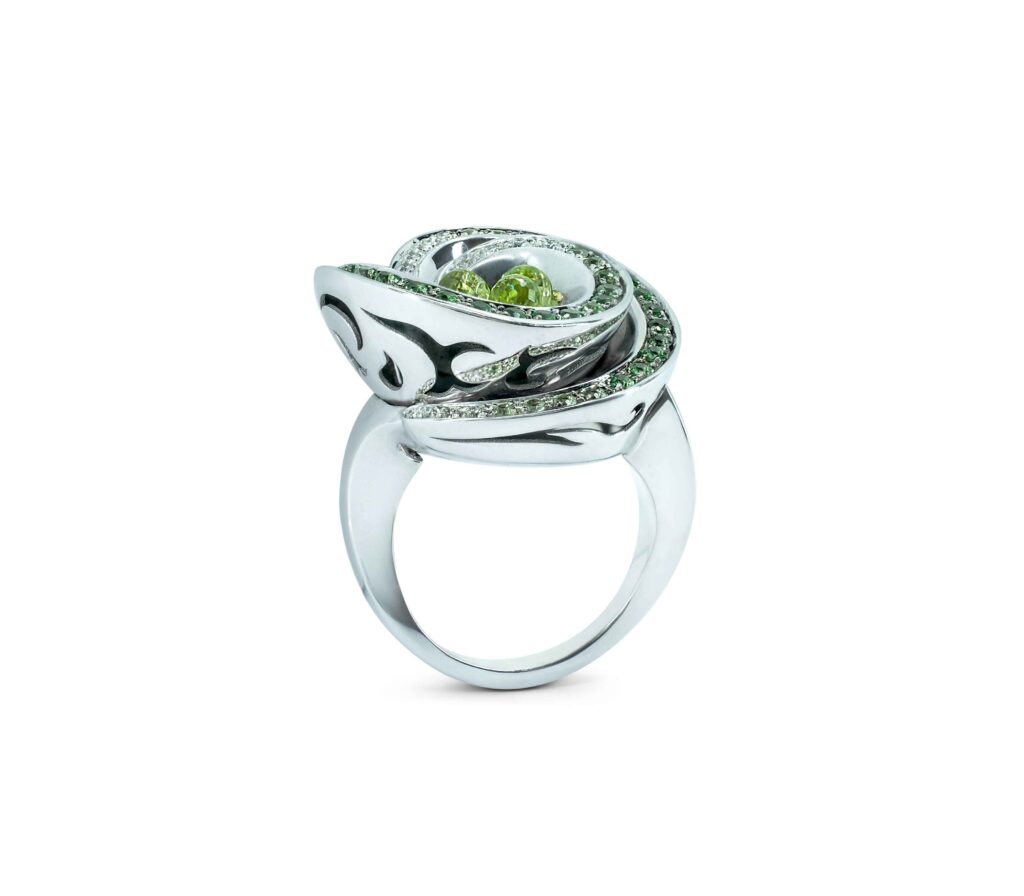
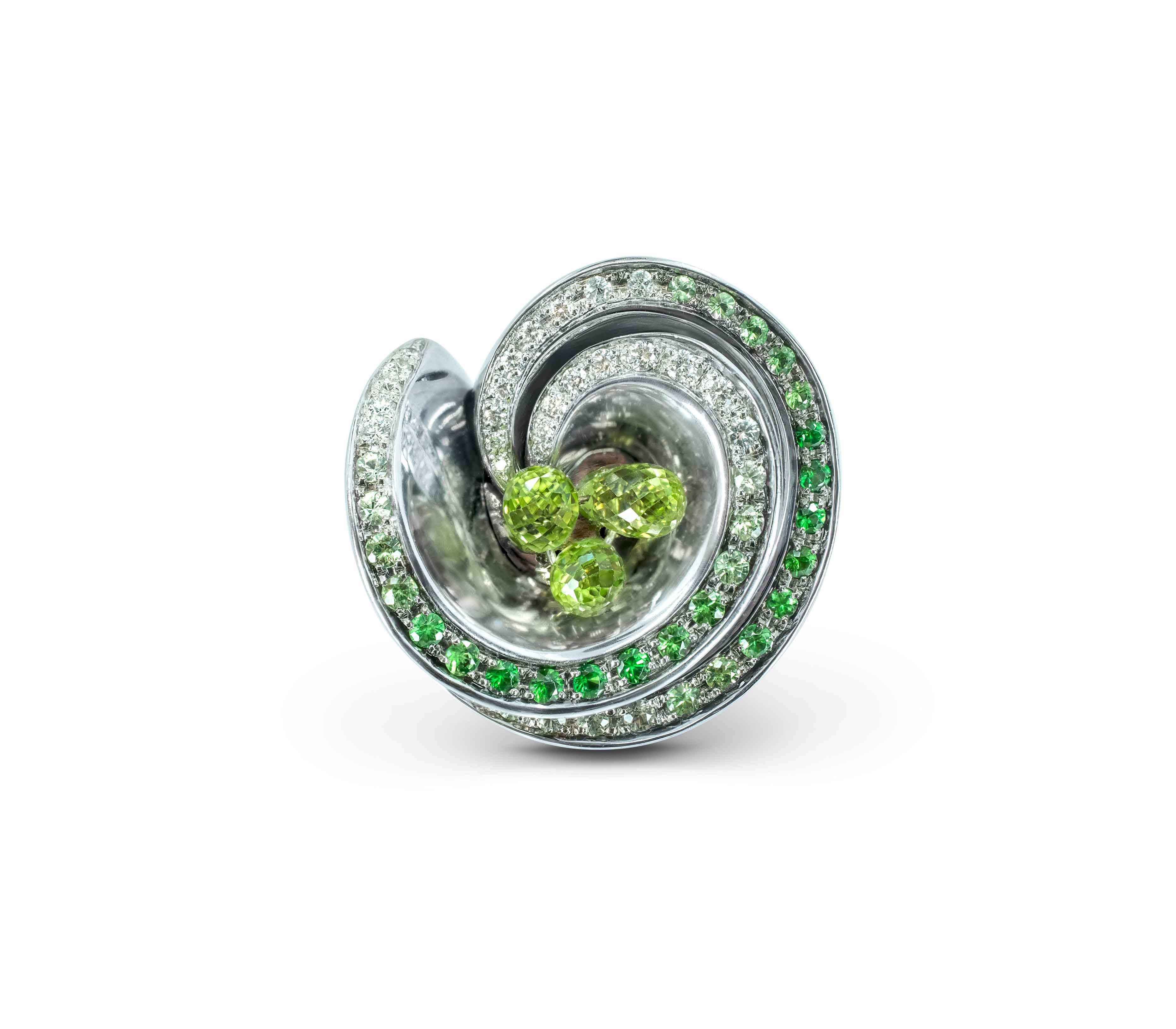
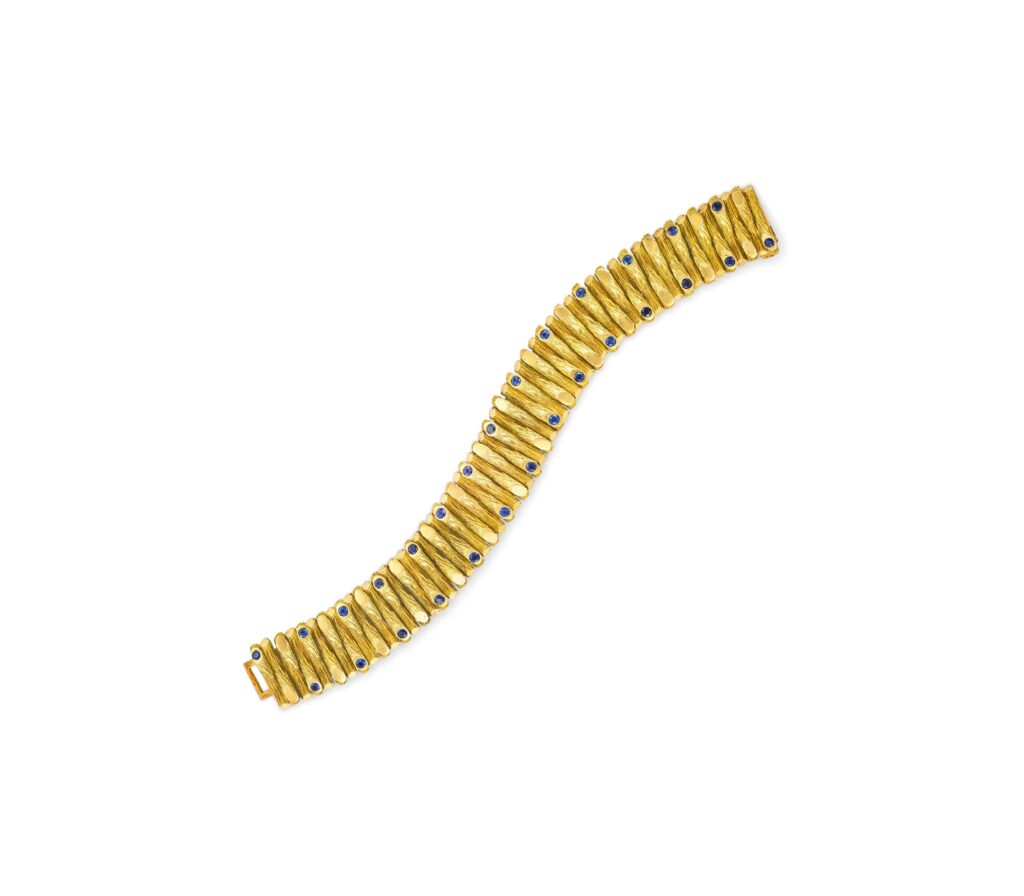

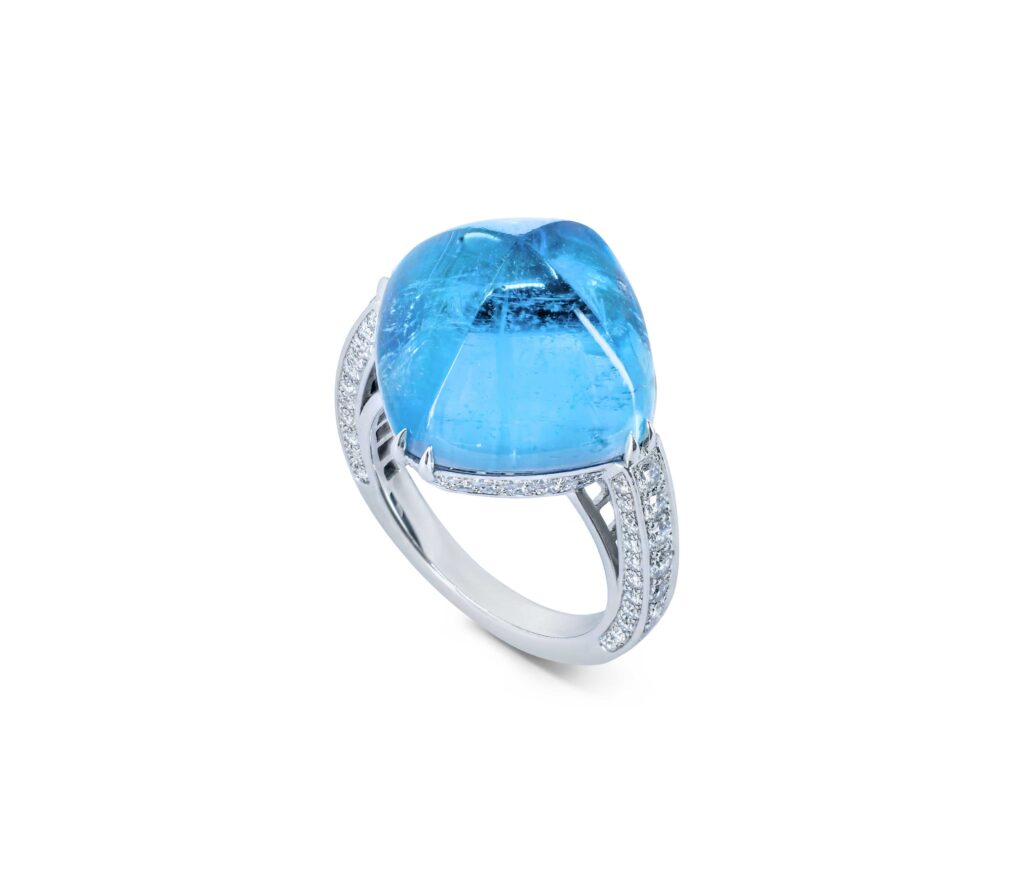
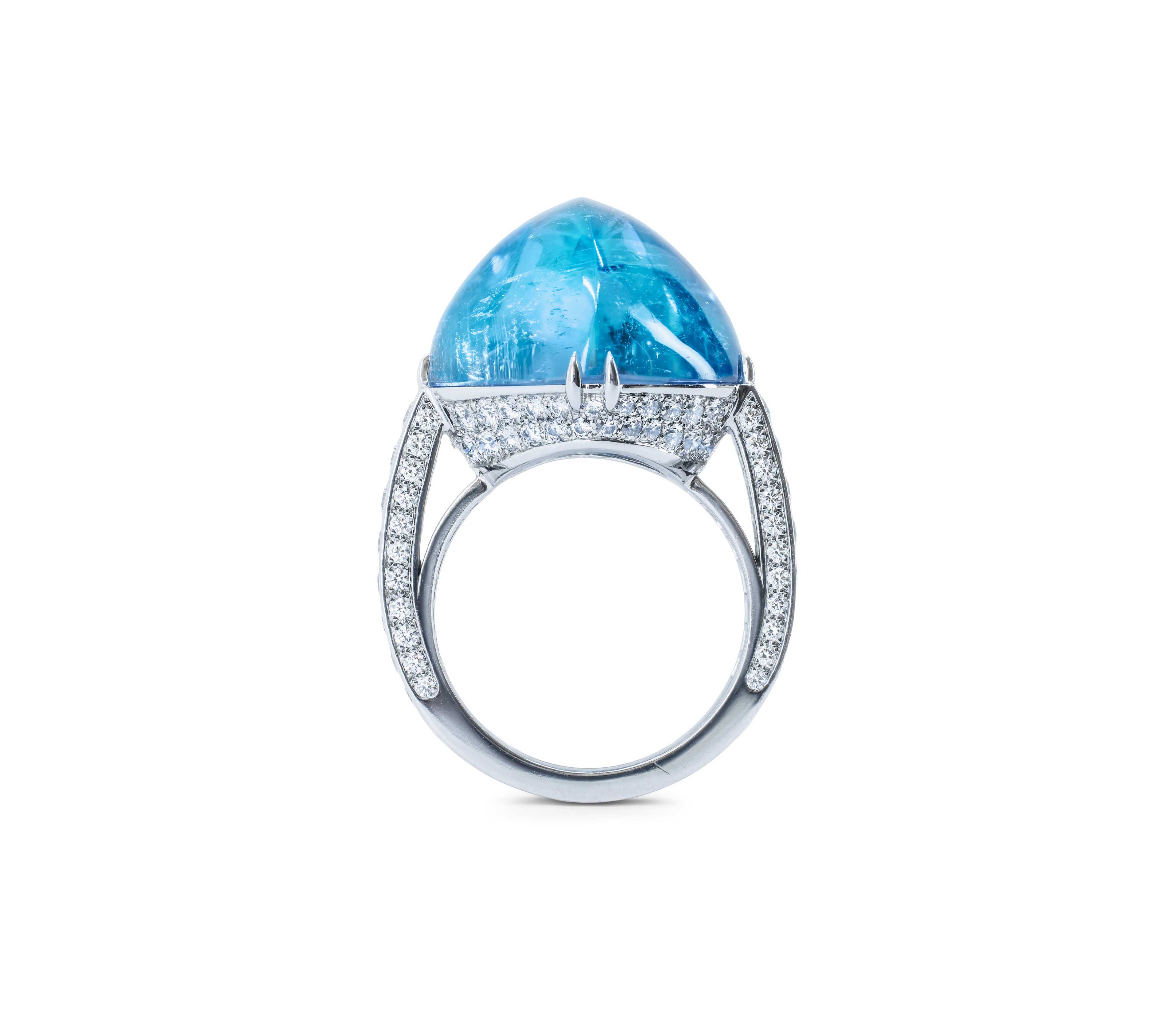
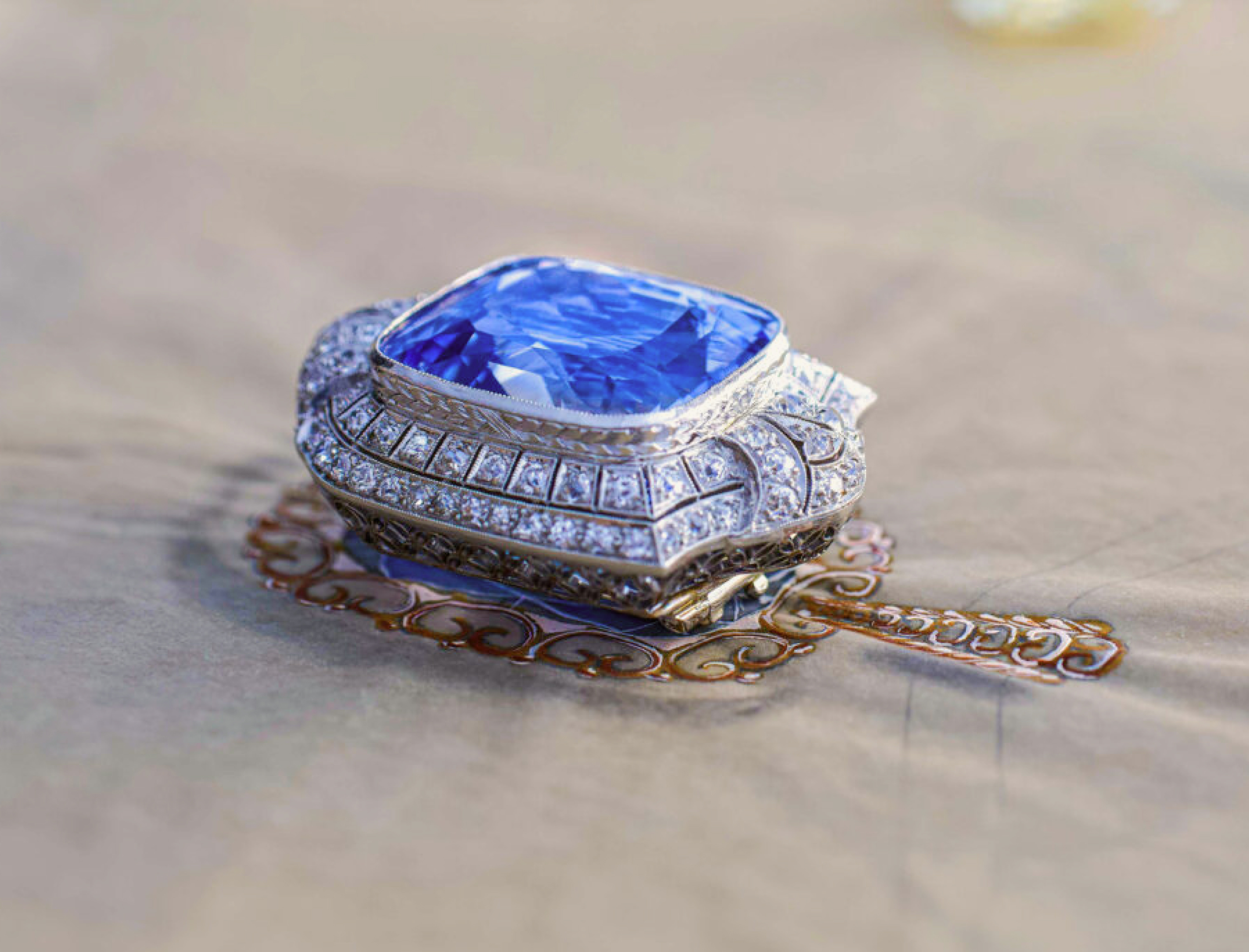



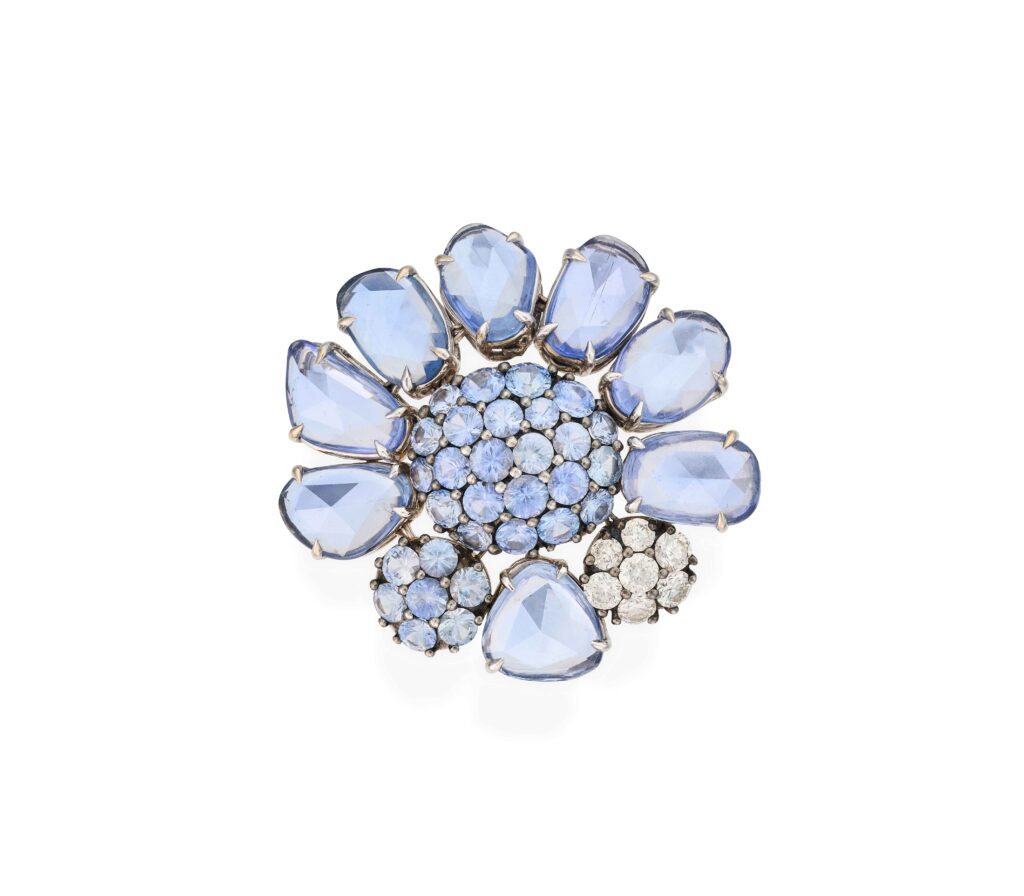
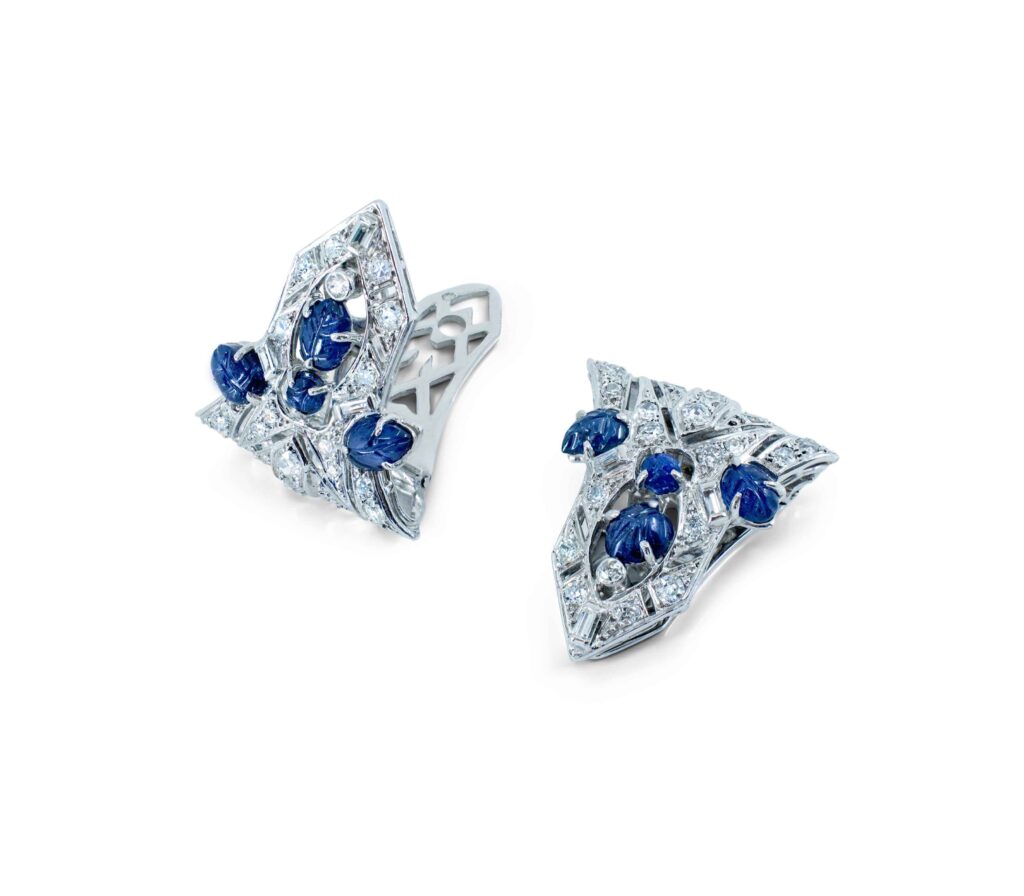
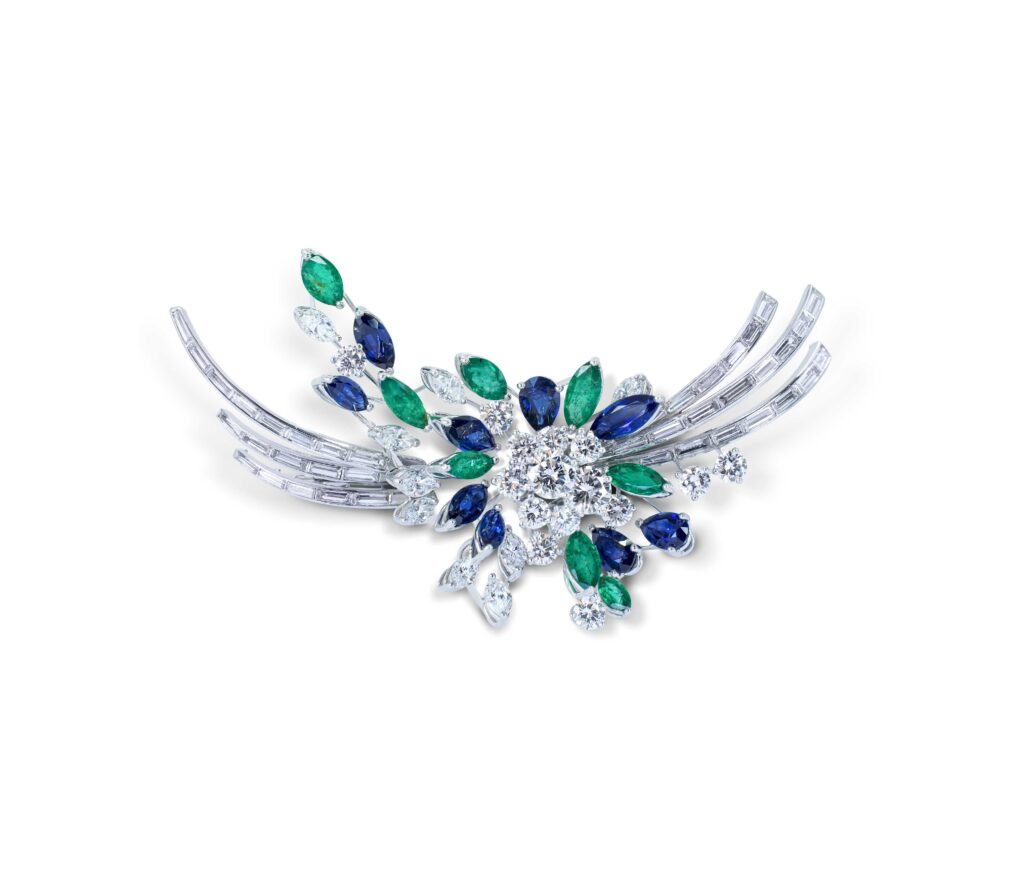
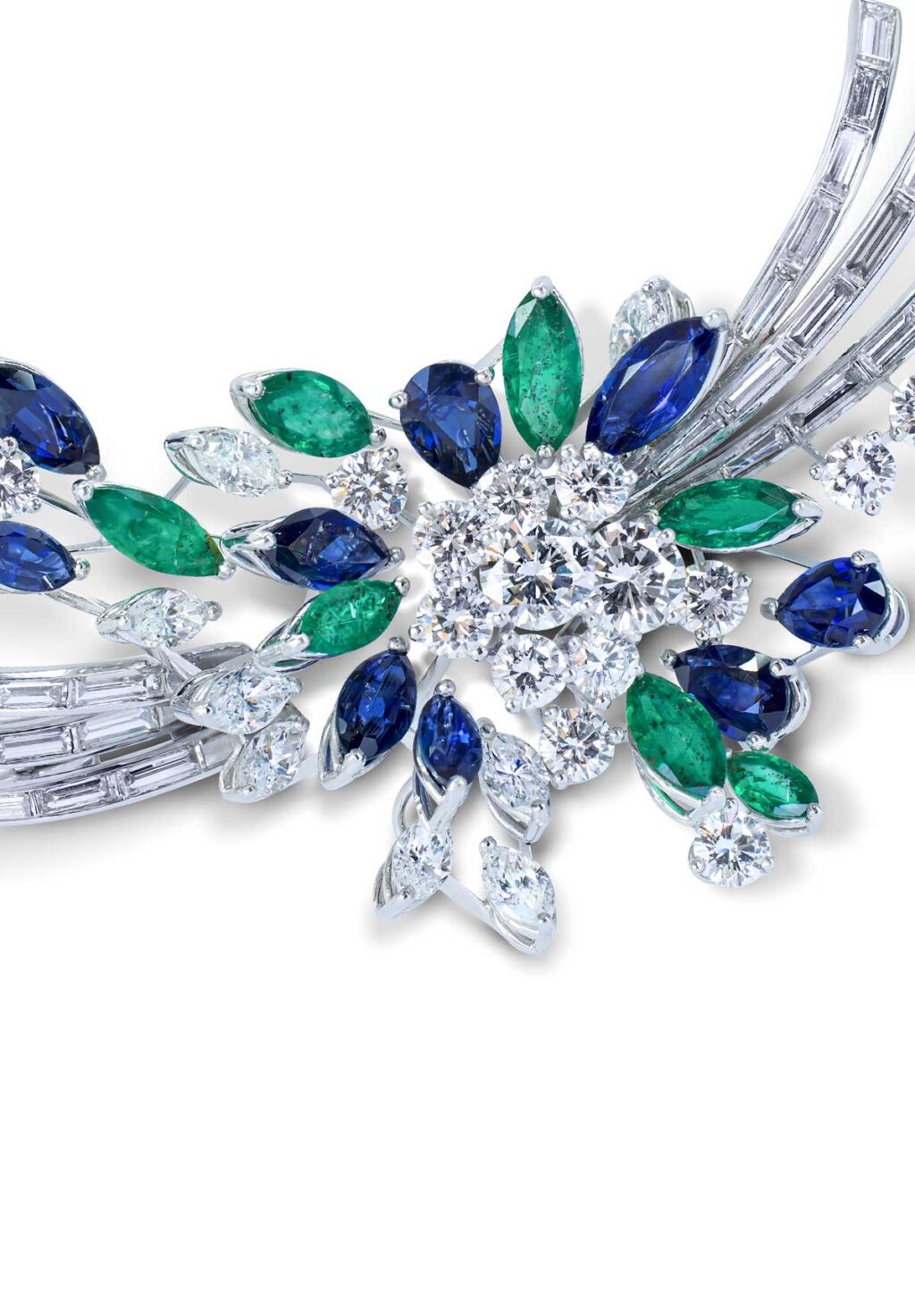
The same word appears on the tag of a signed gold bangle from the 1970s, a Victorian mourning ring and a diamond solitaire bought five years ago and resold this spring. So what is estate jewelry, and how can one label stretch across two centuries? The answer rests on a single fact about ownership. Price and desirability depend on other things. Every piece raises three questions: who owned it, when it was made, and whether it is still original to its period. The sections below take them in turn.
The essentials at a glance:
- Only one age line is fixed by rule: “antique” means more than 100 years, the threshold behind customs heading 9706. “Vintage” has no agreed cut-off, and dealers use 20, 25 or 50 years.
- Pre-owned luxury reached €48 billion in 2024, and watches and jewelry made up 80-85% of those sales.
- Before buying, check the marks, the diamond cut, any repairs and the paperwork, and ask whether the piece was made in its era or later in its style.
Estate Jewelry: What Is It, and Where Does the Term Come From
The working estate jewelry definition used across the trade is short: any piece of jewelry that has had a previous owner. The Gemological Institute of America describes it the same way and adds that the term is used loosely. Age, maker and material play no part in the label. A pre-owned engagement ring from 2019 counts, and so does an Edwardian platinum brooch.
The word itself points back to inheritance. In legal usage an estate is the property a person leaves at death, and dealers first applied the phrase to jewels released when such estates were settled, whether through a family sale or an auction house. Many families still meet the term this way, usually when they first try to understand what an inherited piece is really worth. Over the decades the meaning widened. Pieces now reach the market from living sellers, consignments and trade-ins, and dealers describe all of them as estate. A tag reading “previously owned” in one shop and a catalogue entry reading “estate” in another describe exactly the same status.
The GIA notes that the most sought-after estate jewelry combines fine workmanship, high-quality stones and one-of-a-kind design. Michael Kazanjian, chairman of the Beverly Hills firm Kazanjian Bros., told the institute that the top of this market is often called “the caviar of the jewelry business”.
That observation explains a phrase buyers meet constantly: fine estate jewelry. It names a quality tier, and no regulation defines it. A plain gold chain bought secondhand is estate; a signed platinum ring with an old European cut diamond and intact original work is fine estate, and priced accordingly. So the estate jewelry meaning answers only the first of the three questions. It confirms a history of ownership and leaves open how old the piece is and whether it is authentic. A seller can truthfully describe a 2015 ring and a 1915 ring as estate in the same catalogue, and the word alone will not tell a buyer which is which.
Estate vs Antique vs Vintage vs Retro vs Modern
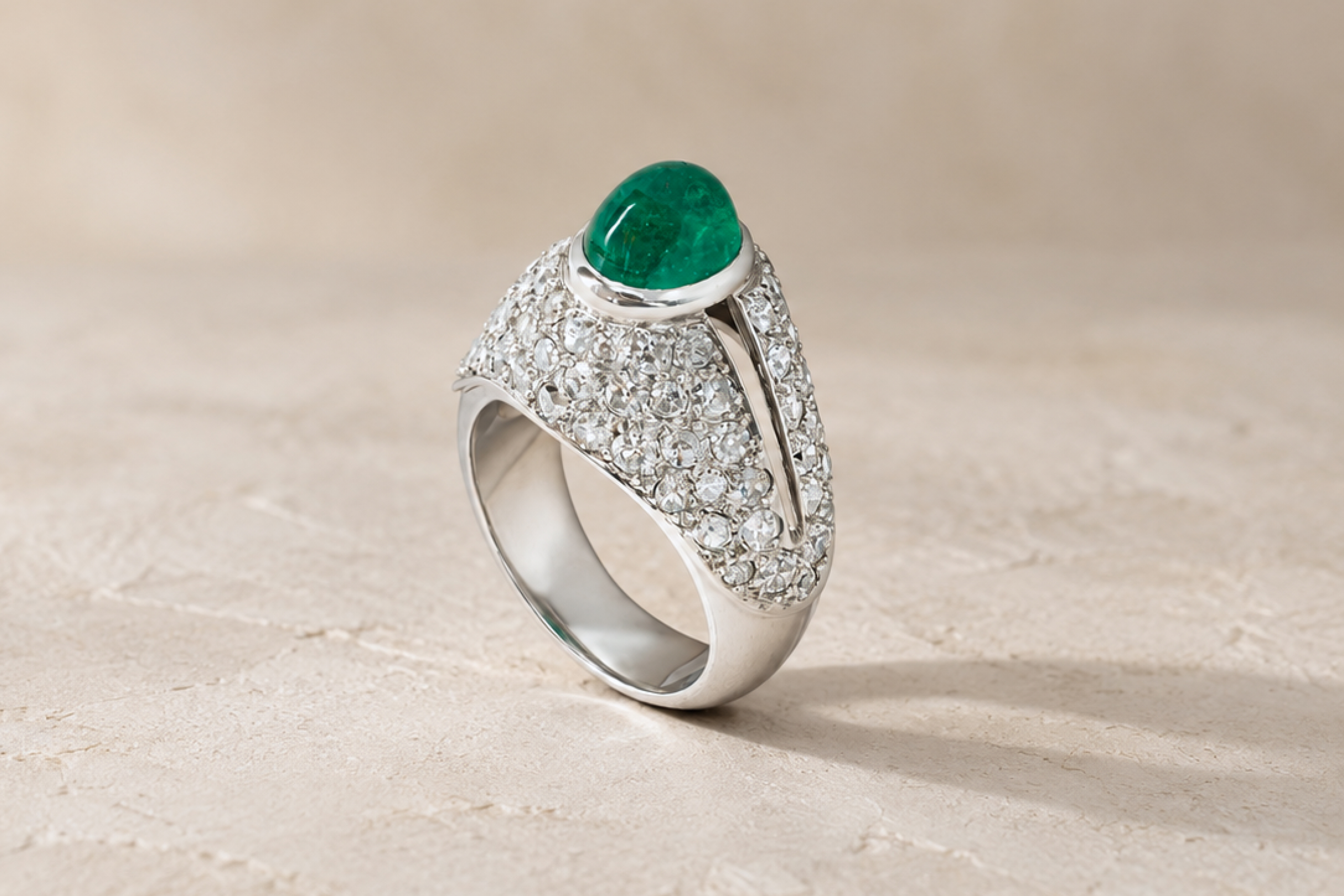
When people ask what is estate jewelry as opposed to antique or vintage, they are usually blending two separate scales. One measures ownership, the other measures age, and a third group of terms describes style or design origin. To define estate jewelry precisely, it helps to see which question each neighboring term answers.
| Term | What it describes | Threshold | Fixed by rule? | Example |
|---|---|---|---|---|
| Estate | Ownership history | Any previous owner | No, trade usage | A 2019 solitaire resold in 2026 |
| Antique | Age | More than 100 years | Yes, customs heading 9706 | An Edwardian brooch, c. 1910 |
| Vintage | Age | Commonly 20, 25 or 50 years, up to 100 | No, varies by dealer | A 1960s gold cocktail ring |
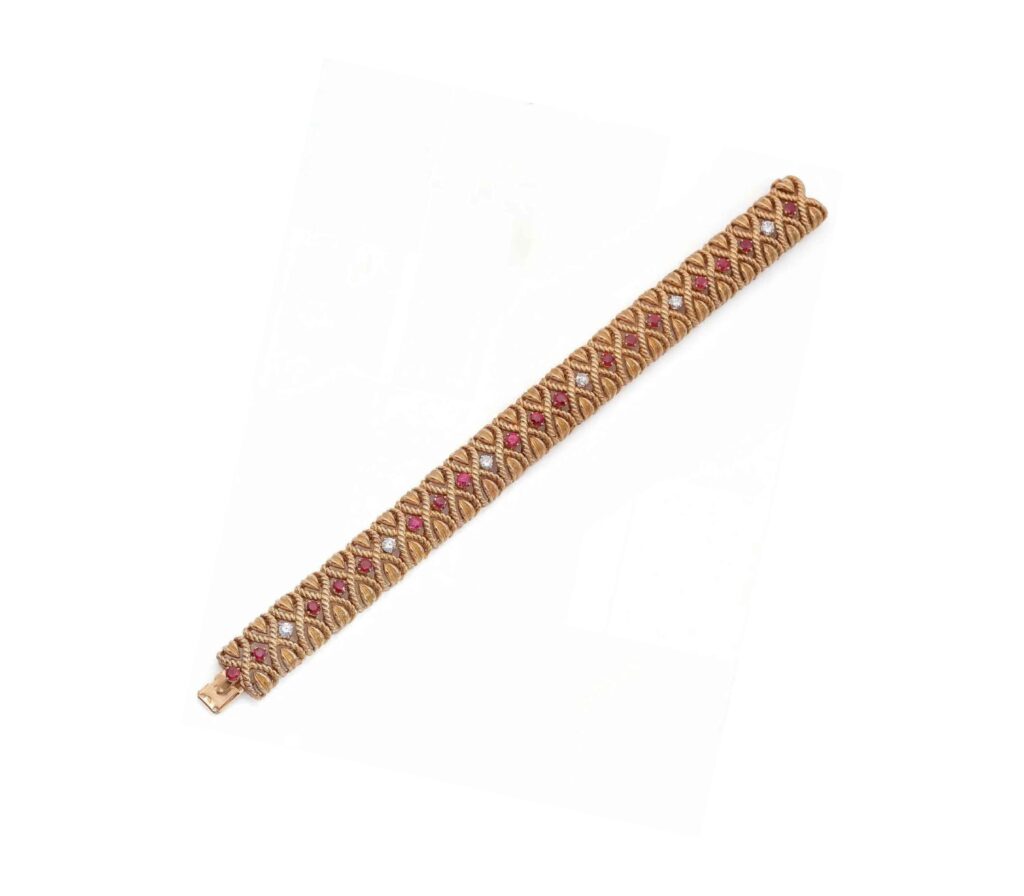
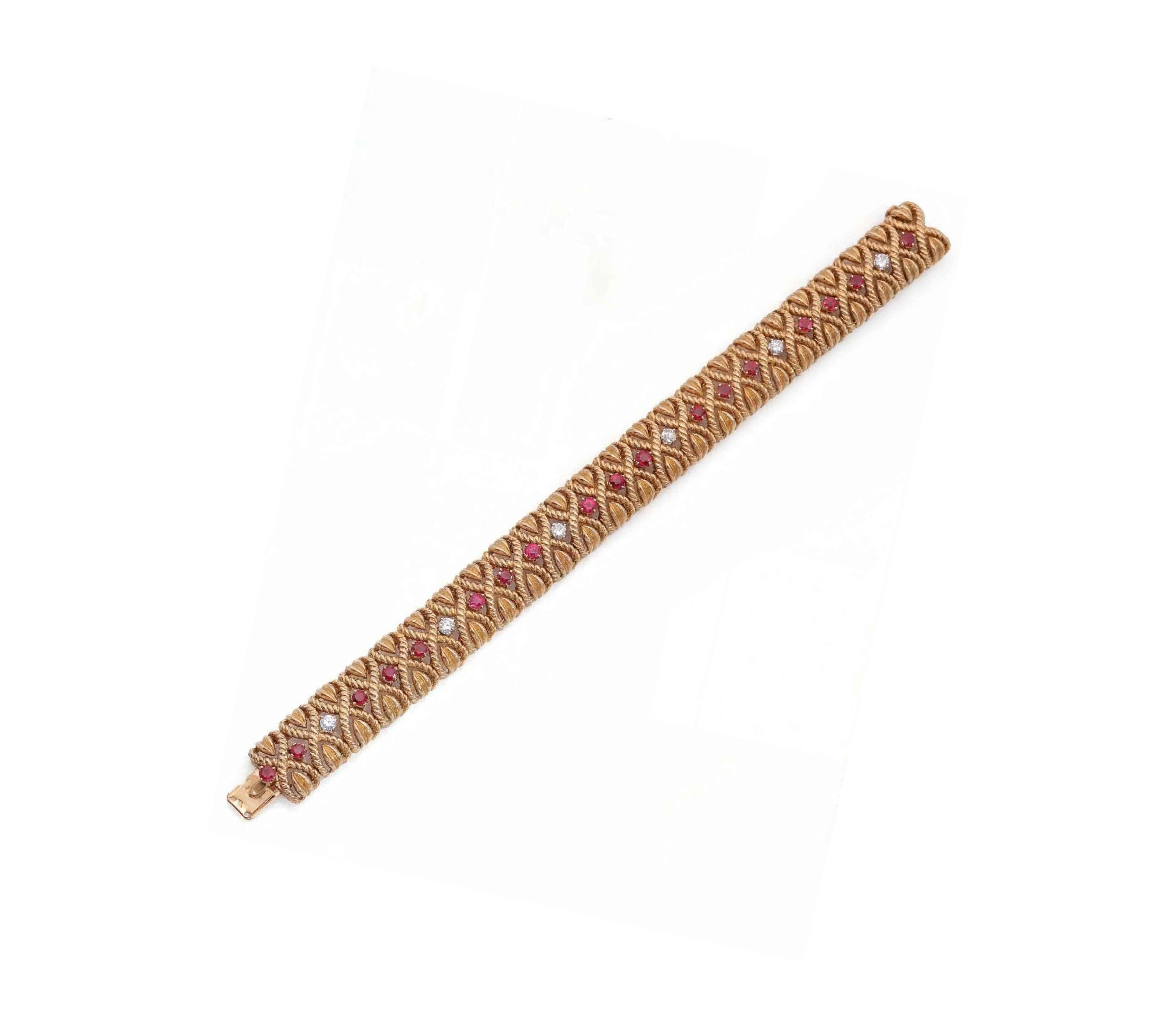
| Retro | Era and style | Roughly 1935 to 1950 | No, art-historical label | A 1940s rose gold tank bracelet |
| Modern estate | Recent pre-owned work | Roughly the 1960s onward | No, dealer usage | A signed 1980s pendant |
| Vintage-style, revival, reproduction | Design origin | Made later in an earlier style | No | A new ring “in the Art Deco style” |
Only one row carries legal weight. The US Harmonized Tariff Schedule lists “antiques of an age exceeding one hundred years” under their own heading, 9706, part of the Harmonized System that customs services use internationally. Vintage has no such anchor. The Antique Jewellery Company in London applies the word to pieces made 50 to 100 years ago, while many American dealers start counting at 20. Both usages are current, so a “vintage” tag always deserves a follow-up question about the actual date.
The categories also stack. A ring made in 1905 and sold by its second owner is antique, vintage and estate at once. Retro names an era and a look, and says nothing about ownership. A revival piece can be genuinely old, too: Victorian jewelers produced Egyptian-revival designs during the archaeology craze of the late nineteenth century, so such a jewel is both antique and made in the manner of something far older.
The antique line also moves every year. A bracelet made in 1925 crossed it in 2025, so an Art Deco piece catalogued as vintage a few years ago can now be sold, correctly, as antique, with nothing about the object changed. This stricter definition, with age measured by the date of manufacture and never by appearance, is the one worth carrying into any purchase. A dealer who writes “circa 1925” on a label and “estate” in the description is stating two separate facts, and a careful buyer asks for both in writing.
The Eras You’ll Meet in Estate Collections
Most pieces in a serious estate collection belong to a recognizable period, and each period left physical clues in its metal, its stones and its techniques. Dealers draw the boundaries a few years apart, so the dates below are common reference points rather than fixed lines.
- Georgian jewelry (1714-1837) was made entirely by hand, usually with rose or old mine cut diamonds set in silver over gold, often in closed backs lined with foil. Few pieces survive, because owners melted them down to pay for newer fashions, which is why surviving Georgian designs are studied as closely as they are collected.
- Victorian work (1837-1901) moves through three phases: a romantic early period, the mourning years after Prince Albert’s death with jet, onyx and black enamel, and a lighter aesthetic phase of stars, crescents and seed pearls. Revival styles drawn from Egyptian, Etruscan and Renaissance art also belong to this reign.
- Art Nouveau (about 1890-1910) favored flowing organic lines, insects and the female form, with opals, moonstones, horn and plique-à-jour, a translucent enamel that looks like stained glass.
- Edwardian design (1901-1915) belongs to platinum, which allowed lace-like garland settings, fine milgrain edges and diamonds in old European cuts.
- Art Deco (about 1920-1935) swapped curves for geometry, pairing diamonds with calibré-cut sapphires, emeralds and onyx and bringing in step cuts such as the emerald and Asscher.
- Retro pieces (about 1935-1950) turned to yellow and rose gold because platinum was restricted for military use during the Second World War. Scale grew bold and sculptural, with citrine and aquamarine standing in for large diamonds.
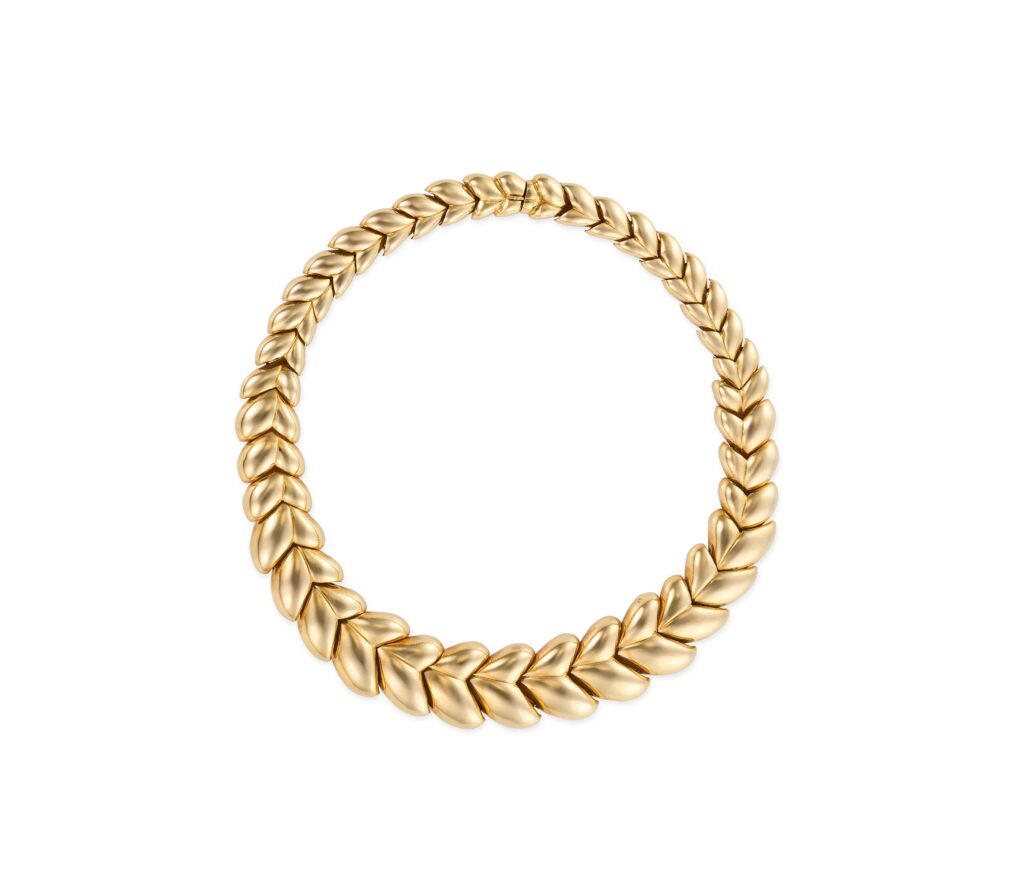
- Mid-century jewelry of the 1950s and 1960s brought back feminine, heavily textured gold, diamond cluster rings, cultured pearl strands and the oversized cocktail ring designed to be noticed across a room.
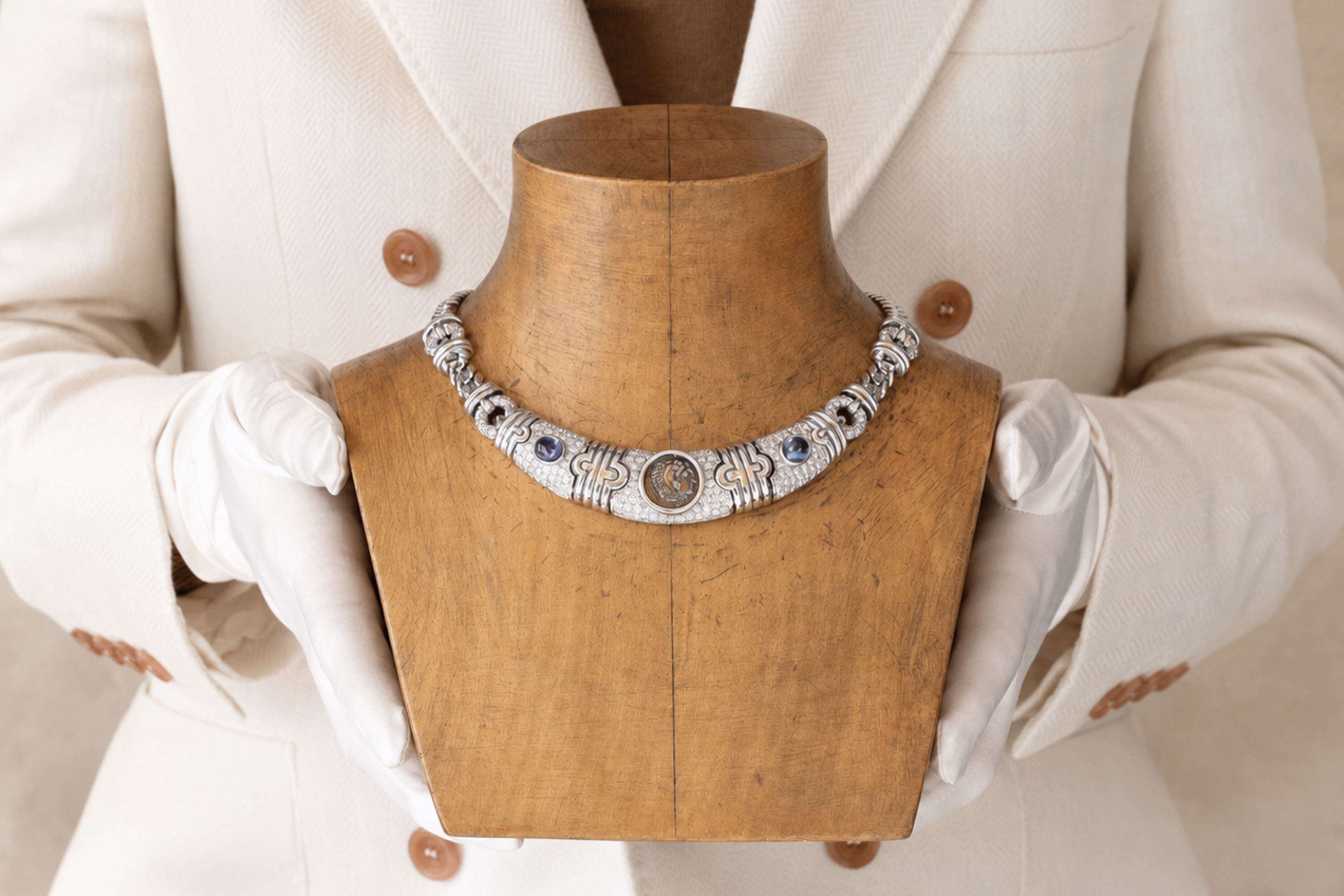
Diamond cutting gives the most dependable clock across these eras. Rose cuts go back to the sixteenth century, old mine cuts dominated from the late 1700s through the late 1800s, and the bruting machine of 1874 made the round old European cut practical. In 1919 Marcel Tolkowsky published “Diamond Design,” the mathematical study that set the proportions of the modern round brilliant. A stone’s facets often date a ring more reliably than its design does, and the full sequence, from the earliest table cuts to the modern brilliant, is traced in our article on the evolution of diamond cutting.
Looking at period pieces side by side trains the eye faster than any chart. Placing an Edwardian platinum ring next to a Retro gold bracelet shows within seconds how war, supply and fashion reshaped metal, scale and color in barely thirty years.
Why Estate Jewelry Holds Its Value
For collectors, the practical meaning of estate jewelry lies in supply. A jeweler can reorder a new design; nobody can reorder an Art Deco bracelet. Every period piece on the market is a survivor, and the number of survivors shrinks each year as pieces are lost, broken up or retired into private collections.
Metal value decided much of what survived. Heavy gold was the first thing melted when tastes changed, which is one reason Georgian jewels are scarce today, while modest pieces with little scrap value had better odds of passing intact from one owner to the next. Survival also works as a long stress test: a ring that is still sound after eighty years of wear was built well from the start.
The global market for pre-owned luxury goods reached €48 billion in 2024, up 7% on the previous year, and watches and jewelry accounted for 80–85% of those sales.
The same study found jewelry to be the most resilient category in new luxury that year, with sales of pre-owned jewelry growing particularly fast, and Bain’s analysts described secondhand buying as an entry point to luxury for many clients.
Price against new is part of the appeal. An estate diamond ring often costs less than a comparable new one, since it carries no launch marketing or first retail margin. The premium end moves the other way. Signed pieces, original old-cut stones and untouched period work can command more than any new equivalent, because nobody can make them again. A maker’s signature often weighs as heavily as the gems themselves. A mark from a major house links the piece to a documented production history, a recognizable design language and an established collector following, and buyers pay for that certainty.
Construction changed after the 1960s as well. Heavier prongs and stronger 14 and 18 carat alloys make much modern estate work better suited to daily wear than a Victorian knife-edge shank or a foil-backed Georgian setting, which is why many clients start with signed vintage pieces from the last sixty years and move to earlier eras later.
Buying a piece that already exists also avoids new mining altogether. Value in this market follows craftsmanship, rarity and condition, and age on its own guarantees none of them.
How to Evaluate an Estate Piece Before You Buy
What does estate jewelry mean for a buyer standing at a counter or bidding online? Mostly, that the object has to prove itself. Once the general question of estate jewelry, what is it and how old can it be, is settled, attention shifts to the particular piece. The GIA recommends examining any pre-owned jewel for dents, deep scratches, missing stones and signs of repair, with a 10x loupe or with the help of a trained gemologist.
Scrutiny pays off most with vintage and designer work, where a replaced stone or a doubtful signature can change the price more than any other factor. A complete review runs through six steps, and together they answer the third question: is the piece what it claims to be?
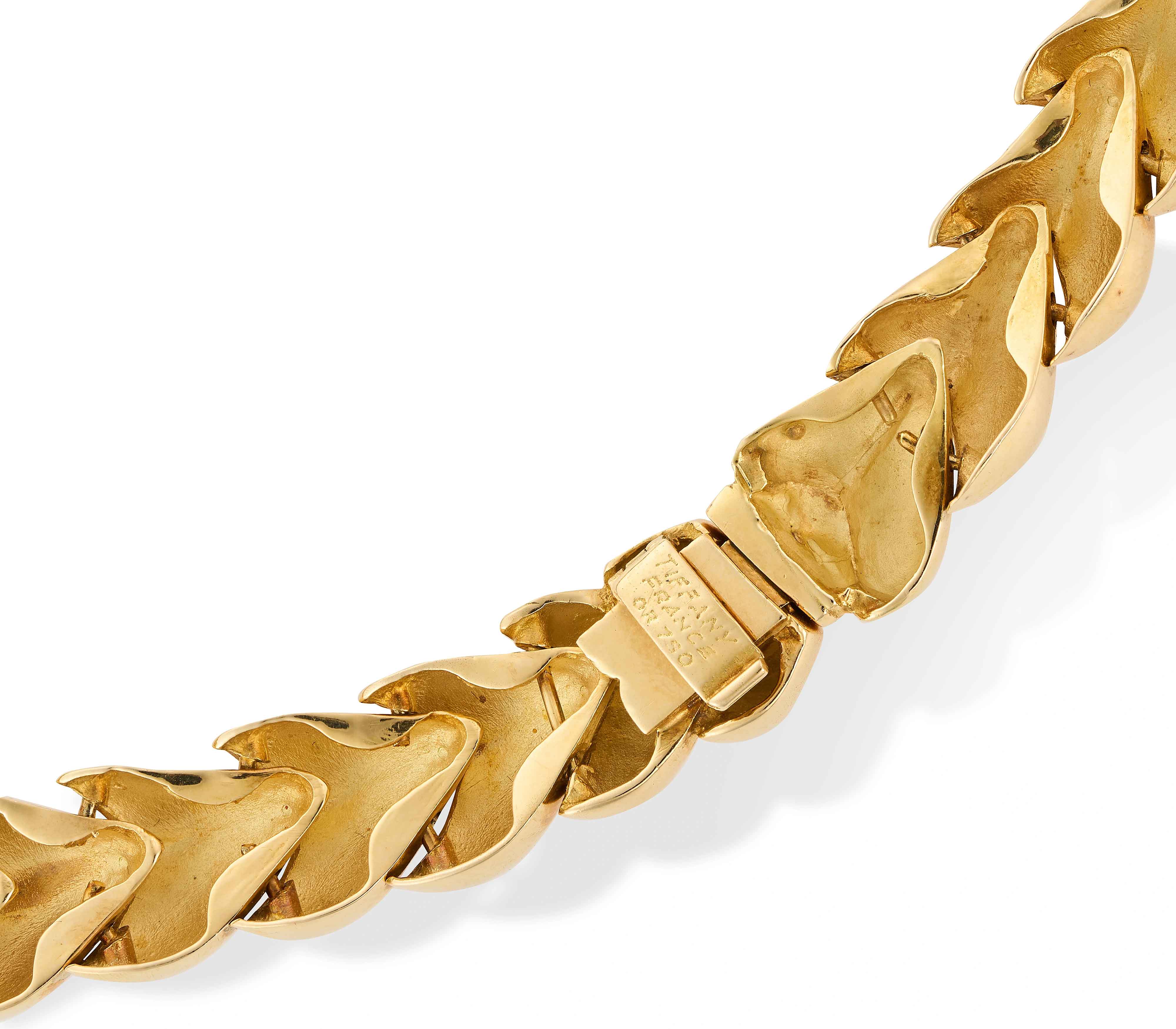
- Start with the hallmarks, usually found inside a ring shank or on a clasp. Numerical purity stamps such as 585 for 14 carat and 750 for 18 carat are standard on later work, but older American pieces may carry none, because the 1906 National Gold and Silver Stamping Act required accuracy only when a purity mark was applied, and a maker’s trademark beside that mark became mandatory in 1961. In the French system, an eagle’s head has signified 18 carat gold since 1838.
- Turn the piece over and study the construction. Hand fabrication leaves slight irregularities in engraving, sawing and soldering, whereas a highly detailed back that is perfectly smooth and uniform suggests a modern casting.
- Match the diamond cut to the claimed era. A Victorian or Edwardian ring should hold rose, old mine or old European cuts, so a crisp modern brilliant in such a setting usually means the center stone was replaced.
- Look for repairs and alterations. Resized shanks, unlikely solder joints, rebuilt prongs and pieces assembled from two damaged originals all lower value, sometimes sharply.
- Separate the period from the style. Ask directly whether the piece was made in the era it resembles or later in its manner, since “Art Deco style” describes a look and says nothing about a date.
- Get everything in writing. The GIA advises a receipt with a written description that includes materials and approximate age, plus an independent laboratory report for any significant diamond or gemstone.
Two mistakes recur among first-time buyers. Some treat “vintage” as a precise date when it can mean anything from twenty to a hundred years. Others skip documentation on auction lots, which are often sold as seen with no return option.
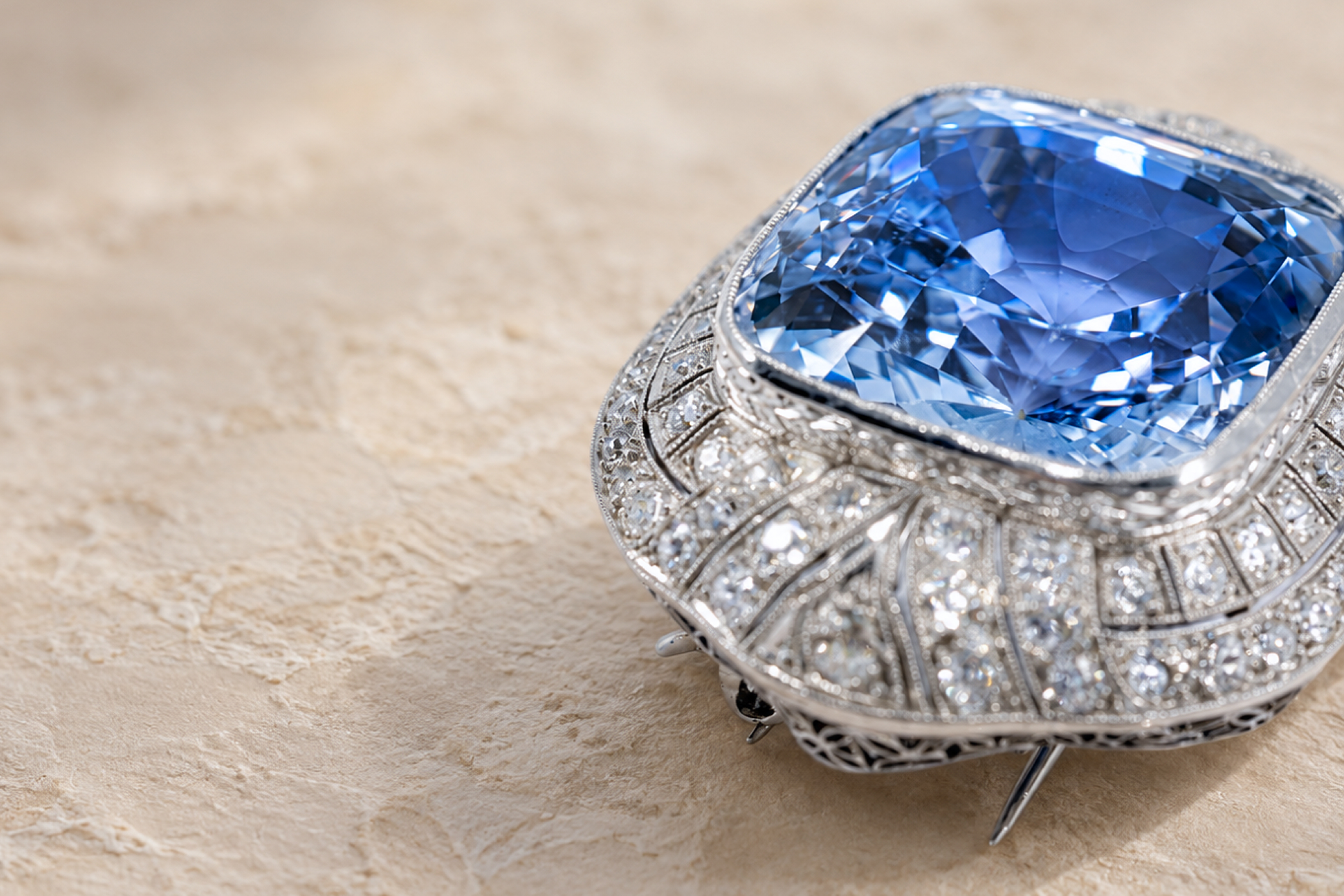
Where you buy decides how much of this work falls on you. An auction leaves most of it with the bidder, whereas an established dealer or gallery should hand over the description, the report and a clear return policy before any payment changes hands. After the purchase, an independent appraisal for insurance is worth commissioning, because replacement values for signed and period pieces rarely match those of new stock.
Estate Jewelry, Defined: A Collector’s Takeaway
So what is estate jewelry, once the marketing gloss comes off? A piece with a previous owner. That is the whole definition, and it is why the label covers a 2019 solitaire and a Georgian mourning ring with equal accuracy.
Everything that makes one estate piece worth ten times another sits in the remaining two questions: when it was made, and whether it is still the object its maker produced. Answering them takes marks, cuts, construction and paperwork, read together rather than one at a time. A Retro rose gold ring with its original citrine tells one coherent story; the same mount holding a modern brilliant tells another, and the price should reflect the difference. For a first purchase, a narrow brief works better than a wide one. Choose one era whose look you already love, then ask to see an original piece beside a later one made in its style. Handling the two together teaches more about construction, wear and cutting than any catalogue note, and it makes the gap in their prices easy to understand.
Curators work the same way. Grygorian Gallery in Monaco selects each piece on provenance, authenticity, quality of execution and historical value. Those four tests serve a private buyer just as well, whether the object is a Retro cocktail ring or a signed diamond piece from the last decade.