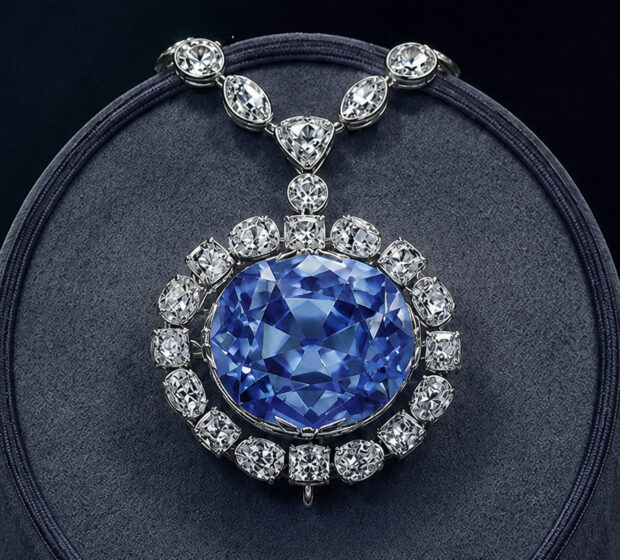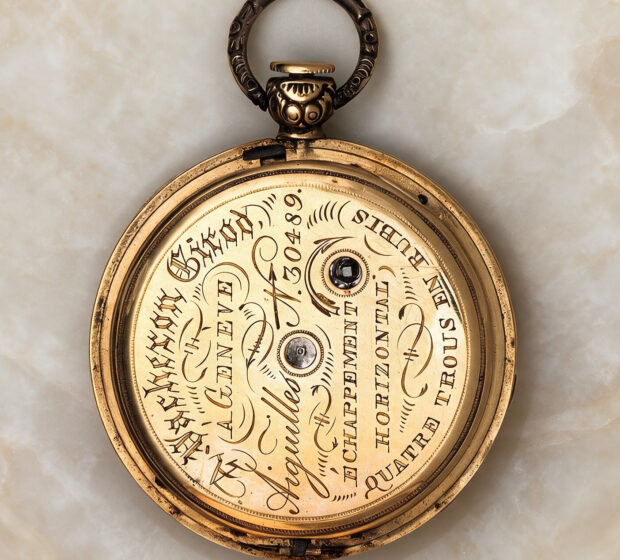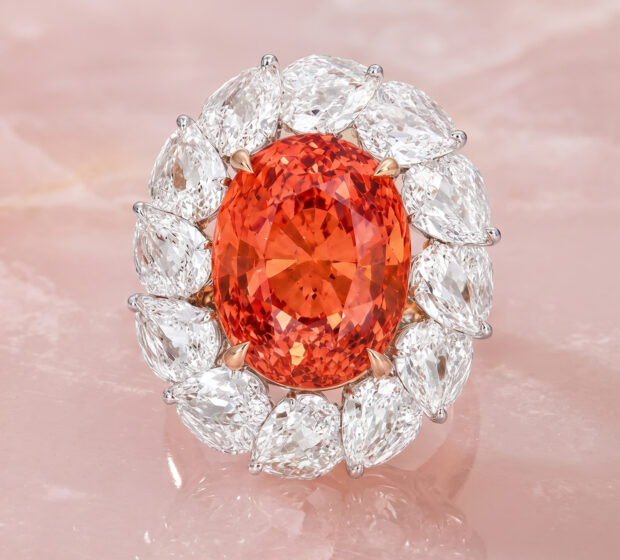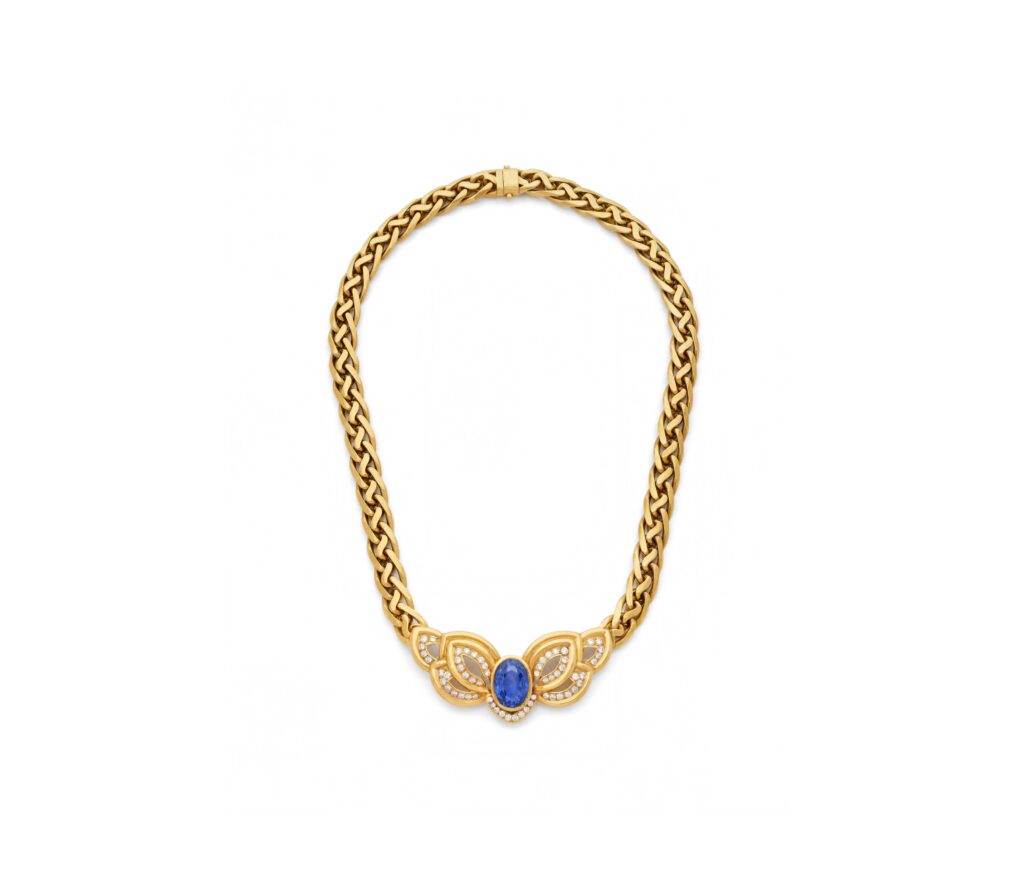





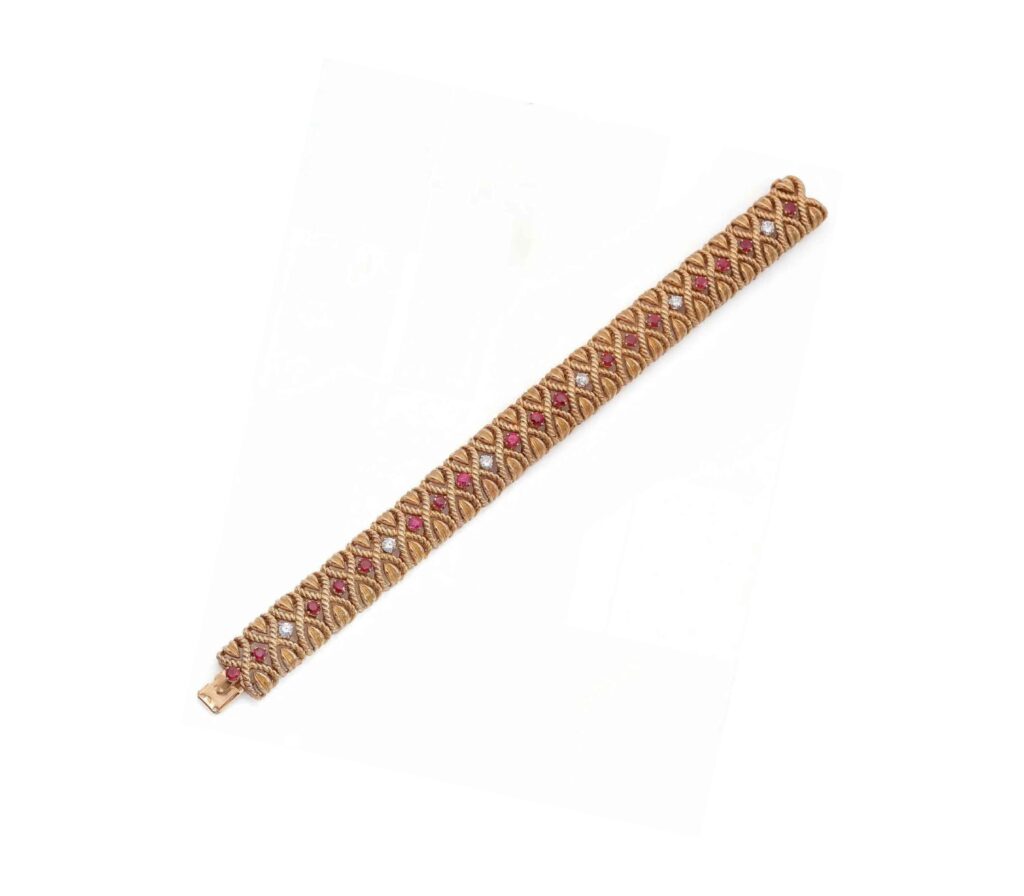
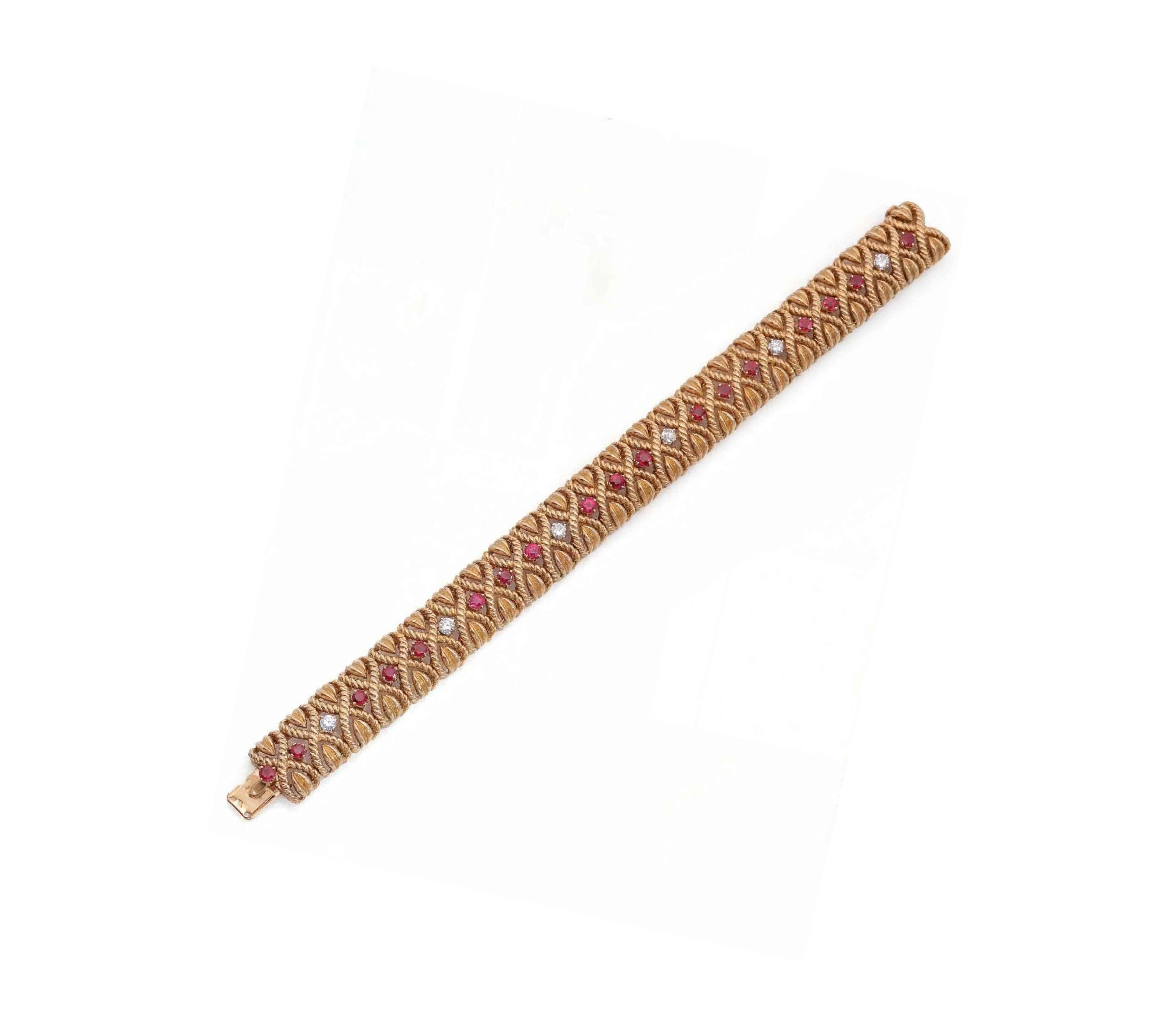
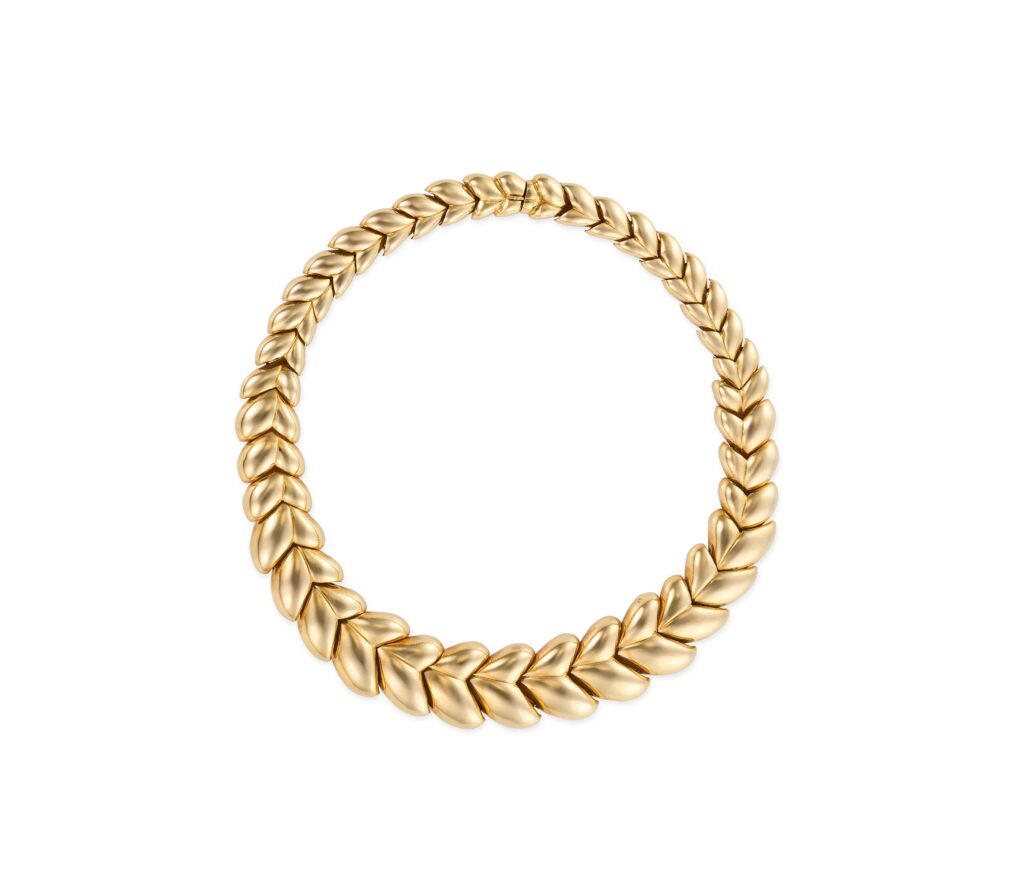
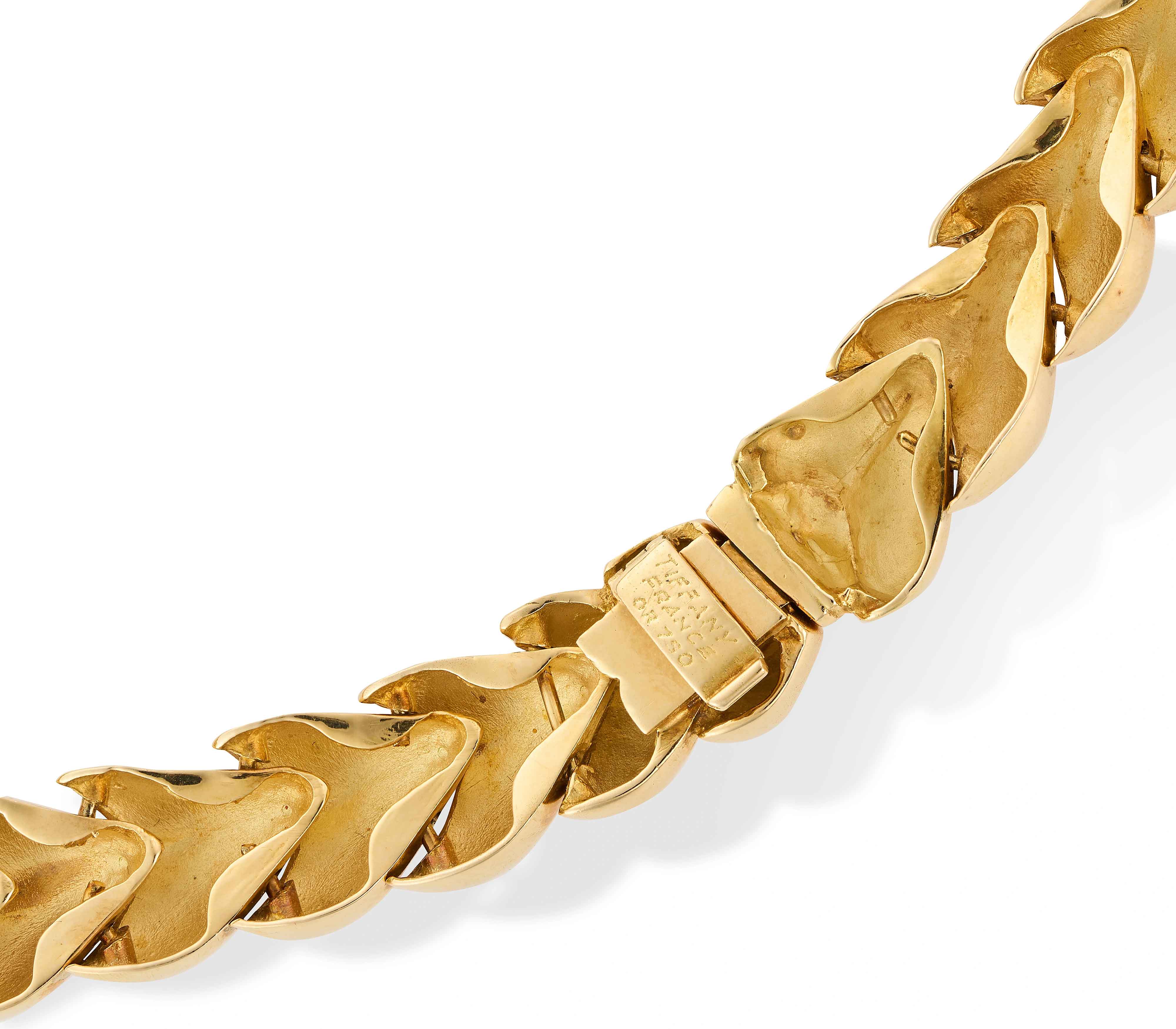



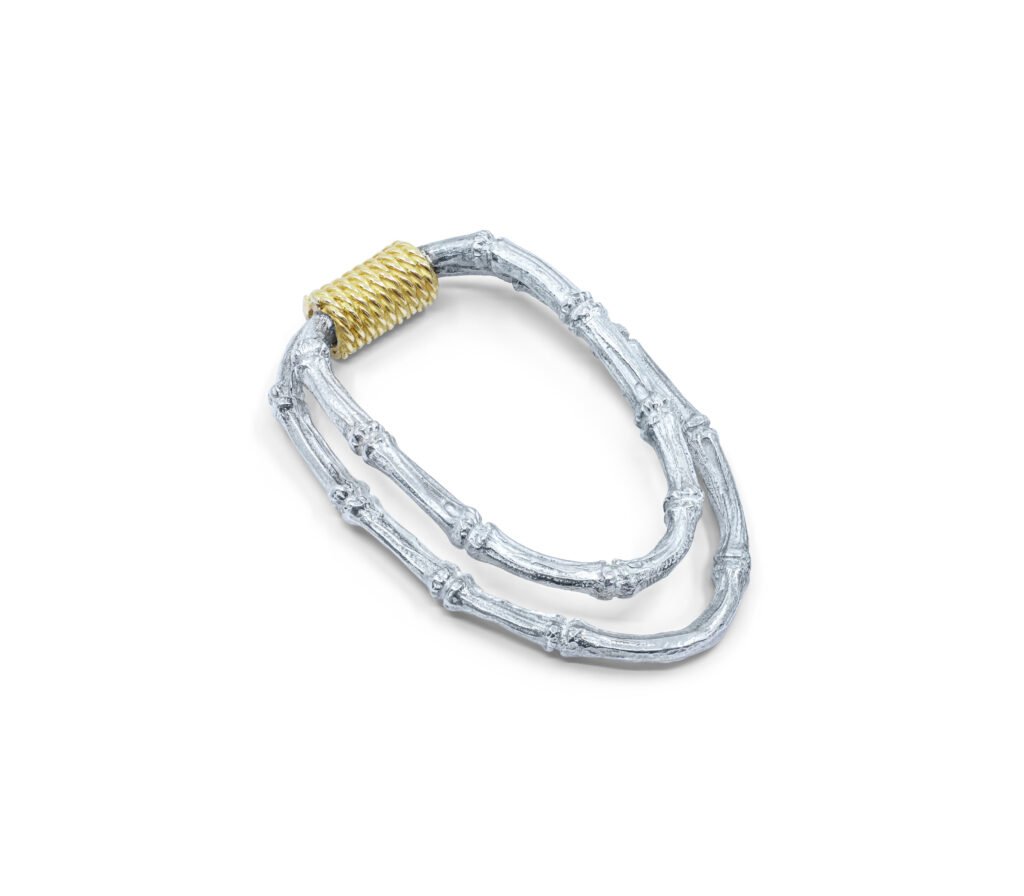
In December 2007, antique-jewelry dealer Olivier Baroin discovered an apartment at the foot of Montmartre in Paris that had been closed since Suzanne Belperron’s death in 1983. Inside were Belperron’s personal effects, her furniture, library, and a wealth of documents including drawings, sketches, models, plaster casts, correspondence, press clippings, and daily order books spanning 1937-1974. These archives, comprising roughly 7,500 pages, recorded some 6,730 clients and nearly 45,000 appointments.
Since Belperron famously never signed her jewelry, these records have proven crucial: they allow researchers to trace a jewel’s provenance by name and authenticate pieces that might otherwise remain anonymous. For example, many items once attributed to other houses could be reattributed to Belperron with confidence by matching archival entries to surviving objects. Baroin has noted that before the archive’s discovery it was “virtually impossible” to prove authorship when hallmark punches were worn off or absent, especially in hardstone pieces.
While the archive was an extraordinary resource, Baroin stresses that physical analysis of each piece is still essential for authentication. His twenty years’ experience as a jeweler enables him to examine construction methods, soldering, settings, and the treatment of metals and stones. These details, such as fastenings or joint types, can reveal whether a piece truly dates from Belperron’s era. In particular, many Belperron jewels were made by specialized craftsmen (for instance, engraved stonework by lapidary Adrien Louart), so understanding these workshop practices helps distinguish genuine Belperron designs from later imitations.
Overall, the archive’s recovery marked a turning point in Belperron scholarship: it yielded documentary proof for individual attributions and offered a detailed picture of her clientele and workflow. The broader effect has been to restore Belperron’s standing in jewelry history.
Today Suzanne Belperron is regarded as one of the most original and visionary jewellery designers of the 20th century. Her work is recognised for its sculptural silhouettes, unusual combinations of precious and hardstone materials, strong use of colour and highly individual approach to form. Her decision not to sign her jewellery became inseparable from her legacy. As she famously put it, “My style is my signature.”
“My Style Is My Signature”
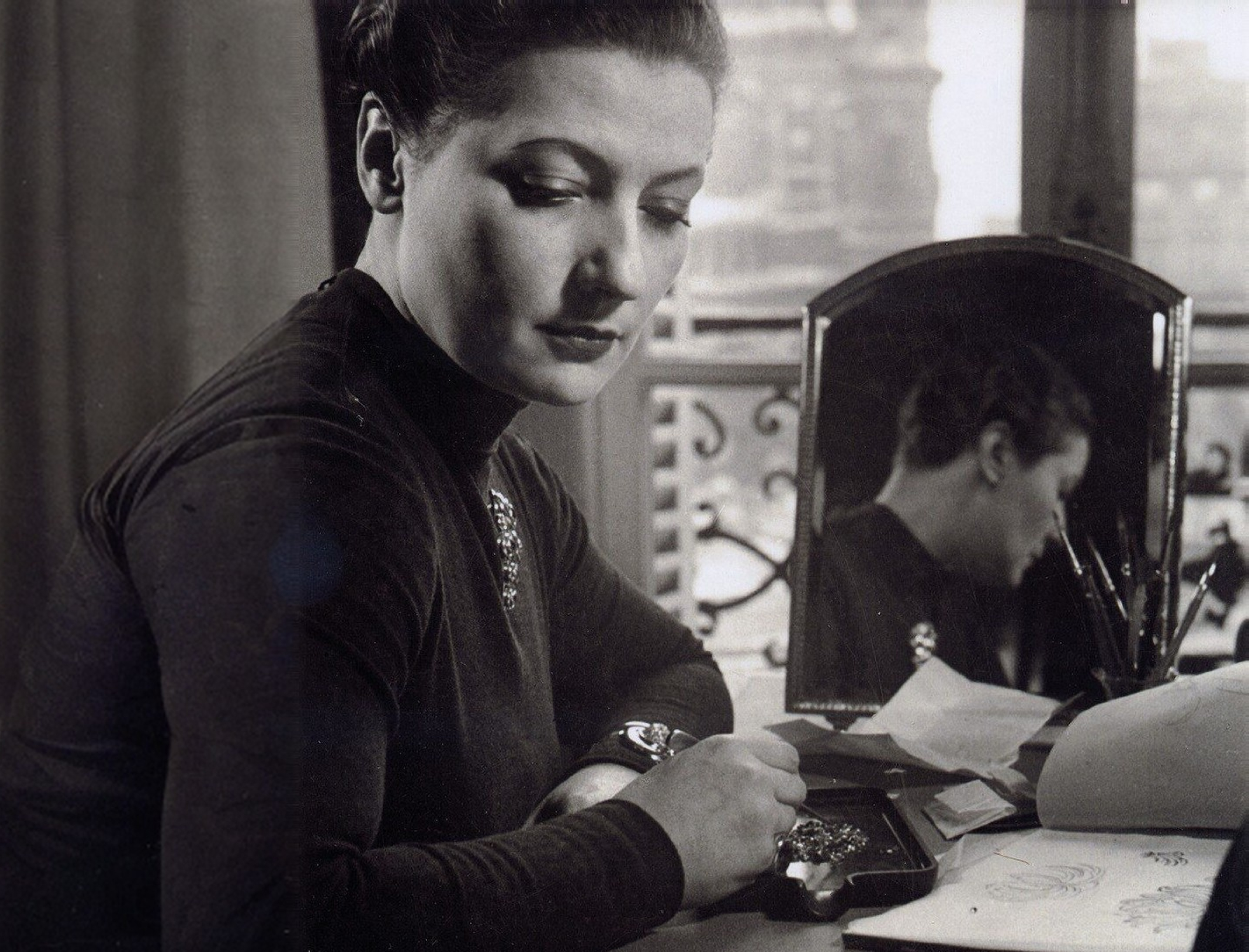
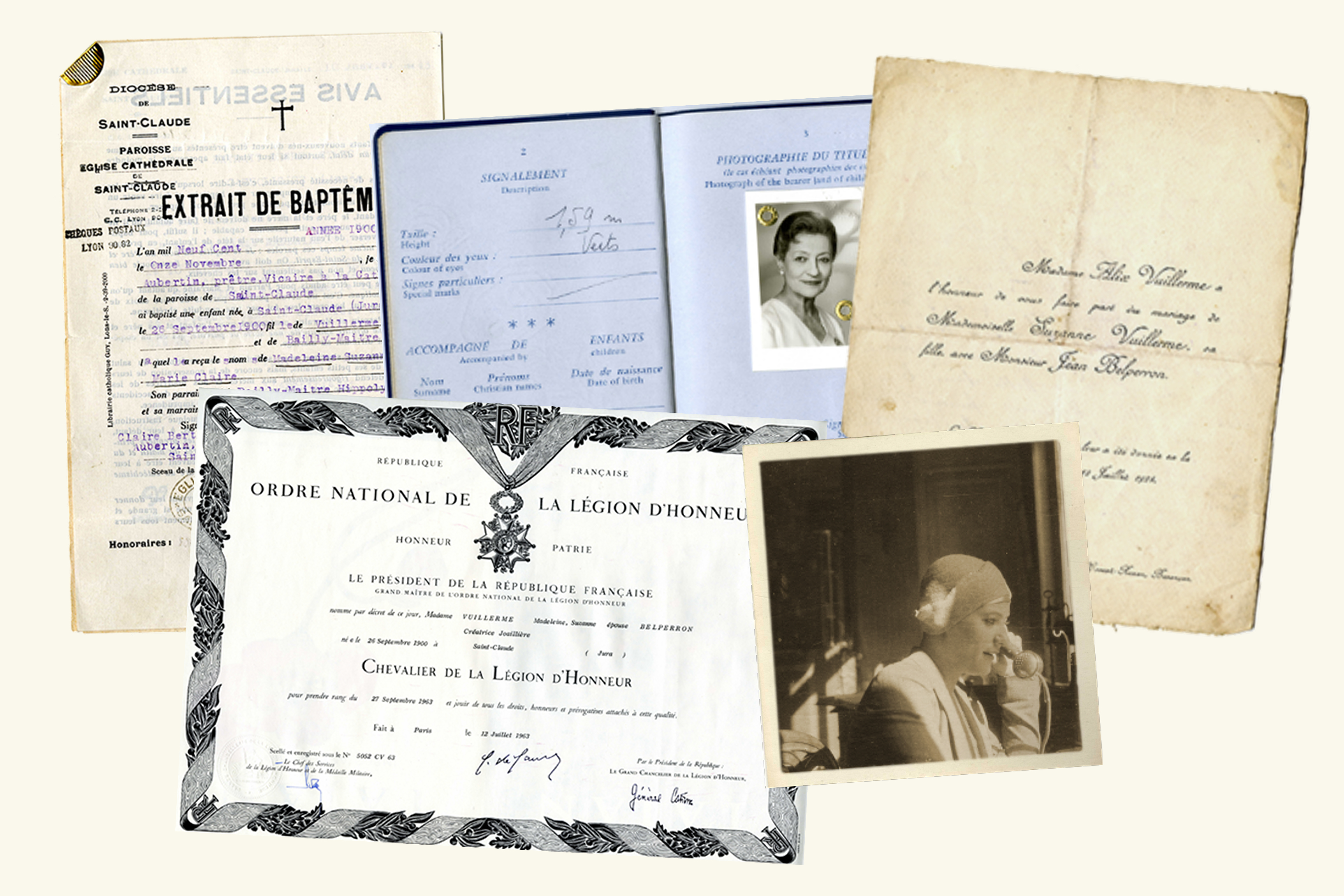
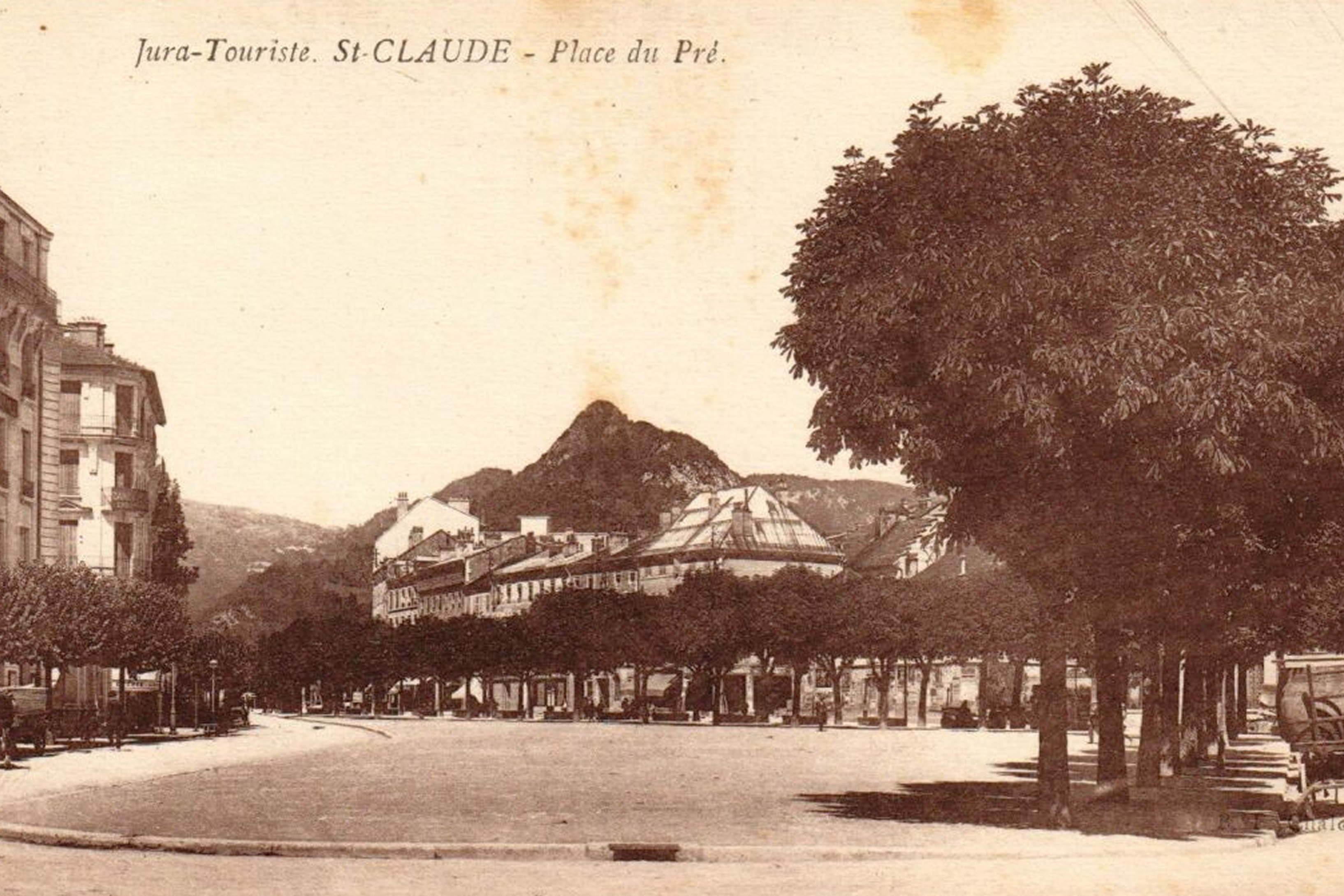
Madeleine Suzanne Vuillerme (later Belperron) was born in 1900 in Saint-Claude in the Jura, a region famous for gemstone cutting. She studied at the École des Beaux-Arts in Besançon and by March 1919 had been hired as a model-designer by Jeanne Boivin of Maison René Boivin. Belperron’s rise at Boivin was rapid: she became co-director by 1924, working closely with Jeanne Boivin (the widow of René Boivin). The Boivin atelier was a “laboratory of form” for Belperron: under Jeanne Boivin’s mentorship she learned to view each jewel as a voluminous object, focusing on volume, structure and proportion rather than mere surface decoration. Her early designs already hinted at the fluid, organic shapes that would later define her style. During these years she experimented with hardstones and mixed materials, gaining expertise in how different gemstones and metals behave in jewelry.
The importance of these years becomes clearer when viewed through Belperron’s later practice. Her training was not limited to drawing attractive compositions on paper. She developed an understanding of how volume could be translated into a wearable object and how different materials behaved when cut, polished, set or worked by hand. This relationship between drawing and execution would remain central to her work long after she left Boivin.
In February 1932 Belperron left Boivin and joined Paris dealer Bernard Herz (B. Herz) as artistic director of his firm. She established a discreet salon by appointment at 59 rue de Châteaudun and worked with stone carver Adrien Louart and the Groëné et Darde workshop, which produced her designs. This move allowed Belperron greater creative freedom: she could conceive jewellery under her own name while still benefiting from Herz’s established business network. Belperron began developing jewels through close collaboration with individual clients, often designing pieces to harmonize with a particular stone or person. In all cases she refused to sign the pieces, firmly believing “her style alone was her signature”. The line “My style is my signature” became emblematic: decades later, scholars note that the absence of any maker’s mark means Belperron’s authorship must be reconstructed from style, documented provenance, workshop marks and archives.
The Laboratory of Form at Boivin
Many principles of Belperron’s mature style took shape during her Boivin years. The 1920s and early 1930s were the height of Art Deco, with its focus on strict geometry, symmetry and white metals. Belperron was fluent in that language, but she gradually softened and expanded it with sculptural qualities. Geometric elements in her designs acquired thickness, relief and three-dimensional form – a jewel was no longer just decoration on the metal surface, but a small object with its own volume.
This is why her work is often described as avant-garde: for example, Christie’s notes that “these combinations of colors and materials (transparent, translucent, opaque) created unusual light effects”, and other analysts highlight the bold, curvaceous forms and sculptural silhouettes of her pieces.
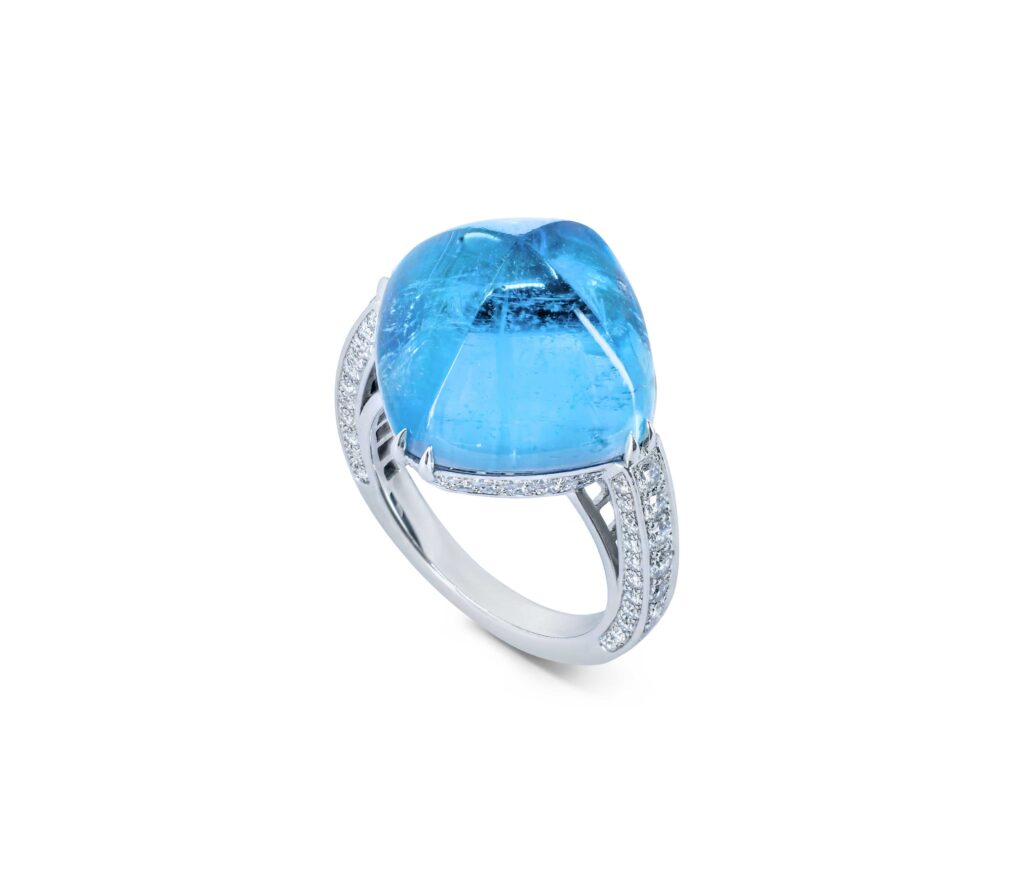
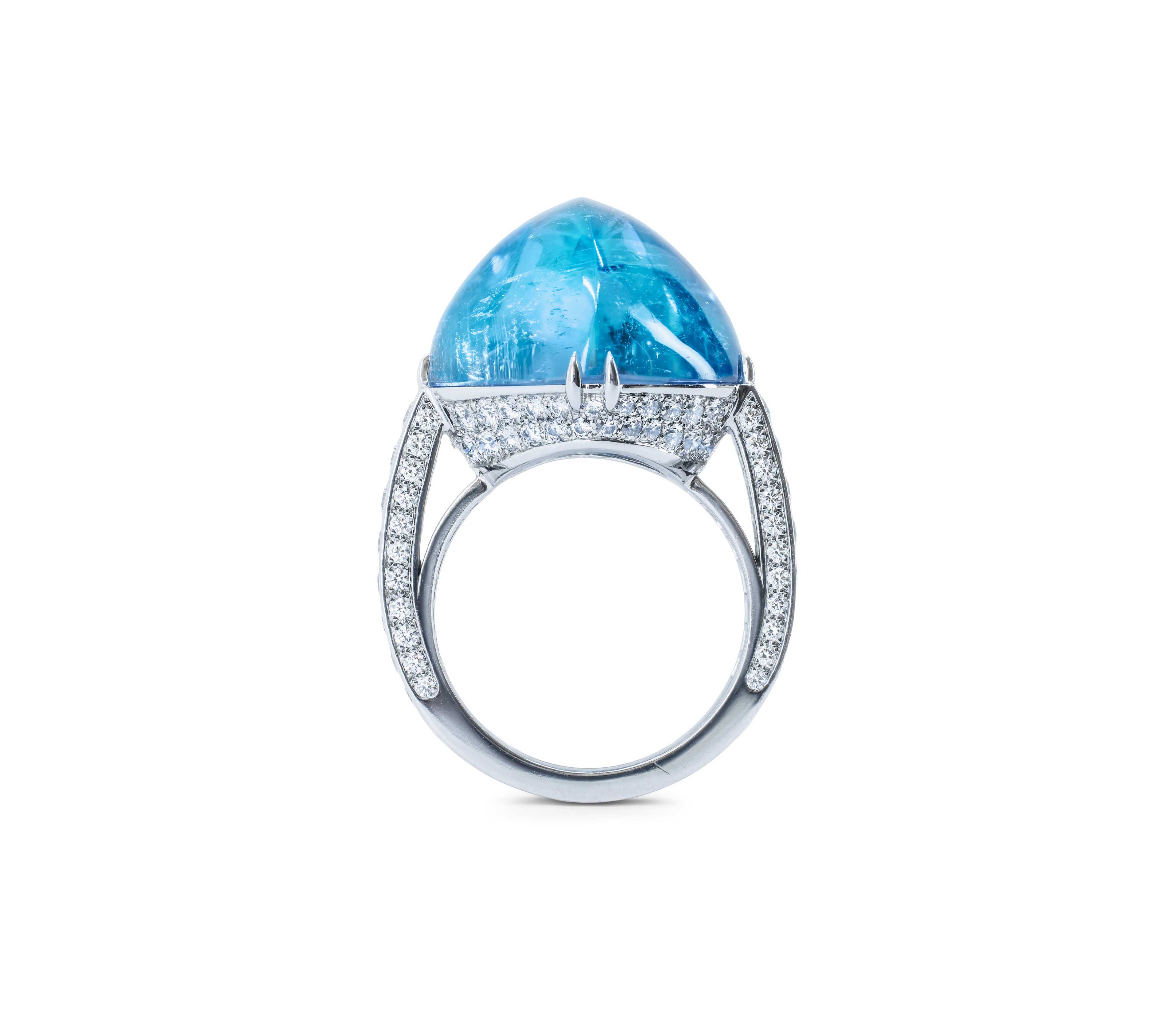
In practice, this meant that Belperron would often carve hardstones (rock crystal, chalcedony, agate, smoky quartz, amethyst, etc.) into architectural shapes, then set them within gold and diamond frameworks. She treated the stone as an active structural element, its color, translucency, and possible carving were integral to the design, rather than simply a gem to be mounted.
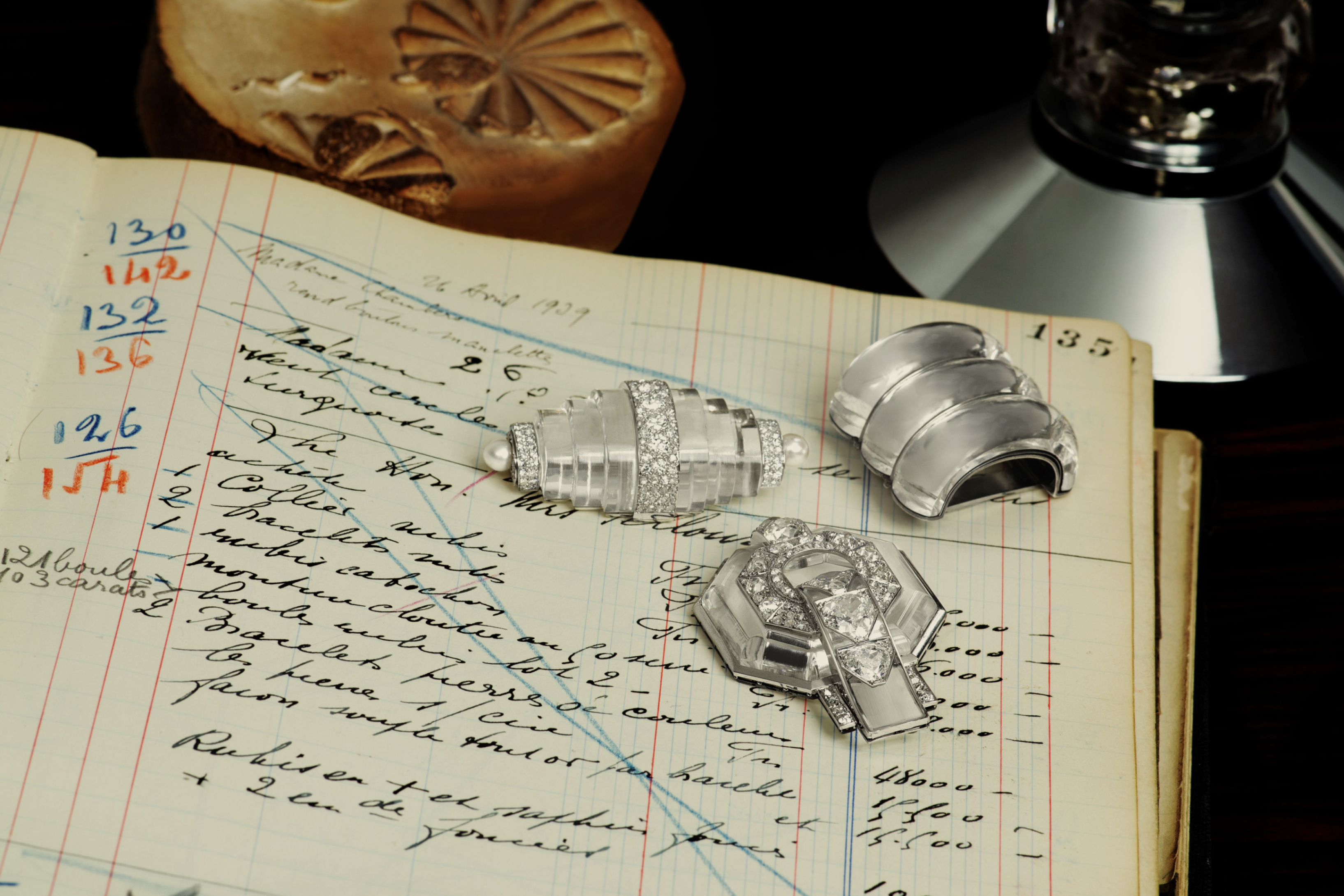
Technically, Belperron’s pieces were often handcrafted to a very high standard. Baroin notes that many of her earlier works (circa 1930s–1940s) were fabricated entirely by hand, whereas later decades saw more use of casting techniques. Because she worked with specialist workshops (the same Groëné et Darde atelier from 1928 on) and expert lapidaries, Belperron could realize complex shapes in precious metal that still retained the feel of “modelled” jewelry. In fact, the workshop marks on a piece can help date it: Groëné et Darde marks changed after 1955 and again after 1970. Belperron also innovated in settings, such as her signature knife-edge serti-couteau setting, that allowed gems of varying shapes to fit closely like cells. In all these ways, the carving of stones, the construction of mountings, and the use of colored contrasts, Belperron’s technical methods served her sculptural vision.
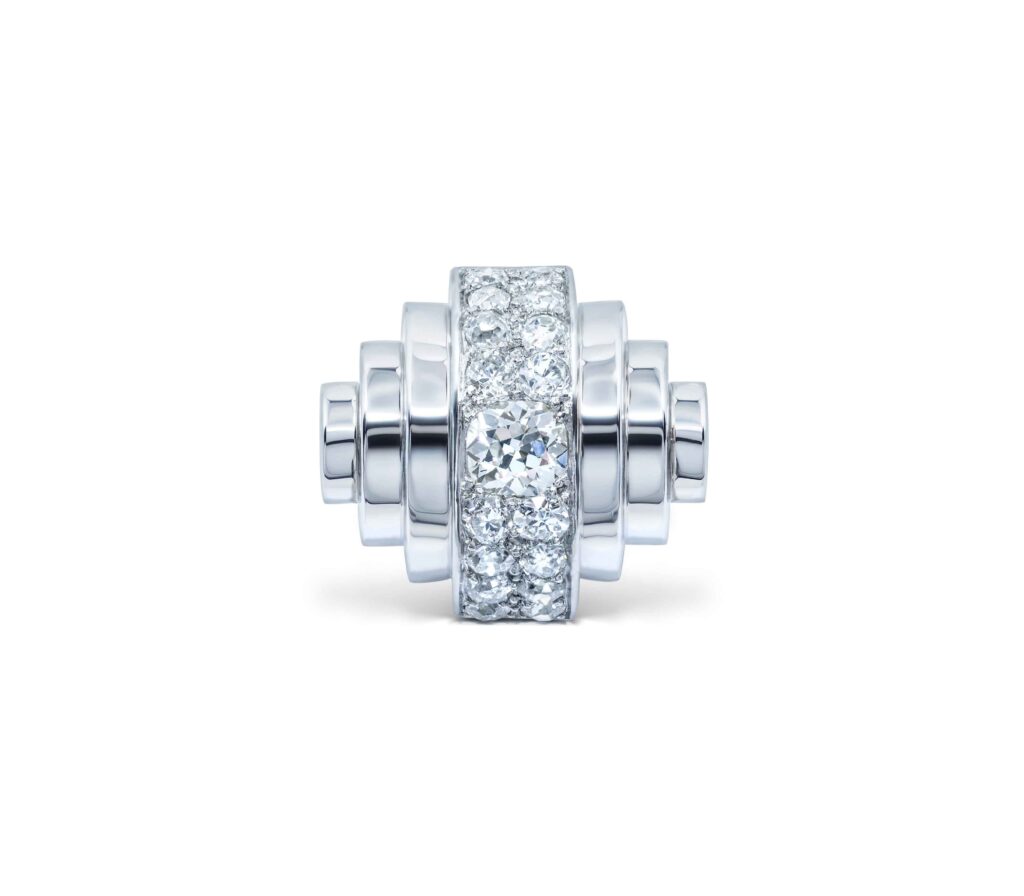
An Early Belperron Jewel: A René Boivin Ring
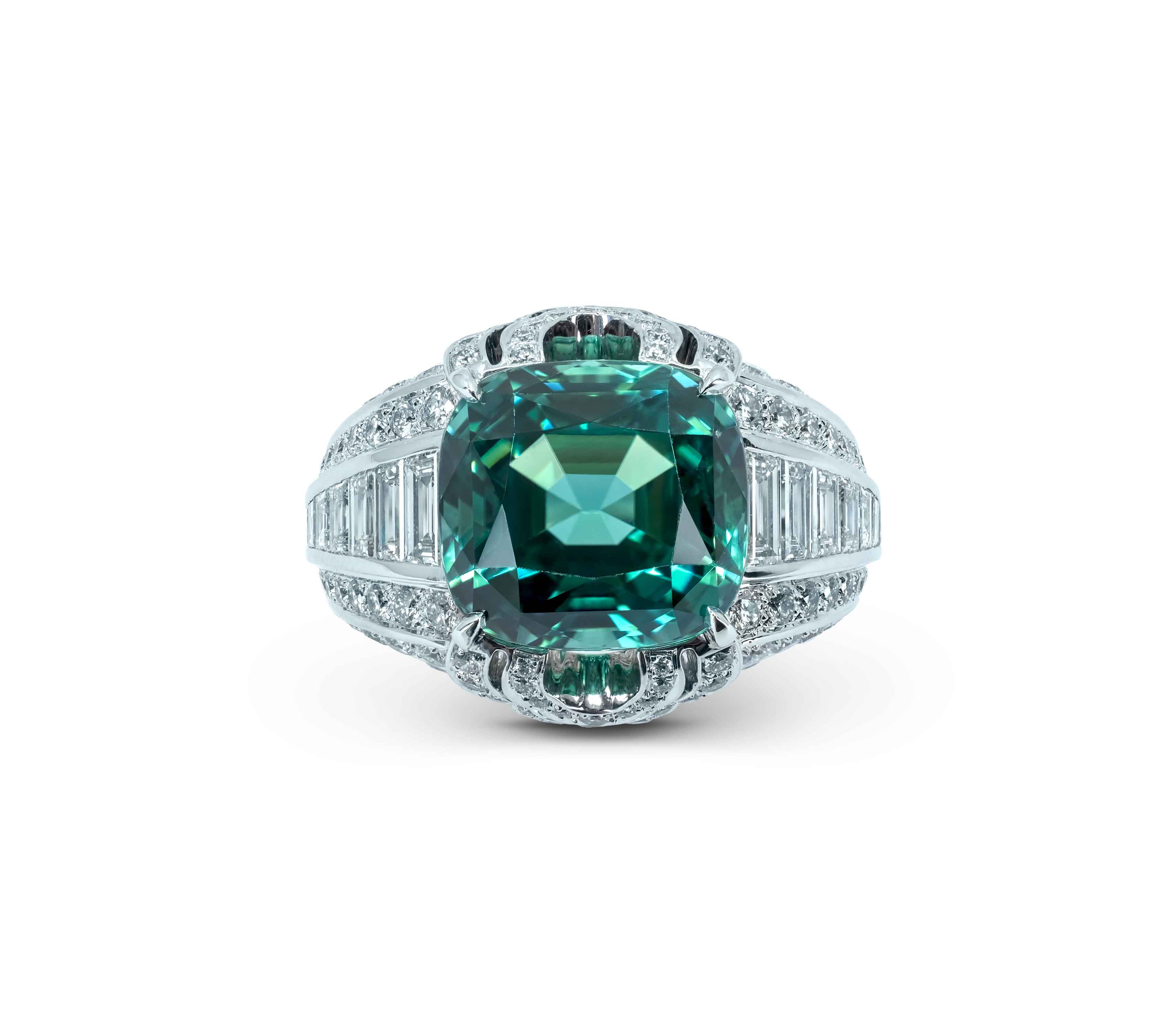
To illustrate Belperron’s early style, consider a René Boivin ring from our collection. Initially thought to date circa 1935, the piece now falls within the timeframe of her Boivin period (1919-1932). By 1935 Belperron had actually left Boivin (in 1932), so experts prefer a more neutral attribution. In line with archival practice, the ring could be described as dating prior to 1935. The ring’s design is distinctively Belperron-esque: it has a stepped, pyramidal profile covered in pavé-set diamonds, with a larger center diamond integrated into the tiered structure. Rather than a conventional high-set solitaire, the central stone sits flush with the multi-level head, reinforcing the geometric volume. This reflects the Boivin-era lessons of creating jewelry by mass and volume, yet with the creative flair that Belperron brought to her designs.
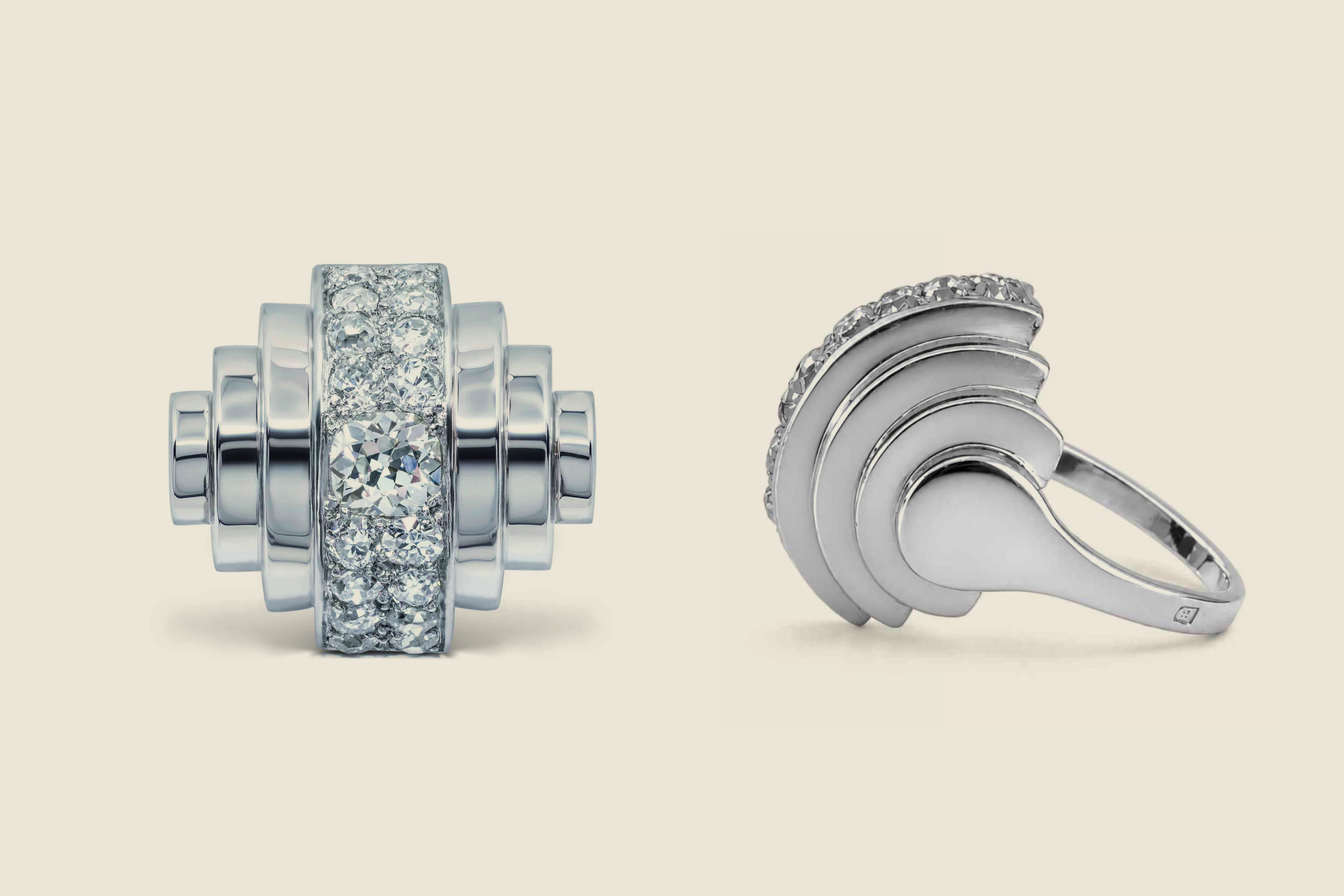
Because this was made for Maison René Boivin, the name stamped on the piece (and the Boivin workshop marks) denote its manufacturer, not the designer. In this period Belperron often designed jewels that were then produced in Boivin’s workshops. Thus, to attribute the ring we combine stylistic analysis with provenance. We see Belperron’s hallmark use of architecture and integration of stone, even though the finished piece is associated with Boivin and hallmarked by Groëné et Darde. This highlights an important point: a design may be by Belperron even if the maker’s mark is Boivin or a workshop. In her own time she rarely signed anything, so today researchers rely on house records, drawings and comparative style to make the attribution.
Working with Stone
In her post-Boivin years, especially under Bernard and then Jean Herz (from 1932 onward), Belperron’s identity as a designer became more pronounced. One hallmark of her mature work is how deeply the choice of material informs the design. A gemstone was selected not merely for rarity but for its effect: color, transparency, carve-ability, surface texture and scale all influenced the overall form. Rock crystal might be cut into architectural facets that catch light; milky chalcedony could form broad, petal-like elements; smoky quartz and amethyst could be carved into bold shapes. Belperron’s surviving notes and order books show that she often matched clients with particular stones, then designed the jewel around it, rather than treating stones as interchangeable gems.
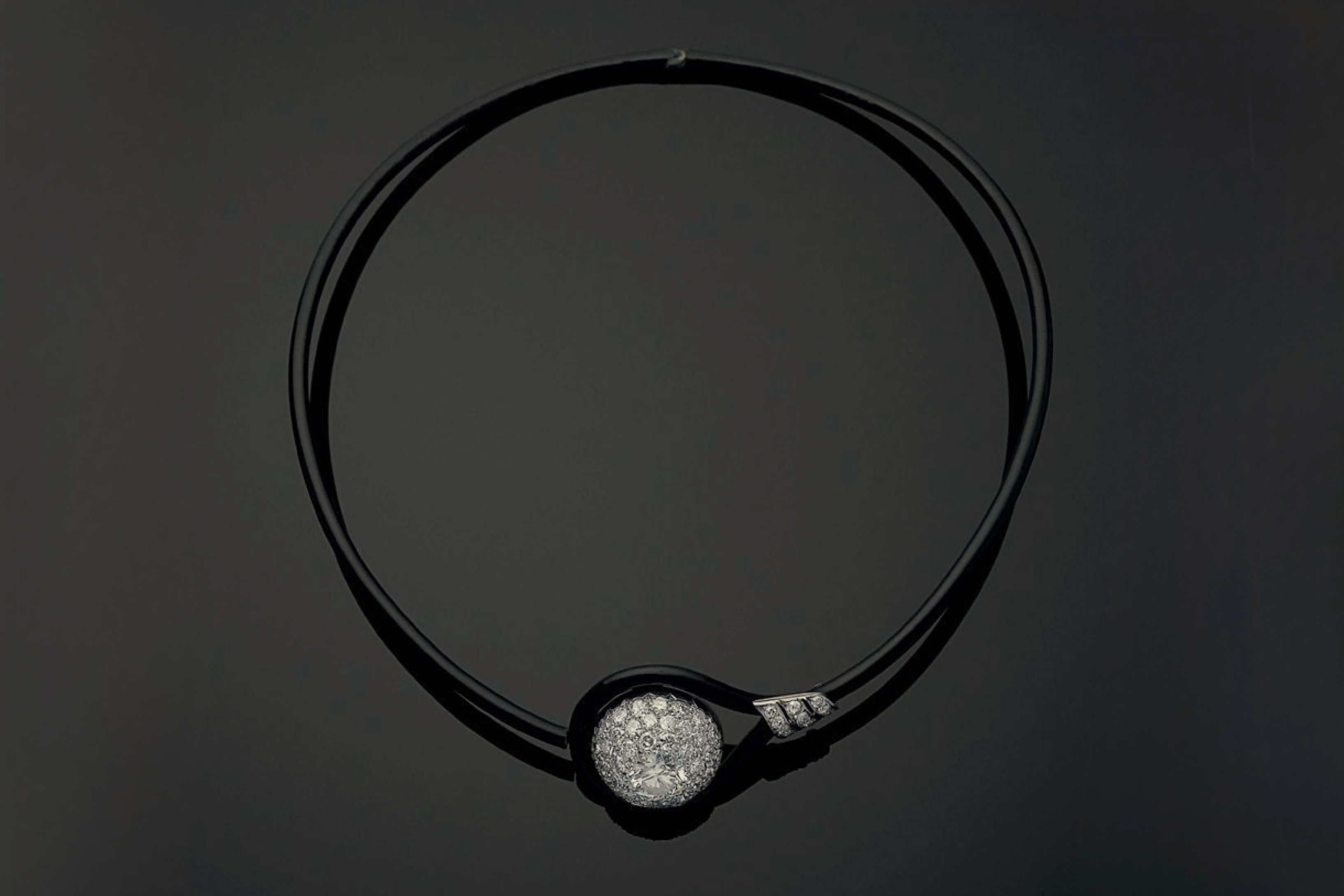
Her combination of materials was revolutionary. Christie’s and other experts note that Belperron boldly married precious and “ornamental” stones, for example sapphires with chalcedony or diamonds with rock crystal. These contrasts of color and surface give her jewels a unique look: translucent chalcedonies next to sparkling gems, or smooth rock crystal alongside textured gold. In some pieces, colored gems are set within a block of transparent crystal, or arranged like a mosaic of colors (known as camaïeu, variations of a single hue). The effect is that light and color become part of the structure of the jewel, not just an added flourish.
This approach required close collaboration with specialists. Belperron worked almost exclusively with one lapidary, Adrien Louart (1890-1989), who carved many of her hardstone components. Baroin points out that Louart’s expert carving is a key clue in authenticating her pieces. The combination of Belperron’s gouache sketches, engraved wax models, and Louart’s stones would then be executed by the Groëné et Darde workshop. In sum, each of Belperron’s jewels emerged from dialogue between designer, client and craftsmen, a process carefully documented in her archives and reflected in the finished object.
Colour, Surface and Technique
Colour became an essential element of Belperron’s aesthetic. She often used strong contrasts as well as subtle tonal harmonies. For instance, she was fond of camaïeu designs, where different shades of a single color create a unified look. She might pair emeralds and peridots with yellow gold, or deep sapphires with pale chalcedony. The interplay of transparent, translucent and opaque materials was deliberate: polished hardstones next to faceted gems, or frosted crystal edges against smooth metal, all play with light. Even her use of gold was textured and varied, burnished surfaces could catch the eye differently than the high shine of platinum or silver.
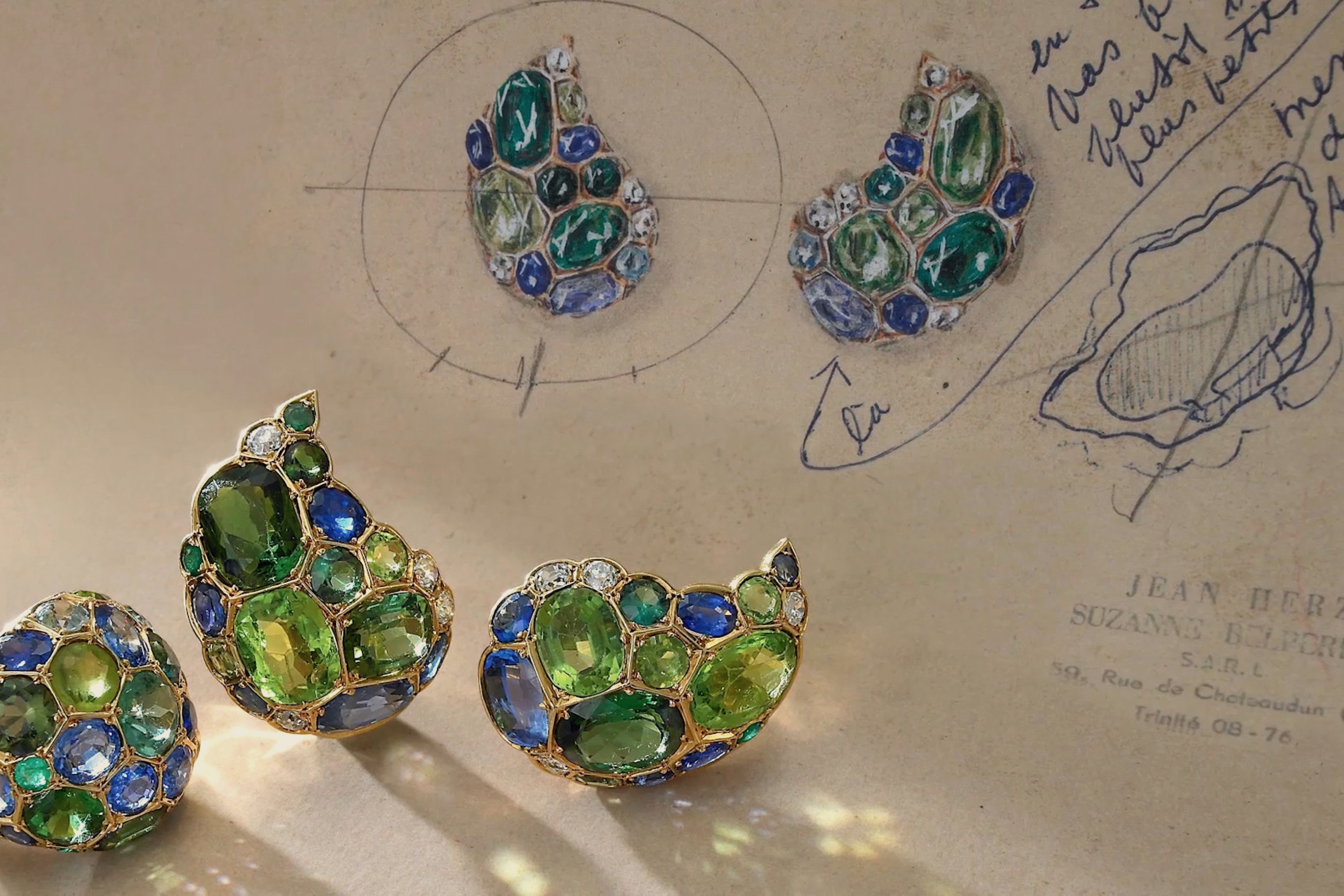
Belperron also developed technical innovations to achieve her visual goals. She popularized the serti-couteau (knife-edge) setting in which gems are fitted closely together in gold cells, allowing unconventional shapes to nest seamlessly. In some pieces she set colored stones beneath a layer of rock crystal, or inside a metal framework as in a sculpture. All these methods reinforced the sculptural unity of her work: nothing is purely ornamental, and every facet of cutting, setting or polishing serves the design’s volume and flow.
The World of Her Clients
By the 1930s Belperron had an international, high-fashion clientele. Her jewelry appeared in the glossy pages of Vogue and Harper’s Bazaar, worn by society figures.
Elsa Schiaparelli was a key early patron: in 1933 Vogue published photos of Schiaparelli wearing Belperron’s jewels, calling her designs “the new theme in jewels” (literally “la nouveauté absolue en joaillerie”) and thus exposing Belperron to the avant-garde world of fashion.
Her jewels were particularly compatible with women whose public image was itself constructed through fashion, photography and personal style. The jewellery did not necessarily need to disappear into an evening ensemble. It could become one of the elements through which the wearer was recognised.
Designer Colette became a friend, and icon Diana Vreeland later acquired Belperron pieces, including a famous rock-crystal “Facetté” bracelet. Belperron’s clientele ranged from European royalty to Hollywood stars; documented orders include Colette, Mme. Harry Lynde Bradley, Daisy Fellowes, and even the Duke and Duchess of Windsor. (Indeed, Belperron had at least 16 pieces in the Duchess of Windsor’s collection, sold at Sotheby’s in 1987.)
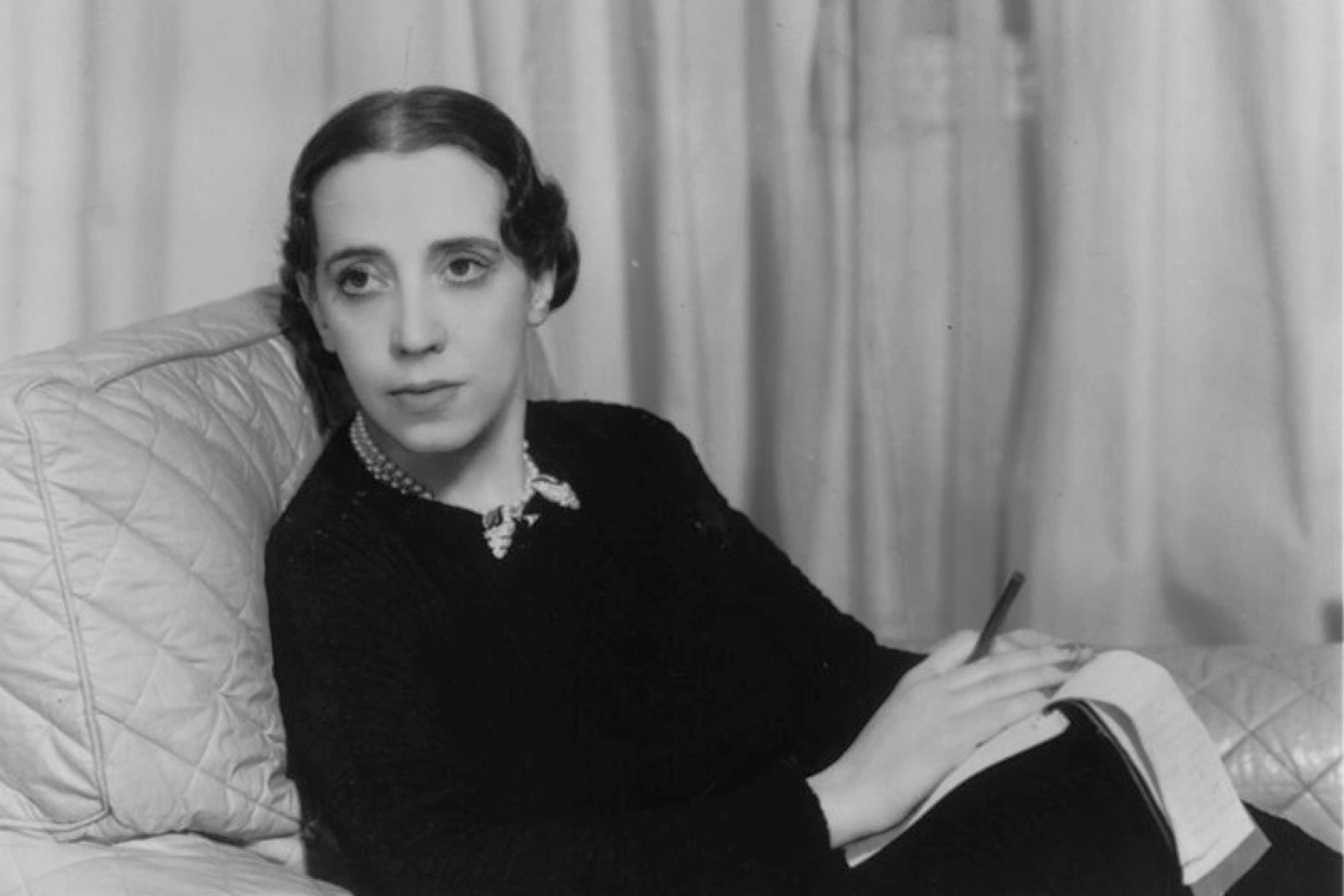
Each wealthy client saw a Belperron jewel as a statement: the jewelry did not merely complement an outfit but could become part of the wearer’s persona. Her combination of fine and “barbaric” materials, and her ability to merge art and jewelry, resonated with creative figures.
In the words of Lagerfeld, who collected her work: “A Belperron jewel can be recognized right away. It’s an attitude.”
The Problem of Unsigned Jewellery
Belperron’s choice not to sign her work was a double-edged sword. In her lifetime it allowed her style to speak for itself; later it posed a challenge for historians and dealers. Without a name or maker’s mark, many of her pieces were misattributed or unattributed for decades. Authentication relies on a combination of clues: provenance, workshop marks (which may be rubbed off or absent on hand-carved stones), archival records and stylistic analysis. In some cases, hallmarks from Groëné et Darde or others have worn away. In any event, Belperron jewelry can now only be confidently attributed by cross-referencing the archives with technical study.
Baroin’s extensive certificates today bear witness to this process: he often notes that a piece’s dating is confirmed “dating from prior to 1935” when found in the archive, even if the style might suggest a later date.
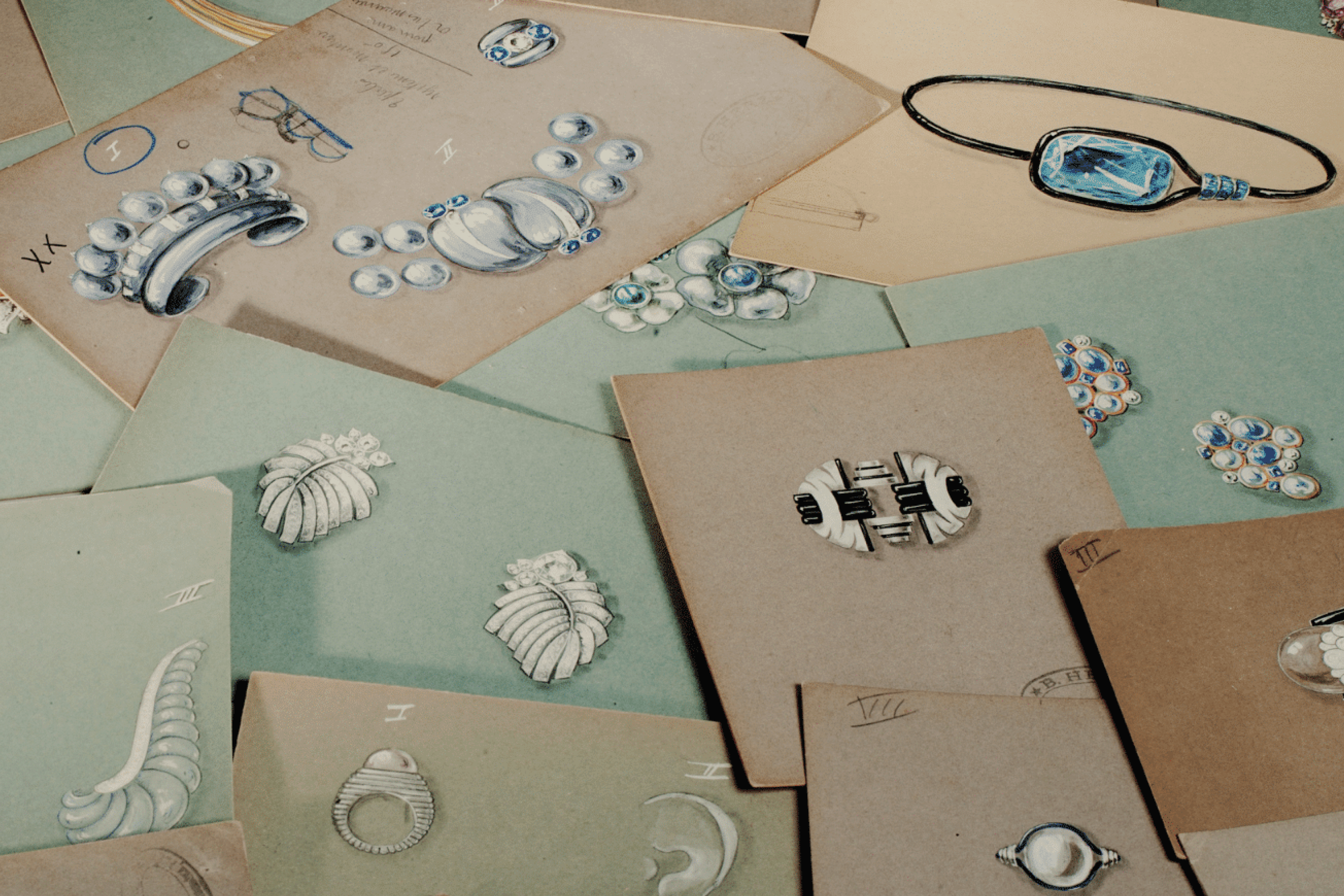
This is also why understanding the marks found on a vintage jewel can be so important: a hallmark may not identify the designer, but it can provide valuable evidence about where and when a piece was made. For a broader look at how these clues are read, see our guide to Jewelry Hallmarks Explained.
From Rediscovery to Recognition
Belperron’s posthumous reputation underwent several revivals. Interest in her work had been modest until the late 20th century, but began to rekindle after her death. A major catalyst was the 1987 Sotheby’s sale “The Jewels of the Duchess of Windsor”, where 16 lots by Suzanne Belperron appeared. In that sale, many pieces were finally attributed to her, highlighting her importance alongside the great maisons.
In 1999, Verdura owners Ward and Nico Landrigan acquired the rights to the Belperron name and the long-lost design archives (over 9,300 drawings, models and order books). They helped organize exhibitions and publications. The first scholarly monograph on her was published in 2011 by Olivier Baroin and Sylvie Raulet. This was followed by Jewelry by Suzanne Belperron: My Style Is My Signature (2005 US, late 2015 EU) by Patricia Corbett, Ward and Nico Landrigan. (These texts gave her a new public audience and contain forewords by Karl Lagerfeld and other connoisseurs.)
Baroin’s discovery of the personal archives added the final piece to the puzzle. From 2018 onward, archival research began to turn anonymous pieces into documented Belperron works. For example, Christie’s specialists in 2018 identified a platinum-and-gold “Tube” bracelet (pictured in a 1948 Vogue ad) as a Belperron design; it sold for $852,500 in 2018. When it appeared again in 2024, it fetched $945,000. (The 1948 advertisement announced the post-war Jean Herz-Suzanne Belperron partnership.) Another case: a silver ring with chalcedony and amethyst originally estimated at €800-1,000 sold for only €3,700 in 2017; after Baroin certified it from the archive, it sold for €75,000 in 2018.
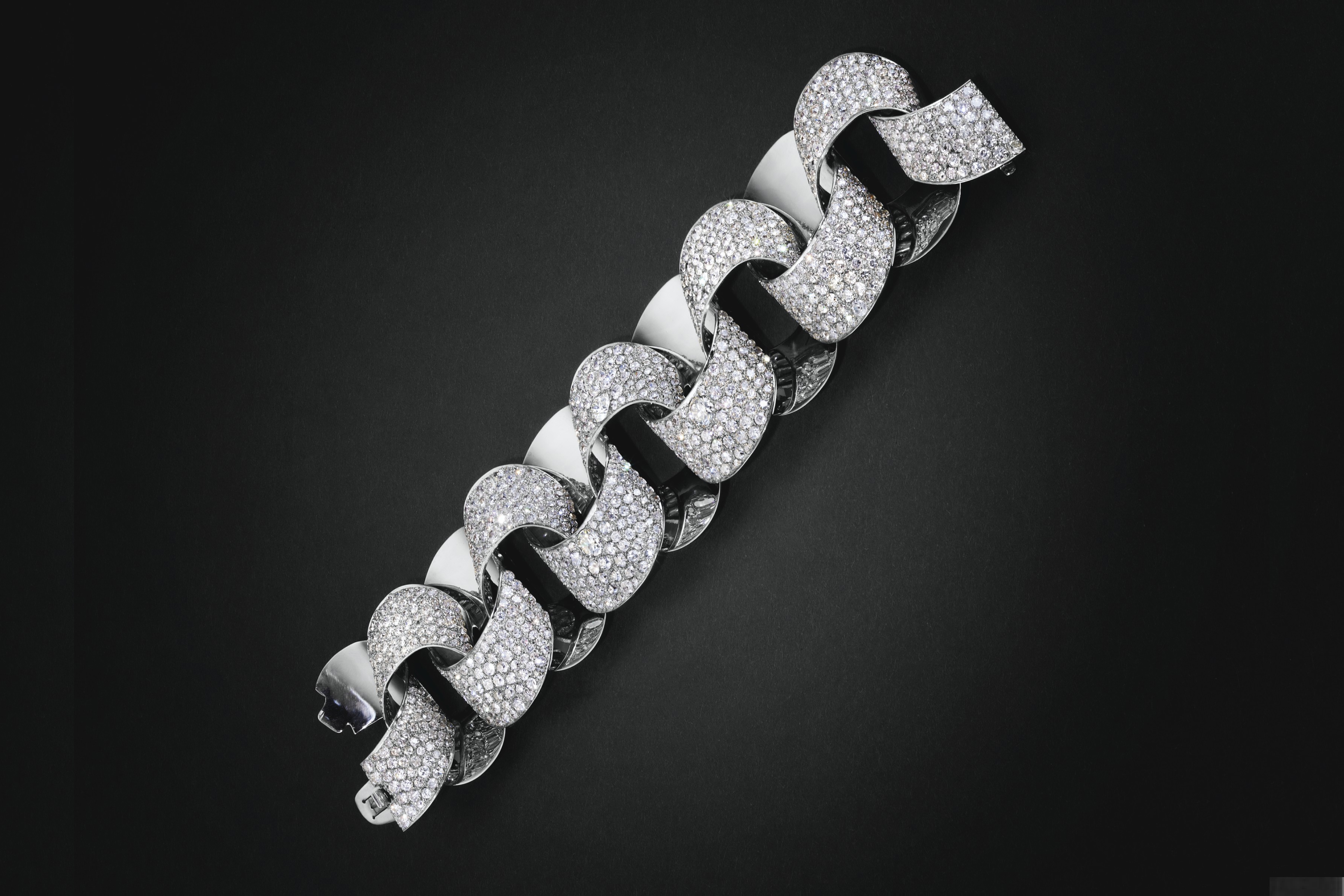
These stories show that today Belperron’s work is esteemed not only by auction prices but as part of art history. Her approach, where colour, texture and form are as significant as the gemstones’ intrinsic value, paved the way for modernist jewelry. Her legacy is embodied in every unsigned jewel that, through detailed research, can finally be signed by her style.
As Karl Lagerfeld observed in the foreword to Jewelry by Suzanne Belperron, “There is a humble splendor you can never find in other designers’ work before her. … The heart always prevailed.” Indeed, Belperron’s heartfelt creativity made her style truly her signature.