




Description
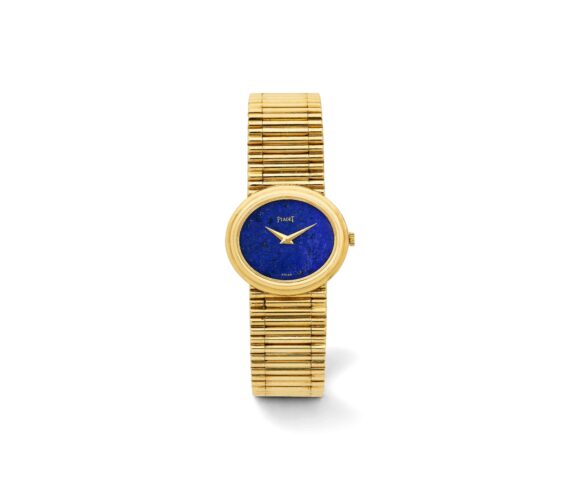
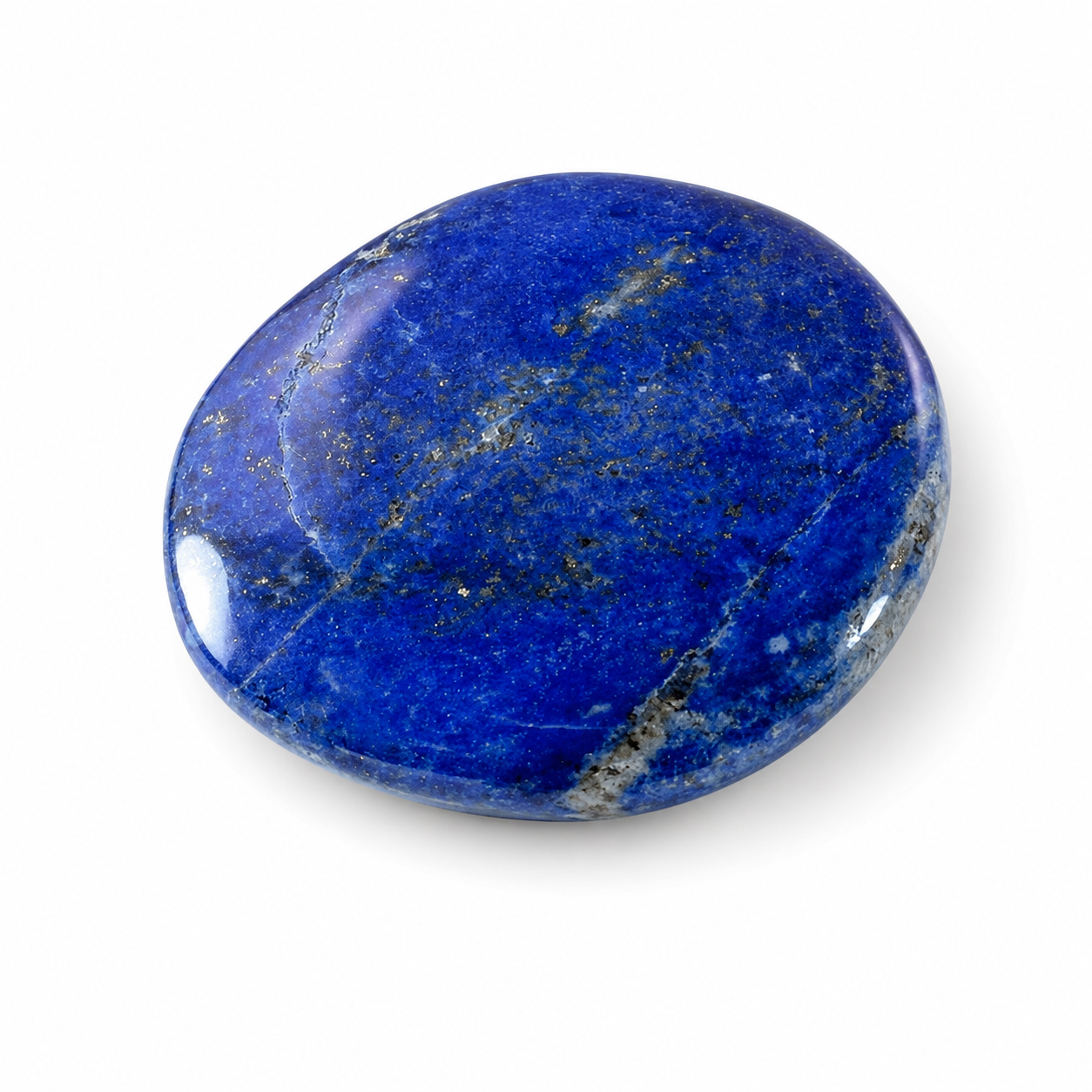
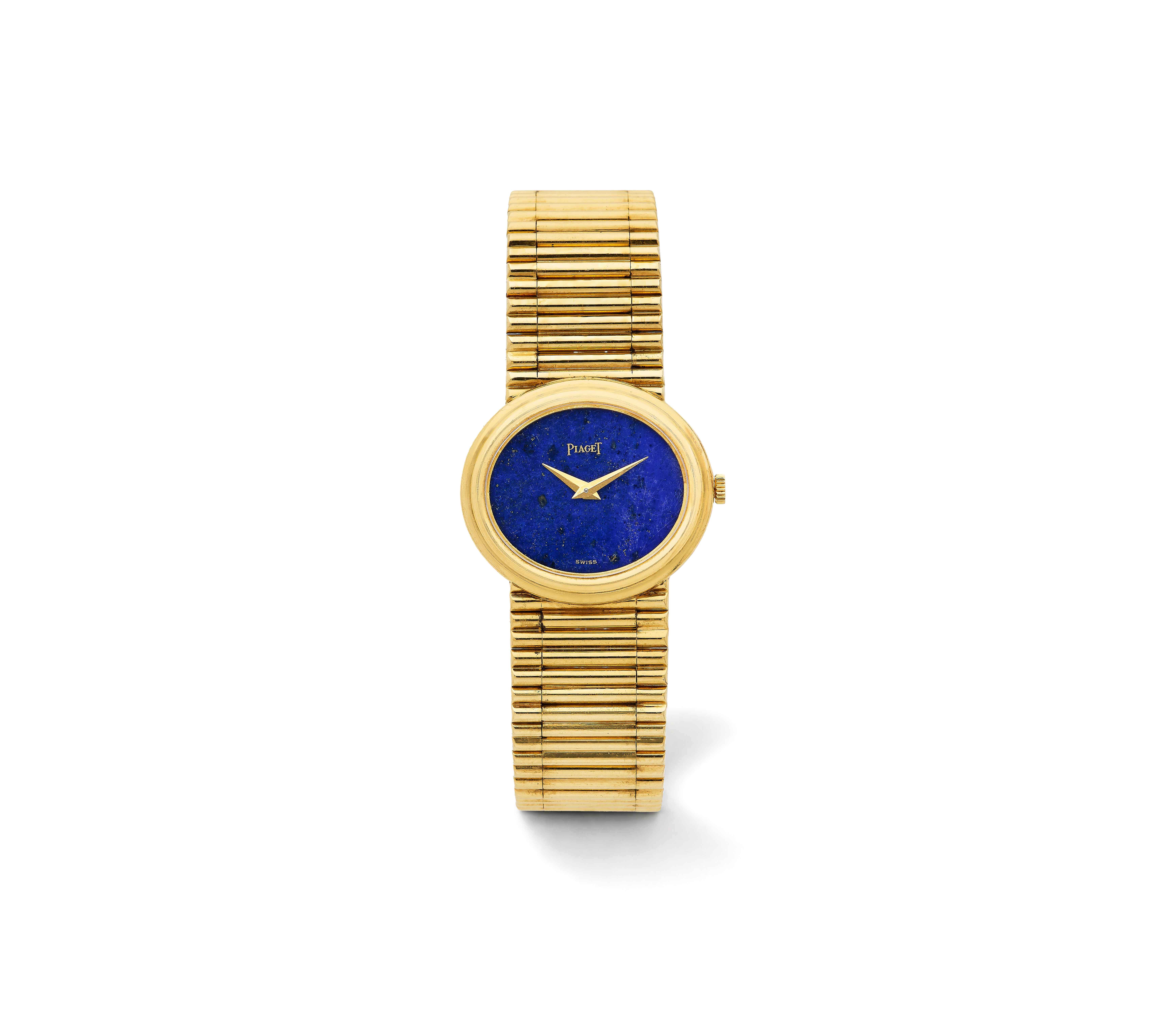
The dial is a single plate of lapis lazuli — deep ultramarine, flecked through with pyrite, the small gold-coloured crystals that occur naturally in the rock. There are no hour markers and no minute track. Two gold hands move across the stone, and nothing else interrupts it.
This is what Piaget was doing in the mid-1970s, and no other house did it as consistently. The maison cut its hardstone dials in its own workshops and built a whole vocabulary from them: lapis, malachite, tiger’s eye, onyx, opal, coral. Each dial came out of a different block of rock, which means no two are quite alike — the veining, the density of colour, the scatter of pyrite are particular to this stone and cannot be repeated.
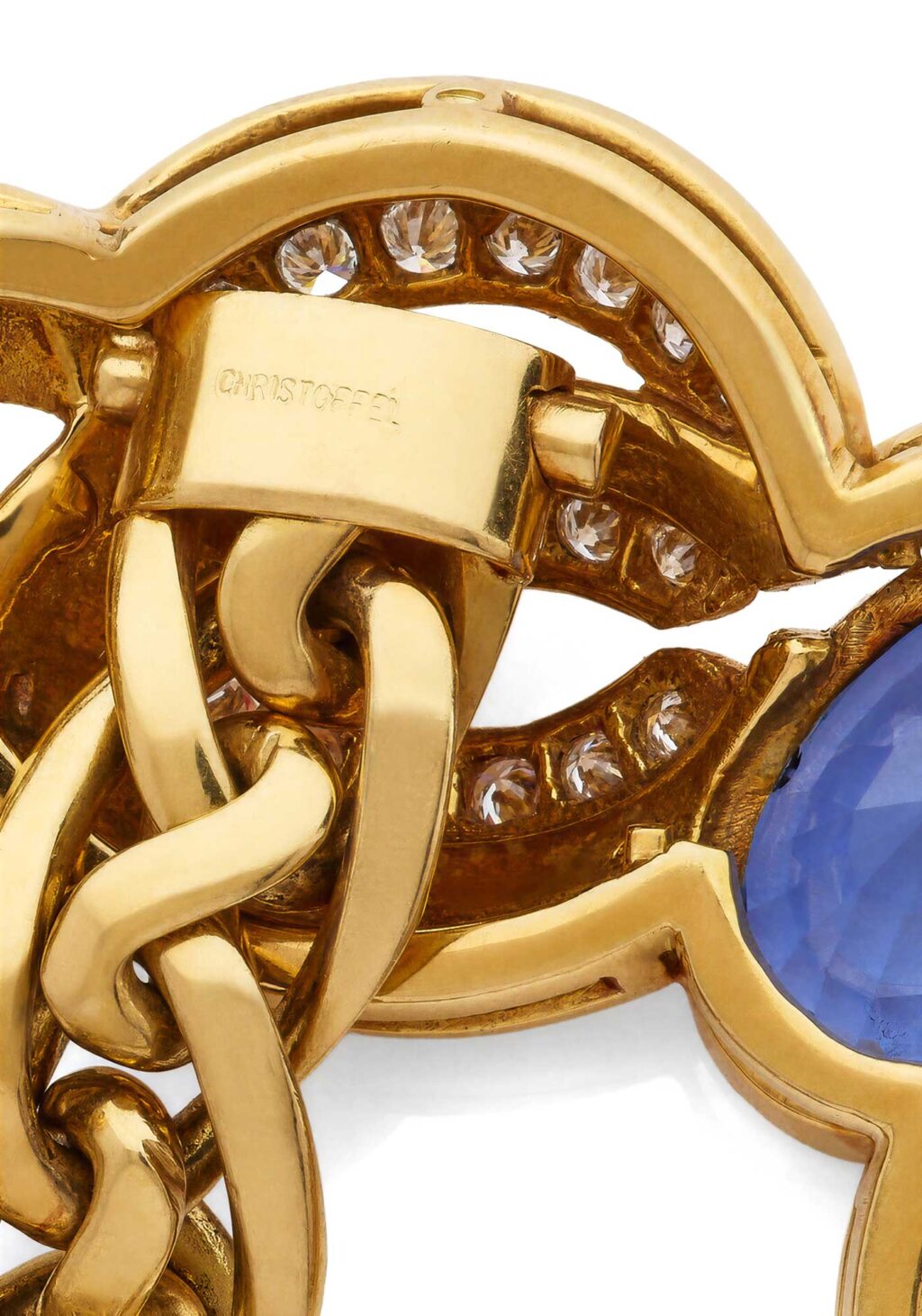
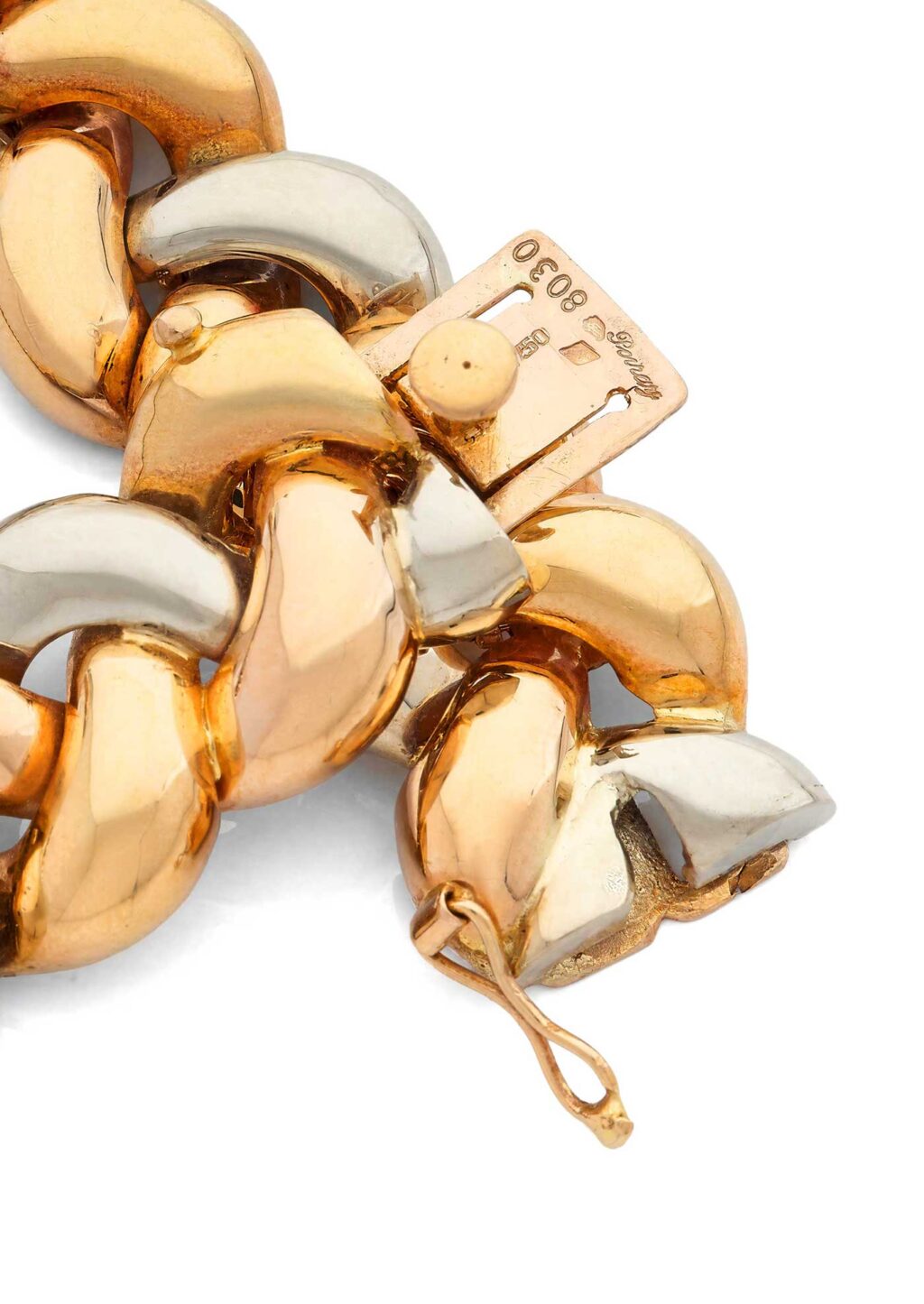
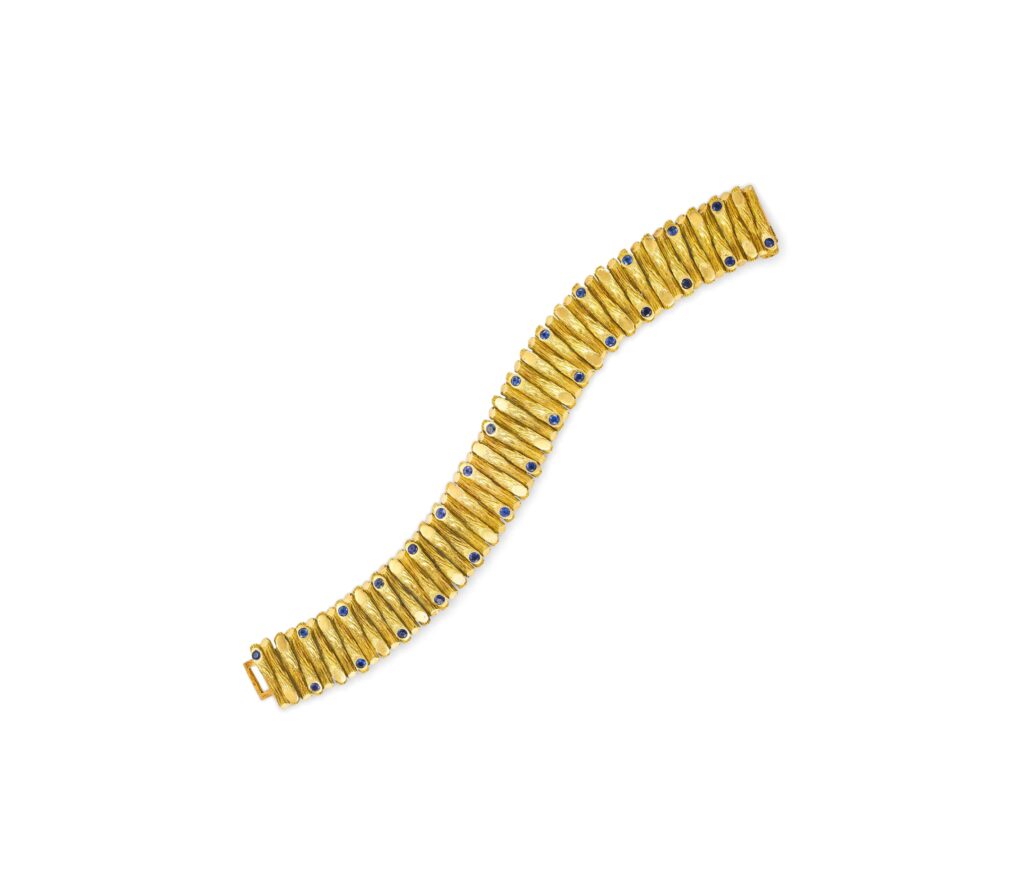
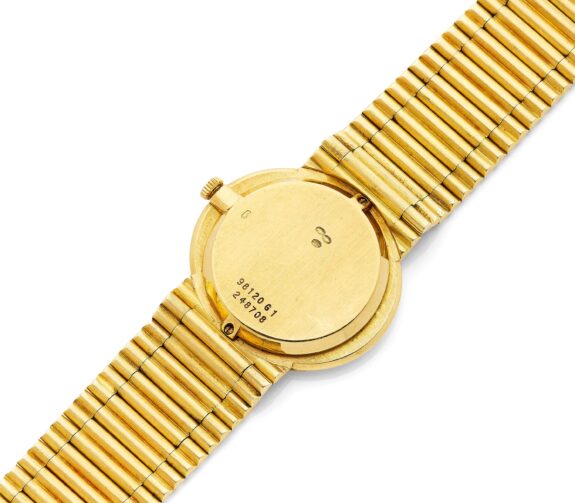
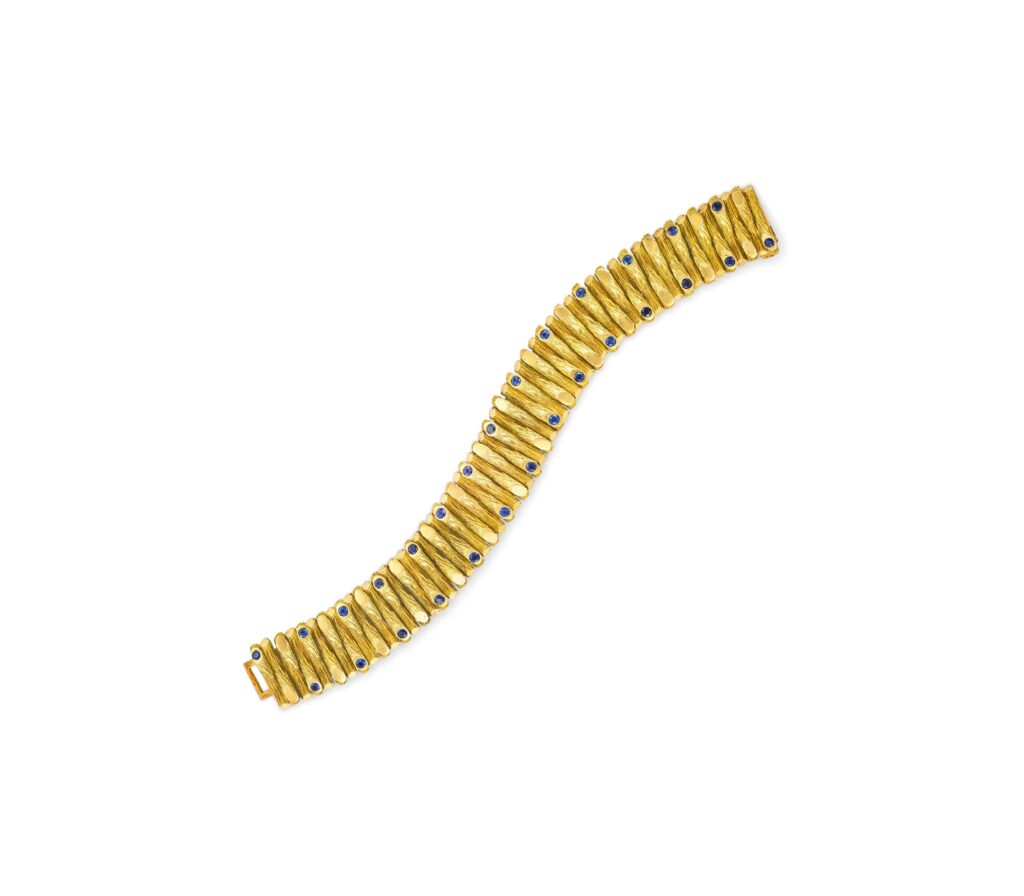
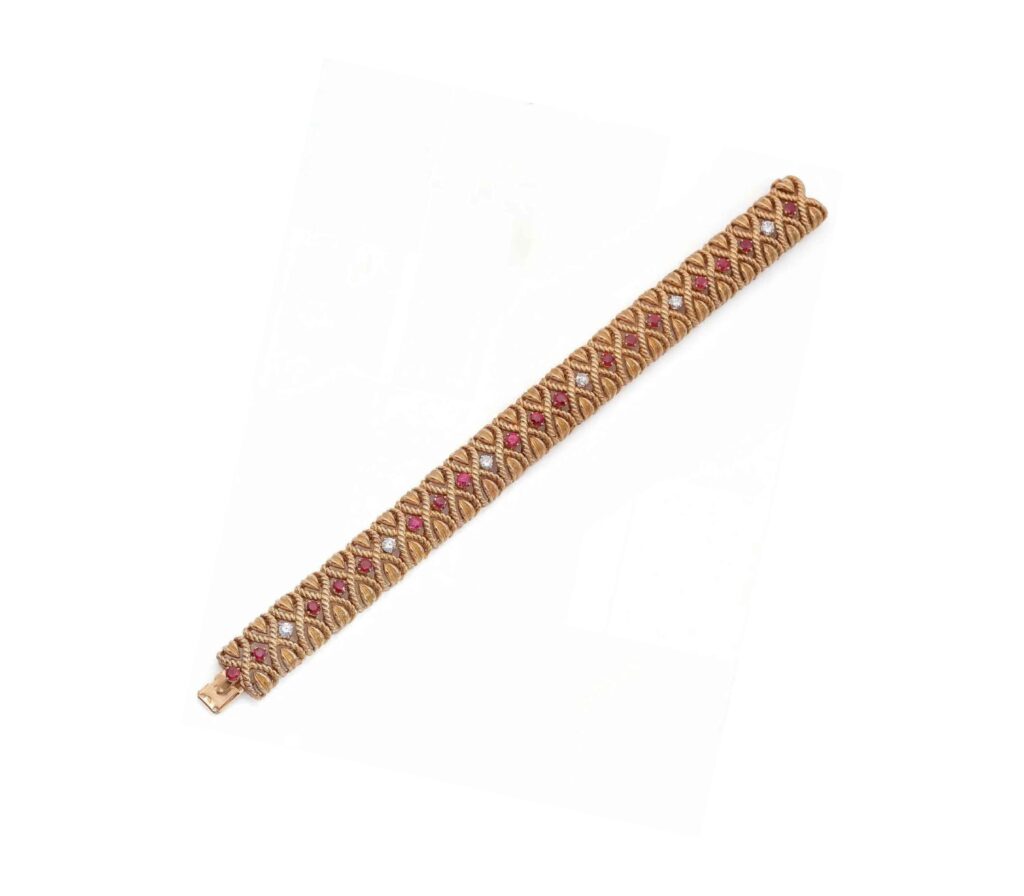
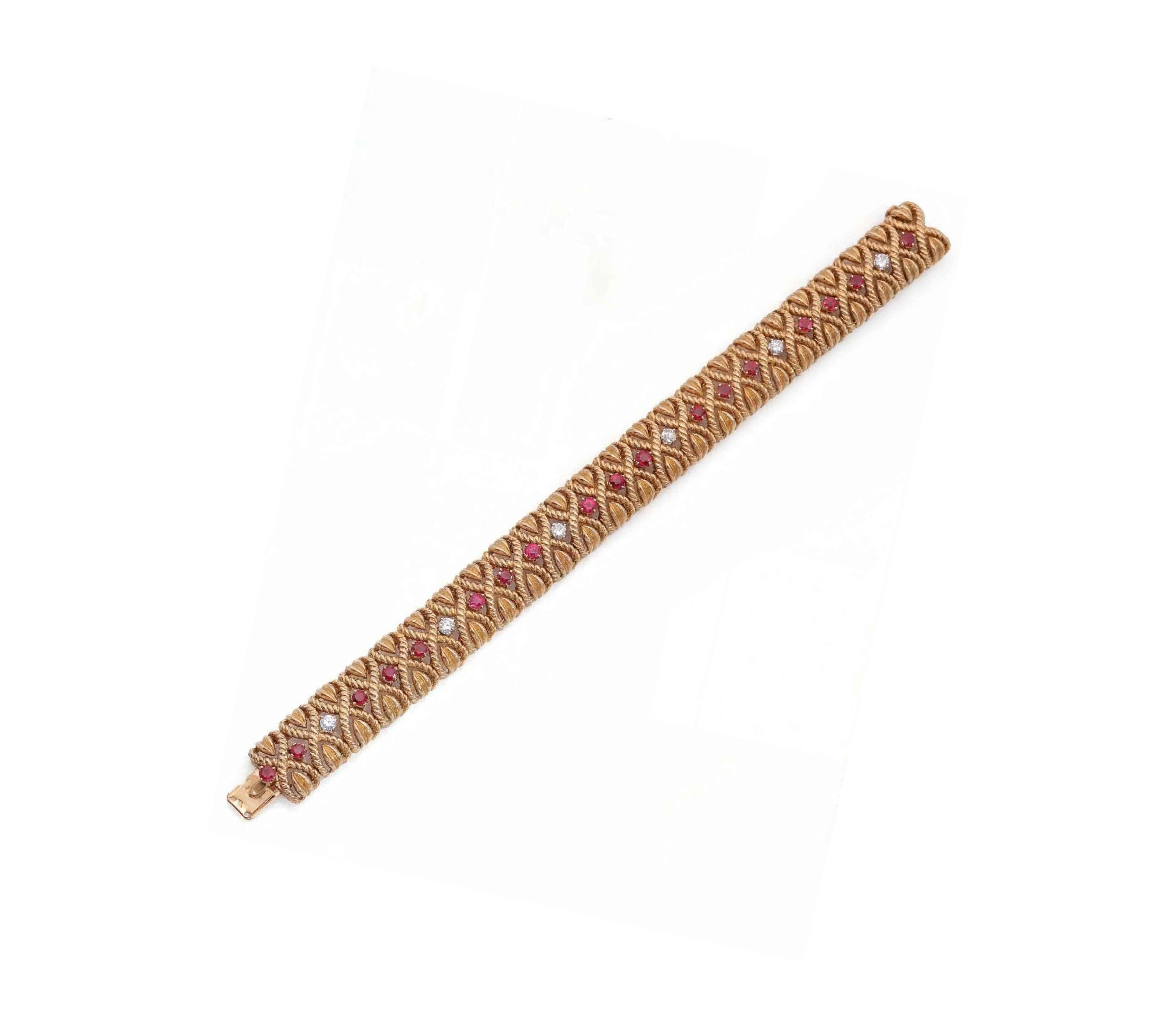
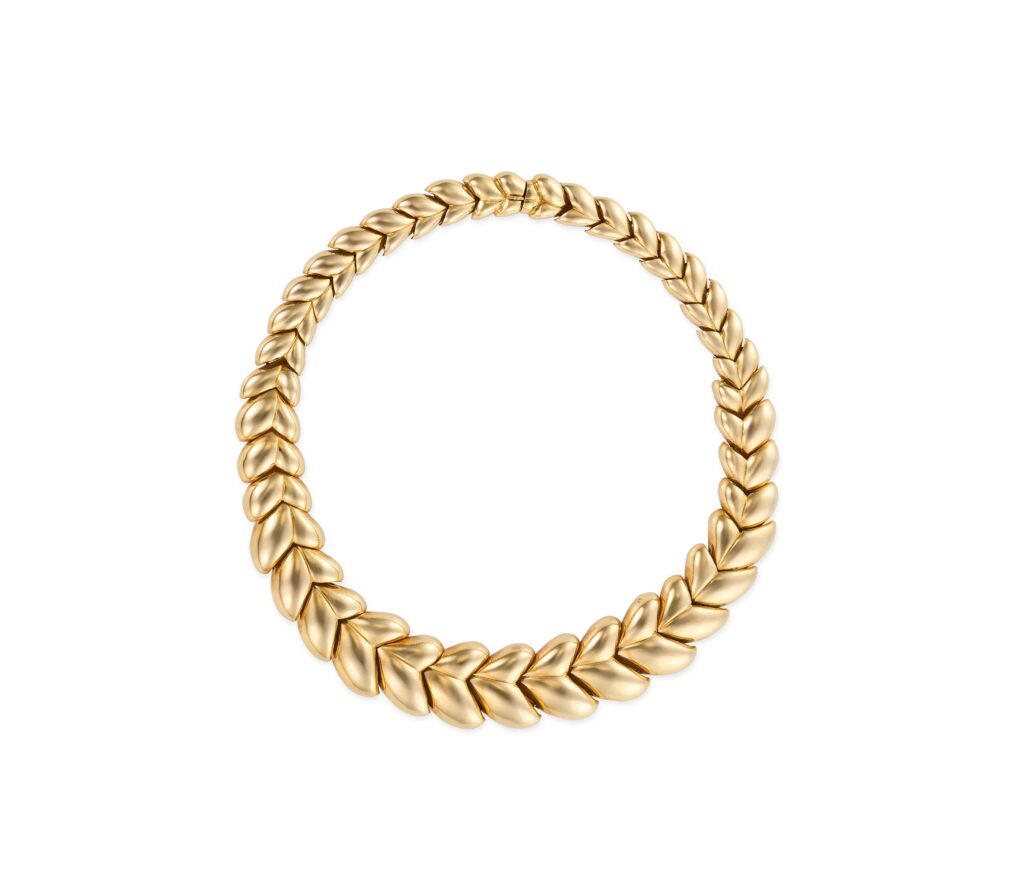
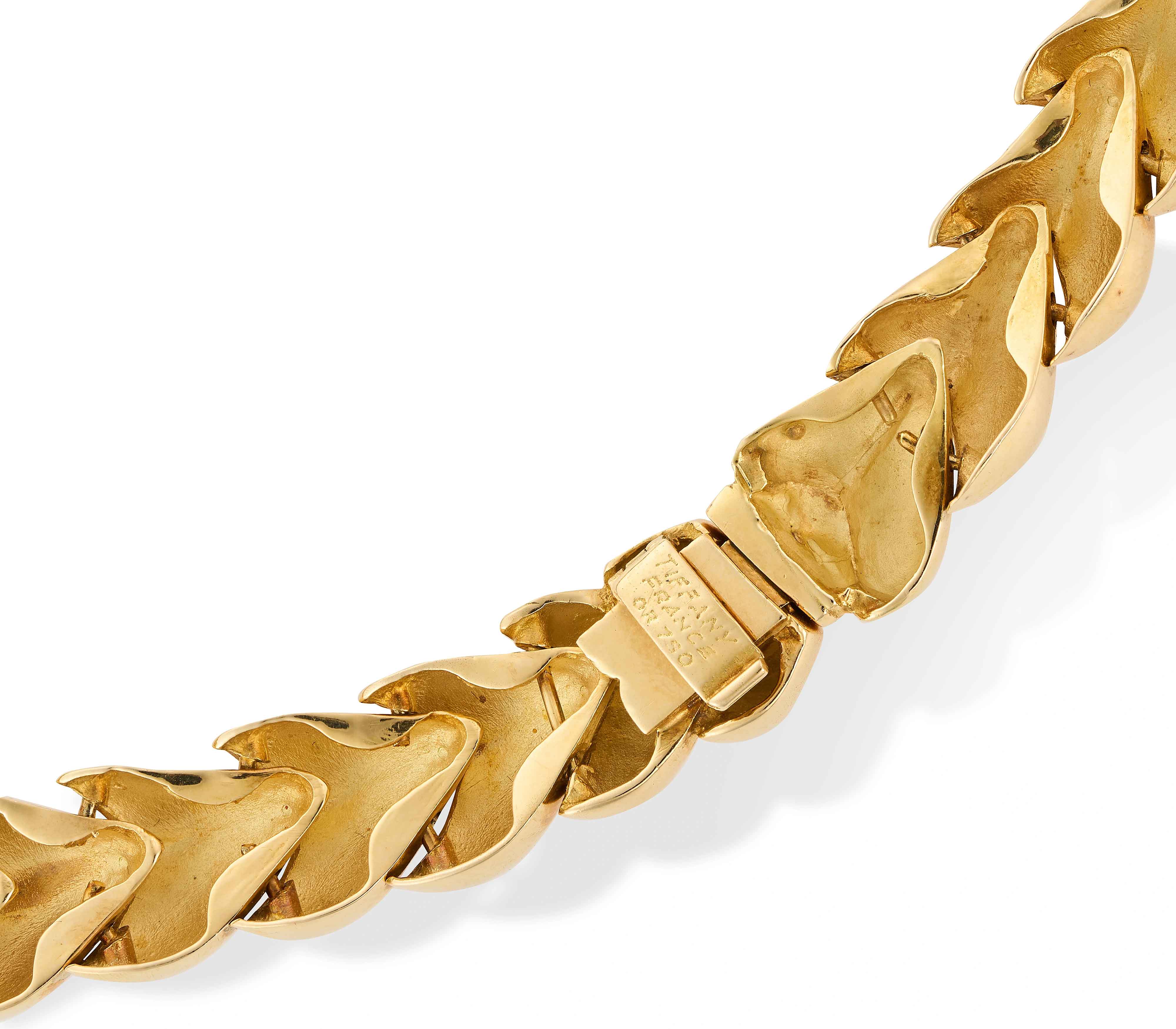
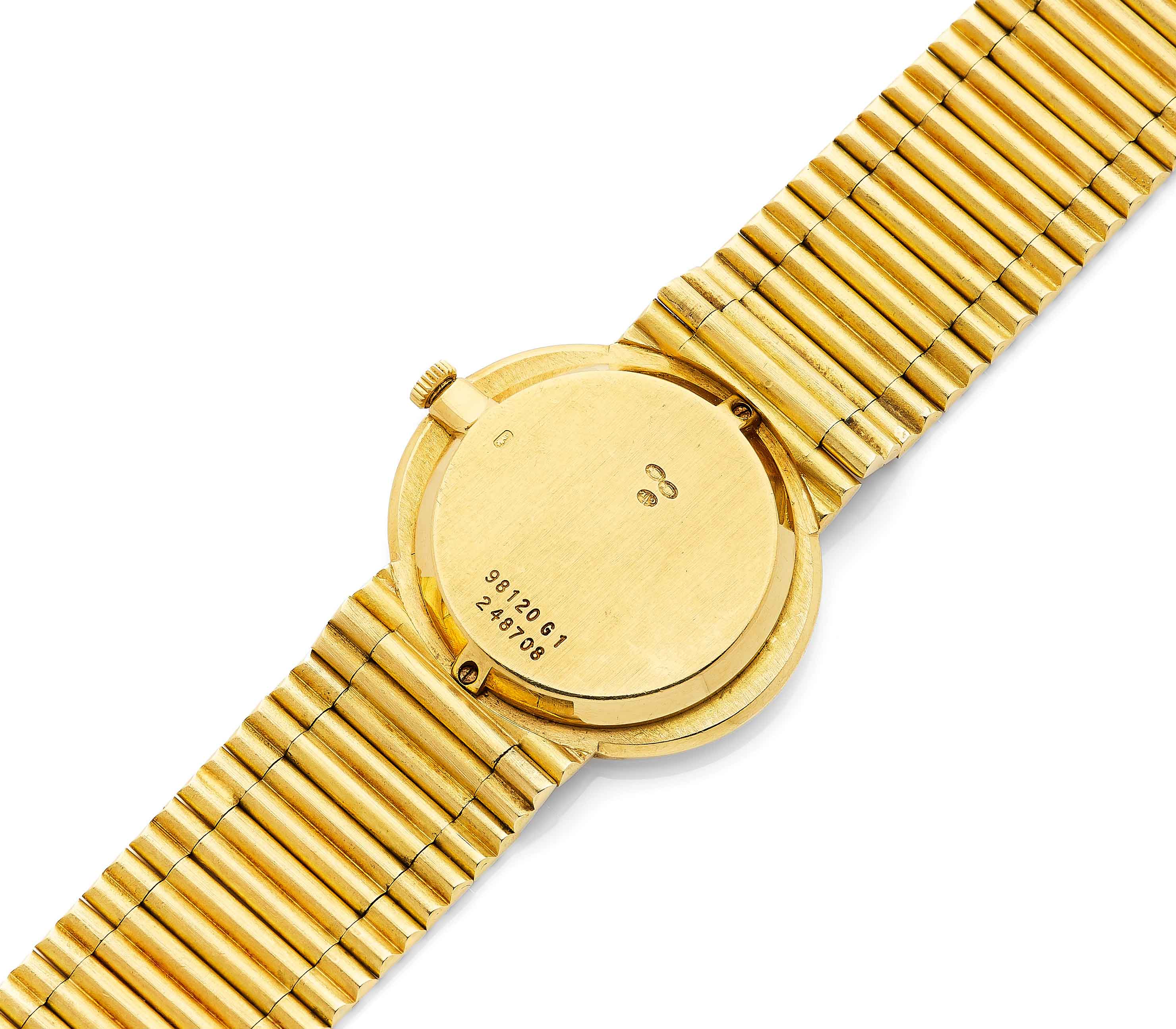
The case is an oval in 18K yellow gold with a gadrooned bezel, fluted with fine parallel ribs that catch light in narrow lines and frame the blue without competing with it. The caseback is signed and held by two screws rather than pressed on. The bracelet is integrated — it runs straight out of the case rather than attaching to lugs, built from ribbed bar links that carry the rhythm of the bezel down the length of the wrist. Worked entirely in gold and closing with a signed clasp, it gives the piece the substance of a gold bracelet rather than a watch on a strap.
Inside is a hand-wound Piaget movement, signed. No rotor, no noise: a few turns of the crown each morning, which is part of what wearing a watch like this means.