






Something fundamental has shifted in the diamond market — and it isn’t a cycle. Cycles correct. What’s happening now is structural: certain categories of stones face permanent headwinds, while others — truly rare, historically rooted, artistically irreplaceable — continue to appreciate on their own terms, almost entirely disconnected from the broader market noise. Knowing which side of that divide a stone sits on is, increasingly, the most important question a serious collector can ask.
How the Market Split — and Why It Won’t Snap Back
Lab-grown diamonds destroyed the middle. Not long ago, a laboratory-grown stone was a novelty — interesting technology, but not something a serious buyer took seriously. That’s no longer true. The lab-grown diamond jewelry market reached nearly $9 billion in 2024, with production concentrated in China and India and no sign of slowing. Retail prices have fallen dramatically since 2018 — by as much as 76% for a one-carat stone — and they’re still falling.
The consequence is straightforward: a buyer who once spent a meaningful sum on a half-carat natural diamond can now get something visually identical for a fraction of the price. The middle of the market — engagement rings, mid-range jewelry, mass-produced pieces — is absorbing that blow in real time. Demand is contracting, and there’s no obvious floor.
One of the industry’s most respected voices put it plainly: synthetic diamonds didn’t create a new problem. They revealed an old truth. Some stones are reproducible. Others aren’t. The reproducible ones are now commodities. The irreproducible ones are exactly what they always were.
Major markets slowed at the same time. China, long one of the most voracious consumers of fine jewelry, has seen significant sales declines. In the United States, transaction volumes fell even as average ticket prices rose — people are buying less, but spending more carefully when they do. Europe has turned cautious. The result was a double squeeze on the mid-market: synthetic competition arrived just as consumer confidence softened.
Supply chains fractured in several places at once. Geopolitical instability disrupted the traditional rough diamond trading routes through Antwerp, Dubai, and Israel. Restrictions affected raw material flows into India, the world’s dominant cutting and polishing hub. The result was a paradox — oversupply at some points in the chain and acute scarcity at others, particularly for large stones with exceptional characteristics. Price volatility followed.
The takeaway is simple: the market has split, sharply and probably permanently. The mass market is under structural pressure. The high end — genuine rarity, deep history, exceptional quality — is playing an entirely different game.
Physical Scarcity: The Argument That Doesn’t Age
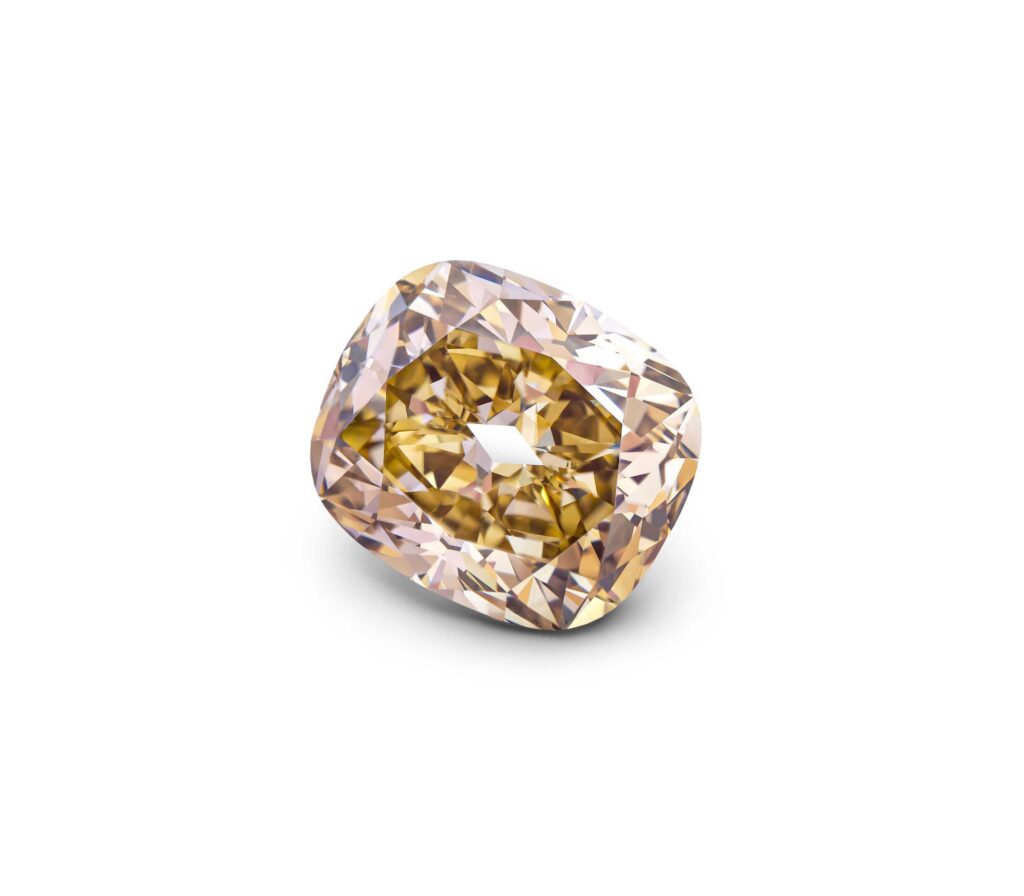
A pink diamond isn’t just a diamond of a certain color. It’s the product of an anomalous pressure event at a specific point in the earth’s crust at a specific moment in geological time — a moment that will not be repeated. A blue diamond owes its color to boron atoms embedded in its crystal lattice during formation more than a hundred kilometers underground, a phenomenon so rare that meaningful specimens appear only a handful of times per decade. Orange, vivid green, red — each of these stones is a geological event, not a manufactured product.
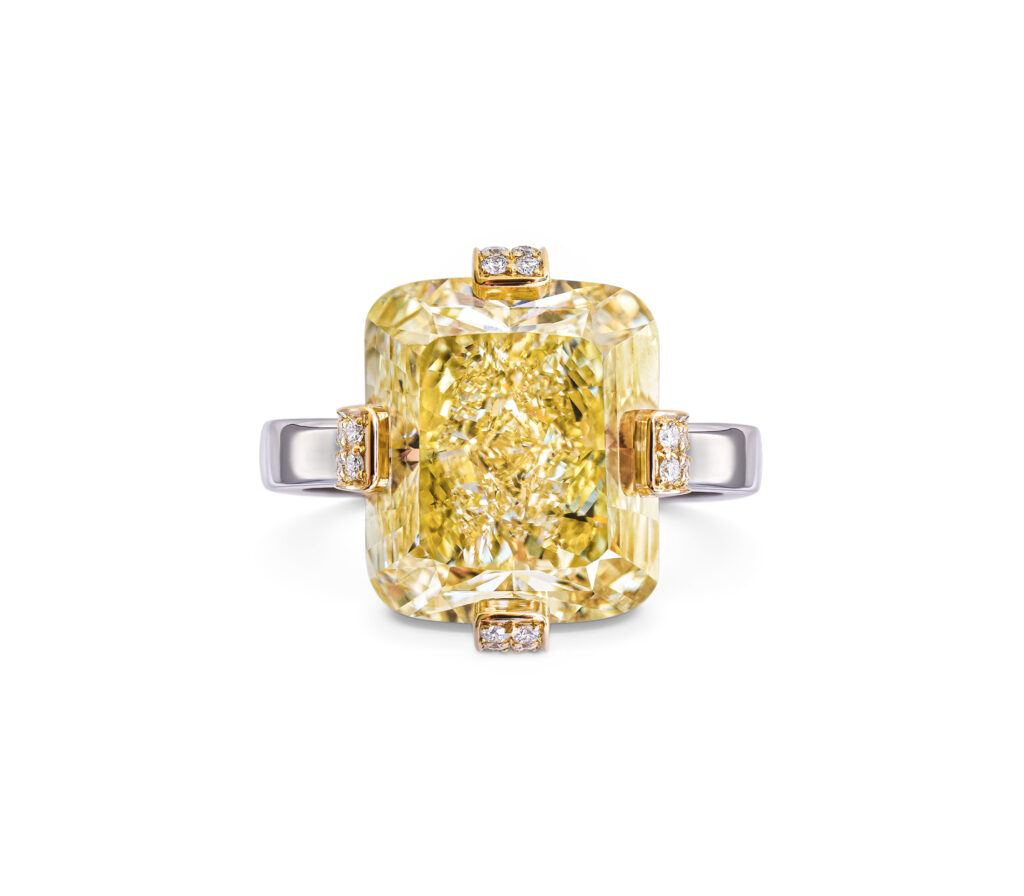
Vivid fancy-colored diamonds represent a vanishingly small fraction of all diamonds ever mined. Lab-grown equivalents exist, and a trained gemologist with proper equipment will identify them immediately. But for a serious collector, the color itself is almost beside the point. What matters is the story of how that color came to exist, where the stone was found, and whose hands it passed through.
The price of a fancy-colored diamond doesn’t track the standard diamond market. It tracks physical scarcity — a supply constraint that no amount of capital or technology can relieve. Exceptional pink and blue stones have set auction records at Christie’s and Sotheby’s during periods when the broader market was contracting. That’s not a paradox. That’s what absolute rarity looks like in practice.
The Argyle closure changed everything for pink diamonds. The Argyle mine, located in the East Kimberley region of northern Western Australia, was for decades the world’s dominant source of pink diamonds — responsible for the overwhelming majority of global supply. It closed permanently in November 2020. The stones it produced are the stones that exist. That number cannot increase, regardless of market conditions or technological advances. Post-closure auctions have consistently shown rising prices for pink diamonds with confirmed Australian provenance, and the trajectory is not complicated to understand.
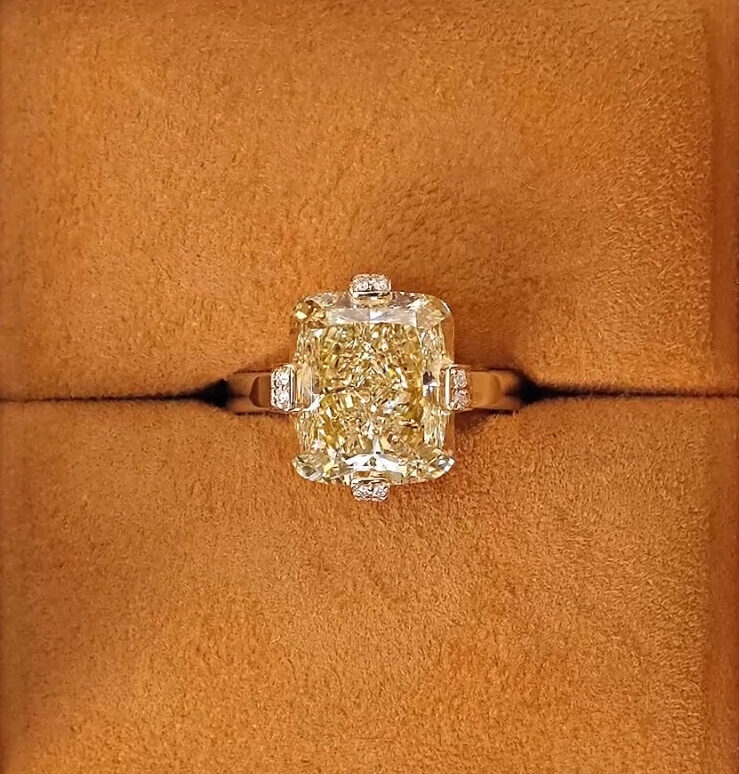
The same logic applies to large, high-clarity white diamonds. A stone of significant carat weight with top-tier color and clarity grades is a statistical rarity within the mining industry. Major diamond-producing mines are approaching peak output and beginning to exhaust their reserves — supply is declining for geological reasons, entirely independent of market sentiment. Holders of such stones occupy a fundamentally different position from holders of standard commercial goods.
Blue Diamonds: A Category Unto Themselves
Among fancy-colored stones, blue diamonds warrant particular attention. Their color comes from boron atoms incorporated into the crystal lattice at formation — a mechanism distinct from what produces color in pink or green diamonds, and one that makes truly fine blue stones extraordinarily rare.
The great historical blue diamonds — the Hope, the Blue Moon of Josephine, the Oppenheimer Blue — are not merely beautiful objects. They are reference points for what absolute rarity means in this market. Each carries a documented ownership history, an auction biography, and a gemological identity. When the Blue Moon of Josephine sold at Sotheby’s Geneva for $48.4 million in 2015, it set a world record for any gemstone at auction. That record stood for less than a year: in 2016, the Oppenheimer Blue sold at Christie’s Geneva for $57.5 million, becoming the most expensive jewel ever sold at auction. The transaction wasn’t simply about a beautiful stone. It was about an object whose history is inseparable from its value.
The pattern is instructive: records for exceptional fancy-colored stones have been set during periods of general market weakness. The buyers at that level aren’t responding to market conditions — they’re responding to the irreplaceability of the specific object in front of them.
Provenance: History as a Component of Price
There are things that people with capital have always been willing to pay for, regardless of what markets are doing. Objects with a documented past — not claimed, but proven.
A piece that belonged to a named collection, passed through notable ownership, and appears in auction house catalogues or family archives isn’t simply a stone in a setting. It’s a record. Its value comes not from the stone’s specifications alone, but from the combination of stone, history, and context — a combination that doesn’t depreciate when broader market indices fall, because it was never correlated with them in the first place.
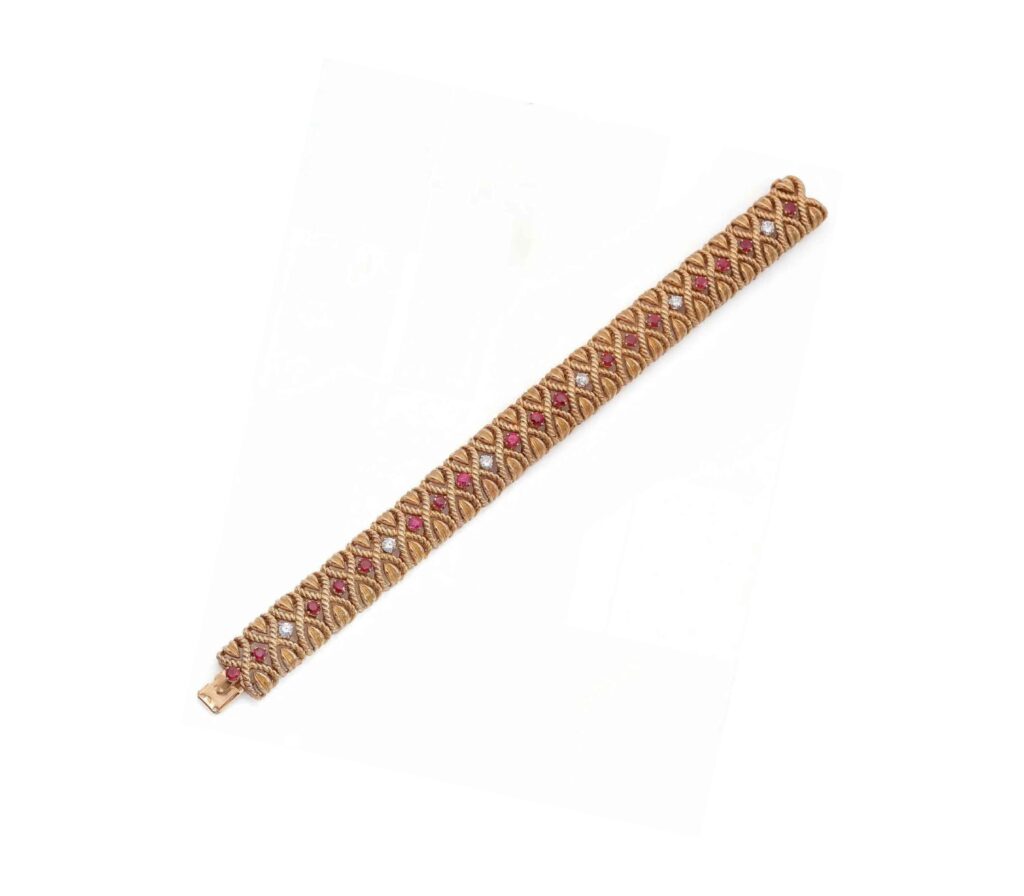
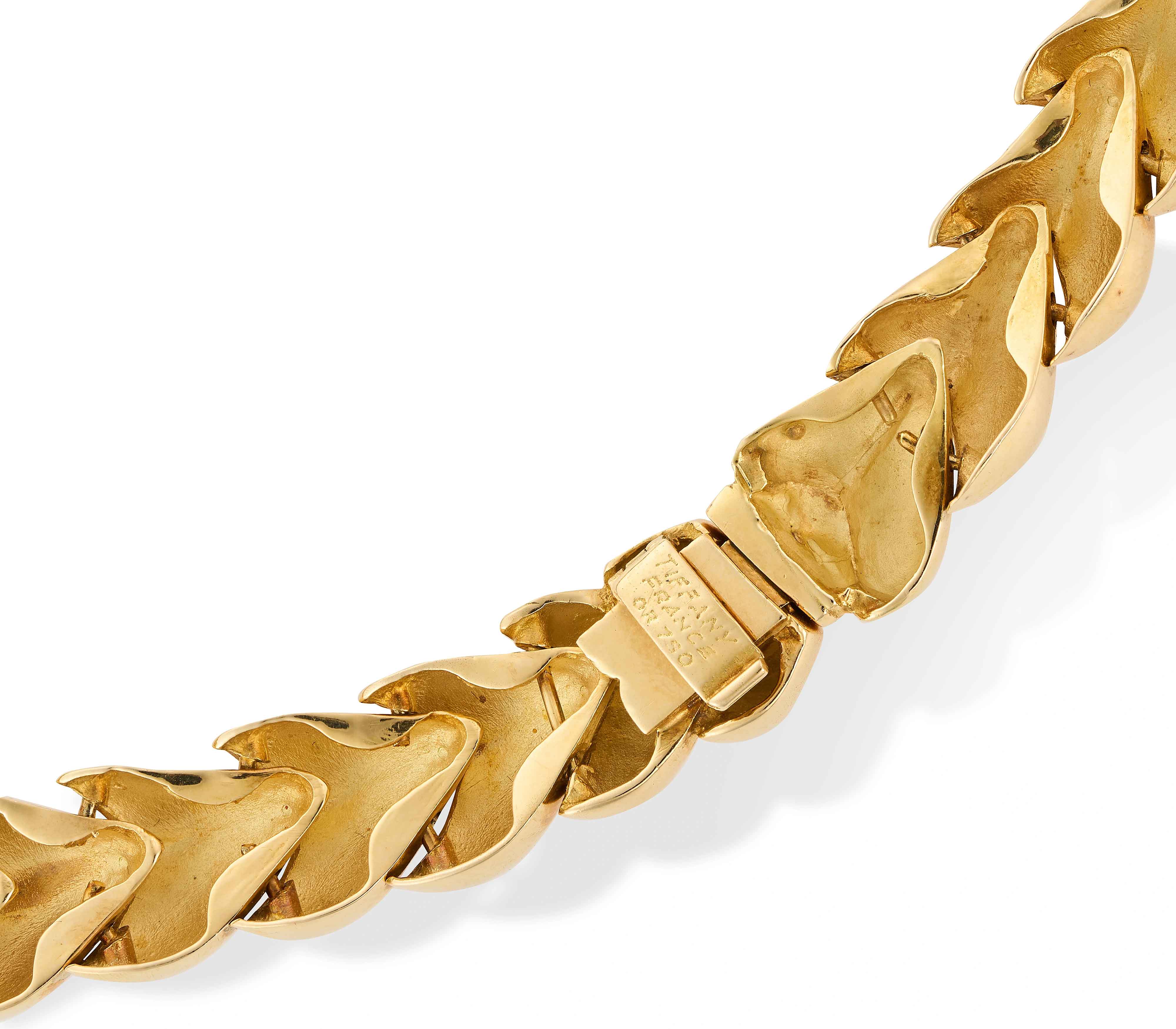
Among serious buyers, demand for antique and vintage pieces from the great jewelry houses remains consistently strong. Cartier from the first half of the twentieth century, Van Cleef & Arpels from the Art Deco period, rare signed Boucheron and Bulgari with documented provenance — the status here comes not just from the maker’s name, but from the era, the craftsmanship of a specific period, and the verified chain of ownership. Signed pieces with confirmed provenance reliably outperform their estimates at major auctions, while anonymous work of comparable quality often falls short. Provenance isn’t paperwork. It’s part of the object.
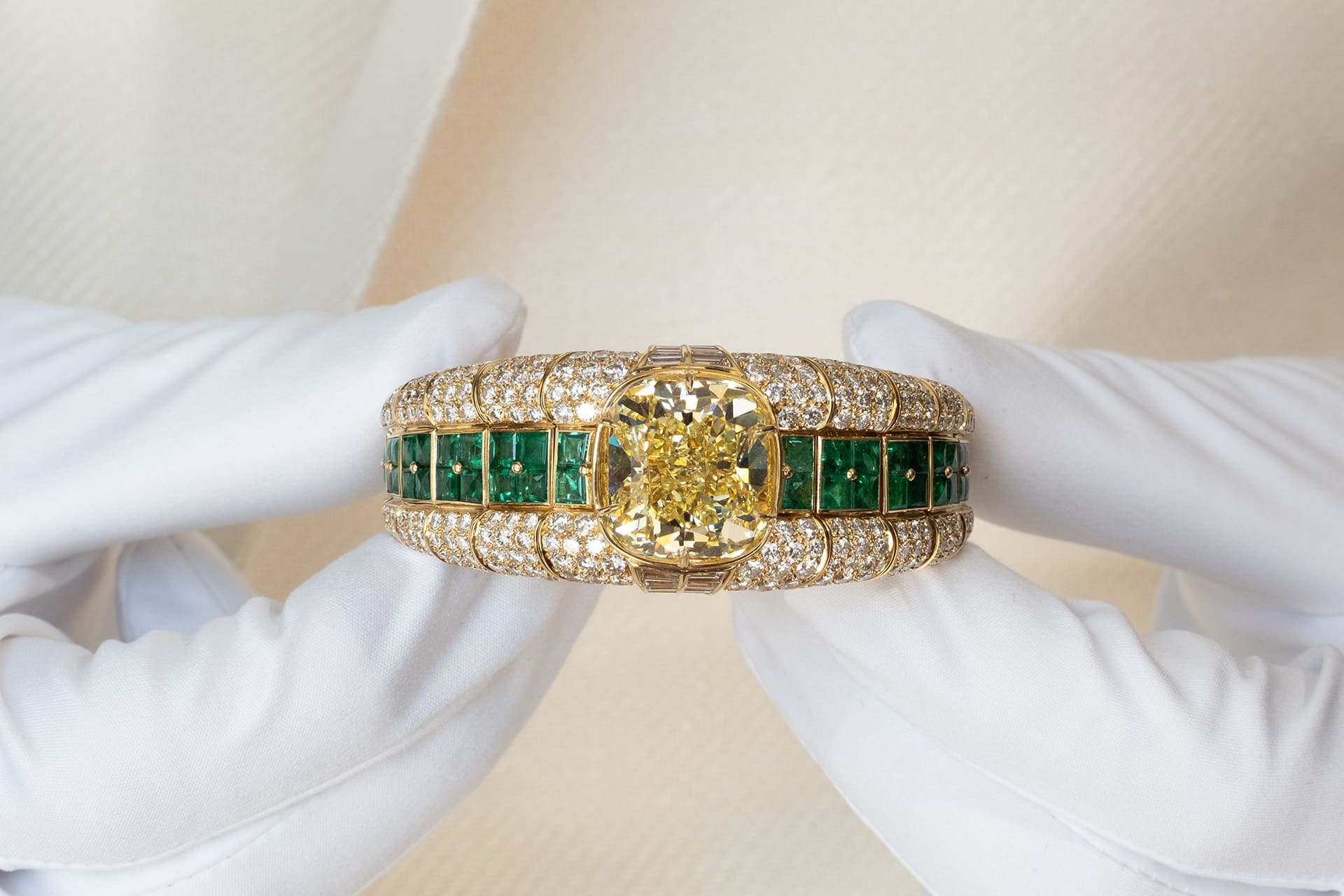
The same thinking is driving growing interest in the reinvention of inherited jewelry. A family stone that has sat in a safe for decades, recut by a contemporary master or reset in a new context, isn’t an old thing made current. It’s a story with a new chapter — and what collectors are paying for, increasingly, is the chance to become part of that story rather than merely its next custodian.
Cut as an Argument for Value
The round brilliant has been the canonical form in fine jewelry for decades, and it remains exactly that — canonical. But in the high end of the market, it stopped being the only valid language of luxury a long time ago. For a certain buyer, it has stopped being sufficient.
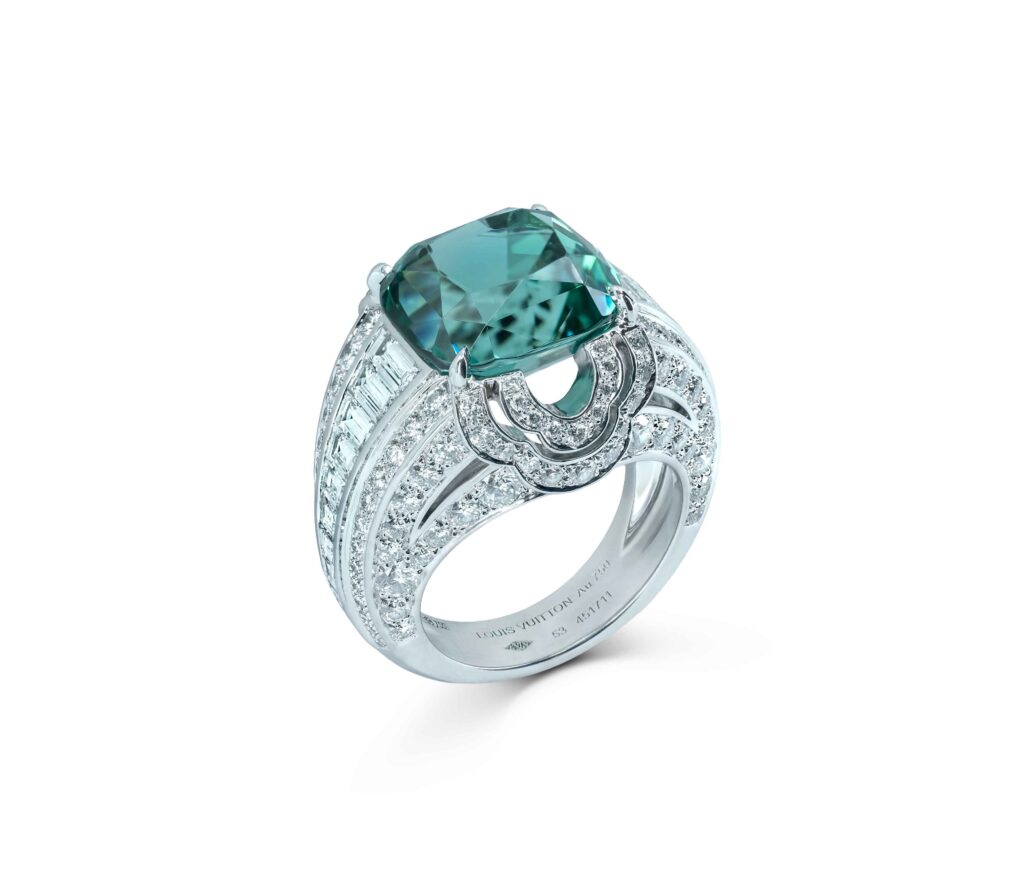
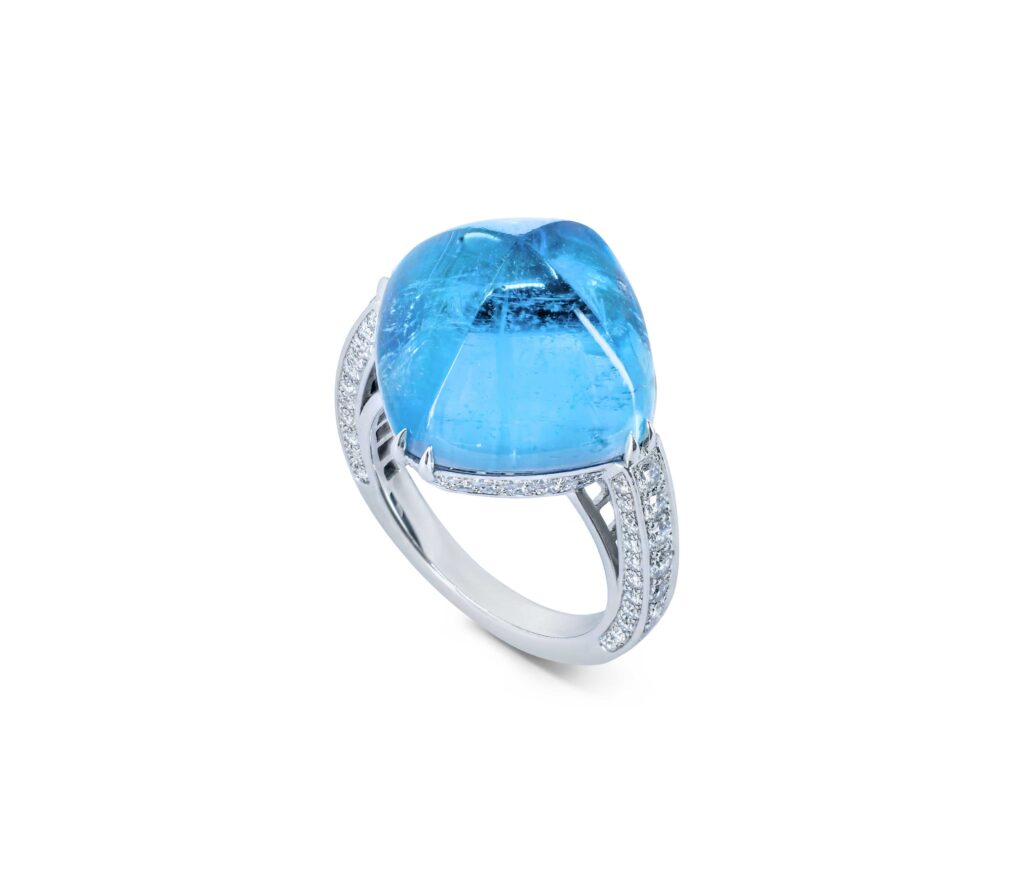
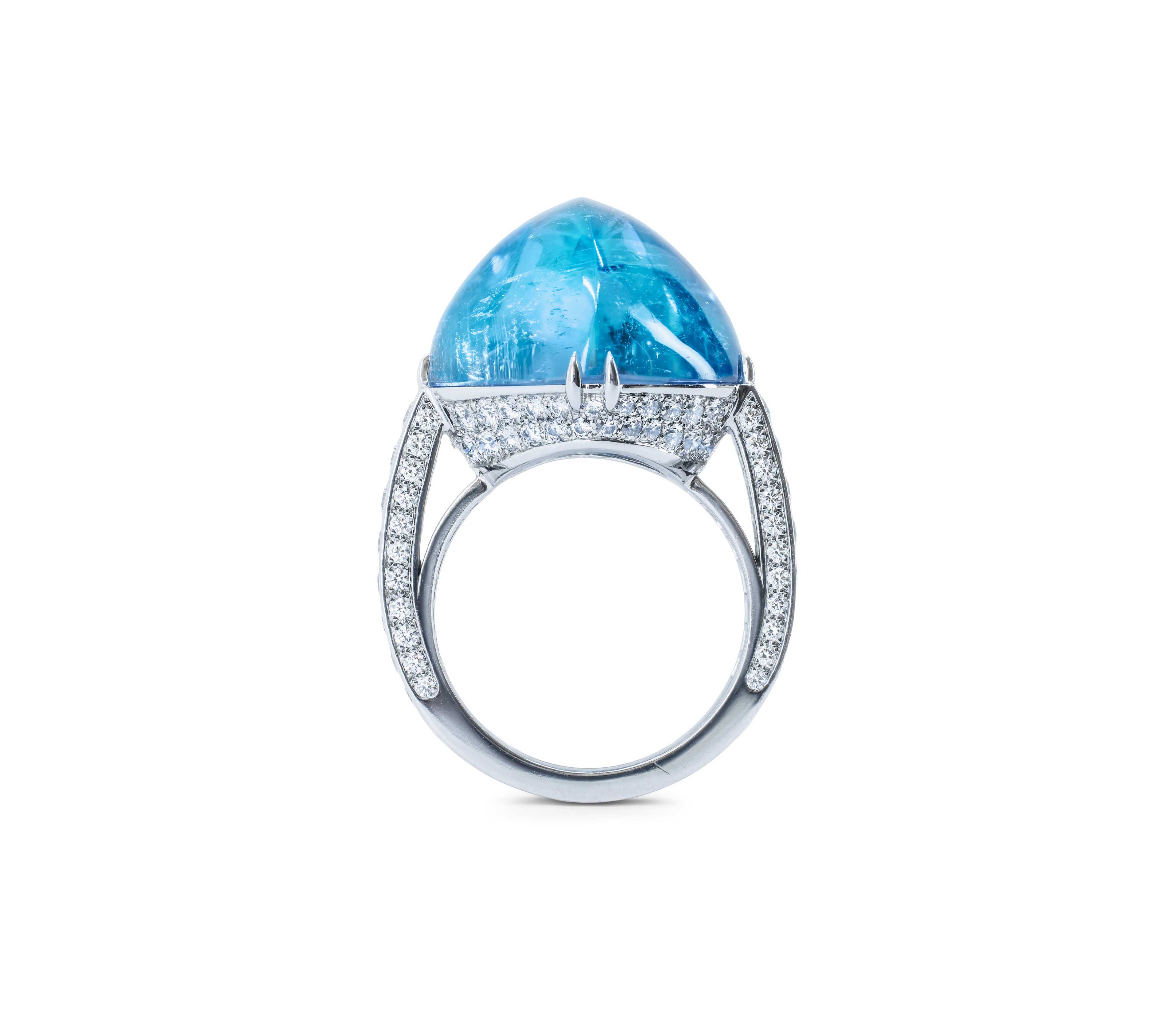
Someone who already owns everything “correct” starts looking for something different — not better in a technical sense, but different in kind. Asymmetric silhouettes, complex fancy cuts, designs in which the stone’s internal structure becomes part of the artistic intention. A stone with personality — unpredictable, worth stopping to look at.
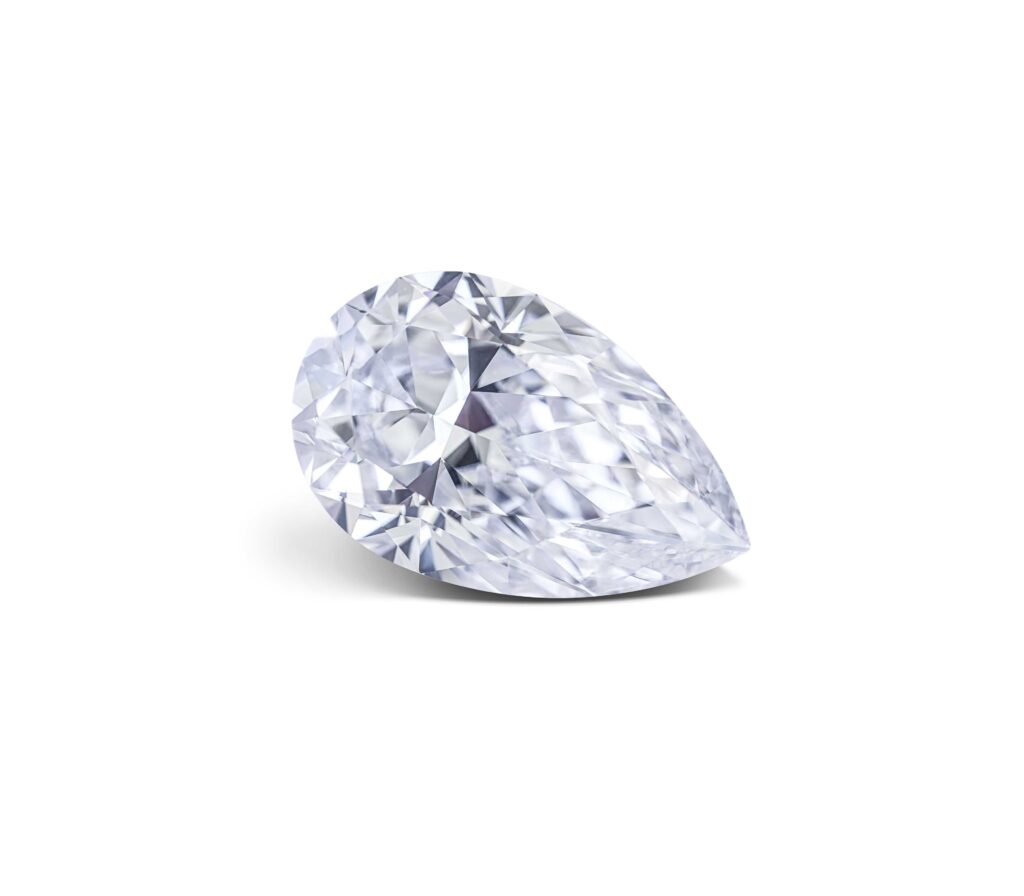
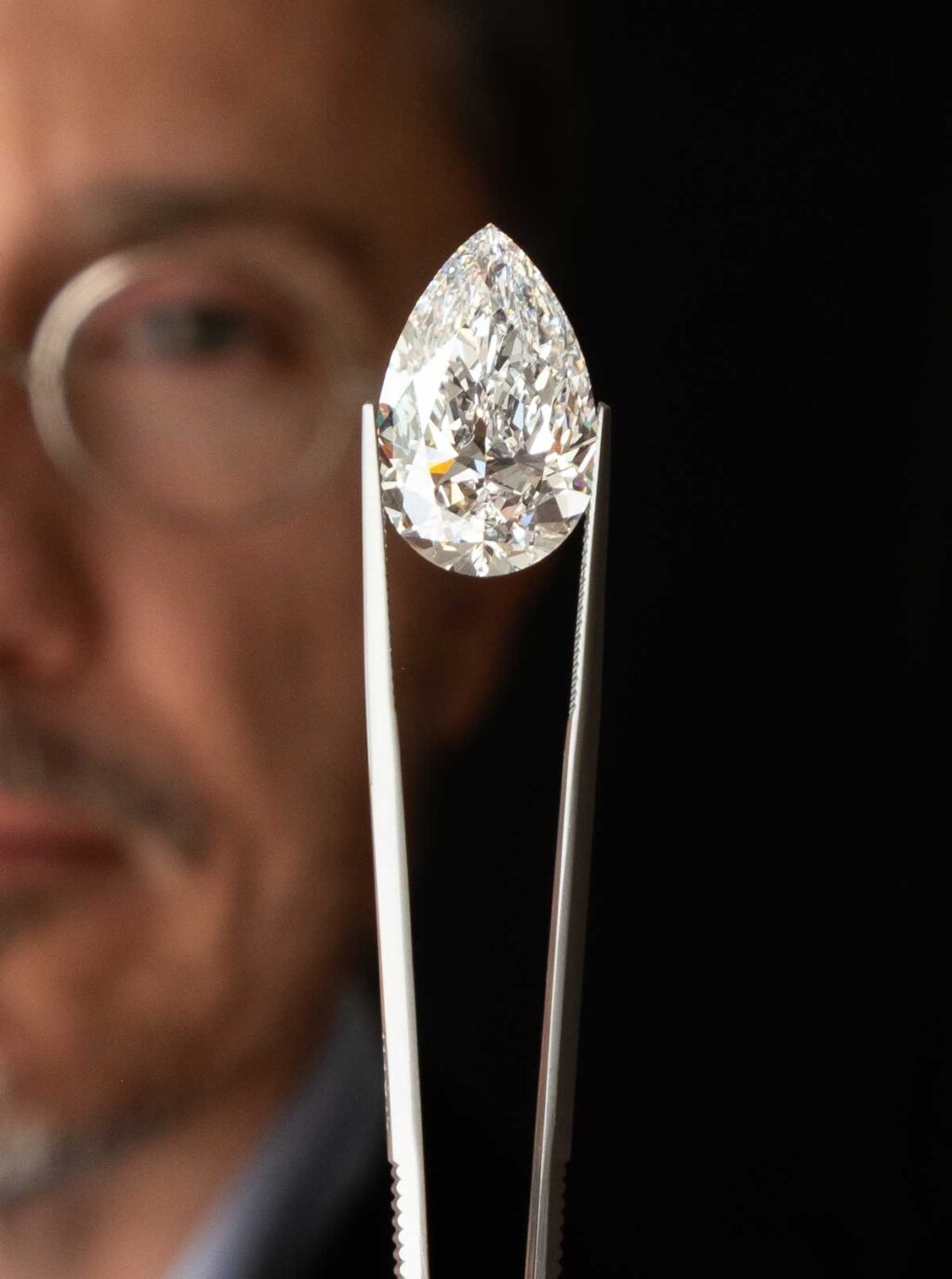
Demand for unusual cuts in the high-end segment has grown steadily, concentrated among buyers who have already worked through the standard options. The ASHOKA® cut — inspired by a legendary 41.37-carat D Flawless diamond from the Golconda region of India, named after Emperor Ashoka Maurya — is protected as a trademark by the William Goldberg Diamond Corporation. The original 25-year patent was granted in 1999; while that patent has now run its course, the ASHOKA® name and the exclusive rights to distribute the cut remain firmly held by the Goldberg family. At this level, unusual cuts aren’t competing with mass-market pieces at any point — they’re competing with other unique objects, and what wins is the depth of meaning carried by the stone.
One important distinction: this isn’t exoticism for its own sake. An unconventional cut in the high end has to earn its place. The form should make the stone more expressive, not merely more unusual. The finest examples of non-standard cuts are designed for a specific stone — around its natural inclusions, proportions, and the particular way it handles light. Cut at this level is not a marketing decision. It’s a conversation between the cutter and the stone.
Custom Work: Jewelry Made for One Person
Personalization in fine jewelry isn’t a trend. It’s a return to what high jewelry was, by nature, before mass production changed the business. Cartier made pieces for specific people at specific moments in their lives. Boucheron developed commissions around particular events and personal histories. Every significant piece had an intended recipient — and that is precisely what made it an object rather than a product.
That logic is reasserting itself. Analysts working with high-net-worth clients observe a clear shift toward bespoke commissions among buyers with substantial capital. The reason isn’t complicated: in a world where standardized luxury has long since ceased to signal exclusivity, the only thing that is truly exclusive is the thing no one else has.
A piece made for a specific person — around their story, their aesthetic, a particular moment in their life — contains something no production line can replicate: meaning. And meaning, more than carat weight or house name, is what commands the highest prices. Custom work requires a different kind of trust between buyer and maker. It isn’t a transaction — it’s a collaboration in which the client’s history, the stone’s character, and the craftsman’s vision come together to produce something that exists exactly once.
The best custom commissions often begin not with a stone but with a story. A client brings in an inherited brooch or a stone bought in a different chapter of their life and asks for something new to be made from it. The maker becomes not just a skilled executor but a co-author of meaning. Pieces made this way tend, in time, to become objects with provenance of their own — things that carry a story.
Transparency of Origin: The New Standard
Ethical consumption in the high end has stopped being performative. A growing number of serious buyers are building collections with close attention to where each stone came from. This isn’t idealism — it’s the recognition that a transparent supply chain is part of what you’re paying for.
A diamond with verified provenance from mine to finished piece, documented extraction standards, and certification from a recognized laboratory is easier to sell, easier to insure, and easier to pass on to heirs. Willingness to pay a premium for independently verified origin is well established among younger high-net-worth buyers, for whom supply chain reputation has been part of the public conversation throughout their adult lives.
The leading gemological laboratories — GIA, Gübelin, SSEF — report consistent growth in requests for extended certification that includes geographic origin. A number of houses have voluntarily introduced digital tracking for their collections. Transparency is becoming a baseline expectation rather than a differentiating feature — and the house that can tell the full story of a stone, from the mine to the display case, earns deeper client loyalty and a higher level of trust.
This matters especially in the context of the lab-grown market. When a buyer consciously chooses a natural diamond — knowing a synthetic alternative costs a fraction of the price — they are paying partly for the story of origin, for geological uniqueness, for participation in something that cannot be replicated. If that story can’t be documented, its value in the eyes of an informed buyer drops sharply.
Diamonds as a Store of Value: How Serious Capital Thinks
The clearest signal of where the high end stands isn’t auction results or trade indices. It’s the behavior of people who manage private wealth professionally.
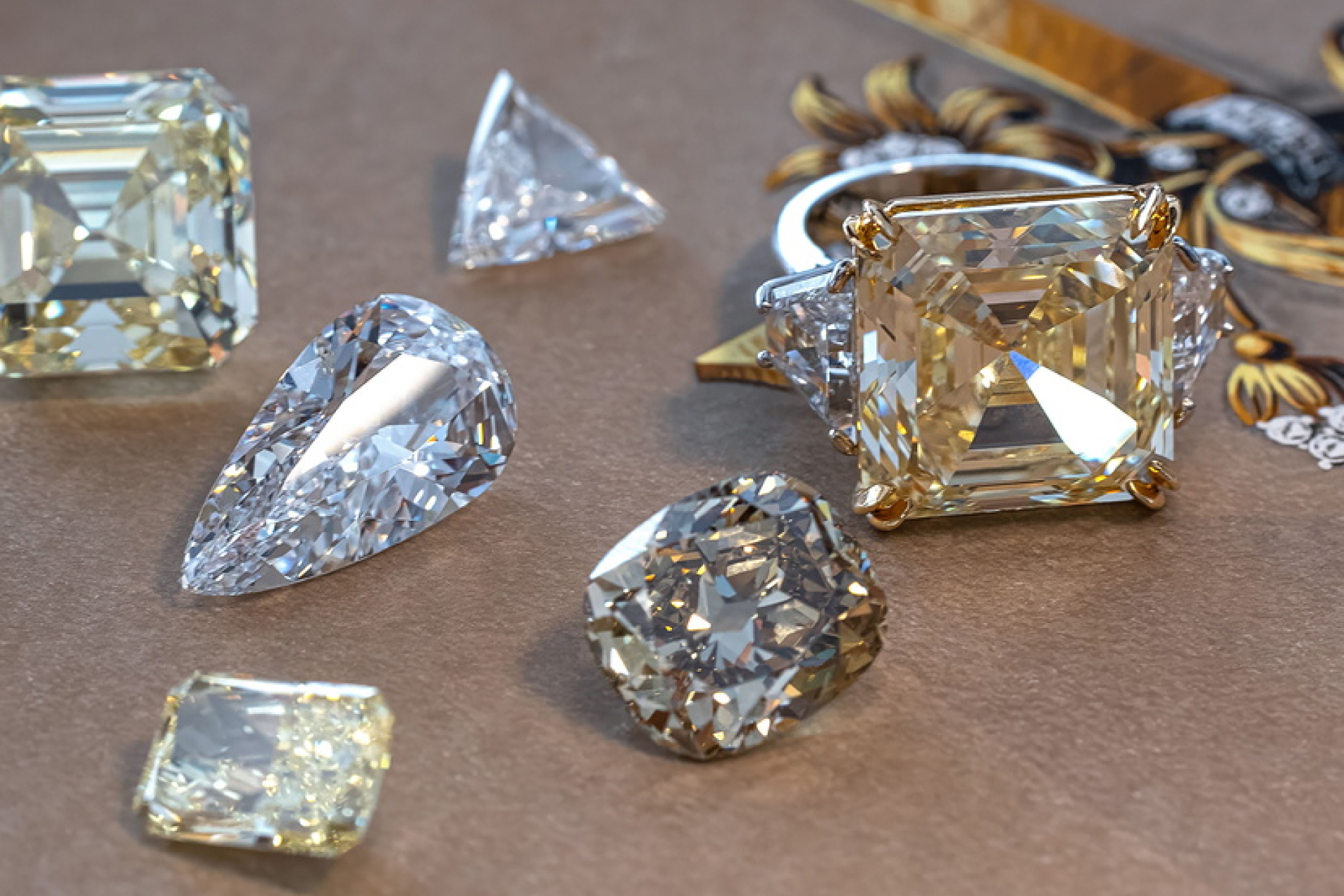
Private bankers working with affluent families in Europe and the Middle East report consistent interest in diamonds as an alternative store of value — particularly during periods of financial market instability. Industry research places gemstones consistently among the most sought-after categories of alternative assets among ultra-high-net-worth investors, alongside art, rare automobiles, wine, and private real estate.
A stone you can hold in your hand carries no counterparty risk, requires no bank account, and crosses borders in a pocket. For a certain type of capital, that needs no further explanation.
Investment interest at the high end clusters around specific criteria: exceptional color and clarity grades, significant carat weight, verified origin, certification by a leading gemological laboratory. These stones don’t compete with synthetics — they have no competitors in any meaningful category of comparison.
One important caveat deserves to be stated clearly: a diamond is not a liquid asset in the conventional sense. Selling one quickly at a fair price is considerably harder than liquidating a stock position or even an artwork with an auction history. The high end holds its value — but that value is realized over a long horizon, not a short one. Anyone approaching a rare diamond as a capital preservation instrument needs to factor that in.
The distinction between “a diamond” as a broad category and “a rare natural stone of the highest classification” as an asset is the distinction between a commodity and a phenomenon. The former faces the full force of synthetic competition and market sentiment. The latter exists in a different register entirely — one where supply is constrained by geology, not by production capacity.
What Remains When the Noise Clears
It’s possible to read the current diamond market as a story of crisis — if you’re looking at the mass end. But there’s a more accurate reading: this is a moment of clarification.
For a long time, the market expanded partly on the strength of categories that never possessed genuine rarity. A standard round diamond with good but unremarkable characteristics was default luxury — a status symbol available to a wide audience. Synthetics have effectively ended that category as an investment proposition. In doing so, they’ve exposed what sits above it: things that cannot be replicated at any level of technological sophistication.
Three levels at which synthetic diamonds are simply irrelevant:
Physical rarity — fancy-colored stones, large high-clarity diamonds, stones with verified provenance from exhausted or uniquely productive deposits.
Historical rarity — pieces with documented provenance, traceable through significant collections and auction records.
Artistic rarity — singular cuts and bespoke works in which form, intention, and execution are inseparable.
The long-term supply picture reinforces this. Major diamond-producing mines are reaching peak output, reserves are declining, and the discovery of new deposits comparable in scale to the great historical mines is genuinely rare. A sustained supply deficit in the collectible segment is the structural consequence — and it will deepen regardless of what happens to the synthetic market.
It’s also worth noting that the collectible jewelry market has historically shown resilience during periods of economic turbulence — not because it’s immune to volatility, but because its participants think in a different time frame. Someone buying a pink diamond with confirmed Argyle provenance, or a signed piece with a documented auction history, isn’t thinking in quarters. They’re thinking in generations. That horizon is what gives the high end its particular durability.
The current moment has an additional quality worth noting: the split in the market is happening against a backdrop of declining interest from the mass buyer. The collectible segment is becoming more concentrated — fewer participants, more deliberate decisions, a higher proportion of buyers who understand what they are actually acquiring. For a market where value is defined by rarity and authenticity, that’s a healthy development.
For those building a collection with a time horizon measured in years rather than months, the current environment offers something genuinely uncommon: the chance to acquire exceptional stones and pieces at a moment when the surrounding noise has quieted — and with it, some of the competition for the best lots. The market divide that represents pressure for some represents an opening for others. That opening won’t stay indefinitely.