




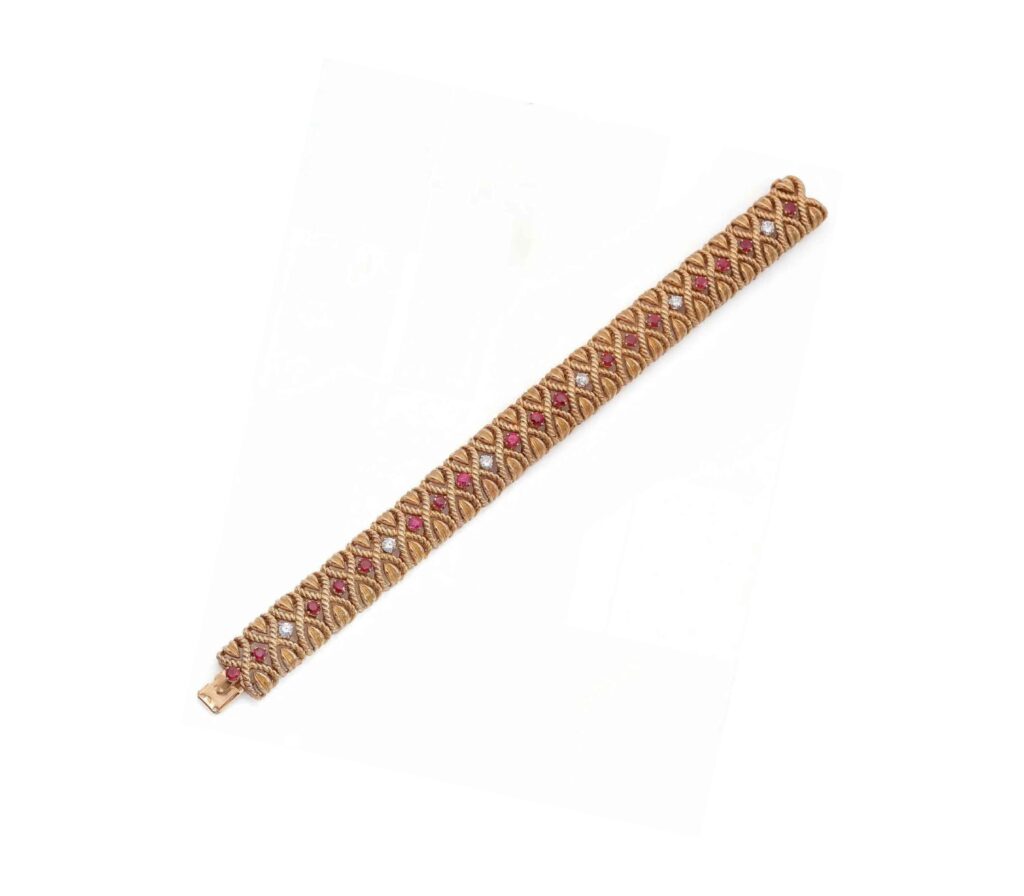
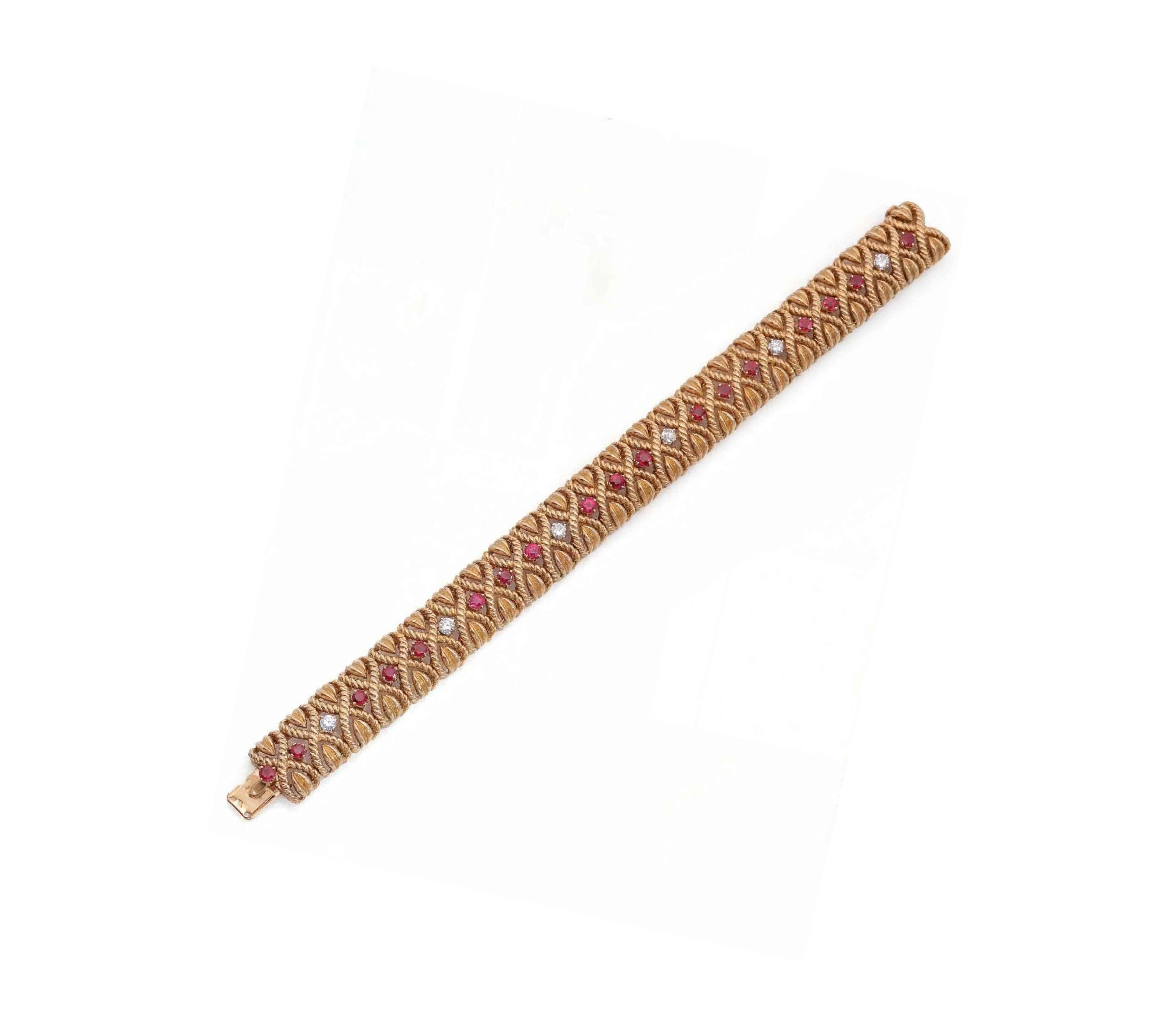
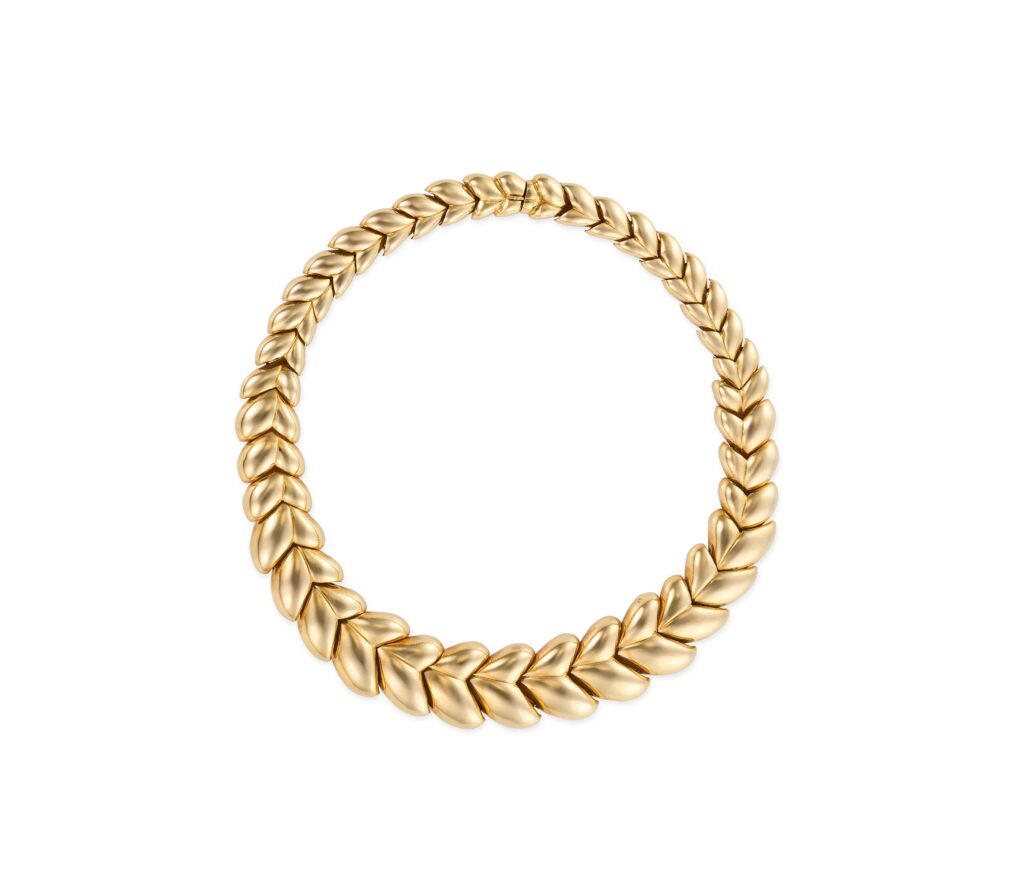



Gold needs no introduction. It does not rust, does not tarnish, does not yield to time. This quality of permanence made it the measure of beauty long before the words karat and hallmark even existed. In ancient Athens, the gods were said to dwell among gold — not because they craved luxury, but because only gold was eternal enough for divine life.
Jewelers, it turns out, were wiser than philosophers: they understood that the eternal metal had to be gently tamed before it could serve the mortal world. This was the true alchemy — not the transformation of lead into gold that consumed medieval mystics, but something far more subtle: the transformation of gold into a wearable object capable of traveling through time unchanged.
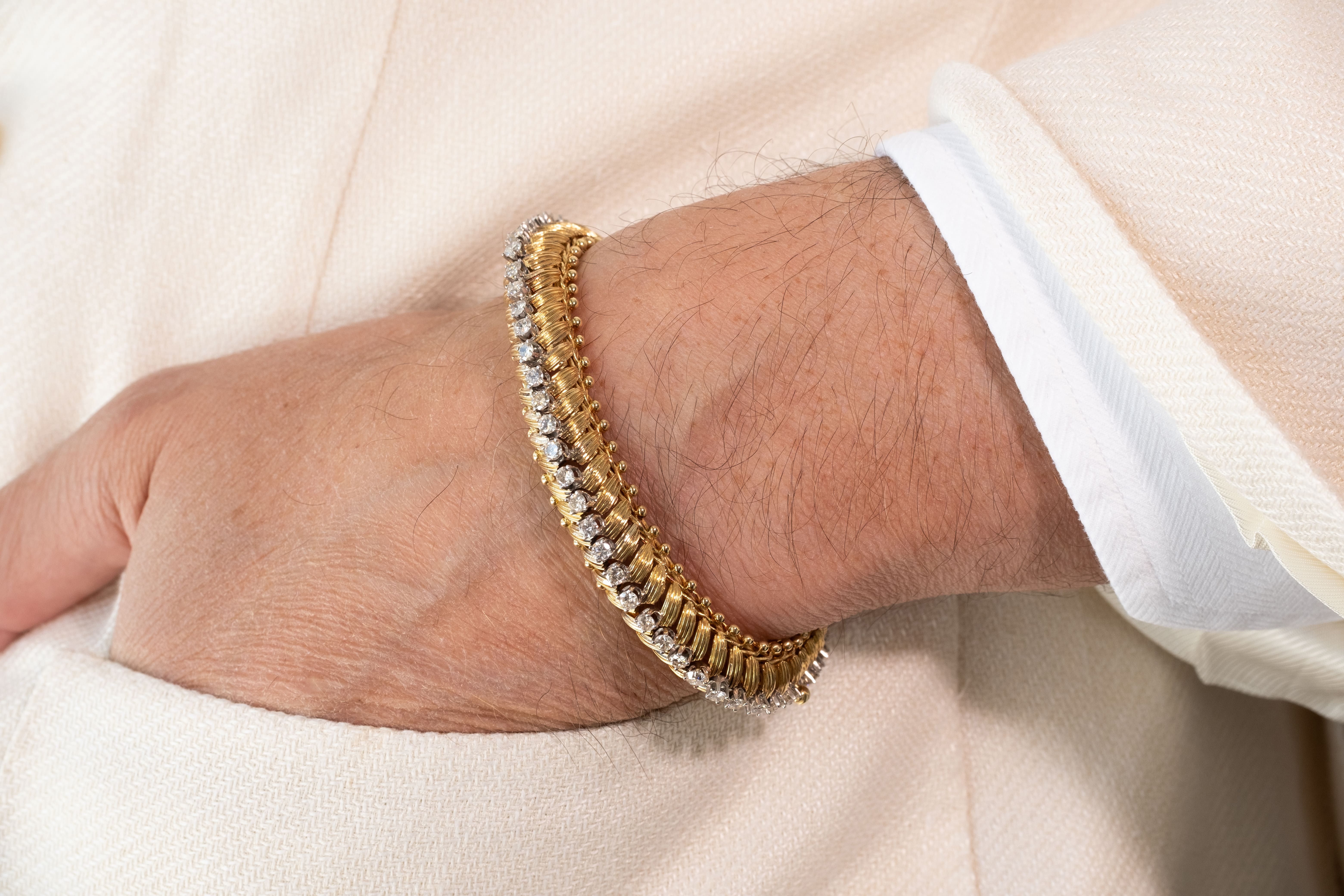
The Language of Gold: Karats, Hallmarks, and Alloy
The word karat carries a surprisingly grounded origin. For millennia, traders and goldsmiths measured weight using the seeds of the carob tree — remarkably consistent in mass, and reliably reproducible. The Greek keration, meaning “carob fruit,” gave its name to a system that became the language of trust between maker and wearer. This was not romance — it was the pure logic of the pre-industrial world, where any unit of measurement had to be verifiable and consistent.
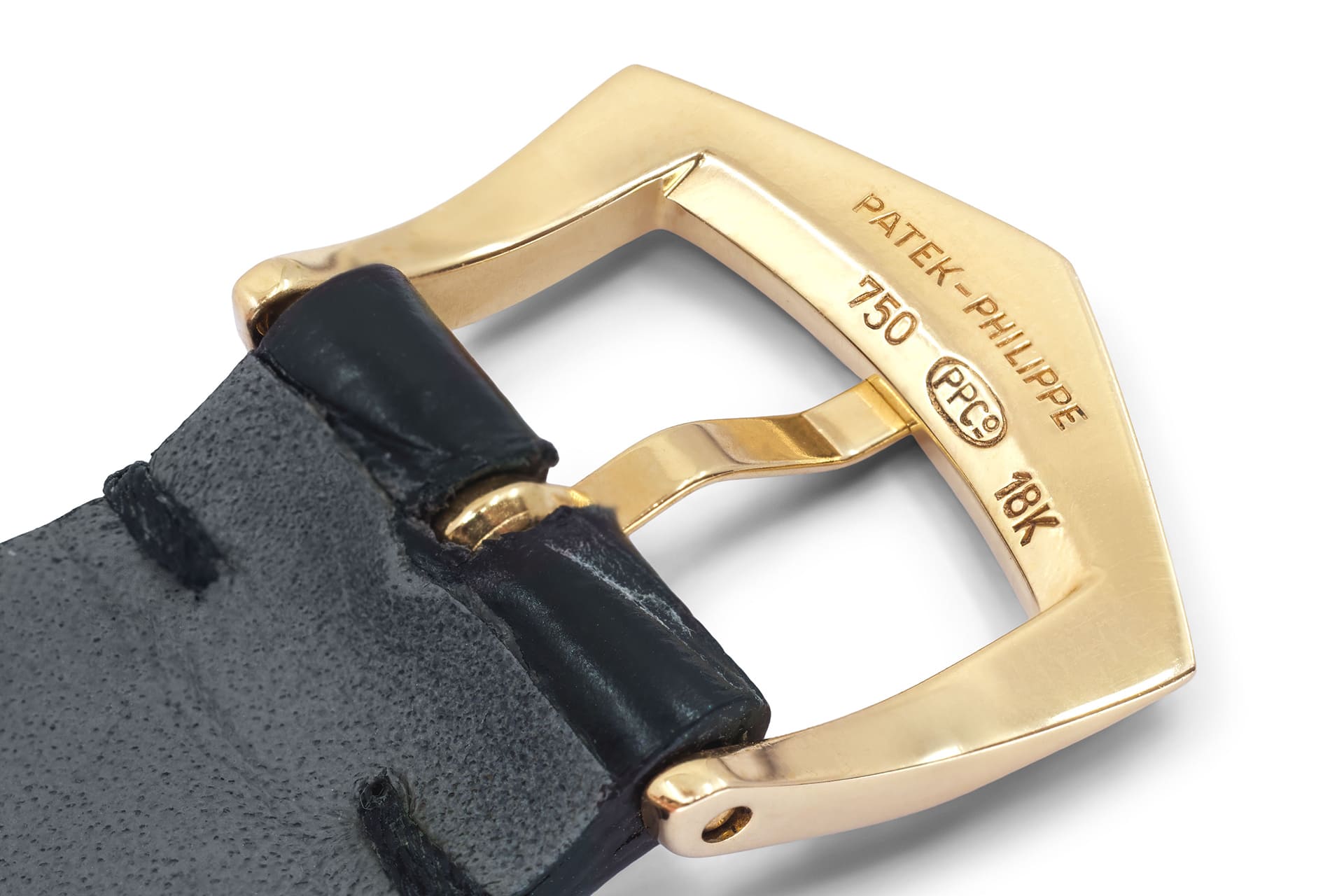
The karat system is the vocabulary gold uses to describe itself. The scale is divided into twenty-four parts: 24 karats means gold in its elemental state, virtually free of other metals. 18 karats is three-quarters gold, the remaining quarter composed of other elements. 14 karats represents 58.5 percent. A parallel system of millesimal fineness runs alongside: 999 for 24K, 750 for 18K, 585 for 14K. This is arithmetic. But behind each number lies a deliberate decision — about the metal’s character, its color, the way the piece will live and age.
A hallmark is not a hierarchy of value. It is a description of character. Two pieces of identical purity can feel entirely different — in warmth, in tone, in the way they age — depending on what fills the remaining percentage. Copper adds warmth and resilience, shifting yellow gold toward rose as its proportion increases. Silver softens the hue and preserves malleability. Palladium converts gold to white while maintaining its nobility. Nickel achieves the same effect through different chemistry — which is precisely why EU regulations strictly govern the permissible nickel release in jewelry worn against the skin. The alloy, or ligature, is the quiet half of any piece of jewelry — rarely mentioned at the point of sale, yet responsible for everything else: how an object glows, how it behaves a decade from now, how it accompanies its wearer through time.
The Hallmark as an Act of Trust
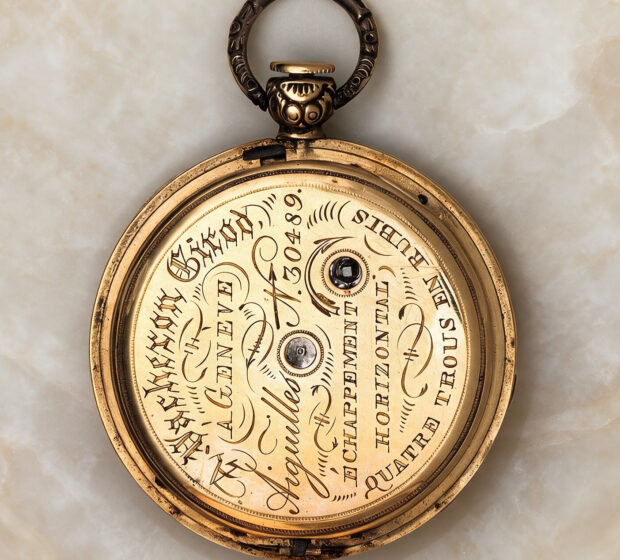
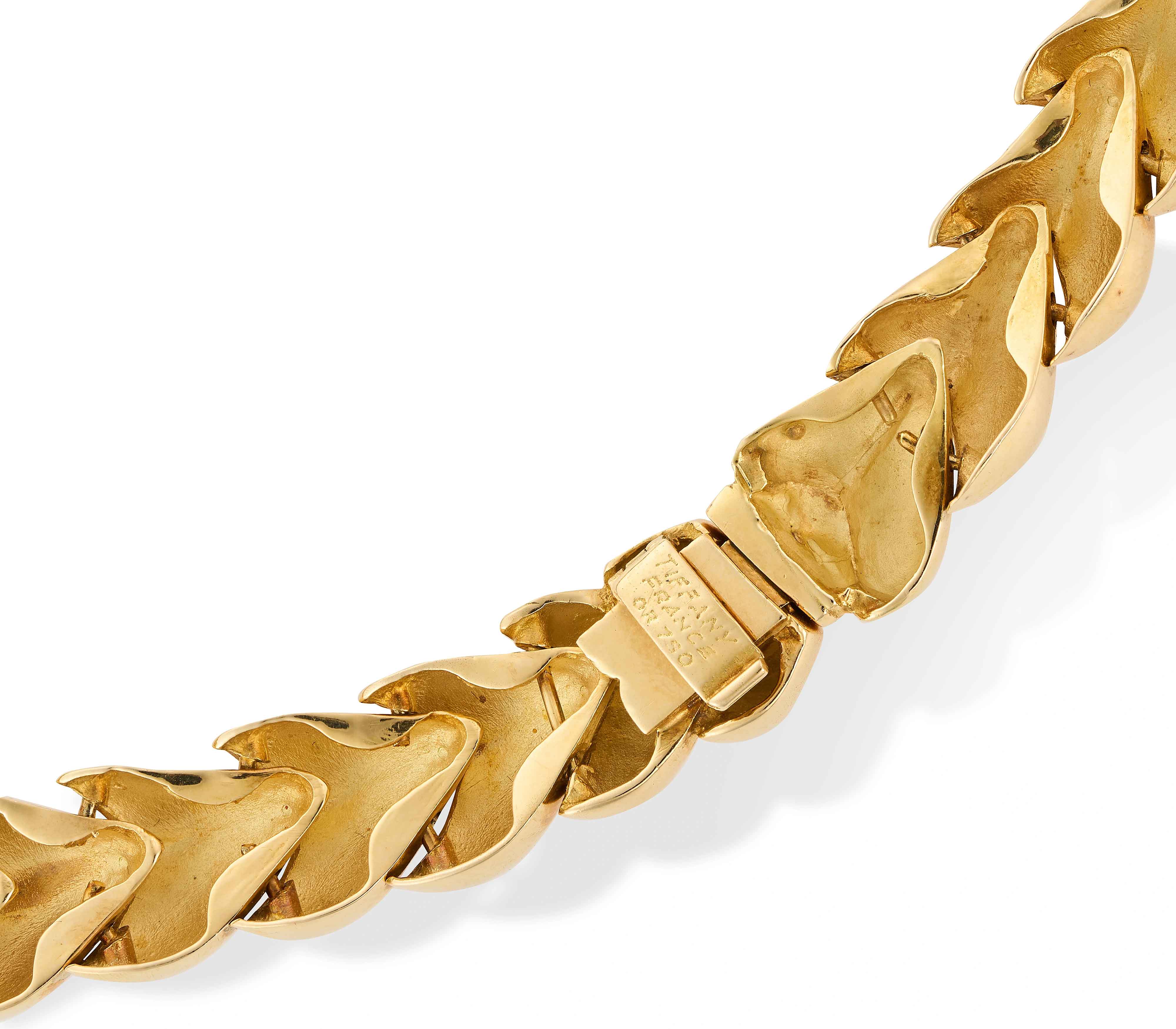
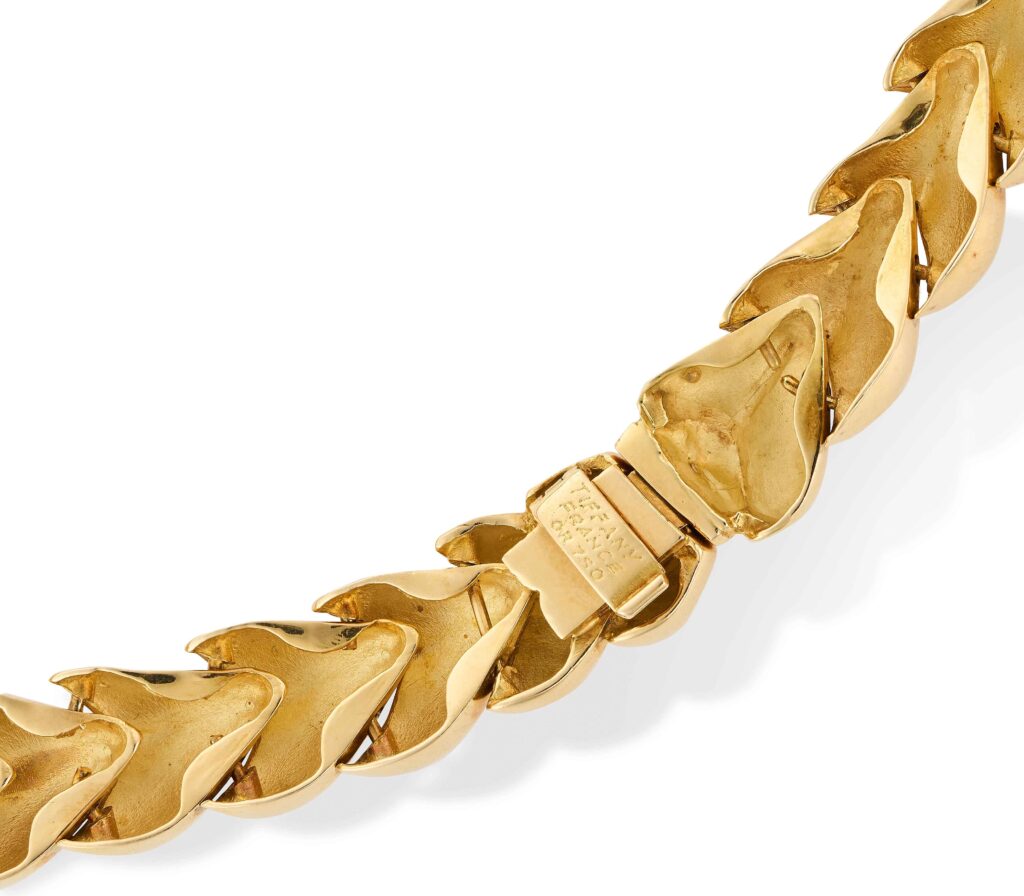
Long before the great houses began signing their work, gold required institutional guarantees. In 13th-century England, a royal decree introduced the first mandatory hallmark on precious metal objects — the “leopard’s head,” a mark of royal assay. By 1363, a compulsory maker’s mark was added; by 1478, the system had a permanent home: Goldsmiths’ Hall in London. The word hallmark — quite literally the mark of the Hall — preserves that meaning to this day. The hallmark was never an ornament; it was a protocol, a direct response to the threat of counterfeiting that has existed in every era.
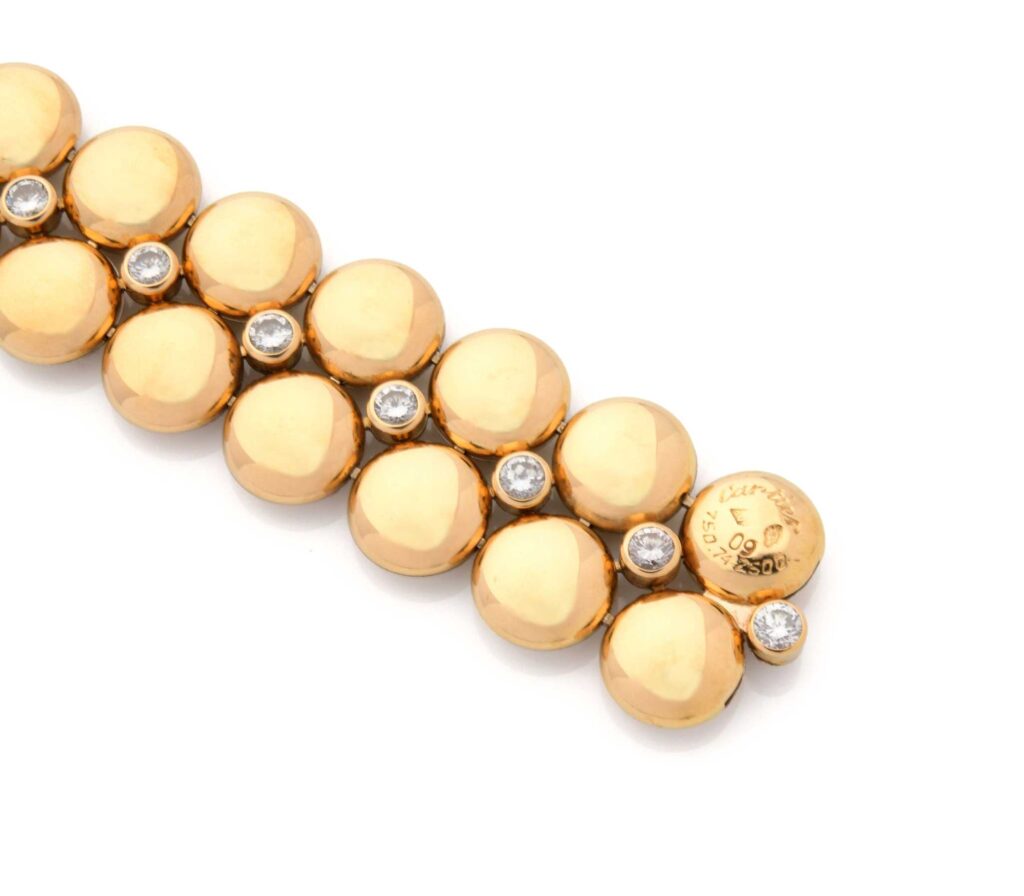
The practice of signing jewelry with a maison’s name became standard only in the latter half of the 19th century, precisely when the great jewelry houses emerged in their modern form. Cartier opened its atelier in Paris in 1847. Van Cleef & Arpels appeared on the Place Vendôme in 1906. Buccellati was founded in Milan in 1919. The signature became an instrument of identification — and simultaneously the key to what auction specialists call provenance: the documented history of ownership that at Sotheby’s and Christie’s frequently commands a premium greater than the metal itself.
24 Karats: A Solar Metal That Prefers Stillness
999-fine gold possesses that unmistakable, almost luminous yellow — rich, alive, exactly as every civilization that ever mined it has described it. In jewelry, 24K appears rarely, and this is a considered choice, not a limitation. Pure gold is extraordinarily responsive to pressure: it records every contact, every touch against a surface. A delicate prong setting for a diamond in pure gold is a risk no serious jeweler would accept. As a substantial sculptural form, a collector’s object, a ceremonial piece worn on rare occasions — 24K is beyond reproach.
In Asian jewelry traditions — particularly in Hong Kong, mainland China, and Thailand — high purity remains a fundamental value. The market for chuk kam, gold of at least 99 percent fineness, operates there as an independent cultural institution. Pieces of pure gold are not merely worn; they are exchanged as a gesture of singular respect. This is a different philosophy of the metal, and no less valid than the European one.
18 Karats: The Gold That Masters Trust
Three-quarters gold — and that is enough for the color to remain genuinely rich. 18K retains all the warmth of pure metal, slightly tempered by an alloy that remains invisible to the eye. This is gold that one recognizes — not by a label or a weight, but by a particular quality of luminosity, by the way it answers light. It is no coincidence that 18K has become the de facto standard for Europe’s great jewelry houses.
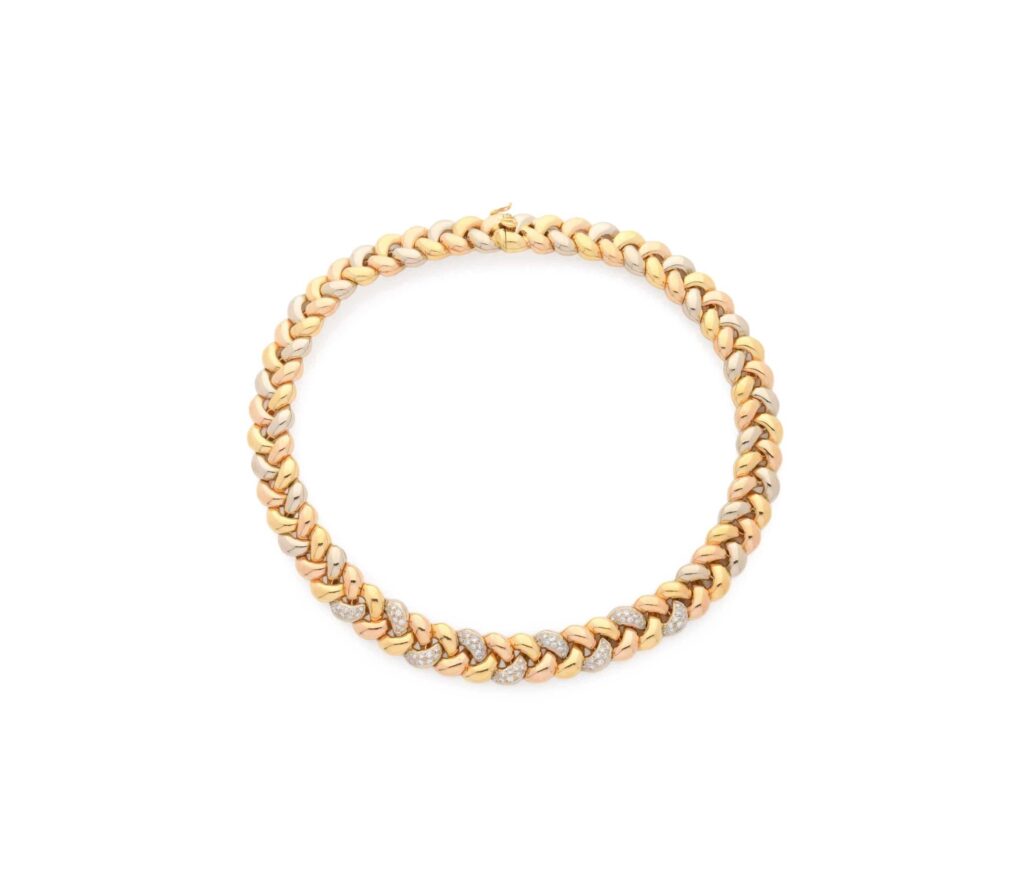
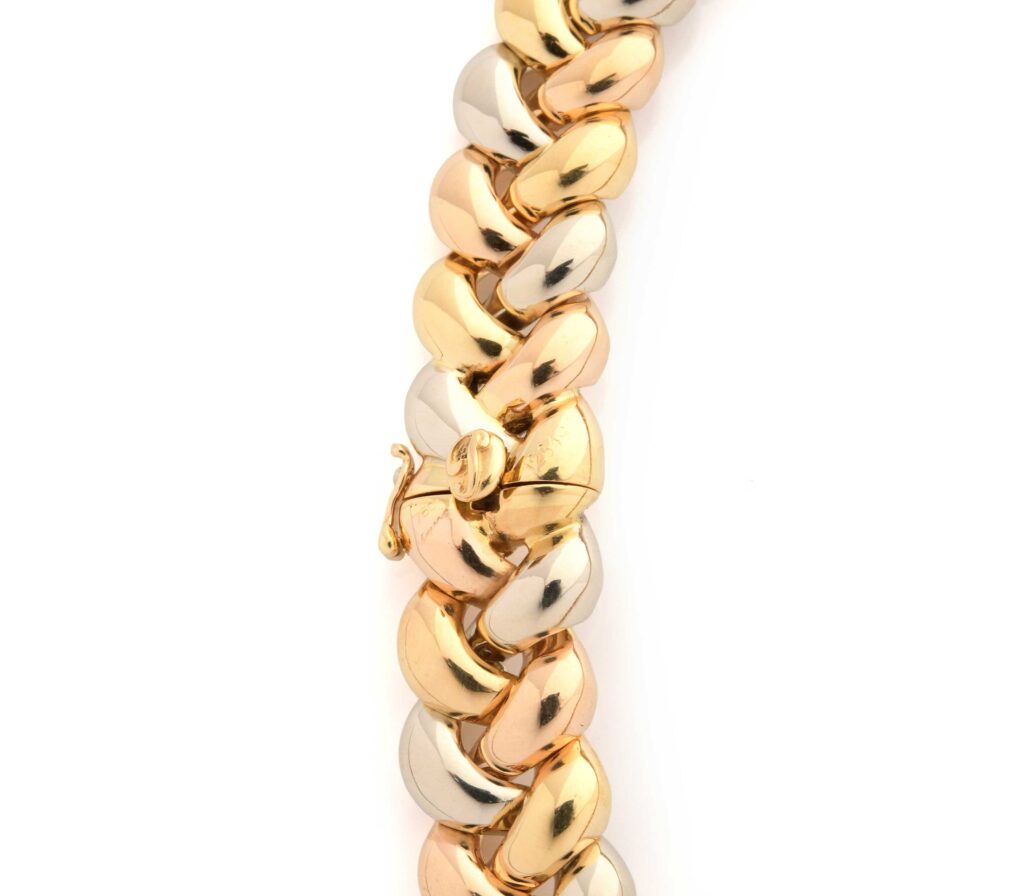
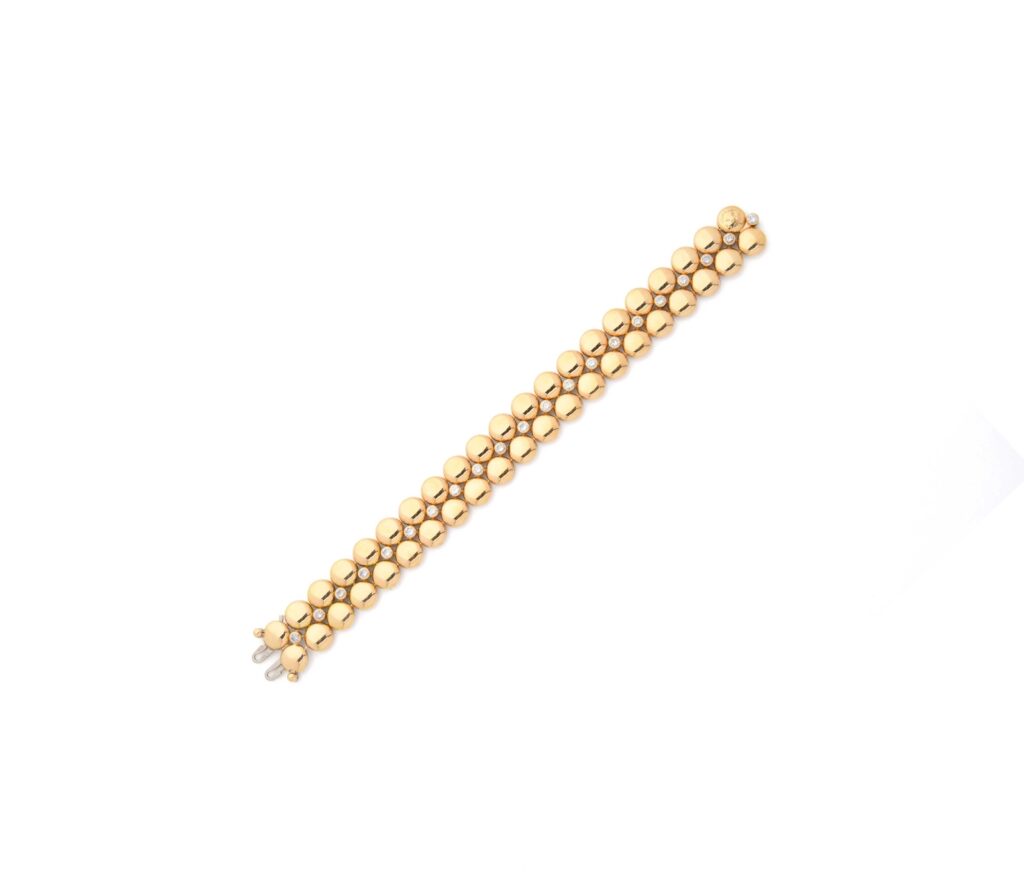
Cartier works exclusively with 18-karat gold across all its collections, from Trinity to LOVE. The legendary LOVE bracelet, designed by Aldo Cipullo in 1969 and one of the most recognized jewelry objects of the 20th century, is made in 18K precisely because this metal is strong enough to support a screw mechanism and rich enough in color to embody a piece conceived as a vow. This is not convention — it is conviction.
Van Cleef & Arpels holds the same position: every gold piece in the house’s history, from the iconic Alhambra of 1968 to the most technically demanding high jewelry creations, is executed in 18K. The house articulates this choice directly: an 18-karat alloy preserves what it calls the gleam of yellow gold in a way no other purity achieves. All Van Cleef & Arpels pieces bear the French eagle’s head hallmark — an assay guarantee that has become part of the house’s signature.
Buccellati made 18K the foundation of an entirely distinctive artistic vocabulary. The poet Gabriele d’Annunzio, one of the master’s earliest patrons, called him the “Prince of Goldsmiths.” Mario Buccellati developed the traforato technique — a form of pierced gold that evokes Venetian lace or honeycomb — and it was precisely 18K that allowed these extraordinarily fine incisions to be worked by hand while preserving the structural integrity of the piece. His sons and grandsons have continued this tradition; every work the house has produced, from the compacts of the 1920s to the contemporary Morgana bracelets, is executed in 18-karat gold. This is not a standard — it is a philosophy.
Chanel went further still, creating and registering its own proprietary shade of 18K — beige gold — which the house names as its signature metal. This is not a marketing term but a patented alloy, engineered to enhance the character of the house’s jewelry and timepieces. A metallic tone elevated to the status of a trademark, as distinctive as a typeface or a logo.
Rolex followed the same logic with its Everose gold: a proprietary rose gold formula, patented and cast in the brand’s own foundry, engineered to hold its hue far longer than standard rose alloys. For a house whose reputation rests on the words endurance and permanence, this decision carries an almost philosophical weight.
18K gold ages beautifully. Over time, a barely perceptible patina develops on the high points — the trace of a life worn, what conservators call the working history of a piece. White gold in 18K is almost always finished with a rhodium plating that delivers its characteristic brilliance and adds surface hardness. The plating is refreshed as needed — a routine part of the life of white gold, an aspect of care rather than a flaw.
14 Karats: Gold for Living Without Reservation
The ring worn from morning until night. The chain that becomes your constant companion on every journey. The bracelet unafraid of saltwater or mountain air. This is the territory of 14K — and here it is entirely in its element. The higher proportion of alloy means a more resilient metal: it resists scratching, holds its form under sustained wear, and maintains its detail through uninterrupted contact with the world.
In American fine jewelry, 14K has historically occupied a dominant position. Houses such as Tiffany & Co. have worked extensively with this purity across their collections — particularly in pieces designed for daily life rather than ceremony. The color of 14K is slightly more restrained, marginally cooler, than 18K — a difference apparent in direct comparison, but never in question on its own terms. A piece in 14K is unambiguously gold, chosen for its character rather than despite it.
The 585 hallmark denotes 58.5 percent gold — fractionally above the theoretical 14/24. This is a deliberate technical margin: every batch of alloy is guaranteed to meet or exceed the stated purity. In this small detail lies the whole character of 14K — precision without ostentation.
One consideration worth bearing in mind with white gold in 14K: the alloy composition determines not only tone and hardness but also how the metal behaves against the skin. Some white gold formulas contain nickel; for sensitive skin, it is worth confirming the composition. The better houses work exclusively with nickel-free alloys.
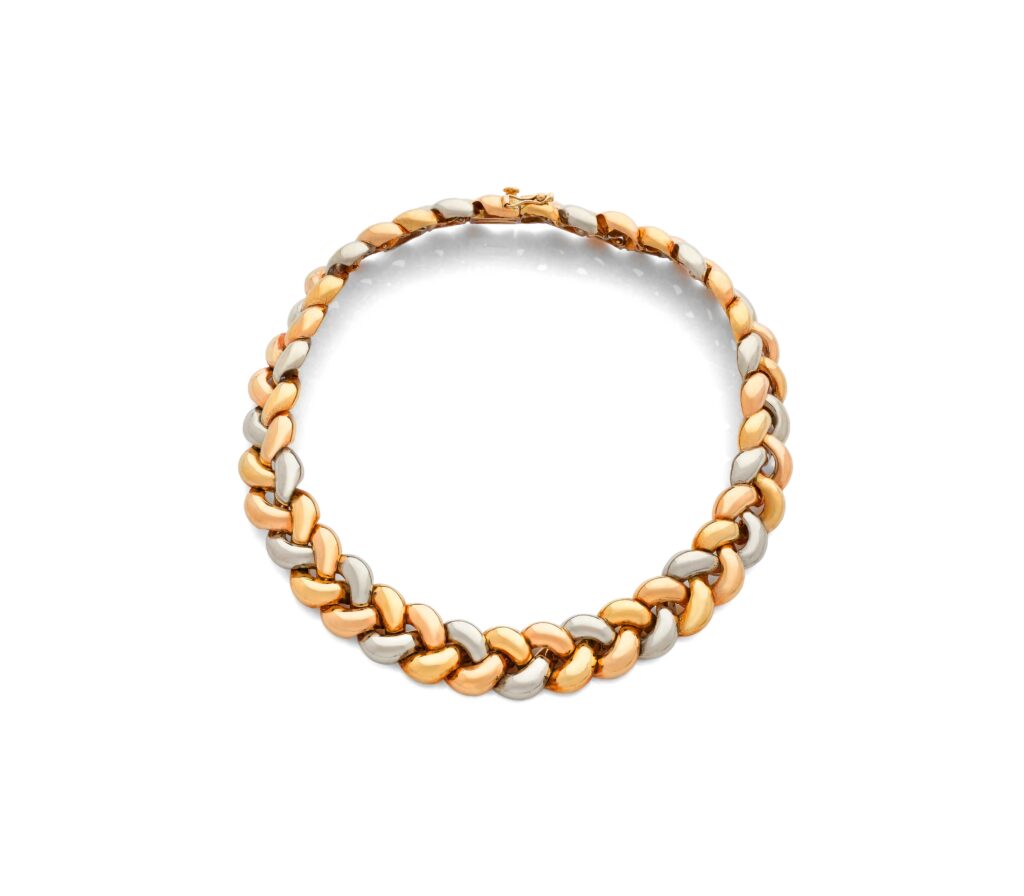
The auction market confirms what the market of daily life already knows: 14K is not a synonym for second best. A Cartier Trinity three-color bracelet in 14-karat gold — once belonging to Marlene Dietrich, a gift from Erich Maria Remarque — went to auction at a price no purity can explain. Only one word explains it: provenance. Who wore it, who gave it, where it has been — this is what determines true value at Sotheby’s. Anonymous high-karat gold without documentation will always yield to a piece with a biography.
Vermeil: Gold as Surface — and as Philosophy
Vermeil is not a simplification. It is a distinct genre, with its own history and its own aesthetic logic. The word itself comes from French and originally described gilded silver of the highest order — a technique that graced the objects of royal courts long before modern standards existed. Today vermeil is precisely defined: a base of sterling silver at 925 fineness, a gold layer of no less than 10 karats, applied to a minimum depth of 2.5 microns. These are binding standards, not suggestions.
The silver base is neither accident nor economy. Silver gives vermeil a particular weight, a particular quality of presence on the skin, a tactile substance that lighter metals cannot replicate. The gold surface is what the world sees. Between the two lies the boundary of the genre — honest and unambiguous.
Vermeil is worn differently. It is chosen when change is part of the point — seasonal, stylistic, attuned to mood. When one wants the richness of gold in a form that makes no claim to permanence. The plating will gradually yield on the highest points with wear — not through neglect, simply through being lived in. Those who understand the nature of vermeil do not find this troubling; it is part of its integrity. What vermeil will not forgive is abrasive cleaning, sustained contact with perfume, or prolonged exposure to the sea. As with everything one values, a degree of care is simply the price of possession.
When Provenance Outweighs Gold
For a collector whose life unfolds in Monaco, gold ceased to be merely a material long ago. What is purchased here is not a purity mark — it is an object that can hold its ground in a private salon, an auction catalogue, and a conversation with experts. For that, a piece requires a biography.
This is why royal gifts occupy a singular position in the collector’s hierarchy: their provenance is almost always documented, and their symbolic weight is beyond calculation. The Nizam necklace by Cartier, presented to Princess Elizabeth on her wedding in 1947, was not merely a jewel — it entered the visual history of an era, worn in the early official portraits that became the basis for postage stamps issued across the postwar world. The Halo tiara by Cartier, worn by Catherine Middleton at her wedding in Westminster Abbey in 2011, became a historical document at the moment it was seen. Pieces such as these exist outside any question of karat — they occupy an entirely different dimension of value.
Christie’s articulates this with characteristic precision: provenance is the documented history of ownership that supports attribution and gives a buyer confidence in authenticity. For significant objects, this principle becomes absolute: an absence of clear origin raises risk and diminishes the market’s willingness to pay a premium. This is precisely why the practice of signing pieces, which emerged in the 19th century alongside the great houses themselves, became not merely a tradition but an instrument for the preservation of value across time.
Grygorian Gallery: Gold as a Vessel for Time
At Grygorian Gallery, we approach gold neither as a material category nor as a matter of purity. We approach it as a vessel for time — the only resource that cannot be replenished.
Our gallery exists in Monaco at the convergence of three worlds: vintage jewelry of distinction, signed works from the great houses, and original pieces born in the ateliers of southern France. Each direction speaks about gold differently — but all share a single philosophy: the value of an object is not determined by the weight of its metal, but by the way it endures.
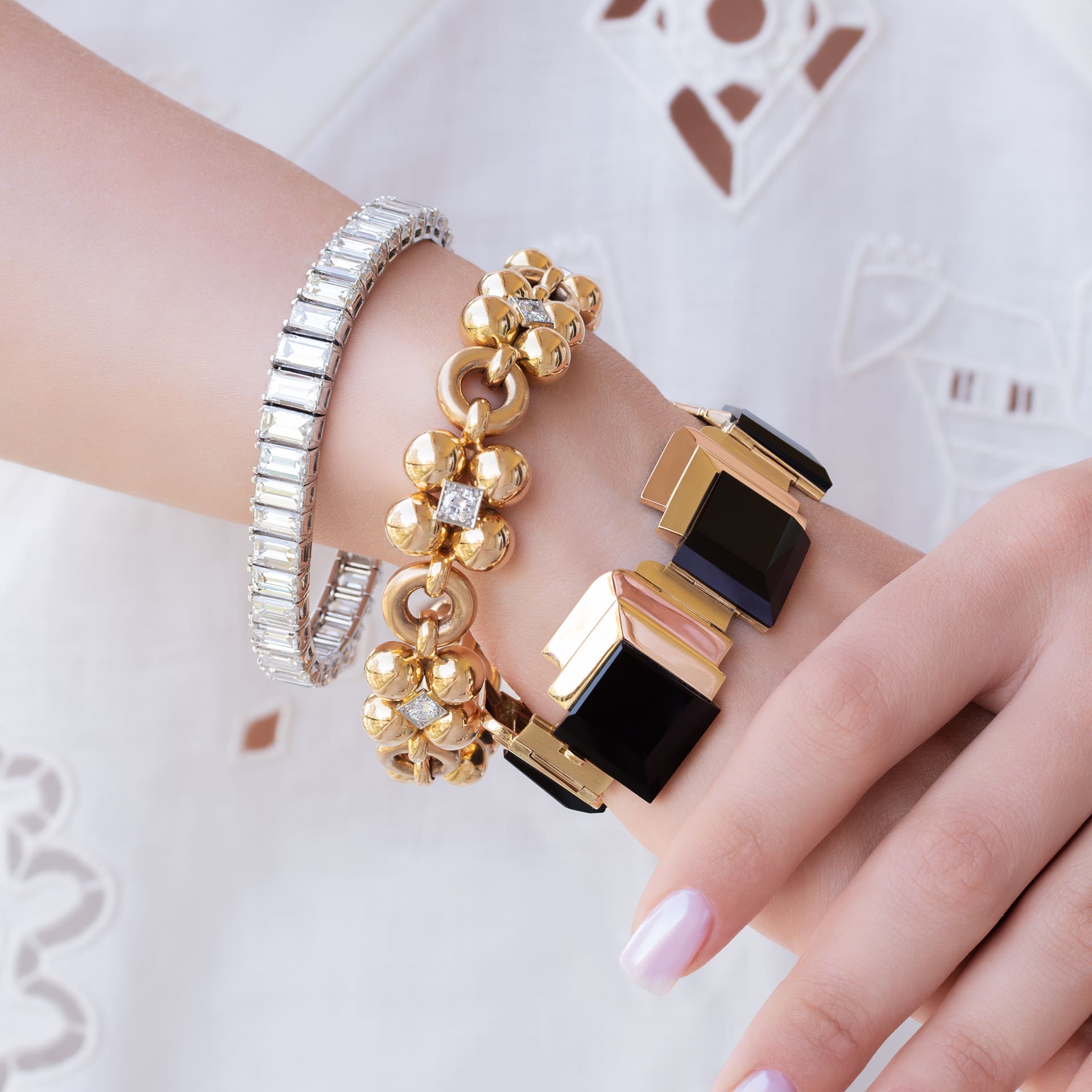
Among our vintage holdings are pieces by Van Cleef & Arpels, Cartier, Boucheron, Bulgari, and other houses whose names have long been synonymous with precision and mastery. Each arrives with its history intact — hallmarks, documentation, the traces of a life that cannot be relived.
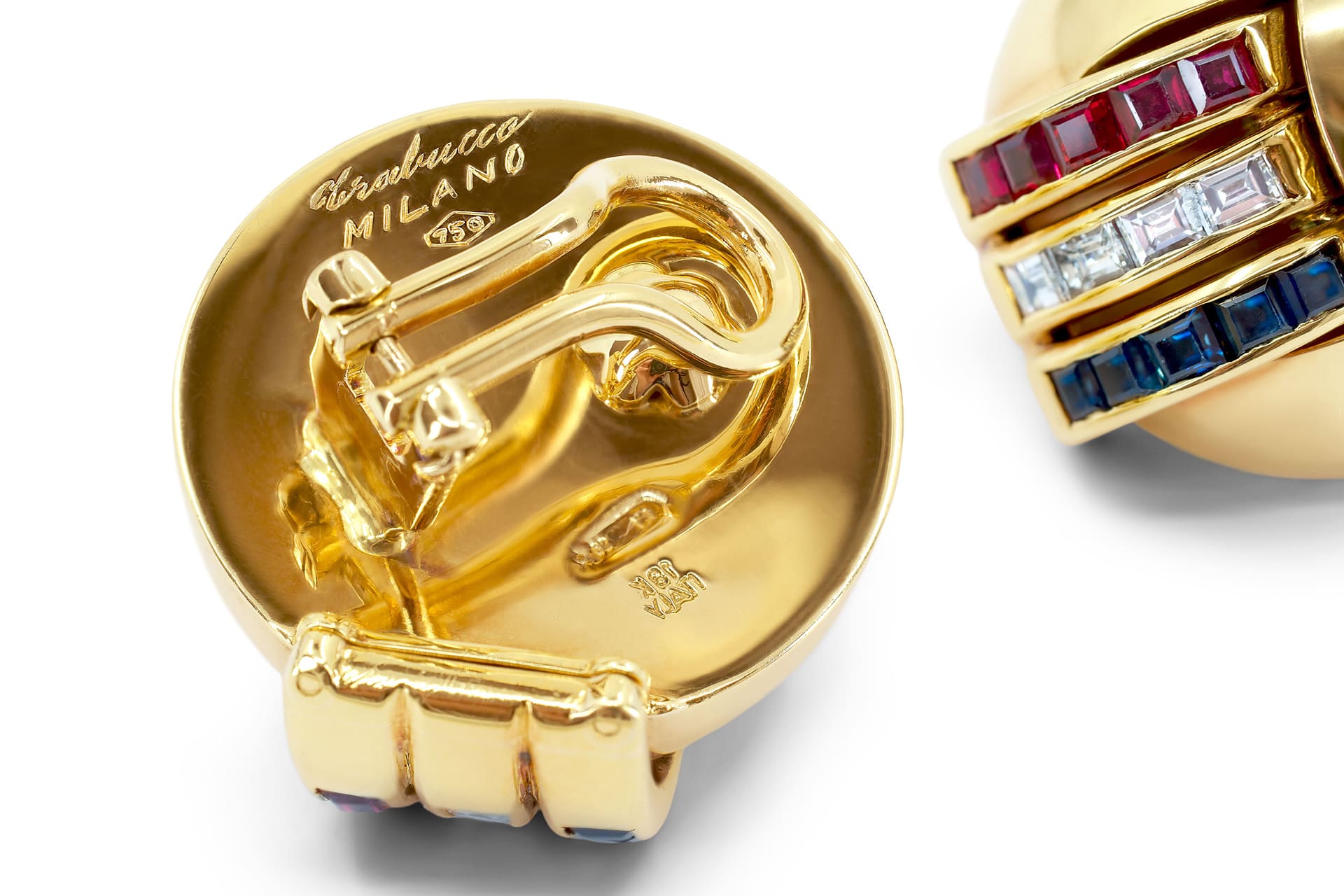
Our collection of signed jewelry comprises pieces where the maker’s name is not merely a marking, but a guarantee: that the form was chosen with purpose, the metal with intention, and the stone with an understanding of how it will live within its setting decades into the future.
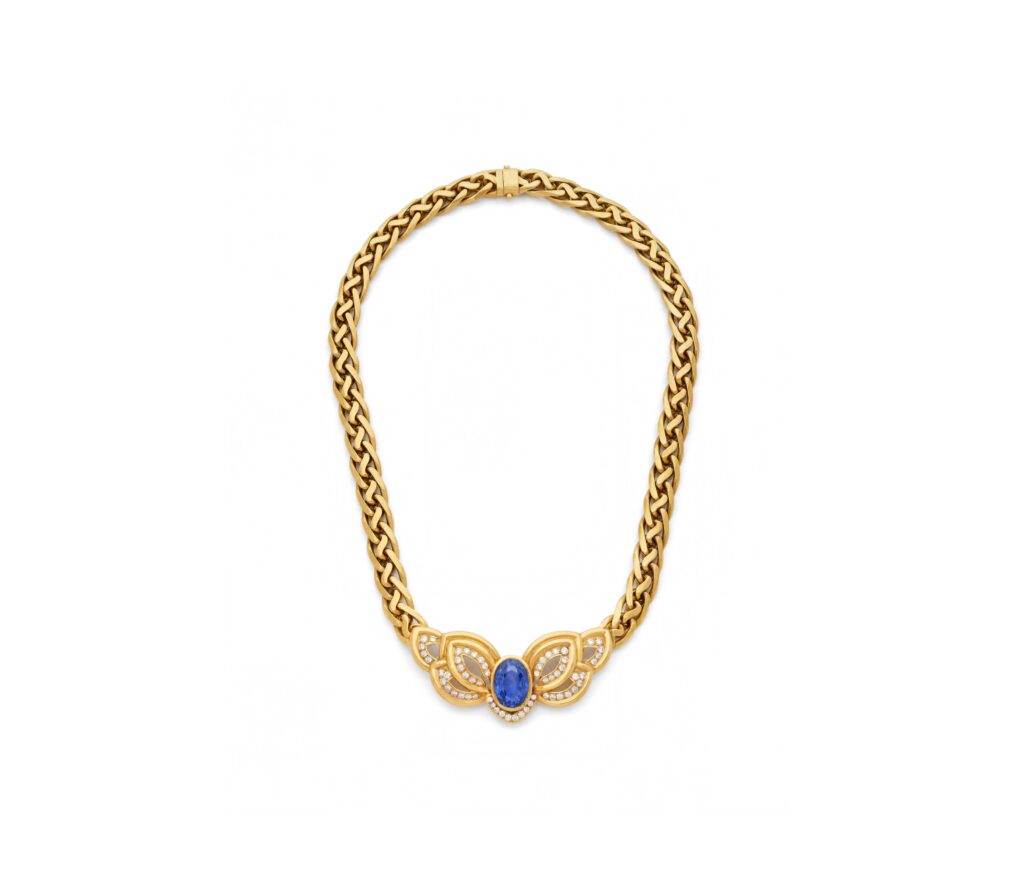
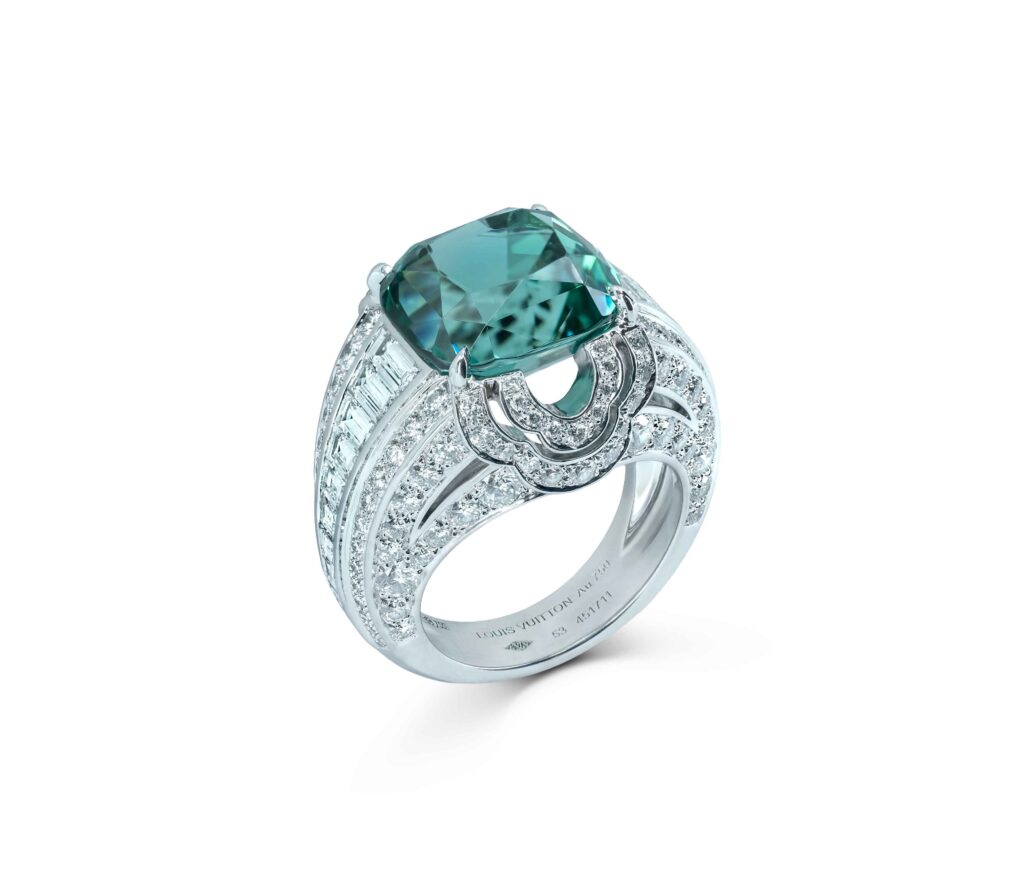
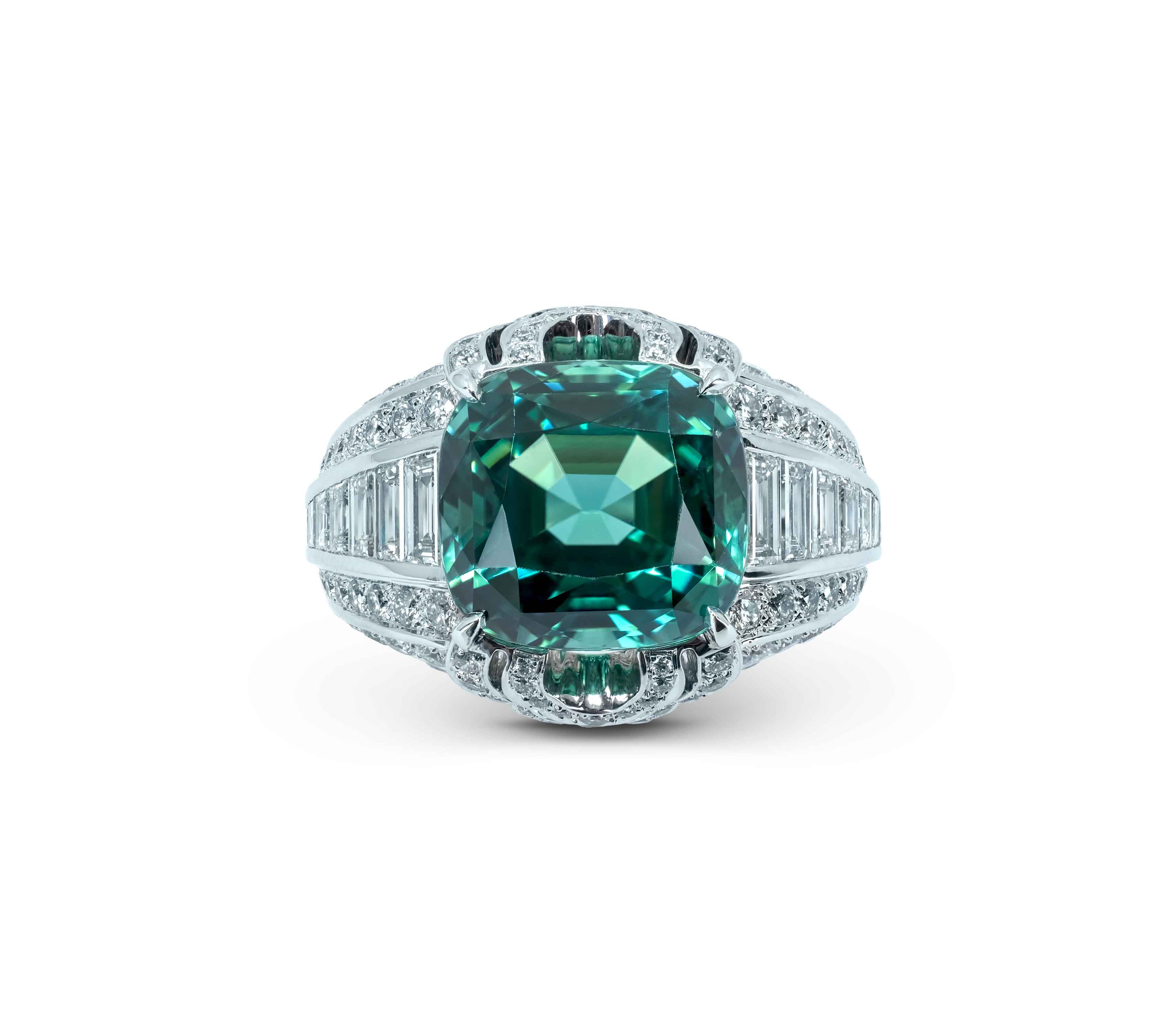
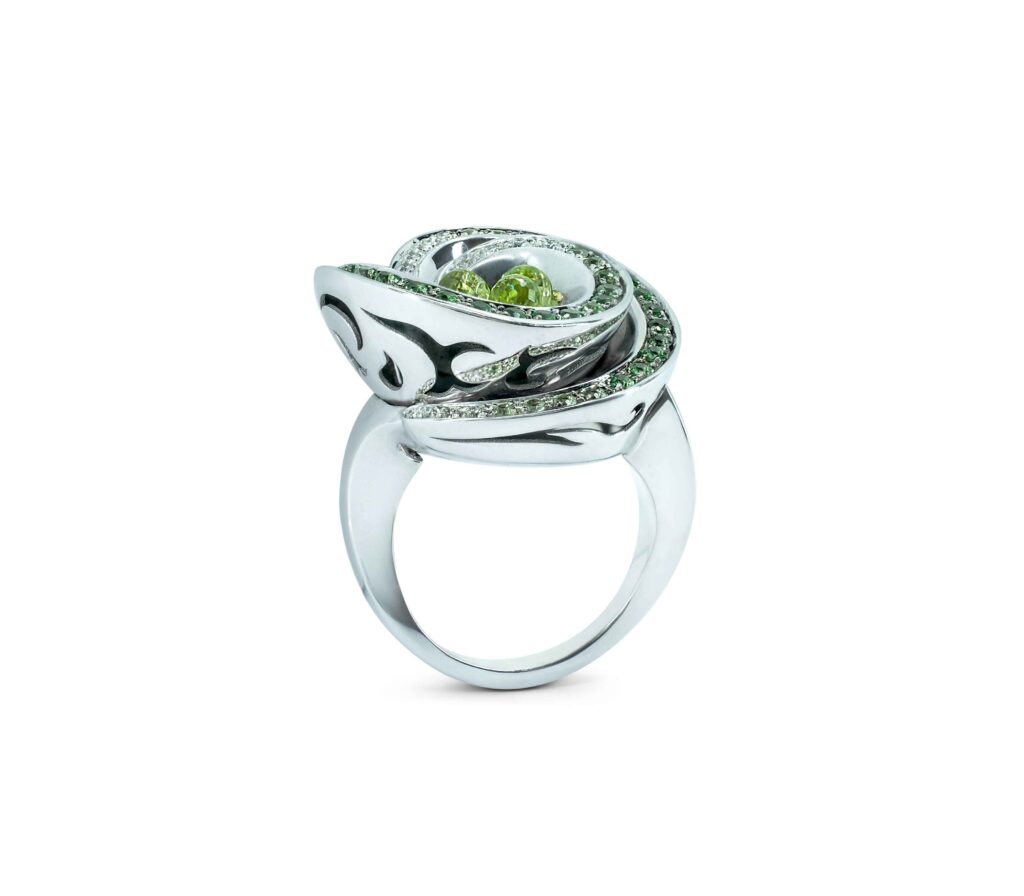
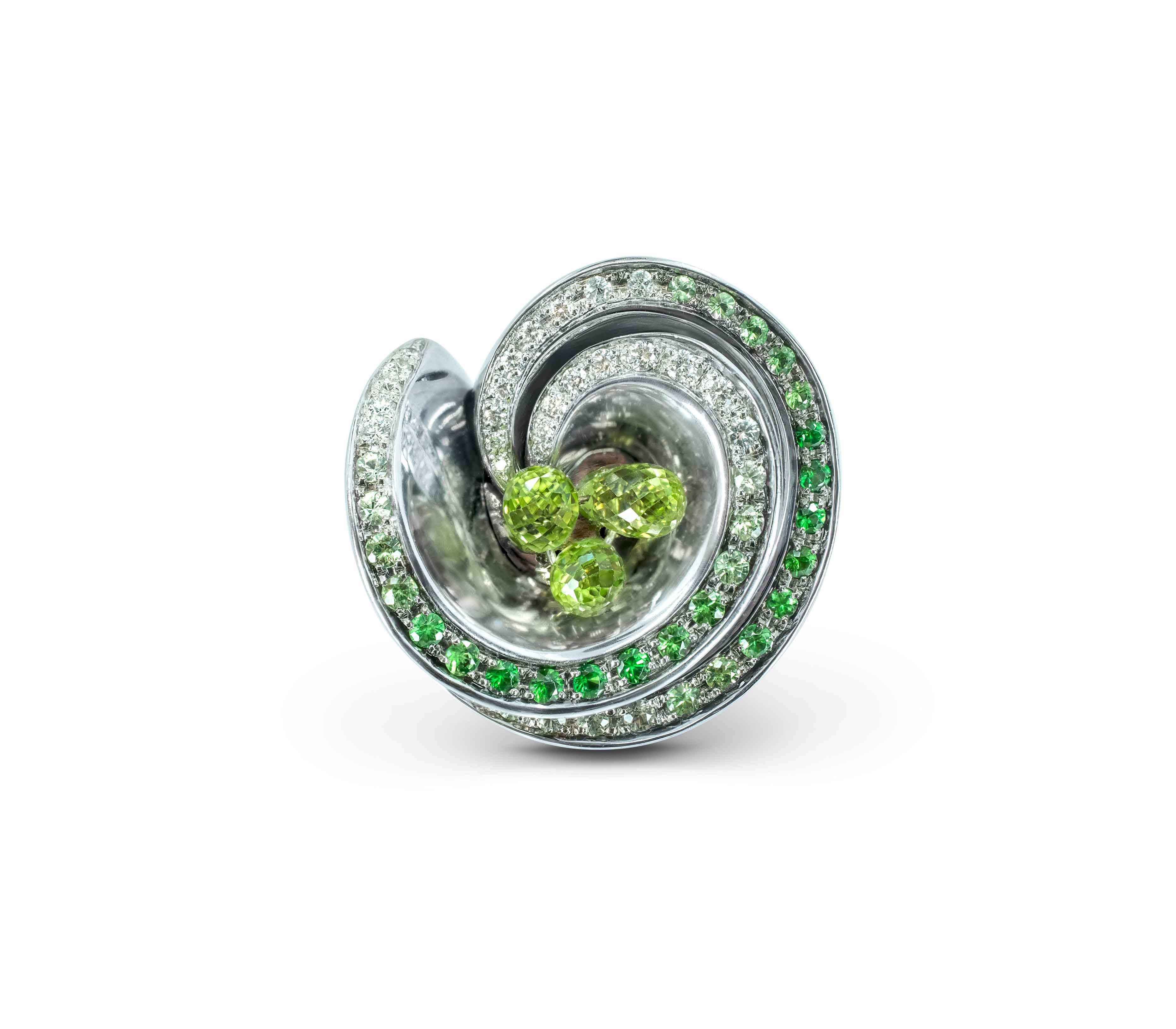
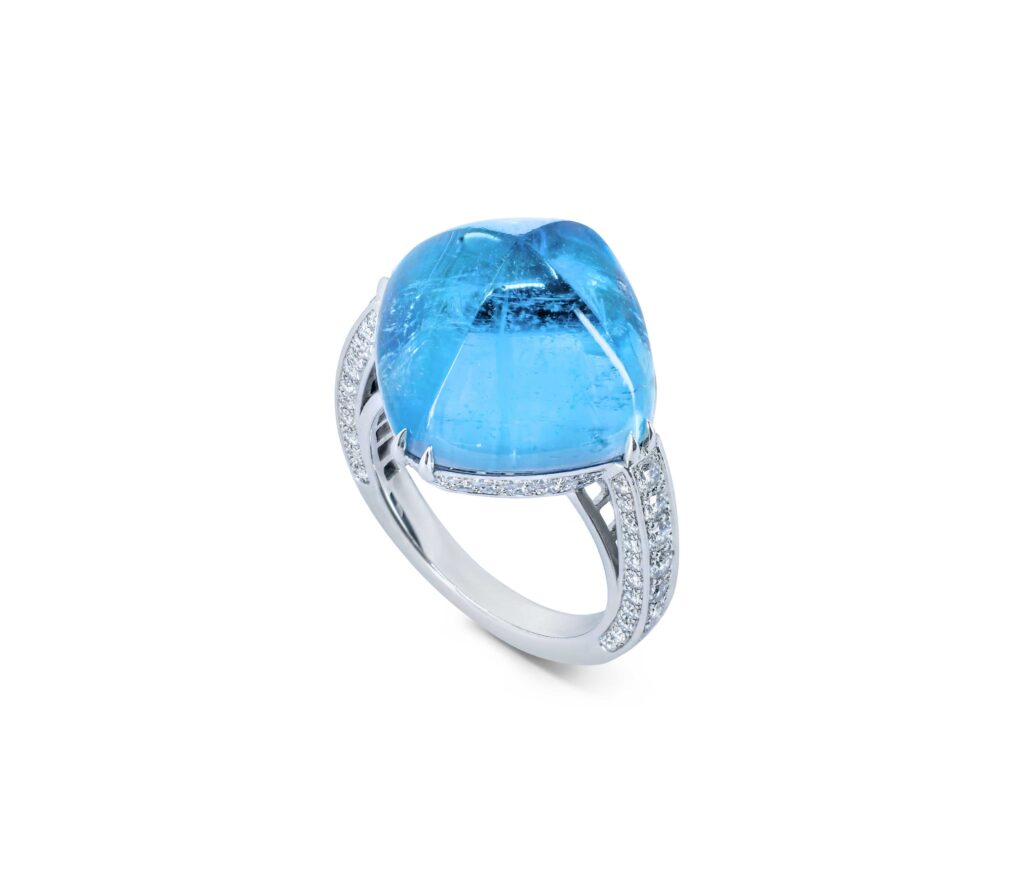
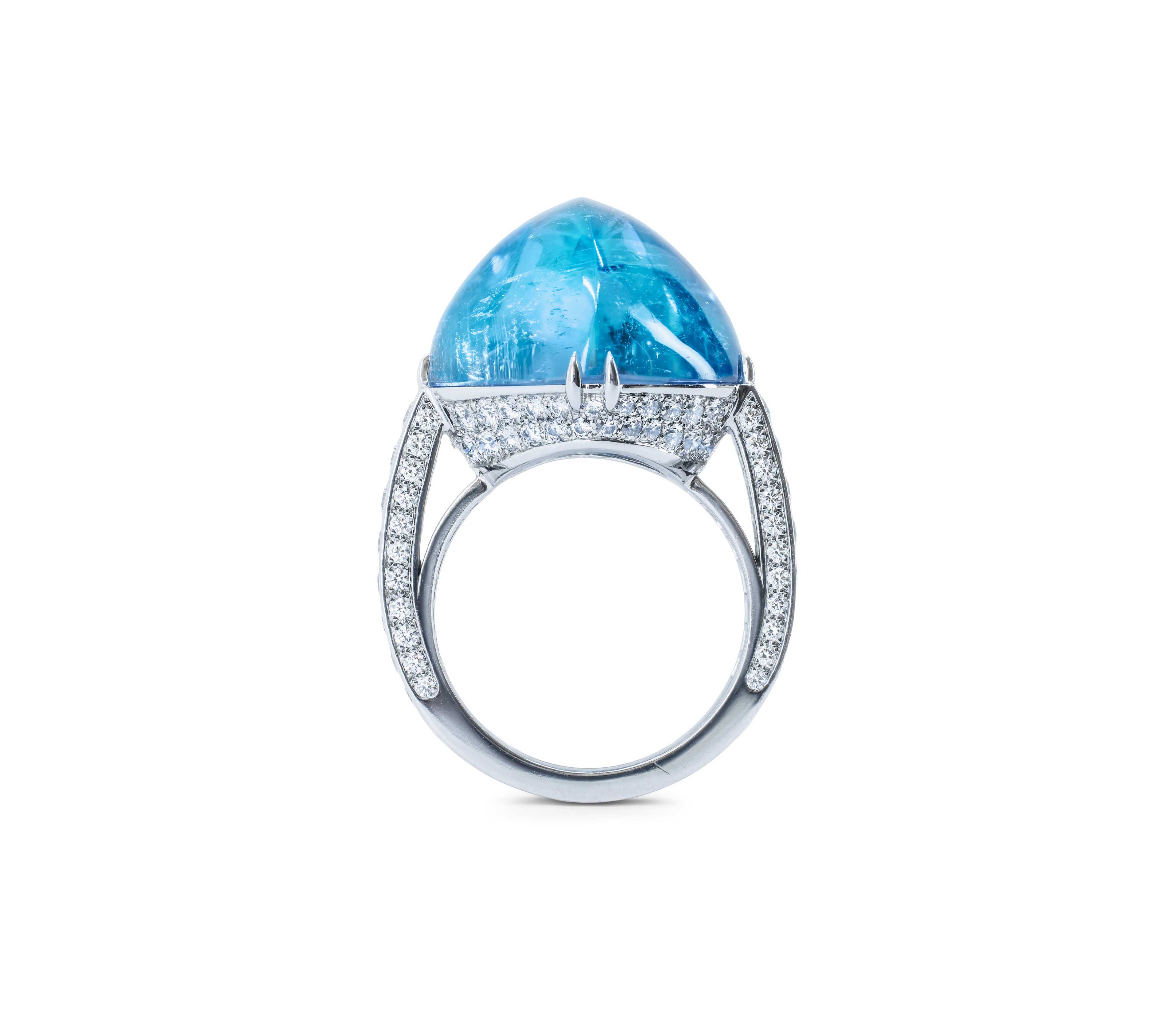
The Grygorian Gallery own line is created by professionals in dialogue with tradition — without any desire to imitate it. Our pieces include the one-of-a-kind Venetian Myth Serpent Ring, drawn from the visual world of Venice, and works featuring exceptional stones: tourmalines, spinels, emeralds, and sapphires, chosen with the same discernment we bring to the gold itself. Every original piece is conceived as a future heirloom — not only in design, but in metal: all our pieces are executed in 18-karat gold, the standard the great houses arrived at not by habit, but by conviction.
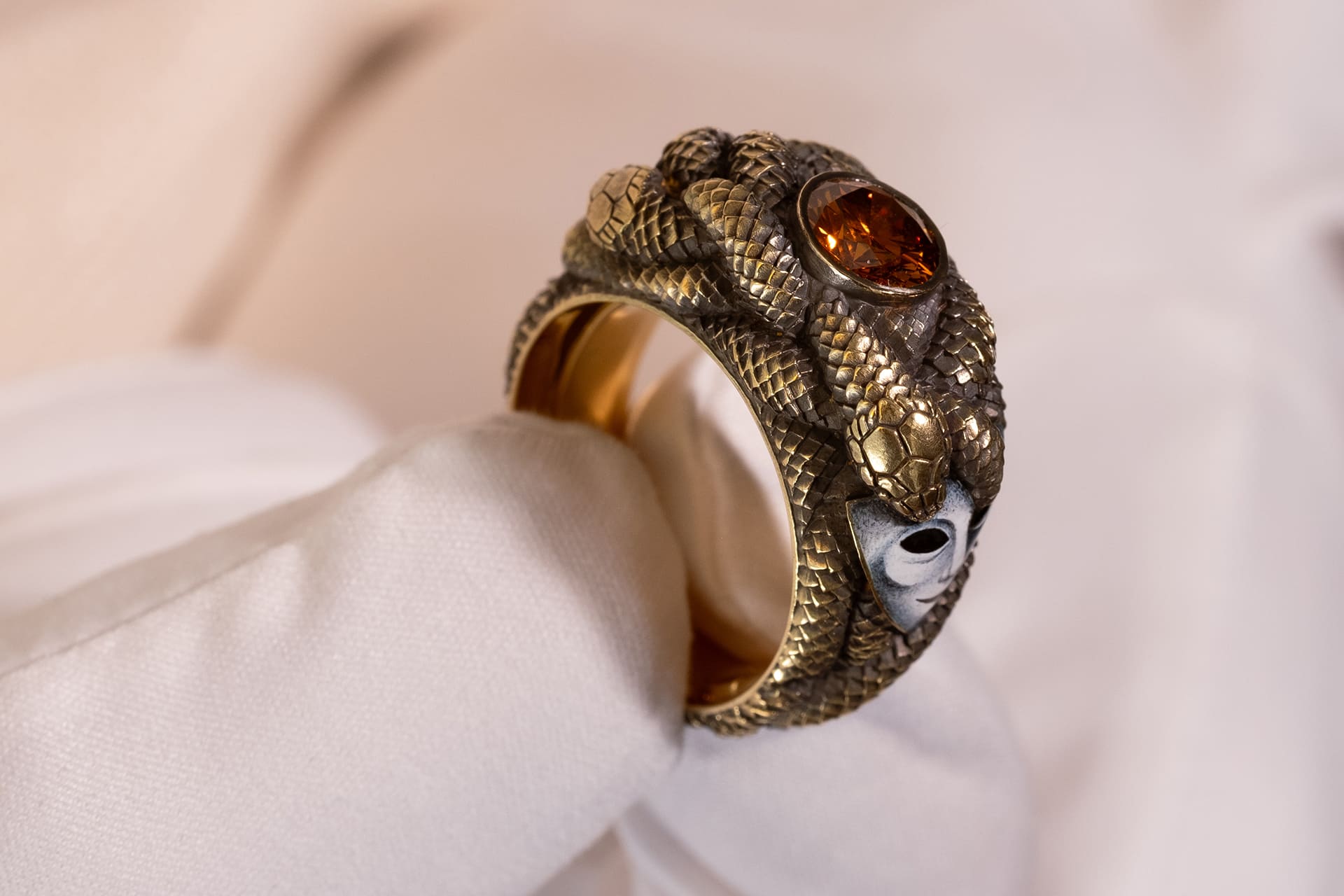
Gold does not become a jewel at the moment a craftsman gives it form. It becomes one at the moment of choice — the choice of alloy, of finish, of idea, of how the metal will live. In our gallery, that choice is present in everything: as a practice of working with time, as a dialogue with history, as an object that will one day become part of someone’s personal chronicle.
A hallmark is a specification. A signature is an instrument. Provenance is a guarantee. True value lies in the way a piece exists through time. This is what we seek, what we find, and what we create — every day, in Monaco, on the shore where those who know good gold recognize it at a glance.