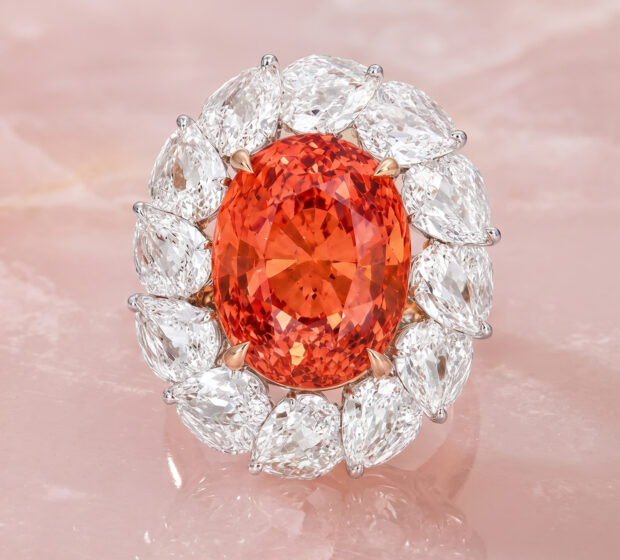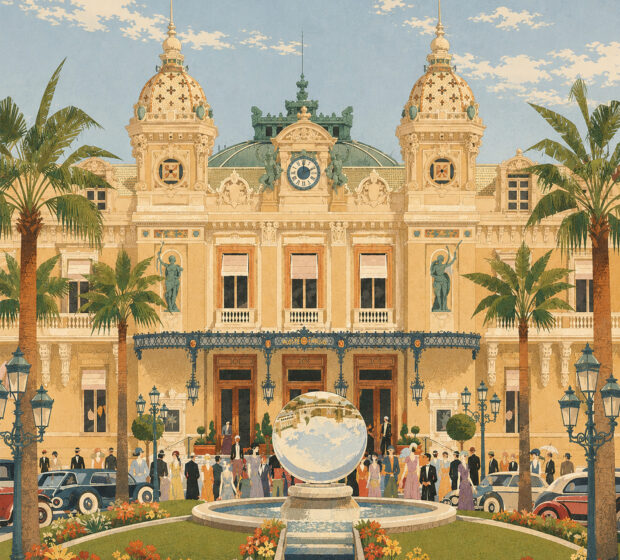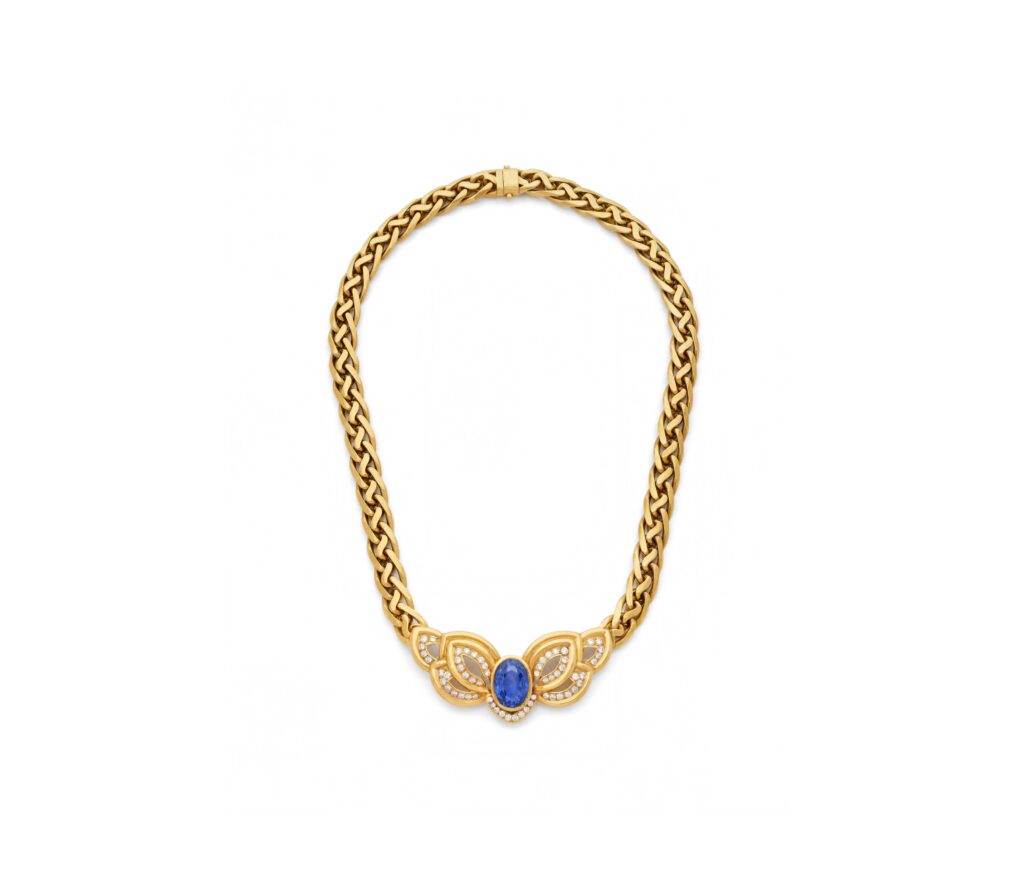

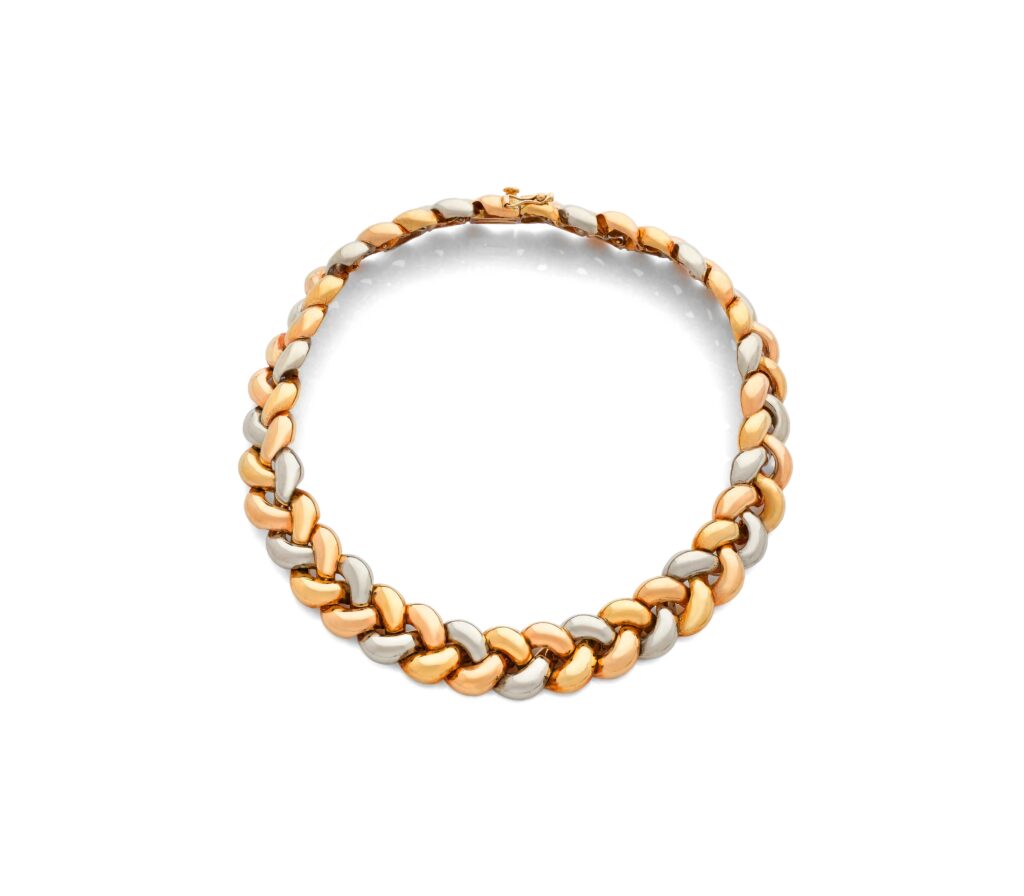



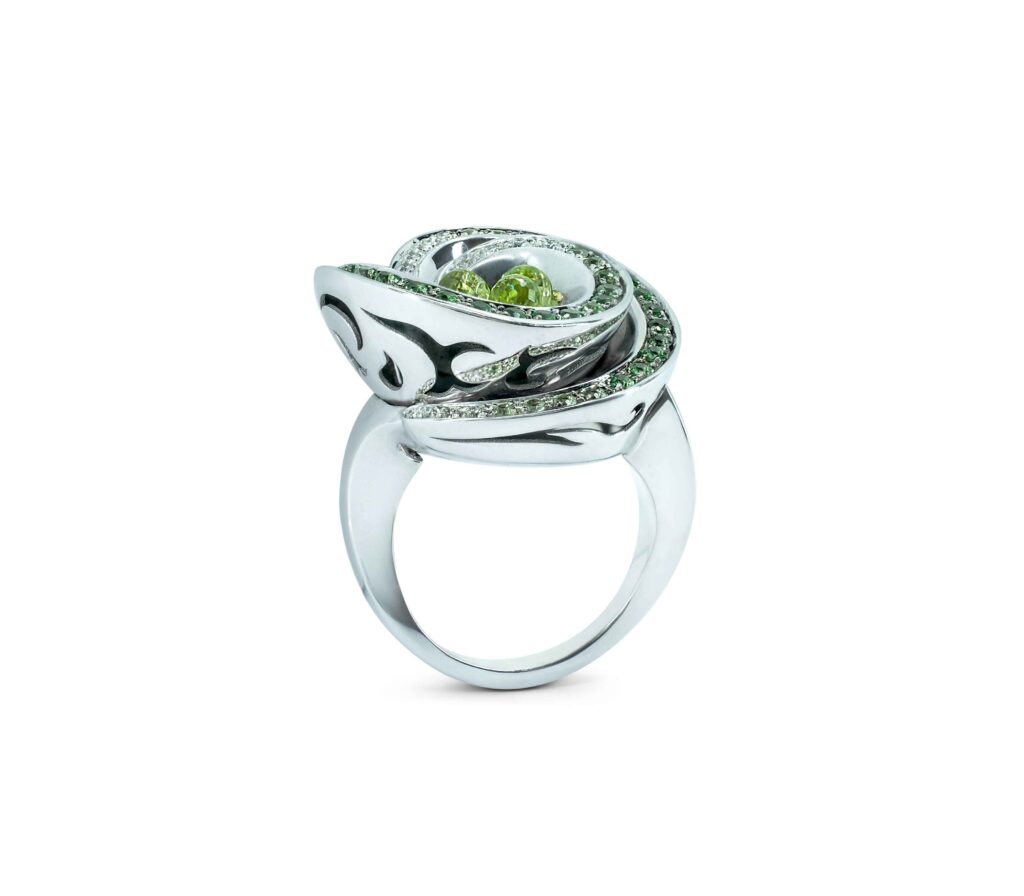
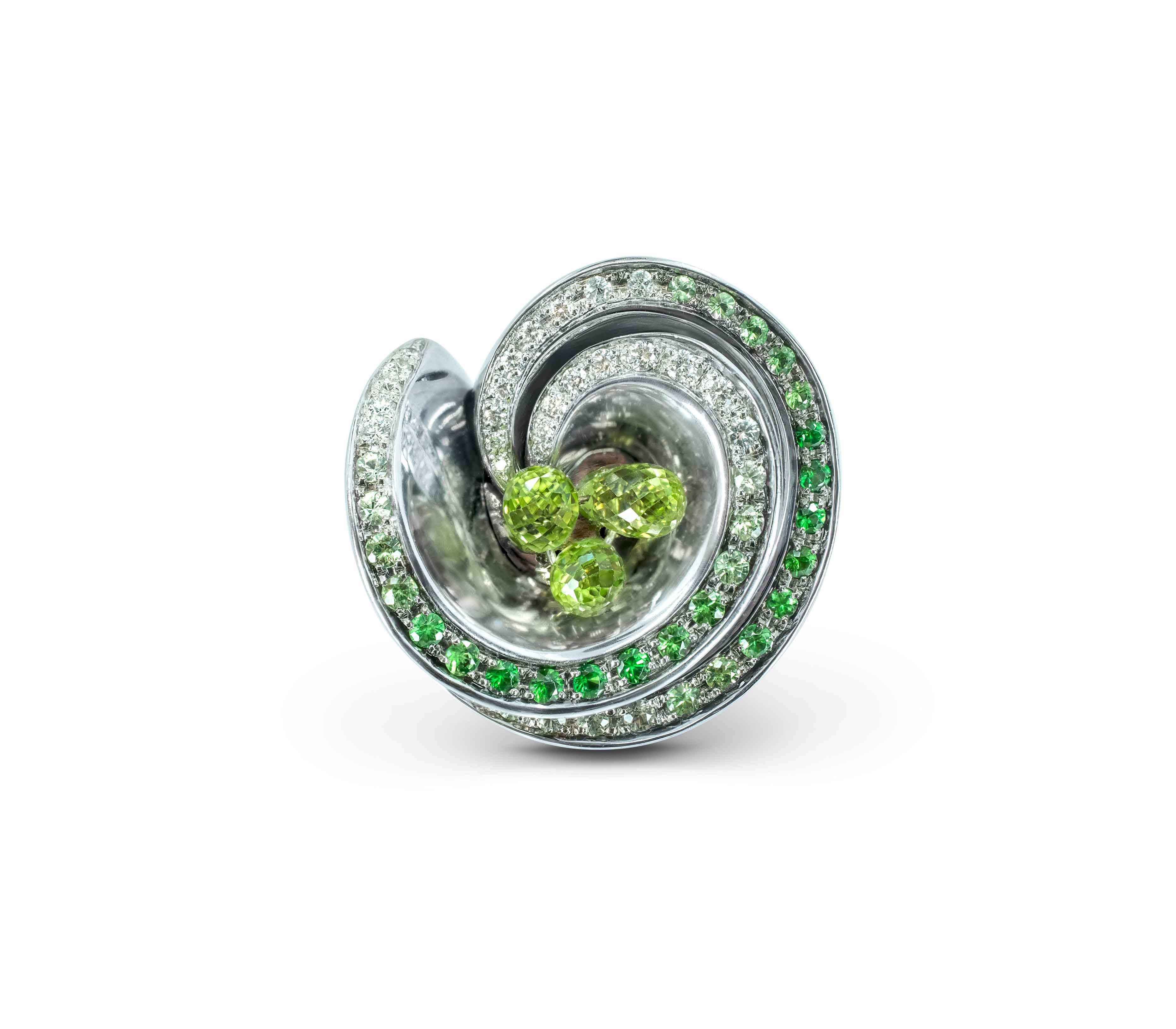
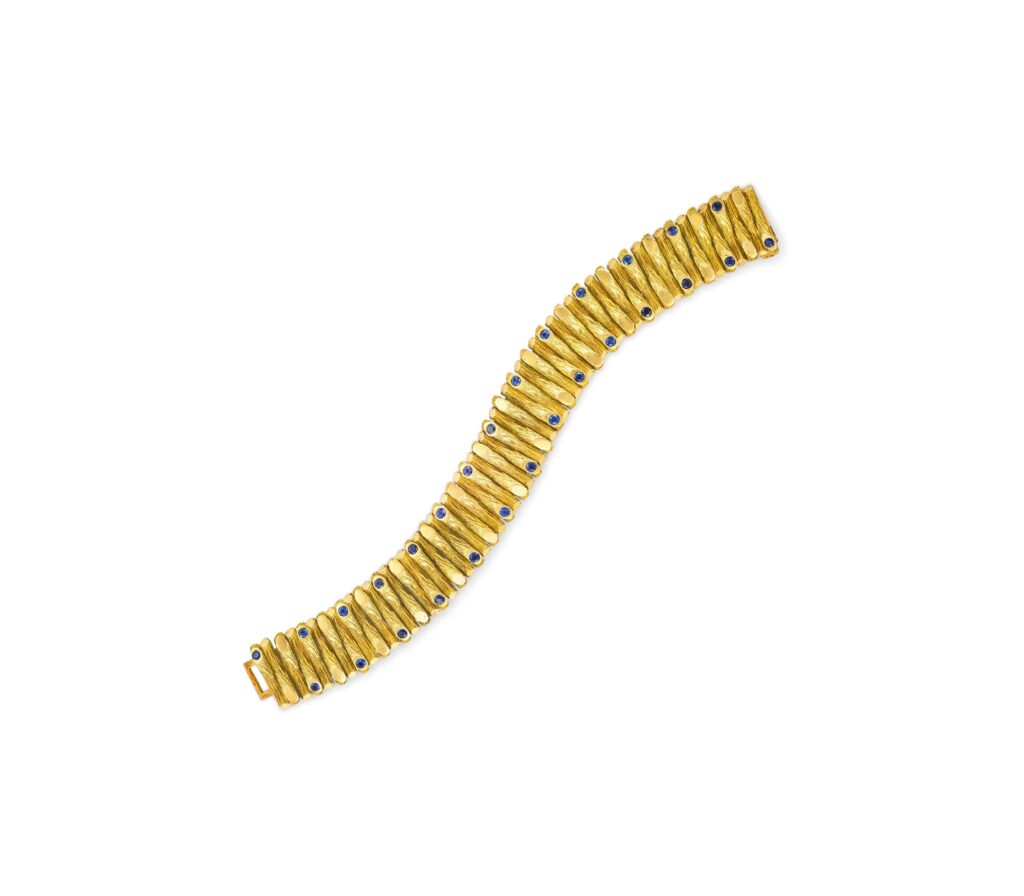

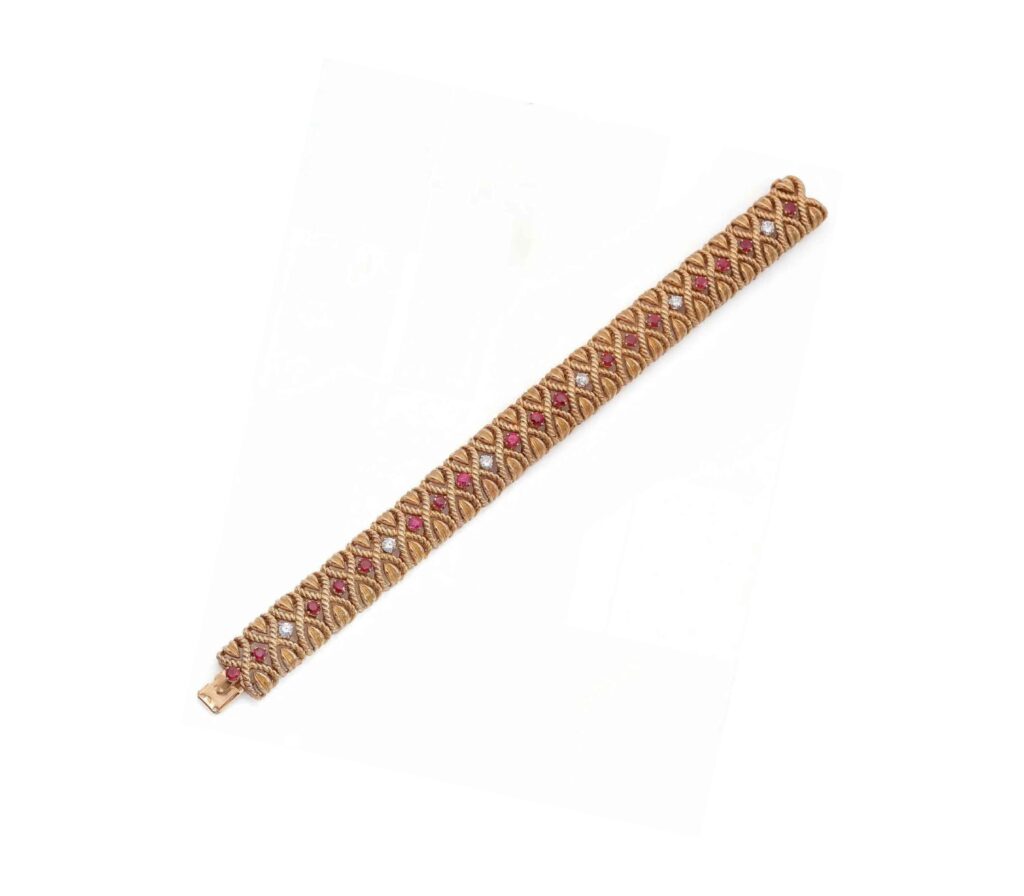


If you were to rank the world’s jewelry capitals by transaction volume, Monte Carlo would barely make the list. Geneva sets prices for rare stones. Hong Kong absorbs Asia’s appetite for haute joaillerie. New York drives auction momentum. London defines standards of expertise. Monte Carlo is something else entirely — not a transaction machine, but an environment where every acquisition is deliberate.
That distinction matters. It explains why the world’s major jewelry houses maintain flagship boutiques here. Why Christie’s and Sotheby’s hold preview viewings before their Geneva sales. And why wealthy collectors from across Europe regard this two-square-kilometer principality as somewhere worth being seen.
Monaco: Luxury as a Foundation of State
In 1863, Charles III of Sardinia established the Société des Bains de Mer with a single purpose: to build a luxury industry where none existed. The casino, the hotels, the boulevards — everything was constructed as a stage set for the wealthiest people in Europe. In 1866, the new district was named Monte Carlo. The Hôtel de Paris opened in 1864. This was never a city that accumulated culture over generations. It was a deliberate project, one in which luxury was a function from day one.
That origin shaped the logic of the local jewelry market. The people who came here weren’t residents — they were guests, people who already had everything. Selling them a piece of jewelry meant not dazzling them, but making a case for value. Over time, that dynamic cultivated a particular kind of buyer: someone who doesn’t shop for “expensive” — they seek out the genuine.
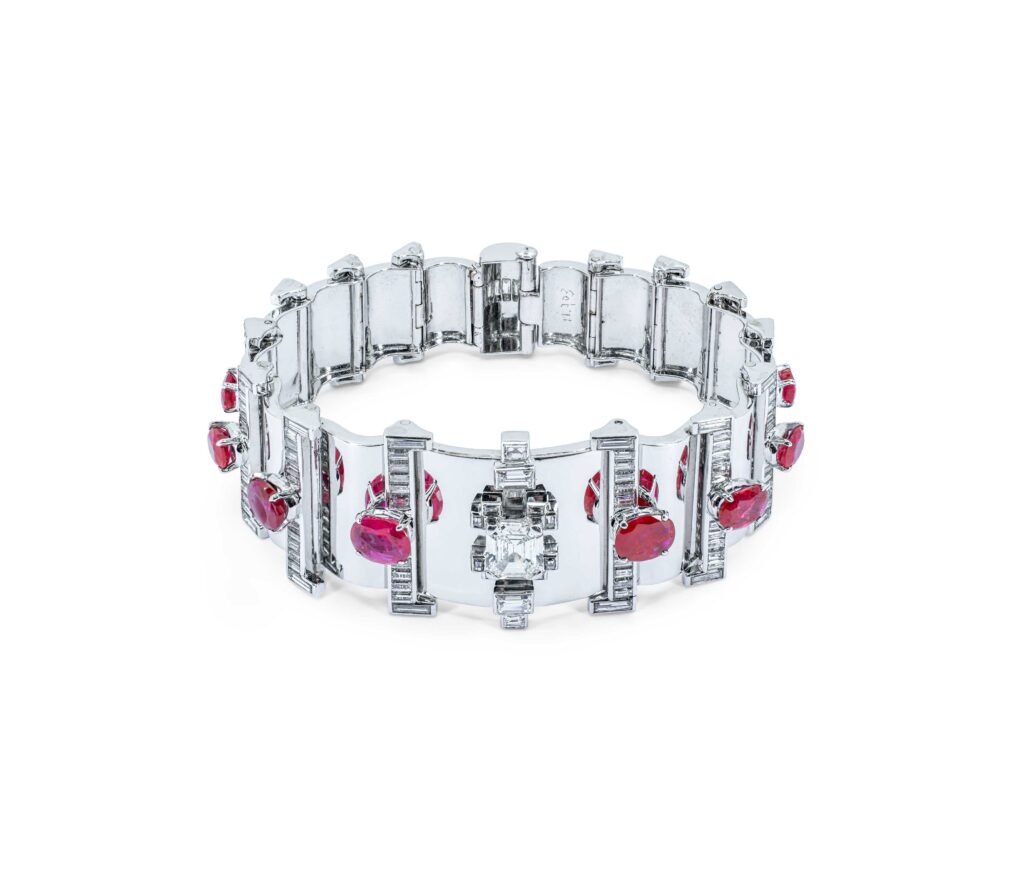
Cartier became the official jeweler of Monaco from 1920. Van Cleef & Arpels opened its first boutique on Place du Casino in 1935. Behind those dates lies something more than commerce — an aesthetic standard was taking shape. Platinum settings, step-cut diamonds, architectural restraint. These were the pieces the court embraced, and in doing so, made canonical.
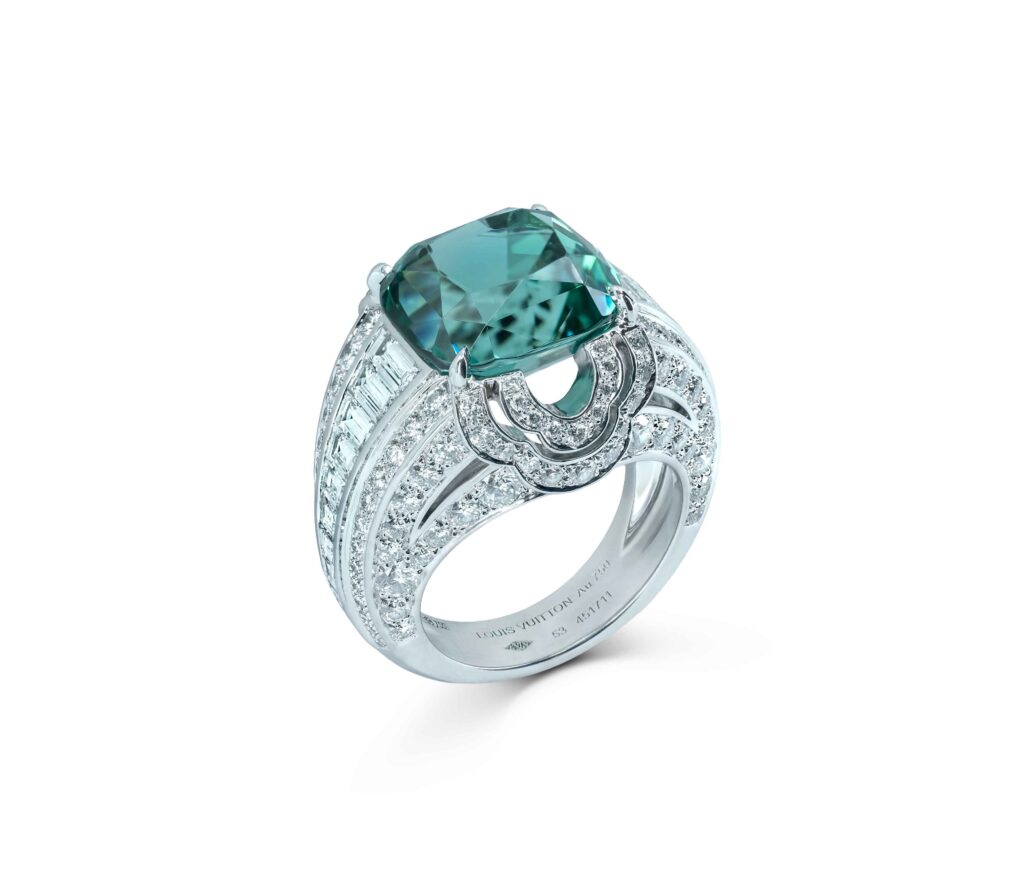
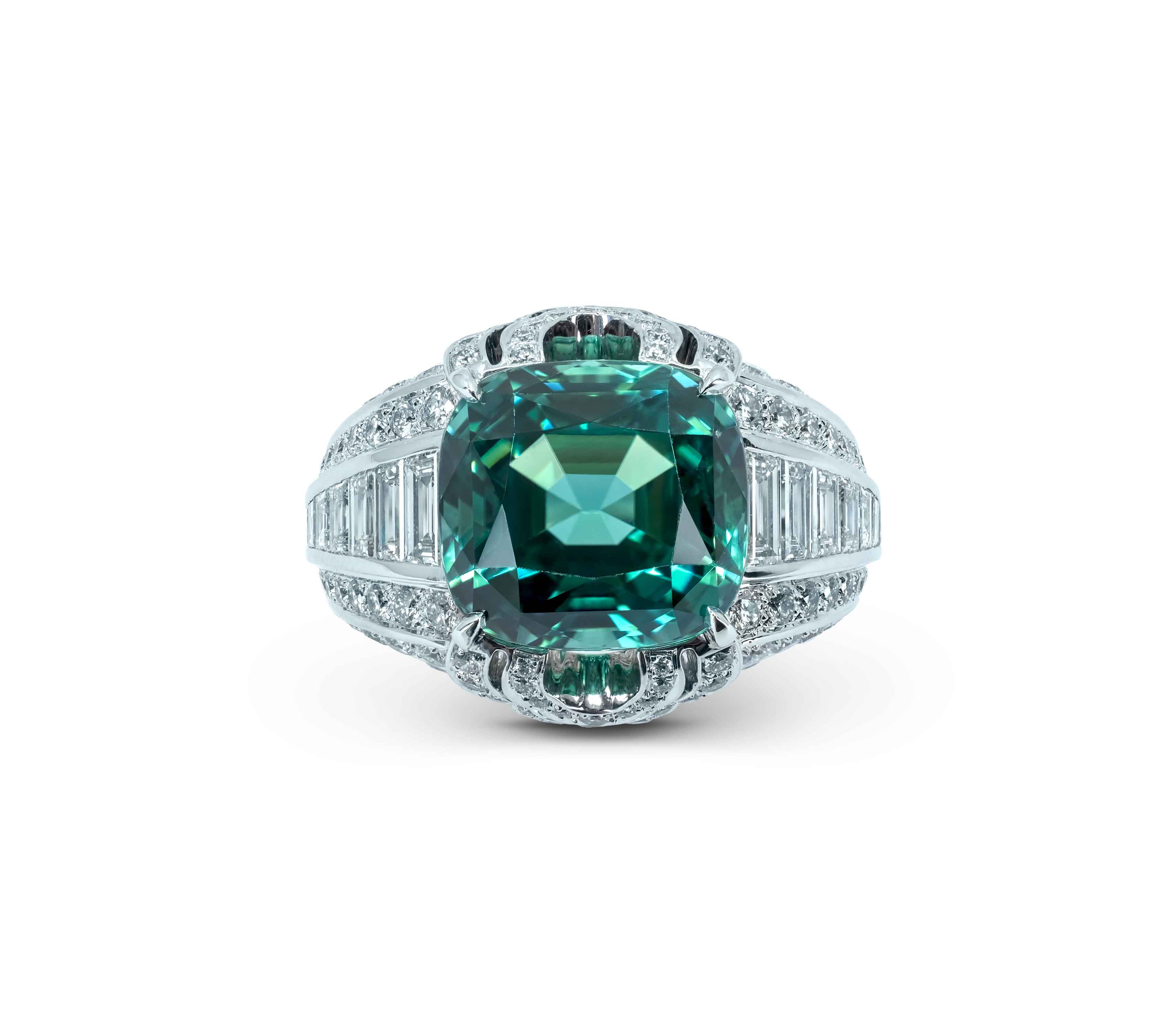
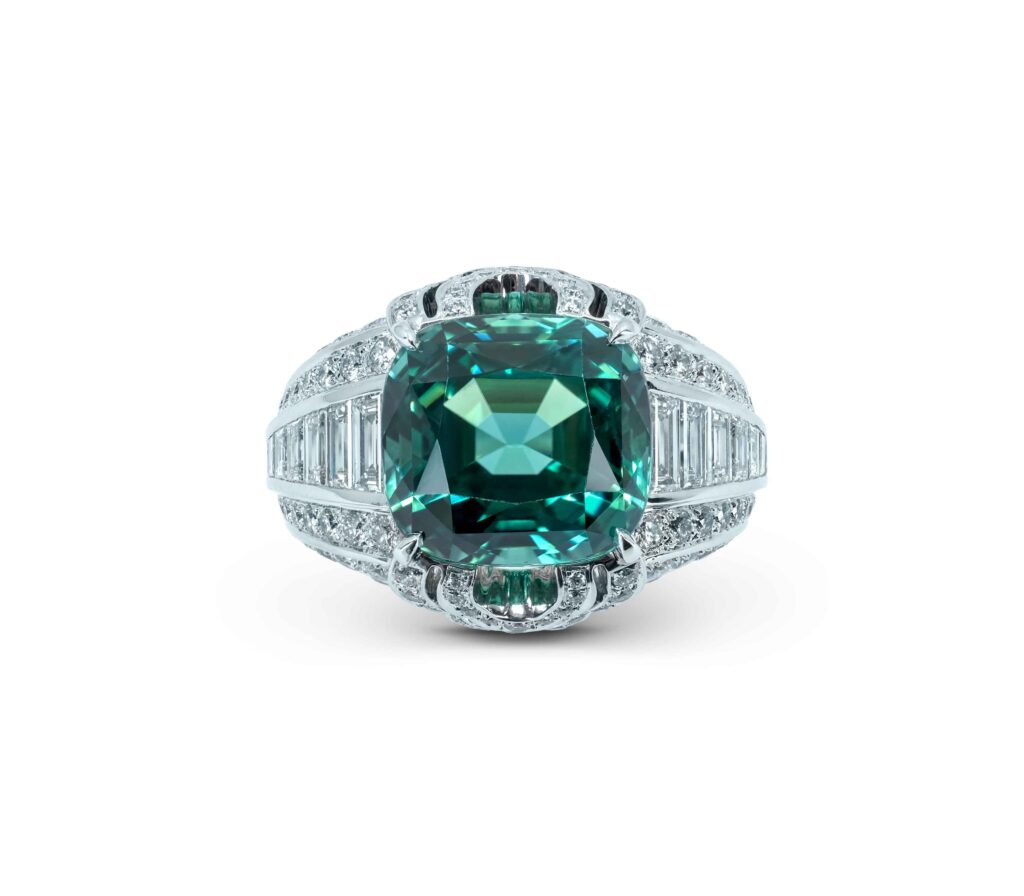
The 1956 marriage of Rainier III and Grace Kelly sealed that standard as Monaco’s official visual language. The pieces Grace wore in public communicated immediately: platinum, emerald cuts, stones without compromise on quality. Emerald cuts are unforgiving — any inclusion, any unevenness in color, and the stone exposes itself. It was a visual argument the world understood without translation. From that point on, Monte Carlo had a clear idea of what a “right” piece of jewelry looked like — and it wasn’t fashion, it was tradition.
1974: The Auction That Defined the Price of Provenance. Some events shape market logic for decades. For Monte Carlo, that event was the 1974 auction of the jewelry collection belonging to Maharani Sita Devi, an Indian aristocrat who had lived in the principality for many years.
The sale included Burmese rubies from the Mogok mines, natural pearls — already vanishing from the market by that point — and documented pieces by Cartier and Van Cleef & Arpels with verifiable ownership histories. The total realized was around $4 million. By 1974 standards, that wasn’t just a number — it was a declaration: provenance is worth more than carat weight.
That principle became the foundation of local market culture and hasn’t lost its relevance since. A piece with a history — traced through significant collections, great houses, defining eras — commands a different premium here than an anonymous stone twice its size. This isn’t romanticism. It’s a market reality, confirmed by auction results year after year.
Three Formats, One Market
Today, Monte Carlo’s jewelry market operates across three distinct formats — public, auction, and private. Each serves a different buyer.
Around the Casino de Monte-Carlo sits the window display of global haute joaillerie: Cartier, Chaumet, Chanel Joaillerie, Chopard, Graff, Piaget, Tiffany, Bulgari, Dior Joaillerie, Rolex, Hublot, Richard Mille. The principal multi-brand retailer is Zegg & Cerlati on Place du Casino. More intimate salons — Carlo Orlandi, Tasaki, Arije — specialize in rare stones and antique pieces. This is not a shopping street. It is a concentrated expert environment where every house presents its flagship offering.
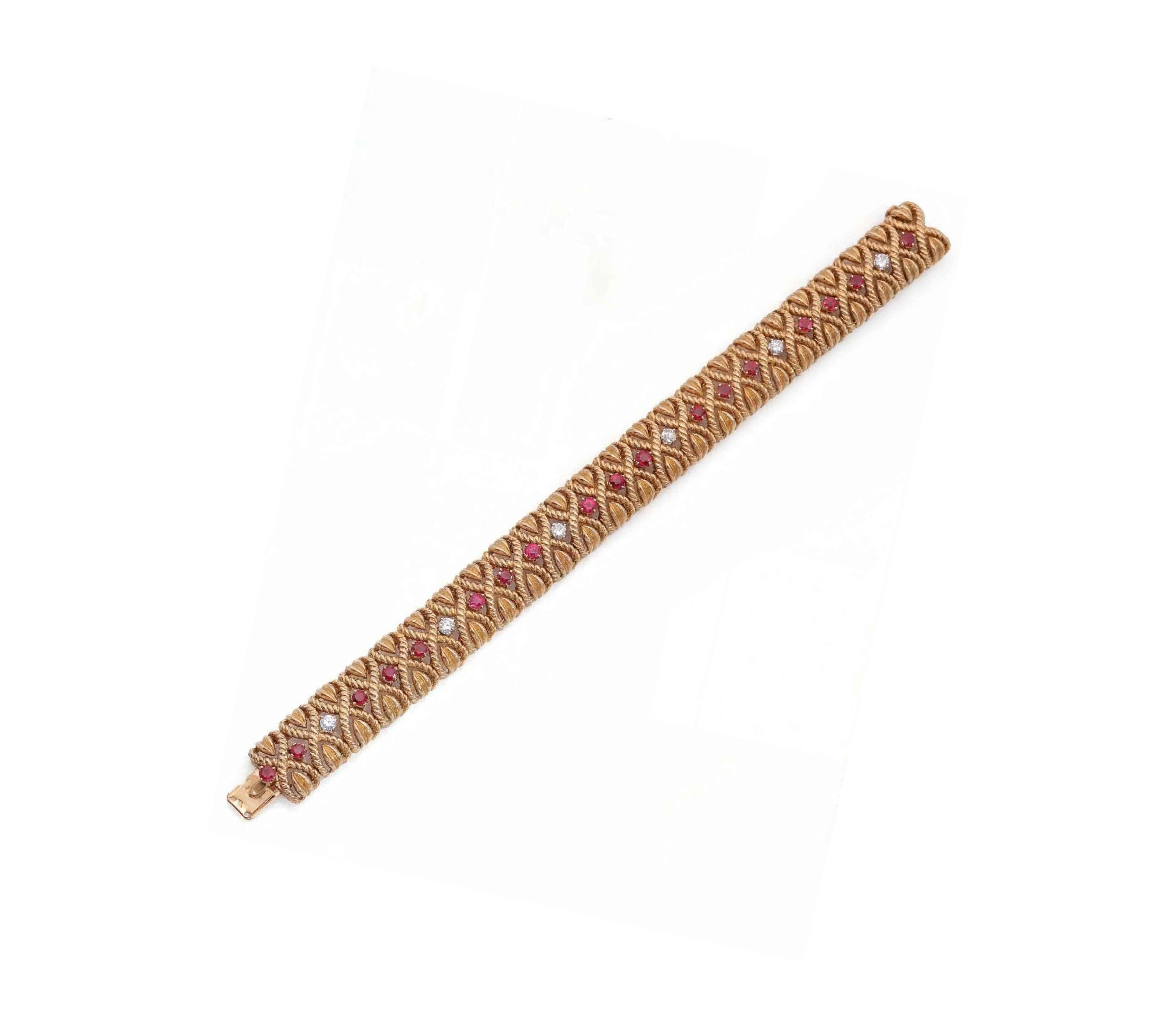
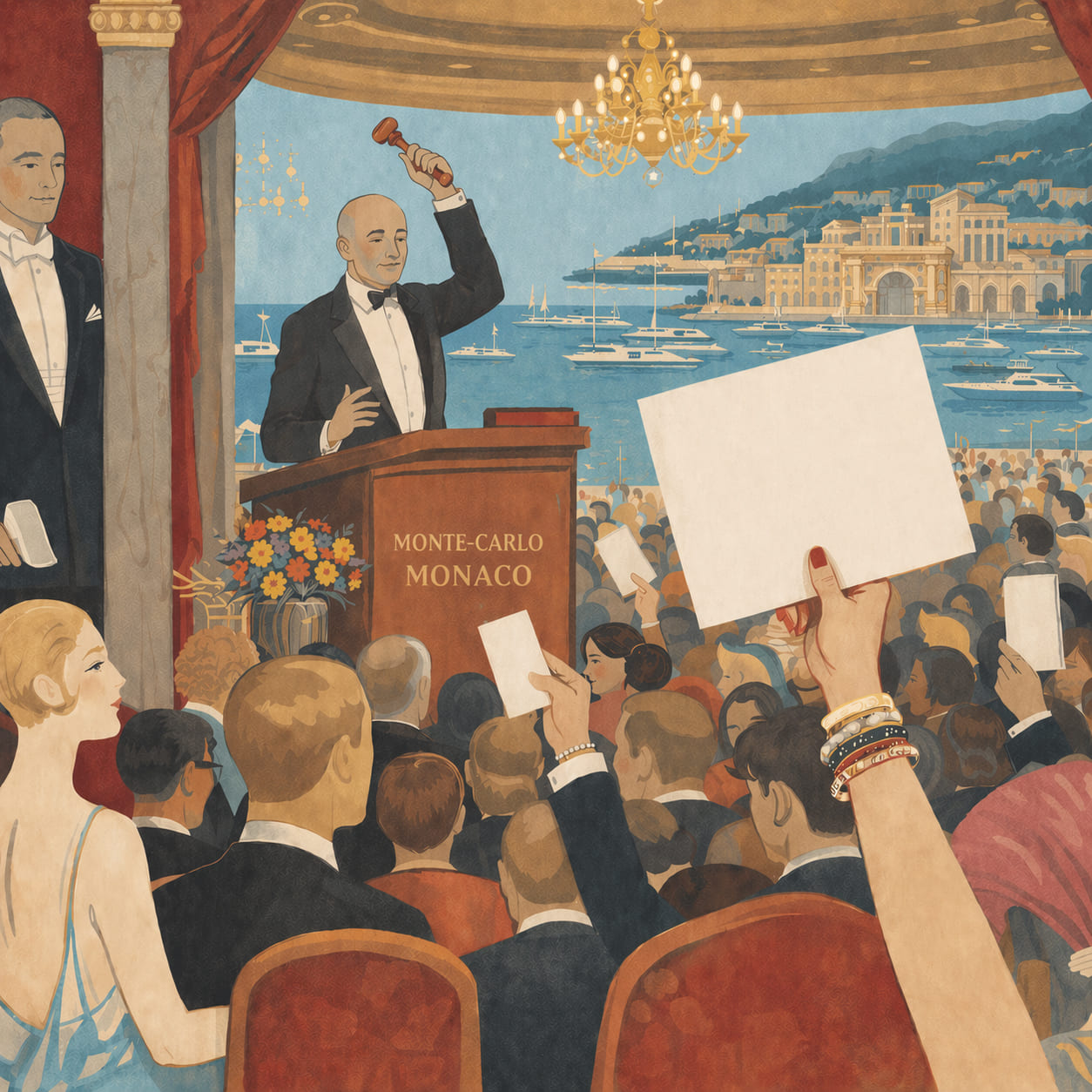
The principality’s auction market is relatively young but developing with confidence. Hôtel des Ventes de Monte-Carlo (HVMC) has operated since 2012, running more than 30 sales annually by 2019 across jewelry, contemporary art, and antiquities. In 2023–2024, the house set local records: a rare vintage Van Cleef & Arpels ruby piece sold for €515,000. From 2024, an international format arrived — Monaco Auction Week by Artcurial at the Hôtel Hermitage. The summer 2025 cycle generated around €10 million in total sales: a Van Cleef & Arpels Art Deco platinum bracelet went for €249,000, a “Paul Newman” Rolex for the same — both well above estimate.
For context: a single spring session at Phillips Geneva in the same year brought in $26 million. Geneva and Monte Carlo are different markets operating on different logic. Geneva trades in liquidity. Monte Carlo trades in selectivity. For a certain kind of collector, the second matters more than the first.
The private market is the most significant and least visible layer. Monaco levies no income tax, no capital gains tax, no inheritance tax, no wealth tax. That draws more than 12,000 wealthy residents for whom the principality serves as both a fiscal home and a center of capital management. Major private transactions — running into hundreds of thousands of euros — happen here not at auction but through personal introductions: during the Monaco Grand Prix, the Monaco Yacht Show, charity galas. Christie’s and Sotheby’s regularly hold preview viewings of Geneva lots in Monte Carlo, using the principality as a point of access to an audience that prefers the auction to come to them.
October 2025: Monte Carlo Sets Its Sights Higher
In October 2025, the Salle des Étoiles hosted the inaugural Grand Prix de la Haute Joaillerie — an international award organized by Monte-Carlo SBM. Leading jewelry houses and collectors gathered to recognize the finest examples of the jeweler’s art from the past year.
The event signaled a new ambition: Monte Carlo no longer wants simply to be a marketplace — it wants to be the place where the criteria of value in haute joaillerie are established. For collectors, that’s worth paying attention to.
How Private Collection Acquisitions Work in This Environment
One of the most sensitive operations in the jewelry world is selling an inherited or accumulated collection. Not because it’s technically complicated — but because doing it properly means losing nothing: not on price, not on reputation, not on discretion.
The standard route — auction — doesn’t always fit. Public sales expose a collection. Everyone sees it; it becomes news, sometimes a signal about changes in the owner’s life. For Monaco residents, where capital tends to stay out of the spotlight, that is often unacceptable.
Grygorian Gallery operates differently. Founded in 2024 by Eduard Grygorian in the Palais de la Scala — at the very center of Monaco — the gallery specializes in acquiring private collections without recourse to public sale. The process is straightforward: the gallery’s experts carry out an independent professional valuation of each piece, benchmarked against current auction precedents and the particular characteristics of the object in question. The owner receives a fair price and complete confidentiality. Logistics, documentation, insurance — all handled by the gallery.
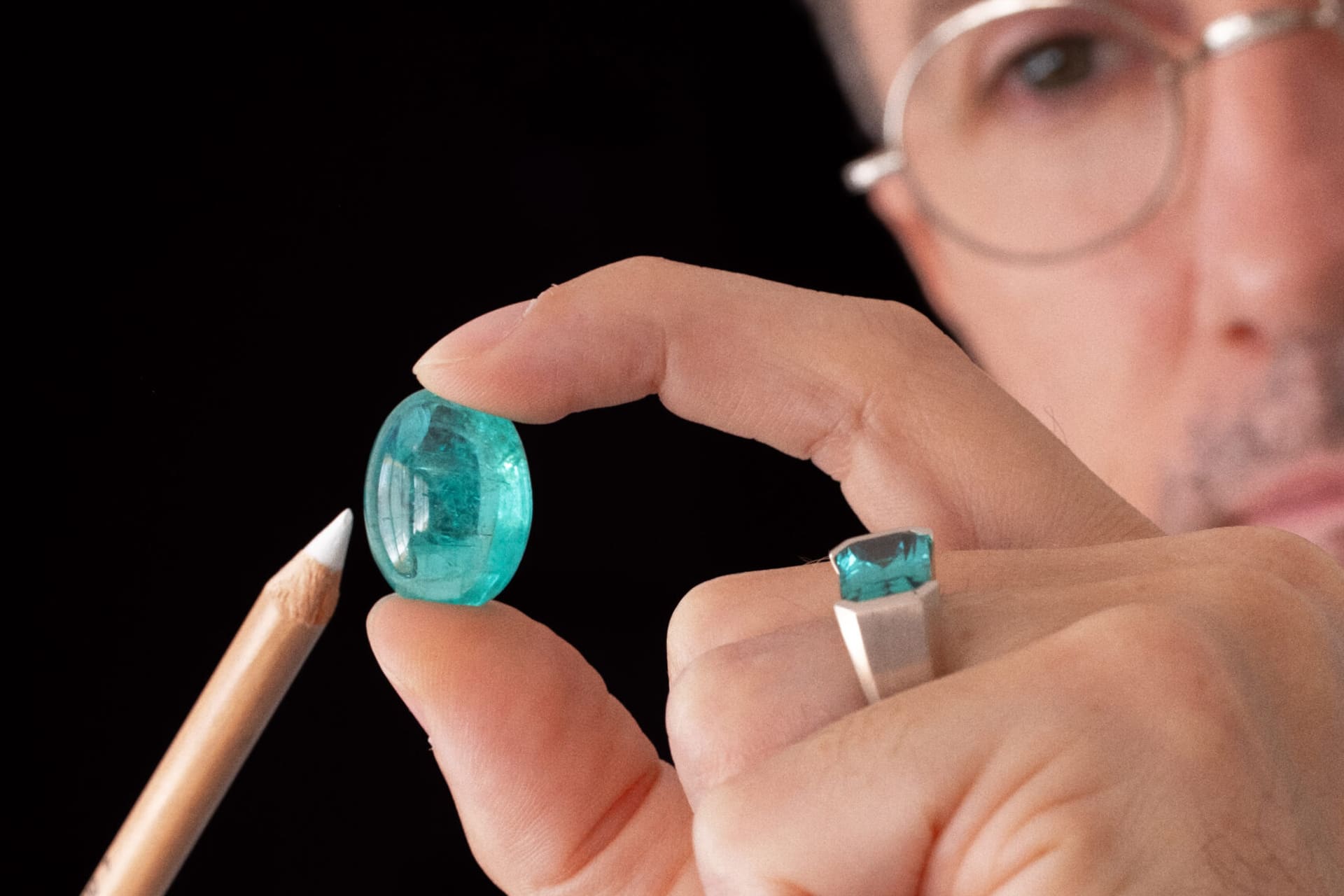
This isn’t a trade-off between speed and value. It’s a different model entirely: for those who care less about maximizing a public result and more about precision of valuation and absence of exposure. In Monaco’s environment, that approach isn’t the exception — it’s the norm.
Why Valuation Is Not a Formality
The second question Grygorian Gallery hears most often concerns independent expert valuation. The reasons vary: insurance, estate planning, a decision about whether to sell, or simply wanting to understand what’s actually sitting in the family jewelry box.
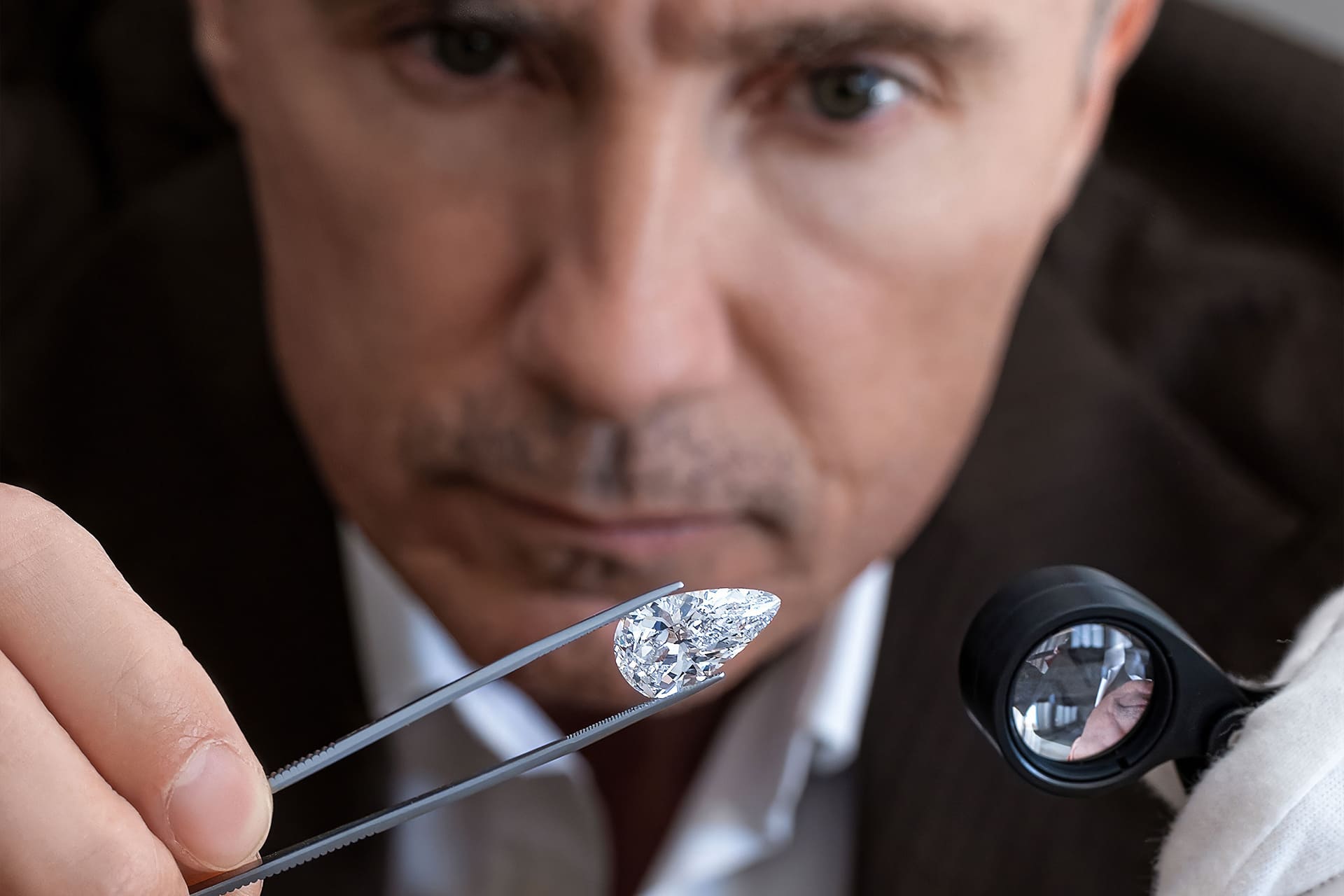
The jewelry market in recent years has been shaped by a significant and often surprising gap between an “assigned price” and actual market value — in either direction. A Cartier piece from the 1930s with documented provenance occupies a fundamentally different price category from an identically weighted piece with no history. A Burmese ruby from Mogok and a Mozambican ruby may produce identical laboratory readings — and diverge in price by a multiple.
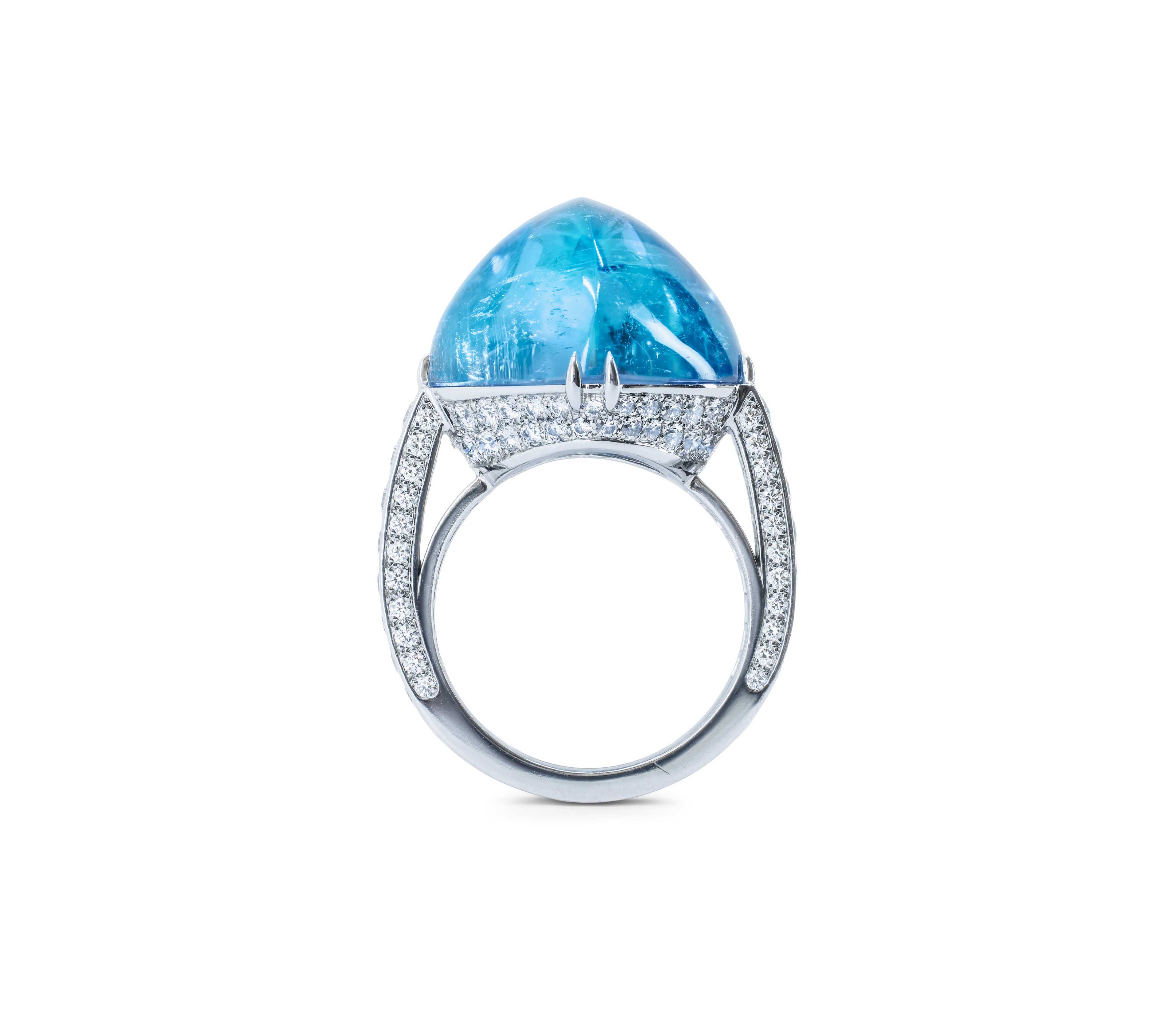
Valuations at Grygorian Gallery account for more than current market rates. They factor in the specifics of the piece itself: the house, the period, the cut, the stone’s origin, its condition. The result is a professional assessment that functions as a document — for an insurer, a notary, a prospective buyer. And one that, as the gallery’s experience consistently shows, often changes what an owner thought they knew about what they own.
Monaco and Grygorian Gallery: A Shared Language
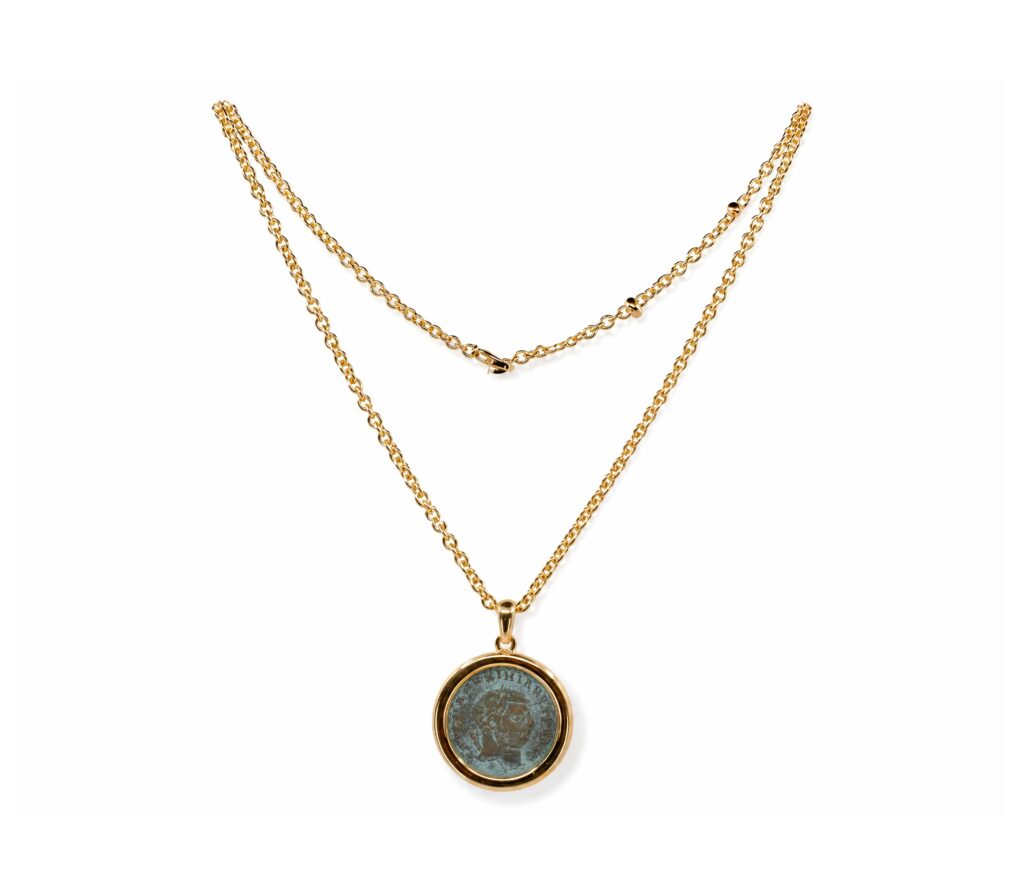
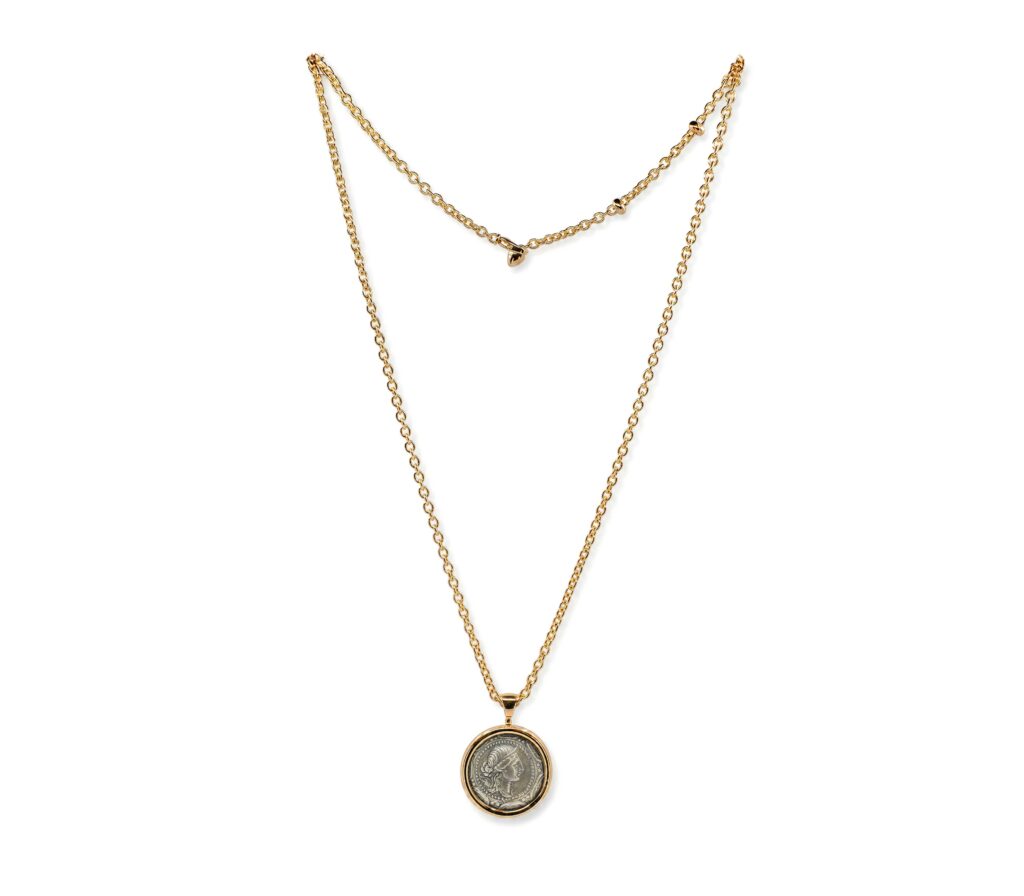
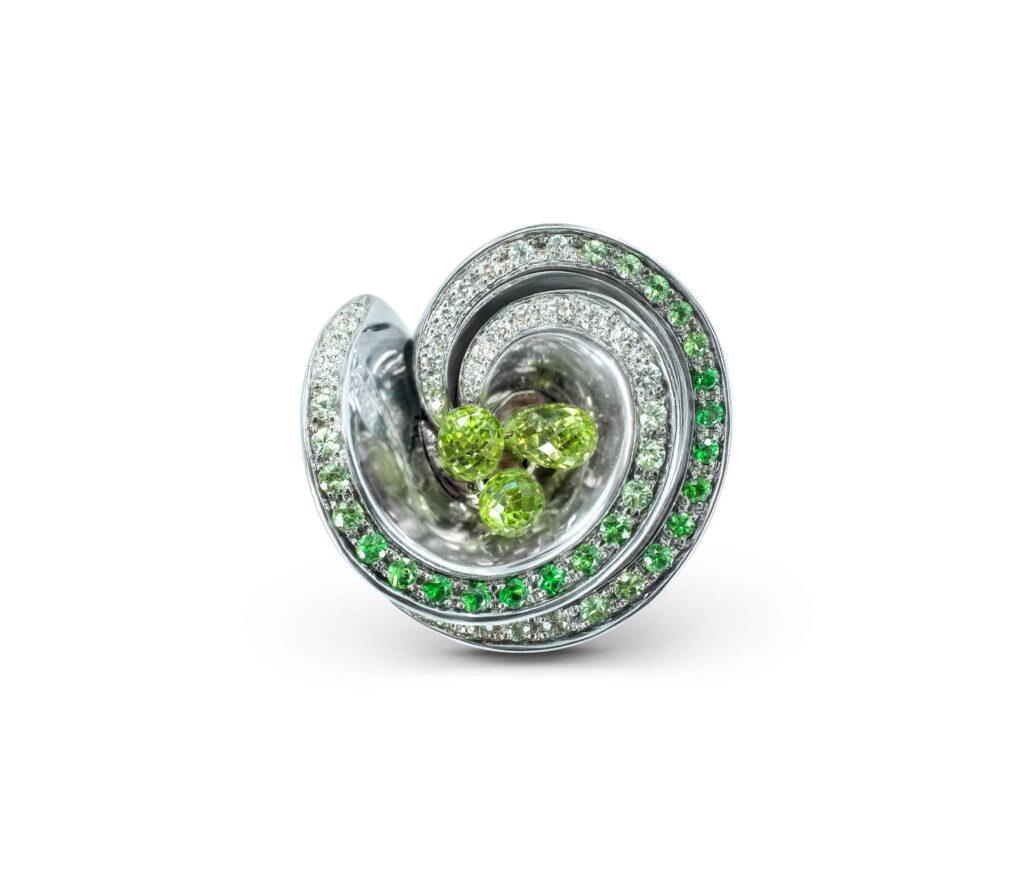
Grygorian Gallery’s presence in Monaco is no accident. The gallery specializes in vintage jewelry, antique timepieces, and rare gemstones — exactly what Monte Carlo has valued for a century and a half.
In 2025, the gallery participated in international exhibitions and earned coverage in industry publications. We operate as an expert house: every engagement begins with understanding a client’s collection, not with presenting inventory. Every piece in our curated selection undergoes authentication and independent appraisal. Collections are accepted on consignment with access to a verified European clientele.
The principle that Monte Carlo has followed since 1974 — that provenance outweighs carat weight, that history matters more than fashion, that privacy is a form of respect — is the principle that guides Grygorian Gallery in every transaction.
If you have a collection that deserves reconsideration, a piece that needs valuation, or a stone in search of a worthy setting, we would be glad to hear from you.