






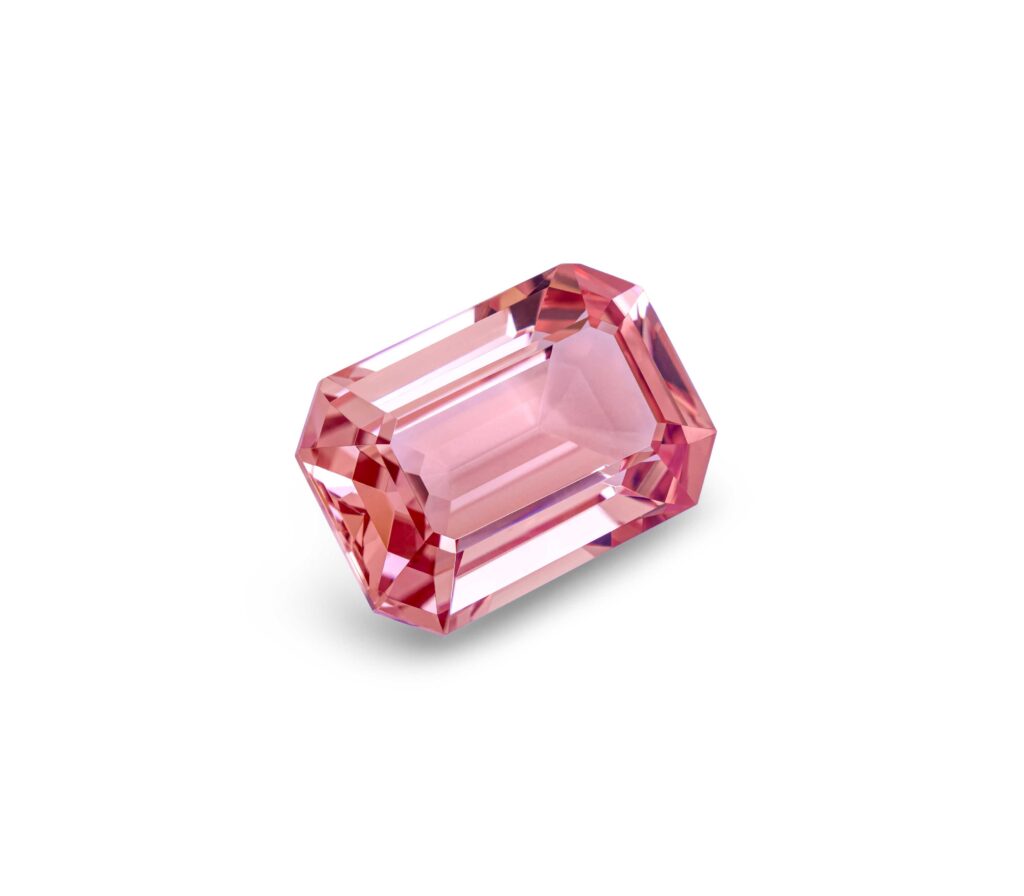
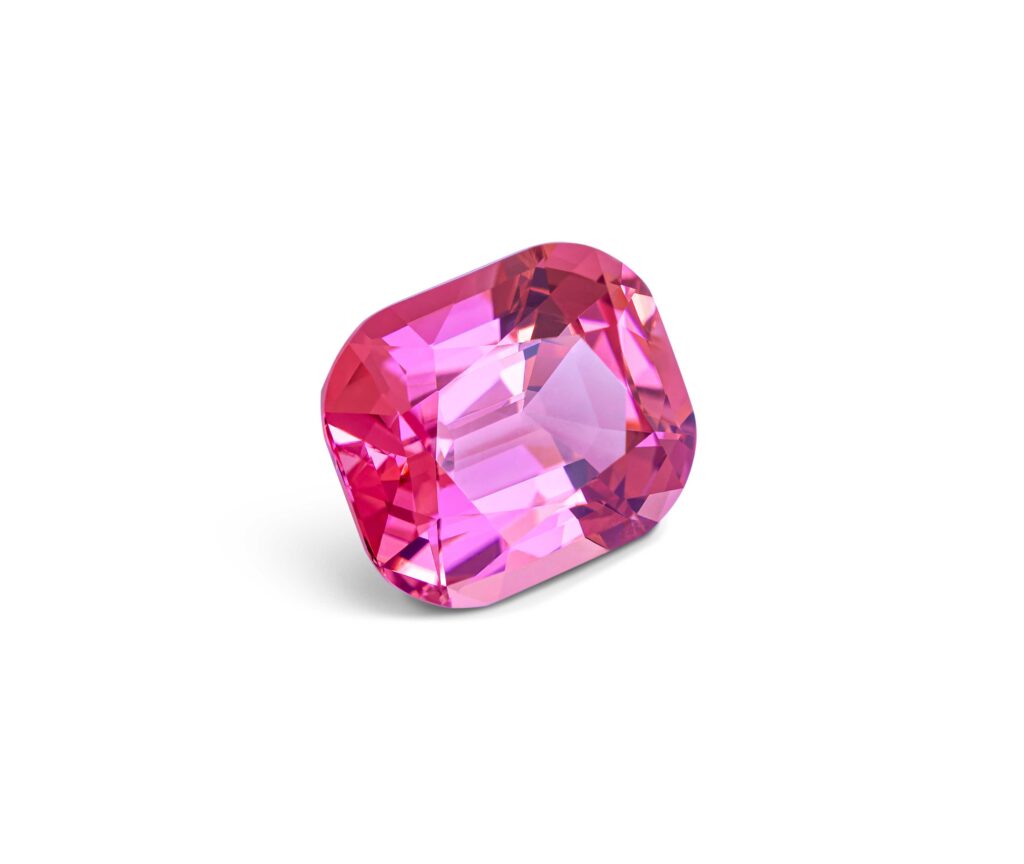
Some assets live in vaults and spreadsheet cells. Others can be held in the hand, studied in natural light, passed down through generations as part of a family’s story. Coloured gemstones — rubies, sapphires, emeralds, spinel, Paraíba tourmaline — occupy a singular position among instruments of capital preservation. Not because they are fashionable. Because they are finite.
Global markets have grown accustomed to volatility. Sophisticated collectors have grown accustomed to seeking assets that are immune to central bank decisions and trader sentiment. Coloured gemstones appear with increasing conviction in conversations about portfolio diversification — not as an exotic curiosity, but as a logical extension of a considered strategy.
Coloured Gemstones: beyond the Diamond Standard
The diamond is a standard. It has an established grading system, a universal Rapaport price list, a global market with well-understood rules. But that is precisely why the ceiling for an investor is constrained: a transparent market rarely leaves room for exceptional pricing. Coloured gemstones are an altogether different story.
There is no unified reference guide. No two stones are alike. Each is an unrepeatable combination of origin, colour, cut and provenance that resists standardisation — and that creates the conditions for significant price premiums. This is what draws serious collectors.
The world’s significant coloured gemstone deposits are far scarcer than the diamond-bearing kimberlite pipes from which the industry has long drawn its supply. A top-quality unheated pigeon’s blood ruby or Kashmir sapphire commands substantially more per carat than a diamond of comparable weight and quality. Year on year, that gap tends to widen.
Geology as Destiny: Scarcity at the Foundation of Value
“Everything that is truly rare appreciates over time.”
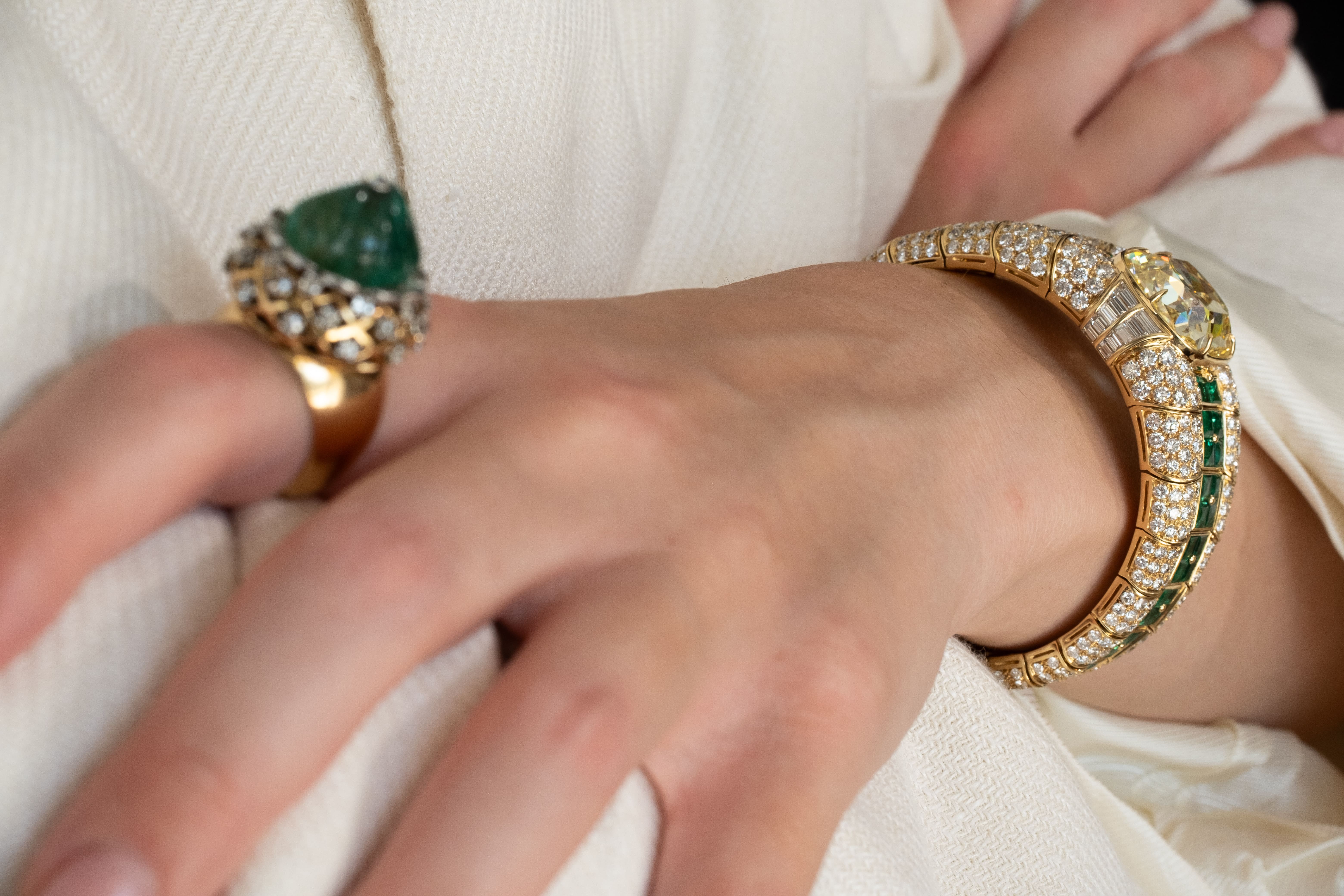
Not financial theory — an observation that has survived several centuries of markets and civilisations.
Kashmir sapphires were mined in the mountains of Jammu and Kashmir from approximately 1881 through the 1930s. A few decades of active extraction, and the deposits were essentially exhausted. Today, a Kashmir sapphire cannot be acquired at source: it exists only on the secondary market — in antique jewels, at auction, in private collections. This makes it not merely a gemstone, but a historical artefact with an irreproducible origin.
The results speak for themselves. In April 2025, Christie’s sold the Regent Kashmir, a 35-carat ring, for $9,557,600 — a record $272,374 per carat for the category. Months later, the Royal Blue necklace, comprising 16 Kashmir sapphires totalling 104.6 carats, sold at Christie’s Hong Kong for the equivalent of $16.2 million — a world record for a Kashmir sapphire jewel. Every sapphire lot in that same sale sold above its pre-sale estimate — a rare unanimity of result.
The story of Burmese rubies of pigeon’s blood quality follows a similar arc. Mining continues in Myanmar’s Mogok valley, but the number of truly exceptional stones is strictly constrained by both geology and geopolitics. In June 2023, Sotheby’s sold the Estrela de Fura — a 55.22-carat Mozambican ruby — for $34.8 million, the highest price achieved for any coloured gemstone at that time. That figure is not a statistical outlier: it is a market signal that exceptional coloured stones are a depleting asset.
Colombian emeralds from Muzo and Chivor, padparadscha sapphires with their extraordinarily rare salmon-pink hue, Paraíba tourmalines with their copper-driven neon luminescence — each has its own history of exhaustion or severely limited supply. What transforms them from jewellery into objects whose value is dictated not by market sentiment, but by geology.
The Stones That Define the Market
The categories of coloured gemstone that define the upper echelon of the investment market.
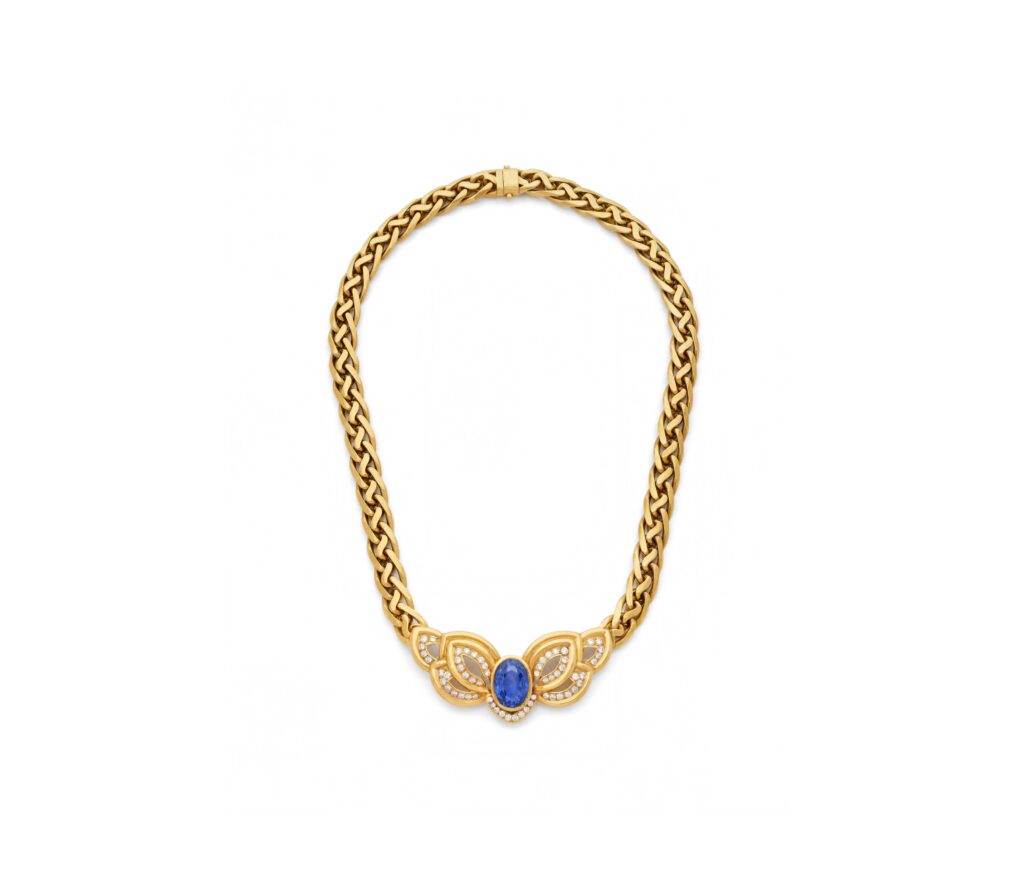
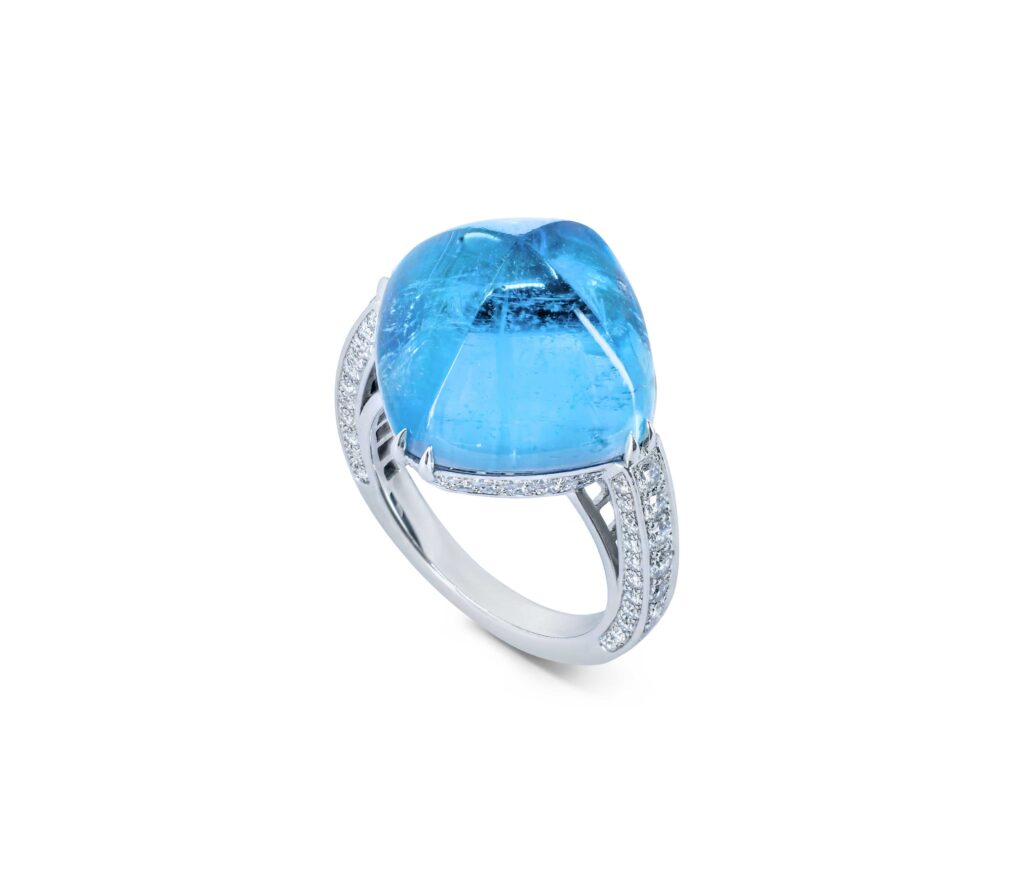
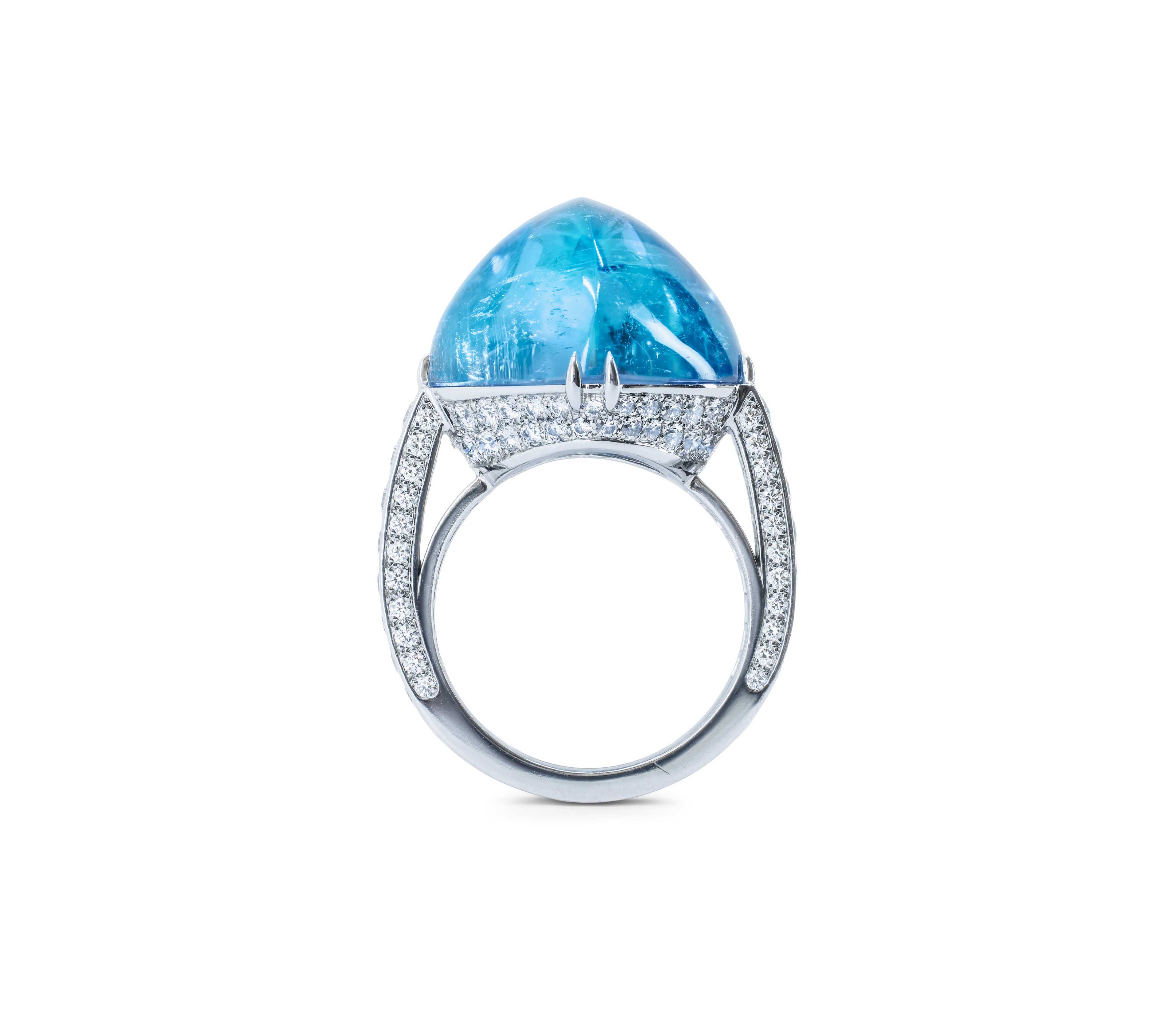
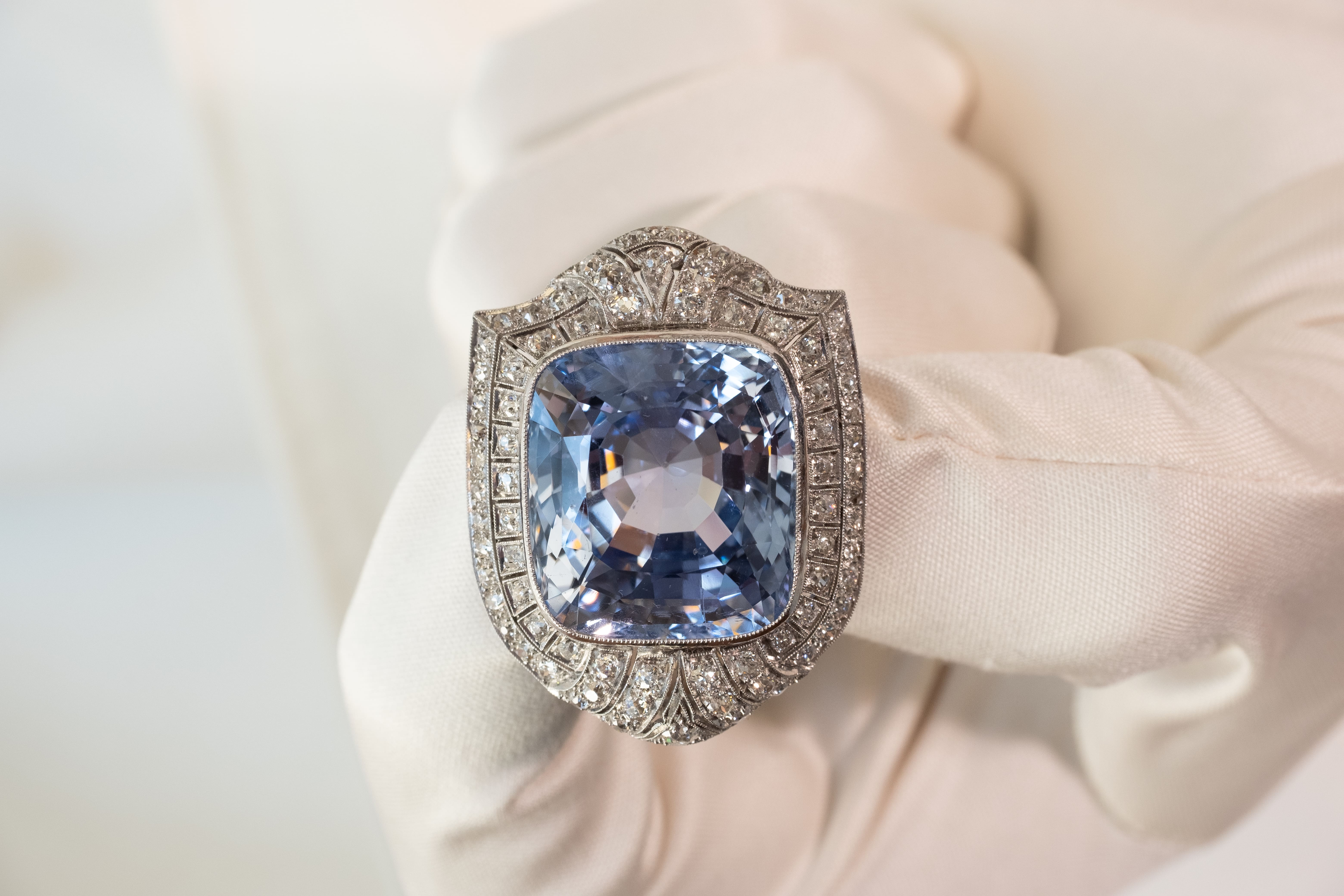
The Kashmir Sapphire — Blue Velvet of the Himalayas. A soft, profound blue with a characteristic silky quality caused by fine rutile inclusions. It cannot be fully replicated — not synthetically, not by any other deposit. To acquire a Kashmir sapphire today is always to acquire something mined more than a century ago.
The Burmese Ruby — Pigeon’s Blood. The colour described as pure red with a faint purple undertone — a standard met by very few stones. Mogok rubies are prized particularly for their fluorescence: in daylight, they appear to glow from within. The per-carat price record was set by the legendary Sunrise Ruby — $1,266,901 per carat at Sotheby’s in 2015.
The Colombian Emerald — The Standard of Green. Among emeralds, Colombian is synonymous with excellence: defined by a warm, saturated intensity known as Colombian green. The Aga Khan Emerald, sold by Christie’s, set the world record for an emerald jewel at $8.86 million. The stone had first appeared at the same auction house in the 1960s; when it returned to market decades later, it delivered a multiple on investment.
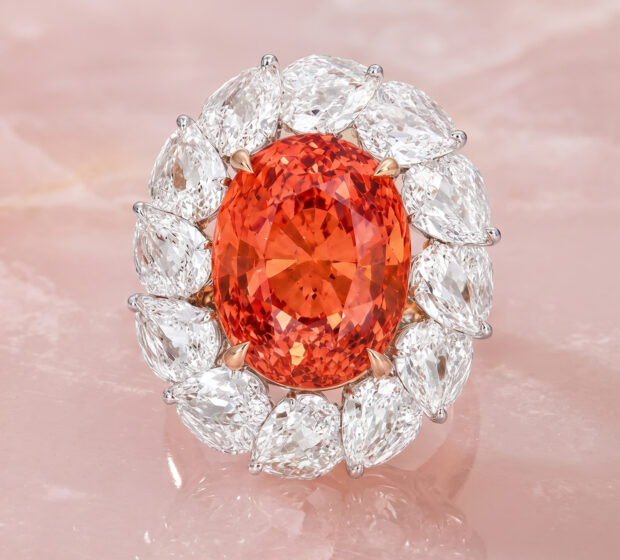
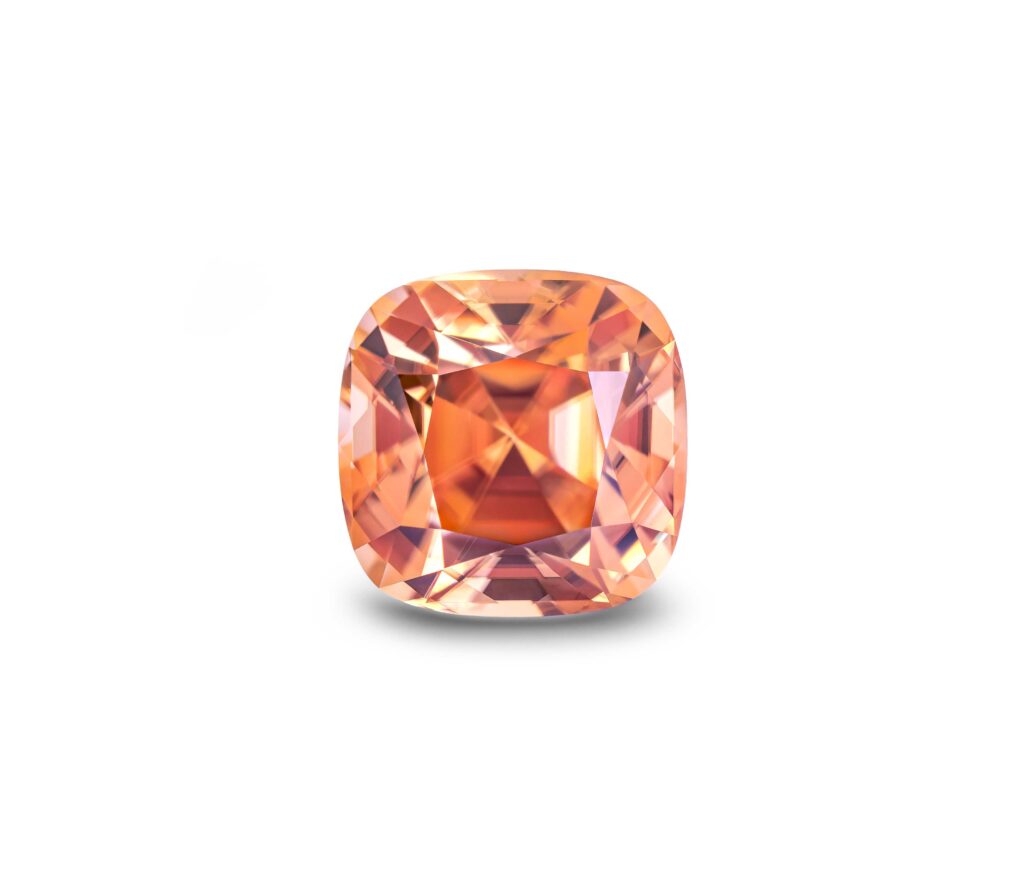
The Padparadscha — Colour of the Lotus. Among the rarest of all corundums. The word padparadscha is Sinhalese for the colour of the lotus blossom: a pink-orange reminiscent of a Sri Lankan sunset. These stones originate almost exclusively from Sri Lanka, and occasionally Tanzania. The record stands at $88,779 per carat, achieved at Christie’s in 2017.
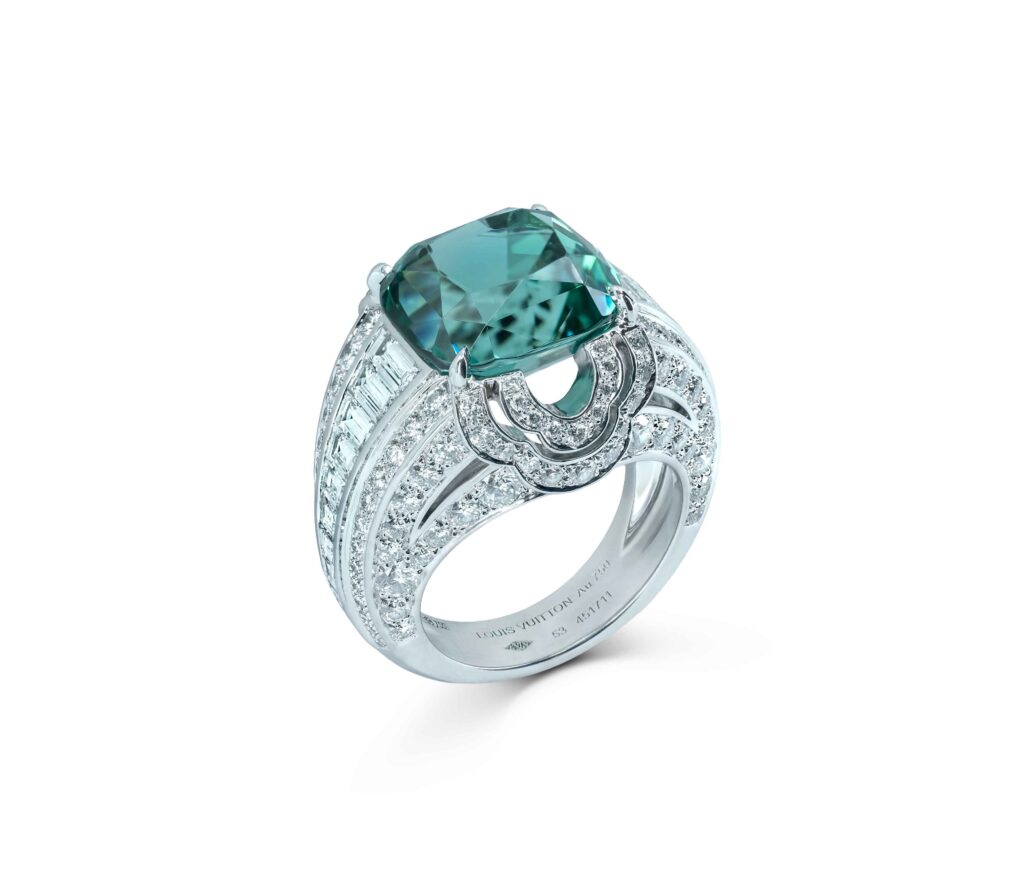
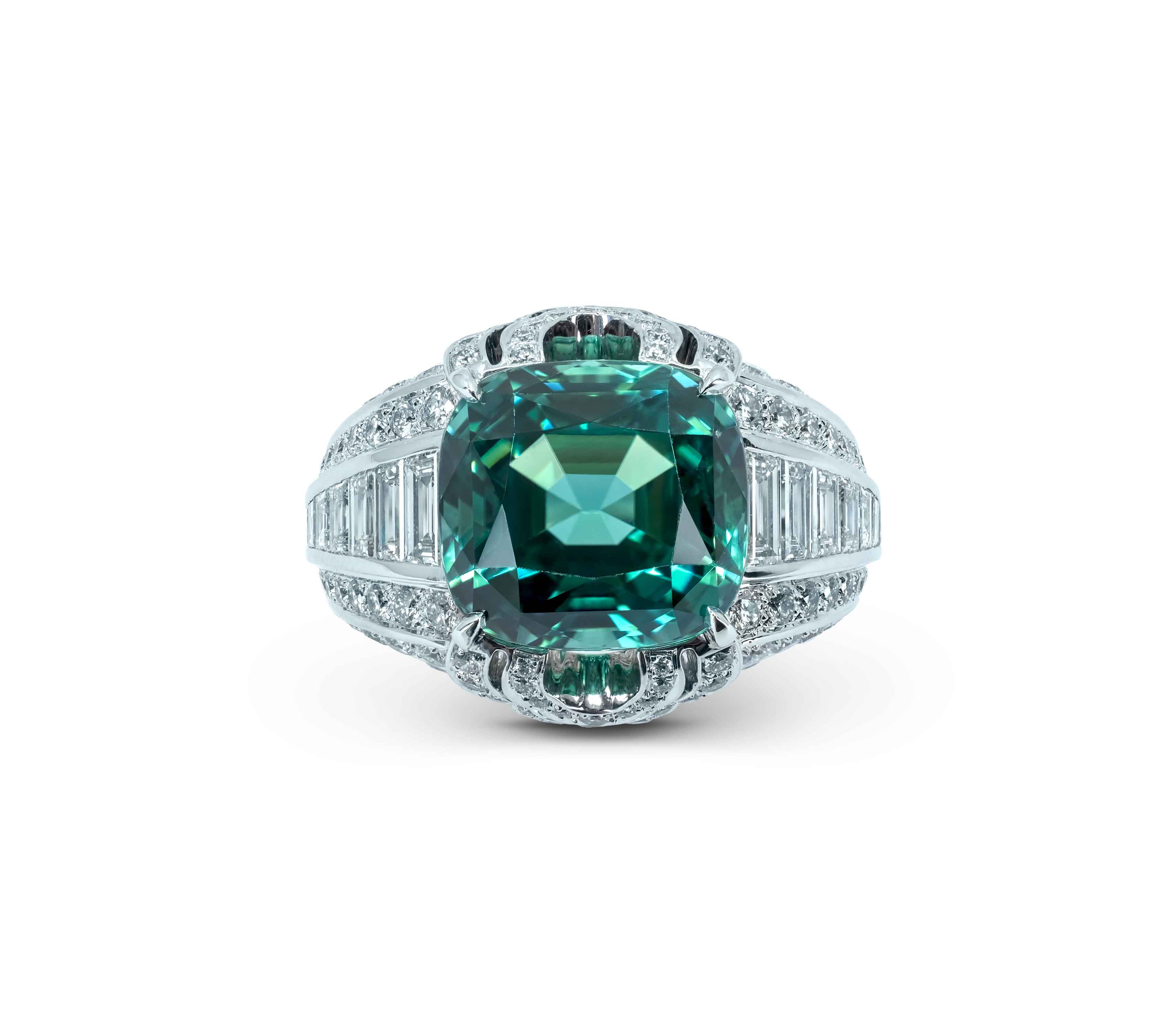
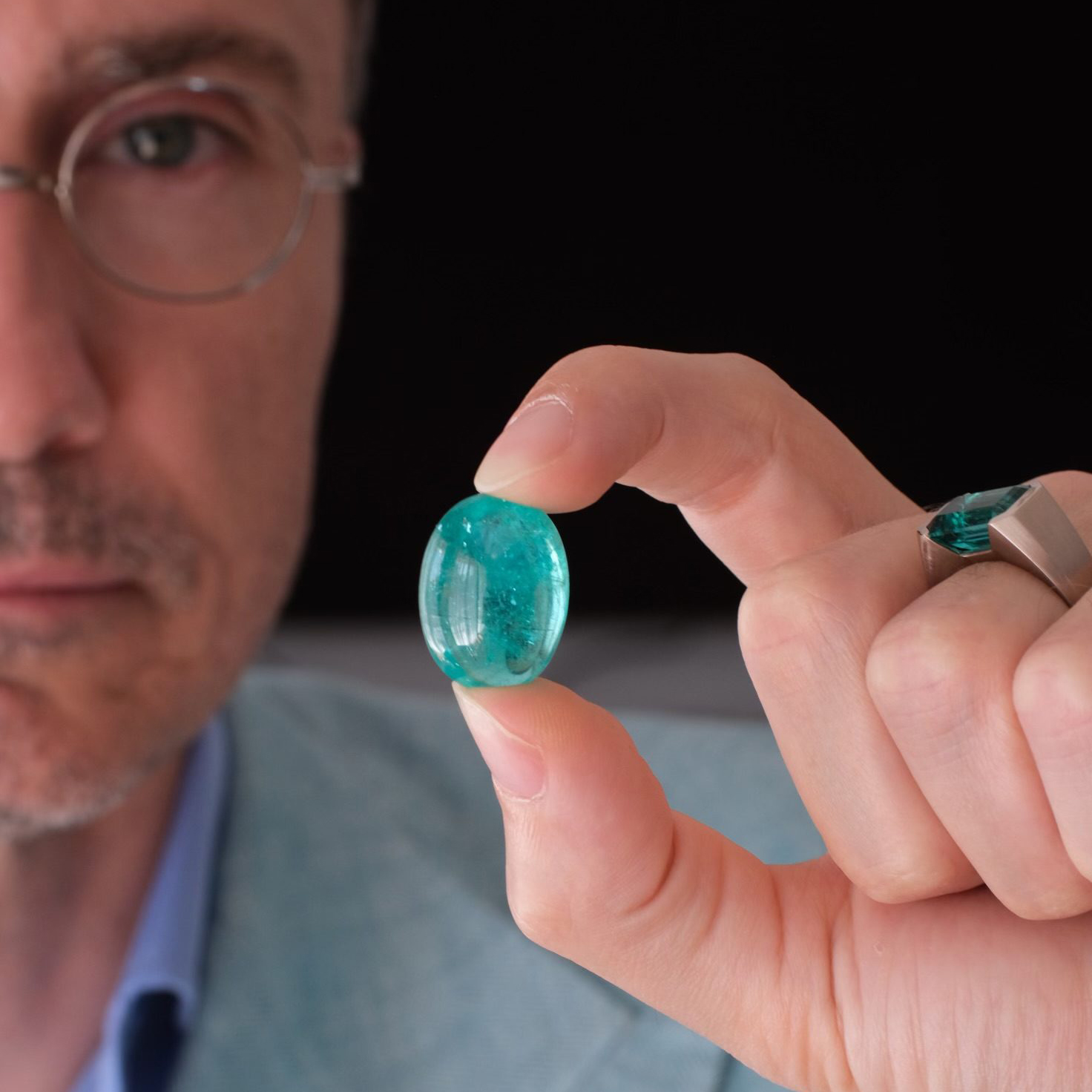
The Paraíba Tourmaline — A Young Legend. Discovered in 1989 in the Brazilian state of Paraíba, this stone caused an immediate sensation. Its neon blue or blue-green colour, driven by trace copper, exists in no other mineral. Similar stones were later found in Nigeria and the Democratic Republic of Congo, though Brazilian examples command a significant premium. Just over thirty years since its discovery, this gem already commands prices that would not embarrass a Kashmir sapphire.
Imperial Jadeite — The Symbol of Eastern Status. In Asia, and particularly across China and Hong Kong, imperial-green jadeite carries an almost mythological standing. The Mdivani necklace — 27 jadeite beads — sold for over $27 million. For a Western collector, this represents an opportunity to enter a market traditionally oriented towards Asian demand, with upside potential as tastes continue to globalise.
The Anatomy of Appreciation: Why Prices Rise
Several interconnected forces drive the appreciation of rare gemstones — and none of them are likely to dissipate.
Finite supply. Geology produces no new Kashmir sapphires. The number of truly exceptional stones on earth is fixed; each year they simply change hands rather than increase in number. Any growth in demand meets a supply that cannot respond.
An expanding collector class. The number of individuals with the means to acquire rare gemstones continues to grow — particularly across Asia and the Middle East. This creates intensifying competition for a finite pool of exceptional pieces.
The attention of the great jewellery houses. Van Cleef & Arpels, Cartier, Bulgari, Chanel and others are placing increasingly prominent coloured stones at the centre of their High Jewellery collections. When a rare Colombian emerald or Burmese ruby appears in a Cartier creation, the entire market for such stones receives a validation premium.
Synthetics as a paradoxical catalyst. The proliferation of laboratory-grown stones in the mass market only amplifies the value of natural ones. When a synthetic sapphire retails for a few hundred euros and a natural unheated Kashmir commands hundreds of thousands of dollars, the distance between accessible and exceptional becomes undeniable.
The Language of Quality: What Drives Value
Understanding what collectors actually pay for requires fluency in several key parameters.
Colour is the first thing the eye perceives and the primary determinant of price. Saturation, purity of hue, and uniformity of distribution all matter. “Pigeon’s blood,” “royal blue,” “Colombian green” — these are not marketing epithets but gemmological standards with precise spectroscopic criteria.
Clarity. Natural gemstones almost invariably contain inclusions. The fewer and less visible they are, the higher the value. Emeralds are assessed with more latitude — their jardin is accepted as part of their character — but fractures that compromise structural integrity always diminish worth.
Cut. A skilled cut manages light within the stone, intensifies colour and mitigates inclusions. Antique cuts — the Oriental cut, the Mughal cut — are often collected in their own right; they carry the hand of a craftsman and the sensibility of an era.
Weight. As mass increases, the price per carat rises disproportionately. An exceptional 20-carat Kashmir sapphire is not twice the price of a 10-carat stone — it may be ten times the price. Large stones of exceptional quality represent rarity squared.
Treatment. Most rubies and sapphires undergo heat treatment: firing at high temperatures enhances colour and dissolves certain inclusions. This is a widely accepted and disclosed practice. Unheated stones — certified as such by a leading laboratory — command a 30–50% premium over comparable treated examples. Emeralds are traditionally oiled or resin-filled; the degree of treatment is equally critical to valuation.
Origin. “Kashmir,” “Burma,” “Colombia,” “Mozambique” — these words in a gemmological certificate carry a meaningful premium. Provenance from a celebrated deposit is history, reputation and a guarantee of scarcity.
Collecting history. A stone that has passed through a royal collection, a distinguished private collector or a celebrated jewellery house acquires an additional dimension of value — a narrative the stone carries within itself, and one the market is consistently prepared to pay for.
The Invisible Threat: Synthetics and Fraud
Modern technology produces synthetic stones visually indistinguishable from natural ones to the untrained eye. A synthetic ruby looks the part. A synthetic sapphire is no less brilliant than a Kashmir. Glass imitations and coated spinel can mislead even experienced observers.
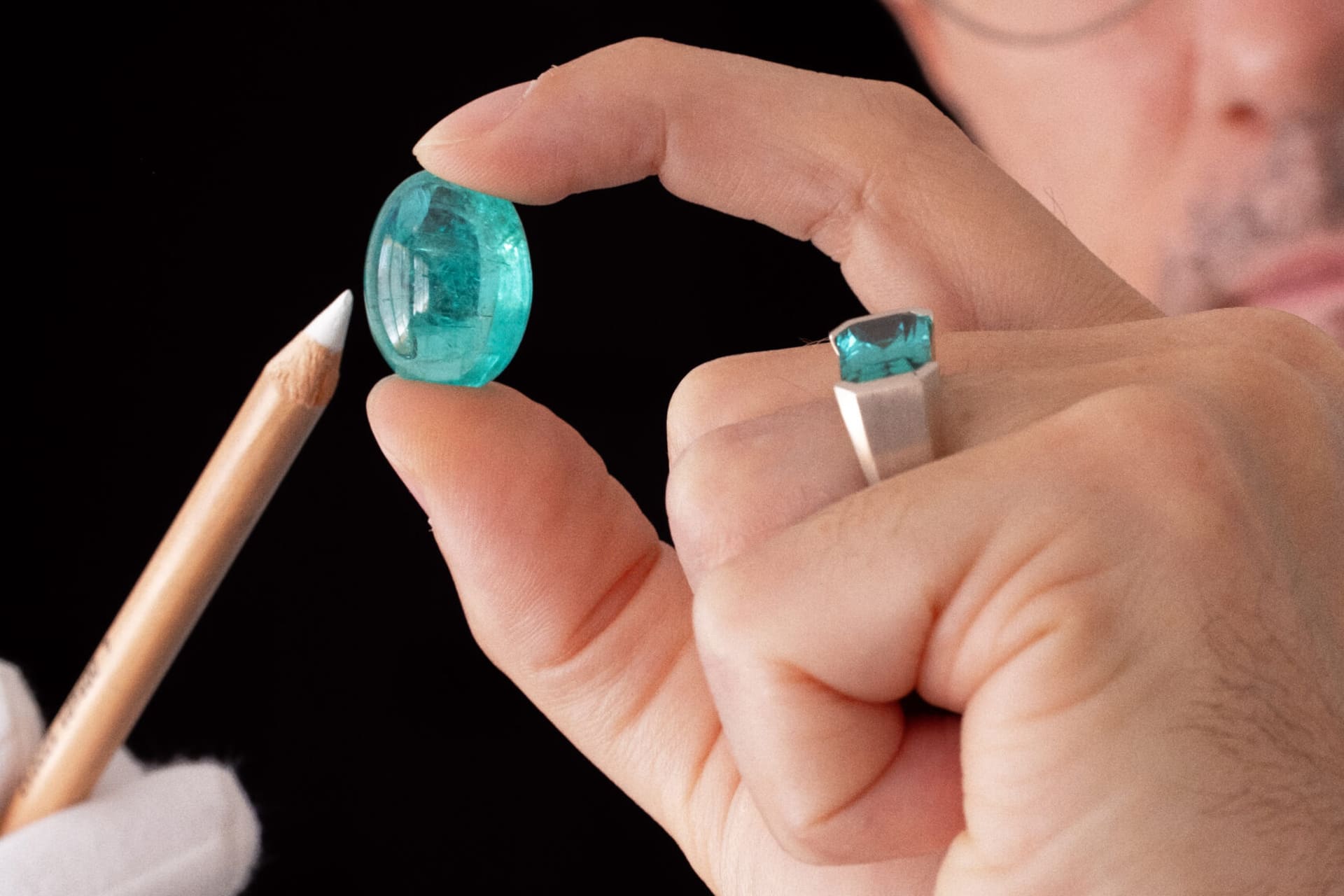
The only reliable safeguard is a certificate from a recognised gemmological authority: GIA, SSEF, AGL, Gübelin. These institutions possess both the instrumentation and the expertise to determine natural origin, geographic provenance and the nature and extent of any treatment. A laboratory report is not a formality — it is the foundation of any serious transaction.
A stone without laboratory documentation is simply a beautiful object. A stone with a certificate from a leading authority is an investment asset with independently verified characteristics.
On Risk — Plainly Stated
To speak of coloured gemstones as an investment is to speak of their risks with equal candour.
Market opacity. Unlike diamonds, coloured gemstones have no unified price list. Value is determined at the intersection of multiple parameters and depends substantially on who is buying and who is selling. Independent expert assessment at every significant transaction is a necessity, not an option.
Liquidity. Coloured gemstones are not exchange-traded instruments. Realising fair value quickly is considerably more difficult than selling equities or gold. The most reliable exit routes are the major auction houses and trusted dealers with established international networks.
Complexity of valuation. Without deep market knowledge, it is easy to overpay. Every acquisition warrants expert guidance.
Legal and ESG considerations. The provenance of any stone must be documentarily clean: free from conflict zones, labour violations and environmental misconduct. A transparent and ethical supply chain has moved from a moral preference to a factor that directly affects price and reputational standing.
Storage. A physical asset requires physical protection: bank-grade vaults, specialist safes, insurance at replacement value. These costs are modest relative to the value of a serious collection — but they must be planned for in advance.
The Auction Signal
The market articulates its own position with considerable clarity. Christie’s autumn sales in Hong Kong in 2025 showed a 15% increase in total revenue year-on-year, driven in significant part by demand for rare sapphires and rubies.
The Aga Khan Emerald, sold by Christie’s in Geneva, set the world record for an emerald jewel. The stone had appeared at the same auction house more than half a century earlier; when it returned to market, it delivered a multiple for its owner.
The great jewellery houses read this trend acutely. The High Jewellery collections of Cartier, Van Cleef & Arpels and Bulgari in recent years show a pronounced emphasis on significant coloured centrestones — not as decorative elements, but as the primary carriers of a jewel’s value. The industry sees long-term potential in coloured gemstones, and it is investing accordingly.
A Place in the Portfolio
A five-to-ten percent allocation to coloured gemstones has found its way into the strategies of some of the world’s most considered private wealth managers — sufficient to achieve meaningful diversification and genuine upside potential, without excessive concentration in an illiquid asset class.
Gemstones complement gold, art and other alternative assets well: they move to a different rhythm from equity markets, are compact, portable and require no ongoing maintenance. They remain objects of genuine aesthetic pleasure — which is itself a rarity among investment instruments.
Exit strategy should be determined before entry. The auction route requires time but provides access to a global audience and competitive price discovery. Private transactions through trusted dealer networks are faster but demand extensive relationships. Inheritance and trust structures represent a distinct strategy for dynastic capital.
A coloured gemstone is not a passive deposit. It is an asset that demands active knowledge management. One must follow auction results within relevant categories, understand how the market moves across Asia, Europe and the United States, and know which laboratories command the greatest trust. An investor who enters this market with a command of these nuances is in a fundamentally different position from one who purchased a beautiful stone without gemmological context.
Timing the Entry
Unlike equity markets, the coloured gemstone market has no “correct” entry point in the conventional sense. It does not move in synchrony with the economic cycle — it moves in response to scarcity and the emergence of exceptional pieces on the secondary market.
The right moment arrives when the right stone appears: with proper documentation, at a reasonable price. This may sound straightforward, but it is precisely how serious collectors operate. They do not time the market — they wait for the specific object. Patience is among the most valuable instruments in this asset class.
The auction seasons in Geneva (May and November), Hong Kong (April and November) and New York (April and December) are recurring moments when the market concentrates its finest offerings. These are where price benchmarks are formed and where genuine demand for specific categories of stone can be directly observed.
Grygorian Gallery
At Grygorian Gallery, we concern ourselves with precisely what lies behind that concept: the sourcing, verification and presentation of exceptional objects with documented histories. Every stone and jewel in our collection undergoes rigorous expert assessment — we work with pieces that possess not only beauty, but a biography.
Founded in Monaco in 2024, Grygorian Gallery specialises in distinguished vintage objects — fine jewellery, rare timepieces, precious gemstones and works of decorative art. Each piece carries the spirit of another era and brings something irreproducible into the present.
We participate regularly in leading international events — GemGenève, the Hong Kong Jewellery & Gem Show, the Miami Antique Show — and follow auction results closely, in order to understand how the market actually moves rather than how it is reported to move.
For clients who approach coloured gemstones as part of a serious strategy, we are prepared to accompany the full journey: from initial consultation and the sourcing of a specific stone to assistance with documentation and exit planning — private viewings, arrangement of delivery and insurance, and expert support throughout any significant transaction.
This is not a collection for everyone — and we have no aspiration that it should be. It is a space for those who understand the distance between beautiful and exceptional.
In Closing
Coloured gemstones are a form of scarcity that cannot be printed, manufactured in greater quantities, or generated by an algorithm. Kashmir sapphires have not been mined for a century. The supply of outstanding Burmese pigeon’s blood rubies does not grow. Paraíba tourmalines exist in a strictly finite number — a number that grows smaller with each passing year.
Exceptional coloured stones are compelling as an asset not instead of equities or real estate, but alongside them. As something governed by a different logic — the logic of geology rather than the printing press. Carrying within itself what no other asset class has ever possessed, or ever will: history, beauty, and absolute singularity.
Which, as the records at Christie’s and Sotheby’s consistently demonstrate, has always commanded a premium. And year on year, that premium grows.