Pink Topaz in the History of Fine Jewelry
Topaz’s position in jewelry history rests on a persistent confusion that has paradoxically enhanced its collectible value: for centuries, pink and red specimens were misidentified as ruby or spinel in the gemological records of royal treasuries, including the British Crown Jewels and the Braganza collection of the Portuguese royal family.
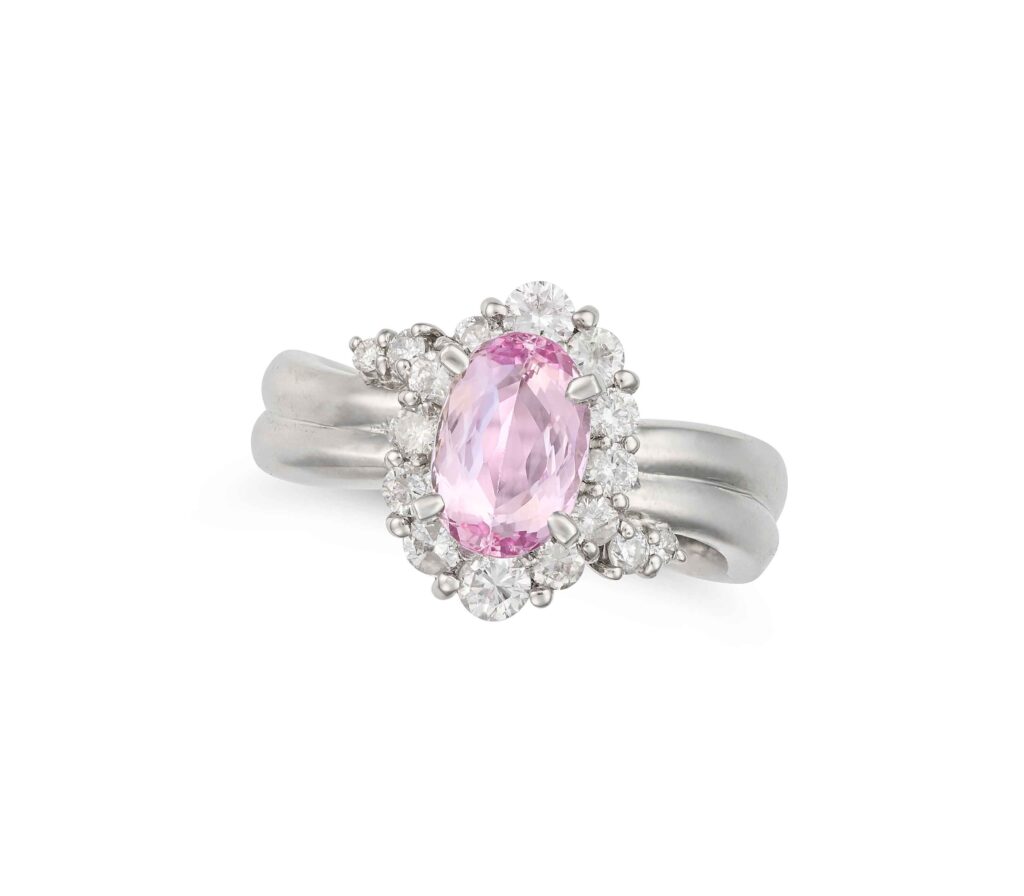
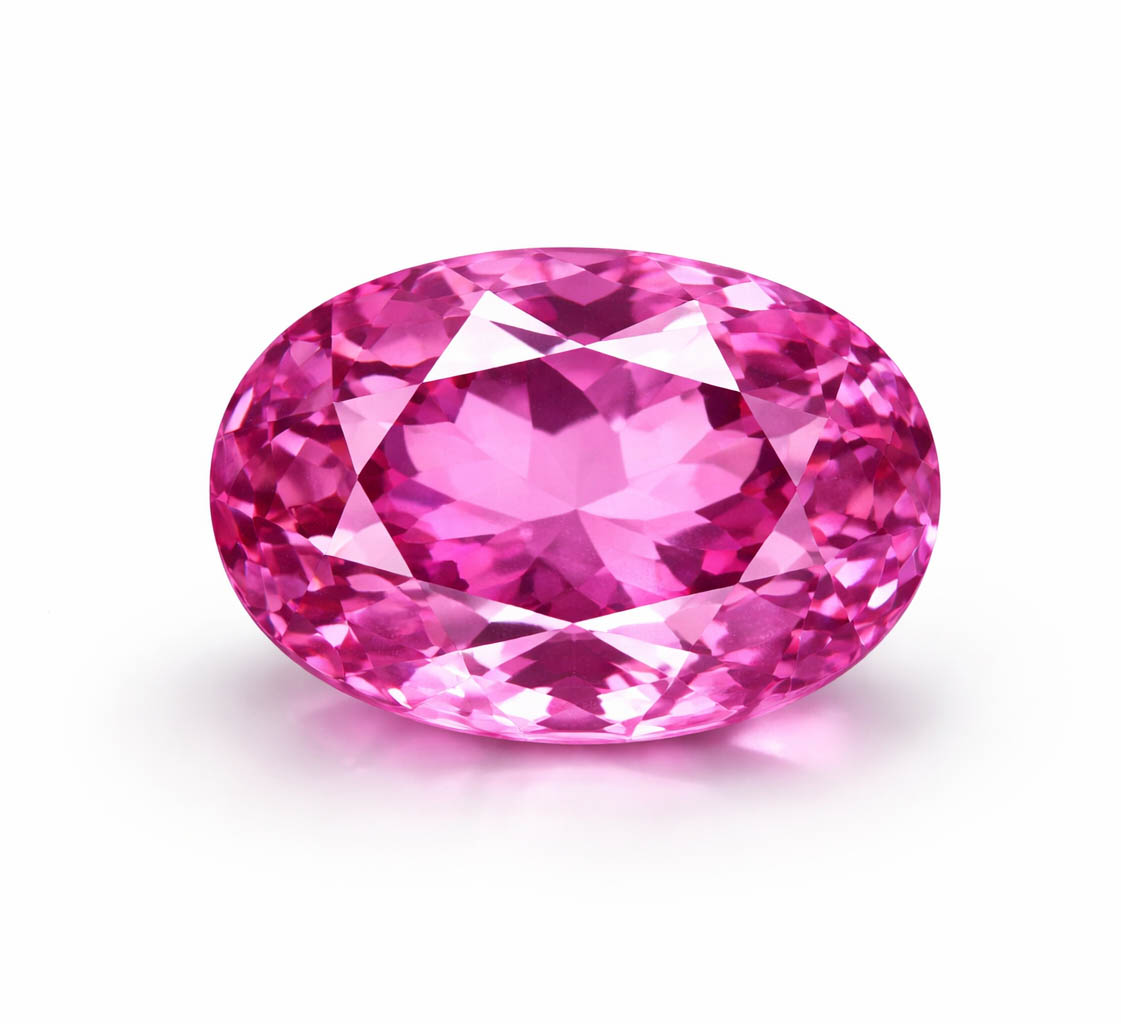
Natural pink topaz acquires its color through chromium traces or, more commonly, through irradiation of colorless Brazilian material — a distinction with direct bearing on value, as natural untreated specimens command significant premiums in the estate jewelry market. Edwardian jewelers (1901–1910) prized the stone’s soft rose saturation as an ideal complement to platinum’s cool neutrality, setting oval and cushion-cut specimens in delicate diamond halos with millegrain borders characteristic of the period’s finest workmanship. Victorian pieces paired pink topaz with yellow gold in closed-back antique settings designed to intensify color depth, while Art Deco constructions of the 1920s occasionally incorporated the stone in geometric compositions alongside calibré-cut diamonds.
Authentication of pre owned pink topaz jewelry requires spectroscopic assessment distinguishing natural color from irradiation treatment, identification of period-appropriate cutting styles, and evaluation of setting construction consistent with each era’s documented metalworking standards.
Grygorian Gallery’s Pink Topaz Collection
Within the broader estate colored stone market, jewelry featuring natural pink topaz represents a genuinely rare category — one where material identification and period expertise carry equal weight. Eduard Grygorian’s experience at leading maisons including Boucheron and Chaumet, where pastel colored stones featured in prestige commissions, informs both sourcing standards and gemological authentication methodology applied to pre owned pieces in this collection.
Each item undergoes examination to verify natural color origin, assess cutting period, and confirm setting construction through spectroscopic analysis. Custom platinum and gold mounts are evaluated for hallmarks consistent with the producing period: 950 platinum purity marks for Edwardian examples, 18k gold cartouches for Victorian and earlier old jewelry pieces. Where provenance records or original cases accompany a gently used piece, this heritage documentation is shared transparently.
Conservation in our South of France atelier applies protocols sensitive to topaz’s perfect basal cleavage, requiring custom stabilization and cleaning methods that preserve both stone integrity and original designer metalwork.
Investment Value and Collector Appeal
Natural untreated pink topaz of significant size and strong saturation occupies a scarcity tier that many collectors underestimate relative to better-known pink gemstones. Specialist auction data confirms premiums for verified natural-color specimens, particularly old examples in original period settings where gemological rarity and antique craftsmanship create compound value that high end estate jewelry from contemporary production cannot replicate.
Platinum pieces featuring pink topaz in diamond halo constructions are among the most elegant unique finds in this category: the stone’s rose tone translates effortlessly across formal and everyday contexts, while the period setting provides a luxury jewelry elegance that modern production rarely matches. These beautiful collectible treasures reward collectors who prioritize gemological authenticity — previously owned fine jewelry combining retro jewelry appeal with verified material value. Our specialists provide personalized consultations to identify certified examples aligned with individual collecting objectives.