The Art and History of Vintage Cufflinks
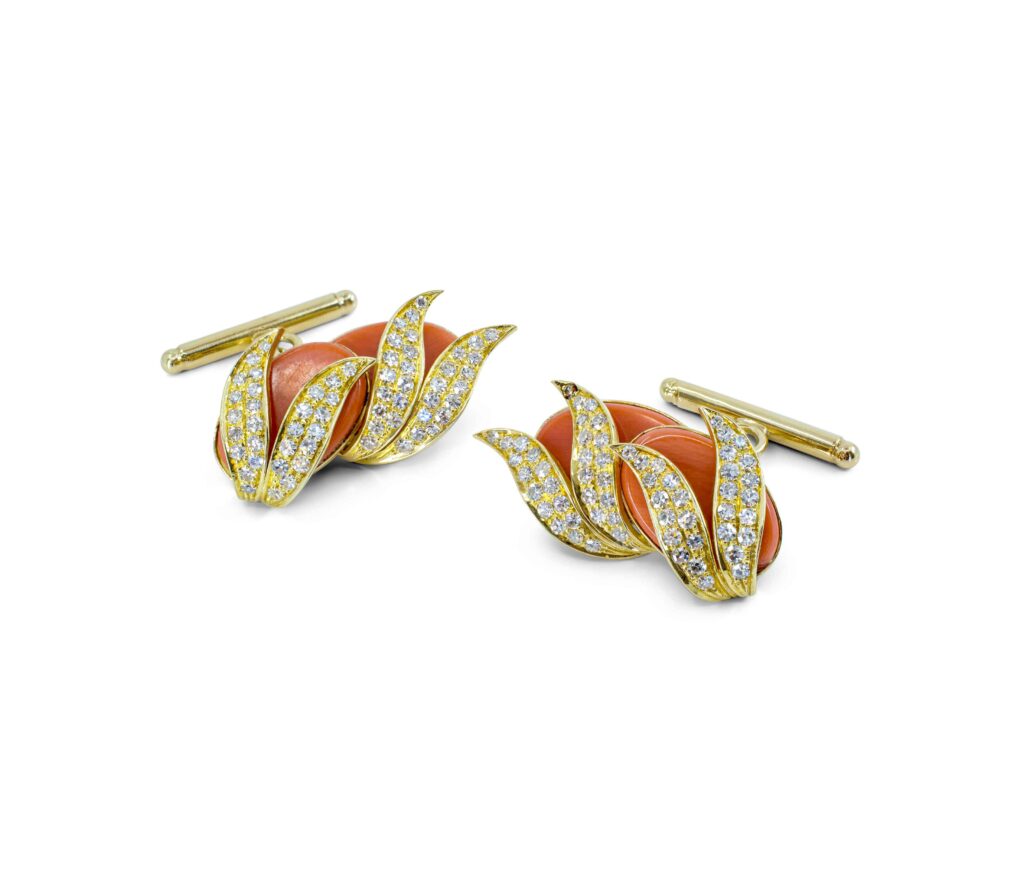
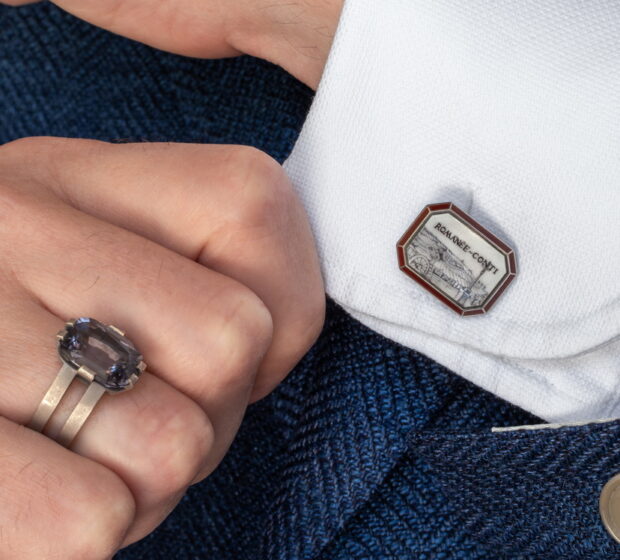
Estate cufflinks reflect evolving standards of masculine refinement across eras. Early 20th century examples feature gold with engine-turned engraving (guilloché patterns created by specialized lathes), while Art Deco designs (1920-1935) showcase geometric enamel work in contrasting colors like black onyx and coral against platinum or white gold. Mid-century cufflinks introduced bold sculptural forms with textured gold surfaces and innovative gemstone settings. Cufflink faces typically measure 12-18mm in diameter, with Victorian examples sometimes exceeding 20mm for formal evening wear.
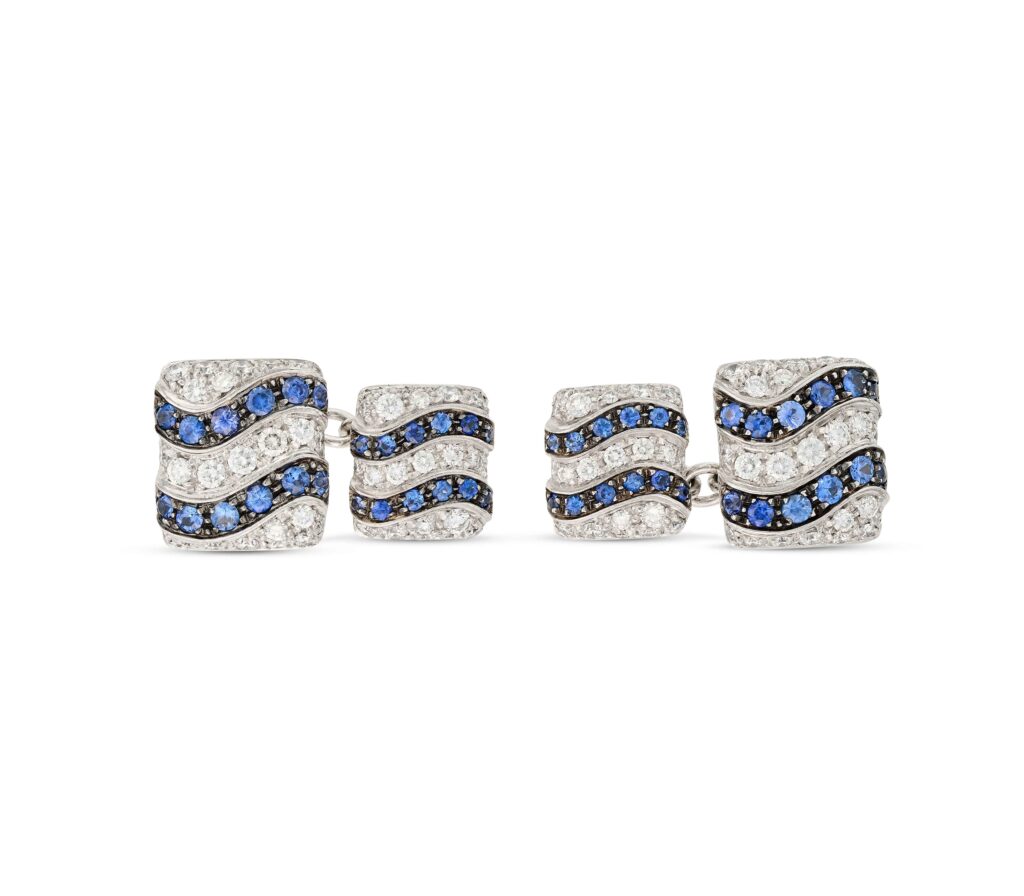
Authentication markers for fine jewelry cufflinks include construction elements. Victorian pieces (1837-1901) utilized chain-link mechanisms connecting decorative faces to toggle bars, while later designs incorporated fixed-bar, swivel-bar, or bullet-back closures introduced in the early 1900s. Period-specific materials provide verification: rose cut diamonds in Edwardian platinum settings, calibré-cut sapphires in Art Deco designs, substantial 18k gold with retro-style dimensionality in 1940s examples. Hand-engraved maker’s marks on toggle bars or closure mechanisms distinguish authentic vintage cufflinks from modern reproductions. Antique cufflink mechanisms from the Victorian and Edwardian periods showcase exceptional hand-fabrication rarely seen today. These gently used accessories from prestigious collections demonstrate superior preservation compared to heavily worn contemporary pieces.
The Grygorian Gallery Vintage Cufflink Collection
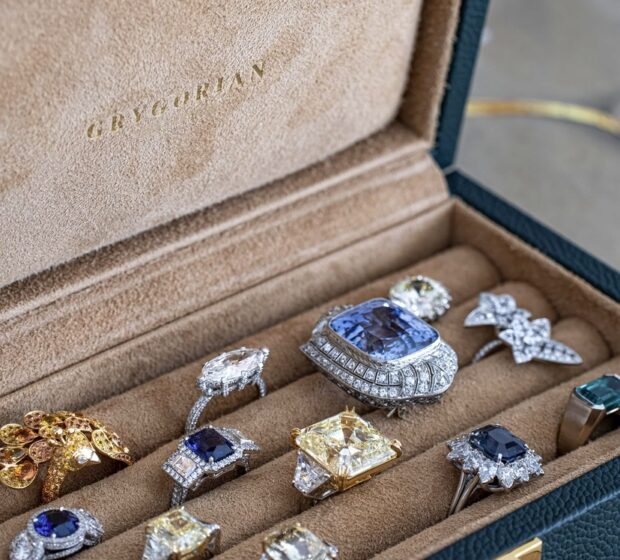
Our collection features outstanding vintage estate cufflinks selected for historical significance and craftsmanship quality. Gallery founder Eduard Grygorian leverages his experience at prestigious houses like Chaumet to personally evaluate exceptional pieces. We source rare heritage cufflinks through established auction houses, private collections, and estates specializing in pre owned luxury accessories with verified provenance—discovering unique finds that often retain original fitted boxes from renowned maisons like Cartier, Van Cleef & Arpels, or Boucheron.
Each pair undergoes comprehensive examination in our South of France atelier. Specialists verify precious materials using spectroscopy and loupe examination, while master jewelers delicately restore mechanisms (tightening toggle bars, replacing worn chains, securing loose stones) preserving historical character. Old cufflinks with antique closure systems require specialized restoration—Victorian chain-link mechanisms or early swivel-bar designs demand particular expertise to maintain functionality while preserving originality. For clients seeking custom adaptations (such as converting old cufflink faces to modern closure types or creating matched sets), our artisans execute modifications respecting the original design integrity.
Why Choose Vintage Cufflinks
Vintage estate cufflinks offer unique appeal for collectors and style-conscious gentlemen. These collectible accessories demonstrate unparalleled handwork impossible to achieve in contemporary mass production, representing exceptional value for discerning buyers. Unlike modern pieces, old cufflinks feature antique techniques rarely practiced today: hand-engraving, champlevé enamel (enamel set in carved metal depressions), and intricate stone-setting in miniature formats that showcase master craftsmanship.
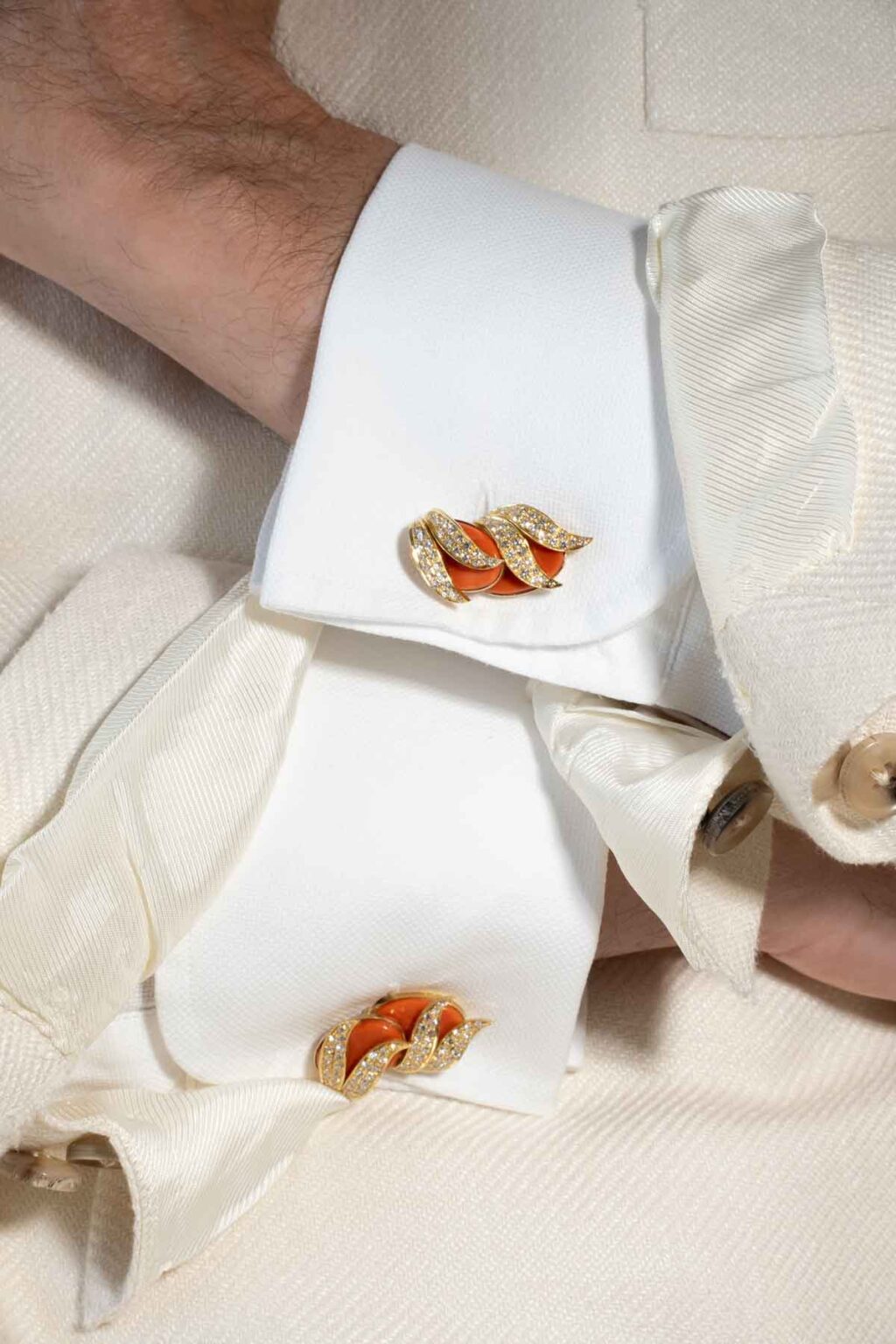
The elegance and versatility of pre owned luxury cufflinks create distinctive style statements. Art Deco pairs with geometric precision elevate formal business attire, while bold retro designs with sculptural gold work add character to evening dress. Certified examples from recognized designers often appreciate in value, making them both beautiful accessories and valuable assets that combine aesthetic pleasure with investment prudence. Our specialists provide personalized consultations to help you discover the perfect heritage cufflinks—unique treasures that enhance your wardrobe with authentic craftsmanship and timeless sophistication.