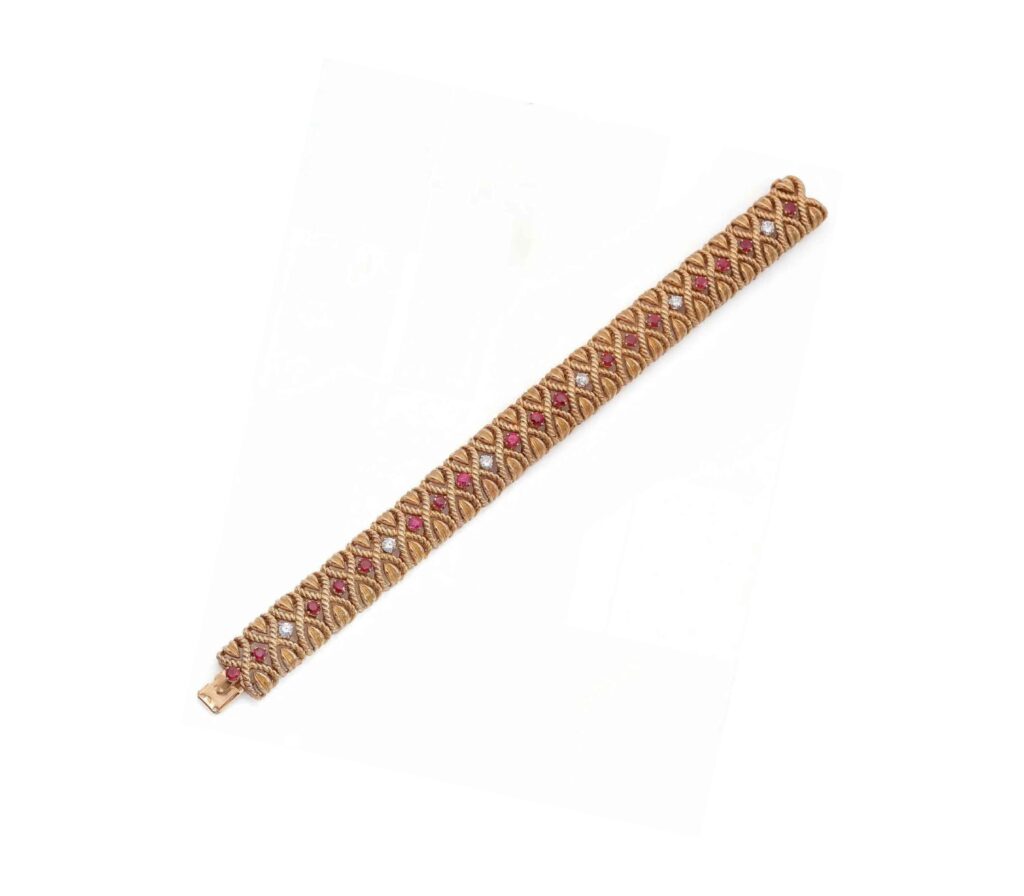
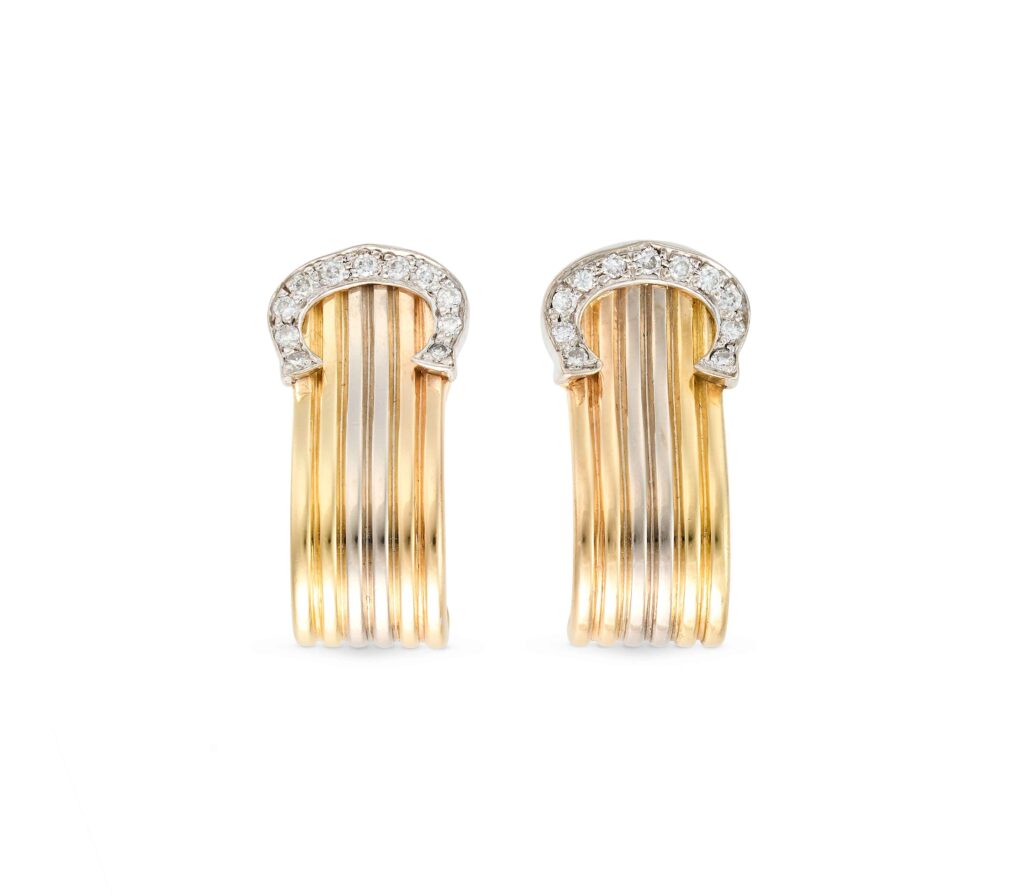
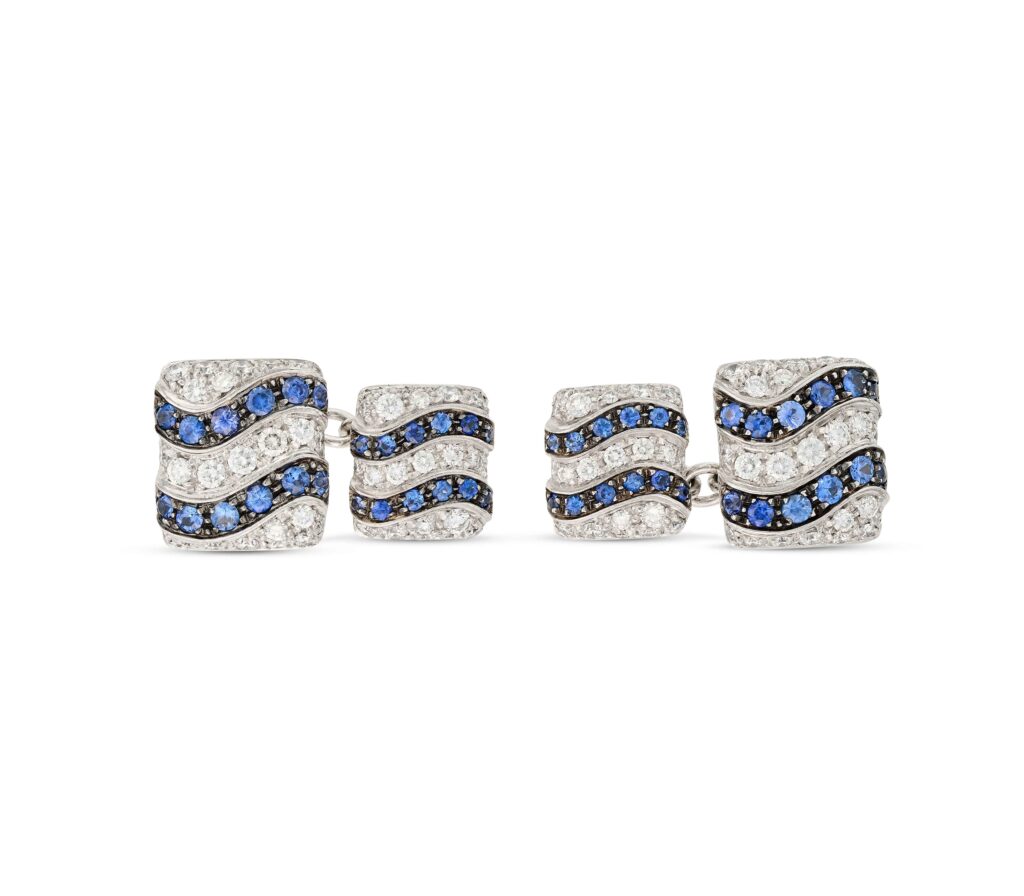
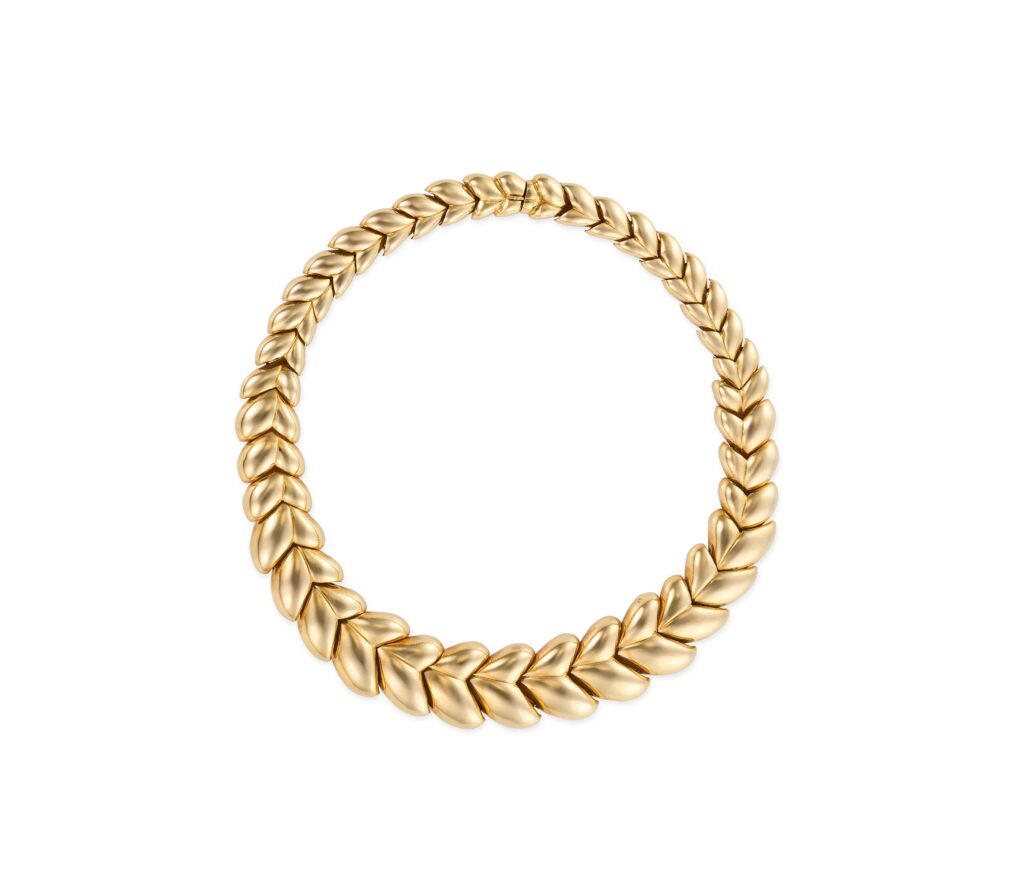



In twilight’s hush, the stones speak a secret language of memory. Each gemstone holds within its facets the whispered tales of earth and time. A garnet’s warm ember pulse, a tourmaline’s rainbow cascade, an amethyst’s violet calm – each gem voice echoes across centuries. Set in vintage metal, these gems become silent messengers of devotion, linking the wearer’s heart to distant ages and lost stories. Every piece of antique jewelry thus becomes a page in nature’s chronicle, where light and color transform into a language of love, hope, and heritage.
Garnet
About the Stone
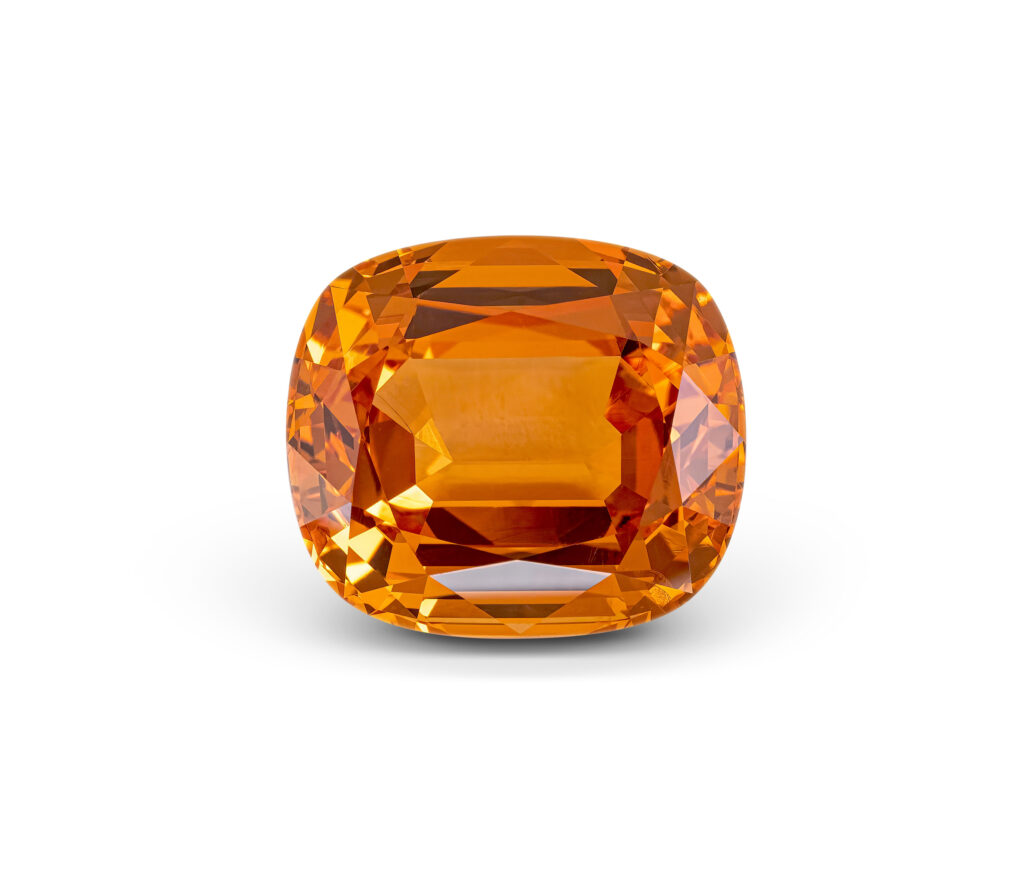
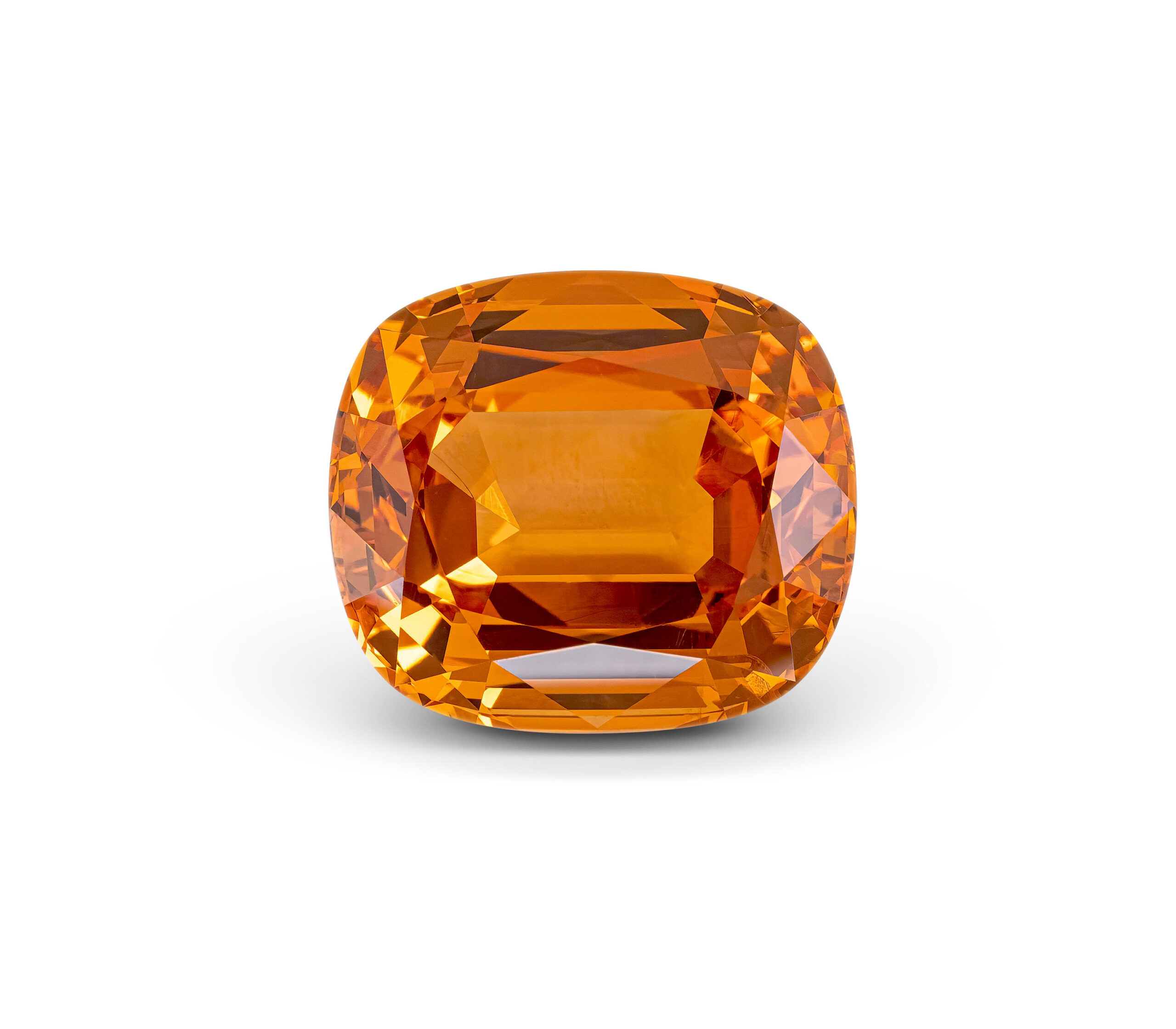
Garnet glows like the last ember of a dying fire, a blood-red promise etched in crystal. Its deep hue recalls both heart’s lifeblood and the jewel-like seeds of a pomegranate – a vivid metaphor of passion and renewal. Indeed, garnet’s very name comes from the Latin granatus, “seed,” a direct nod to the pomegranate.
History in Jewelry
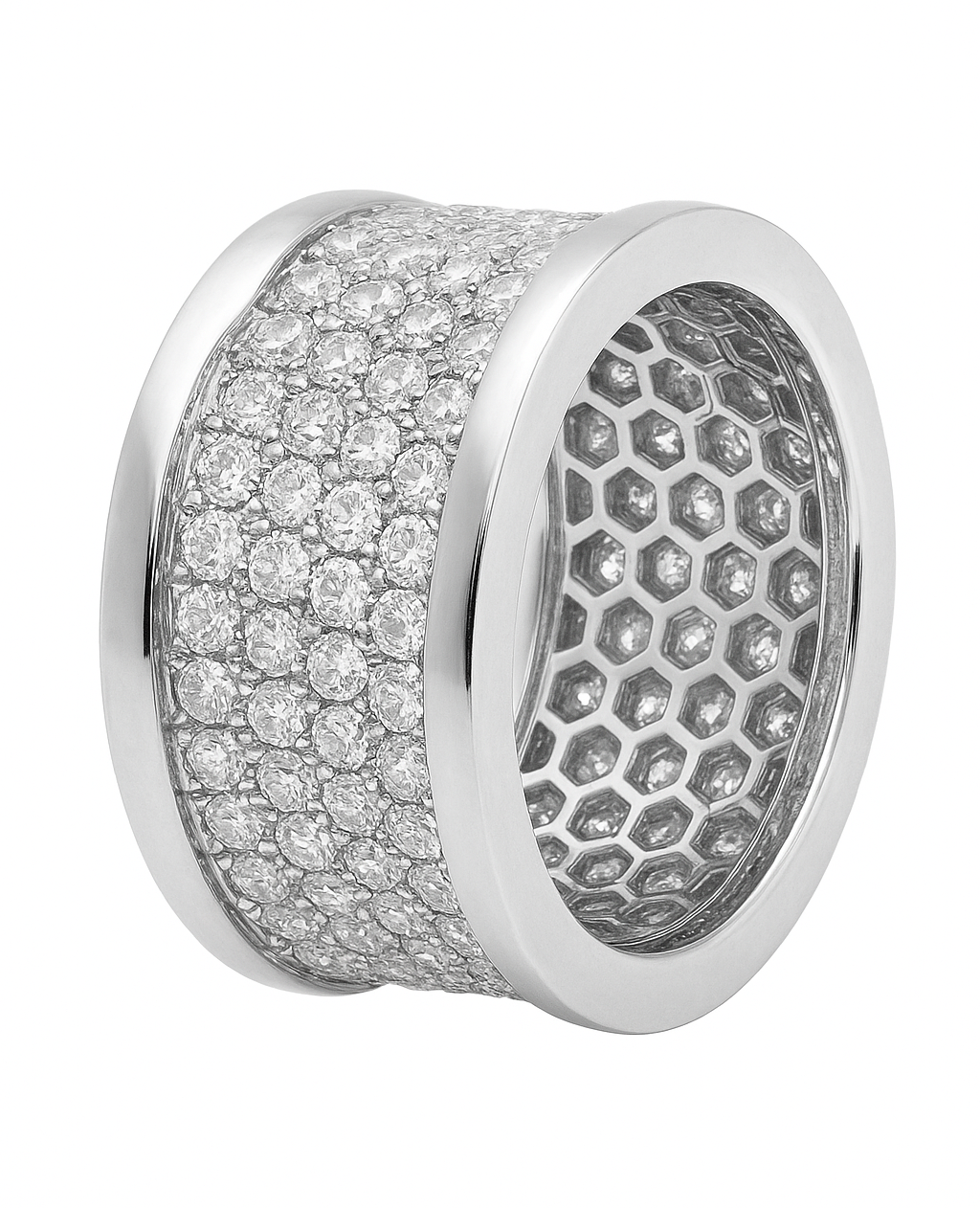
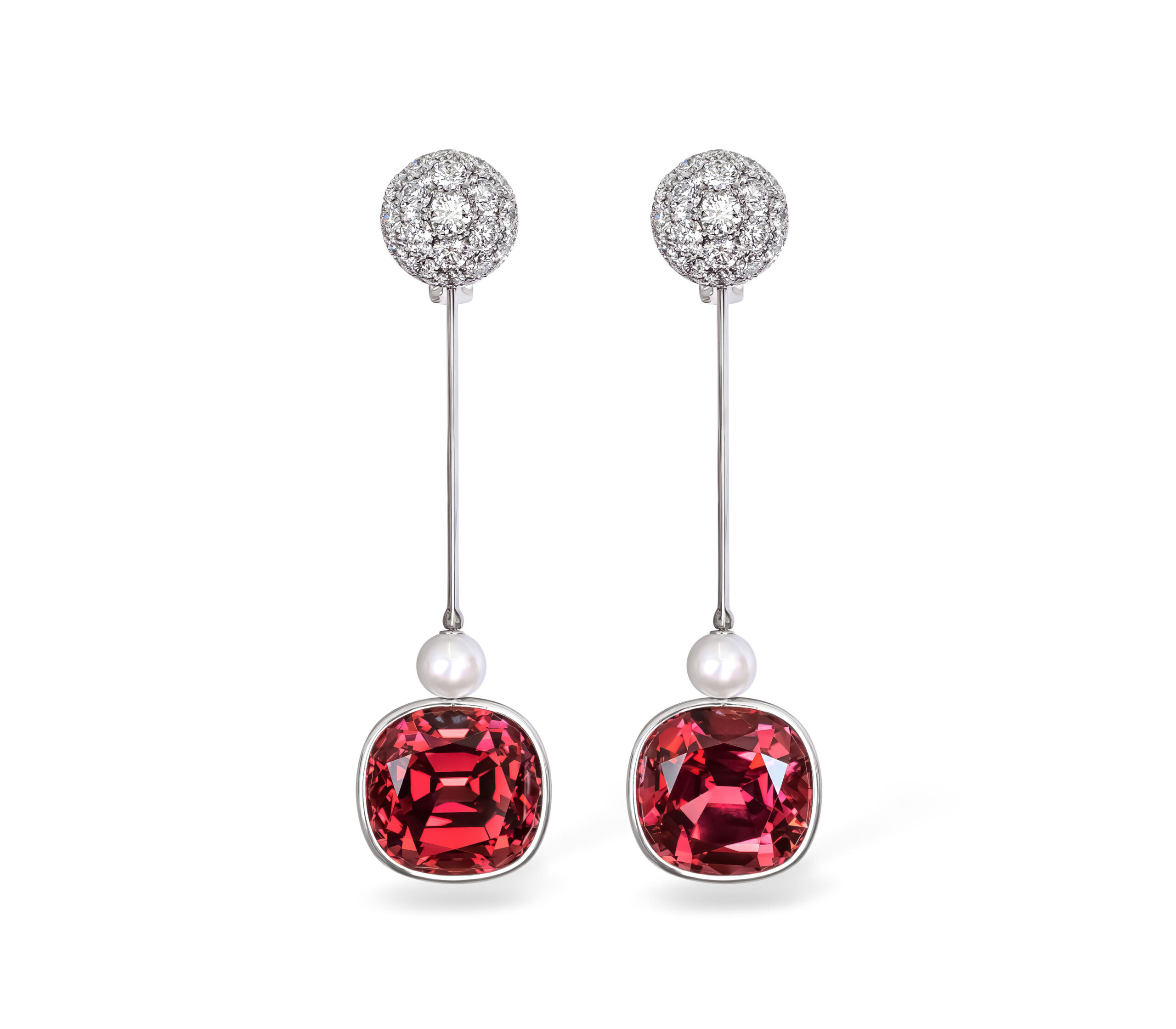
In antique work, artisans often capitalized on garnet’s warm glow. Vintage garnet pieces abound in tight pavé clusters and rose-cut styles, with minimal metal visible, so that “these crimson gems emulate the jewel-like seeds of a pomegranate”.
This historic craftsmanship is best seen in several historical styles:
-
Bohemian Garnet Jewelry, which fashioned garnets into rounded, tightly packed clusters, creating a “lustrous sea of red” that caught the light.
-
Victorian Era jewelry, where gold and silver settings framed oval cabochon garnets alongside seed pearls, a style beloved for its rich contrast and warmth.
-
Royal and Collectible Pieces, such as Georgian cluster rings, Victorian parures (matching sets), and Edwardian lockets. Royalty favored deep red garnet parures and the delicate en tremblant technique, where jewels were set to tremble with movement.
Symbolism and Legend
For millennia, garnet’s red flame has symbolized life, vitality, and steadfast love. Archaeologists have unearthed garnet talismans in ancient Egyptian tombs, where they stood for eternal life. The ancient Greeks and Romans prized garnet signet rings to guard sacred oaths.
Legends grew from its pomegranate hue. The stone embodies several powerful themes:
-
Protection and Safe Return: Linked to the myth of Persephone, it was carried by travelers and exchanged between friends as a token promising a reunion.
-
Faithful Love: In the 19th century, a garnet ring or brooch served as a direct pledge of fidelity—a burning reminder that bonds endure across time.
Emotionally, garnet still speaks of warmth and protection. It is often called the “stone of friendship and trust,” carrying a promise of devotion. Wearing an antique garnet is like clasping a friend’s hand in the dark – its inner fire warms the heart and wards off fear.
Tourmaline
About the Stone
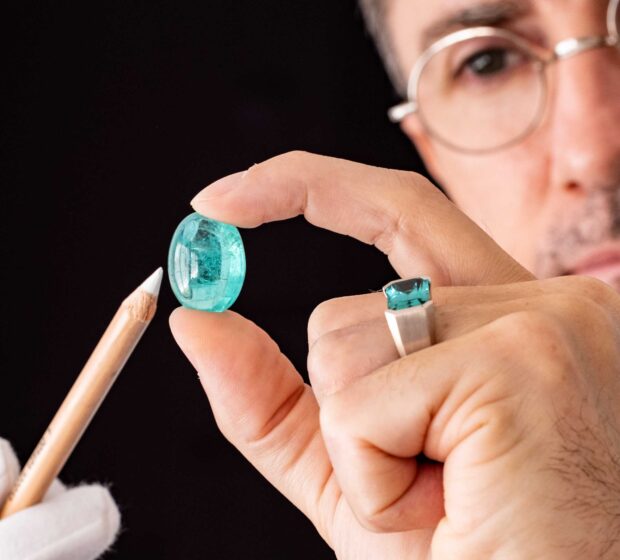
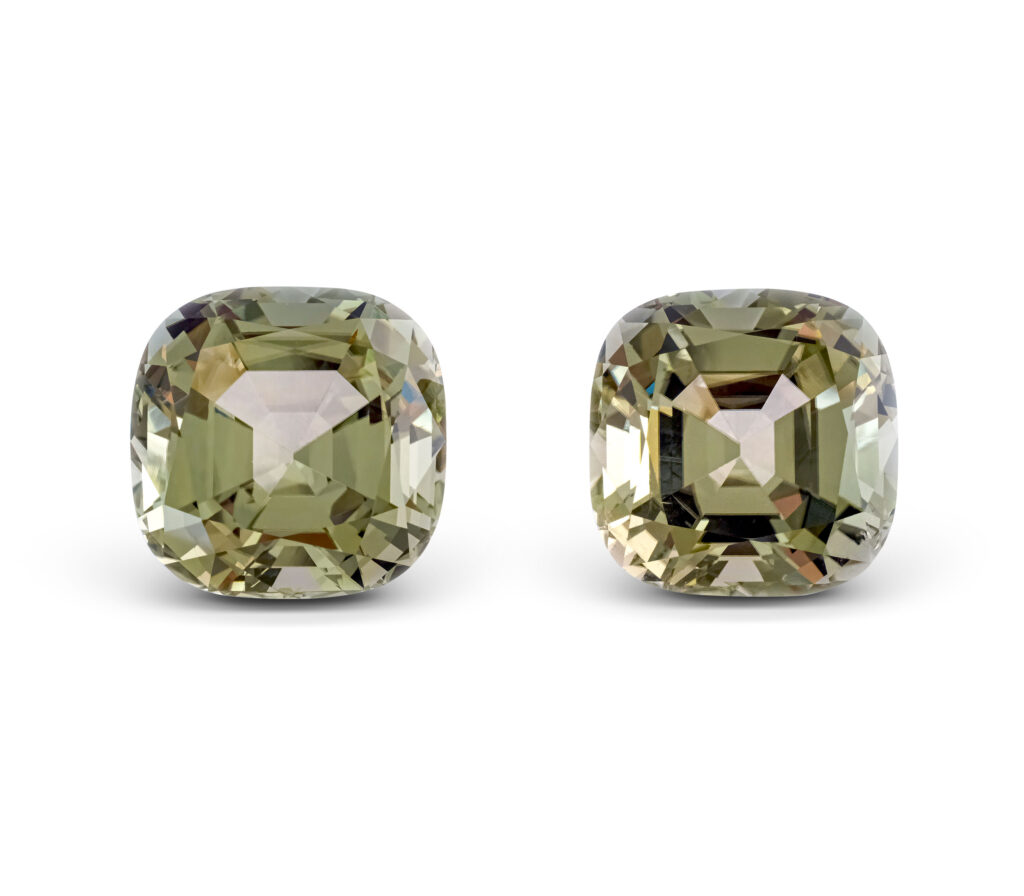
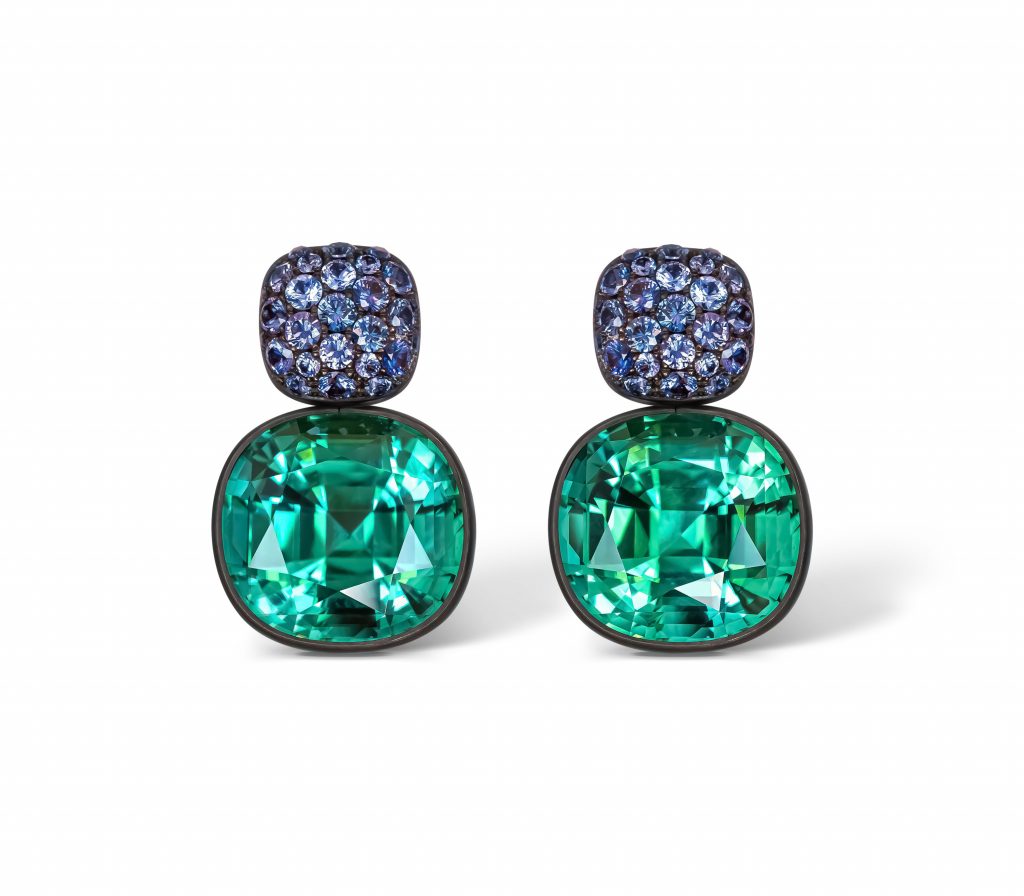
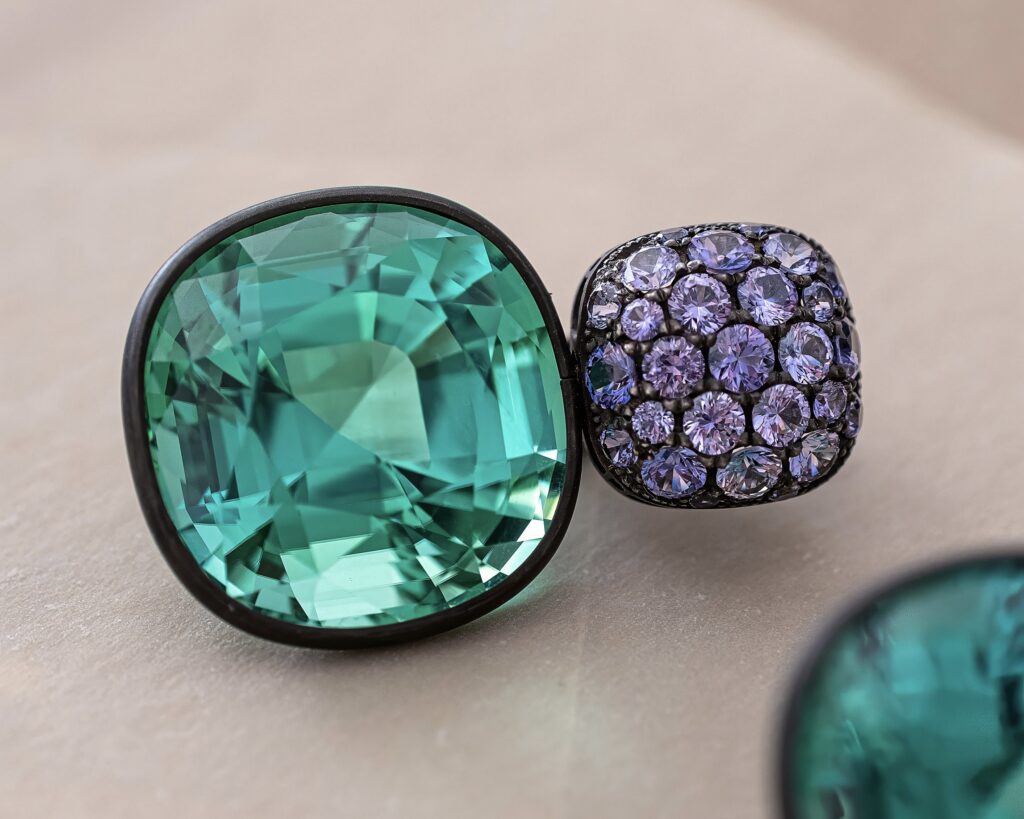
Tourmaline dances with the light of a rainbow. Each gem can be an entire spectrum: the sandalwood pink of rubellite, forest greens like fall leaves, ocean blues, or smoky blacks. The stone’s name perfectly reflects this diversity – it is derived from the Sinhalese term toramalli, meaning “mixed stone.”
History in Jewelry
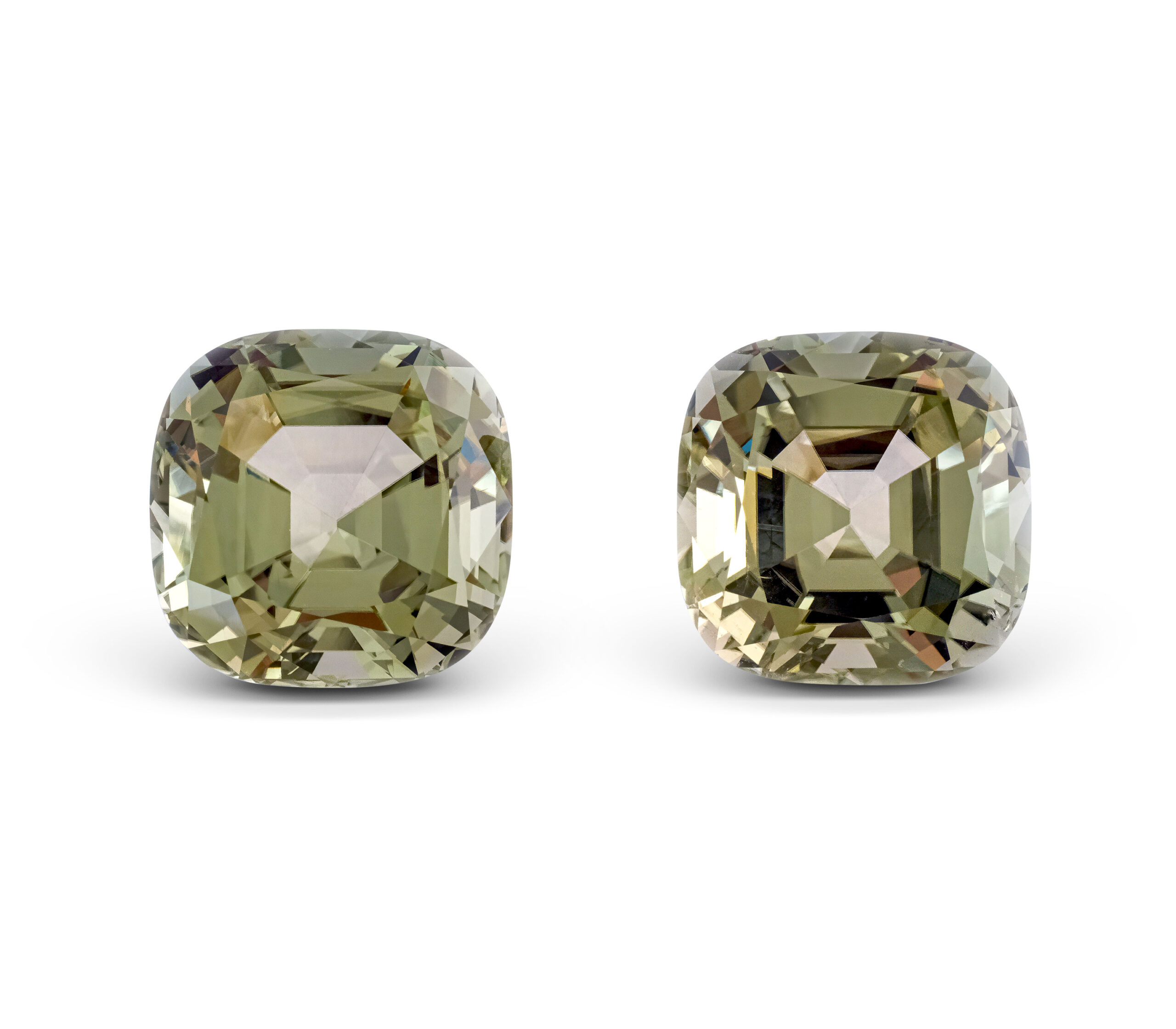
In vintage jewelry, tourmaline’s kaleidoscopic colors are celebrated. A single stone might show several hues, while matched pairs mirror nature’s contrasts. Antique cutters and designers played this up, fashioning tourmaline into the fashionable shapes of each era.
Notable Eras and Styles:
-
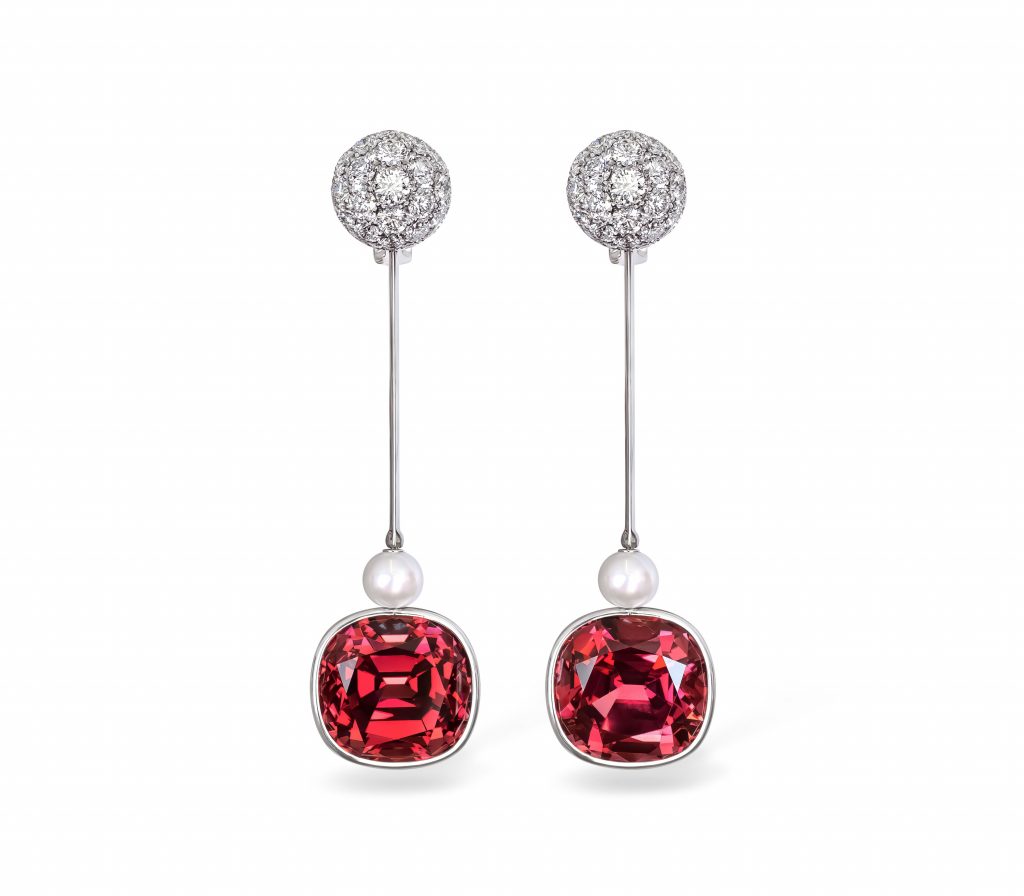
Victorian Era: Rings often boasted heart-shaped or marquise rubellites (red tourmaline) set in gold gypsy settings, analogous to “Brazilian rubies.”
-
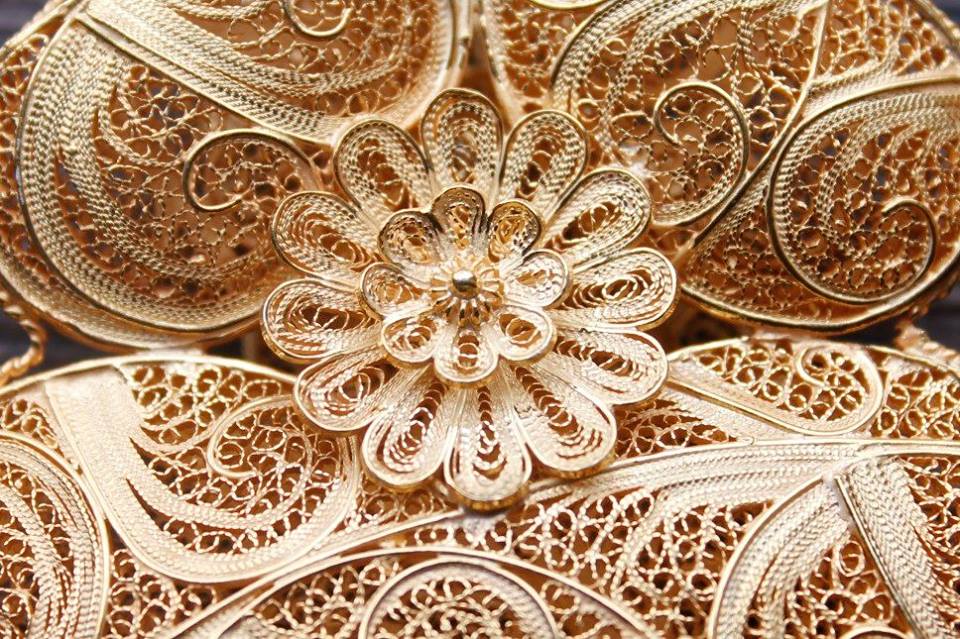
Edwardian and Art Deco Eras: Jewelers favored larger faceted rubellites and verdelites (green tourmaline) set with milgrain edges, delicate filigree, or arranged in garland motifs with pearls and diamonds.
-
Art Nouveau Influence: Carved tourmaline cameos or intaglios were not uncommon, echoing the period’s organic, nature-inspired motifs.
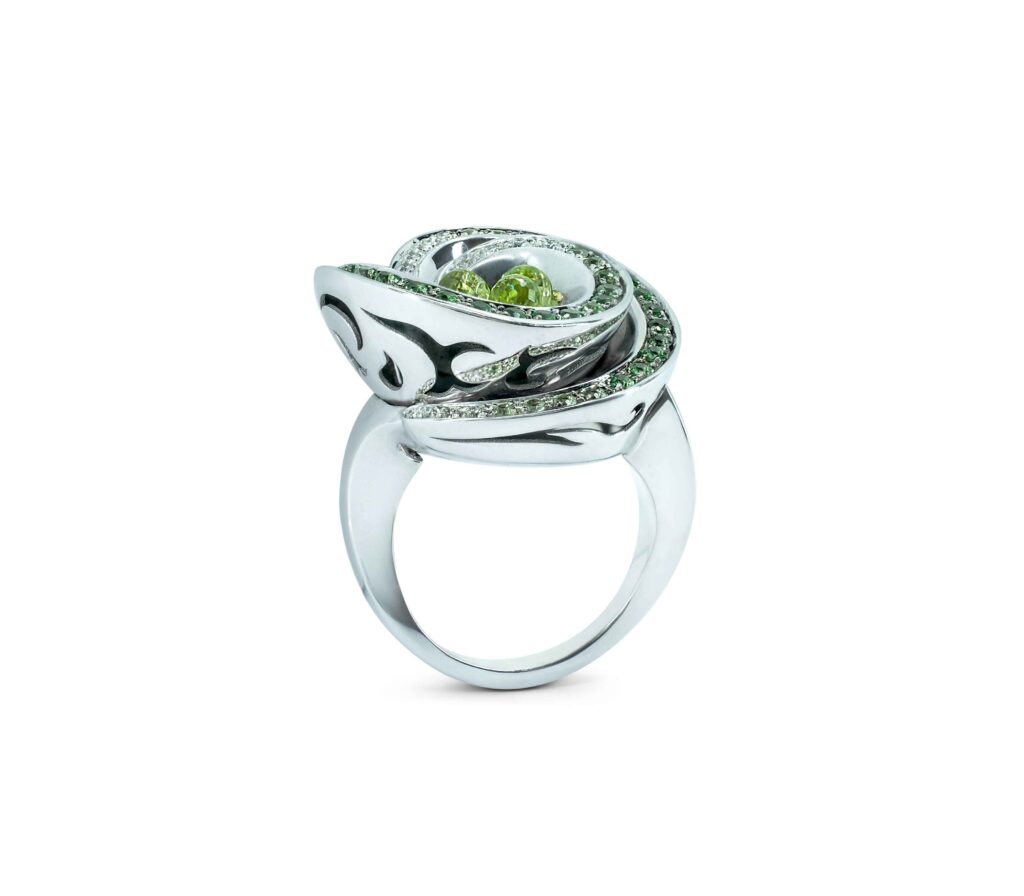
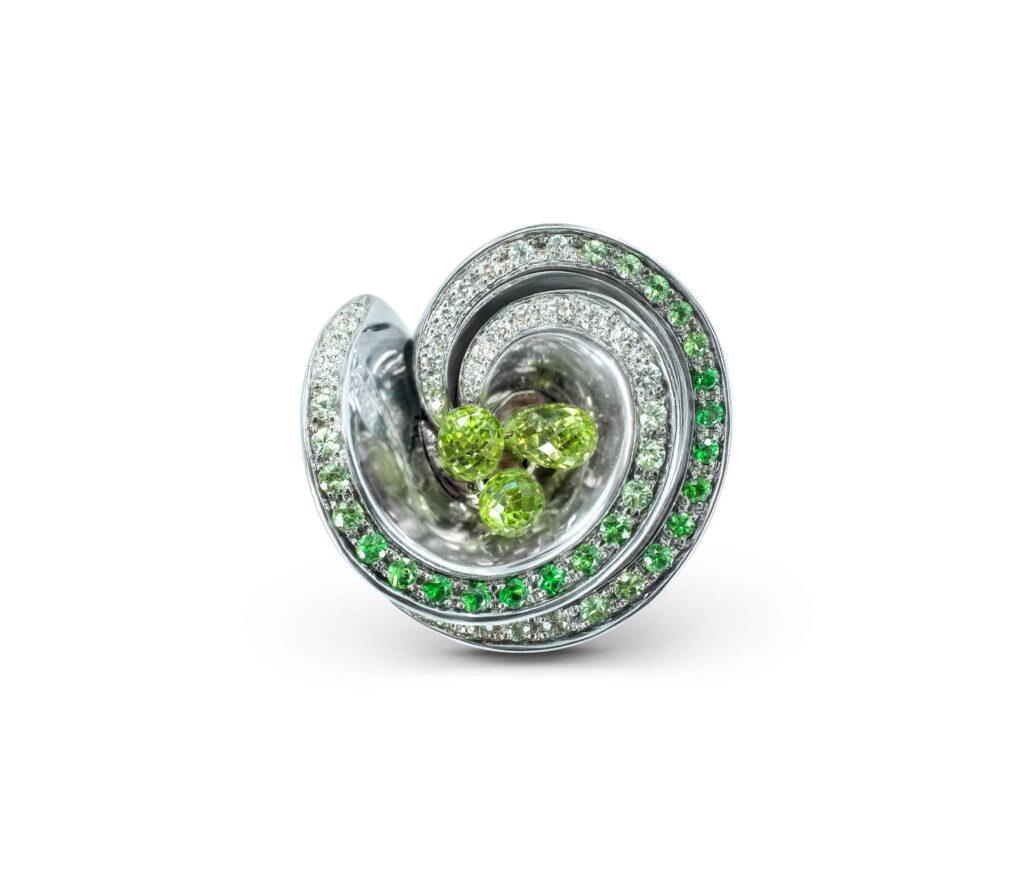
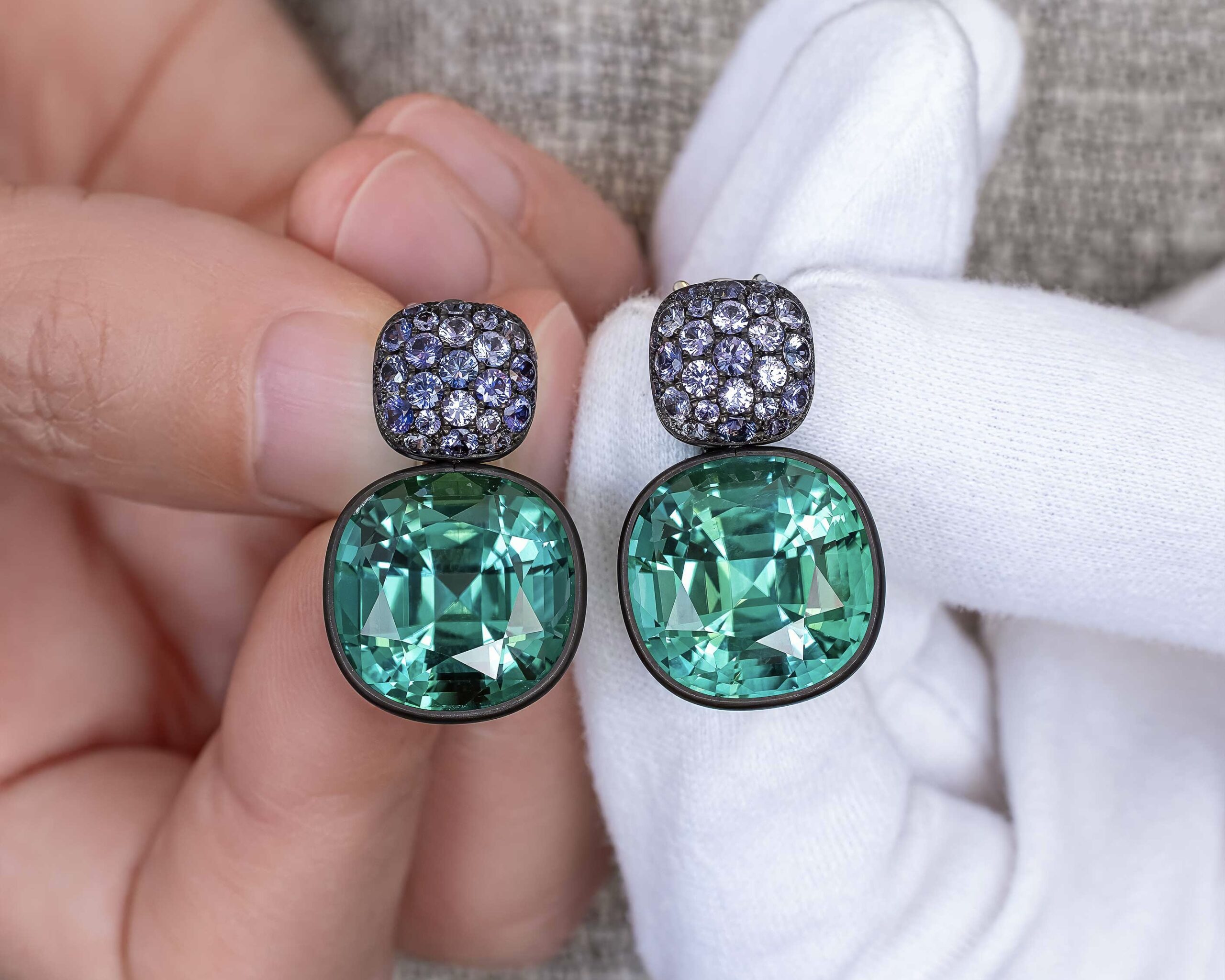
In all cases, designers paired tourmaline with complementary stones. A pink rubellite might be offset by white diamonds or seed pearls, while green tourmaline was often set in cool platinum with diamonds to let its color sing. Though less common than sapphire or ruby, antique tourmaline pieces turn heads with their unusual hues and artistry.
Symbolism and Legend
Across cultures, tourmaline’s shifting colors inspired equally varied symbolism. A fabled Egyptian legend held that tourmaline “rose from the earth’s heart and passed through a rainbow to reach the surface,” absorbing all its colors.
Cultural Significance:
-
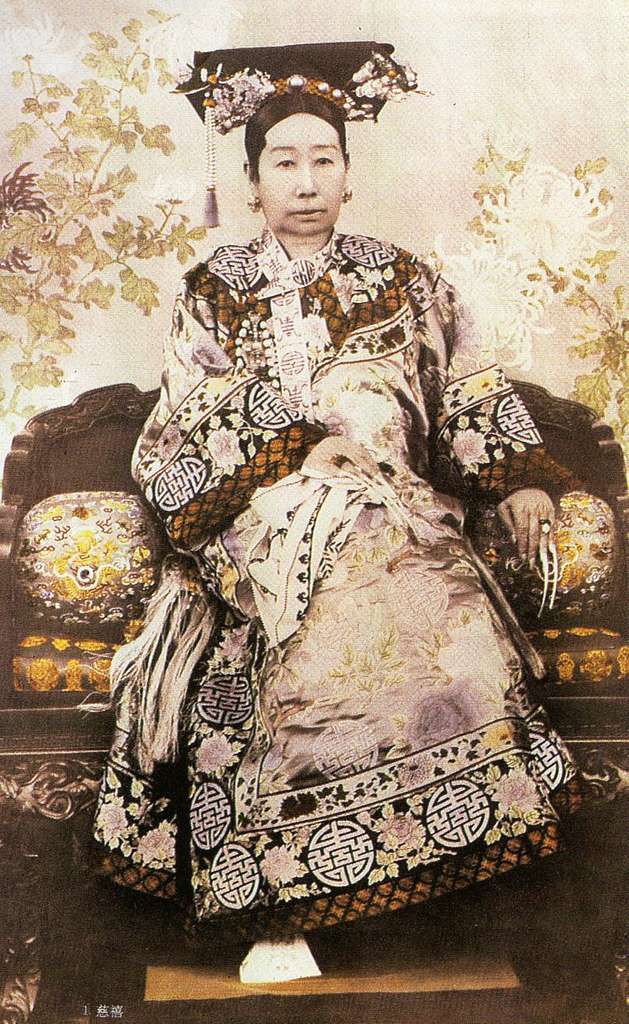
Chinese Tradition: Tourmaline was cherished as an imperial stone. Empress Dowager Cixi was famously obsessed with pink tourmaline, importing vast quantities from California. Chinese officials wore tourmaline beads on their court hats as a sign of status and fortune.
-
Indian Tradition: Green and pink tourmaline were linked to the heart chakra and rituals of divine knowledge, while black tourmaline was revered as a powerful protective talisman.
-
African and Brazilian Lore: Shamans considered tourmalines gifts of the jungle spirits, using pink and green stones in fertility rites and healing, and rare blue tourmalines for clarity and vision.
-
European Folklore: By the 18th century, tourmaline was called the “ash puller” due to its pyroelectric properties (attracting debris when heated), leading people to believe it could draw secrets out of darkness.
Emotional Resonance
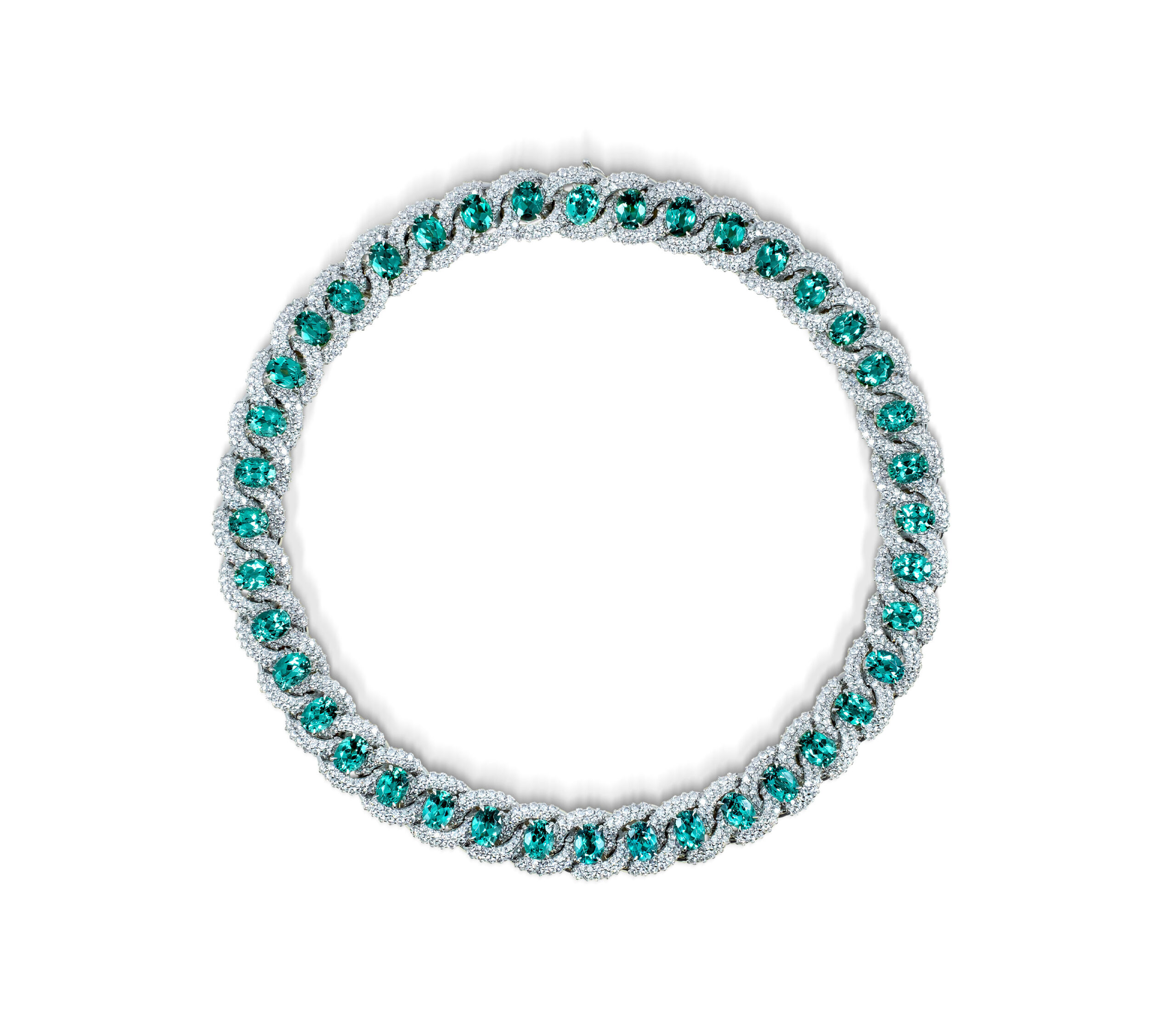
Modern writers dub tourmaline a “rainbow stone” or a “stone of balance and inspiration.” Artisans also imbued tourmaline with spiritual meaning in their work; in a Victorian or Edwardian ring, a tourmaline appears like a droplet of dawn. Today, collectors prize antique tourmalines not just for their color, but for what they symbolize: harmony, insight, and a “mysterious natural energy” said to heal and enlighten. As a symbol, it represents compassion (pink), wisdom (blue-green), and grounding (black). Wearing a tourmaline heirloom can feel like carrying a piece of a rainbow – a promise of hope, creativity, and balance to the soul.
Amethyst
About the Stone
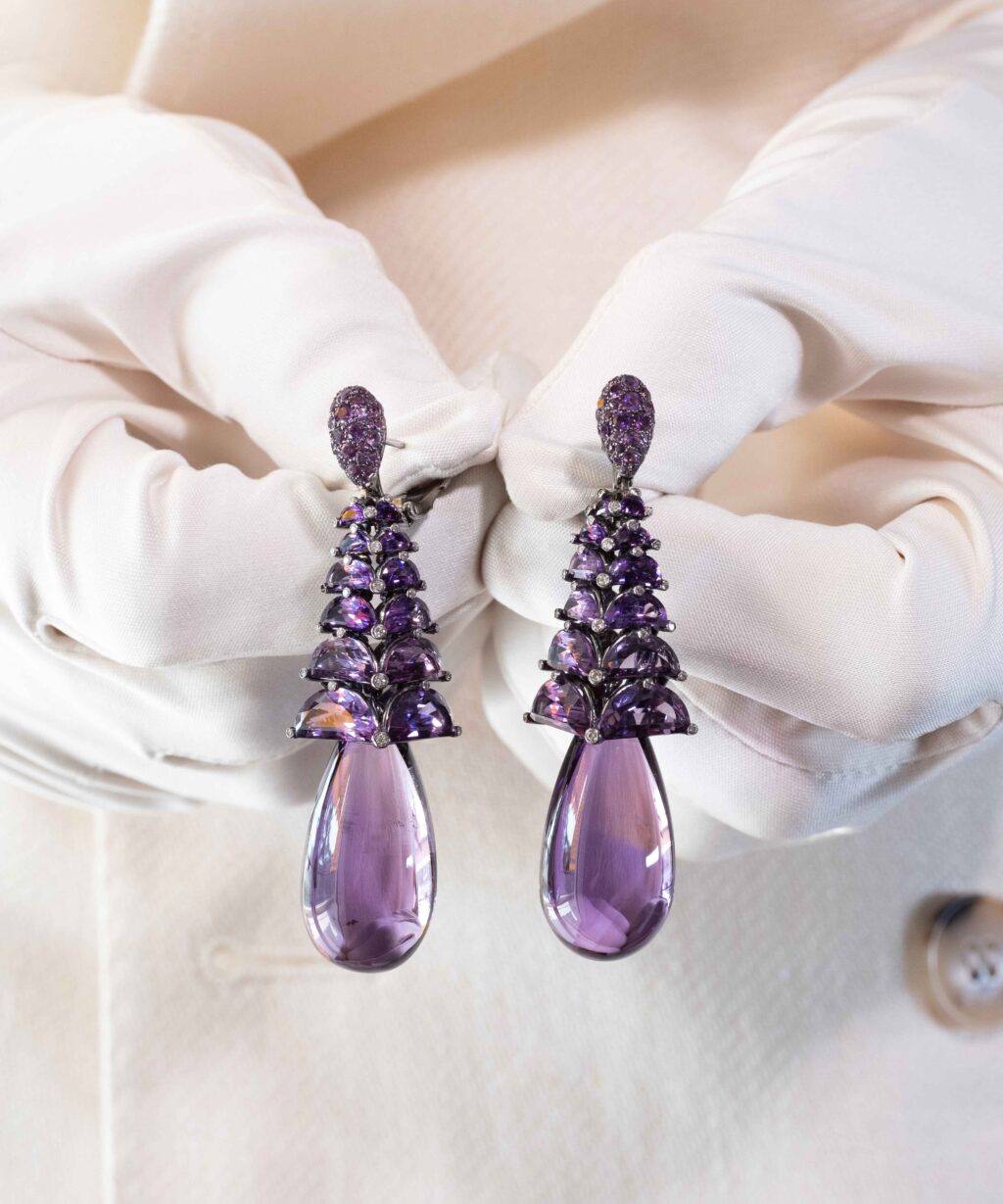
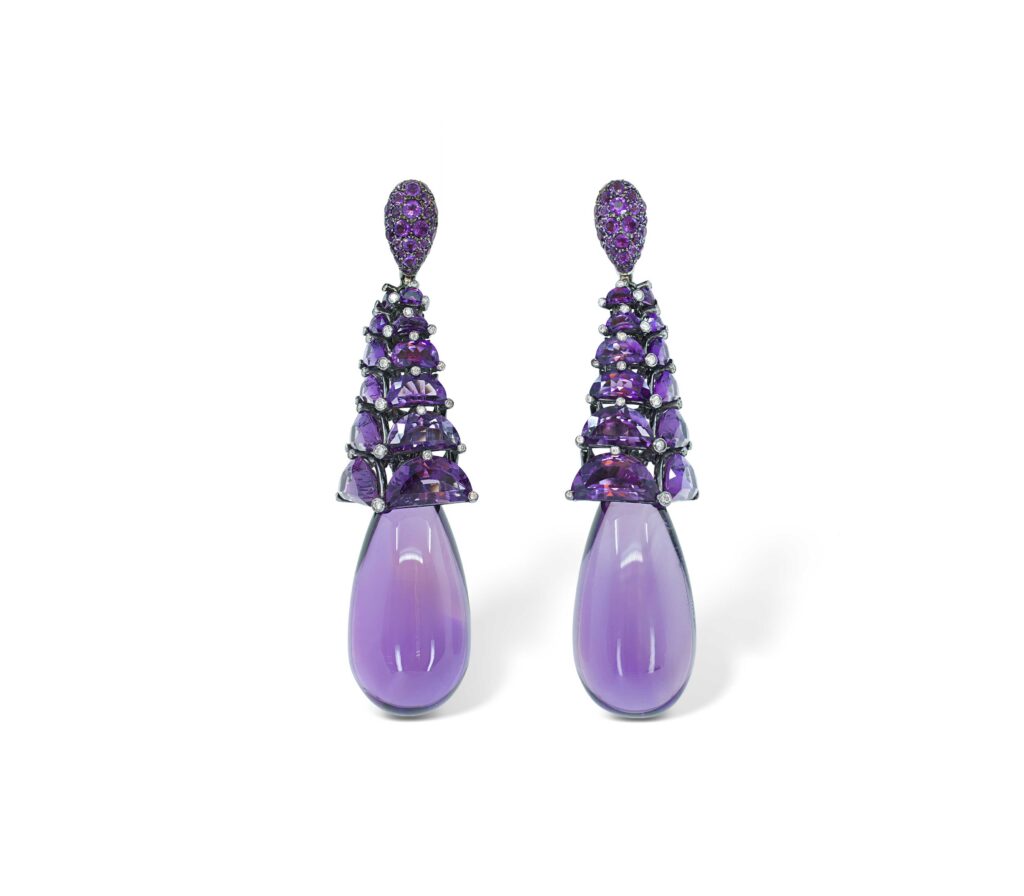
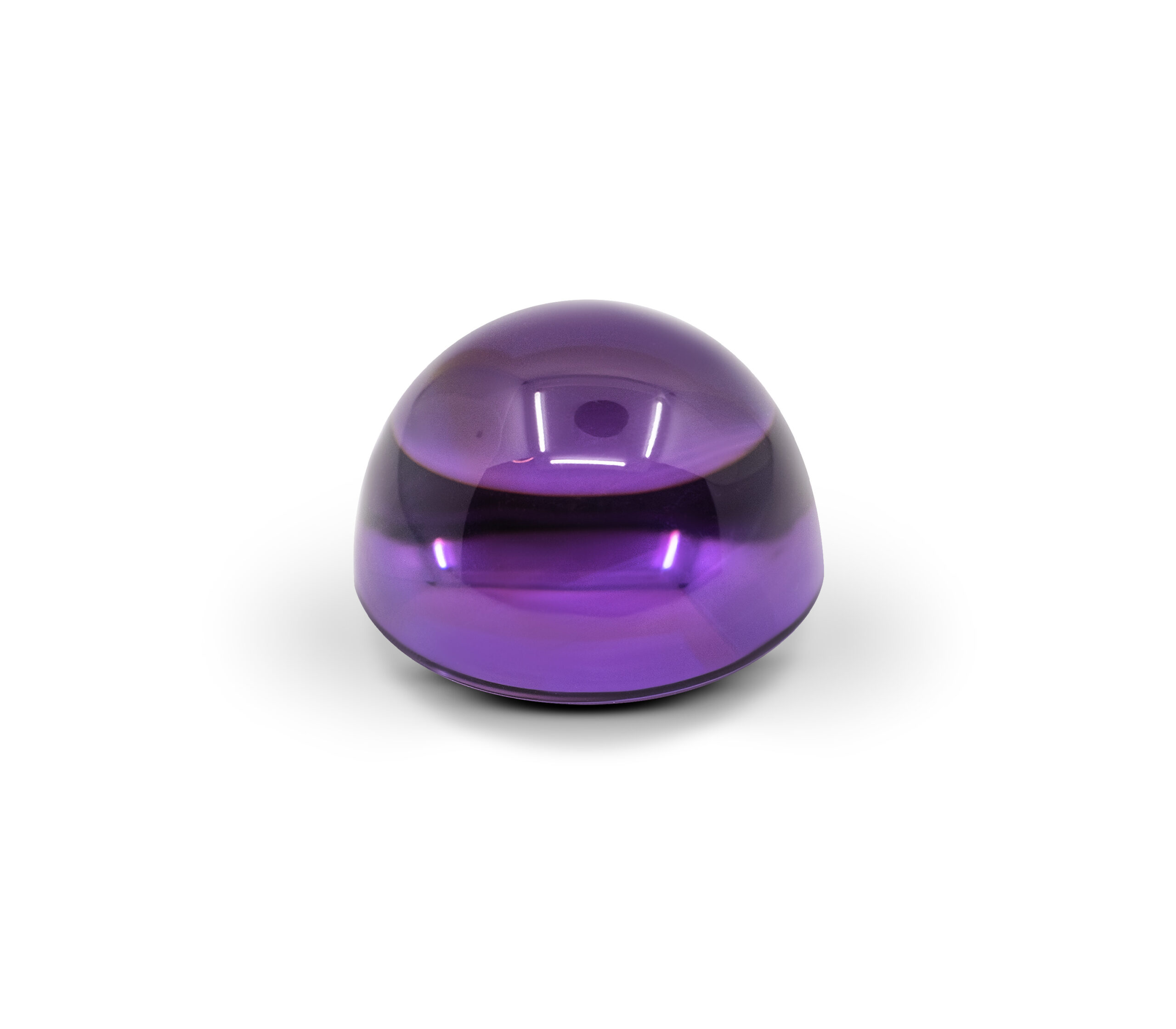
Amethyst pours the sky’s twilight into glass: a serene purple flame that calms the eye and spirit. Antique jewelry makers prized this quartz for its regal hue, which ranges from the pale lilac of Siberian stones to the deep violet of Uruguayan and Brazilian specimens.
History in Jewelry
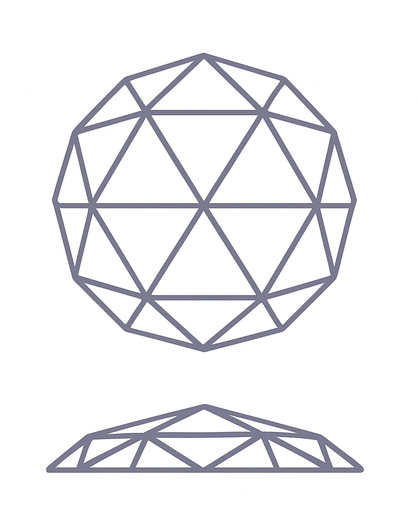
Vintage amethyst gems were often cut in classical shapes to showcase their color. Emerald steps or ovals were used to emphasize depth, while brilliant cushions maximized sparkle. Rare star amethyst crystals were shaped into cabochons to reveal a subtle six-rayed asterism.
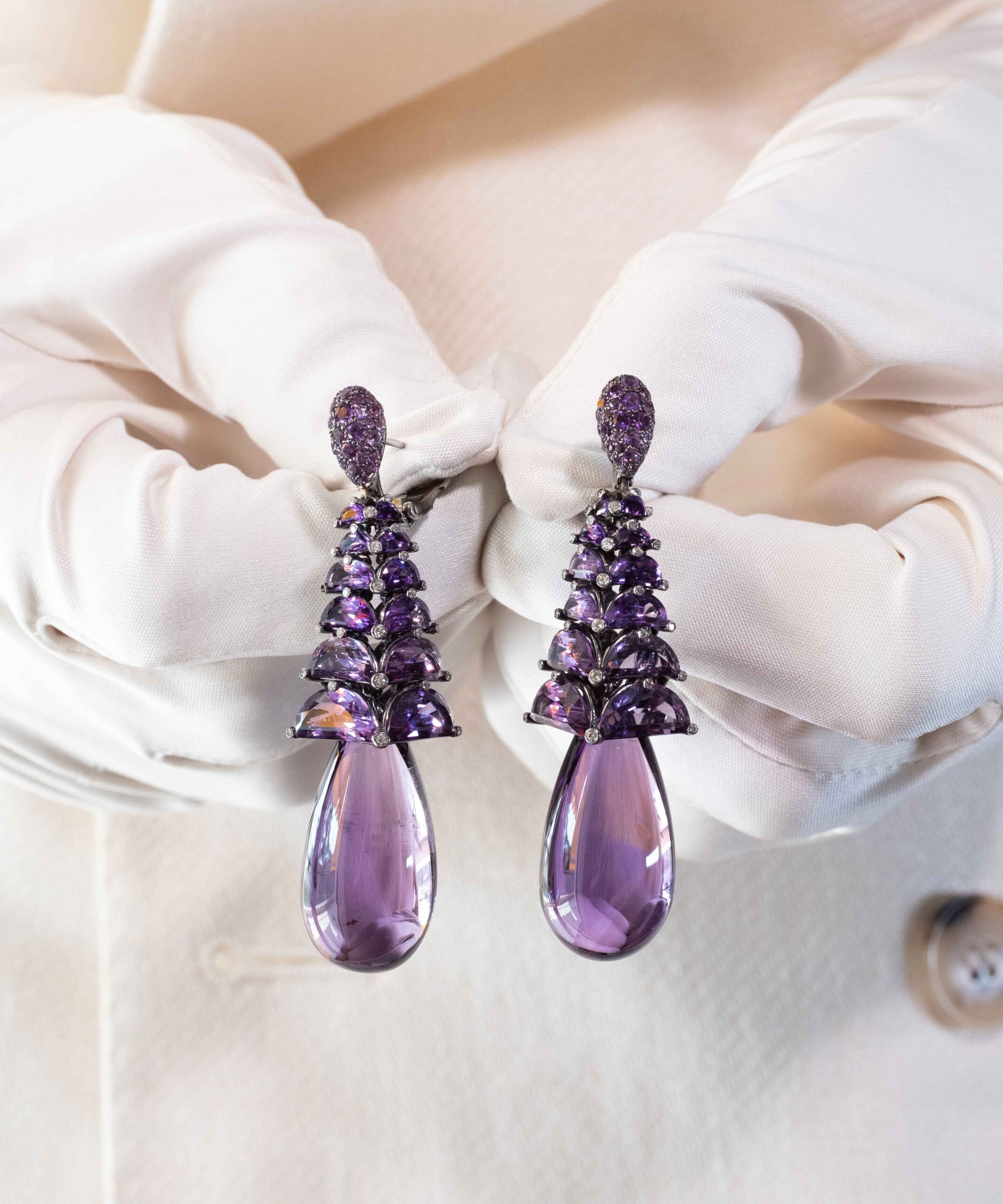
Jewelers typically set large faceted amethysts in silver or white metal, often accenting them with diamonds or pearls to highlight the purple. This practice is seen across many eras:
-
Georgian and Victorian Eras: Featured carved amethyst cameos or intaglios.
-
Edwardian and Art Deco Periods: Amethysts were used in long necklaces and geometric brooches, admired for both their color and clarity.
Symbolism and Legend
Amethyst’s lore is rich and widespread. Its name comes from the Greek amethystos, literally “not intoxicated,” reflecting the ancient belief that the gem warded off drunkenness. A famous myth tells how Bacchus, god of wine, turned a maiden into a clear quartz; in remorse he poured wine over it, staining it purple. While that story is medieval, the original idea is ancient: Greeks and Romans indeed believed amethyst would protect them from drunkenness. It was so valued that they made goblets and amulets of it, convinced it would preserve sobriety.
Royal and Spiritual Significance
Amethyst’s hue has long been a royal and sacred color.
-
Biblical and Ancient Authority: It is one of the twelve stones on Aaron’s breastplate. Pharaohs were buried with amethyst talismans, and medieval bishops wore amethyst rings to signify piety.
-
European Royalty: The stone featured prominently in regalia, from King Charles II’s 1660 coronation to the Swedish royal family’s Napoleonic amethyst parure, which once belonged to Empress Joséphine of France.
-
Symbol of Devotion: Associated with Saint Valentine and chaste love, the stone became linked to commitment. This is exemplified by Victoria of Sweden, who wore Empress Josephine’s amethyst parure with both state dresses and her wedding gown.
Emotional Resonance
Beyond history, amethyst resonates emotionally as a symbol of clarity and peace. It is called a stone of calm and insight.
-
Historical Perspective: The 16th-century astrologer Camillo Leonardi observed that amethyst “sharpens the mind and dispels negative thoughts.”
-
Modern Spiritual View: Practitioners describe it as a “stone of peace and tranquility” that clears the mind and soothes anxiety.
-
Enduring Legacy: Victorian wellness writers credited it with providing “courage, peace and stability to emotionally overwhelming situations.”
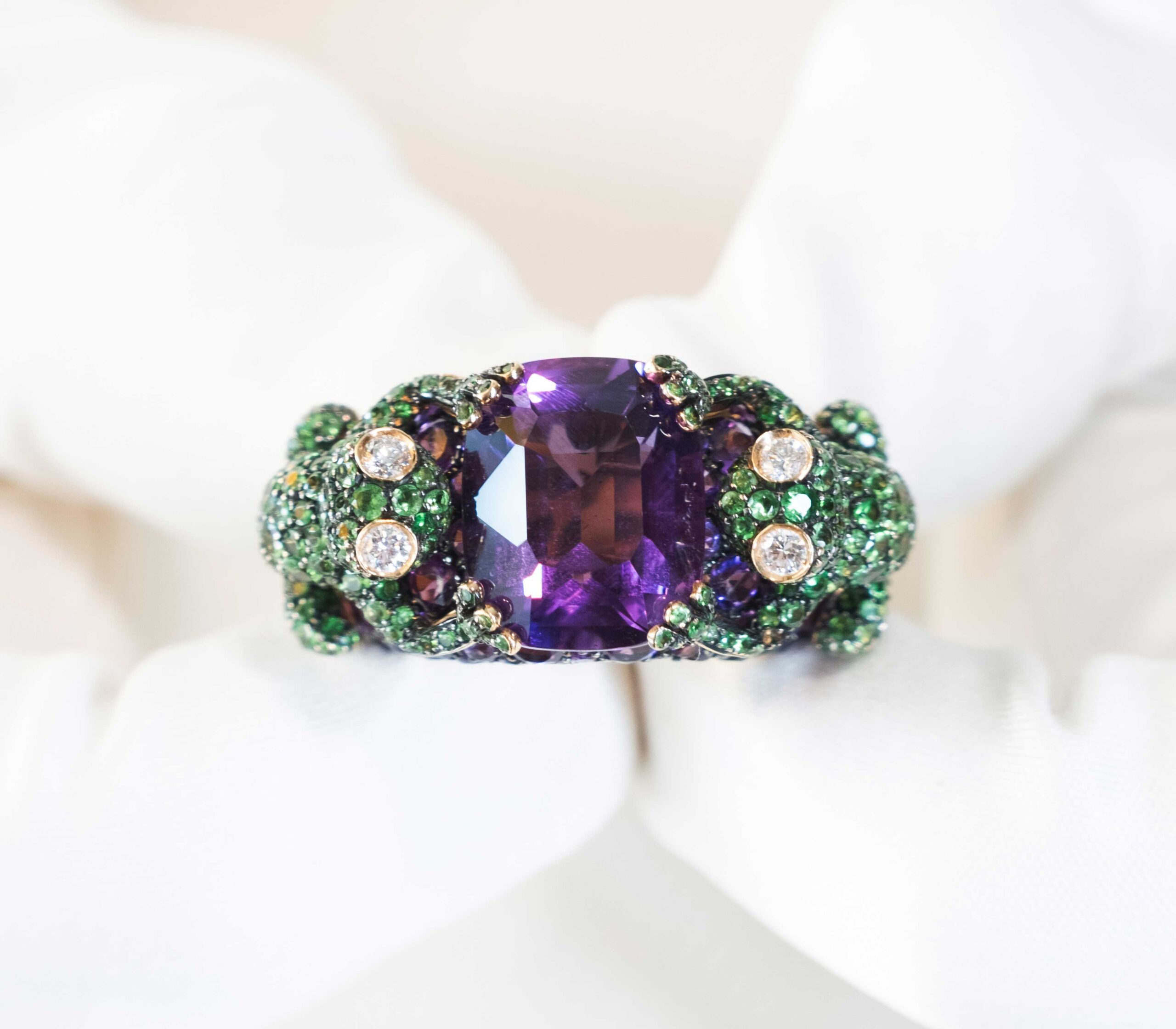
For the modern wearer of vintage amethyst jewelry, it represents balance and sincerity – a gentle guardian against stress and a timeless reminder of the inner calm that endures through generations.
Words Set in Stone
Garnet, tourmaline, and amethyst each speak their own verse in the language of stones. Garnet’s warm flame kindles the heart with courage and loyalty. Tourmaline’s kaleidoscopic prism brings balance, hope, and the wonder of nature’s rainbow. Amethyst’s quiet purple light offers peace, wisdom, and a timeless grace. Worn together in heirloom jewelry, these gems become more than adornment – they are the very words of love and memory written in light. In each sparkle and hue, one hears the whisper of ancient artisans and ancestors, a gentle reminder that the secret language of stones lives on with every generation.