The Ancient Art of Lapis Lazuli in Vintage Horology
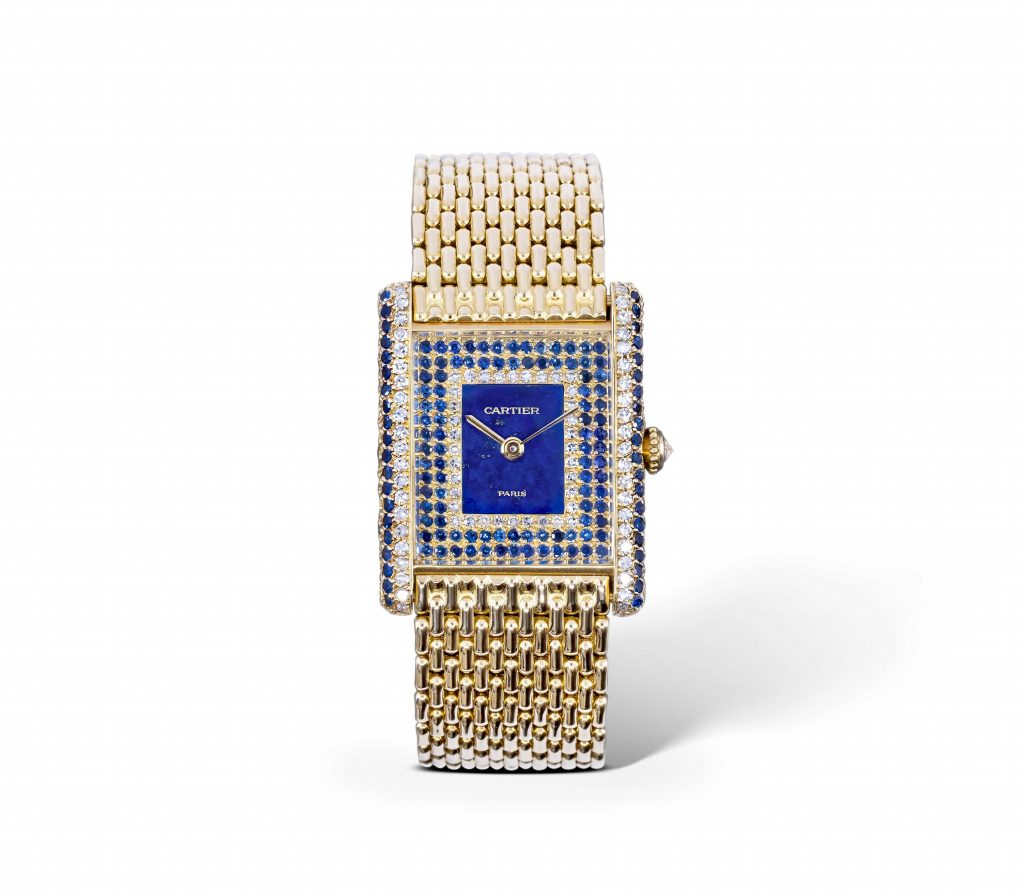
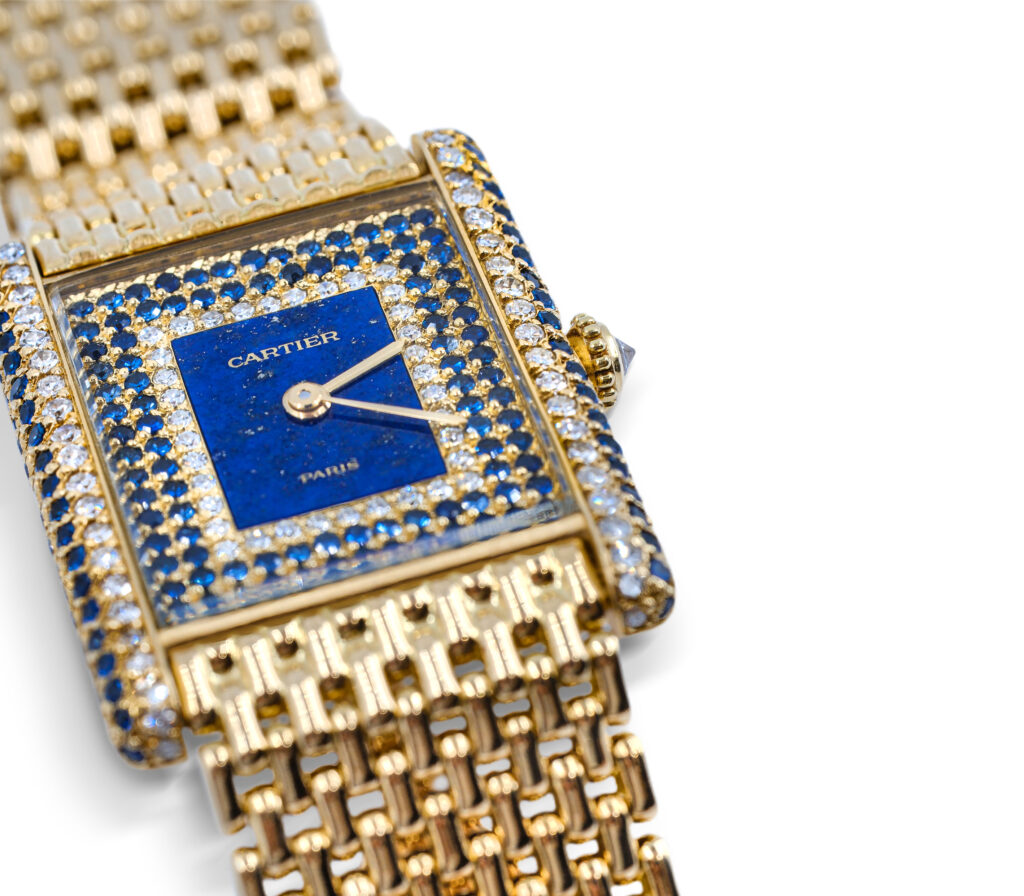
Lapis lazuli holds a place in human history that no other horological gemstone can claim. This metamorphic rock, sourced primarily from Afghanistan’s Badakhshan province and one of the world’s oldest continuously mined deposits, captivated horologists for its intense ultramarine hue and natural golden pyrite inclusions that create an unmistakable starry-night effect across the dial surface. Unlike faceted gems, lapis lazuli demanded exceptional lapidary skill: craftsmen had to slice, grind, and polish the stone to uniform thinness without fracturing it, then integrate it seamlessly into a precision timekeeping instrument.
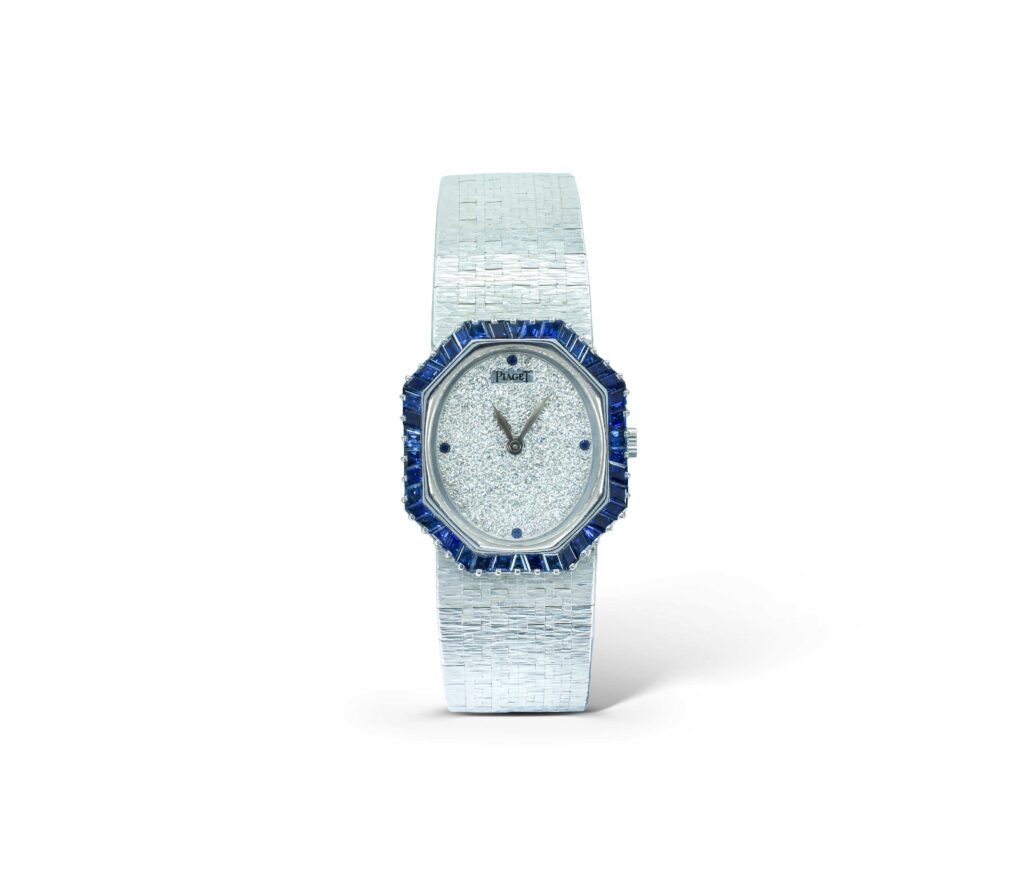
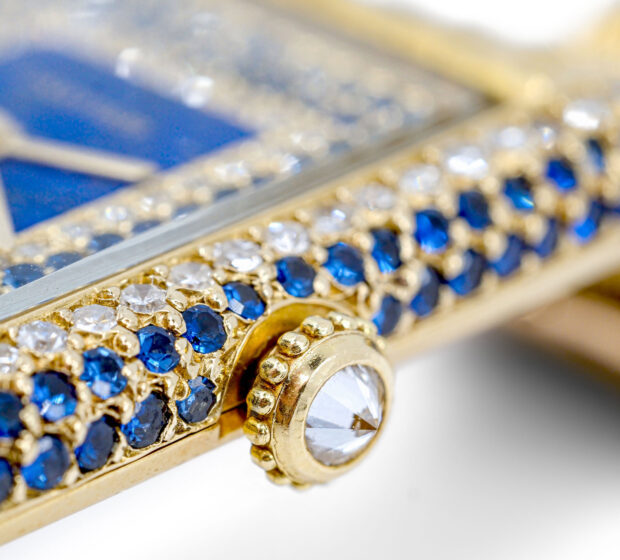
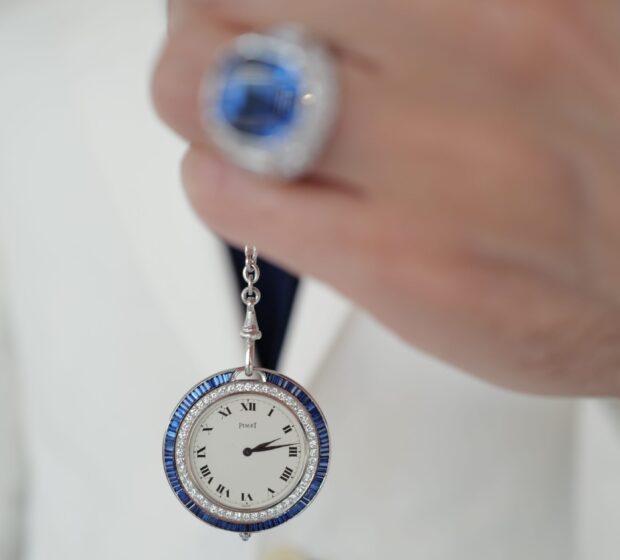
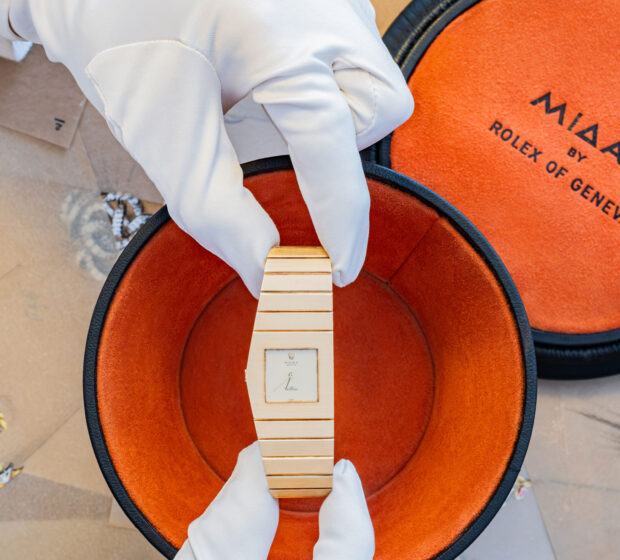
The result was not simply a beautiful estate watch. It was a demonstration of mastery at the intersection of geology and horology, where the aesthetic value of an ancient mineral met the technical discipline of mechanical watchmaking. During the 1960s and 1970s, legendary maisons including Cartier, Piaget, and Omega embraced lapis lazuli dials as a signature of haute joaillerie, creating designer timepieces, some as bespoke custom commissions, that now rank among the most desirable vintage watches in private collections and specialist auctions at Christie’s and Sotheby’s.
Authentication of vintage lapis lazuli watches relies on several hallmarks that distinguish genuine collectible pieces from later reproductions. Natural colour variation and organic pyrite distribution confirm that the stone is unenhanced and period-appropriate. Consistent dial thickness, typically between 0.4 and 0.8 mm in high-grade examples, reflects the technical discipline of the original atelier. Setting techniques correspond to specific decades and houses, providing additional provenance markers for the specialist eye. The finest old timepieces feature lapis lazuli of deep violet-blue saturation without grey undertones, with evenly distributed pyrite that enhances rather than dominates the surface.
The Grygorian Gallery Lapis Lazuli Collection
Eduard Grygorian has built this collection around a single principle: that genuine rarity cannot be manufactured. Each pre owned luxury timepiece carries documented provenance and has been evaluated by our gemologists against CIBJO-aligned criteria covering colour saturation, structural integrity, pyrite character, and the absence of artificial enhancement. Collectors occasionally search for used watches as a starting point, yet what they find here is something the secondary market rarely offers: estate watches authenticated to investment-grade standard and conserved by master craftsmen using period-appropriate techniques that preserve the delicate stone dial while ensuring mechanical reliability. Grygorian Gallery sources these rare timepieces from prestigious private collections and specialist auctions, prioritising examples where exceptional lapidary work meets outstanding watchmaking.
The Collector’s Appeal of Lapis Lazuli Timepieces
The lapis lazuli category rewards patience and specialist knowledge in equal measure. The stone itself is finite and increasingly rare in the high-grade form suitable for dial applications, and authenticated pre owned examples migrate into permanent collections faster than comparable pieces surface on the open market. This dynamic makes quality lapis lazuli estate watches both visually extraordinary and demonstrably valuable, carrying aesthetic, geological, and horological significance simultaneously.
Beyond scarcity, these timepieces carry a cultural authority that purely mechanical collectibles cannot replicate. Whether your interest is gemological, horological, or purely aesthetic, our specialists are available for personalised consultation. We invite you to explore a prestige timepiece collection where celestial beauty and enduring heritage value are inseparable.